Skip to content
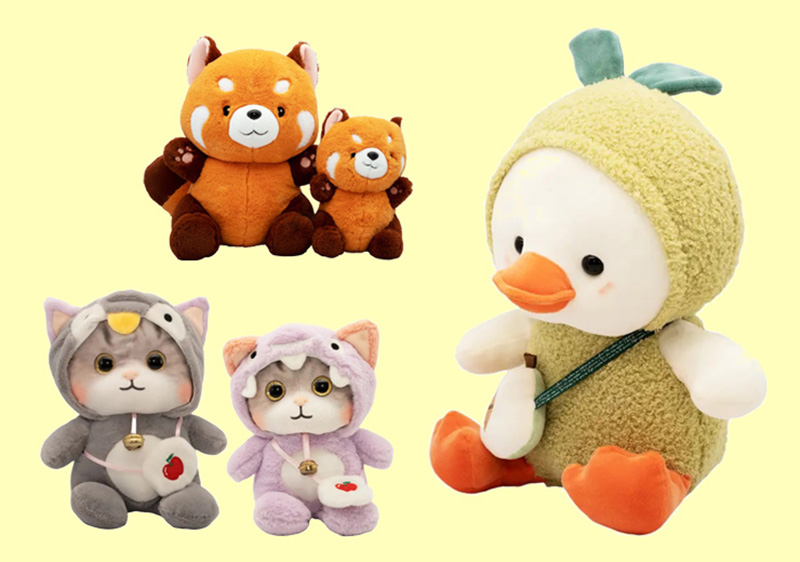
Stuffed animals are among the most beloved toys worldwide. They bridge generations, cultures, and markets, offering comfort, companionship, and even branding opportunities. But what exactly is a stuffed animal, how are they made, and why are they so important?
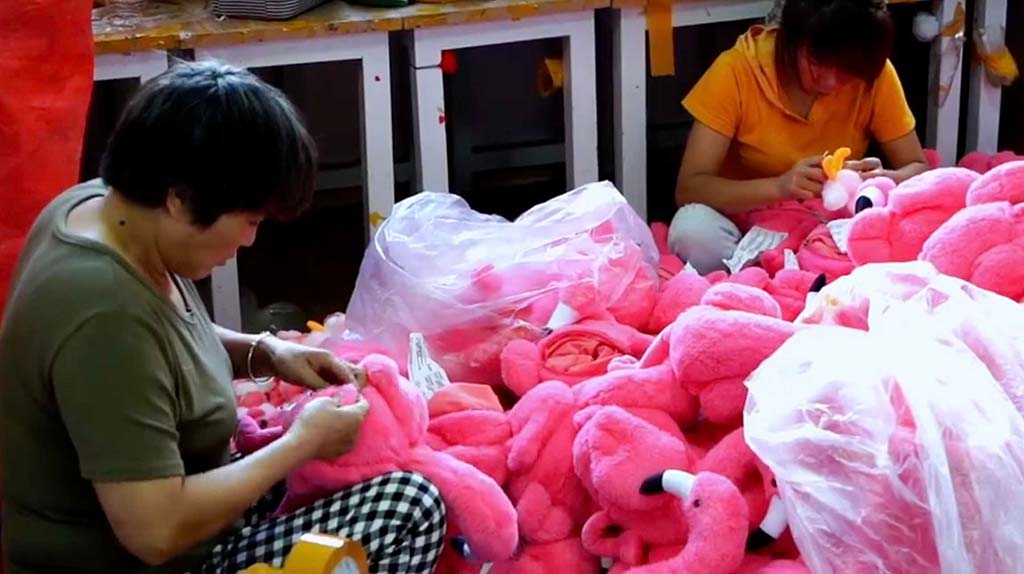
As a manufacturer at Kinwin, I work with global buyers every day to design and produce plush toys that meet safety standards and reflect market demand. In this guide, I’ll explain what defines stuffed animals, their history, materials, safety rules, emotional benefits, and how they are customized for modern use.
What defines a stuffed animal in terms of design and function?
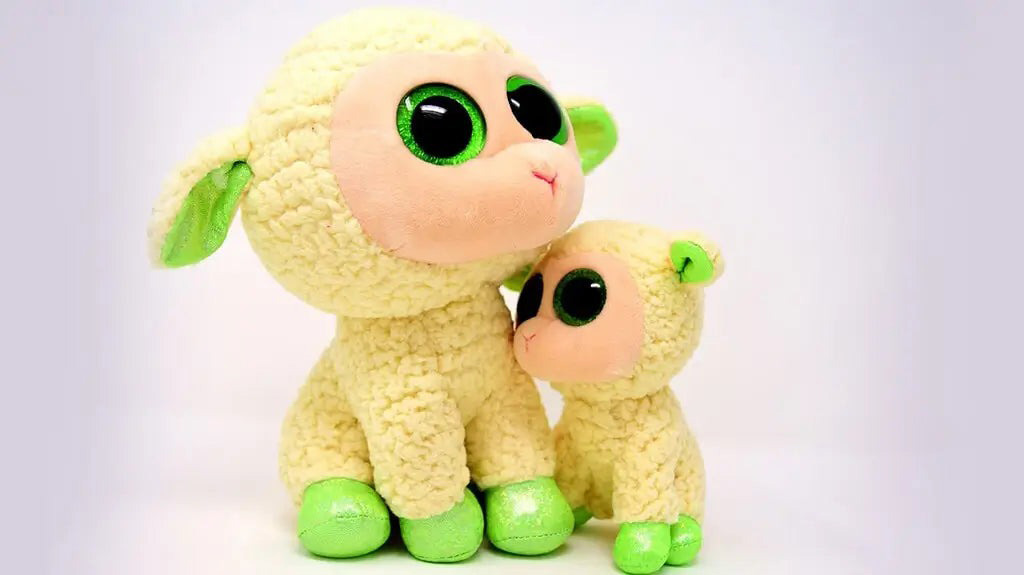
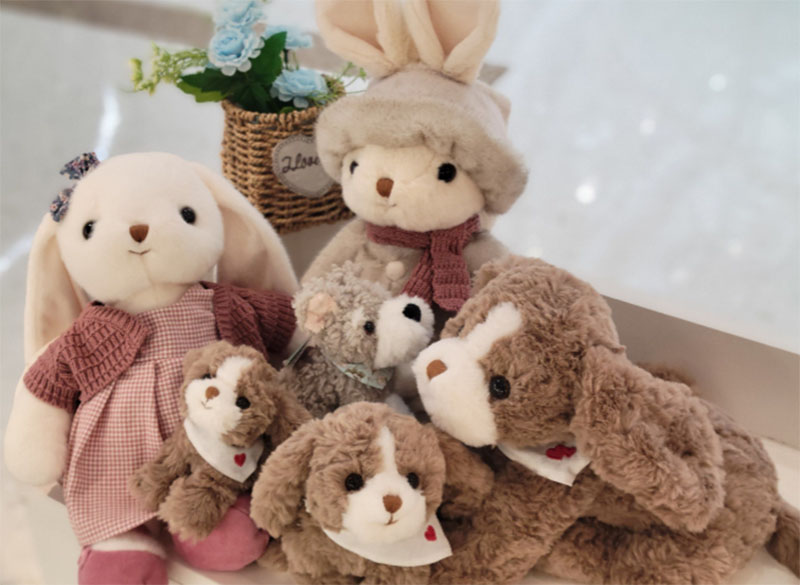
At its simplest, a stuffed animal is a soft toy shaped like an animal or character, filled with fabric or synthetic stuffing, and designed for hugging or comfort. But its design and function go beyond simple play.
The design focuses on soft fabrics, rounded shapes, embroidered or plastic features, and a lightweight body. The function is equally important: stuffed animals provide emotional comfort, serve as decorative items, and often symbolize friendship or love.
| Feature | Design Function |
|---|---|
| Soft fabric | Comfortable for hugging |
| Rounded shapes | Safe for children |
| Lightweight body | Easy to carry |
| Expressive face | Emotional connection |
In retail markets, stuffed animals function as both toys and lifestyle items. From children’s companions to adult collectibles, their role adapts to age and culture.
How did stuffed animals originate and evolve historically?
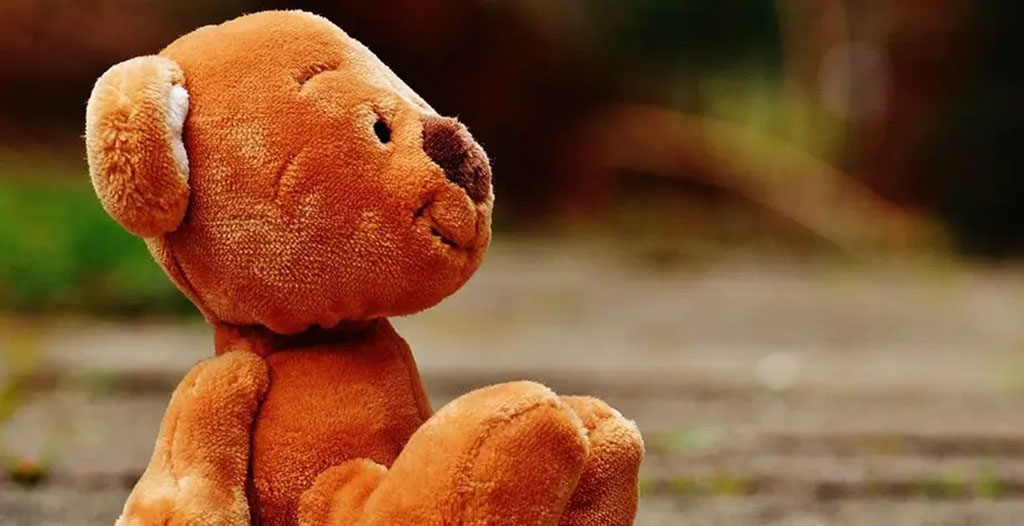
Stuffed animals have deep roots. Ancient cultures made animal figures from cloth and straw, but the true industry began in the 19th century with the Industrial Revolution.
The first modern stuffed animals appeared in Europe. In 1880, Margarete Steiff created her first stuffed elephant in Germany, originally as a pincushion. Children quickly adopted it as a toy, leading to the creation of Steiff’s plush company.
In 1902, her nephew Richard Steiff introduced the jointed bear design, which became the teddy bear. Around the same time in the U.S., Morris Michtom and his wife created “Teddy’s Bear,” inspired by President Theodore Roosevelt.
| Year | Event |
|---|---|
| 1880 | Margarete Steiff creates first plush elephant |
| 1902 | Richard Steiff designs jointed bear |
| 1903 | Michtoms introduce “Teddy’s Bear” in U.S. |
From then, stuffed animals evolved into a global industry. Today, they include licensed characters, weighted plush, eco-friendly designs, and high-tech interactive toys.
What materials and fillings are commonly used in stuffed animal production?
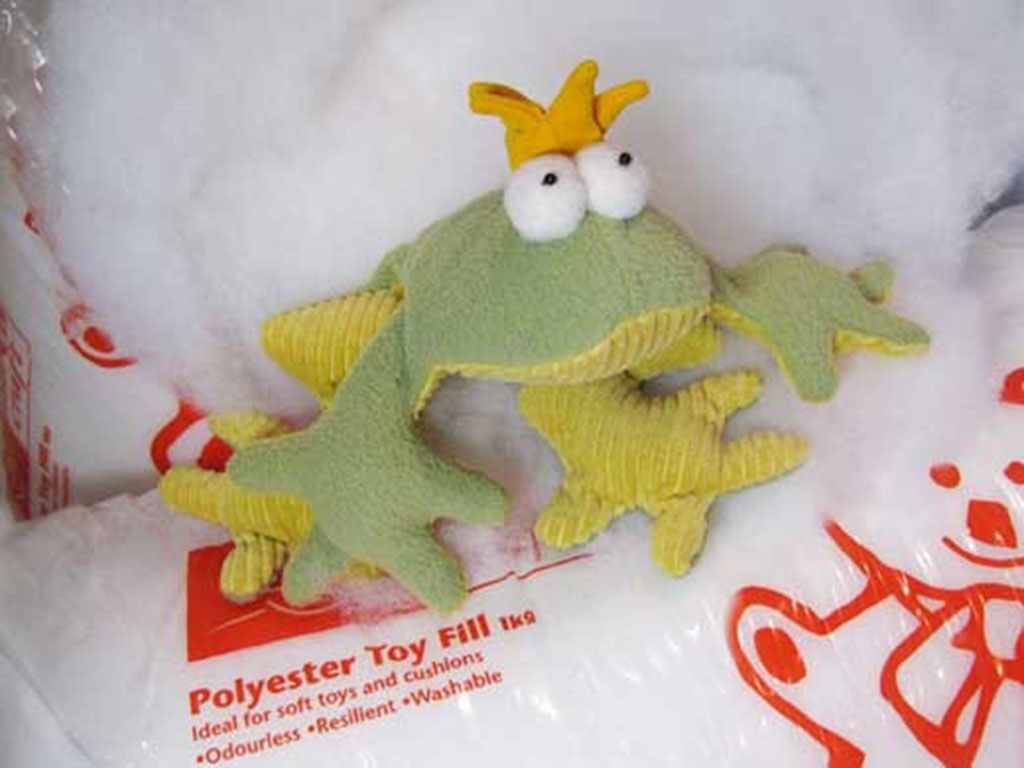
The choice of materials defines both the feel and safety of a stuffed animal. Buyers and manufacturers must balance softness, durability, and compliance with safety standards.
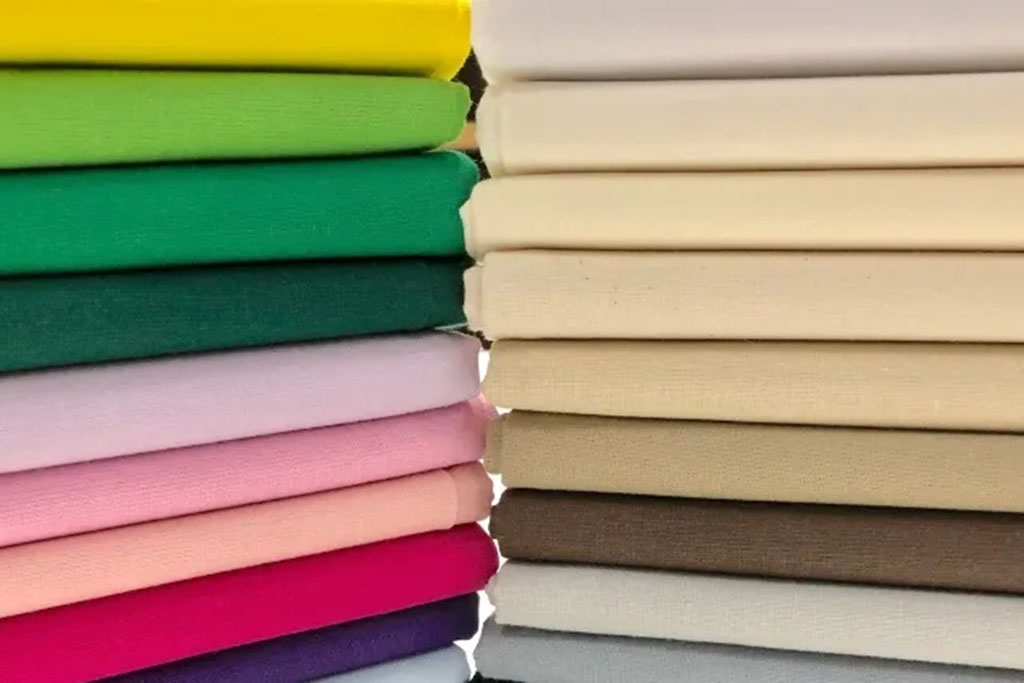
Outer fabrics include plush fleece, minky, cotton blends, and eco-friendly recycled polyester. Fillings include polyester fiberfill, cotton, foam, and weighted pellets for sensory toys. Each material influences softness and durability.
| Material Type | Example | Benefit |
|---|---|---|
| Fabric | Plush fleece | Soft texture |
| Fabric | Cotton blend | Breathable, natural |
| Filling | Polyester fiberfill | Fluffy, washable |
| Filling | Pellets | Adds weight, calming effect |
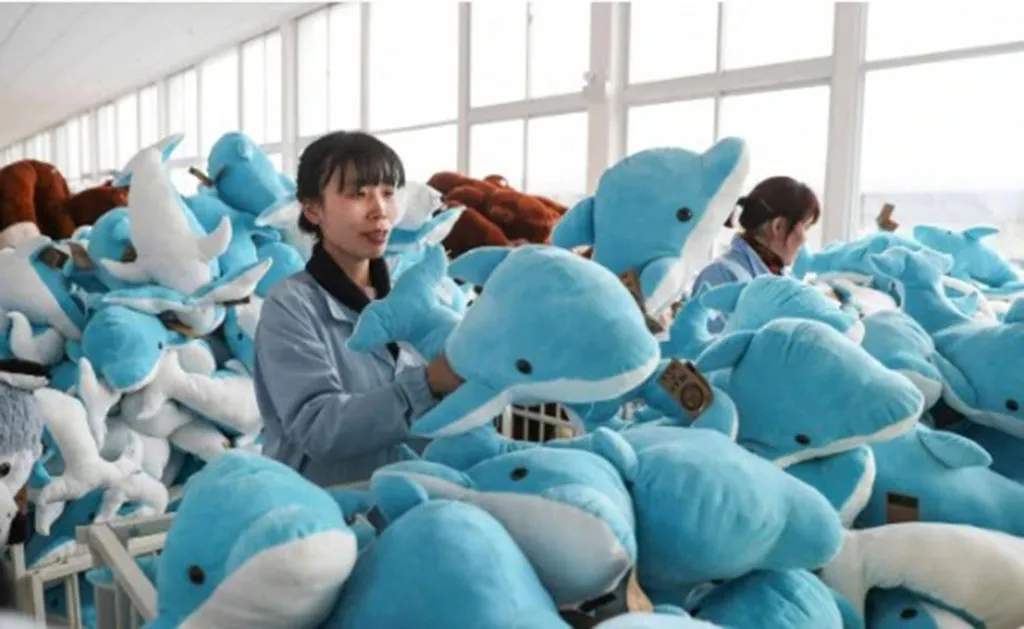
As a factory, we test all fabrics for colorfastness and durability. Fillers must pass CE and ASTM safety standards. Increasingly, buyers request recycled fillings, aligning with sustainability trends.
How do safety standards and certifications shape stuffed animal manufacturing?
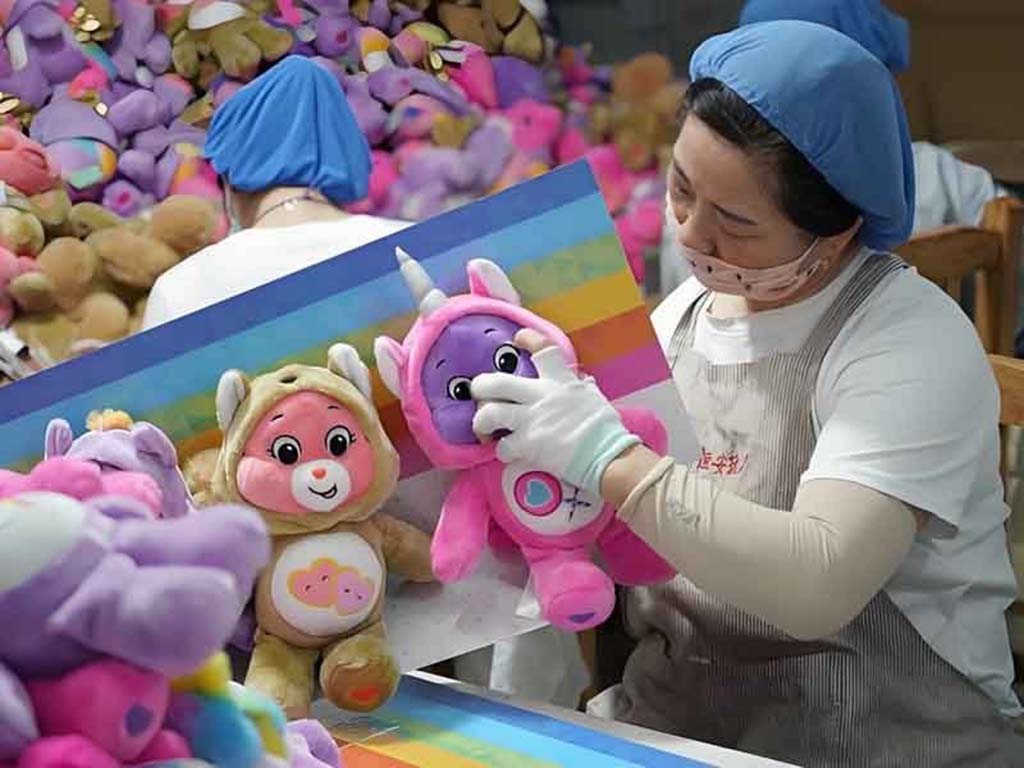
Safety is non-negotiable in plush toy production. International buyers require certifications to ensure toys are child-safe. The most important are CE (Europe) and ASTM (United States).
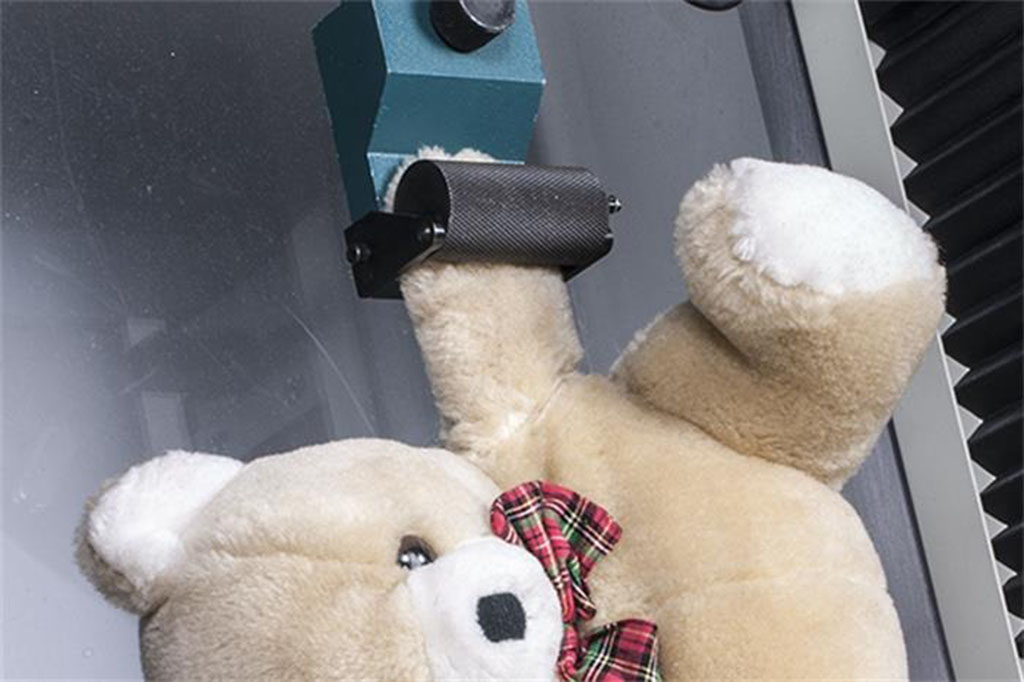
These standards cover seam strength, fabric flammability, chemical content, and choking hazards. For weighted plush toys, filler pouches must be double-sealed to avoid leaks.
| Standard | Region | Key Requirements |
|---|---|---|
| CE | Europe | Mechanical and chemical safety |
| ASTM | U.S. | Flammability, choking hazard, stuffing safety |
| CPSIA | U.S. | Lead and phthalate limits |
| ISO | Global | Quality management |
At Kinwin, we provide CE and ASTM certification for every plush toy. This reassures buyers like Jessica Williams, who cannot risk delays or rejections at customs.
What psychological and emotional benefits do stuffed animals provide?
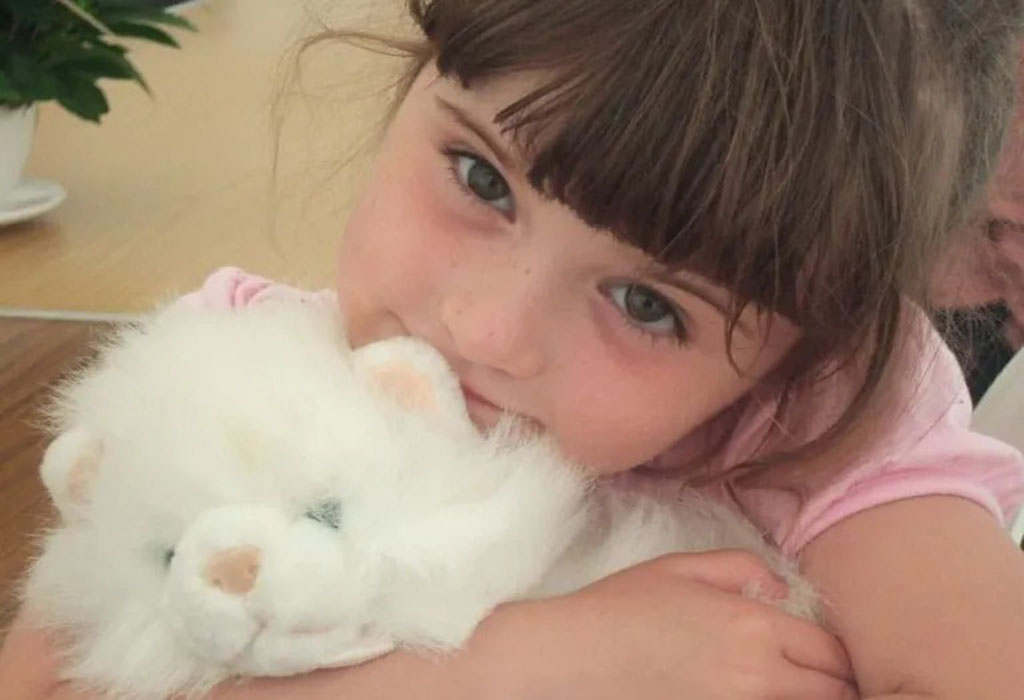
Stuffed animals are not just toys; they are emotional companions. Studies show they help reduce stress, improve sleep, and provide comfort during difficult times.
For children, plush toys are transitional objects—items that help them feel safe when parents are not around. For adults, they can serve as stress-relief tools or sentimental reminders. Weighted plush toys, in particular, are now used for sensory therapy, helping children with autism or adults with anxiety.
| Age Group | Emotional Benefit |
|---|---|
| Infants | Security, comfort |
| Children | Imaginative play, social learning |
| Adults | Stress relief, nostalgia |
| Therapy users | Sensory support, focus |
Retailers benefit because plush toys appeal across age groups. Emotional connection drives repeat sales and long-term loyalty.
How are stuffed animals customized for branding, retail, and promotional use?
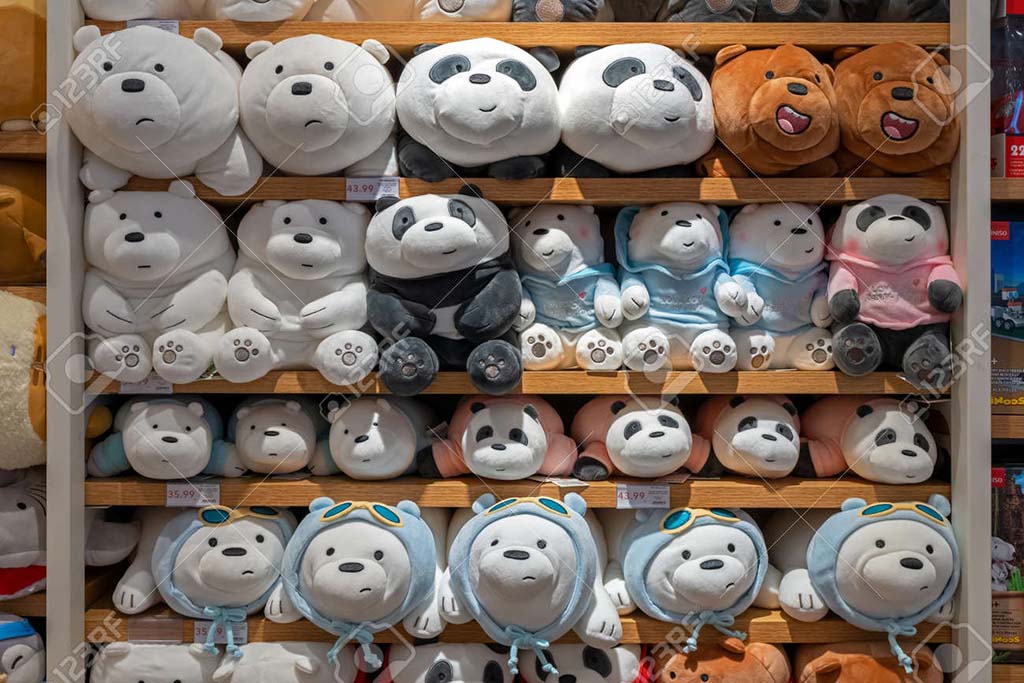
Customization is one of the most powerful aspects of plush toys. Businesses use stuffed animals not only as retail products but also as branding tools and promotional giveaways.
Customization options include embroidered logos, custom costumes, and branded packaging. Gift shops and amusement parks order plush toys in mascot form, while promotional companies request branded plush for events.
| Customization Option | Example |
|---|---|
| Embroidery | Company logo on plush |
| Costume design | Plush in seasonal outfit |
| Packaging | Custom printed gift boxes |
At Kinwin, we provide OEM and ODM services, allowing buyers to develop unique designs that meet safety standards while standing out in competitive markets.
Conclusion
A stuffed animal is more than fabric and filling—it is history, safety, emotion, and branding combined. From Steiff’s first elephant to today’s customized plush collections, stuffed animals continue to evolve. At Kinwin, we help global buyers create plush toys that are safe, customizable, and market-ready, ensuring success in every region.
Contact us at [email protected] or visit kinwintoys.com to develop your next plush toy project with a trusted manufacturer.