Material cost is one of the largest cost drivers in plush toy manufacturing. For many custom plush projects, fabric, stuffing, embroidery thread, accessories, labels, packaging, and cartons can represent a significant share of the final unit price. Buyers often ask factories to reduce material cost, but the safest approach is not simply choosing cheaper fabric. Poor material decisions can damage appearance, hand feel, safety, durability, and brand value.
A professional plush manufacturer reduces material cost through design planning, material selection, pattern efficiency, cutting control, waste reduction, standardization, packaging optimization, and clear buyer communication. The goal is to remove unnecessary cost while protecting the product qualities that matter to the customer. In B2B plush manufacturing, smart material cost control should support commercial value, not weaken it.
This guide explains how buyers and factories can reduce material cost in plush toys without creating avoidable quality risks. It focuses on practical manufacturing decisions that affect custom plush toys, retail plush lines, promotional plush orders, mascot plush, and repeat production programs.
Understand What Material Cost Really Includes
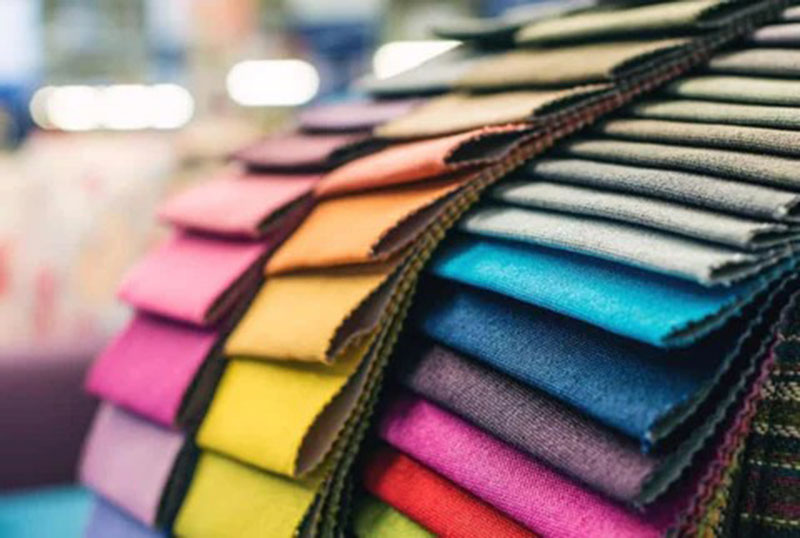
Material cost in plush manufacturing is broader than the main outer fabric. A plush toy may include short plush, faux fur, minky, velboa, felt, printed fabric, lining, stuffing, embroidery thread, plastic eyes, noses, hangers, keychains, ribbons, woven labels, care labels, hangtags, polybags, display boxes, master cartons, and shipping-related packaging. Each item affects cost, and each item may also affect production speed, quality control, or compliance.
Buyers sometimes focus only on fabric price per meter. That is important, but it is not enough. A cheaper fabric may create higher waste if it stretches, sheds, has unstable pile direction, or fails visual inspection. A low-cost accessory may require more manual attachment labor or may fail pull testing. A cheaper carton may reduce packaging cost but increase compression damage or warehouse complaints. Material decisions must be evaluated as a system.
A professional factory starts by identifying which materials are critical to the product’s value and which can be optimized. For a brand mascot, color accuracy and face expression may matter more than minor packaging upgrades. For a promotional plush, packaging may be simplified if the toy itself still meets brand expectations. For a children’s plush product, safety-related materials should not be compromised.
This cost breakdown helps buyers make better decisions. Instead of asking for a lower price generally, the buyer and factory can discuss where material cost is concentrated and which changes produce real savings without damaging the product.
| Material Area | Cost Impact | Risk if Reduced Blindly |
|---|---|---|
| Main fabric | Often a major cost driver | Poor hand feel, color shift, shedding |
| Stuffing | Affects weight and volume | Flat shape or poor recovery |
| Accessories | Adds part and labor cost | Safety or durability issues |
| Packaging | Can add hidden cost | Repacking, damage, or presentation problems |
Reduce Cost at the Design Stage
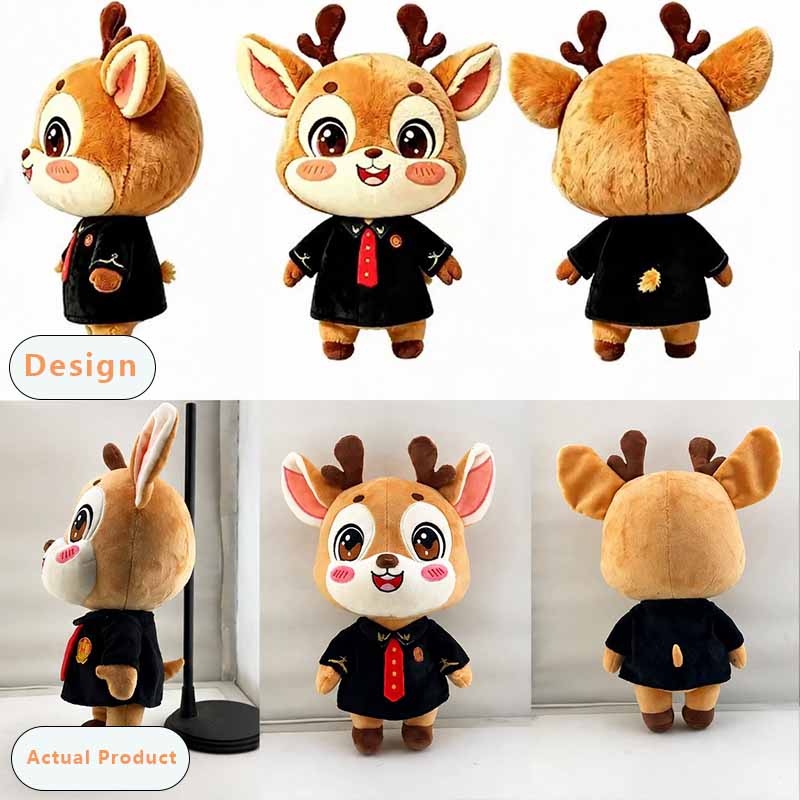
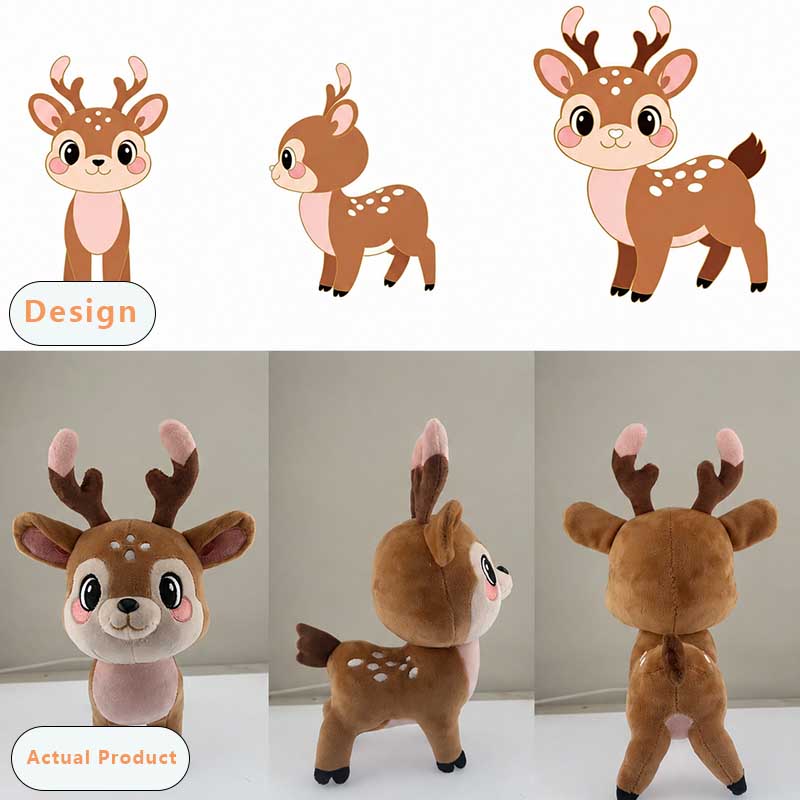
The best time to reduce material cost is before the design is locked. Once a sample is approved and bulk materials are ordered, most cost is already fixed. Design decisions determine fabric area, panel count, waste rate, accessory quantity, decoration method, stuffing volume, and packaging size. A design that looks simple in artwork may require expensive material usage if it is not engineered carefully.
For example, a plush character with oversized ears, a large tail, layered clothing, and many small fabric pieces may consume more material than expected. If those parts also require different fabric types, minimum order quantities and cutting waste may increase. A factory can often suggest small design adjustments that keep the product recognizable while improving material efficiency.
Cost-effective design does not mean making the plush look basic. It means protecting the features that create value and simplifying the details that add cost without strong buyer benefit. A small sewn patch may be replaced with embroidery or printing. A separate clothing layer may be integrated into the body pattern. A rarely noticed fabric detail may be changed to a standard material. A large plush may be adjusted slightly in size to improve fabric usage.
Buyers should ask the factory which design elements drive material cost. A partner-level supplier will explain trade-offs clearly instead of simply quoting a high price or substituting cheaper materials later.
Design-stage cost reduction is also useful because it avoids emotional decisions after the buyer has already fallen in love with a finished sample. If cost pressure appears late, the buyer may feel forced to accept lower material quality. If cost is discussed early, the factory can engineer the plush around the target price from the beginning. This usually creates a cleaner result because the savings are built into the structure, not forced into the product after approval.
| Design Choice | Material Cost Effect | Cost-Control Option |
|---|---|---|
| Oversized parts | More fabric consumption | Adjust proportions carefully |
| Many fabric types | Higher MOQ and waste | Standardize similar materials |
| Separate clothing | Extra fabric and cutting | Use integrated panels or print details |
| Small sewn patches | Extra material and labor | Use embroidery or applique selectively |
Choose Materials by Value, Not Only Unit Price
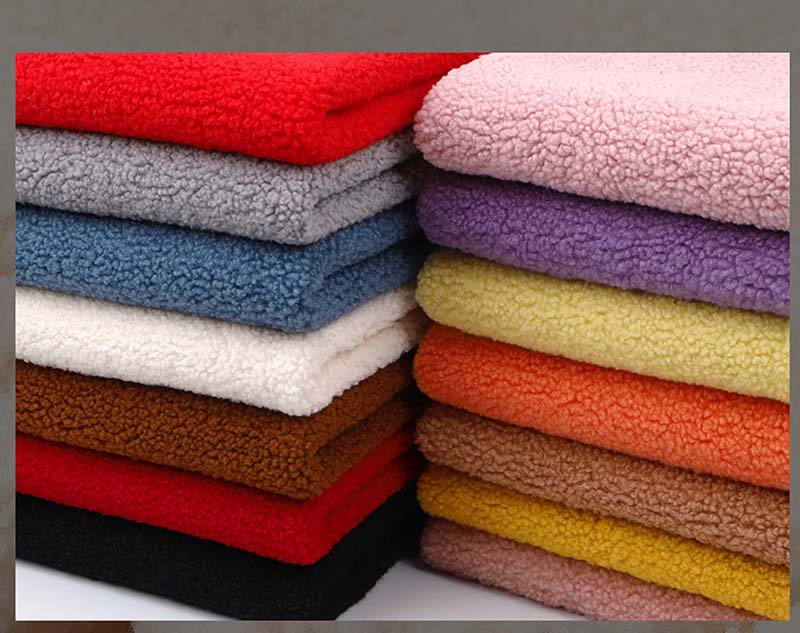
Choosing cheaper materials is not always the same as reducing cost. A material with a lower purchase price may cause more waste, more defects, slower production, or weaker customer response. The better question is whether the material delivers the required appearance, hand feel, durability, safety, and production stability at the right cost level.
For plush toys, fabric quality affects how the product looks in photos, how it feels in the hand, how it holds shape after stuffing, and how it performs after packaging. A low-cost fabric may look acceptable in a swatch but appear thin, dull, or uneven after production. If the product is for retail or brand promotion, this can weaken perceived value. If the product is for a children-focused market, material safety and durability must remain priorities.
A professional factory can offer material options with clear trade-offs. For example, one fabric may have a premium feel but higher cost. Another may reduce cost with acceptable softness but slightly shorter pile. A third may be suitable for promotional orders but not for high-end retail. The buyer can then choose based on product positioning rather than guessing.
Material value also depends on order quantity. Some materials become cost-effective only at higher volume because they require minimum purchase quantities. For smaller orders, using an available standard fabric may be more economical than requesting a custom material that creates leftover inventory.
A strong material decision should also consider how the toy will be handled after production. A giveaway plush may be distributed quickly at an event, while a retail plush may sit on shelves, be touched by customers, and be compared with competing products. A lower-cost material that is acceptable for one channel may be unsuitable for another. Matching material quality to sales channel is a practical way to reduce cost without weakening the product beyond its real use case.
| Material Decision | Good Evaluation | Poor Evaluation |
|---|---|---|
| Fabric selection | Cost plus hand feel and stability | Price per meter only |
| Stuffing choice | Shape, recovery, and weight | Lowest filling cost |
| Accessory choice | Safety, durability, and appearance | Cheapest part available |
| Custom material | MOQ and repeat order plan | Sample look only |
Improve Pattern Efficiency and Cutting Layout
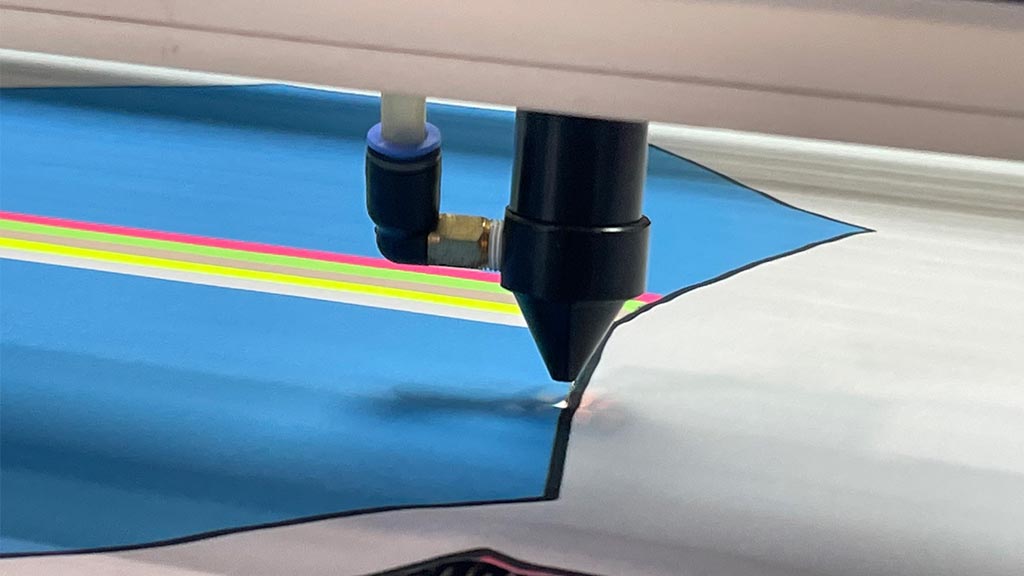
Cutting efficiency has a direct effect on material cost. Plush fabric is purchased in rolls, but the final toy is made from shaped pattern pieces. The way those pattern pieces are arranged on fabric determines how much usable material becomes product and how much becomes waste. Even a small improvement in cutting layout can matter on large-volume orders.
Plush cutting is more complicated than paper nesting because fabric direction matters. Long-pile fabric, printed fabric, stretch fabric, and directional textures must be aligned correctly. If pieces are rotated only to save material, the finished toy may show color variation or pile mismatch. Therefore, cost reduction must balance nesting efficiency with visual consistency.
A professional factory reviews pattern efficiency during sampling and pre-production. It checks whether large panels can be shaped more efficiently, whether left and right parts can be nested better, whether fabric direction is clearly marked, and whether unnecessary seam complexity increases waste. For multi-SKU programs, shared structures may also improve material planning.
Cutting control reduces both material waste and rework. Poor cutting can create uneven panels, missing parts, wrong direction pieces, or shape defects. These problems waste material and labor. Accurate cutting keeps production smoother and protects the approved sample standard.
For larger orders, even small waste differences become commercially meaningful. If a factory improves fabric utilization by a few percentage points, the saving can affect the full production cost. This is why buyers should not only ask about fabric price. They should also consider whether the factory has pattern-making and cutting discipline. A cheaper fabric used inefficiently may cost more than a slightly better fabric managed with lower waste.
| Cutting Factor | Cost Risk | Control Method |
|---|---|---|
| Poor nesting | High fabric waste | Optimize layout by approved direction |
| Wrong pile direction | Visual mismatch and rejected parts | Mark direction before cutting |
| Unstable fabric layers | Panel variation | Control layer height and spreading |
| Mixed pieces | Sorting and remake cost | Bundle pieces by SKU and batch |
Use Standardization Across Product Lines
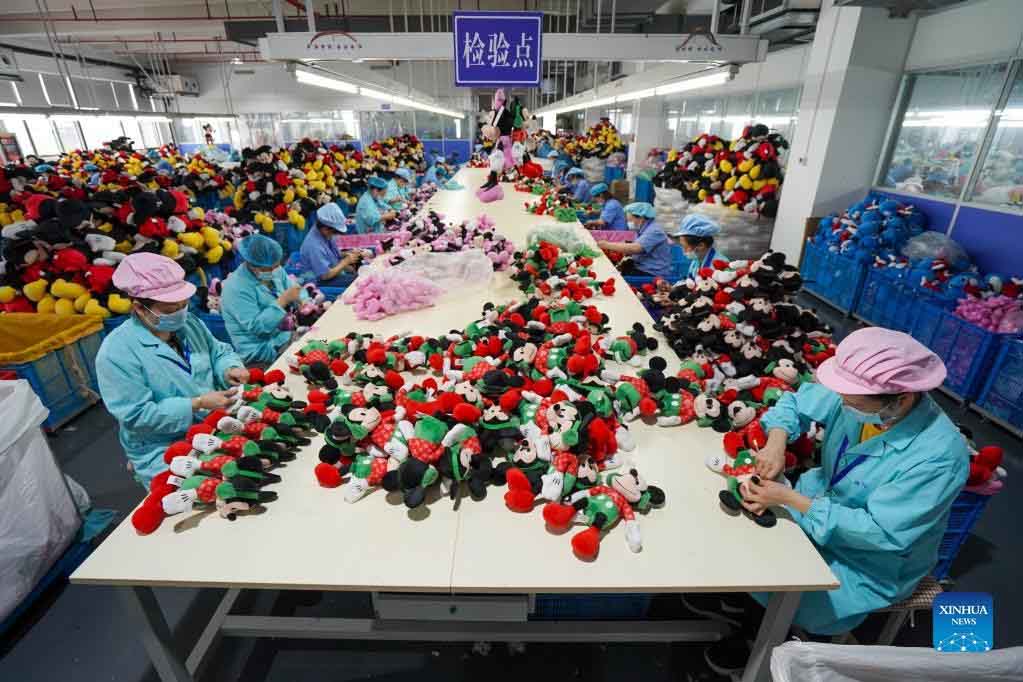
Standardization is one of the most effective ways to reduce material cost across multiple plush products. When every SKU uses different fabrics, labels, packaging, accessories, and carton rules, purchasing becomes fragmented and leftover material increases. When related products share selected materials and structures, the factory can buy more efficiently and reduce waste.
This is especially useful for buyers developing a series of characters, seasonal collections, promotional sets, or repeat retail lines. The characters can remain visually different while sharing base body fabric, stuffing grade, label positions, hangtag format, carton rules, or packaging materials. These shared decisions simplify sourcing and production without removing product identity.
Standardization also improves repeat order stability. If a buyer uses the same approved fabric or packaging structure across multiple programs, the factory can keep better records and source more predictably. This helps reduce cost surprises when the buyer reorders or expands the line. It also improves lead time because fewer new materials need approval.
The key is to standardize the right elements. Buyers should not standardize details that define the character or brand value. Instead, they should standardize hidden or low-impact elements where consistency supports cost control. A professional supplier can help identify which parts should be shared and which should remain unique.
| Standardized Item | Cost Benefit | Buyer Benefit |
|---|---|---|
| Base fabric | Better purchasing efficiency | Stable hand feel across line |
| Stuffing grade | Simpler material control | Consistent product feel |
| Label placement | Less setup confusion | Cleaner QC and compliance |
| Packaging format | Lower MOQ and faster packing | Smoother logistics handling |
Reduce Waste Through Process Control
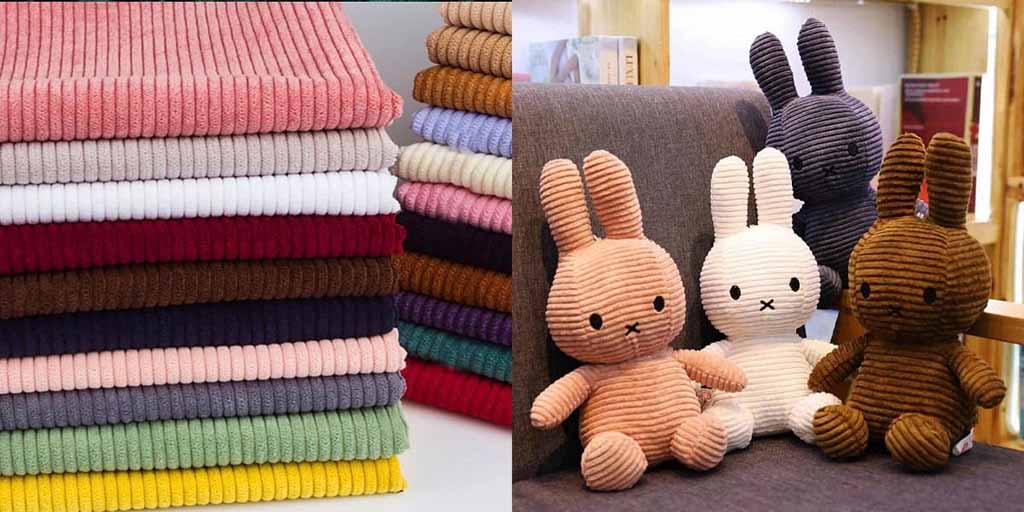
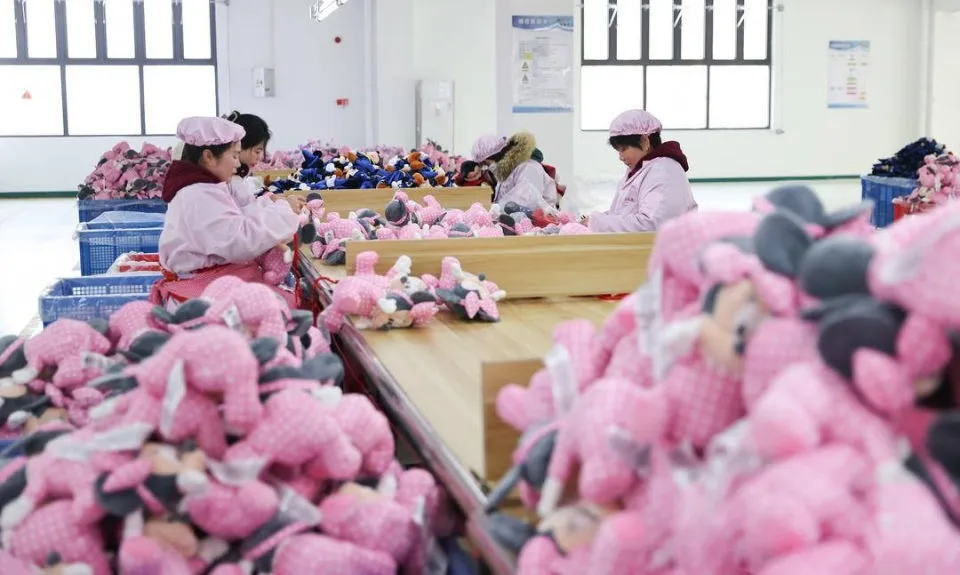
Material cost is not only controlled by purchasing. It is also controlled by how well the factory uses materials during production. Waste can appear through fabric defects, cutting errors, wrong embroidery placement, sewing mistakes, stuffing rework, dirty handling, packaging damage, or rejected finished goods. Each waste point increases the real material cost per acceptable unit.
Process control reduces this hidden cost. Material inspection prevents defective fabric from entering cutting. Cutting checks prevent wrong-direction panels. Inline sewing QC catches repeated errors before too many pieces are completed. Stuffing checks reduce reshaping and remaking. Clean handling prevents dirt-related rejection. Packing checks prevent packaging waste and carton correction.
For buyers, this matters because a factory with poor process control may appear cheaper at quotation but become less reliable in production. If the factory expects high waste, it may build that risk into the price. If it does not build the risk into the price, quality or delivery may suffer later. Strong process control supports more stable costing.
Waste data should also be used for improvement. If a design repeatedly creates high cutting waste or production rejection, the factory can suggest pattern changes, material changes, or operation improvements for the next order. This is how material cost reduction becomes sustainable rather than one-time price pressure.
| Waste Source | Material Cost Impact | Prevention Method |
|---|---|---|
| Fabric defects | Rejected panels | Inspect before cutting |
| Cutting mistakes | Remake parts | Use first-piece checks |
| Sewing defects | Scrapped or repaired shells | Inline QC and worker training |
| Packing damage | Replacement packaging | Confirm packing method early |
Optimize Packaging Without Weakening Presentation
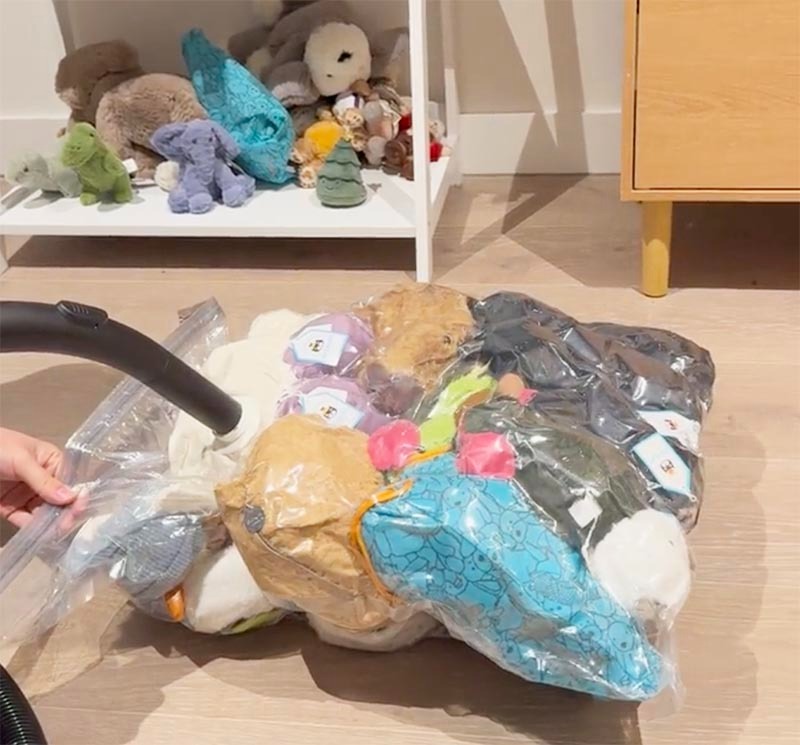
Packaging can be a major material cost, especially for retail plush products. Boxes, inserts, hangtags, polybags, display trays, barcode labels, warning labels, and master cartons all add cost. Packaging also affects labor, carton volume, freight cost, and warehouse handling. Reducing packaging cost requires balancing presentation, protection, compliance, and logistics efficiency.
Some plush products need strong retail packaging because shelf presentation drives sales. Others can use simpler polybags or hangtags because the product is used for promotion, event distribution, or bulk delivery. The right packaging depends on the buyer’s sales channel and end-user expectations. Over-packaging wastes material and money. Under-packaging creates damage, poor presentation, or receiving problems.
Vacuum packing can reduce shipping volume for some plush orders, but it should be tested before bulk use. Not every plush toy recovers shape equally after compression. A premium mascot plush may need gentler packing, while a bulk promotional plush may be suitable for compression if recovery is acceptable. Carton size and packing quantity should also be reviewed to avoid unnecessary freight volume.
Professional factories help buyers compare packaging options with practical trade-offs. The lowest packaging cost is not always the best total cost. The best option protects the plush, meets channel requirements, and avoids unnecessary material or logistics waste.
| Packaging Choice | Cost-Control Opportunity | Risk to Check |
|---|---|---|
| Polybag | Low material cost | May lack retail presentation |
| Display box | Strong shelf value | Higher material and labor cost |
| Vacuum packing | Lower shipping volume | Shape recovery must be tested |
| Carton planning | Better logistics efficiency | Compression or mixed-SKU errors |
Work With the Factory on Cost Transparency
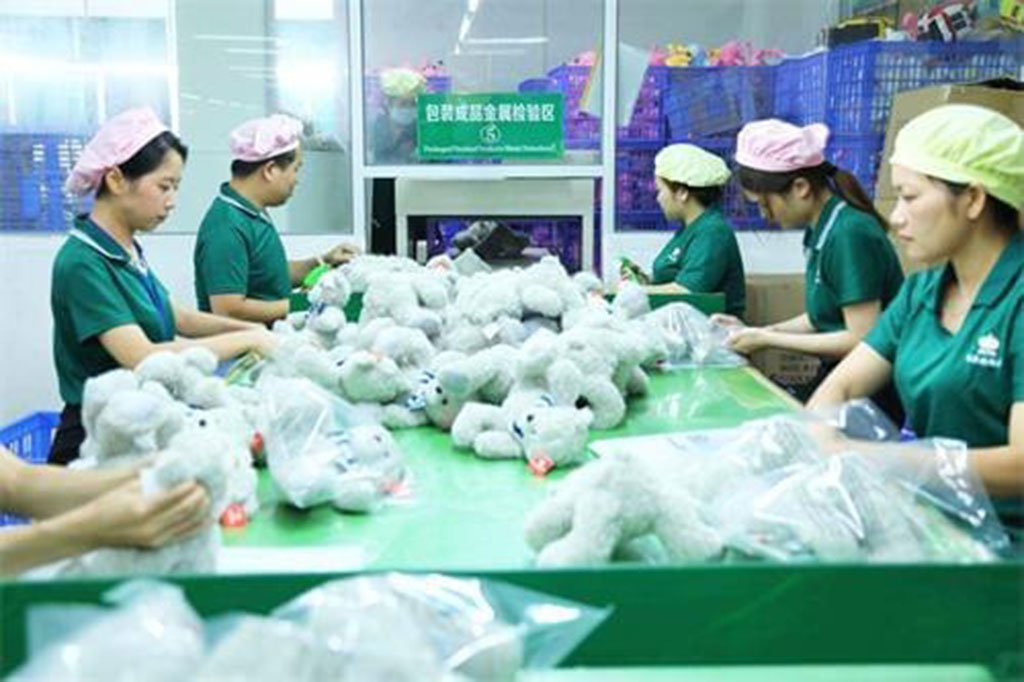
Material cost reduction works best when buyers and factories discuss cost transparently. If the buyer only asks for a lower price without understanding cost drivers, the factory may reduce materials in ways that affect quality. If the factory only says a design is expensive without explaining why, the buyer cannot make informed decisions. Transparency makes cost reduction more practical.
A professional supplier can explain which materials are driving cost, which alternatives are available, which changes affect appearance, and which savings are not worth the risk. It can also explain MOQ issues, dye lot limitations, packaging costs, accessory costs, and material waste factors. This helps the buyer decide where to adjust the product and where to protect quality.
Buyers should share target price and product priority early. If the project must meet a strict cost target, the factory can design toward that target from the beginning. If premium appearance matters more than price, the factory can protect key materials and look for savings in less visible areas. Without this priority, the factory may make assumptions that do not match the buyer’s commercial goal.
Long-term cooperation improves material cost control. Repeat orders, shared materials, better forecasts, and stable specifications help factories purchase more efficiently. A one-time price negotiation may reduce cost temporarily, but structured cooperation creates more sustainable savings.
Cost transparency also reduces the risk of hidden compromises. When the buyer understands why a material is recommended, what the lower-cost option changes, and which parts of the product should remain protected, approval decisions become more rational. This is especially important for brand owners and retailers because the cheapest version of a plush toy may not be the version that creates the best margin after customer satisfaction, repeat sales, and complaint risk are considered.
| Transparency Area | Why It Helps | Better Decision |
|---|---|---|
| Target price | Guides design choices | Cost control starts early |
| Material alternatives | Shows trade-offs | Buyer protects key value |
| MOQ discussion | Prevents leftover cost | Better quantity planning |
| Repeat order forecast | Improves sourcing plan | More stable long-term cost |
Conclusion
Reducing material cost in plush toys is not about choosing the cheapest material available. It is about understanding the full material structure, designing efficiently, selecting materials by value, improving cutting layout, standardizing where possible, reducing process waste, optimizing packaging, and communicating cost trade-offs clearly. Done correctly, material cost reduction protects both price and product quality.
For B2B buyers, the safest approach is to work with a plush manufacturer that can explain cost drivers and provide practical alternatives. The right factory will not simply lower material quality to meet a price. It will help identify where savings are possible, where quality must be protected, and how to build a product that remains commercially competitive and reliable in bulk production.
FAQ
1. What is the biggest material cost in plush toys?
The main outer fabric is often a major cost driver, but stuffing, accessories, labels, packaging, cartons, and material waste can also significantly affect total cost.
2. Is cheaper fabric always a good way to reduce cost?
No. Cheaper fabric may create poor hand feel, higher waste, color inconsistency, shedding, or quality complaints. Material value should be evaluated by performance, not price alone.
3. How can design reduce material cost?
Design can reduce cost by improving proportions, reducing unnecessary fabric types, simplifying low-value details, integrating clothing panels, and selecting decoration methods that use materials efficiently.
4. Why does cutting layout matter?
Cutting layout determines how much fabric becomes usable product and how much becomes waste. Good nesting improves material efficiency while still respecting fabric direction and quality requirements.
5. Can packaging be optimized to reduce material cost?
Yes. Buyers can choose packaging based on sales channel, protection needs, retail presentation, carton efficiency, and shipping volume. The best option balances cost and function.
6. How can buyers avoid quality loss when reducing material cost?
Buyers should define critical quality points, approve material alternatives carefully, avoid unsafe substitutions, and work with factories that explain trade-offs clearly before production.
7. Does repeat ordering help reduce material cost?
Yes. Repeat orders can improve material planning, reduce approval time, support better purchasing, and lower leftover material risk when specifications remain stable.