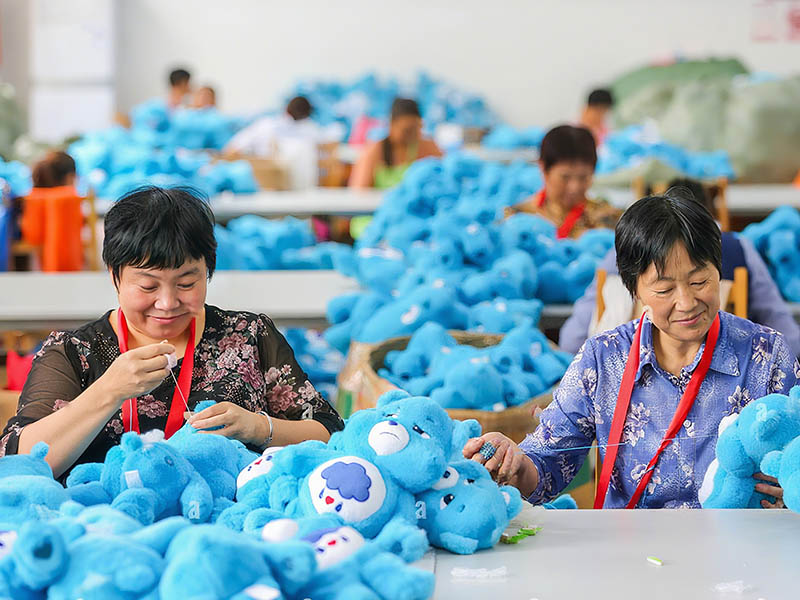
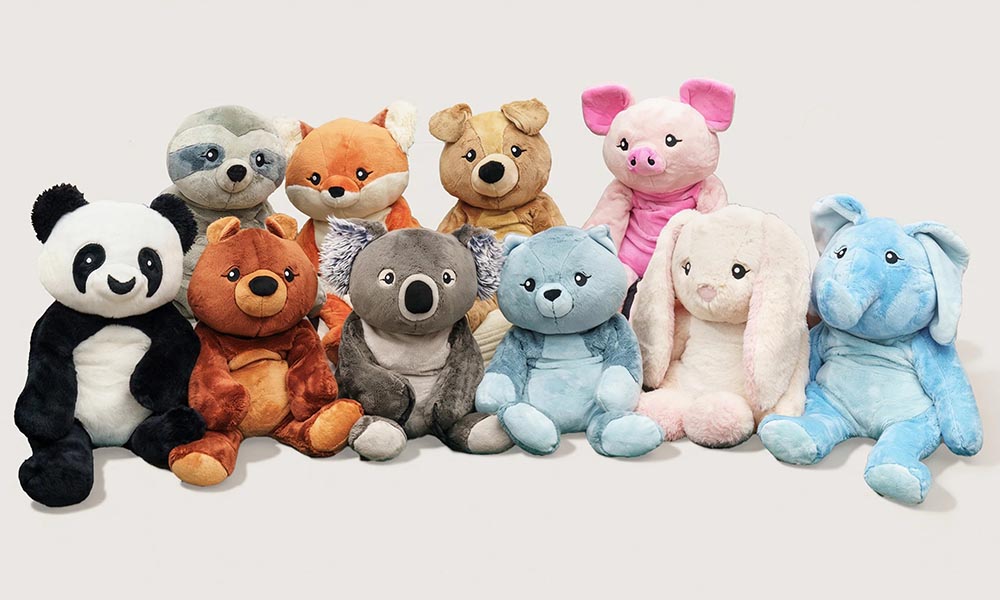
Complex plush projects are different from ordinary plush orders. They may involve unusual shapes, licensed characters, strict brand standards, multiple sizes, detailed embroidery, mixed fabrics, electronic modules, safety requirements, retail packaging, tight launch schedules, or repeated buyer revisions. In these projects, the factory is not only sewing soft toys. It is translating a commercial idea into a stable, repeatable, and inspectable product.
For B2B buyers, complexity usually shows up as uncertainty. A design may look simple in a drawing but become difficult when pattern makers need to create three-dimensional shape, maintain facial expression, control stuffing balance, meet safety expectations, and keep production cost within target. If the supplier treats the order like a standard item, problems often appear late: samples do not match the artwork, materials cannot be sourced on time, production output varies, packaging does not fit, or inspection reveals defects too close to shipment.
Handling complex plush projects requires a structured process. The factory must identify risks early, build realistic samples, lock technical standards, coordinate materials, manage cross-department information, monitor production quality, and keep buyers informed when decisions are needed. Strong project handling does not remove every challenge, but it prevents manageable problems from becoming expensive surprises.
A professional plush manufacturer should be able to explain how it controls complexity. Buyers should not only ask whether the factory can make the item. They should ask how the factory will evaluate feasibility, protect the approved sample, document standards, control changes, and confirm bulk consistency. The quality of the process often determines the quality of the final product.
Start With a Technical Risk Review
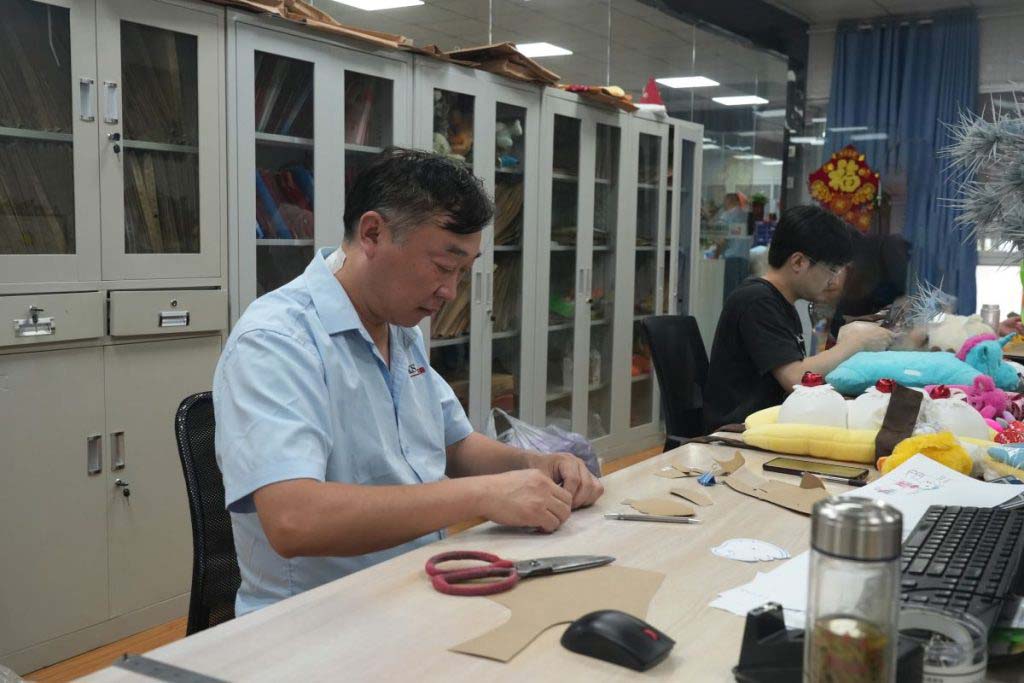
The first step in a complex plush project is not cutting fabric. It is reviewing the technical risk behind the design. A buyer may provide sketches, 3D references, brand guidelines, Pantone colors, packaging ideas, or a previous sample from another supplier. The factory needs to study these inputs and decide what may be difficult before quoting too confidently or promising a lead time that cannot be protected.
Technical risk can come from shape, structure, material, decoration, safety, production efficiency, or packaging. A plush character with a large head and thin legs may have standing stability issues. A product with many small accessories may require stronger attachment methods and more inspection time. Long-pile fabric may hide seam details or distort embroidery placement. A retail box may protect the product visually but increase shipping volume and cost.
A good factory should separate what is clearly achievable from what requires testing. This protects both sides. Buyers get a more realistic view of cost, lead time, and development difficulty. The factory avoids accepting hidden obligations that later cause disputes. The review should also identify which decisions must be made early, such as fabric type, size tolerance, color standard, safety market, packaging method, and functional requirements.
For complex projects, a technical risk review should involve more than one person. Sales can understand the buyer’s commercial need, but pattern makers, sample technicians, production managers, QC staff, and sourcing teams may see risks that sales alone would miss. This cross-functional review is one reason experienced factories can prevent problems before they reach bulk production.
The output should be practical. Buyers do not need vague warnings. They need clear notes: what may affect appearance, what may affect cost, what may affect lead time, what requires sample testing, and what must be confirmed before mass production. This makes the project more predictable from the beginning.
| Risk Area | What the Factory Reviews | Why It Matters |
|---|---|---|
| Shape and structure | Balance, proportion, seam location, stuffing support, and pattern difficulty | Prevents samples that look good in drawings but fail in three-dimensional form |
| Materials and decoration | Fabric pile, color matching, embroidery, printing, accessories, and trims | Identifies sourcing and consistency risks before production starts |
| Compliance and packaging | Target market, safety points, labels, retail format, and carton plan | Avoids late changes that affect approval, inspection, or shipment |
Turn Buyer Ideas Into Practical Sample Standards
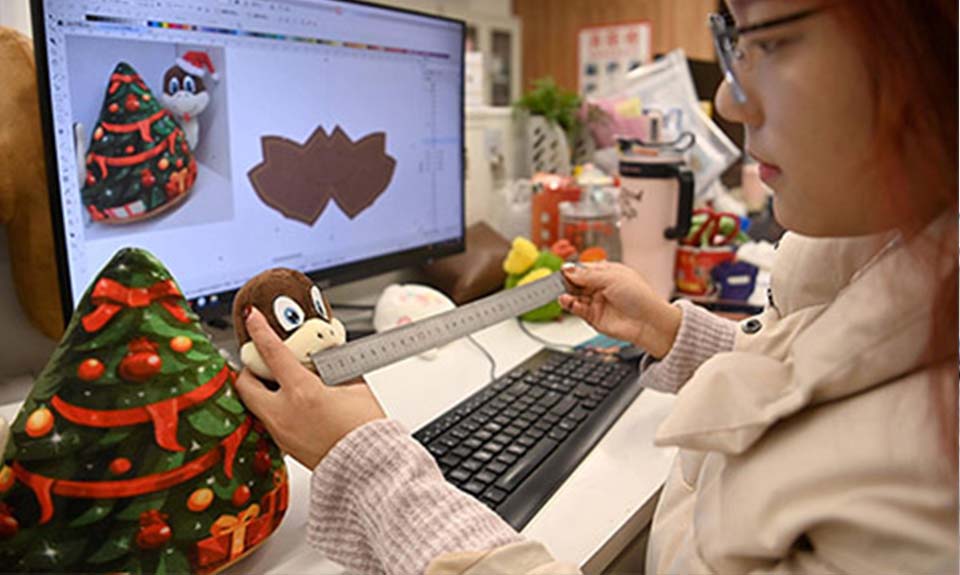
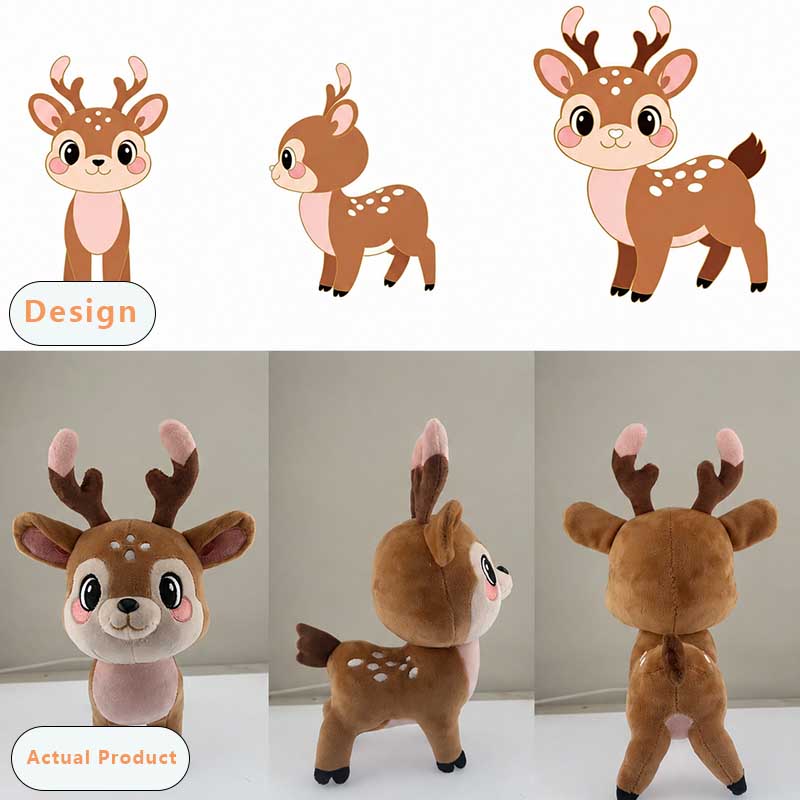
Sampling is where a complex plush project becomes real. The sample room must translate drawings, artwork, photos, brand references, or character files into a physical plush toy. This translation is not mechanical. Plush fabric stretches, compresses, hides seams, changes expression with stuffing, and reacts differently from flat artwork. A professional factory uses sampling to test what the design can become in production.
Complex samples often require several rounds. The first round may test shape and construction. The second may adjust facial expression, embroidery position, fabric choice, or stuffing density. Later rounds may confirm packaging, labels, safety details, or production feasibility. The point of sampling is not simply to satisfy a visual preference. It is to create a benchmark that bulk production can repeat.
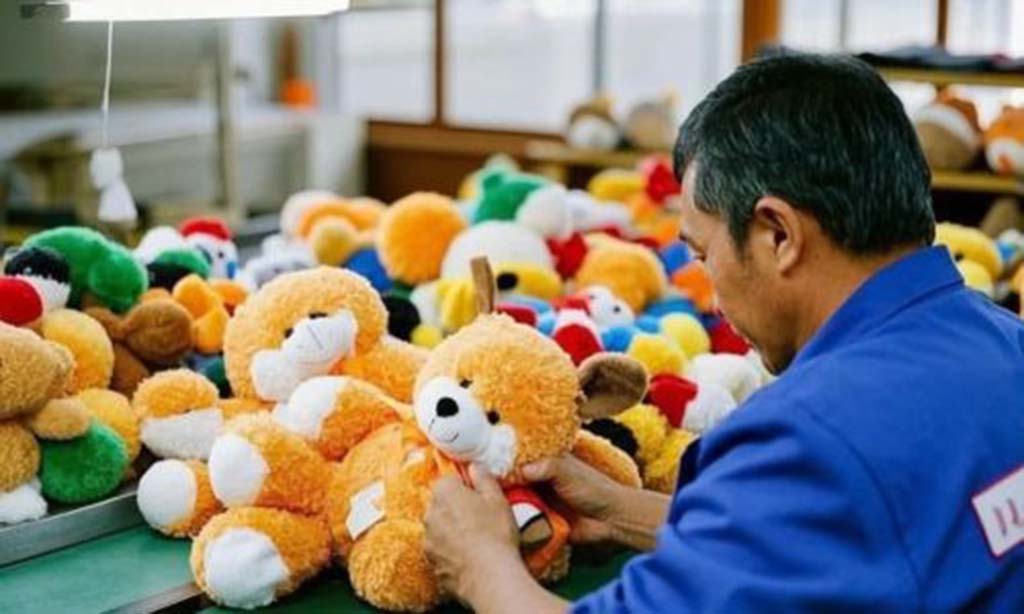
Buyers should understand the difference between a handmade sample and a production-ready sample. A handmade sample can show the design concept, but if it depends on slow manual shaping, special hand trimming, or one technician’s personal judgment, it may not be practical for bulk production. A production-ready sample should reflect the materials, methods, tolerances, and workmanship that the factory can repeat at scale.
Clear sample comments are essential. Instead of saying “make it cuter” or “adjust the face,” buyers and factories should mark specific changes: eye position, mouth curve, cheek width, head height, body angle, fabric shade, embroidery thickness, accessory size, or stuffing firmness. Photos with annotations help avoid misunderstandings. Written revision records help both sides track what changed and why.
Once the buyer approves the final sample, the factory should lock it as the quality benchmark. That benchmark should be shared with pattern, cutting, sewing, stuffing, finishing, QC, and packing teams. Complex projects need this discipline because too many small details can drift when standards are informal.
| Sampling Step | Main Purpose | Control Method |
|---|---|---|
| Concept sample | Check whether the design can work as a plush product | Review shape, proportion, material direction, and major construction points |
| Revision sample | Correct details that affect brand expression and usability | Use marked photos, written comments, and version tracking |
| Approved sample | Create a repeatable production benchmark | Lock materials, patterns, tolerances, decoration files, and packing requirements |
Control Materials Before They Create Variation
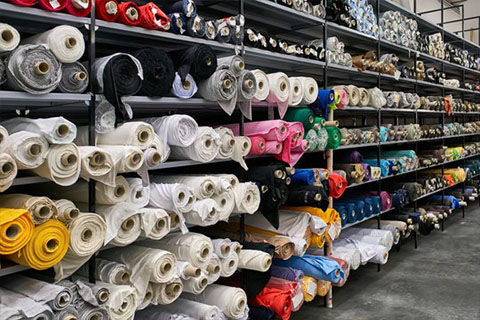
Materials can make or break a complex plush project. Two fabrics with similar color may behave differently in cutting, sewing, stuffing, and brushing. A fabric with a different pile height can change the character’s face. A slightly different backing can affect stretch and shape stability. Accessories, labels, embroidery thread, sound modules, or packaging materials can also affect both appearance and production flow.
For complex projects, material control should start during sampling. The factory should identify approved material codes, supplier sources, color references, width, pile direction, shrinkage behavior, hand feel, and safety requirements. If the buyer requires a specific market standard, such as U.S. or EU compliance, the material selection should consider testing needs before bulk purchasing.
Material substitutes should be handled carefully. Sometimes a substitute is reasonable because the original fabric is unavailable, too expensive, or too slow. But the factory should not switch materials quietly. A substitute can affect color, softness, sewing difficulty, stuffing balance, final shape, and inspection outcome. The buyer should receive comparison photos, physical swatches when needed, and a clear explanation of the tradeoff.
Batch consistency is another major concern. A complex plush order may include multiple colors, fabric types, and components. If production is split across batches, the factory must control dye lots, fabric direction, and component matching. Mixed batches can create visible differences within the same shipment, especially for character products or branded collections where consistency is part of the buyer’s identity.
A reliable factory inspects materials before cutting. It checks color, defects, pile direction, fabric width, quantity, and basic performance. Finding material problems after cutting creates waste and delay. Finding them before production protects both speed and quality.
| Material Control Point | What to Confirm | Risk If Ignored |
|---|---|---|
| Fabric approval | Material code, color standard, pile height, backing, and hand feel | Bulk goods may not match approved sample appearance |
| Component matching | Eyes, threads, labels, electronics, trims, and packaging materials | Different components may create mixed quality or assembly delays |
| Batch inspection | Color lot, defects, quantity, width, and direction before cutting | Late discovery can cause re-cutting, shortages, and schedule pressure |
Coordinate Departments With One Shared Project Standard
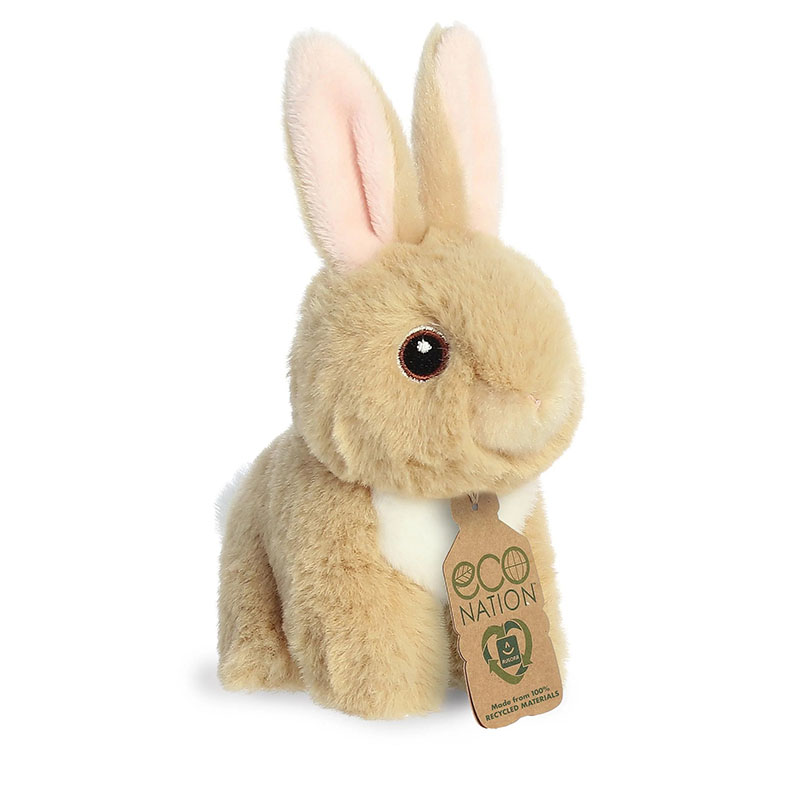
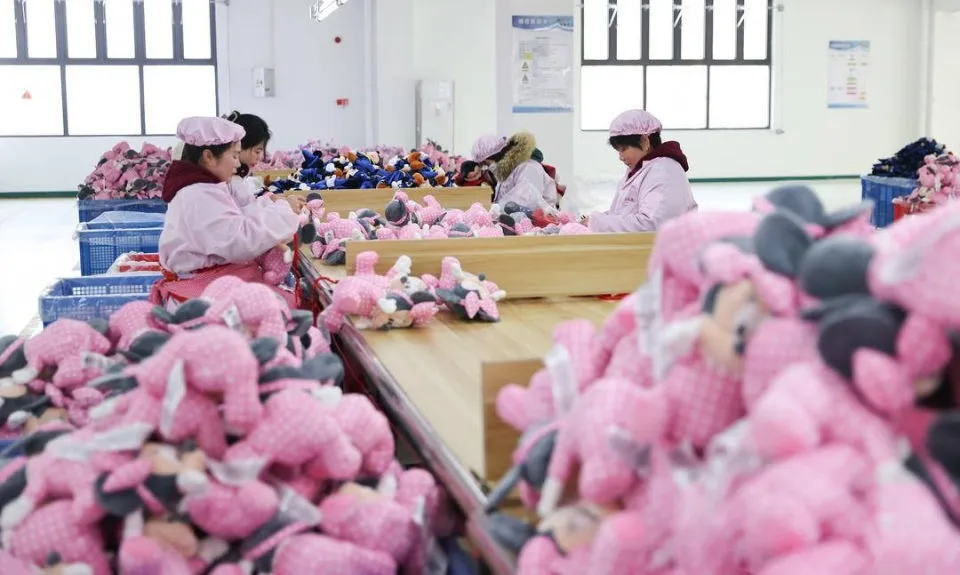
Complex plush projects require coordination across many departments. Sales receives buyer requirements. Designers and sample makers interpret the product. Sourcing purchases materials. Cutting prepares panels. Sewing assembles the shape. Stuffing and finishing create the final feel. QC checks standards. Packaging prepares the product for retail or shipment. If each department works from partial information, the project becomes unstable.
A shared project standard prevents this fragmentation. It should include the approved sample, technical notes, fabric list, pattern version, decoration files, size tolerance, stuffing requirement, accessory placement, label and hangtag rules, packaging method, inspection checklist, and buyer-specific concerns. The goal is to make sure every department is producing the same product, not a slightly different interpretation of the product.
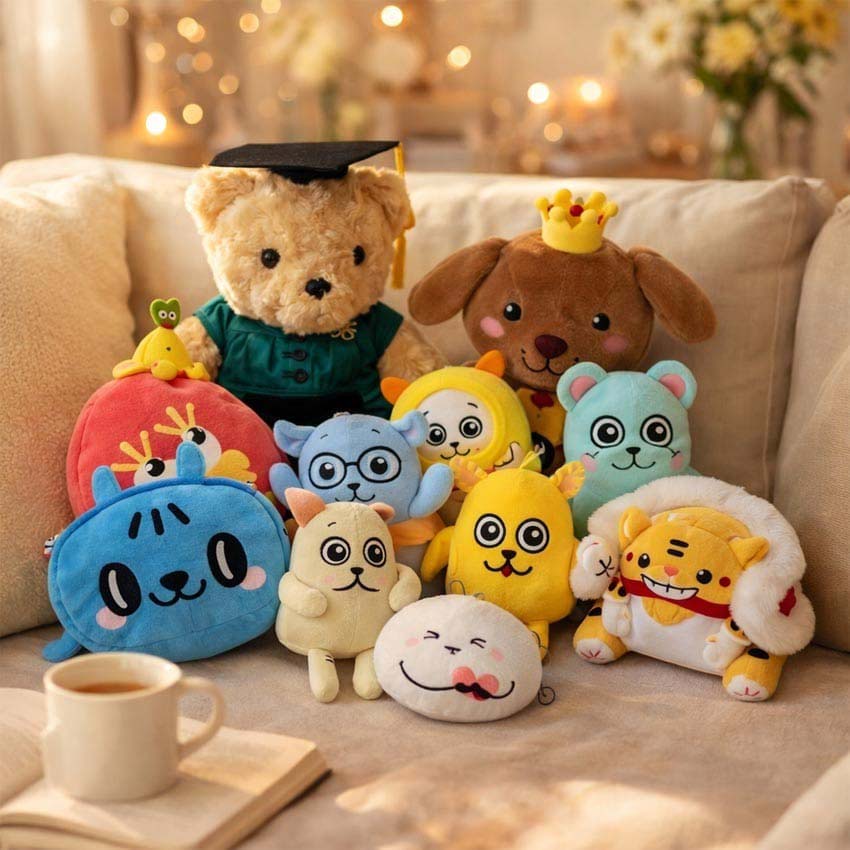
This is especially important when several SKUs are produced together. A brand project may include multiple characters, colors, sizes, or packaging versions. If departments do not track SKU-level differences, the factory may mix accessories, labels, carton marks, barcodes, or packing ratios. These errors may not be obvious during sewing but can create serious problems during warehouse receiving or retail distribution.
Good coordination also reduces repeated questions. Workers and supervisors should not need to ask sales for every detail during production. The project file should answer routine questions. When a new issue appears, the project manager should collect the right people, make a decision, update the standard, and communicate the change clearly.
For buyers, this internal coordination may be invisible, but the effects are visible. Strong coordination produces consistent samples, fewer repeated errors, faster responses, and cleaner shipment preparation. Weak coordination produces confusion, inconsistent details, and late-stage correction work.
| Department Link | Information Needed | Result of Good Coordination |
|---|---|---|
| Sample to production | Approved sample, pattern version, construction notes, and tolerance | Bulk production follows the intended design instead of recreating it |
| Sourcing to QC | Material codes, supplier batches, compliance needs, and inspection status | Material problems are controlled before entering production |
| Production to packing | SKU quantity, label rules, carton marks, barcode data, and packing method | Finished goods move into packing without confusion or rework |
Use Pilot Production Before Scaling the Order
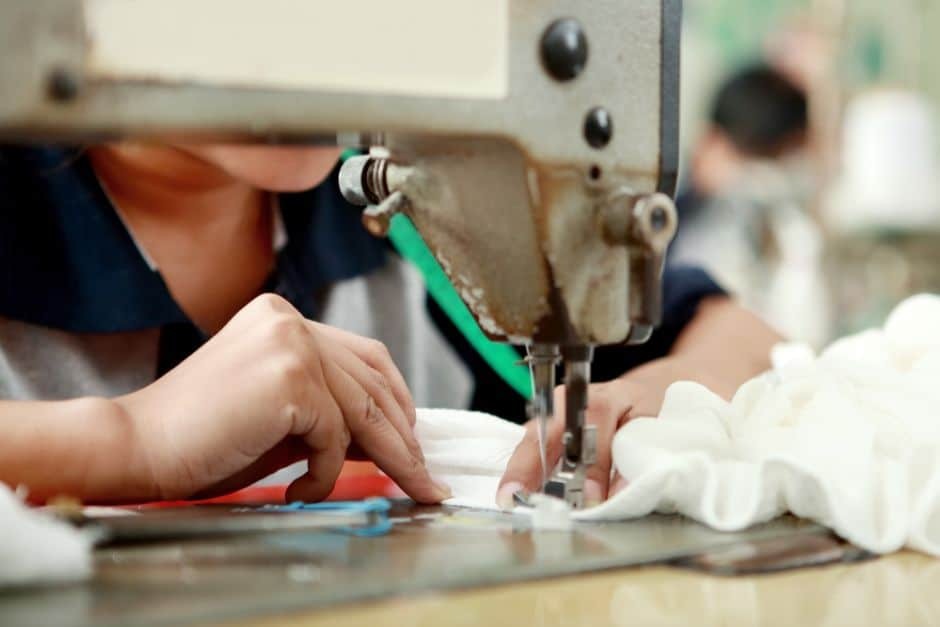
Pilot production is a critical step for complex plush projects. A sample may look correct when made by a senior technician, but bulk production involves more workers, faster rhythm, repeated operations, and material handling at scale. Pilot production tests whether the approved sample can be reproduced consistently before the factory commits to full output.
During pilot production, the factory makes a limited quantity under bulk-like conditions. This allows managers and QC staff to check whether pattern pieces fit well, sewing operations are practical, stuffing weight is realistic, embroidery or printing aligns correctly, accessories attach securely, and the final shape matches the approved sample. It also reveals where workers need training or where the process needs adjustment.
For plush toys with complex faces, small limbs, asymmetrical shapes, electronics, or mixed fabrics, pilot production can prevent large-scale defects. A seam curve that looks acceptable in one sample may become inconsistent across hundreds of pieces. A stuffing method may create shape differences between operators. An accessory may require a stronger reinforcement method. These issues are best solved before full-speed production.
Pilot production should not be treated as a delay. It is a risk-control step that saves time later. If the factory skips it and defects spread, the order may require sorting, repair, remake, or buyer negotiation. That takes more time than a controlled pilot run.
Buyers can request pilot photos or a pre-production sample review when the project is high-risk. The factory can provide evidence from the first pieces, including front, side, back, detail, label, and packaging photos. This gives the buyer confidence while allowing production to move forward with controlled standards.
| Pilot Check | What It Tests | Decision After Review |
|---|---|---|
| Construction repeatability | Pattern fit, seam shape, small parts, and reinforcement points | Confirm the sewing method or revise before full production |
| Appearance consistency | Face placement, stuffing balance, symmetry, and trimming | Train operators and define visible acceptance standards |
| Functional or safety points | Electronics, pull points, labels, and attachment strength | Add inspection controls before defects multiply |
Manage Buyer Changes Without Losing Control
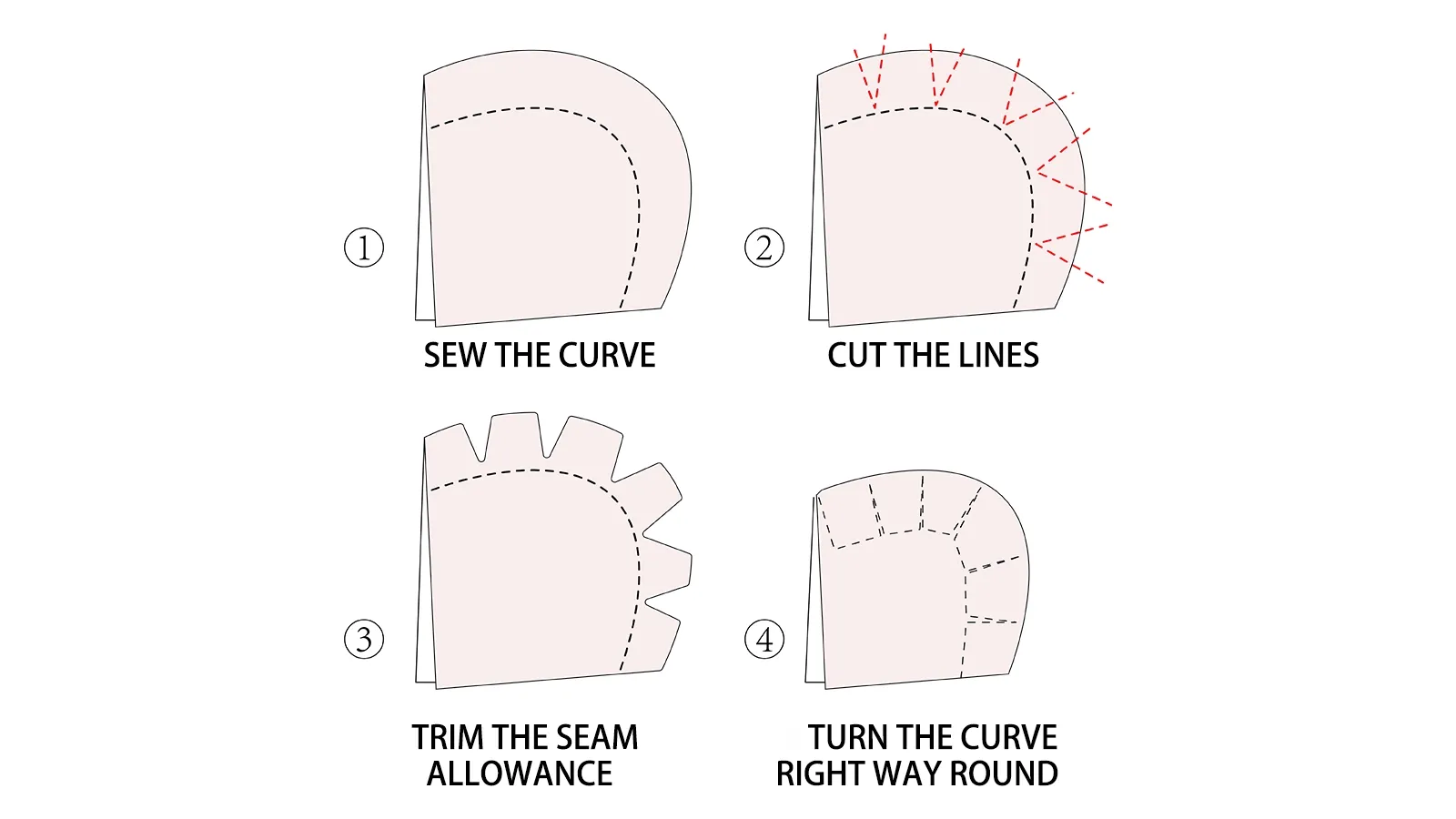
Complex projects often involve changes. Buyers may adjust design details after seeing samples, request new packaging, revise label information, change order quantity, add SKUs, or update launch timing. Some changes are reasonable and necessary. But if changes are accepted without structure, the project can lose control quickly.
A professional factory separates development-stage changes from production-stage changes. Before final sample approval, changes are part of design refinement. After sample approval, each change should be checked against material purchasing, pattern preparation, production schedule, inspection criteria, packaging, and cost. After bulk production starts, changes become much more sensitive because materials may already be cut, sewn, packed, or assigned to specific SKUs.
Change control protects the buyer as much as the factory. If the buyer requests a small face adjustment after production starts, the factory should explain whether existing parts can be used, whether re-cutting is needed, whether a new sample is required, how many days may be added, and whether the change affects cost. This allows the buyer to make a business decision instead of discovering consequences later.
Documentation is essential. Each approved change should be recorded with date, version, responsible person, affected SKU, affected documents, and implementation point. If a change applies only to future production but not already completed goods, that must be clear. Otherwise the order may include mixed standards.
The best factories do not reject every change, and they do not accept every change blindly. They manage changes through impact review. This discipline is one of the strongest signs that a plush supplier can handle complex projects professionally.
| Change Stage | Factory Review Needed | Buyer Benefit |
|---|---|---|
| Before approval sample | Design feasibility, cost direction, and revision count | Improves product without creating bulk-production confusion |
| After material purchase | Material loss, supplier timing, color consistency, and cost impact | Shows whether the change is still practical |
| After production starts | Rework quantity, mixed-standard risk, inspection impact, and delivery delay | Allows informed decision before the timeline is damaged |
Build Quality Checkpoints Around the Project Risks
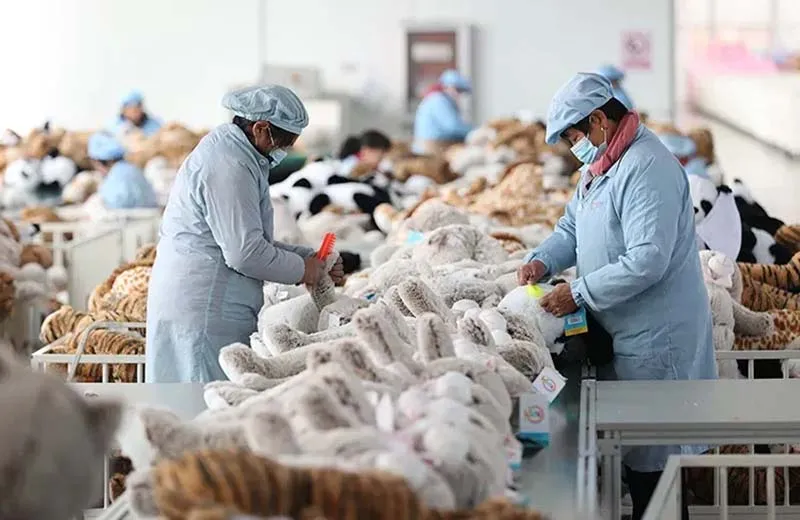
Complex plush projects need quality checkpoints designed around actual risk, not only a generic final inspection. A simple plush item and a detailed licensed character should not be controlled in exactly the same way. The inspection plan should reflect the product’s materials, construction, decoration, safety points, packaging format, and buyer requirements.
Quality checkpoints usually begin before production. Material inspection checks fabric, color, defects, components, labels, and packaging readiness. First-piece inspection checks whether the line output matches the approved sample. Inline inspection monitors repeated operations such as sewing, stuffing, trimming, accessory attachment, and labeling. Final inspection checks finished goods, packaging, quantity, and shipment readiness.
For complex designs, QC should pay special attention to details that define brand perception. Face symmetry, eye position, embroidery density, mouth shape, body proportion, accessory angle, fabric direction, and stuffing feel may matter more than buyers initially realize. If these points are not written into inspection criteria, inspectors may focus only on obvious defects and miss the details that make the product acceptable to the brand.
Safety and compliance points must also be built into the checkpoint plan. If the product is intended for children, pull strength, small parts, sharp points, seams, labeling, and material compliance may need extra attention. If the product includes electronics, functional testing, battery area review, module placement, and durability checks may be required. These controls should not be left to the final day.
Quality records make the system stronger. Photos, inspection reports, defect summaries, corrective actions, and recheck results help both factory and buyer understand the real status of the order. This is especially useful when deadlines are tight or when the order includes many SKUs.
| Quality Checkpoint | Focus Area | Why It Helps Complex Projects |
|---|---|---|
| Material inspection | Fabric, trims, accessories, labels, packaging, and quantity | Prevents wrong inputs from entering production |
| Inline inspection | Sewing, stuffing, shape, decoration, and repeated defects | Catches problems while correction is still efficient |
| Final inspection | Finished appearance, workmanship, packaging, carton marks, and quantity | Confirms shipment readiness before goods leave the factory |
Keep Buyers Updated With Useful Project Visibility
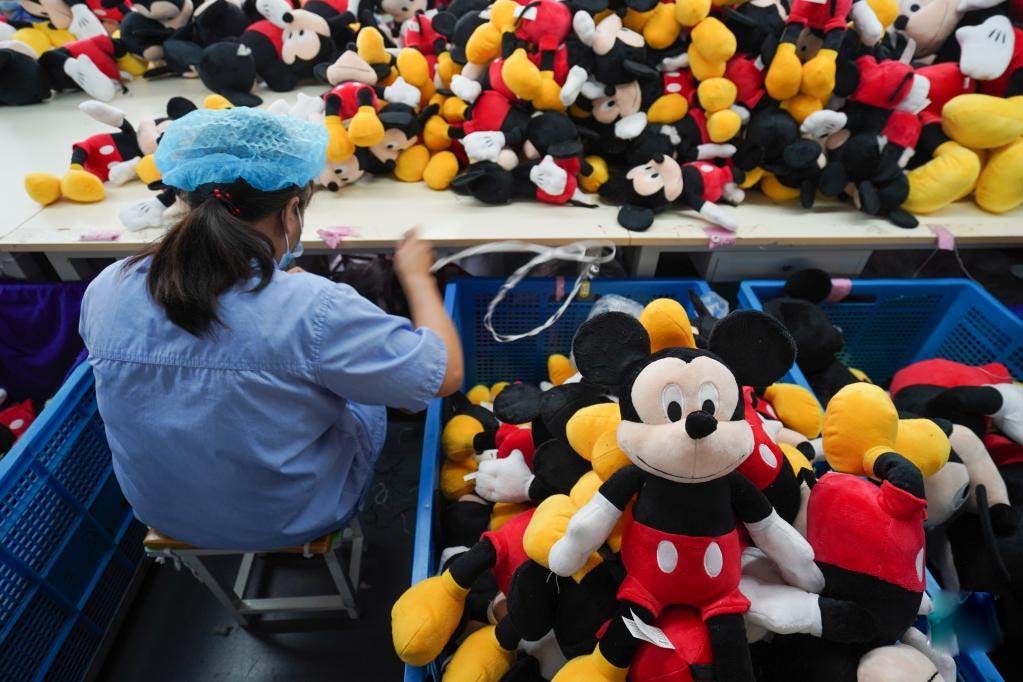
Complex plush projects require useful communication because buyers often coordinate several internal stakeholders. Product teams care about design accuracy. Marketing teams care about launch timing. Compliance teams care about documentation. Logistics teams care about packing data. Retail or marketplace teams care about labels, barcodes, and packaging. A vague production update does not help these teams make decisions.
A professional factory should provide visibility at key milestones. This can include sample progress, material status, production start, pilot output, inline QC findings, packing readiness, final inspection plan, and shipment data. The factory does not need to overwhelm the buyer with unnecessary daily messages, but it should communicate early when a decision, delay, or risk may affect the project.
Useful visibility is specific. Instead of saying “everything is okay,” a better update might state that main fabric arrived, embroidery thread is confirmed, cutting will start on a certain date, pilot pieces passed appearance review, one accessory issue is being corrected, and packaging materials are expected before packing begins. This gives the buyer a real operational picture.
When problems appear, communication should include options. If a material is delayed, the factory can explain whether to wait, approve a substitute, split shipment, or adjust the timeline. If a sample detail is difficult, the factory can show the limitation and propose realistic alternatives. If QC finds a defect trend, the factory can explain corrective action and reinspection status.
Good communication reduces buyer stress because it turns uncertainty into decisions. The buyer does not need to chase basic information, and the factory does not lose time answering repeated questions. For complex plush projects, this visibility is part of the manufacturing service, not an optional extra.
| Visibility Area | Useful Update Content | Buyer Decision Supported |
|---|---|---|
| Development status | Sample version, open comments, technical limits, and next approval point | Helps buyers close design decisions faster |
| Production status | Material readiness, pilot output, bulk progress, QC findings, and bottlenecks | Shows whether the project is on schedule and under control |
| Delivery status | Packing progress, final inspection date, carton data, and shipment preparation | Supports logistics planning and internal launch coordination |
Conclusion
Handling complex plush projects requires structured project management, not only sewing capacity. The factory must understand the buyer’s design goal, identify technical risks, build a repeatable sample, control materials, coordinate departments, test production through pilot runs, manage changes carefully, and place quality checkpoints where risks are most likely to appear.
For buyers, the value of a professional plush manufacturer becomes clear when the project is difficult. Simple orders can hide weak systems. Complex orders expose whether the supplier can think ahead, document details, communicate honestly, and protect consistency under pressure. The right partner helps buyers avoid late surprises and make better decisions throughout development and production.
A complex plush project can still be efficient when the process is clear. With early review, realistic sampling, stable standards, and disciplined execution, complexity becomes manageable. The result is a custom plush product that better reflects the brand’s intent while meeting production, quality, cost, and delivery expectations.
FAQ
What makes a plush project complex?
A plush project becomes complex when it includes unusual shapes, strict brand details, multiple materials, electronics, detailed embroidery, many SKUs, tight deadlines, compliance needs, or special packaging requirements.
Why is technical review important before sampling?
Technical review helps the factory identify risks in shape, material, construction, safety, cost, and timing before the buyer depends on an unrealistic quote or schedule.
How many sample rounds are normal for a complex plush project?
It depends on the design, but complex projects often need several rounds to refine shape, expression, materials, decoration, and production feasibility before final approval.
Can a handmade sample always be used for mass production?
No. A handmade sample may show the concept, but the factory must confirm whether the same result can be repeated with bulk materials, normal operators, and realistic production methods.
How should buyers manage design changes during production?
Buyers should ask the factory to review cost, time, material, quality, and mixed-standard risks before accepting any change after sample approval or production start.
Why are pilot runs useful for complex plush toys?
Pilot runs test whether the approved sample can be reproduced consistently under bulk-like conditions, allowing the factory to correct methods before defects spread.
What should buyers expect from a strong plush project partner?
Buyers should expect early risk review, clear sample standards, material control, cross-department coordination, inline QC, change documentation, and useful production visibility.