Skip to content
Lowest price looks attractive in plush manufacturing because unit cost is easy to compare. Buyers can put several quotations side by side, find the smallest number, and believe they have protected margin. In reality, the cheapest price is often only the easiest number to see. It may not show material quality, sampling accuracy, safety control, production discipline, communication quality, packaging cost, defect risk, delivery reliability, or the cost of fixing problems later.
For B2B plush buyers, the best choice is rarely the factory that simply quotes the lowest number. The better choice is the supplier that can meet the target cost while protecting the product, the brand, the timeline, and the buyer’s commercial plan. A low unit price becomes expensive when it leads to repeated samples, poor shape stability, wrong materials, failed inspection, shipment delays, retail complaints, or order replacement.
Custom plush toys are not commodity parts with one fixed specification. A toy’s value depends on hand feel, facial expression, shape accuracy, stitching, stuffing, fabric color, safety performance, label accuracy, packaging, and consistency across bulk production. If a supplier reduces price by weakening these controls, the buyer may save a few cents per unit but lose much more through operational risk.
This does not mean buyers should ignore price. Cost control is important. But cost control and lowest-price buying are not the same thing. A professional plush manufacturer helps buyers understand where savings are realistic, where savings create risk, and how to compare total project value instead of only the first quotation.
Compare Total Project Cost, Not Only Unit Price
The first problem with choosing the lowest price is that unit price does not show total project cost. A plush toy quotation may include fabric, sewing, stuffing, basic packaging, and factory margin, but it may not fully reflect sample revisions, testing, labeling, carton design, freight volume, inspection preparation, rework, storage, or replacement risk. A quote that looks cheaper at the start can become more expensive by the time the buyer receives usable goods.
Total project cost includes all costs required to bring the product from idea to sellable inventory. If a supplier makes a weak sample and needs many revisions, development time increases. If materials are inconsistent, the buyer may need extra checking or approval rounds. If bulk production has defects, goods may require sorting, repair, discount sale, or remake. If shipment is delayed, the buyer may need air freight or miss a sales window.
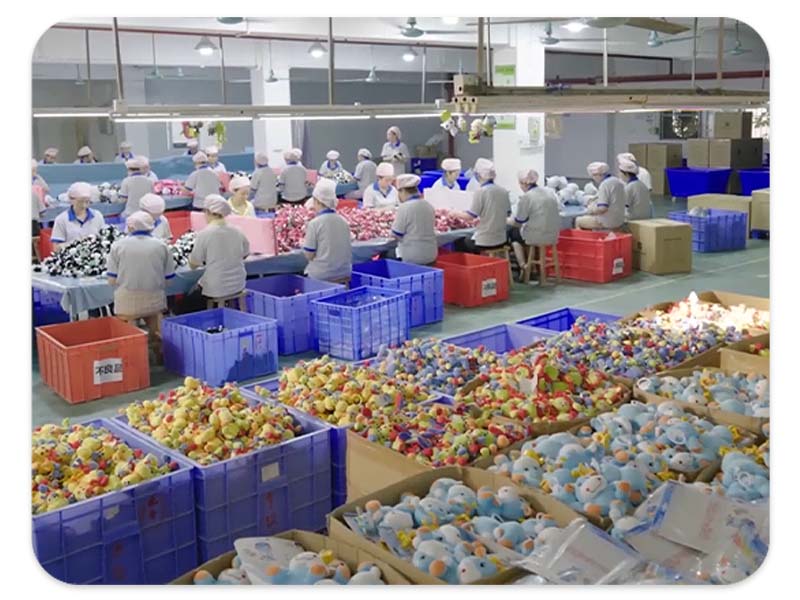
For plush toys, hidden costs often come from softness and appearance. A cheaper fabric may pass a basic visual check but feel different from the approved sample. Lower stuffing weight may reduce cost but make the toy collapse or lose shape. Weak sewing may pass the factory’s own check but fail buyer inspection or customer use. These costs are not always visible in the quotation line.
Buyers should compare suppliers by asking what is included in the price and what is controlled by the process. A slightly higher price may include better sample work, more reliable materials, stronger QC, clearer communication, and more accurate packing data. Those controls reduce the chance of later cost escalation.
The right question is not “Who is cheapest?” The stronger question is “Which supplier gives the most reliable outcome for the target cost?” That shift helps buyers protect both margin and brand reputation.
| Cost Area | Lowest-Price Risk | Better Comparison Method |
|---|---|---|
| Development cost | More sample rounds and unclear correction responsibility | Check sample accuracy, revision process, and technical feedback |
| Production cost | Savings may come from weaker materials or reduced QC | Compare fabric, stuffing, workmanship, inspection, and included services |
| After-cost | Rework, delay, claims, air freight, or replacement may erase savings | Estimate total cost from approval to sellable inventory |
Understand What the Supplier Removed to Lower the Price
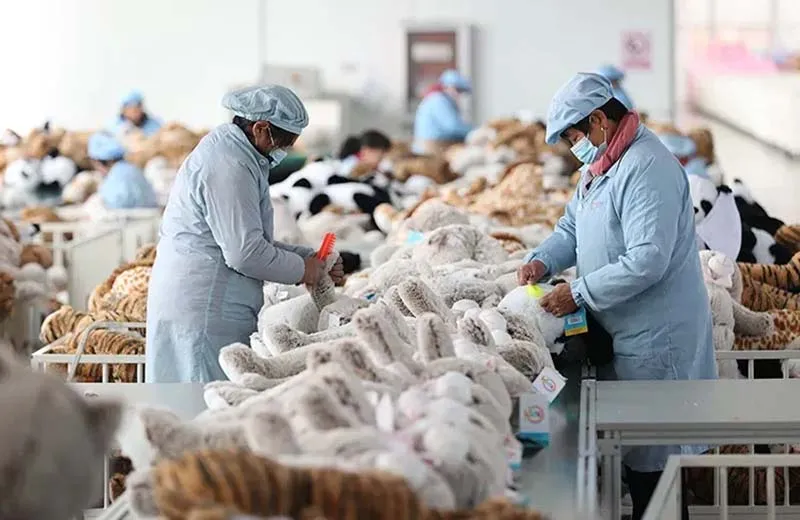
A low price usually comes from somewhere. It may come from efficient production, strong purchasing power, stable capacity, or smart engineering. Those are healthy savings. But it may also come from cheaper fabric, lower stuffing weight, weaker accessories, less inspection, simplified packaging, less experienced workers, or vague compliance control. Buyers need to know which type of saving they are seeing.
In plush manufacturing, small specification changes can create meaningful cost differences. Fabric weight, pile height, backing quality, stuffing material, embroidery density, print method, seam reinforcement, accessory material, and packaging format all affect price. If two quotations are far apart, they may not represent the same product. The lower quote may be based on a different fabric, fewer stitches, lighter stuffing, smaller size tolerance, or simpler finishing.
This is why buyers should not compare numbers without comparing assumptions. A reliable supplier can explain its quotation clearly. It can state material choices, product size, stuffing range, packaging method, compliance assumptions, MOQ, lead time, and whether testing or special inspection is included. If a supplier cannot explain why its price is much lower, the buyer should treat the quote as incomplete rather than automatically attractive.
Sometimes the lowest supplier is not dishonest. It may simply misunderstand the buyer’s quality expectation. If the buyer provides only a picture and size, each factory may quote based on its own assumed standard. One factory may assume premium plush fabric and detailed embroidery. Another may assume basic fabric and simple sewing. The prices are different because the products are different.
Price comparison becomes useful only after the standard is aligned. Buyers should ask suppliers to quote against the same sample, same fabric target, same packaging, same safety market, same order quantity, and same delivery term. Only then does price reflect supplier efficiency instead of hidden specification differences.
| Price Reduction Area | Possible Hidden Change | Buyer Check |
|---|---|---|
| Material | Lower pile, lighter fabric, cheaper backing, or substitute stuffing | Request material details, swatches, and sample confirmation |
| Workmanship | Less embroidery density, weaker reinforcement, or simplified finishing | Compare sample details and inspection criteria |
| Service scope | Reduced testing, QC, packing support, or communication work | Confirm what is included before approving the quote |
Protect Brand Reputation From Quality Shortcuts

Plush toys are emotional products. Buyers are not only purchasing fabric and labor. They are purchasing a product that customers will touch, hold, gift, collect, display, or give to children. When quality feels poor, the damage is not limited to one order. It can affect reviews, retailer confidence, licensing relationships, repeat sales, and brand trust.
Lowest-price suppliers may create risk if they treat appearance details as optional. For a custom plush product, facial expression, shape balance, fabric hand feel, stuffing distribution, seam neatness, and accessory position can decide whether the item feels like a brand product or a cheap imitation. A buyer may save money per unit but weaken the product experience that customers remember.
Quality shortcuts are often subtle at first. The sample may look acceptable under controlled conditions, but bulk production may show inconsistent faces, uneven stuffing, loose threads, color differences, weak seams, poor trimming, or compressed packaging damage. If the factory lacks strong process control, the buyer may discover these problems only during final inspection or after goods reach the market.
Brand risk is especially important for licensed characters, influencer merchandise, corporate mascots, retail collections, and premium promotional campaigns. These products represent someone else’s identity or a public-facing campaign. In those cases, the buyer needs consistency and accuracy more than a slightly lower initial price.
A professional supplier protects brand reputation by treating the approved sample as a benchmark, training production workers, using inline QC, recording defects, and correcting problems early. These activities have cost, but they protect the buyer from larger commercial damage.
| Brand Quality Area | Risk From Cheap Production | Professional Control |
|---|---|---|
| Appearance accuracy | Face, shape, color, or proportion may drift from approval | Use approved sample, photos, tolerances, and first-piece checks |
| Touch and feel | Fabric or stuffing may feel cheaper than expected | Confirm materials and stuffing standard before mass production |
| Customer perception | Poor details can create weak reviews or retailer complaints | Control workmanship, finishing, packaging, and final inspection |
Avoid Safety and Compliance Problems
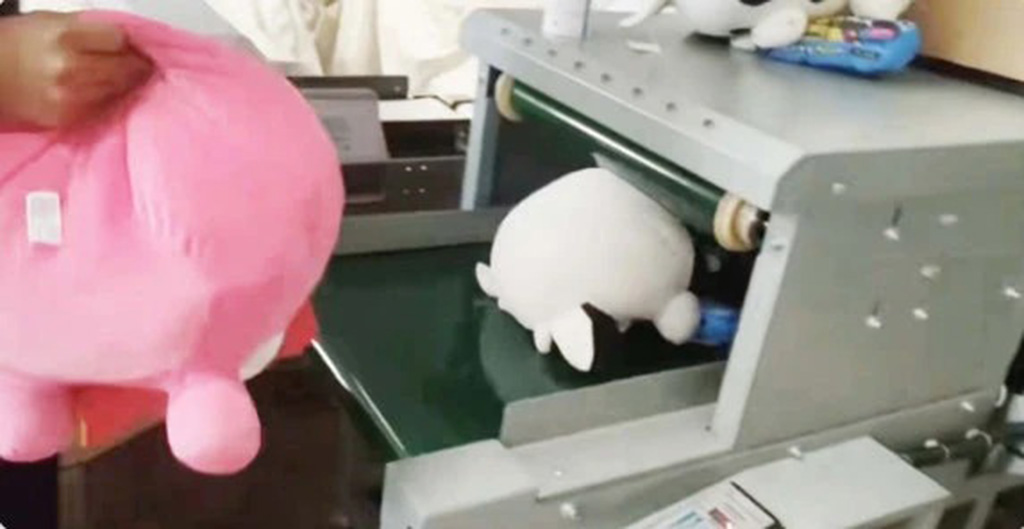
Safety and compliance are areas where the lowest price can become dangerous. Plush toys may need to meet market requirements for physical safety, chemical safety, labeling, flammability, small parts, seams, pull strength, or electronic components. If a supplier lowers cost by ignoring these requirements, the buyer may face failed testing, customs issues, recalls, retailer rejection, or legal exposure.
Compliance cost depends on the target market and product design. A plush toy for adults may have different requirements from a toy intended for children. A plush product with plastic eyes, magnets, pellets, batteries, sound modules, long cords, or small accessories may need extra review. Labels, age grading, material information, and warning statements also matter. These details cannot be guessed at the end.
A low quotation may exclude testing or assume a lower safety standard than the buyer needs. The supplier may not ask about destination market, buyer age group, retailer requirements, or compliance documents. This creates risk because the product may be produced before anyone confirms whether the materials and construction are suitable.
Professional factories handle compliance early. They ask where the product will be sold, who will use it, whether the buyer needs EN71, ASTM F963, CPSIA-related support, or retailer-specific requirements, and whether testing should be arranged before shipment. They also check pull points, accessories, labels, and needle control when relevant.
Buyers should not treat compliance as an optional add-on after choosing the cheapest supplier. If the product must meet a regulated market or retailer standard, that requirement should be part of supplier selection from the start. A low price is not valuable if the goods cannot be legally or safely sold.
| Compliance Area | Lowest-Price Risk | Buyer Protection |
|---|---|---|
| Material safety | Unknown fabric, stuffing, coating, or component compliance | Confirm target market and testing needs before bulk purchase |
| Physical safety | Weak seams, loose parts, sharp points, or poor attachments | Review construction, pull points, and inspection standards |
| Labels and documents | Missing age, warning, tracking, or importer information | Prepare compliance and retailer requirements before production |
Reduce Rework and Inspection Failure Risk
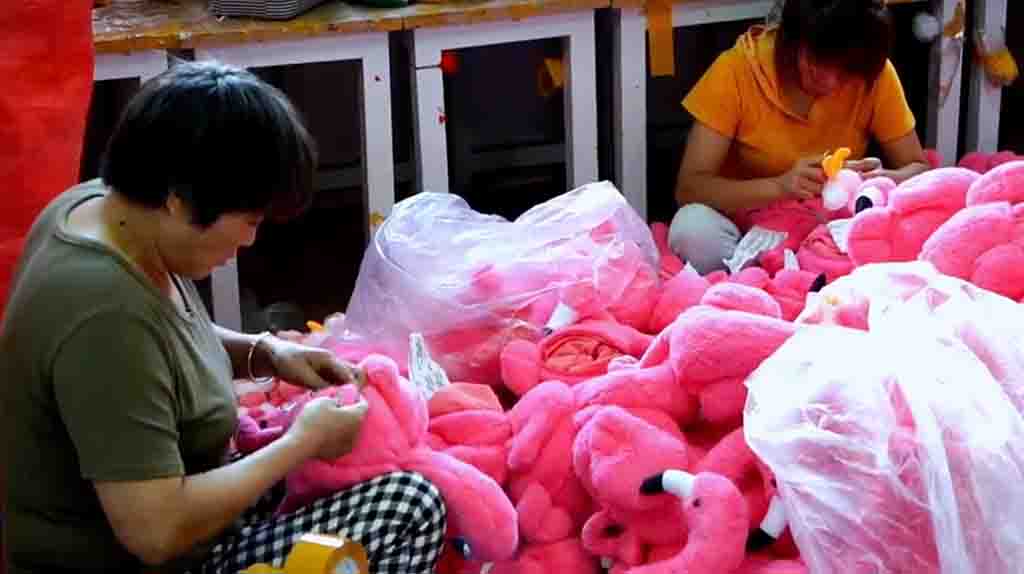
Rework is one of the clearest ways low price becomes expensive. If a plush order fails inspection, the buyer and factory must decide whether to sort, repair, remake, discount, or delay shipment. Each option creates cost. Sorting requires labor. Repair requires time. Remake requires materials and capacity. Discounting reduces margin. Delay may damage the buyer’s launch plan.
Low-price production may be more vulnerable to rework when QC is reduced or when workers are not trained properly. Defects such as open seams, incorrect stuffing, uneven embroidery, stains, poor trimming, wrong labels, loose accessories, and inconsistent size can spread quickly during mass production. If the factory checks only at the end, the defect quantity may be large.
Inspection failure also affects trust. Buyers may need to send third-party inspectors again, negotiate claims, revise shipment schedules, or explain delays to internal teams. The administrative burden can be significant, especially when the buyer manages multiple SKUs or a fixed retail delivery window.
A more capable supplier reduces rework risk by building quality into the process. Material inspection prevents bad inputs. First-piece inspection confirms the line standard. Inline QC catches repeated defects early. Final inspection verifies shipment readiness. These steps may increase the quoted cost slightly, but they reduce the probability of costly failure.
Buyers should ask suppliers how defects are handled before placing an order. A strong supplier can explain its defect classification, repair process, production records, QC checkpoints, and responsibility for corrective action. A supplier focused only on low price may avoid these details until problems appear.
| Rework Risk | Cost Created | Preventive Control |
|---|---|---|
| Repeated sewing defects | Sorting, repair, delayed packing, or remake | First-piece approval and inline sewing inspection |
| Material inconsistency | Re-cutting, mixed lots, or buyer rejection | Material inspection and batch separation before cutting |
| Final inspection failure | Reinspection fee, shipment delay, and buyer management burden | Clear AQL plan, QC records, and pre-final internal checks |
Consider Delivery Reliability and Launch Timing
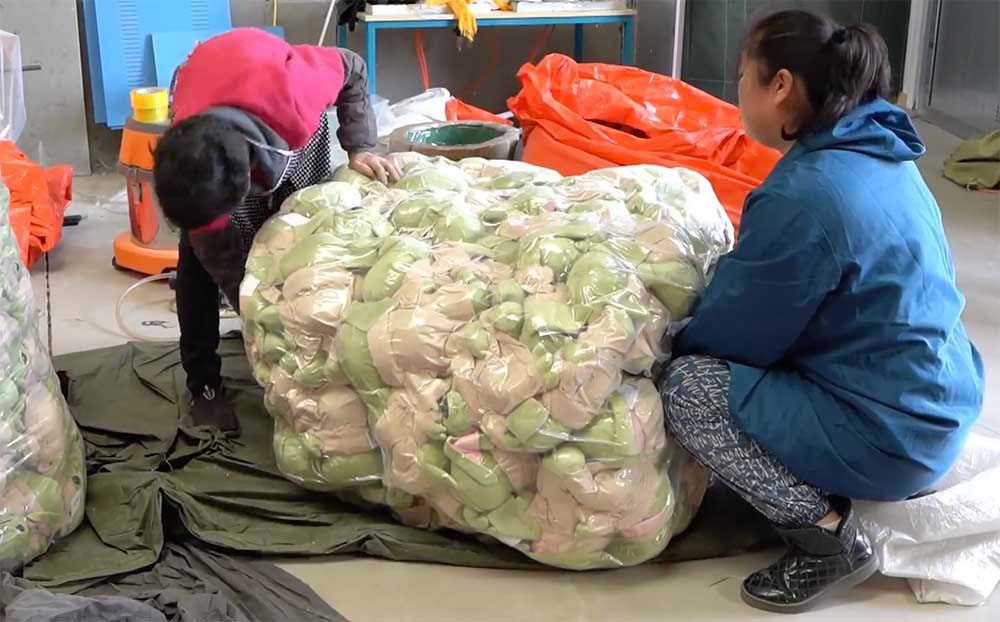
The lowest price can be costly when it weakens delivery reliability. Plush projects often connect to launch dates, campaigns, seasonal sales, retail resets, corporate events, crowdfunding promises, or promotional schedules. If the goods arrive late, the buyer may lose revenue that is much larger than the original price saving.
Delivery reliability depends on more than production speed. It depends on material lead time, sample approval, capacity planning, production line stability, QC speed, packing readiness, inspection scheduling, document accuracy, and freight coordination. A supplier that quotes very low may not reserve enough capacity, may delay material purchasing, or may lack the management system to keep the order moving.
Late delivery often leads to emergency decisions. Buyers may switch from sea freight to air freight, split shipments, accept imperfect goods, or rush inspection. These decisions increase cost or quality risk. If the supplier’s low price created the delay, the buyer may still carry much of the commercial damage.
Professional suppliers protect delivery by giving realistic timelines and reporting progress. They should tell buyers when materials are ordered, when cutting starts, how production is progressing, when packing will begin, and when final inspection can happen. If a risk appears, the buyer should know early enough to choose a solution.
Price comparison should therefore include schedule reliability. A supplier with a slightly higher price but stable delivery can be more valuable than a cheaper supplier that repeatedly creates emergency freight, late launches, or uncertain updates.
| Delivery Factor | Low-Price Risk | Value-Based Check |
|---|---|---|
| Capacity planning | Supplier accepts order but lacks stable production slot | Ask for realistic schedule and milestone dates |
| Material timing | Late purchasing creates production gaps | Confirm material lead time and readiness status |
| Shipment preparation | Packing, inspection, and documents are rushed at the end | Plan final inspection and shipping data before the last week |
Evaluate Communication and Problem-Solving Ability
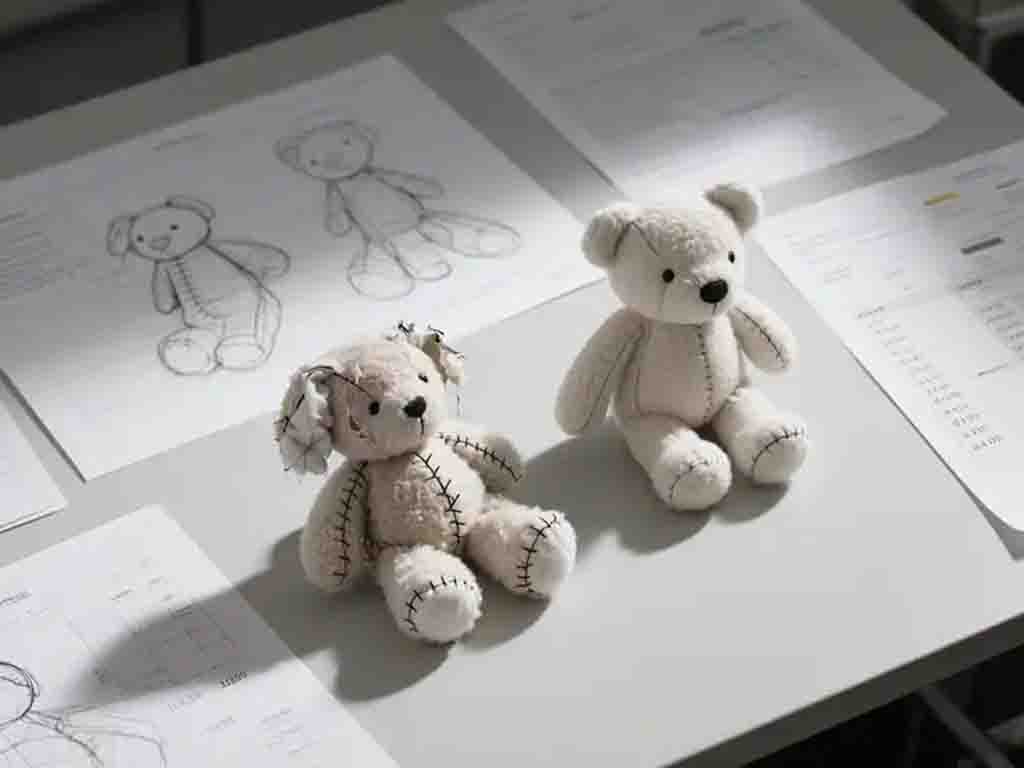
Communication quality has direct financial value in plush manufacturing. A supplier may offer a low price, but if it communicates slowly, hides problems, gives vague updates, or fails to explain tradeoffs, the buyer spends more time managing uncertainty. That time has cost, especially for importers, brand owners, and procurement teams coordinating internal stakeholders.
Strong communication is not about sending many messages. It is about giving useful information at the right time. Buyers need to know sample status, material readiness, production progress, defect trends, packing plan, shipment data, and decisions that require approval. If a problem appears, the factory should explain cause, options, cost impact, timing impact, and recommended action.
Lowest-price suppliers sometimes reduce service effort because their margin is thin. The buyer may receive less technical feedback, fewer photos, slower replies, or limited coordination. This can make the project feel cheap at first but expensive to manage later. When buyers must repeatedly chase basic information, internal planning becomes harder.
Problem-solving ability is also part of supplier value. In real production, issues can happen: fabric delays, color differences, sample adjustments, machine settings, worker errors, packaging problems, or inspection findings. The supplier’s response determines whether the issue stays manageable or becomes a crisis.
Buyers should evaluate communication during sampling, not only after placing a bulk order. If the supplier cannot explain sample issues clearly, it may not manage production issues well. A slightly higher price from a responsive and technically capable factory can reduce buyer stress and protect the project outcome.
| Communication Area | Weak Supplier Pattern | Strong Supplier Pattern |
|---|---|---|
| Project updates | Vague status such as production is ongoing | Specific milestone, quantity, risk, and next-step updates |
| Problem handling | Delays bad news or gives no clear solution | Explains cause, options, impact, and recommended action |
| Buyer workload | Buyer must chase details repeatedly | Factory provides usable information before decisions become urgent |
Choose Value Engineering Instead of Blind Cost Cutting
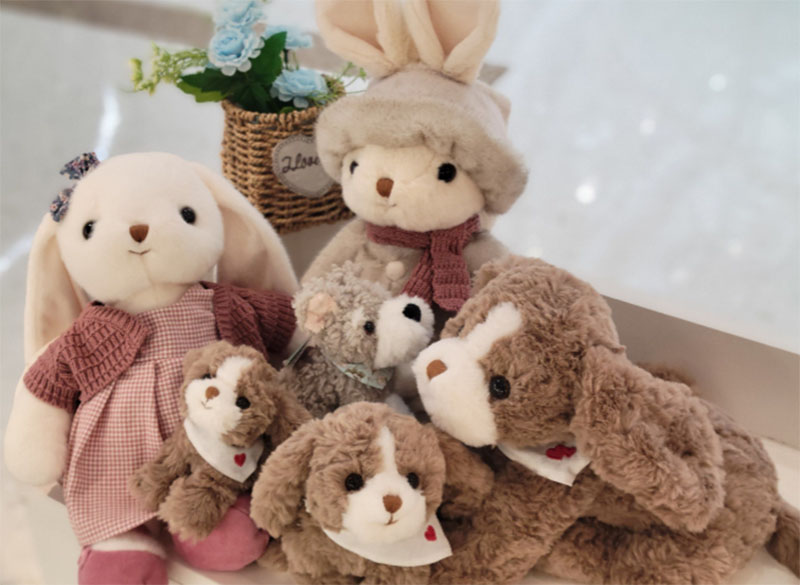
There is a better alternative to simply choosing the lowest price: value engineering. Value engineering means reducing cost without damaging the product’s core purpose, brand perception, safety, or delivery reliability. It is a structured discussion between buyer and factory about where savings are possible and where savings would create unacceptable risk.
For plush toys, value engineering may include optimizing size, simplifying hidden construction, adjusting fabric choice while keeping hand feel acceptable, reducing unnecessary accessories, improving packing efficiency, changing carton layout, selecting a more practical embroidery method, or planning order quantity around material MOQ. These changes can reduce cost while keeping the product commercially strong.
The key is that savings are intentional and visible. The buyer understands what changes, what stays protected, and what tradeoff is being accepted. This is very different from a low-price supplier silently reducing fabric quality, stuffing weight, inspection time, or packaging strength.
Professional factories can often suggest smarter cost reductions because they understand production. They may know which detail is expensive but not important to the customer, which material substitute is safe, which packaging option reduces CBM, or which design feature causes high labor time. This kind of advice creates real buyer value.
Buyers should ask suppliers not only to reduce price but to explain how the price can be reduced safely. The best supplier may not be the lowest at the first quote, but it may be the best at reaching the target cost while protecting the parts of the product that matter.
| Value Engineering Area | Safe Cost-Control Option | Risky Cost-Cutting Option |
|---|---|---|
| Product design | Simplify low-visibility construction while preserving appearance | Reduce visible details that define brand quality |
| Materials | Choose approved alternatives after sample comparison | Switch fabric or stuffing without buyer approval |
| Packaging and shipping | Improve carton efficiency and packing method through trials | Use weak packaging that damages product presentation |
Conclusion
The lowest price is not always the best choice in plush manufacturing because the first quotation does not show the full cost of the project. Materials, workmanship, compliance, inspection, communication, delivery reliability, packaging, and rework risk all affect the buyer’s real cost. A cheap unit price can become expensive when it creates defects, delays, failed inspection, customer complaints, or emergency freight.
Good procurement does not mean paying more without reason. It means understanding where the supplier’s price comes from and whether the factory can deliver the required product consistently. Buyers should compare total project value, not only the lowest number on a spreadsheet.
A professional plush manufacturer helps buyers control cost through transparency and value engineering. It explains what can be optimized safely, where quality must be protected, and how production risks will be managed. That kind of supplier may not always be the cheapest at first glance, but it is often the better choice for brands that care about reliable results.
FAQ
Why is the lowest plush toy price risky?
The lowest price may hide weaker materials, reduced inspection, unclear compliance, poor communication, or unstable production planning. These risks can create higher total cost later.
Should buyers always avoid the cheapest supplier?
No. A low price can be good if it comes from real efficiency and clear standards. Buyers should confirm what is included and whether the supplier can meet quality and delivery requirements.
How can buyers compare plush quotations fairly?
Buyers should compare the same product size, fabric, stuffing, decoration, packaging, quantity, compliance requirement, lead time, and trade term. Otherwise the quotations may not represent the same product.
What hidden costs can appear after choosing a low-price factory?
Hidden costs may include extra sample rounds, rework, failed inspection, delayed shipment, air freight, packaging correction, customer complaints, replacement goods, and buyer management time.
How does quality affect total plush project cost?
Quality affects inspection pass rate, customer satisfaction, repeat sales, retailer trust, and claim risk. Poor quality can erase the savings from a lower unit price.
What is value engineering in plush manufacturing?
Value engineering means reducing cost through practical design, material, packaging, or production changes while protecting the product’s key appearance, safety, and commercial purpose.
What should buyers ask before accepting a very low quote?
Buyers should ask what materials are used, what quality checks are included, what compliance standard is assumed, how defects are handled, and whether the lead time is realistic.