Skip to content
A plush supplier does not become unsuitable only when a shipment completely fails. More often, the relationship weakens through a pattern of smaller warning signs: quality gradually drifts, materials change without clear approval, delivery dates become unreliable, updates arrive only after repeated chasing, and the same defects return despite promises of correction. Each issue may appear manageable on its own, but together they increase the buyer’s cost, workload, and exposure.
Changing suppliers also carries risk, so professional buyers should not react to one isolated mistake. Manufacturing involves normal variation, and even capable factories can face material delays or production problems. The important question is whether the supplier has a system to identify, contain, explain, and prevent issues. A strong supplier becomes more predictable after a problem. A weak supplier asks the buyer to absorb the same uncertainty again.
The decision should therefore be evidence-based. Buyers need to compare approved standards with actual production, promised milestones with actual dates, reported causes with corrective actions, and quoted savings with total landed cost. When performance data shows that the factory is no longer protecting the product or the business, beginning a controlled supplier transition may be safer than continuing out of habit.
This guide explains eight signs that a brand, importer, retailer, or promotional-products buyer may need a better plush supplier. It also shows what to verify before making a change, because the goal is not simply to find a new factory. The goal is to build a more reliable manufacturing system.
Quality Drift Has Become Normal Instead of Exceptional
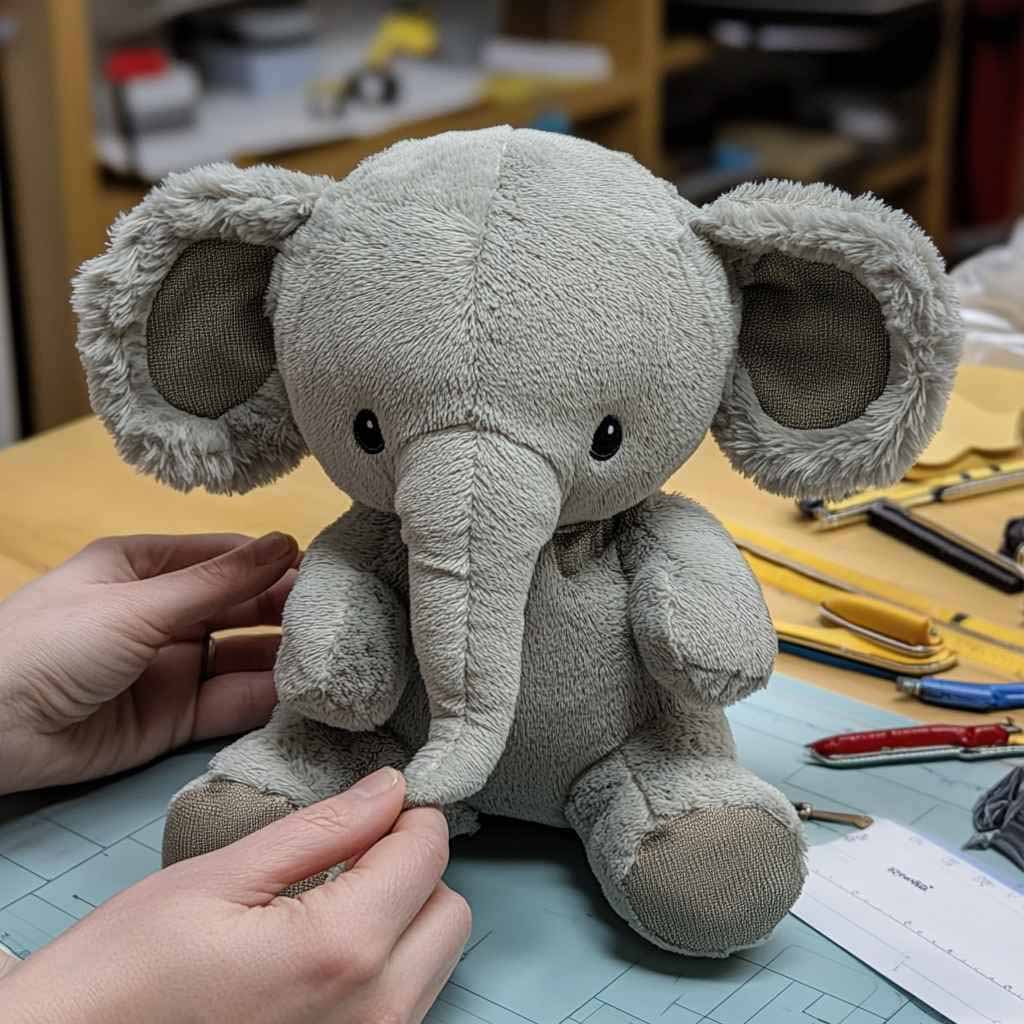
One of the clearest warning signs is gradual quality drift. The first approved sample may have the correct expression, balanced shape, soft hand feel, accurate embroidery, and stable stuffing. Later orders begin to show small differences: eyes move, seams change the silhouette, stuffing becomes lighter, facial details lose alignment, or size variation increases. The supplier may describe each difference as unavoidable, but the combined product no longer matches the original standard.
Plush toys naturally have some variation because they are soft and labor-intensive. That does not remove the need for controlled tolerances. A reliable factory defines which dimensions, placements, colors, weights, and appearance points are critical. It uses a sealed sample, technical notes, templates, first-piece approval, inline inspection, and final QC to keep variation within the agreed range.
Quality drift often reveals a deeper process weakness. The factory may have lost the approved sample, changed the pattern, moved production to an untrained line, reduced filling, accepted a different fabric lot, or stopped using a positioning template. If the supplier cannot identify which input or process changed, it is managing quality by opinion rather than evidence.
Buyers should compare several units from different production runs, not only the best sample selected by the factory. Review expression, size, weight, color, pile direction, seam security, accessory placement, labels, cleanliness, and packaging. A simple trend record can show whether defects are random or whether the approved standard is steadily weakening.
A better supplier does not promise zero variation. It shows how variation is measured, which controls keep it acceptable, and what corrective action follows when the process moves out of range. If the current factory repeatedly asks the buyer to lower expectations, the relationship is transferring manufacturing risk back to the brand.
| Warning Sign | What It Usually Means | Buyer Action |
|---|---|---|
| Approved appearance changes across orders | Patterns, operators, materials, or benchmarks are not under version control | Compare current units with the original sealed sample and written tolerances |
| The same major defects keep appearing | Inspection is sorting symptoms without correcting the process | Request root-cause evidence and verify the next production run |
| Tolerance is used to excuse visible inconsistency | The factory has not separated natural variation from commercial defects | Define measurable critical-to-quality points before continuing |
Materials Are Substituted Without Transparent Approval

Material substitution is sometimes necessary. A fabric may be discontinued, a dye lot may become unavailable, an accessory supplier may change, or a packaging component may face a new MOQ. The warning sign is not the existence of change. It is a supplier that changes material without informing the buyer, providing comparison evidence, or obtaining approval.
Plush fabric specifications are more complex than color and composition. Pile length, density, backing strength, stretch, sheen, softness, weight, and direction affect appearance and sewing behavior. Filling grade changes firmness and recovery. Thread, eyes, pellets, coatings, printed parts, labels, and adhesives may affect durability or safety. A cheaper replacement can alter the finished product even if it looks similar in one photograph.
Uncontrolled substitutions usually appear when the factory is protecting its own margin or schedule. The purchasing team may select what is available and assume the buyer will not notice. This approach is dangerous because the changed component may invalidate previous testing, create mixed inventory, affect retailer approval, or produce customer complaints.
Buyers should require a controlled material-change process. The supplier should explain why the change is needed, identify affected orders and SKUs, provide specifications and swatches, compare cost and lead time, evaluate manufacturing performance, and confirm whether additional testing is required. Written approval should be linked to the new material code.
A better supplier treats transparency as part of cost control. It may recommend alternatives, but it does not hide them. If material records are missing, samples cannot be traced to production inputs, or substitutions are discovered only after delivery, the buyer cannot reliably manage quality or compliance.
| Warning Sign | What It Usually Means | Buyer Action |
|---|---|---|
| Different hand feel, shade, or weight appears | The approved source or specification may have changed | Request material codes, supplier records, lot data, and comparison samples |
| The factory says the replacement is equivalent without evidence | Availability or margin is being prioritized over controlled approval | Require technical comparison and written authorization before bulk use |
| Testing coverage becomes unclear after a change | The new component may not be represented by existing reports | Review the bill of materials and confirm laboratory scope |
Delivery Dates Move Repeatedly Without a Credible Plan
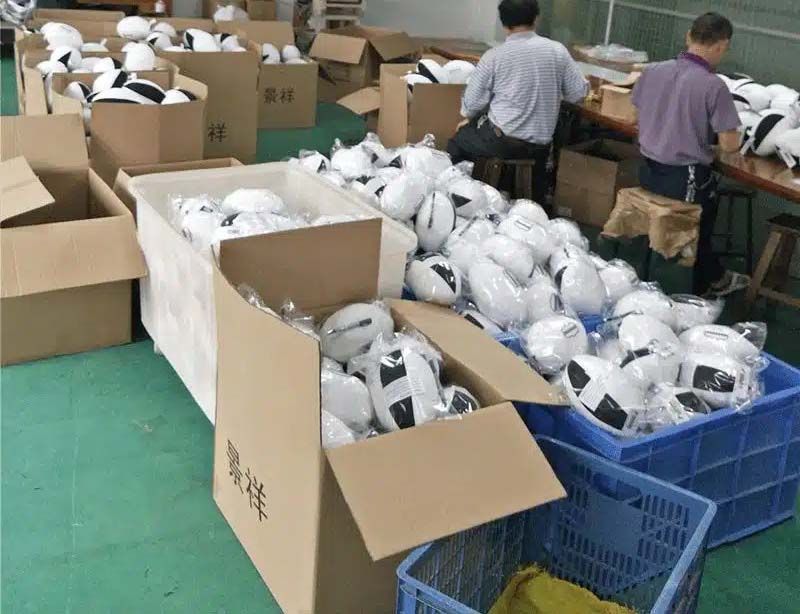
An occasional delay does not automatically mean the buyer needs a new supplier. Repeated delays become a warning sign when the factory commits to dates without checking materials, capacity, approvals, QC workload, packaging readiness, or logistics. The buyer receives optimistic promises, followed by revised dates that are also missed.
Plush production has a real critical path. Custom fabric, embroidery setup, cutting, sewing, stuffing, finishing, testing, inspection, packaging, carton preparation, booking, and documentation must be coordinated. A professional supplier can explain which milestone controls the schedule and what evidence shows that the order is progressing.
Weak factories report percentage-complete figures that are difficult to verify. Saying an order is “80% finished” may hide that critical components are missing, quality rework is increasing, retail boxes are not approved, or inspection cannot be booked. Finished sewing does not mean shipment readiness.
Buyers should track the original promised date, material-ready date, production start, first-line approval, mid-production output, packing start, final inspection, and loading. The purpose is not to micromanage every day. It is to determine whether the supplier’s forecasts become more accurate as the order progresses.
A better supplier raises schedule risks early and presents recovery options with consequences. It may reserve materials, adjust line allocation, prioritize key SKUs, split a shipment, or compare transport methods. If the current supplier communicates only after the deadline is already lost, the buyer is being denied the time needed to protect customers and launches.
| Warning Sign | What It Usually Means | Buyer Action |
|---|---|---|
| Dates change repeatedly with vague reasons | The quotation date was not supported by a realistic critical-path plan | Track milestone evidence and require a revised schedule with dependencies |
| Production looks active but shipment is still delayed | Packing, inspection, documents, or booking were not managed with sewing | Measure shipment readiness, not only production percentage |
| Bad news arrives after the deadline | The supplier is hiding risk or lacks visibility into its own process | Set escalation triggers and evaluate whether reporting improves |
Communication Creates More Uncertainty Than Clarity

A supplier may respond quickly and still communicate poorly. The real test is whether the buyer receives accurate, decision-ready information. Warning signs include conflicting answers from different staff, disappearing approval records, photos without context, status updates that never mention risk, and open questions that remain unresolved until production is affected.
Good communication connects commercial decisions to factory action. Sample comments need version numbers. Material approval needs a specific code. Packaging artwork needs a final file and approval date. Production changes need cost, quality, and timing impact. If important instructions remain scattered across chats and emails, the factory may execute an outdated decision.
Communication becomes especially important when the buyer manages several SKUs or internal stakeholders. A professional account team consolidates information and maintains an open-item list. It identifies who must decide, what evidence is required, and which deadline protects the schedule. The factory does not make the buyer repeatedly reconstruct the project.
Another warning sign is selective transparency. The supplier is highly responsive during quotation and sampling but becomes difficult to reach after receiving the deposit. Updates may become shorter as production risk increases. This suggests that communication is a sales behavior rather than an operating discipline.
A better supplier reduces the buyer’s management load. It communicates milestones, exceptions, and next actions in a predictable format. If the current factory consumes increasing hours of chasing, clarification, and internal damage control, the hidden service cost should be included in the supplier evaluation.
| Warning Sign | What It Usually Means | Buyer Action |
|---|---|---|
| Different contacts give different answers | The factory lacks a shared project record and clear ownership | Require one controlled action list and consolidated approvals |
| Updates contain photos but no quantities or dates | Activity is being shown without proving progress or risk | Request milestone, completed quantity, issue, and next-action data |
| Responsiveness collapses after payment | Communication is sales-led rather than process-led | Score response quality across the full order cycle |
The Same Problems Return Without Root-Cause Correction

Every factory will encounter defects. The strongest indicator of supplier quality is not whether a problem has ever occurred, but whether the system improves after it. A warning sign is the repeated return of loose seams, misplaced embroidery, uneven stuffing, dirty surfaces, weak accessories, wrong labels, mixed SKUs, or packaging errors after the supplier previously claimed the issue was fixed.
Sorting and rework are containment actions. They protect the current shipment but do not explain why the defect occurred. Root-cause correction may require a new template, different machine setting, revised sewing sequence, operator training, incoming material check, clearer work instruction, or an additional inline inspection point.
Weak corrective-action reports use general statements such as “workers will be more careful.” That answer does not change the process and cannot be verified. A useful report identifies the cause, scope, immediate containment, permanent action, responsible owner, completion date, and evidence that the action is effective.
Buyers should compare corrective-action promises with the next production result. Did the defect rate fall? Was the new control visible in line records? Were affected workers trained? Did final inspection confirm the improvement? If the same problem returns, the factory may be treating quality complaints as customer service rather than manufacturing data.
A better supplier uses defects to strengthen the system. It is willing to show the buyer what changed and to acknowledge when the first solution did not work. If accountability is consistently replaced by excuses, the buyer should assume that future orders will carry the same risk.
| Warning Sign | What It Usually Means | Buyer Action |
|---|---|---|
| Corrective action only says “be careful” | No physical or procedural control has changed | Request a specific cause, action, owner, and verification method |
| Defects are repaired but return next order | Containment is being mistaken for prevention | Compare defect trends and audit the revised process step |
| The supplier argues before investigating | Protecting blame is taking priority over protecting the product | Require evidence-based investigation and escalation ownership |
Compliance and Traceability Records Are Weak or Incomplete
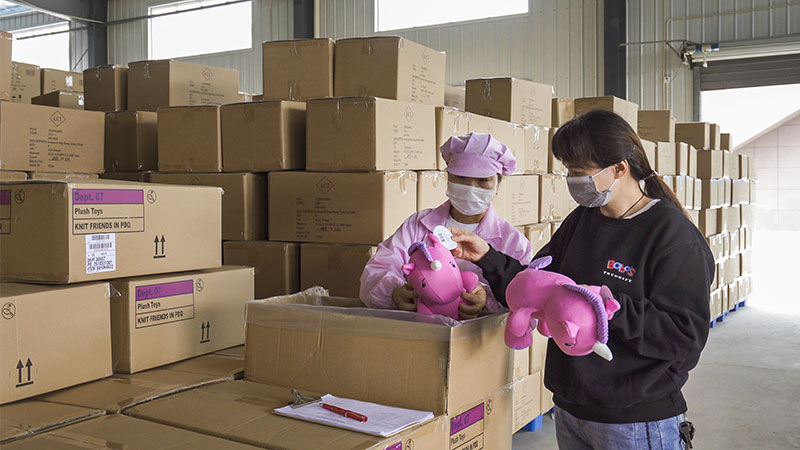
Plush suppliers do not replace the buyer’s legal responsibility, but they must support it with controlled materials, construction records, representative samples, traceability, and test coordination. A serious warning sign is a factory that treats compliance as a certificate-collection exercise rather than part of product development and production.
Testing requirements depend on destination market, age grading, product type, materials, components, and claims. A report from a different item may not cover the current design. A test on one color or component may not represent another. When the bill of materials changes, previous coverage may need review.
Traceability should connect finished goods to materials, production date, line or batch, inspection, packaging, and shipment. If a retailer, authority, or customer raises a question, the supplier should help identify which units may be affected. Without records, the buyer may have to treat a limited issue as a full-product risk.
Other warning signs include unclear broken-needle procedures, missing metal-detection records where required, inconsistent tracking labels, uncontrolled small parts, outdated supplier declarations, and resistance to third-party inspection. These gaps may not be visible in the sample but can create serious consequences after shipment.
A better supplier discusses compliance early, keeps documentation organized, and explains the limits of available evidence. It does not guarantee that a product is “fully certified” without defining market and scope. If the current factory cannot produce coherent records, the buyer should not assume that good appearance equals acceptable risk.
| Warning Sign | What It Usually Means | Buyer Action |
|---|---|---|
| Reports do not clearly match the product | Testing may cover another design, material, color, or age grade | Map each report to the current bill of materials and market requirement |
| Production records cannot identify affected batches | Traceability is too weak for efficient investigation or recall | Require lot, date, line, inspection, and shipment linkage |
| Safety controls are explained only verbally | Critical procedures may not be consistently implemented | Review records, work instructions, and third-party inspection evidence |
Prices and Cost Changes Are Difficult to Explain

A low quotation does not make a supplier competitive if the final project cost is unpredictable. Warning signs include frequent unexplained price increases, new fees introduced after approval, inconsistent quotations for the same specification, freight estimates that ignore carton volume, or cost reductions achieved through undocumented material and quality changes.
Some cost movement is legitimate. Fabric, labor, packaging, exchange rates, quantity, testing, and logistics can change. A professional supplier separates these drivers and shows what assumptions were used. The buyer can then evaluate whether the increase is market-based, design-based, or caused by poor factory planning.
Unclear pricing may also indicate weak internal data. If the factory does not know actual material consumption, labor time, rework rate, or packing efficiency, quotations may be adjusted after production problems appear. The buyer is effectively financing the supplier’s estimating errors.
Cost transparency does not require disclosure of every margin detail. It requires consistent scope. Buyers should know whether the quote includes sample development, custom components, labels, testing, packaging, cartons, inspection support, export documents, and the selected trade term. Comparisons must be made on the same basis.
A better supplier helps reduce total cost without hiding tradeoffs. It can suggest size adjustments, construction simplification, material options, embroidery changes, packing improvements, or quantity planning while explaining quality impact. If the current factory can only compete by cutting invisible corners, the buyer needs a more sustainable cost partner.
| Warning Sign | What It Usually Means | Buyer Action |
|---|---|---|
| Prices change without a cost driver | Quotation discipline or transparency is weak | Request a like-for-like cost bridge and confirmed scope |
| New charges appear after approval | Important assumptions were omitted from the original quotation | Use a total-project checklist before the next commitment |
| Savings require hidden quality changes | The factory is protecting price rather than buyer value | Approve alternatives through samples, specifications, and risk review |
The Supplier Cannot Support Your Next Stage of Growth
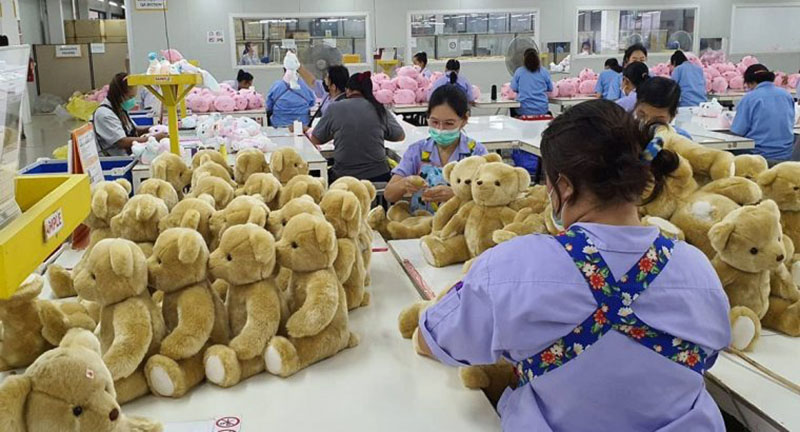
A supplier may have been suitable when the buyer managed one simple SKU and a small annual quantity. The relationship can become limiting when the brand adds more characters, sizes, colors, electronic functions, retail packaging, destination markets, licensing reviews, or tighter launch calendars. The factory’s capability must grow with the program.
Capacity is more than available sewing machines. Growth requires sample-room resources, pattern expertise, material coordination, project management, QC staffing, compliance knowledge, documentation, packaging control, and multi-order scheduling. A factory that accepts more volume without strengthening these functions may create larger and more expensive failures.
Another warning sign is dependency without transparency. The supplier may refuse to provide updated specifications, change histories, or records that the buyer needs to manage the product. A healthy manufacturing partner protects confidential information but does not make normal business continuity impossible.
Buyers should evaluate future fit before an urgent expansion. Ask whether the supplier can manage the expected SKU count, order frequency, testing scope, retailer requirements, production peaks, and reporting needs. Review evidence from comparable projects, not only stated capacity.
A better supplier does not need to be the largest factory. It needs sufficient systems and honest limits. It may recommend phased growth, capacity reservations, shared materials, dedicated project ownership, or backup planning. If the current supplier keeps saying yes while performance declines, changing before the next growth stage may protect the brand.
| Warning Sign | What It Usually Means | Buyer Action |
|---|---|---|
| Performance declines as SKU count grows | Project management and QC resources are not scaling with volume | Evaluate capacity by function, not only machine or worker count |
| The factory accepts every request without risk review | Sales commitments may exceed technical or scheduling capability | Require feasibility, capacity, and critical-path evidence |
| Product records are withheld or disorganized | Business continuity depends too heavily on the current supplier | Secure controlled specifications and transition-ready records |
Conclusion
You may need a better plush supplier when weak performance has become a pattern rather than an isolated event. Quality drift, hidden material substitutions, repeated delays, confusing communication, recurring defects, incomplete compliance records, opaque costs, and limited scalability all signal that the current factory is increasing business risk.
The decision to change should be disciplined. Document the evidence, define the required improvement, give the supplier a clear corrective opportunity where appropriate, and measure the result. At the same time, protect essential samples, specifications, artwork, material references, packaging files, test records, and order history so that continuity does not depend on one factory’s memory.
A better supplier is not simply a factory with a lower price or a more polished sales presentation. It is a manufacturing partner that makes performance visible, controls change, learns from defects, supports compliance, communicates risk early, and has the capability to support the buyer’s next stage.
FAQ
Should a buyer change plush suppliers after one bad order?
Not automatically. Investigate the cause, scope, corrective action, and next-order performance. A single contained problem may be recoverable; repeated unmanaged problems indicate a system weakness.
What is the strongest sign of a weak plush supplier?
The strongest sign is repeated unpredictability without learning. Defects, delays, substitutions, or communication failures continue while the supplier cannot show effective process changes.
How can buyers document supplier performance?
Track inspection results, defect trends, milestone dates, response times, material changes, corrective actions, cost changes, and the management effort required for each order.
What records are needed before changing suppliers?
Collect approved samples, patterns or measurable specifications, artwork, embroidery and print files, material references, color standards, labels, packaging files, test reports, inspection criteria, and order history.
Can a cheaper plush supplier actually cost more?
Yes. Repeated sampling, rework, failed inspections, late launches, air freight, customer claims, and buyer management time can make a low quotation more expensive in total.
How should buyers verify a replacement plush supplier?
Review capability, comparable products, quality systems, compliance support, communication, capacity, samples, material control, and a realistic production plan before transferring major volume.
Is third-party inspection enough to fix a weak supplier?
No. Inspection can detect defects, but it does not replace process control. If the factory does not correct root causes, inspection will repeatedly find the same problems.
What makes a better plush supplier?
A better supplier combines accurate sampling, stable materials, disciplined production, transparent communication, quality control, compliance support, reliable delivery, and evidence-based problem solving.