Skip to content
On-time delivery is one of the most important measures of reliability in plush manufacturing. For B2B buyers, delivery is not only a date on a purchase order. It is connected to retail launches, promotional campaigns, licensing approvals, seasonal sales windows, warehouse bookings, freight schedules, event dates, and customer commitments. If a plush order is late, the cost is rarely limited to the factory schedule. The buyer may face missed sales, rushed air freight, delayed marketing plans, disappointed distributors, or internal pressure from multiple departments.
Ensuring on-time delivery requires more than promising a lead time. It requires disciplined project management from the first inquiry to shipment. A professional plush manufacturer must control sampling, materials, production planning, capacity, quality checks, packaging, documentation, and logistics handover. Each stage can protect the delivery date, or damage it if handled loosely.
In custom plush manufacturing, timing is especially sensitive because many details must be approved before bulk production can begin. Fabric color, embroidery files, stuffing standard, safety requirements, packaging artwork, labels, carton marks, and final inspection all affect the timeline. A strong factory does not wait until problems appear. It builds a delivery plan early, tracks progress carefully, and communicates risks before they become delays.
We Confirm the Delivery Goal Before Quoting
On-time delivery starts before production, and even before quotation. A delivery date is only meaningful when the factory understands what the date represents. Some buyers need goods ready for a warehouse appointment. Others need shipment before a holiday season, retail launch, trade show, brand event, online campaign, or distributor deadline. These situations require different planning logic. A date that looks flexible to the factory may be critical to the buyer’s business.
When reviewing a plush project, we clarify the required delivery date, shipment method, destination, order quantity, sample approval timeline, packaging requirements, and any compliance or testing needs. This allows us to calculate the schedule backward instead of simply giving a standard production lead time. For example, a buyer may request delivery in eight weeks, but if sample approval takes three weeks and packaging artwork is not ready, the actual production window may become too short.
A professional plush supplier should not promise an attractive lead time without checking the conditions behind it. If the timeline is tight, the factory needs to identify what must be simplified, approved faster, or prepared in parallel. This might include confirming fabric availability early, using existing material, reducing sample revision rounds, finalizing packaging before bulk production, or reserving capacity in advance.
For buyers, the risk of skipping this discussion is false confidence. A supplier may say the order can be delivered on time, but later explain that material sourcing, testing, packaging, or shipping caused delays. A reliable factory makes these timing factors visible at the beginning.
| Delivery Question | Why It Matters | Schedule Impact |
|---|---|---|
| What date truly matters? | Production finish and buyer delivery are different | Defines backward planning |
| Where will goods ship? | Transit time varies by destination | Affects production cutoff date |
| What approvals are needed? | Samples, materials, tests, and packaging take time | Prevents unrealistic lead time |
| Is the deadline fixed? | Some dates cannot move | Guides risk-control priority |
We Control Sampling to Protect the Production Schedule
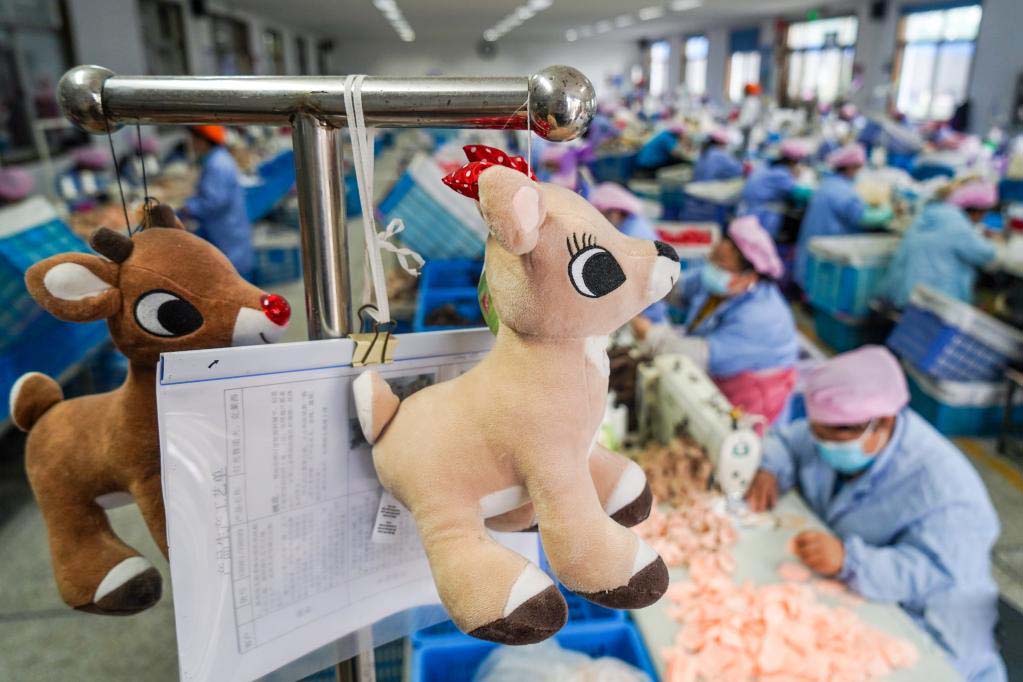
Sampling is one of the most common sources of delivery delay in custom plush projects. A sample may require several revisions if the design is complex, the buyer feedback is unclear, or the factory does not document changes properly. Every additional sample round can push back material preparation, production planning, and final shipment.
To protect delivery, sampling must be managed as a controlled process. We define what each sample round is meant to confirm: shape, fabric, color, embroidery, stuffing, accessory placement, safety concern, packaging fit, or final appearance. Clear sample comments help the factory revise efficiently. Vague feedback such as “make it better” or “adjust the face” can create repeated interpretation and wasted time.
We also separate design preference from production feasibility. If the buyer requests a change that will increase labor, require new material, or affect safety testing, the schedule impact should be explained immediately. This helps the buyer decide whether the change is worth the time cost. Some changes are important to brand identity and should be protected. Others may be simplified to keep the project on schedule.
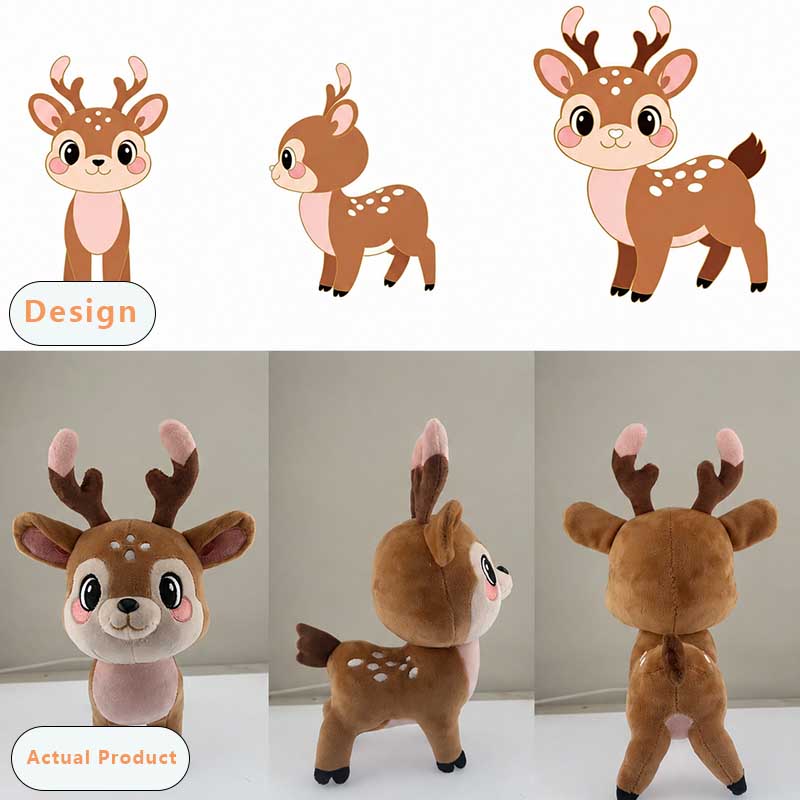
The approved sample becomes the production benchmark. Once approved, the factory should lock the design and prevent unnecessary changes. Late design changes after bulk materials are prepared can create serious delivery risk. Strong sampling control keeps creativity moving, but it also protects the production calendar.
| Sampling Issue | Delay Risk | Factory Control |
|---|---|---|
| Unclear feedback | Repeated revision rounds | Use specific change records |
| Late design changes | Pattern or material rework | Lock sample before bulk preparation |
| Unconfirmed packaging | Finished toys wait for packing | Test packaging during sampling |
| Missing safety review | Approval delays before shipment | Check requirements early |
We Secure Materials Before Production Becomes Urgent
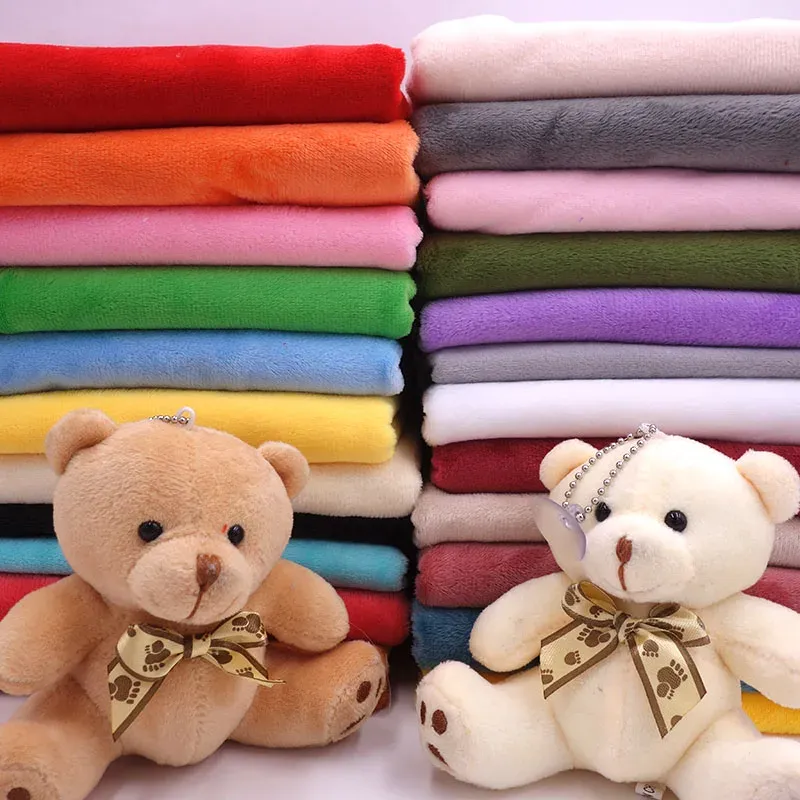
Material readiness is a major factor in on-time delivery. Plush production depends on fabric, stuffing, embroidery thread, labels, accessories, tags, packaging materials, cartons, and sometimes electronic components. If one key material is late, the entire production schedule may stop. This is why professional factories manage materials early rather than waiting until production pressure begins.
Plush fabric can be especially risky because color, pile length, hand feel, and dye lot must match the approved sample. If the selected material is not available in bulk quantity, the factory may need to source alternatives, request buyer approval, or wait for a new batch. Each step can affect lead time. For projects with brand colors or licensed characters, material substitution cannot be treated casually.
We reduce this risk by checking material availability during quotation and sampling. For confirmed orders, purchasing teams should reserve or order materials promptly after approval. For repeat orders, previous material records help speed up confirmation, but batch comparison is still important. Accessories and packaging should also be confirmed early because they may have separate supplier lead times.
Buyers can support on-time delivery by approving materials quickly and avoiding late changes. A small change in fabric, hangtag, label, or packaging may seem simple, but it can restart sourcing or artwork preparation. Early material control gives production a stable foundation.
| Material Area | Delay Risk | Control Method |
|---|---|---|
| Main fabric | Out of stock or batch mismatch | Confirm availability and swatch early |
| Embroidery thread | Color mismatch affects approval | Match thread before bulk work |
| Accessories | Separate supplier lead time | Order after design confirmation |
| Packaging | Late artwork or carton delay | Approve files before production finish |
We Build a Realistic Production Plan
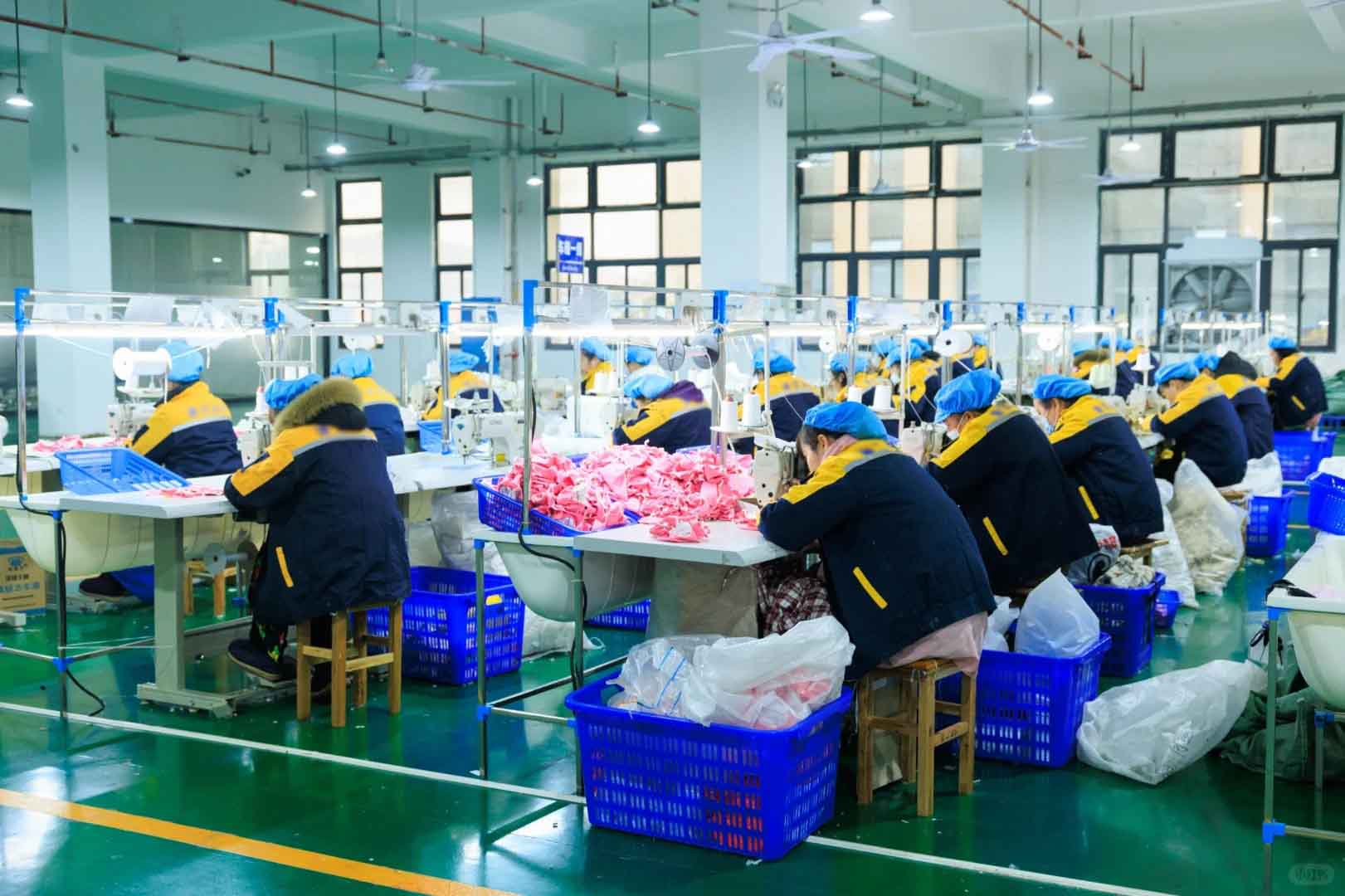
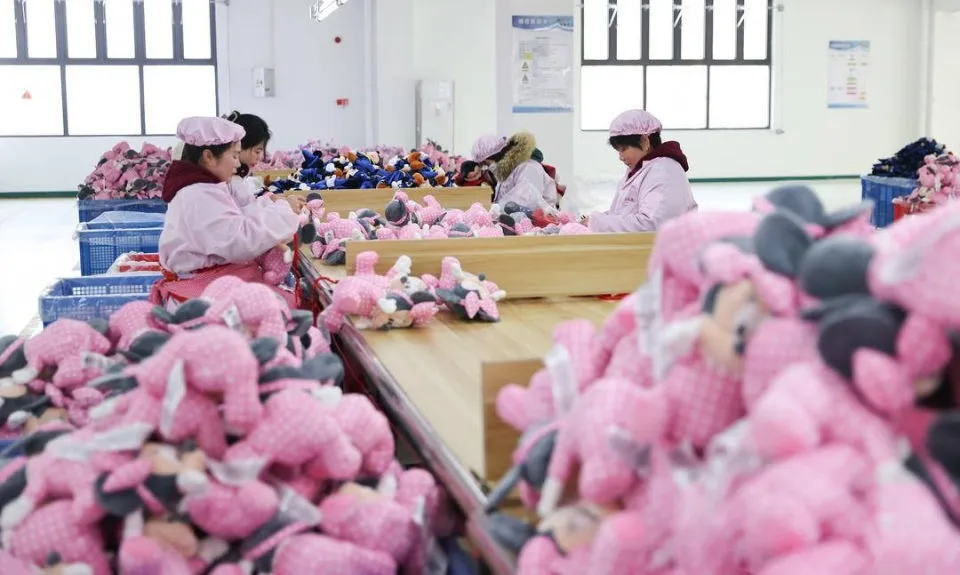
A reliable delivery date depends on a realistic production plan. Plush manufacturing includes cutting, embroidery or printing, sewing, stuffing, closing, shaping, trimming, inspection, packing, carton preparation, and shipment handover. Each step needs time, workers, machines, materials, and quality control. A professional factory does not treat production as one single block of time. It breaks the order into manageable stages.
Production planning should consider order quantity, design complexity, number of SKUs, labor intensity, material arrival date, packaging readiness, factory capacity, and seasonal workload. A simple plush toy may move quickly through production, while a complex mascot with mixed fabrics, embroidered details, accessories, or special packaging requires more line preparation. The plan must reflect the real product, not a generic lead time.
We also reserve capacity according to confirmed order status. If a buyer delays deposit, final approval, or material confirmation, the production slot may need adjustment. This is why timing communication is important on both sides. A factory can protect a schedule only when the required approvals and commercial steps are completed on time.
Good planning creates visibility. Instead of waiting until the end to discover whether the order is on track, the factory can monitor milestone progress: material arrival, cutting start, sewing output, stuffing progress, QC status, packing progress, and shipment readiness. These milestones help identify risks early.
Realistic planning also includes buffer thinking. A professional factory does not build a schedule that only works if every step is perfect. Plush production can be affected by material variation, machine setup, worker training, sample clarification, QC findings, or packaging changes. A responsible schedule leaves room for normal manufacturing friction while still protecting the buyer’s required date. When a timeline has no buffer, even a small issue can become a delivery problem.
| Planning Factor | Why It Matters | Delivery Protection |
|---|---|---|
| Order quantity | Determines production time and line allocation | Prevents underestimating workload |
| Design complexity | Affects sewing and finishing speed | Creates realistic daily output targets |
| SKU count | More styles require more coordination | Reduces sorting and setup delays |
| Factory capacity | Peak seasons can limit available lines | Supports reliable scheduling |
We Track Production Milestones Instead of Waiting Until the End
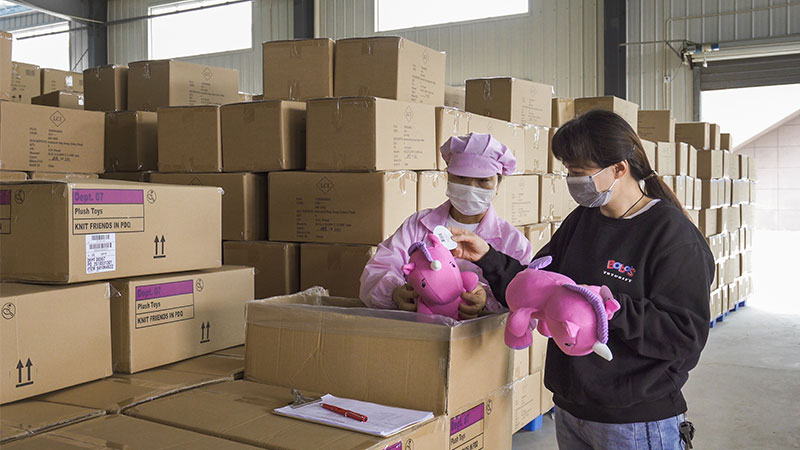
On-time delivery requires active tracking. A factory cannot simply start production and hope the order finishes on time. Plush orders move through many stages, and each stage can create delay if not monitored. Milestone tracking gives the factory and buyer a clear view of progress before the deadline becomes urgent.
Important milestones include material arrival, cutting completion, embroidery or printing completion, sewing start, sewing output, stuffing progress, finishing, inline QC, final inspection, packing, carton completion, and shipment handover. For larger or more complex orders, the factory may also track daily output against plan. If actual output falls behind, the factory can adjust manpower, add QC focus, or communicate a risk before it becomes a surprise.
Milestone tracking also helps identify the real cause of delay. If cutting is complete but sewing output is slow, the issue may be line balance or design complexity. If finished goods are ready but packing is slow, packaging instructions or labels may be the problem. If QC finds repeated defects, the root cause may be upstream process control. Tracking makes the schedule practical rather than emotional.
For buyers, progress updates reduce uncertainty. A reliable factory does not need to send excessive daily messages for every order, but it should provide clear updates at meaningful points. When timing matters, structured updates help the buyer coordinate internal teams, freight bookings, warehouse planning, and launch preparation.
Milestone tracking is also useful when multiple SKUs ship together. One style may finish earlier while another style is delayed by material, embroidery, or packaging. Without tracking by SKU, the factory may report general progress that hides a specific bottleneck. A professional delivery system checks the weakest point in the order, because the whole shipment is usually only as ready as its slowest required item.
| Milestone | What It Shows | Action if Delayed |
|---|---|---|
| Material arrival | Production can start as planned | Check alternative sourcing or timing |
| Cutting completion | Sewing line can begin | Adjust cutting capacity if needed |
| Sewing output | Main production speed | Balance line or add support |
| Packing progress | Shipment readiness | Resolve labels, cartons, or SKU sorting |
We Use Quality Control to Prevent Late Rework
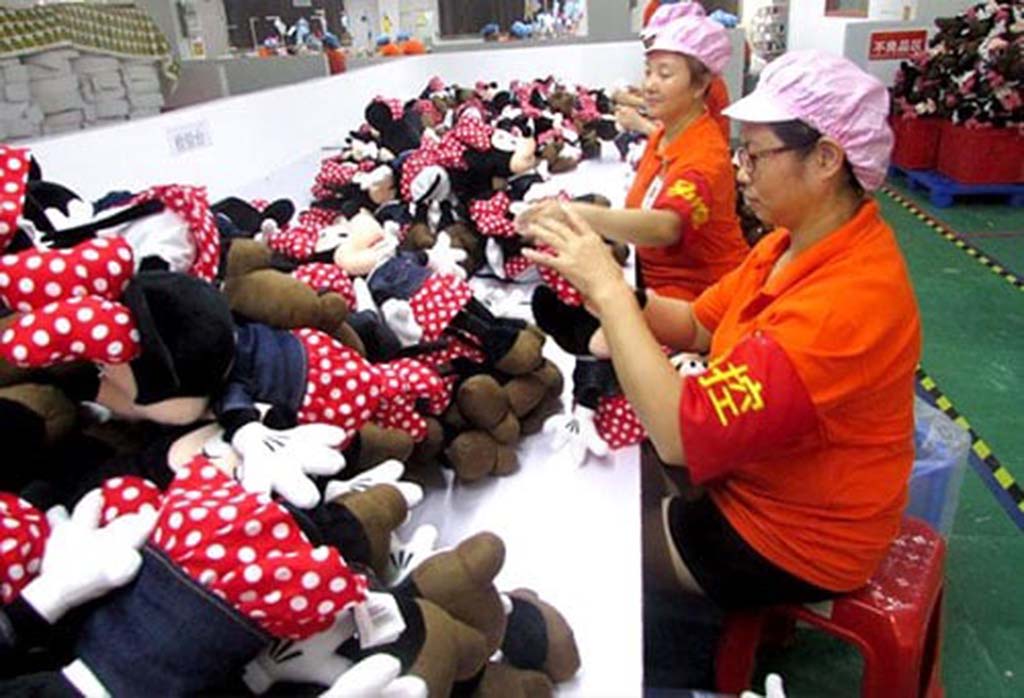
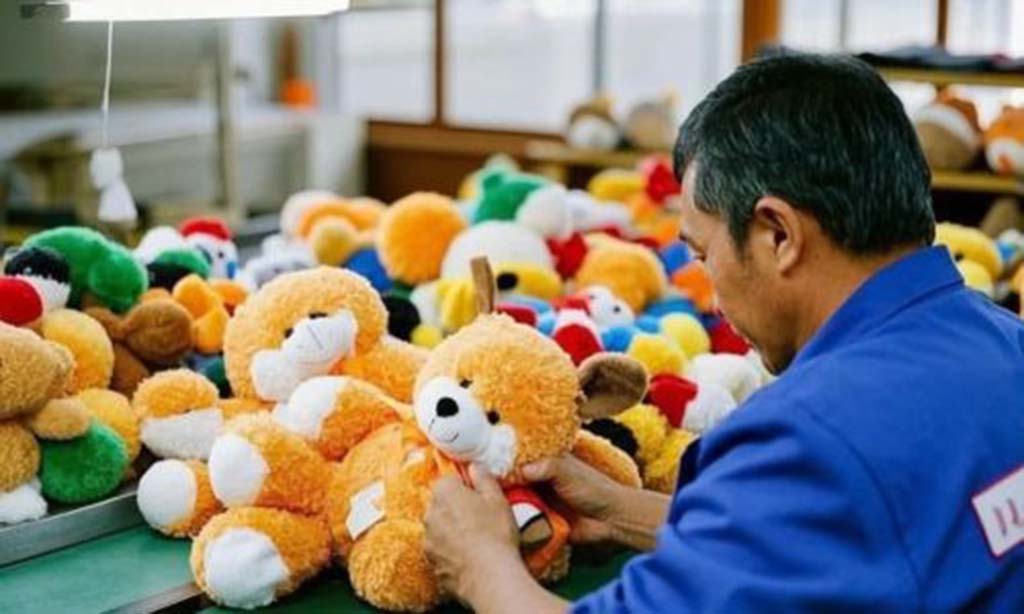
Quality control is directly connected to on-time delivery. Some buyers see QC as a final step before shipment, but strong factories use QC to prevent late-stage delays. Every defect found too late can require sorting, repair, reinspection, or repacking. If the problem affects many units, the delivery date may be at risk.
For plush toys, common rework causes include open seams, uneven stuffing, wrong embroidery placement, missing labels, dirty fabric, loose accessories, incorrect packaging, or carton marking errors. Many of these issues are easier to fix when found early. For example, a seam problem caught during sewing is faster to correct than the same issue found after stuffing and closing. A label issue found before packing is easier than reopening cartons.
We protect delivery by using layered quality control: material inspection, cutting checks, inline sewing checks, stuffing checks, final inspection, and packing checks. The goal is to stop problems at the stage where they begin. This reduces repair labor and keeps the production schedule closer to plan.
Good QC also supports communication. If a quality issue appears, the factory should explain the cause, affected quantity, corrective action, and schedule impact. This helps the buyer understand whether the delivery date is still safe. Hiding quality problems until final inspection creates the worst kind of delay because there is little time left to respond.
| QC Stage | Delay Prevented | Delivery Benefit |
|---|---|---|
| Material QC | Wrong material entering production | Avoids production stop |
| Inline QC | Repeated sewing defects | Reduces late repair |
| Stuffing QC | Shape and hand-feel rework | Protects finishing speed |
| Packing QC | Carton reopening and relabeling | Supports shipment readiness |
We Prepare Packaging and Documents Before Shipment Pressure Builds
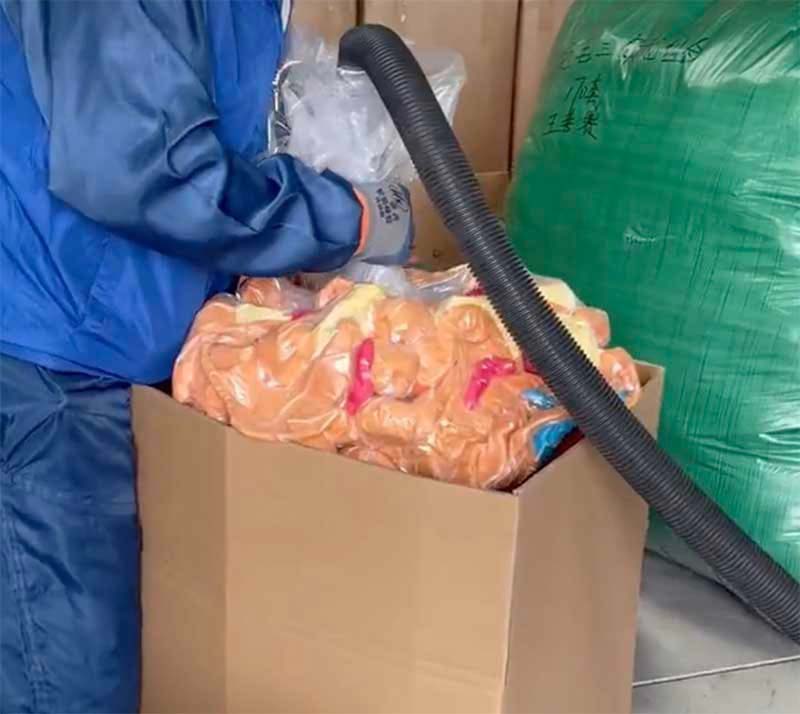
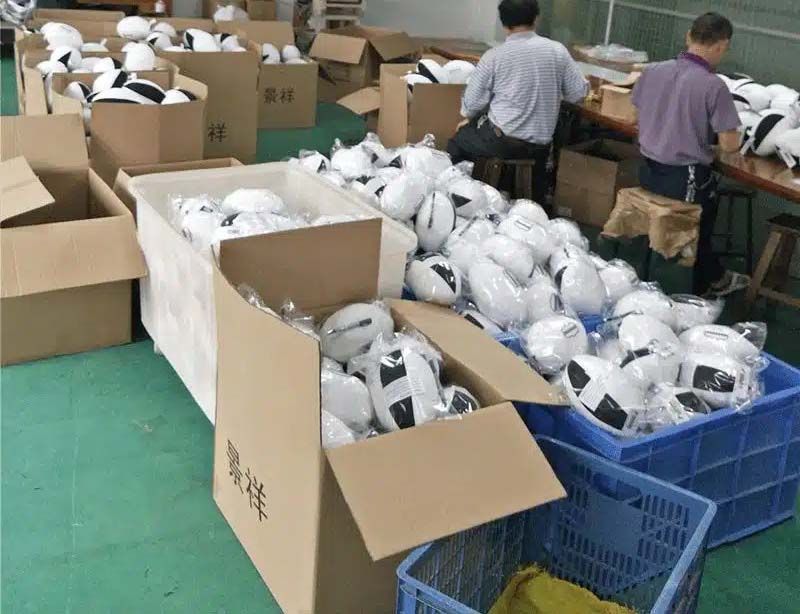
Packaging and documents are common causes of late shipment, especially when buyers focus mainly on the toy itself. A plush order may be fully produced but unable to ship because hangtags, barcode labels, warning labels, carton marks, packing lists, or shipping instructions are incomplete. On-time delivery requires these details to be prepared before finished goods are waiting in the warehouse.
Packaging can also affect labor time. A simple polybag is fast, while display boxes, gift packaging, mixed SKU cartons, barcode stickers, vacuum packing, and retail labeling require more handling. If the factory does not test or plan the packing method early, the packing stage may take longer than expected. This is especially risky when the delivery window is tight.
We confirm packaging requirements during sampling or before bulk production. This includes artwork files, label positions, packing quantities, carton dimensions, carton marks, SKU separation rules, and any destination-specific requirements. For vacuum packing, we also consider whether the plush can recover shape after compression and whether the buyer accepts that method.
Shipment documents should align with the buyer’s logistics needs. Incorrect carton information, missing product descriptions, unclear SKU counts, or late shipping instructions can slow handover. A professional factory treats packaging and documents as part of the delivery plan, not an afterthought.
| Shipment Preparation | Possible Delay | Control Method |
|---|---|---|
| Packaging artwork | Packing cannot start | Approve before production finish |
| Barcode and labels | Relabeling or retailer rejection | Confirm label map early |
| Carton marks | Warehouse confusion | Use clear shipping instructions |
| Packing method | Unexpected labor time | Test during sampling |
We Communicate Risks Early and Keep Buyers Updated
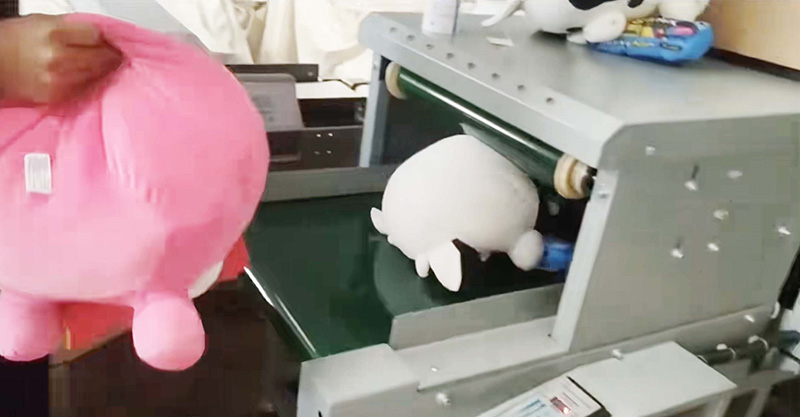
Even with strong planning, manufacturing still involves real-world risks. Material suppliers may delay, sample revisions may take longer, packaging artwork may be late, production output may slow, QC may find issues, or freight schedules may change. The difference between a professional partner and a weak supplier is how early these risks are identified and communicated.
Early communication protects decision-making. If a material is delayed, the buyer may approve an alternative. If the sample approval window is too long, both sides may adjust the production plan. If QC finds a repeated problem, the factory can explain corrective action and timing. If packing is slower than expected, the buyer can coordinate logistics accordingly. Silence creates stress because the buyer has no time to respond.
We believe updates should be practical and connected to milestones. Buyers need to know whether the project is on schedule, what decisions are required, and whether any risk affects delivery. Clear updates also create accountability inside the factory because teams know the schedule is being monitored.
For B2B buyers, reliable communication is often as important as production capacity. A factory that communicates early can help protect a launch even when problems appear. A factory that communicates late may turn a manageable issue into a missed delivery.
Buyer cooperation is part of the delivery system as well. Fast sample feedback, timely deposit arrangement, early packaging approval, clear shipping instructions, and quick answers to risk questions all help protect the schedule. A strong factory can manage production professionally, but it still needs timely decisions from the buyer. The best delivery results usually come from a supplier that tracks the process and a buyer that responds quickly when approvals are needed.
| Communication Point | What Buyer Needs | Why It Protects Delivery |
|---|---|---|
| Sample status | Revision timing and approval needs | Keeps development moving |
| Material status | Availability and batch confirmation | Prevents production surprises |
| Production status | Milestone progress | Shows whether schedule is safe |
| Risk report | Cause, action, and impact | Allows earlier buyer decisions |
Conclusion
On-time delivery in plush manufacturing is not the result of one promise. It is the result of controlled planning from the beginning of the project. A reliable factory confirms the true delivery goal, manages sampling carefully, secures materials early, builds a realistic production plan, tracks milestones, uses QC to prevent late rework, prepares packaging and documents, and communicates risks before they become serious delays.
For B2B buyers, this kind of delivery control reduces stress and protects commercial outcomes. It helps keep launches, promotions, retail programs, and repeat orders on track. The best plush manufacturers do not simply produce toys. They manage the full path from idea to shipment with the delivery date in mind.
When evaluating a plush supplier, buyers should ask how the factory protects delivery at each stage, not only what lead time it can promise. A supplier that can explain its approval flow, material plan, production milestones, QC system, packaging preparation, and communication rhythm is more likely to deliver reliably than one that gives a fast promise without a process behind it.
FAQ
1. What is the biggest cause of plush order delays?
Common causes include slow sample approval, late material confirmation, packaging artwork delays, unclear quality standards, production rework, and incomplete shipping instructions. The biggest cause depends on the project stage and complexity.
2. How early should buyers confirm delivery requirements?
Buyers should confirm required delivery date, destination, shipment method, packaging, compliance needs, and approval timeline before quotation or sample development whenever possible.
3. Can a factory guarantee on-time delivery for every order?
No factory can eliminate every risk, but a professional factory can greatly improve delivery reliability through planning, material control, capacity management, milestone tracking, QC, and early communication.
4. How does sampling affect delivery time?
Every sample revision takes time. Clear feedback, realistic design decisions, and early packaging checks help reduce sample rounds and protect the production schedule.
5. Why does QC help with on-time delivery?
QC prevents defects from reaching late production stages. Early quality checks reduce repair, sorting, reinspection, and repacking, which helps protect the shipment date.
6. How can buyers help suppliers deliver on time?
Buyers can provide clear briefs, approve samples quickly, confirm materials and packaging early, avoid late changes, share shipping instructions, and respond promptly when the factory raises risks.
7. Why should packaging be planned early?
Packaging affects labor time, carton volume, labels, barcode accuracy, retail presentation, and shipment documents. Late packaging decisions can delay an otherwise finished order.