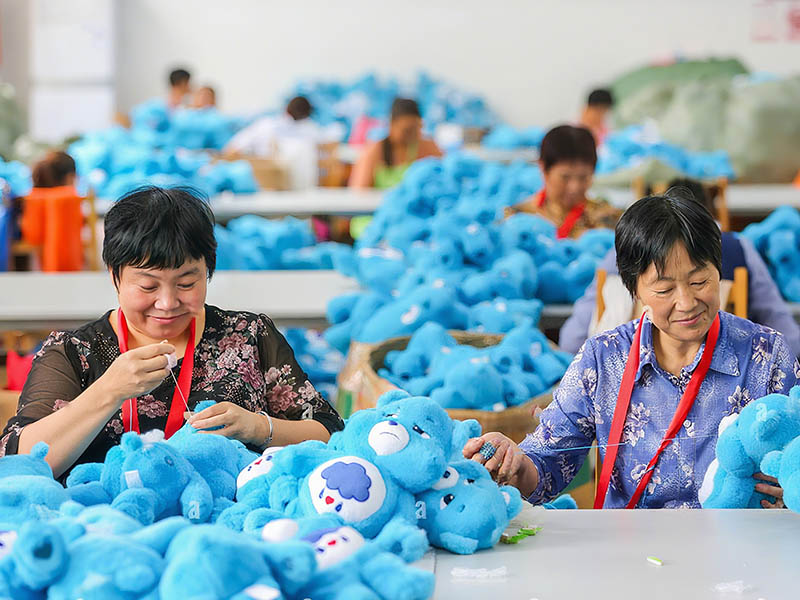
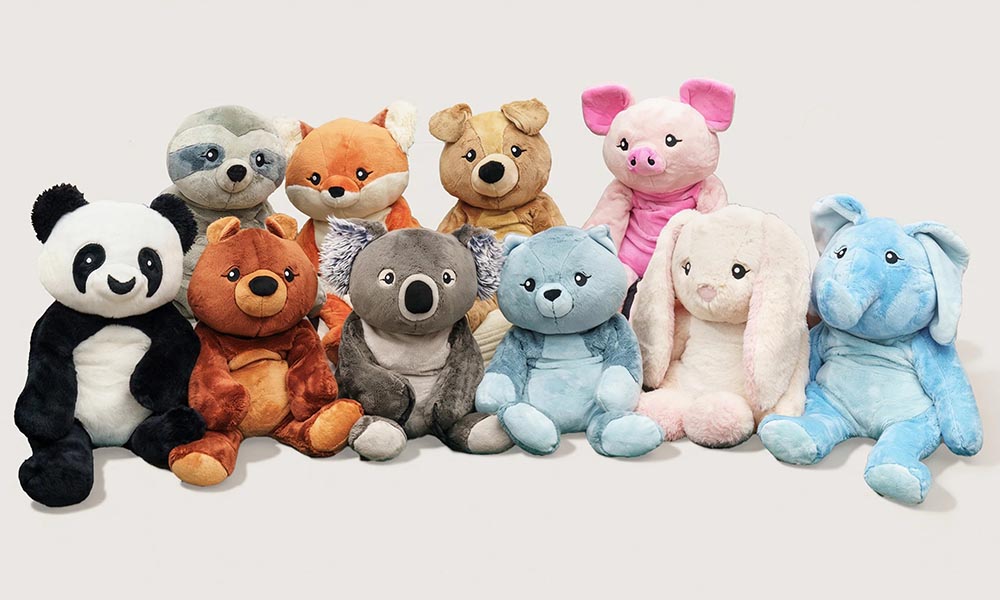
Choosing a plush supplier is often treated as a price comparison exercise. A buyer sends the same design to several factories, collects quotations, checks sample fees, compares lead times, and selects the option that seems most competitive. This approach may work for simple repeat products, but it can be risky for custom plush projects, brand mascots, licensed plush toys, promotional campaigns, and retail programs where product quality, communication, timing, and problem solving matter as much as the unit price.
A plush factory can produce goods. A plush partner helps protect the project. The difference is not only in machinery, workers, or production capacity. It is in how the supplier thinks, communicates, engineers the design, controls risk, manages sampling, handles quality issues, and supports the buyer after the order is placed. A factory may ask, “What do you want us to make?” A partner also asks, “What could go wrong, and how can we prevent it before production starts?”
For B2B buyers, this distinction matters because plush manufacturing is full of soft-product variables. Fabric behavior, stuffing density, sewing tolerance, embroidery placement, safety requirements, packaging structure, carton volume, and shipment timing all affect the final result. When a supplier only follows instructions mechanically, the buyer carries more risk. When a supplier acts as a partner, the project becomes more predictable, transparent, and commercially reliable.
A Partner Understands the Business Goal Behind the Plush Toy
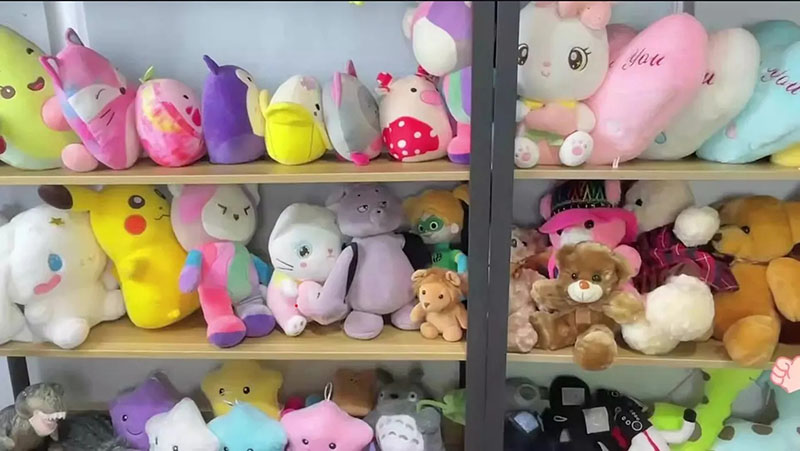
The first sign of a real plush partner is that they want to understand why the product exists. A plush toy for retail sales, a brand mascot, a corporate giveaway, a licensed character, a museum souvenir, a pet product, or an adult collectible may all use similar manufacturing processes, but the business priorities are different. A supplier that treats every project as the same type of stuffed toy may miss important details.
For example, a retail plush line needs repeatable appearance, packaging consistency, barcode and labeling control, and shelf appeal. A promotional plush may prioritize deadline reliability, logo accuracy, and cost efficiency. A licensed character may require tight replication accuracy and approval discipline. A plush toy for young children may need stricter safety review, stronger seams, and careful component selection. A partner connects these end-use requirements to manufacturing decisions from the beginning.
This business understanding affects quotation quality. A basic factory may quote quickly based on size and materials, but may not ask enough about compliance, packaging, target market, or launch schedule. A partner knows that missing information can create later price changes, sample delays, or production conflict. They ask better questions early so the buyer can make better decisions before money and time are committed.
Buyers should look for suppliers that can discuss product purpose, not only production technique. If a supplier understands your channel, target user, quality expectation, and risk tolerance, they can recommend more practical solutions. This is especially valuable when the buyer is developing a new plush product and does not yet know every technical detail.
| Buyer Goal | Factory-Only Response | Partner Response |
|---|---|---|
| Retail launch | Quotes size and fabric | Reviews packaging, repeatability, and shelf consistency |
| Promotion deadline | Promises fast production | Checks approval timeline and shipment risk |
| Licensed character | Makes a sample from artwork | Controls character accuracy and revision records |
| Child product | Confirms material cost | Reviews safety, seams, components, and testing needs |
A Partner Gives Practical Design and Engineering Feedback
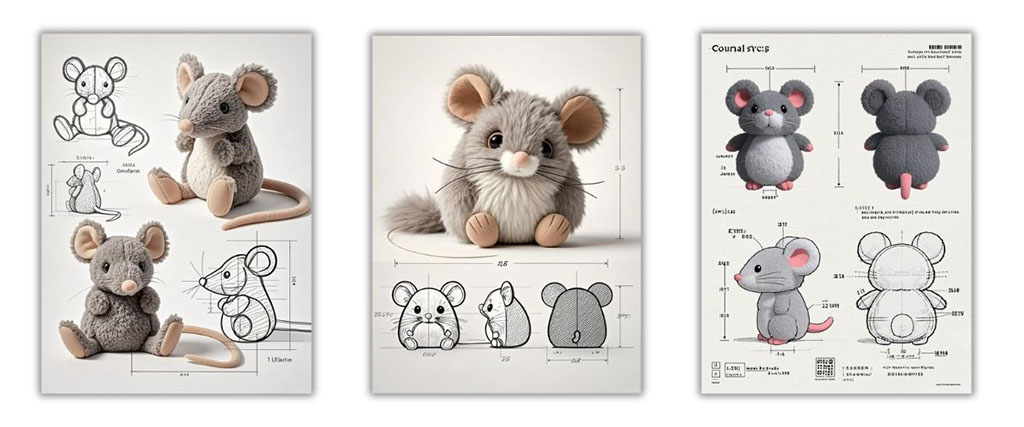
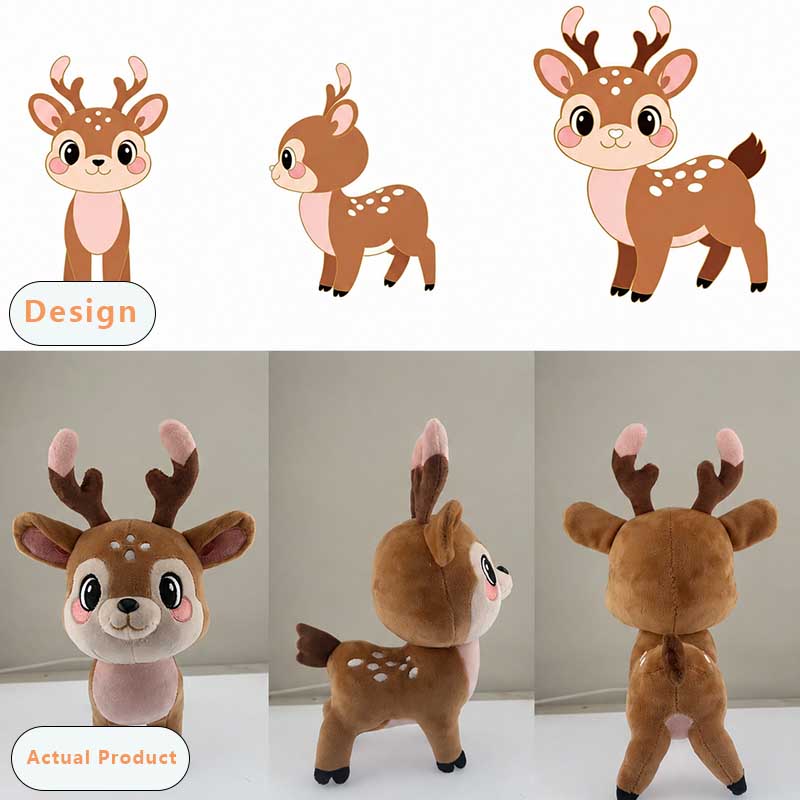
A plush design may look perfect in an illustration but still be difficult to manufacture consistently. Small limbs, narrow necks, oversized heads, layered clothing, complex accessories, mixed fabrics, detailed embroidery, printed panels, and special packaging can all affect cost, safety, shape, and production speed. A factory that simply says yes to every detail may seem easy to work with at first, but that silence can become expensive later.
A real plush partner reviews the design before sampling and explains manufacturing risks clearly. They may suggest adjusting the pattern, simplifying a small sewn part, changing an accessory attachment method, modifying embroidery placement, using a different fabric, or standardizing details across multiple SKUs. These recommendations are not meant to reduce the buyer’s creative vision. They are meant to make the vision repeatable in bulk production.
Consider a mascot plush with a round head, tiny ears, a wide smile, a logo on the belly, and a removable accessory. The buyer may focus on visual appeal, but the factory must consider how the head will hold shape, whether the ears can be sewn at a consistent angle, whether the smile will distort after stuffing, whether the logo sits flat enough, and whether the accessory can pass pull testing. A partner raises these issues before the sample is finalized.
Good engineering feedback also protects cost. If the buyer has a target price, a partner can explain which details drive labor and material cost. Instead of reducing quality blindly, the supplier can help simplify low-value complexity while protecting the features that matter most to the brand. This is one of the clearest differences between a price-based supplier and a product-development partner.
| Design Issue | Possible Production Risk | Partner-Level Feedback |
|---|---|---|
| Tiny sewn details | Slow labor and inconsistent finish | Use embroidery, applique, or simplified construction |
| Large head | Shape instability or poor balance | Adjust pattern and stuffing plan |
| Mixed fabrics | Different stretch and color behavior | Test compatibility before bulk approval |
| Removable parts | Safety and durability risk | Review attachment method and testing needs |
A Partner Manages Sampling as a Controlled Process
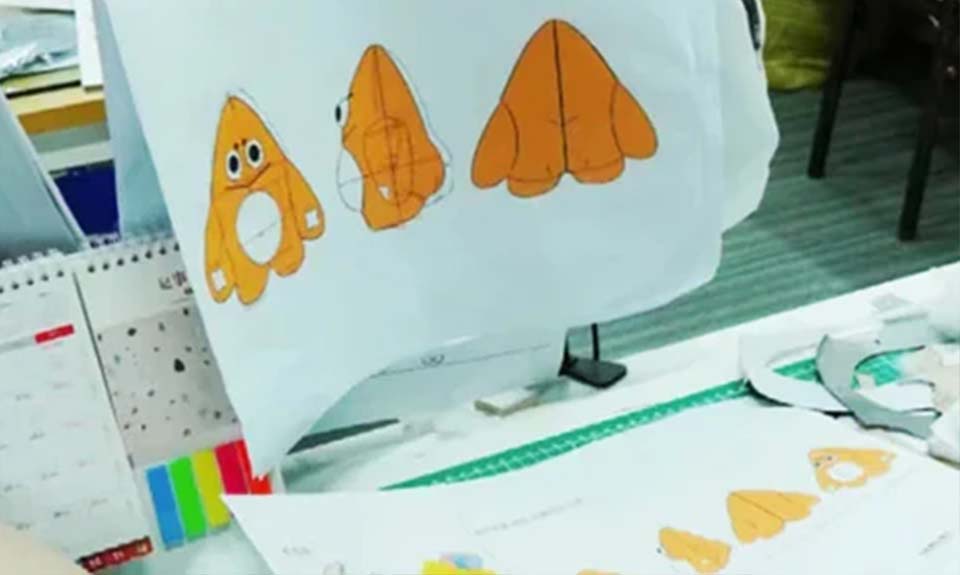
Sampling is where many plush projects either become organized or start drifting. A basic factory may make a sample, wait for comments, revise it, and repeat the process without strong version control. A partner treats sampling as a controlled development stage. Each sample round should have a clear purpose, documented changes, confirmed materials, and defined approval points.
This matters because plush samples often change in many small ways: face expression, body proportion, fabric choice, embroidery size, stuffing firmness, label position, accessory placement, and packaging fit. If these changes are not recorded, the buyer and factory may lose track of what was approved. Production teams may also receive unclear standards, causing the bulk order to differ from the final sample.
A partner helps the buyer separate subjective preferences from production-critical decisions. For example, a buyer may request a softer hand feel, but the supplier should explain how that affects shape stability, carton compression, and shelf presentation. A buyer may ask for smaller embroidery, but the supplier should check whether the detail remains readable. A buyer may want a cheaper fabric, but the supplier should compare color, pile, durability, and appearance. Sampling is not only about making changes; it is about understanding the consequence of each change.
The approved sample should become a usable production benchmark. A partner prepares the internal records needed for bulk manufacturing: material list, pattern files, embroidery or print files, critical detail photos, stuffing notes, inspection points, and packaging instructions. This turns the sample from a one-off prototype into a repeatable standard.
| Sampling Practice | Factory-Only Risk | Partner Control |
|---|---|---|
| No version records | Old comments return in later rounds | Document each revision clearly |
| Visual approval only | Bulk team lacks production standards | Translate sample into production files |
| Unclear tolerances | Too much rework or inconsistent QC | Define critical and acceptable variation |
| Late packaging check | Finished toy may not fit packaging | Test packaging during sampling |
A Partner Controls 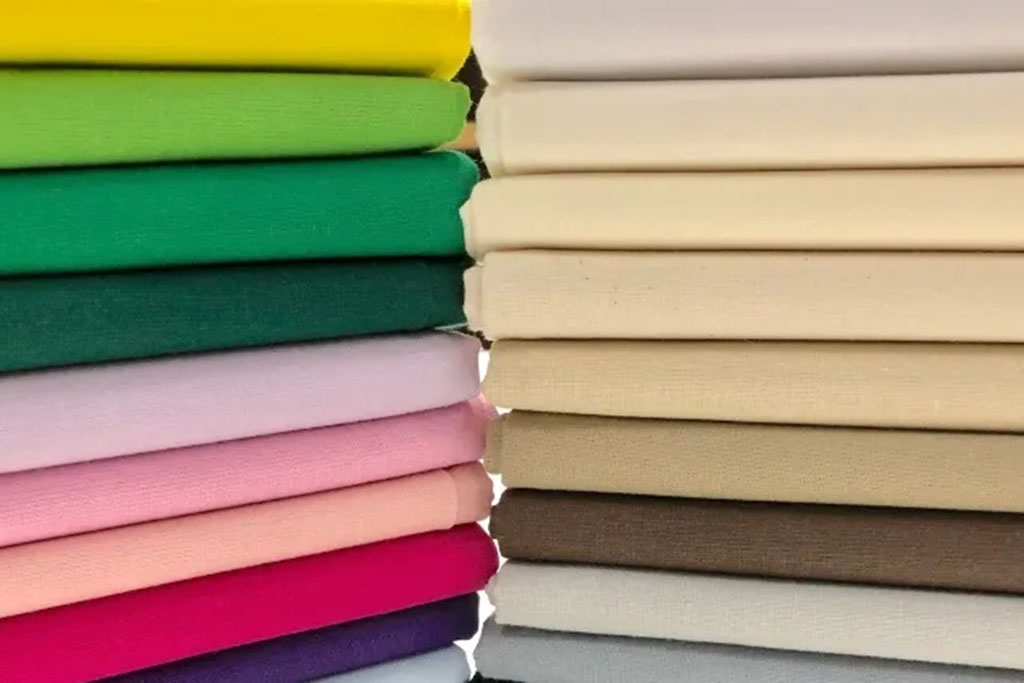 s, Compliance, and Supply Risk
Materials are one of the most common sources of hidden risk in plush manufacturing. Fabric color, pile length, stretch, density, backing strength, stuffing quality, embroidery thread, plastic components, labels, hangtags, and packaging materials all affect the final product. A factory that only purchases what is cheapest may create quality or compliance problems. A partner understands that material choice must support both appearance and project requirements.
For B2B buyers, material control is especially important when a plush toy represents a brand, license, or repeat product line. If the bulk fabric does not match the approved sample, the product may look different from the buyer’s expectation. If the fabric batch changes between repeat orders, customers may notice inconsistency. If a component does not meet the target market’s safety expectations, the order may face testing failure or shipment delay.
A partner confirms material details before bulk production. They check availability, color consistency, hand feel, pile direction, durability, and supply stability. If substitution is needed, they communicate before making the change. For projects involving children, they also pay attention to small parts, pull strength, chemical requirements, labeling, and test standards. This type of control protects the buyer from surprises after production begins.
Supply risk also matters. A supplier may quote a beautiful sample using a material that is not stable for bulk quantities. A partner checks whether the material can support the actual order volume and future repeat orders. This is a practical detail, but it can make the difference between a smooth launch and a delayed project.
| Material Area | Potential Risk | Partner Control |
|---|---|---|
| Main plush fabric | Color, pile, or hand-feel mismatch | Confirm swatch and batch before cutting |
| Components | Safety or durability failure | Review attachment and compliance needs |
| Stuffing | Shape or hand-feel inconsistency | Set standard by sample and weight reference |
| Packaging materials | Late artwork or carton issues | Approve structure and files early |
A Partner Plans Production Before Problems Reach the Line
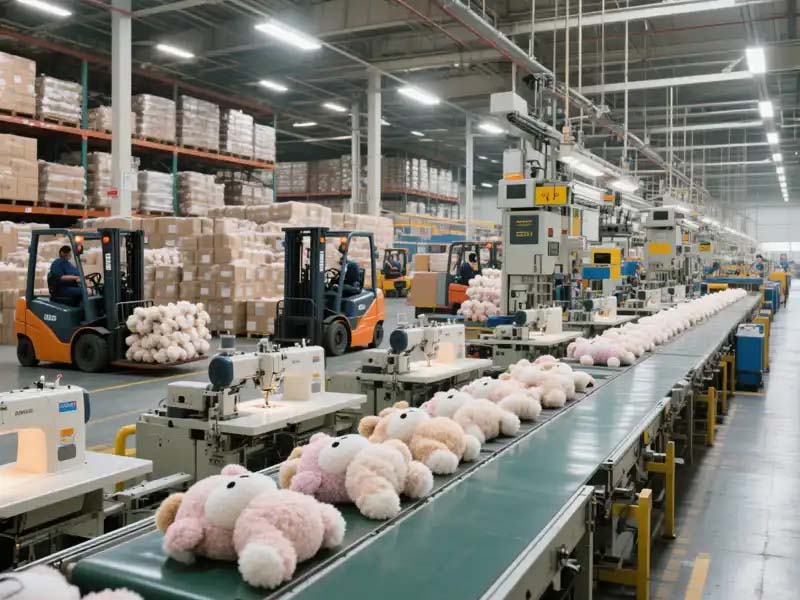
Production planning is where a plush supplier’s professionalism becomes visible. A basic factory may wait until materials arrive and then start cutting. A partner prepares before that point. They review the final sample, lock pattern files, confirm material batches, prepare cutting layouts, arrange sewing operations, define QC checkpoints, and confirm packaging instructions before mass production begins.
This planning matters because plush production becomes expensive to change after cutting. Once fabric panels are cut, design changes, material substitutions, and pattern corrections can create waste and delay. If a detail is unclear when workers begin sewing, the same mistake can repeat across many units. If packaging rules are not ready when finished goods arrive, the factory may need extra sorting, labeling, or repacking labor.
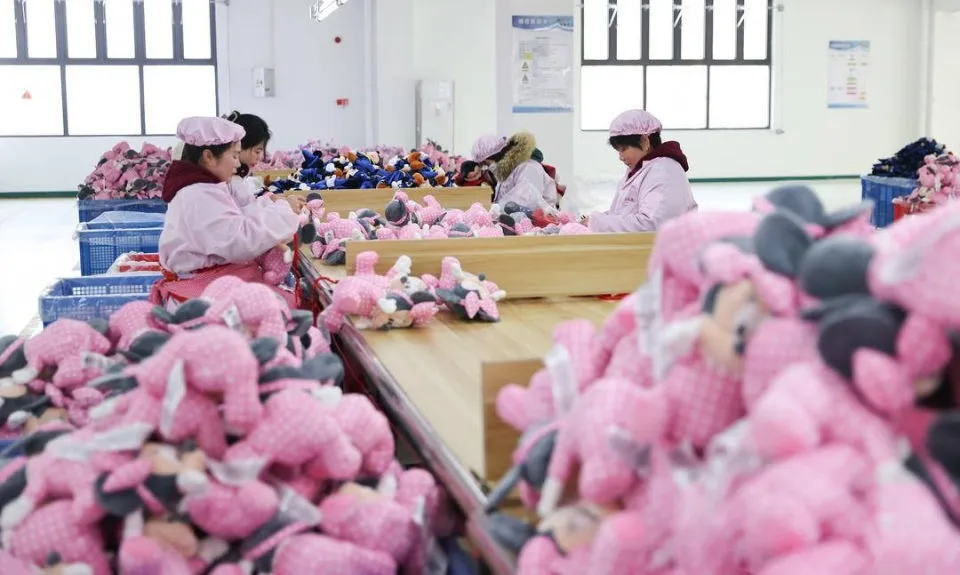
A partner also understands line balance and worker training. Some plush designs include simple straight seams, while others require curved sewing, small parts, special turning, controlled stuffing, hand sewing, or electronic assembly. Assigning the right workers and setting clear operation standards helps maintain quality and lead time. This is not something buyers always see, but it strongly affects the final order.
Good production planning also improves communication. Instead of vague promises, a partner can explain key milestones: material arrival, cutting, embroidery, sewing, stuffing, finishing, inspection, packing, and shipment preparation. If a risk appears, the buyer hears about it earlier. This gives both sides time to make practical decisions.
| Planning Area | Why It Matters | Buyer Benefit |
|---|---|---|
| Pattern locking | Prevents shape changes during bulk production | More consistent finished goods |
| Cutting preparation | Controls fabric direction and waste | Fewer material-related defects |
| Line setup | Matches skill to operation difficulty | Stable lead time and workmanship |
| Packaging readiness | Prevents late repacking | Smoother shipment preparation |
A Partner Uses Quality Systems, Not Only Final Inspection
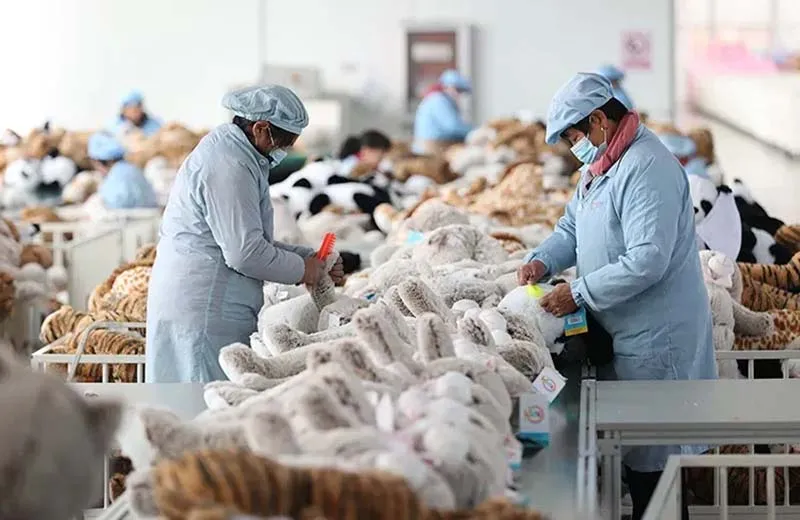
Quality control is one of the strongest differences between a factory and a partner. A factory may rely heavily on final inspection, checking finished plush toys before shipment. A partner builds quality control into the whole process. This matters because many plush defects become harder and more expensive to fix after stuffing, closing, packing, or carton sealing.
Professional plush quality control begins before production. Material checks confirm fabric, color, texture, and components. Cutting checks confirm panel shape and fabric direction. Inline sewing checks catch open seams, wrong part placement, and construction problems. Stuffing checks protect hand feel, symmetry, and shape. Final inspection confirms appearance, cleanliness, labeling, accessories, packaging, and carton information. Safety-related checks, such as needle detection or pull strength review, are handled according to project requirements.
A partner also customizes QC focus based on the product. For a mascot plush, face expression and shape may be critical. For a retail program, packaging and barcode accuracy may matter strongly. For children’s products, safety and durability requirements need special attention. For promotional products, logo placement and shipment timing may be central. A generic checklist is not enough for every project.
When quality issues occur, a partner communicates clearly. They identify the cause, affected quantity, corrective action, and schedule impact. This allows the buyer to make informed decisions. A supplier that hides problems until the end creates stress. A partner treats quality issues as shared project risks to solve early.
| QC Stage | Factory-Only Weakness | Partner-Level Control |
|---|---|---|
| Material check | Problems enter production unnoticed | Confirm before cutting |
| Inline QC | Repeated defects found too late | Check during sewing and stuffing |
| Final inspection | Only catches visible finished defects | Confirms full shipment readiness |
| Issue reporting | Buyer receives vague updates | Share cause, action, and timing |
A Partner Communicates With Transparency and Ownership
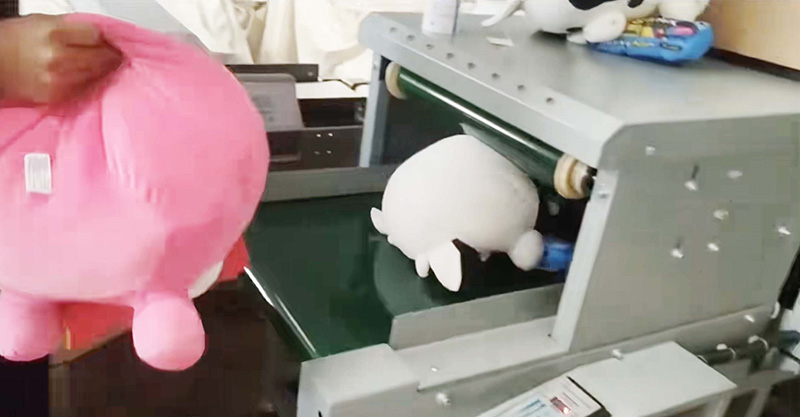
Communication is where many supplier relationships either build trust or break down. A factory can have good equipment and still be difficult to work with if communication is slow, vague, or defensive. A partner communicates with transparency and ownership. They do not only answer questions; they keep the buyer informed about decisions, risks, timing, and trade-offs.
Transparent communication does not mean overwhelming the buyer with every small factory detail. It means sharing the information that affects project decisions. If sample revision needs more time, the buyer should know why. If a fabric batch has a color concern, the buyer should see the comparison before bulk cutting. If production is moving normally, milestone updates should confirm progress. If a quality issue appears, the factory should explain the corrective action instead of hiding it.
Ownership is equally important. A factory-only supplier may say, “This is what the buyer requested,” even when the request creates production risk. A partner takes responsibility for professional advice. They warn the buyer when a design is difficult, when packaging may increase labor, when a deadline is tight, or when a cheaper option may weaken quality. This kind of communication protects both sides.
For international buyers, strong communication reduces distance. Time zones, language, file formats, approval habits, and shipping requirements can easily create misunderstandings. A partner keeps communication structured so the buyer does not need to guess what is happening. This is one reason reliable project communication is often worth more than a small unit price difference.
| Communication Behavior | Factory-Only Risk | Partner Value |
|---|---|---|
| Only responds when asked | Buyer must chase updates | Provides milestone visibility |
| Hides production problems | Late surprises before shipment | Reports risk early with solutions |
| Accepts all requests silently | Unrealistic expectations | Explains trade-offs clearly |
| No written records | Approval confusion | Keeps decisions traceable |
A Partner Supports Long-Term Growth, Not Only One Order
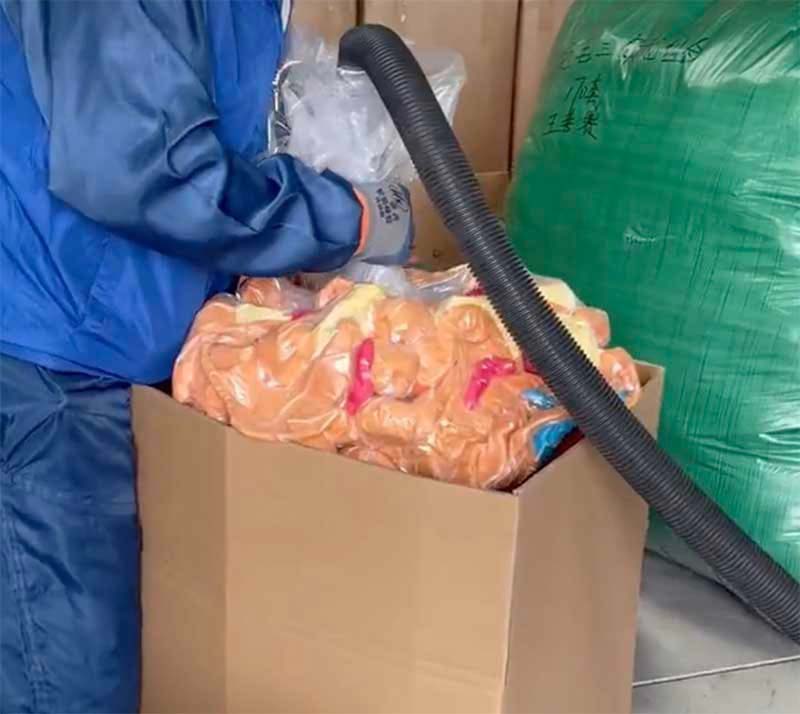
A plush partner thinks beyond the first shipment. Many B2B plush projects begin with one order but later expand into repeat orders, new characters, different sizes, seasonal versions, licensed collections, promotional campaigns, or retail programs. If the supplier only focuses on one transaction, the buyer may need to solve the same problems again with every order. A partner builds records and systems that support future growth.
Long-term support includes keeping pattern files, material references, embroidery files, sample photos, packaging artwork, QC notes, and production feedback. These records help repeat orders match earlier production. They also reduce sampling time when a buyer develops a related product. For example, if a buyer expands a mascot plush into three sizes, a partner can use the original construction logic to protect consistency across the product family.
A partner also helps buyers improve cost and quality over time. After the first order, the factory may identify which details caused extra labor, which packaging method worked best, which QC points needed attention, or which materials were most stable. This feedback can make the next order better. A factory that treats each order separately may never capture these lessons.
For buyers, long-term supplier value is not only about loyalty. It is about reducing development friction, protecting brand consistency, and building a manufacturing base that understands your standards. A reliable partner becomes part of the buyer’s operational strength.
| Long-Term Support | Why It Matters | Buyer Benefit |
|---|---|---|
| Production records | Protects repeat order consistency | Stable product line quality |
| Material references | Controls color and hand feel over time | Better reorder matching |
| QC feedback | Prevents repeated issues | Improved future orders |
| Development history | Speeds new style creation | Lower project friction |
Conclusion
Choosing a plush partner, not just a factory, means looking beyond price, machinery, and basic production capacity. A true partner understands the buyer’s business goal, gives practical design feedback, manages sampling carefully, controls materials and compliance risk, plans production before problems reach the line, uses layered quality systems, communicates with transparency, and supports long-term growth.
For B2B buyers, this kind of partnership reduces stress and protects commercial outcomes. The right plush partner helps turn creative ideas into reliable products, approved samples into consistent bulk production, and one-time orders into stronger long-term programs. In custom plush manufacturing, the best supplier is not only the one that can make the toy. It is the one that helps protect the project from beginning to end.
FAQ
1. What is the difference between a plush factory and a plush partner?
A plush factory mainly produces goods according to instructions. A plush partner also helps review design feasibility, control risk, manage sampling, protect quality, communicate clearly, and support long-term project success.
2. Why should buyers avoid choosing only by the lowest price?
The lowest price may not include strong sampling, material control, quality checks, packaging planning, or communication support. If problems appear later, the total project cost can become higher than expected.
3. What questions should a plush partner ask before quoting?
A good partner should ask about product purpose, target market, quantity, size, material expectations, safety requirements, packaging, budget range, approval timeline, and delivery deadline.
4. How does a partner help during sampling?
A partner manages sample revisions with clear records, explains the impact of changes, confirms materials, defines critical details, and turns the approved sample into a production benchmark.
5. Why is communication important in plush manufacturing?
Plush projects involve many variables, including design, materials, sewing, stuffing, QC, packaging, and shipment. Clear communication helps buyers understand progress, risks, and decisions before problems become expensive.
6. How can a plush partner reduce quality risk?
A partner uses material checks, cutting control, inline QC, stuffing checks, final inspection, safety review, and issue reporting instead of relying only on final inspection.
7. What makes a supplier good for long-term cooperation?
Strong long-term suppliers keep production records, protect repeat order consistency, learn from previous orders, communicate transparently, and support new product development with accumulated project knowledge.