Skip to content
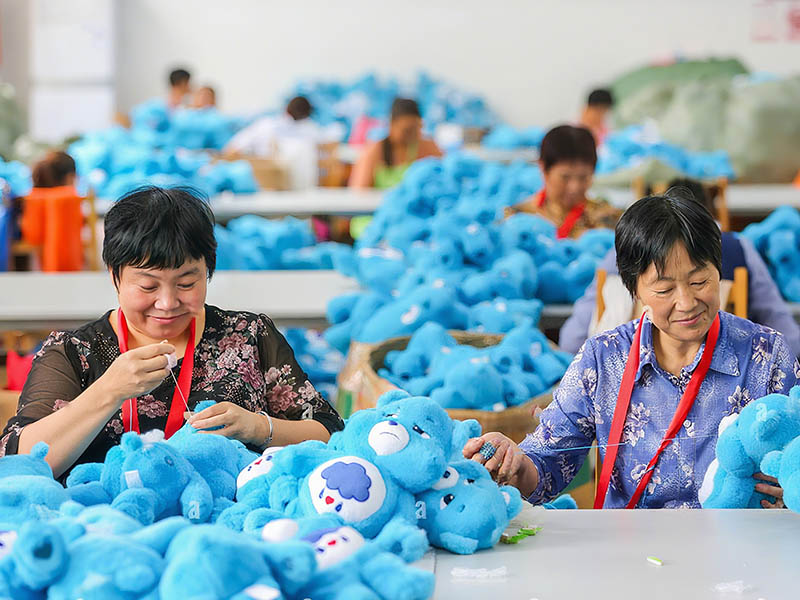
Plush consistency is not created by final inspection alone. It is created by process control. In custom plush manufacturing, every finished toy passes through many connected steps: design review, sample approval, material confirmation, fabric cutting, embroidery or printing, sewing, stuffing, shaping, finishing, inspection, packaging, and shipment preparation. If each step is controlled, the final products look stable. If one step is loose, inconsistency can spread across the entire order.
This is especially important for B2B buyers because plush toys are soft products with many manual variables. Fabric stretch, pile direction, seam allowance, stuffing density, hand shaping, embroidery placement, label position, and packaging compression all affect the final appearance. A factory may make a good sample, but without process control, bulk production may not match that sample consistently.
Process control does not mean making plush toys mechanical or lifeless. It means turning the approved sample into repeatable production standards. It helps the factory reduce variation, prevent rework, control cost, protect delivery schedules, and support repeat orders. For buyers, strong process control is one of the clearest signs that a plush supplier can handle serious custom projects, not only simple production.
Process Control Starts With the Approved Sample
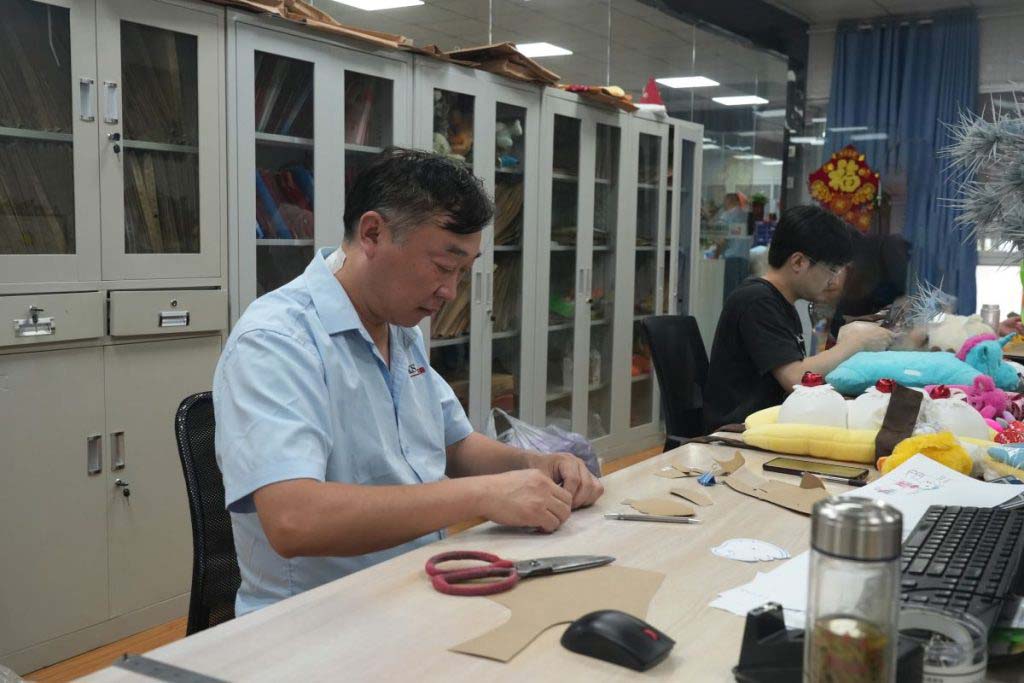
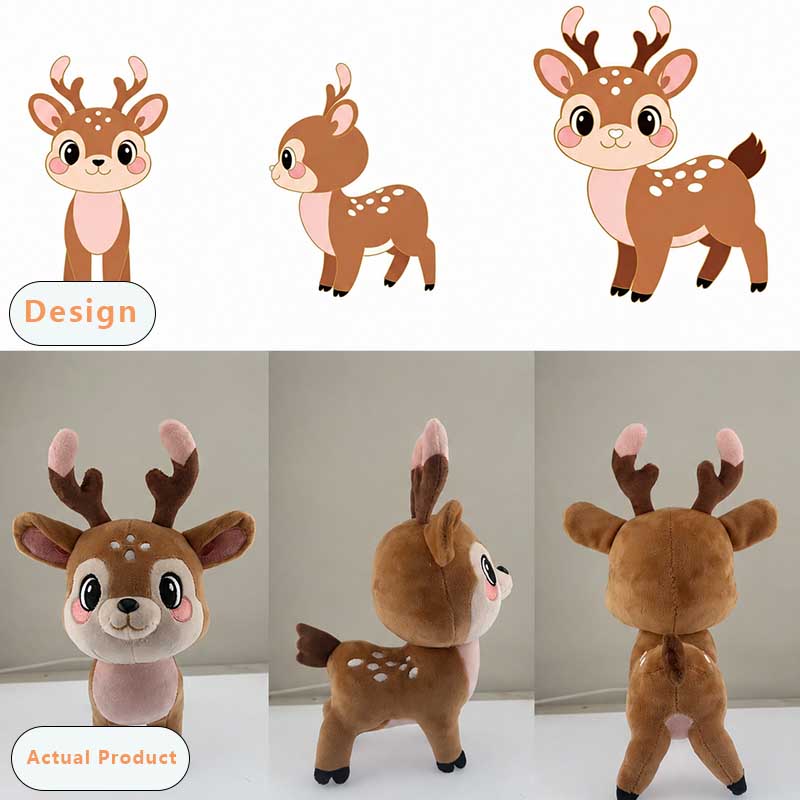
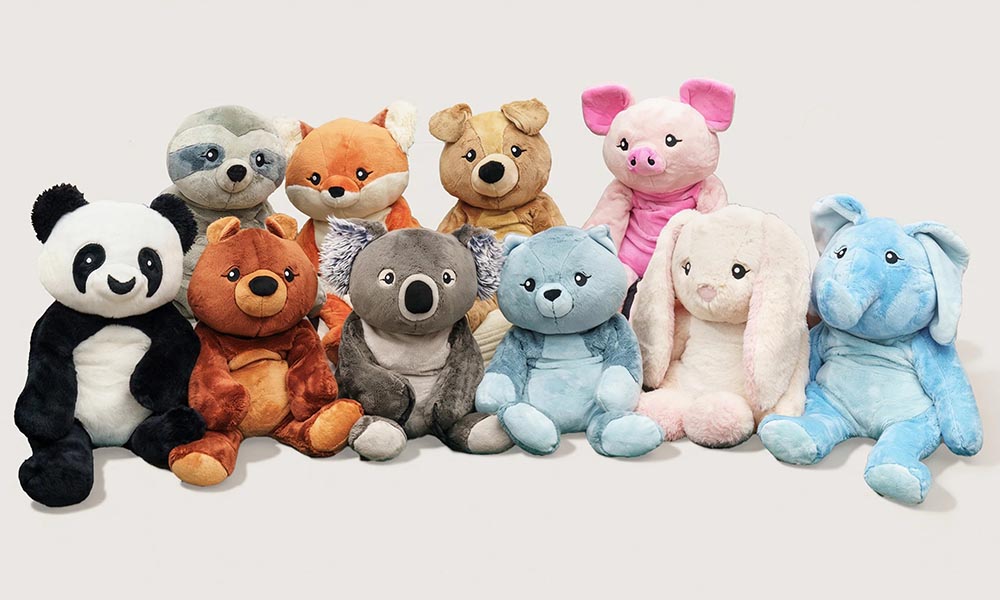
The approved sample is the starting point for plush consistency. It defines the product’s intended shape, size, fabric, color, expression, stuffing feel, label placement, workmanship, and packaging presentation. However, a sample alone is not enough. If it remains only a physical reference on a desk, workers may interpret it differently. Process control begins when the factory translates the approved sample into specific production instructions.
A professional factory should document the sample standard clearly. This may include pattern files, fabric swatches, embroidery files, printing files, stuffing notes, critical dimension points, inspection photos, seam details, accessory placement, and packing method. These records help different departments work from the same standard. Purchasing understands which material to source. Cutting understands fabric direction. Sewing understands construction requirements. Stuffing understands firmness and shape. QC understands what to check.
For plush toys, some variation is natural because the product is soft and manually handled. The role of process control is to define which details are critical and which variations are acceptable. For example, a minor difference in hidden seam position may be acceptable, but eye placement, logo location, head shape, or stuffing feel may require much tighter control. Without this distinction, factories may waste time correcting unimportant differences while missing details that affect brand appearance.
The buyer risk is approving a good sample and assuming bulk production will automatically match it. In reality, bulk consistency depends on whether the factory can repeat the sample through a controlled system. The approved sample should become a production benchmark, not just a sales approval item.
| Sample Standard | Process Control Need | Consistency Result |
|---|---|---|
| Shape and size | Pattern files and dimension checks | Stable bulk appearance |
| Fabric and color | Material swatch and batch confirmation | Less color variation |
| Face details | Embroidery position and artwork control | Consistent expression |
| Stuffing feel | Weight and hand-feel reference | More stable product feel |
For larger orders, this sample-to-process translation also helps protect communication between teams. The buyer may approve a sample with the sales or development team, but the bulk order is completed by purchasing, cutting, sewing, stuffing, QC, and packing teams. If the approved details are not transferred clearly, the factory may technically have an approved sample while production still works from incomplete information. Strong process control closes that gap.
Material Control Prevents Early Variation
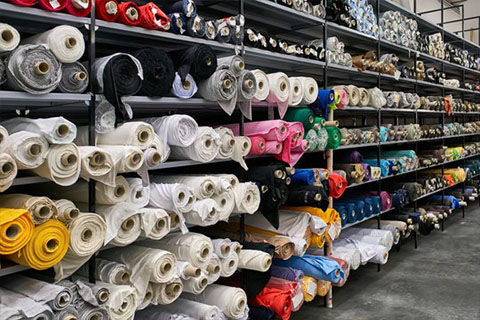
Material control is one of the earliest and most important process controls in plush manufacturing. Before cutting or sewing begins, the factory must confirm that the fabric, stuffing, embroidery thread, accessories, labels, and packaging materials match the approved standard. If materials vary, the finished plush toys will vary even if the sewing workers perform well.
Plush fabric is especially sensitive. Pile length, pile direction, density, backing strength, stretch, dye lot, and surface texture all affect the final product. A fabric that looks acceptable in a small swatch may behave differently when cut into panels and stuffed into a three-dimensional toy. For character plush or brand mascot projects, a small color or texture shift may change the product’s perceived quality.
Professional process control checks materials before they enter production. The factory compares bulk fabric against the approved sample or swatch, reviews color consistency, confirms pile direction, checks for obvious defects, and verifies whether the material quantity supports the order. For repeat orders, the factory should compare new material batches with previous production records. If a replacement material is needed, the buyer should approve it before production begins.
Accessories also require control. Plastic eyes, noses, hangers, keychains, sound modules, ribbons, labels, and tags can affect safety, durability, and appearance. A component that looks similar may not perform the same. Good material control prevents small purchasing decisions from becoming large quality problems later.
| Material Item | Possible Variation | Control Method |
|---|---|---|
| Main fabric | Color, pile, density, stretch | Compare batch against approved reference |
| Stuffing | Hand feel and recovery difference | Confirm material grade and stuffing standard |
| Embroidery thread | Expression and logo color shift | Match thread to approved sample |
| Accessories | Safety or appearance inconsistency | Check specification and attachment method |
Cutting Control Protects Shape and Fabric Direction
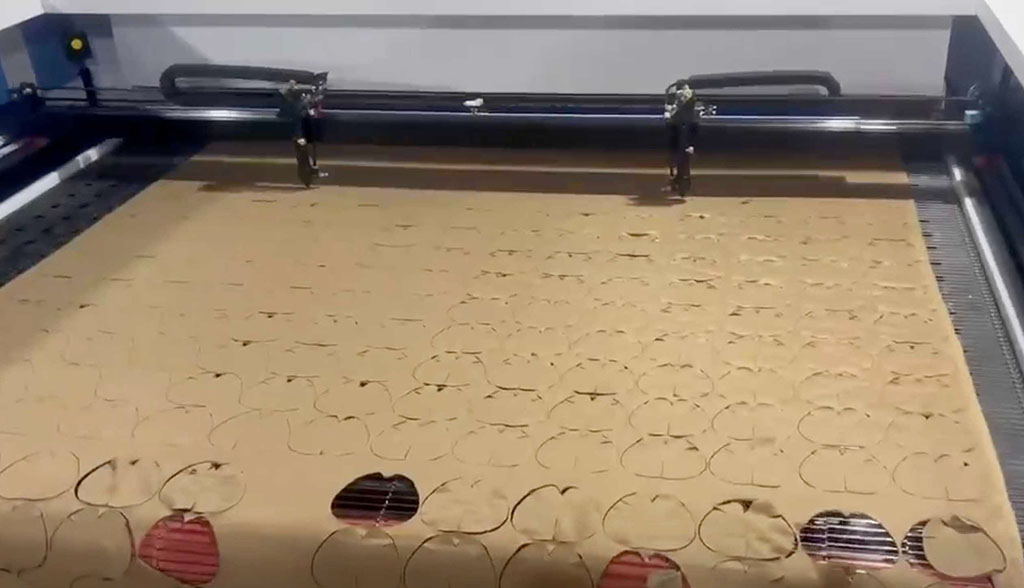
Cutting is where plush consistency begins to take physical form. Once fabric panels are cut, many later outcomes are already determined. If panels are cut with inconsistent size, wrong fabric direction, shifting layers, or mixed parts, the sewing line will struggle to create stable products. Good process control prevents these problems before they become visible in finished plush toys.
Plush fabric has direction. Depending on the pile, the same material can appear lighter, darker, smoother, or rougher when viewed from different angles. If one part of a plush toy is cut in the wrong direction, the product may look like it has mismatched colors even though the fabric is technically the same. This is a common reason for appearance inconsistency in bulk production.
Cutting control also affects shape. A small panel difference may become more obvious after sewing and stuffing. A head may become too narrow, limbs may become uneven, or the toy may not sit correctly. For plush toys with printed panels, cutting alignment is even more important because shifted panels can move facial or body details away from the intended position.
A professional factory controls cutting through locked pattern files, clear fabric direction marks, layer-height limits, first-piece checks, organized bundling, and separation by style or batch. Cutting accuracy reduces pressure on sewing workers and QC teams. It also protects material efficiency because fewer panels need to be rejected or remade.
| Cutting Control Point | Risk if Uncontrolled | Consistency Benefit |
|---|---|---|
| Locked pattern file | Different versions used | Stable product dimensions |
| Pile direction | Visual color mismatch | Consistent fabric appearance |
| Layer control | Panel shifting and size variation | Cleaner sewing fit |
| Bundling | Mixed pieces between styles | Lower assembly errors |
Sewing Process Control Reduces Construction Differences
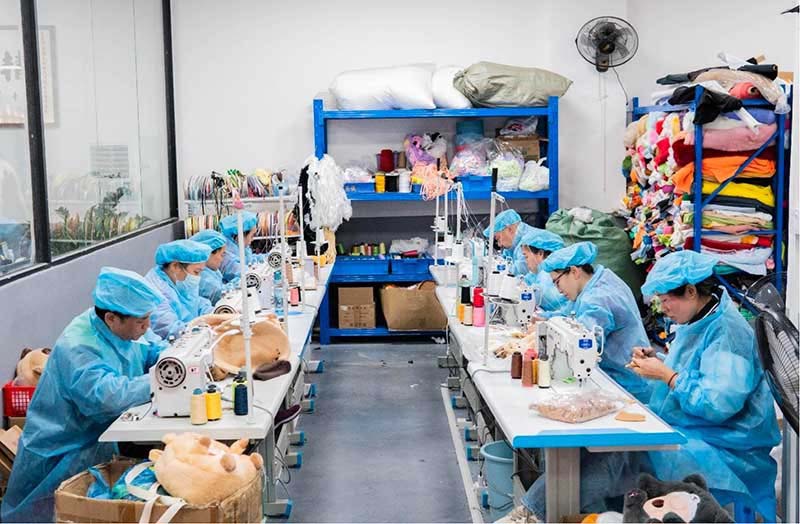
Sewing is one of the most visible stages of plush consistency. Even when fabric and cutting are correct, different sewing habits can create different finished results. Seam allowance, curve handling, part placement, turning quality, thread tension, and closing method all affect the toy’s shape and durability. Sewing process control turns individual workmanship into a stable production standard.
In plush manufacturing, many details are small but important. Ear angle can change character personality. Arm placement can affect symmetry. A narrow seam can weaken durability. A wide seam can shrink the product. Uneven curved sewing can distort the head or body. If these details are not controlled during production, final inspection may find too many inconsistent pieces to repair efficiently.
Professional factories manage sewing through operation instructions, first-piece approval, worker training, inline checks, and clear defect criteria. For complex products, critical operations should be assigned to experienced workers. Supervisors may use operation samples or photos to show correct part placement. Inline QC catches repeated problems before many units are completed.
Buyers often judge plush consistency by the face and body shape, but many visible problems start in the sewing stage. Strong sewing control reduces rework, keeps character shape stable, and protects the approved sample standard. It also helps maintain delivery schedules because fewer finished products need correction at the end.
| Sewing Detail | Possible Inconsistency | Control Method |
|---|---|---|
| Seam allowance | Size and shape differences | Training and inline measurement |
| Part placement | Uneven ears, limbs, or tails | Position guides and first-piece checks |
| Curved seams | Distorted head or body | Skilled operation assignment |
| Closing method | Visible or weak finish | Finishing standard and QC review |
Stuffing and Shaping Control Improve Hand Feel and Appearance
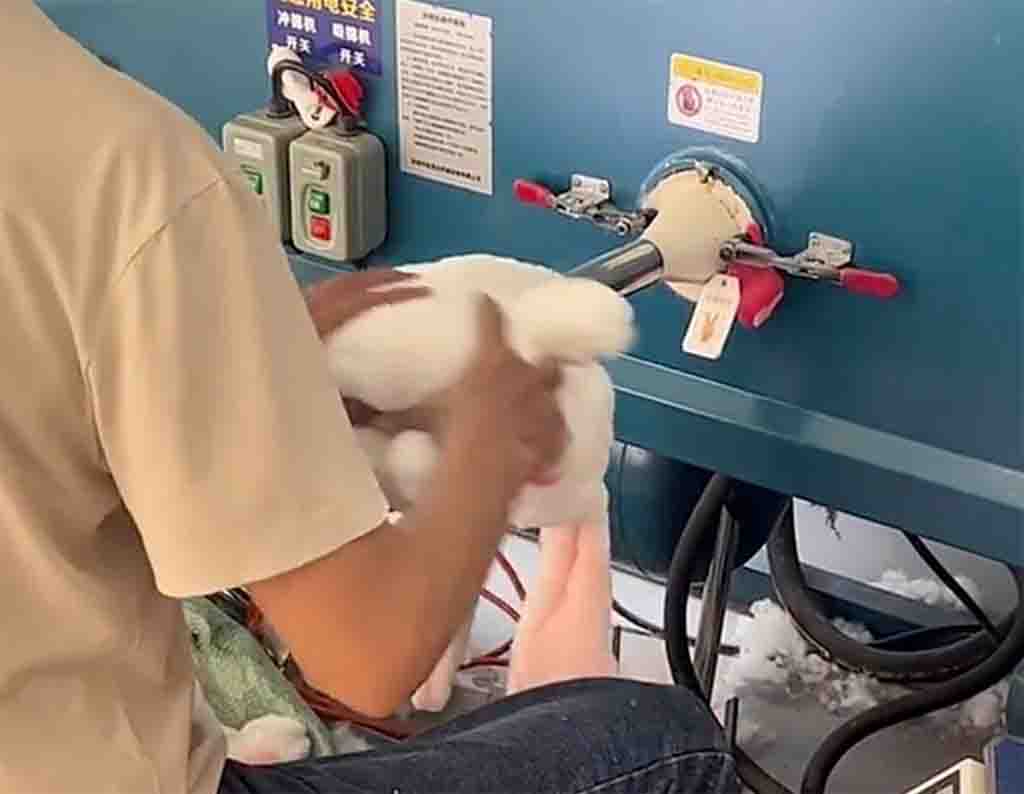
Stuffing is one of the stages where plush products become truly three-dimensional. It also introduces major consistency risk. The same sewn shell can look very different depending on how much stuffing is inserted, where the stuffing is distributed, how the toy is shaped by hand, and how the opening is closed. For buyers, stuffing consistency affects both appearance and perceived quality.
Understuffed plush toys may look flat, weak, or low value. Overstuffed plush toys may feel hard, distort embroidery, stretch seams, or change the character expression. Uneven stuffing can cause a toy to lean, sit poorly, or show lumpy surfaces. These problems are especially noticeable in character plush, retail plush, and mascot plush where shape and expression are part of the product value.
A professional factory controls stuffing through sample references, weight targets when appropriate, hand-feel standards, worker training, and inline checks. Some areas may require different stuffing density: the head may need structure, the body may need softness, limbs may need shape without stiffness, and ears or tails may need lighter filling. The approved sample helps define this balance.
Shaping after stuffing is also important. Plush products often need hand adjustment before closing and final inspection. Workers may need to distribute filling evenly, smooth the surface, align parts, and confirm the toy sits or stands as intended. Process control makes this finishing work consistent rather than random.
| Stuffing Factor | Possible Problem | Control Method |
|---|---|---|
| Stuffing amount | Too soft or too hard | Use sample and weight reference |
| Distribution | Lumps or uneven shape | Train workers by product area |
| Face area | Expression distortion | Check after stuffing before closing |
| Final shaping | Product does not sit or look correct | Use finishing checklist |
Inline QC Prevents Defects From Spreading
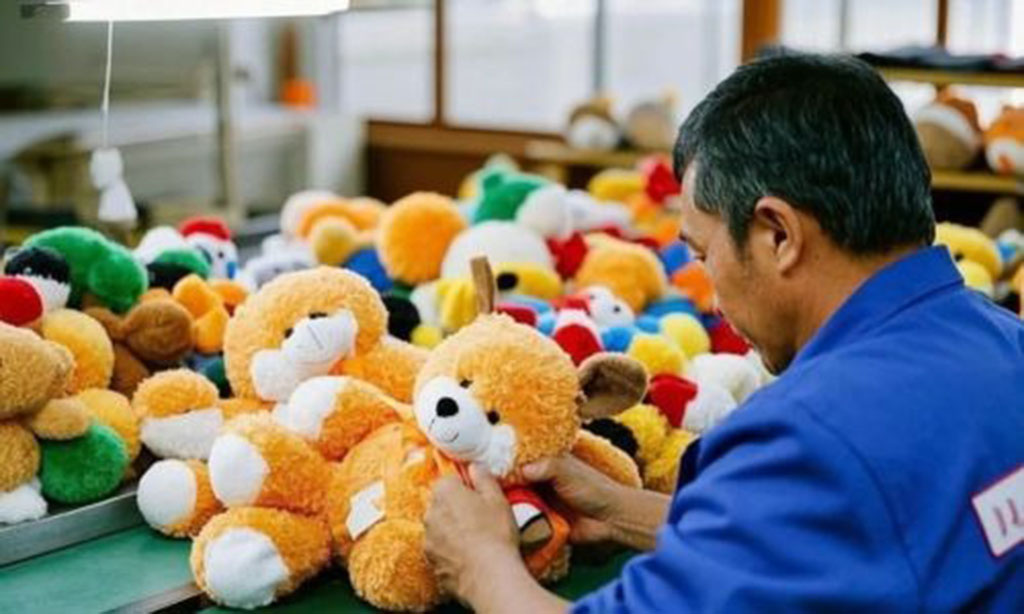
Inline quality control is one of the strongest tools for improving plush consistency. If a factory waits until final inspection to find problems, many defective units may already be sewn, stuffed, finished, or packed. At that point, correction is slower and more expensive. Inline QC checks the product while production is still moving, allowing the factory to correct process issues early.
Inline QC is not only about rejecting defective pieces. It is about understanding where variation begins. If multiple pieces show uneven ears, the issue may be part placement training. If stuffing feels inconsistent, the issue may be stuffing amount or worker technique. If seams are opening, the issue may be seam allowance, thread tension, or material handling. Inline inspection helps identify the process cause, not just the final symptom.
For custom plush products, inline QC should focus on critical details from the approved sample. This may include face expression, body shape, seam strength, accessory placement, stuffing balance, logo accuracy, label position, and surface cleanliness. The exact checklist should match the product’s use and buyer priorities.
Buyers benefit because inline QC reduces late surprises. When quality problems are caught early, the factory can adjust training, repair affected pieces, or slow a station before the issue spreads across the full order. This protects lead time, reduces rework, and improves shipment confidence.
| Inline QC Focus | What It Catches | Process Improvement |
|---|---|---|
| Sewing checks | Open seams and wrong assembly | Adjust operation training |
| Shape checks | Uneven body or face | Correct stuffing and sewing sequence |
| Decoration checks | Logo or embroidery position error | Stop repeated alignment issues |
| Cleanliness checks | Fabric dirt and thread residue | Improve handling and finishing |
Inline QC also creates useful production feedback. If inspectors record the same issue repeatedly, supervisors can trace whether the cause is unclear instructions, unsuitable material, worker training, machine setup, or unrealistic tolerance. This feedback is valuable because it improves the current order and helps the factory avoid the same problem in repeat orders. For buyers, this means the supplier is not only sorting defects; it is improving the process behind them.
Final Inspection Confirms the Process Worked
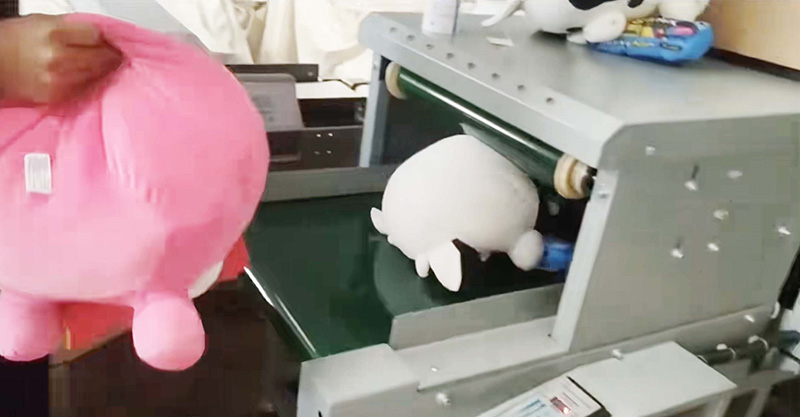
Final inspection remains important, but it should confirm that the process worked rather than rescue an uncontrolled order. When earlier stages are controlled well, final inspection becomes more efficient and reliable. Inspectors can focus on shipment readiness, finished appearance, packaging accuracy, carton marks, and any remaining defects instead of sorting large amounts of inconsistent goods.
For plush toys, final inspection usually checks overall appearance, size, shape, stitching, stuffing, cleanliness, labels, accessories, safety-related concerns, packaging, and quantity. Depending on the project, it may also include needle detection, pull strength review, barcode checks, retail packaging inspection, or carton drop-related packaging checks. The inspection standard should connect back to the approved sample and buyer requirements.
A professional factory uses final inspection data to improve future production. If inspectors repeatedly find the same issue, the factory should trace it back to the process: material, cutting, sewing, stuffing, finishing, or packing. This feedback loop turns inspection from a simple pass/fail activity into a process improvement tool.
For buyers, final inspection provides confidence before shipment. It helps reduce the risk of receiving inconsistent goods, packaging errors, or avoidable complaints. However, buyers should remember that final inspection is strongest when supported by upstream process control. A supplier that relies only on final inspection may still struggle with consistency.
Final inspection data should also be treated as a management tool. If a shipment shows repeated issues in seam strength, shape balance, dirt control, label placement, or carton marking, the factory should review the responsible process step and update instructions for the next order. This is how consistency becomes stronger over time instead of depending on temporary attention from one production team.
| Final Inspection Area | What It Confirms | Buyer Protection |
|---|---|---|
| Appearance | Matches approved sample | Brand consistency |
| Workmanship | Seams, stuffing, finishing | Lower complaint risk |
| Labels and packaging | Correct information and presentation | Smoother retail or warehouse receiving |
| Carton preparation | Quantity and marks are correct | Fewer shipment issues |
Packaging Control Protects Consistency Until Delivery
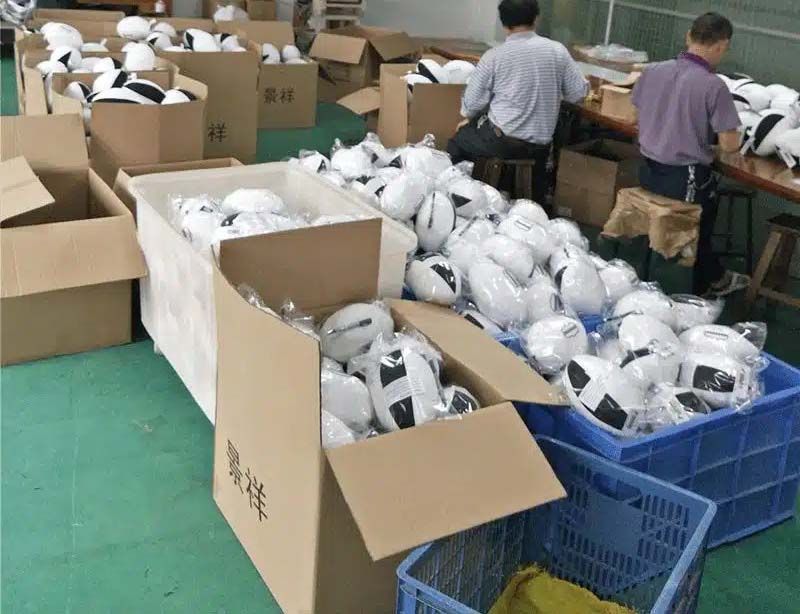
Process control does not stop when the plush toy is finished. Packaging can still affect consistency, especially for soft and bulky products. Poor packing may deform the toy, create uneven compression, cause dirt transfer, damage hangtags, mix SKUs, or create carton count errors. A finished plush product must be protected until it reaches the buyer or retailer.
Packaging requirements should be confirmed before mass packing begins. The factory needs clear instructions for polybags, hangtags, barcode labels, warning labels, display boxes, vacuum packing, carton quantity, mixed SKU rules, and carton marks. If these details are unclear, workers may pack products differently across batches, creating operational problems for buyers.
Vacuum packing is a good example of why packaging control matters. It can reduce shipping volume and freight cost, but it may also affect shape recovery. Some plush toys recover quickly after opening; others may need time or may not be suitable for heavy compression. A professional factory tests the packing method against the approved sample and buyer expectations before using it in bulk.
For B2B buyers, packaging consistency affects more than appearance. It affects warehouse receiving, retail handling, shelf presentation, barcode scanning, and customer satisfaction. Good packaging control keeps the product consistent beyond the production floor.
| Packaging Control | Possible Issue | Consistency Benefit |
|---|---|---|
| Polybag and tag placement | Uneven presentation | Cleaner receiving and retail display |
| Vacuum packing | Shape recovery variation | Better shipment appearance control |
| Mixed SKU packing | Counting or sorting errors | Warehouse efficiency |
| Carton marks | Shipment confusion | Smoother logistics handling |
Conclusion
Process control improves plush consistency by managing every stage that affects the final product. It starts with the approved sample, continues through material confirmation, cutting, sewing, stuffing, inline QC, final inspection, and packaging, and supports repeat orders through records and feedback. Consistency is not created by one inspection point. It is built step by step.
For B2B buyers, strong process control means fewer surprises, better sample matching, lower rework risk, more stable delivery, and stronger brand protection. A plush factory with good process control can reproduce custom products more reliably and support long-term cooperation with greater confidence.
When evaluating a plush supplier, buyers should ask how the factory controls each process, not only whether it has passed final inspections before. The stronger question is how the supplier prevents variation from entering production in the first place. A factory that can explain its process controls clearly is usually better prepared to protect custom plush quality at scale.
FAQ
1. What is process control in plush manufacturing?
Process control means managing each production stage with clear standards, checks, and records so bulk plush products stay consistent with the approved sample and buyer requirements.
2. Why is process control important for plush consistency?
Plush toys are affected by fabric behavior, sewing tolerance, stuffing density, and manual finishing. Process control reduces these variables and keeps products within acceptable standards.
3. Can final inspection alone ensure plush consistency?
No. Final inspection is important, but consistency is stronger when material, cutting, sewing, stuffing, and inline QC are controlled before finished goods reach final inspection.
4. Which process has the biggest impact on plush shape?
Pattern making, cutting, sewing, and stuffing all affect shape. A problem in any of these stages can create visible variation in the finished toy.
5. How does material control improve consistency?
Material control confirms fabric color, pile, stretch, texture, stuffing, thread, and components before production. This prevents hidden variation from entering the order.
6. Why is inline QC useful?
Inline QC catches defects while production is still running, allowing the factory to correct process causes before too many units are affected.
7. How can buyers support better process control?
Buyers can approve samples carefully, define critical details, confirm materials early, avoid late changes, provide clear packaging instructions, and communicate acceptable tolerances before bulk production.