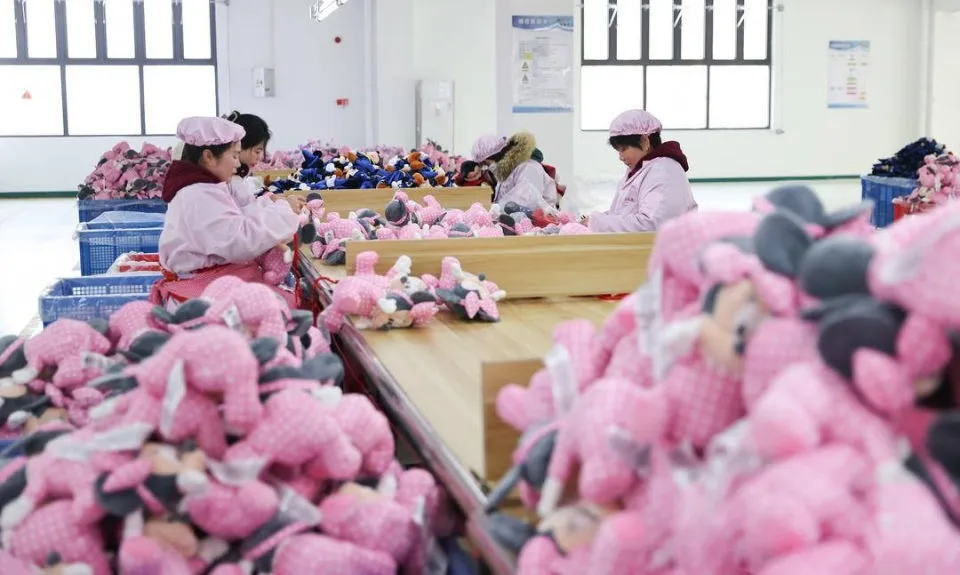
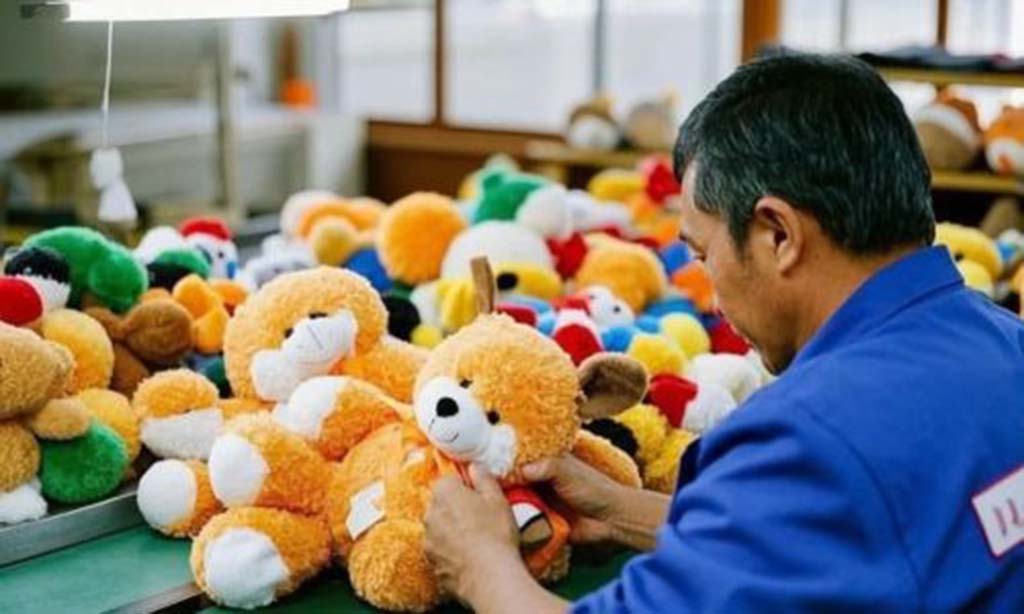
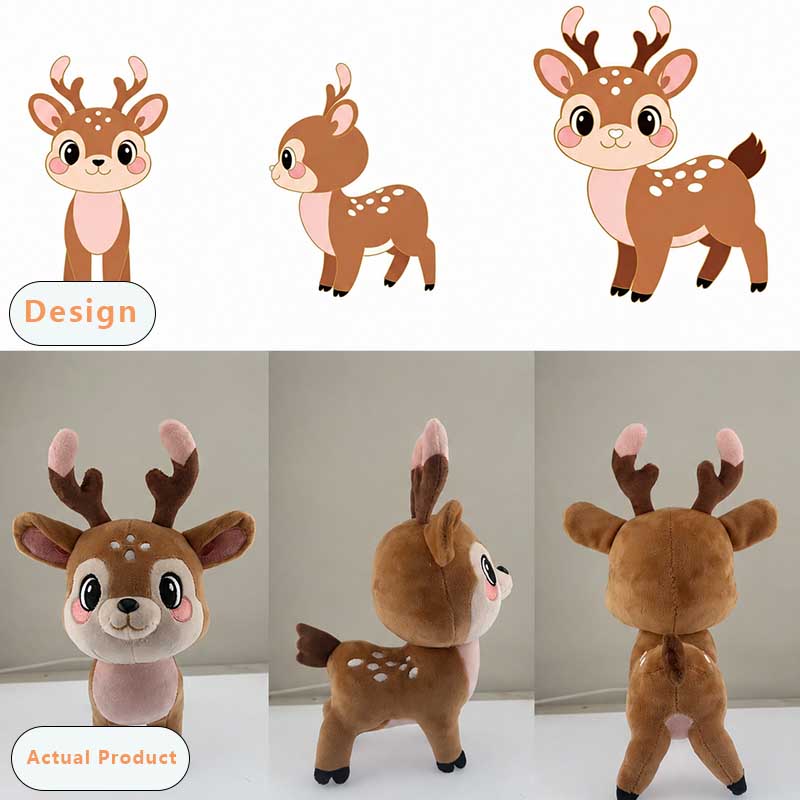
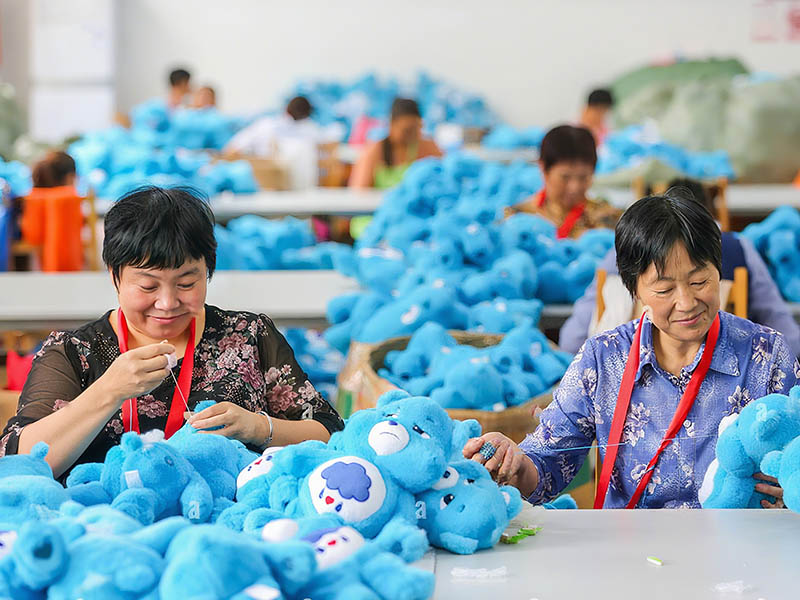
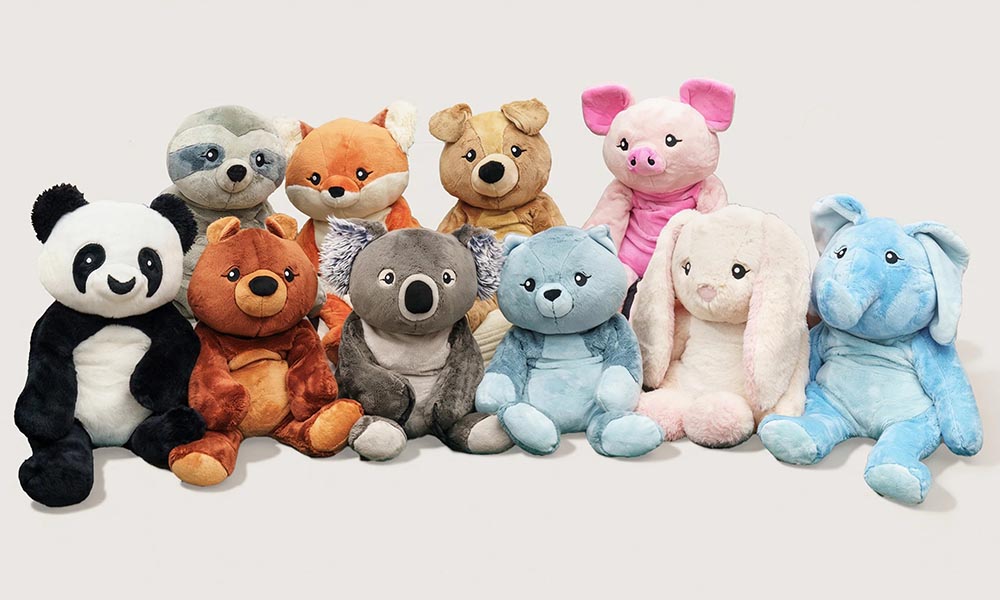
Pull testing is one of the most important safety and durability checks in plush toy manufacturing. Plush toys often include sewn-on eyes, noses, bows, ribbons, labels, hangers, keychains, electronic modules, suction cups, pom-poms, accessories, and decorative parts. If these components detach too easily, they may create choking, ingestion, or product failure risks, especially for toys intended for young children.
For B2B buyers, pull test requirements should not be treated as a generic factory habit. They must be connected to the target market, age grading, toy safety standard, component type, attachment method, and laboratory testing plan. In the United States, children’s toys are covered by the CPSC toy safety framework, including ASTM F963 as incorporated by 16 CFR part 1250. Small parts rules may also apply to products intended for children under three. Other markets may require EN 71, ISO 8124, or additional buyer-specific standards.
This guide explains how pull test requirements work for plush toys, what buyers should confirm before production, and how professional factories control attachment strength during sampling, material selection, sewing, production, and final inspection. The goal is not only to pass a test once. The goal is to build attachment safety into the manufacturing process.
What Pull Testing Means in Plush Toy Manufacturing
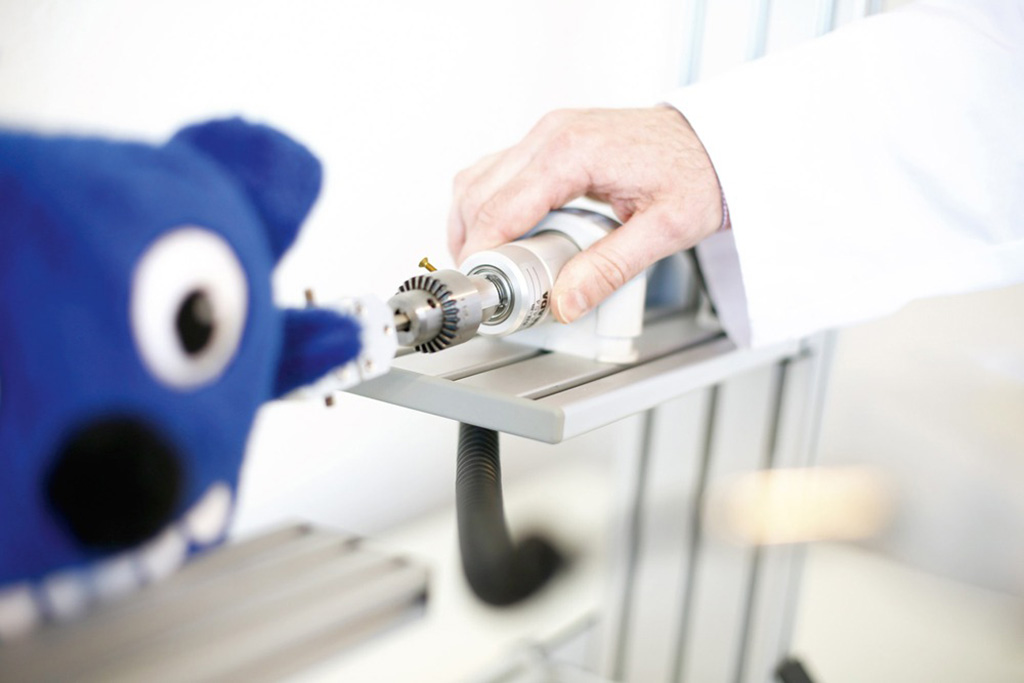
Pull testing checks whether an attached part can resist a specified pulling force without detaching, breaking, exposing a hazard, or creating a small part. In plush manufacturing, the test is usually applied to components that a child or user may pull during normal play or foreseeable misuse. This can include plastic eyes, noses, embroidered patches, buttons, bows, ribbons, labels, hang loops, keychains, suction cups, sound modules, battery compartments, and sewn accessories.
Pull testing is closely related to tension testing and use-and-abuse testing. The exact method depends on the applicable standard, the product’s intended age group, and the component being tested. For example, a plush toy intended for children under three requires much stricter consideration of detachable small parts than an adult collectible. A plush keychain sold as a promotional item may have different concerns from a baby plush toy placed in retail distribution.
The purpose is not only to see whether the factory can pull hard on a part. The purpose is to simulate foreseeable stress that may occur during use. If a child pulls an ear, bites near an accessory, twists a plastic part, or pulls a label, the attachment must not create an unsafe result. A failed pull test may indicate weak sewing, poor material choice, unsuitable accessory design, incorrect stitch pattern, or incomplete production control.
Professional factories treat pull testing as part of product safety engineering. They review the design, identify parts that need attachment-strength control, confirm test requirements with the buyer or laboratory, and build the correct attachment method before mass production begins. This prevents the common mistake of discovering safety problems only after finished goods are ready.
| Item Checked | Why Pull Test Matters | Common Control Method |
|---|---|---|
| Plastic eyes or noses | May create small parts if detached | Use secure backing or safer alternatives |
| Bows and ribbons | Can detach during play | Reinforced stitching and position checks |
| Labels and hangers | Frequently pulled by users | Defined stitch pattern and inline inspection |
| Accessories | May affect safety and durability | Design review and pre-production testing |
Why Pull Test Requirements Depend on Age Grade and Market
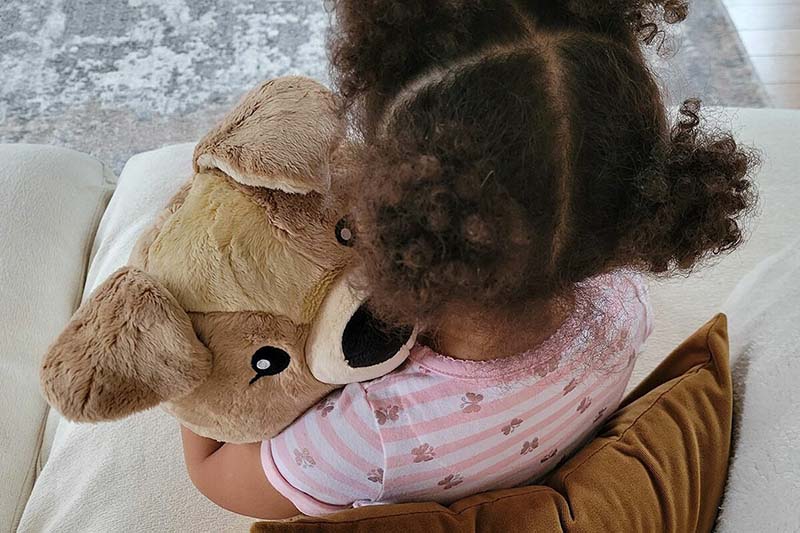
Pull test requirements cannot be selected randomly. They depend heavily on age grading and destination market. A toy for children under three is evaluated differently from a toy for older children, and both may be evaluated differently from a collectible or promotional product not intended as a young child’s toy. The same plush design may need different safety review depending on how it is labeled, marketed, sold, and used.
In the U.S. market, toys intended for children 12 and under require third-party testing and certification to applicable children’s product safety rules. ASTM F963-23 is the current Commission-accepted version for children’s toys manufactured on or after April 20, 2024. For children under three, small parts requirements under 16 CFR part 1501 may become especially important because detached parts can create choking, aspiration, or ingestion hazards. CPSC guidance also notes that use-and-abuse procedures can include torque and tension testing.
For the European market, EN 71-1 is commonly used for mechanical and physical properties of toys. Other buyers may reference ISO 8124 or internal retailer standards. Some large retailers also set stricter private requirements, especially for baby products, licensed toys, or products sold through major retail chains. This is why factories should not rely on one universal pull force for every plush order.
Buyers should confirm target age, destination market, applicable standards, and testing laboratory before production. If this information is unclear, the factory may use the wrong assumption. That can create delay, failed testing, or redesign after sampling. A responsible plush manufacturer will ask these questions early because compliance requirements affect design, component selection, sewing method, and cost.
| Factor | Why It Affects Pull Testing | Buyer Should Confirm |
|---|---|---|
| Age grade | Younger children create stricter small-parts concerns | Intended age and label claims |
| Destination market | Standards vary by country or region | U.S., EU, UK, or other market |
| Sales channel | Retailers may add internal rules | Retailer manual or buyer standard |
| Product use | Toy, collectible, keychain, or promotional item may differ | How the product will be marketed |
Which Plush Components Usually Need Pull Test Attention
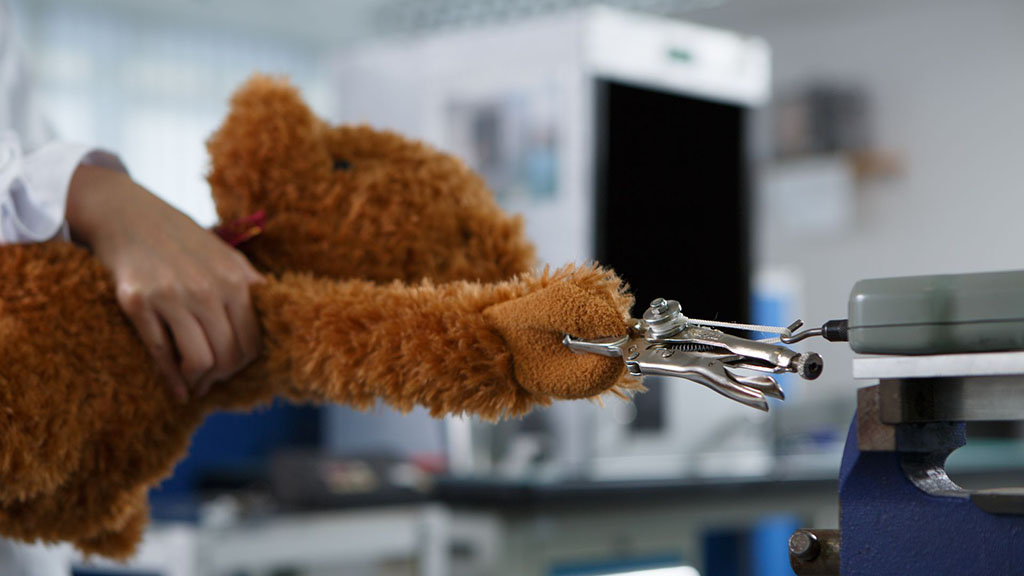
Not every part of a plush toy needs the same level of pull test attention. The highest-risk areas are attached components that can be gripped, pulled, twisted, or mouthed. These parts may detach if the design is weak, the material is unsuitable, or the production method is inconsistent. A professional factory identifies these risk points before sampling and confirms whether each component needs special attachment control.
Common components include plastic safety eyes, plastic noses, sewn buttons, fabric bows, ribbon loops, hair pieces, tails, ears, limbs, decorative patches, felt details, hangtags, woven labels, suction cups, keyrings, zipper pulls, sound buttons, and battery modules. For plush toys intended for younger children, hard plastic parts are often reviewed more cautiously because they may become small parts if detached. Embroidery or fabric applique may be safer alternatives for certain designs.
Soft sewn parts also matter. A fabric ear may not be a hard choking component, but weak seams can still cause durability problems, stuffing leakage, or customer complaints. A ribbon may look decorative but can be pulled repeatedly. A keychain attachment may carry product weight during use. A sound module may create both attachment and battery-compartment concerns. Pull testing helps verify whether these details are fit for the intended use.
Factories should review components by risk level. Critical parts should receive stronger design review, sample testing, and production inspection. Lower-risk decorative elements may still need workmanship checks. This risk-based approach prevents over-testing unimportant areas while focusing attention on parts that affect safety and product reliability.
| Component Type | Typical Risk | Factory Review |
|---|---|---|
| Plastic eyes and noses | Small part if detached | Attachment system and age suitability |
| Bows, ribbons, accessories | Easy to grip and pull | Stitch strength and material durability |
| Hang loops and keychains | Repeated stress during use | Load-bearing attachment method |
| Electronic modules | Attachment and safety complexity | Assembly control and lab review |
How Design Choices Affect Pull Test Results
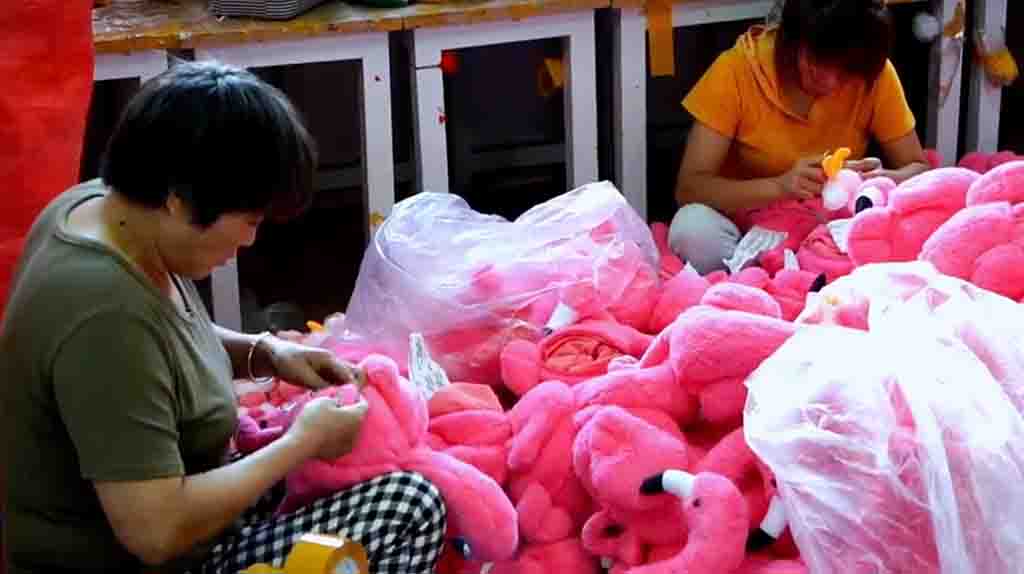
Pull test performance is strongly influenced by design. A component may pass when attached to a stable fabric panel but fail when placed on a curved, narrow, stretchy, or overstuffed area. A bow may hold better when stitched into a seam than when attached only to the surface. A plastic part may require a backing system that works with the fabric thickness. Design decisions determine whether attachment strength is easy or difficult to control.
During design review, the factory should ask whether every attached part is necessary, whether it is appropriate for the target age, and whether a safer or more stable method is available. For young children’s plush toys, embroidery is often considered for eyes, noses, mouths, and small decorative details because it reduces detachable hard parts. For older children or collectible products, plastic parts may be acceptable if the attachment system and applicable standards support them.
Material compatibility also affects pull strength. Thick plush fabric, long-pile fabric, stretch fabric, felt, satin ribbon, and faux fur behave differently under tension. Some materials tear before the stitching fails. Others allow stitches to loosen. Some accessories need reinforcement behind the fabric. If the factory waits until final testing to discover this, redesign may delay production.
Buyers should expect a professional supplier to give practical feedback. If a requested accessory creates pull-test risk, the factory should explain alternatives: change the material, move the position, reinforce the seam, adjust the stitching, replace hard parts with embroidery, or change the target age claim. Good design feedback prevents compliance issues from becoming late-stage problems.
| Design Decision | Pull Test Impact | Possible Improvement |
|---|---|---|
| Surface-attached bow | May detach under tension | Stitch into seam or reinforce backing |
| Plastic eye on thin fabric | Backing may not hold well | Use correct washer or embroidery |
| Accessory on curved area | Pull direction may stress stitches | Move position or change construction |
| Long ribbon loop | Easy to grip and pull | Shorten, secure, or redesign |
How Factories Control Pull Strength During Production
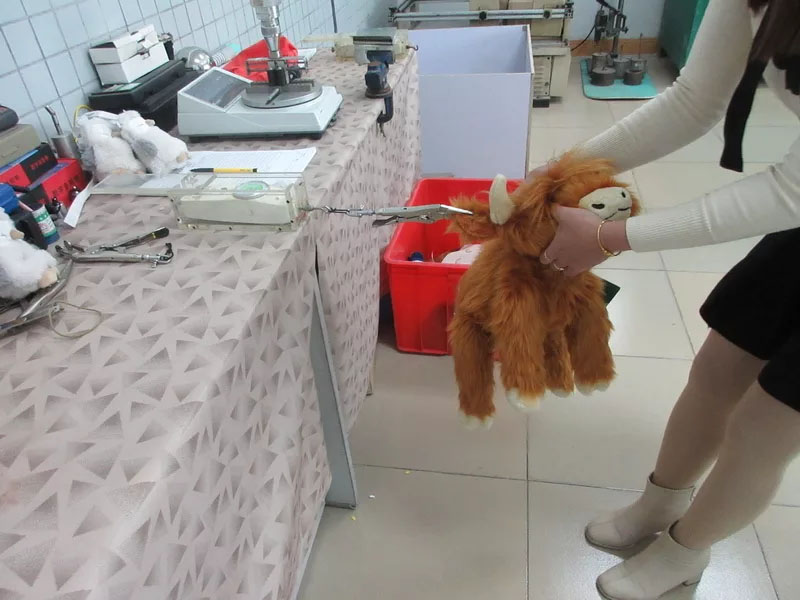
Passing a pull test on one sample is not enough. The factory must control attachment strength throughout production. Bulk consistency depends on material quality, worker training, stitch pattern, seam allowance, component placement, machine settings, and inline inspection. If any of these variables drift, bulk products may not match the approved sample or lab-tested item.
Production control begins with clear instructions. Workers need to know where each component is attached, which stitch pattern to use, how many stitch passes are required, whether reinforcement is needed, and what defects are unacceptable. If the instruction is vague, workers may use different methods across lines or shifts. This creates inconsistent pull strength even when the design is correct.
Inline QC is important because attachment problems should be caught before final packing. Inspectors may check the first production pieces, review stitch security, compare against the approved sample, and perform internal pull checks based on the factory’s control plan. These internal checks are not a replacement for accredited laboratory testing when required, but they help prevent obvious failures before goods are submitted or shipped.
For high-risk components, factories may use pre-production testing, production pilot runs, and AQL inspection focus points. If the first pieces show weak attachment, the factory can adjust stitching, reinforcement, or assembly method before completing thousands of units. This is the difference between quality control as prevention and quality control as emergency repair.
| Production Control | What It Prevents | Practical Method |
|---|---|---|
| Operation instruction | Different worker methods | Define stitch pattern and reinforcement |
| First-piece check | Wrong setup at production start | Approve first units before mass sewing |
| Inline QC | Repeated weak attachments | Check critical parts during production |
| Final inspection | Shipment of obvious failures | Review attachment and workmanship before packing |
Why Internal Pull Checks Do Not Replace Laboratory Testing
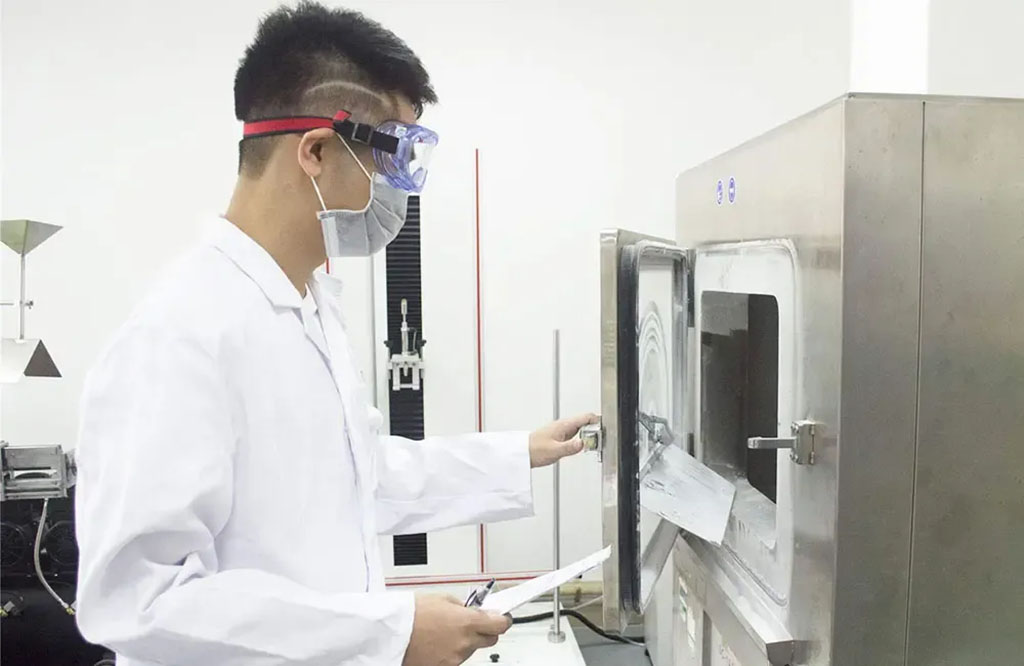
Many factories perform internal pull checks during production. These checks are useful, but buyers should understand their limits. Internal checks help the factory monitor workmanship and catch obvious problems. They do not automatically replace third-party laboratory testing when the product is legally required to be tested and certified for a target market.
For children’s toys sold in the United States, CPSC guidance states that toys intended for children 12 and under require third-party testing and certification to applicable children’s product safety rules. The domestic manufacturer or importer is responsible for identifying applicable requirements and issuing the Children’s Product Certificate. For small parts concerns, products intended for children under three may need evaluation under 16 CFR part 1501 and related use-and-abuse procedures.
Laboratory testing provides a controlled method, calibrated equipment, defined sample handling, documented results, and standard-specific evaluation. Internal factory checks are usually process controls. They help reduce the chance of failure, but the lab confirms compliance based on applicable requirements. Buyers should treat both as necessary when the product and market require it.
A professional factory cooperates with the buyer and lab by providing correct samples, material information, product age grade, component details, and production references. It should also use lab feedback to improve production if any issue appears. If a product fails a pull or tension-related test, the factory should identify whether the cause is design, material, sewing, accessory choice, or production variation.
| Check Type | Purpose | Limit |
|---|---|---|
| Factory internal pull check | Monitors production workmanship | Not always a legal compliance test |
| Pre-production test | Identifies risk before bulk order | May not cover final mass production if changed |
| Third-party lab test | Documents compliance to standard | Requires correct standard and sample selection |
| Final inspection | Checks shipment quality | Cannot fix design-level failure alone |
Common Causes of Pull Test Failure
One common issue is placing an accessory on a fabric area that cannot support the pulling force. Stretch fabric may deform. Thin fabric may tear. Long-pile plush may hide weak stitch engagement. Another issue is using components that are not appropriate for the age grade. A hard plastic decoration may look good but may create small-parts risk if detached. Labels, ribbons, and bows may also fail if they are added late without proper attachment planning.
Production variation can also cause failure. A sample room may sew a component carefully, but mass production workers may use a faster method unless the operation is documented. If the stitch density, thread type, seam position, or reinforcement changes, pull strength changes too. This is why sample approval must be translated into production instructions.
When failure occurs, the factory should conduct root-cause analysis before resubmitting. It should check whether the approved design is feasible, whether the correct materials were used, whether workers followed the method, and whether the product was changed after testing. Corrective action should be documented so the same problem does not repeat in the next production run.
| Failure Cause | Typical Symptom | Corrective Action |
|---|---|---|
| Weak fabric area | Fabric tears around attachment | Add backing or change position |
| Incorrect stitch method | Accessory detaches cleanly | Define stitch pattern and train workers |
| Unsuitable component | Part breaks or releases | Change component or decoration method |
| Late design change | Bulk differs from tested sample | Retest or reapprove before shipment |
How Buyers Can Prepare Clear Pull Test Requirements
Buyers play an important role in pull test success. The factory needs clear information before design and sampling are finalized. This includes target market, age grade, applicable standard, sales channel, retailer requirements, product use, and any laboratory instructions. Without this information, the factory may make assumptions that later prove incorrect.
Buyers should provide compliance requirements early, especially for children’s products, baby plush toys, licensed characters, and retail programs. If the buyer uses a nominated laboratory, the factory should know which lab will test the product and which sections are expected. If the buyer has retailer-specific standards, those documents should be shared before sampling. Late compliance requirements often lead to redesign or retesting.
It is also important to define what parts need attention. A buyer may care most about plastic eyes, while the lab may also review ribbons, labels, battery compartments, or accessories. A factory can help identify risk points, but the buyer should confirm the final compliance path with qualified testing professionals. This is especially important when selling across multiple countries or age categories.
Clear pull test requirements protect cost and schedule. The factory can select better materials, use appropriate attachment methods, build accurate samples, and avoid late surprises. Compliance should be built into the project plan, not added after production is complete.
| Buyer Input | Why It Matters | When to Provide |
|---|---|---|
| Target market | Determines applicable standard | Before quotation |
| Age grade | Affects small-parts and use-abuse review | Before sample design |
| Retailer standard | May be stricter than legal minimum | Before sampling |
| Lab instructions | Clarifies test scope | Before production approval |
Conclusion
Pull test requirements for plush toys are not a simple one-size-fits-all checklist. They depend on age grade, target market, applicable toy safety standards, component type, design structure, material compatibility, attachment method, and laboratory testing requirements. For plush products intended for children, these requirements are directly connected to safety, compliance, and brand responsibility.
A professional plush manufacturer manages pull test risk from the beginning of the project. It reviews component design, confirms market requirements, chooses safer materials and attachment methods, controls production workmanship, performs internal checks, and cooperates with third-party laboratories when required. For B2B buyers, the safest approach is to confirm pull test requirements early and treat them as part of product development, not only final inspection.
FAQ
1. What is a pull test for plush toys?
A pull test checks whether an attached component can resist a specified pulling force without detaching, breaking, or creating a safety hazard. It is commonly used for eyes, noses, ribbons, labels, accessories, and other attached parts.
2. Do all plush toys need the same pull test?
No. Pull test requirements depend on age grade, market, toy safety standard, component type, and buyer or retailer requirements. A baby plush toy and an adult collectible may require different evaluation.
3. Which standards may apply to plush toy pull testing?
Depending on the market, buyers may need to consider ASTM F963, 16 CFR small parts rules, EN 71-1, ISO 8124, and retailer-specific requirements. The final test plan should be confirmed with a qualified laboratory.
4. Can embroidery reduce pull test risk?
Yes. Embroidery can reduce detachable small-part risk for features such as eyes, noses, mouths, and small decorative details, especially for plush toys intended for younger children.
5. Are factory internal pull checks enough?
Internal checks are useful for production control, but they do not replace required third-party laboratory testing and certification when a children’s toy is subject to those legal requirements.
6. What causes pull test failure?
Common causes include weak fabric, poor stitch method, unsuitable components, lack of reinforcement, inconsistent production, wrong material, or design changes after testing.
7. When should buyers confirm pull test requirements?
Buyers should confirm them before sampling whenever possible. Early confirmation helps the factory choose safer components, design stronger attachments, avoid retesting, and protect the production schedule.