Skip to content
Stuffed animals are more than toys. They carry layers of meaning in design, culture, emotion, and branding. From early handmade figures to today’s global plush markets, stuffed animals symbolize comfort, childhood, and even identity.
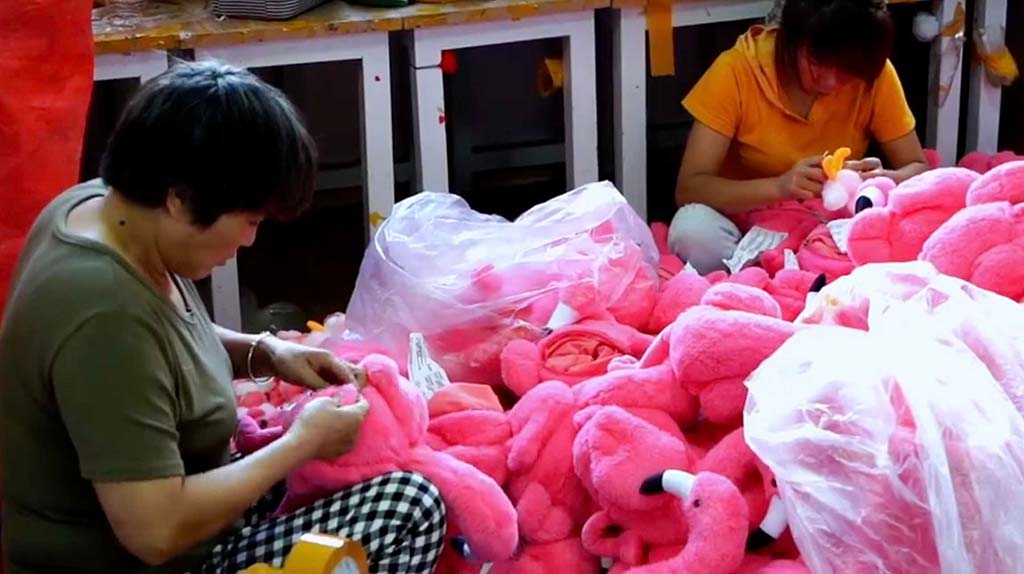
As a plush manufacturer at Kinwin, I often discuss with global buyers not just what stuffed animals are, but what they mean. This guide explores the precise definition, cultural history, distinctions, emotional value, and branding significance of stuffed animals.
What is the precise definition of a stuffed animal in the toy industry?
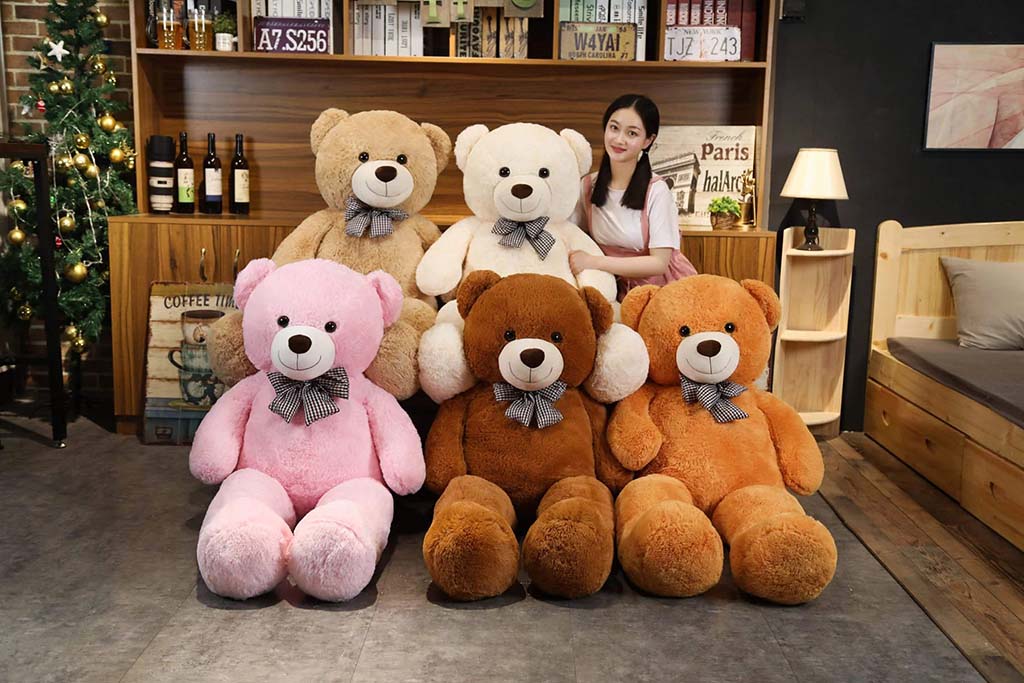
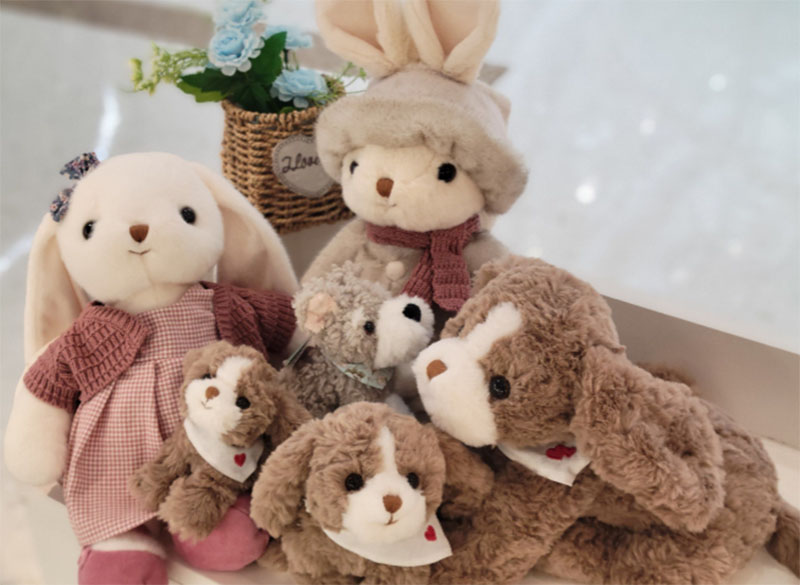
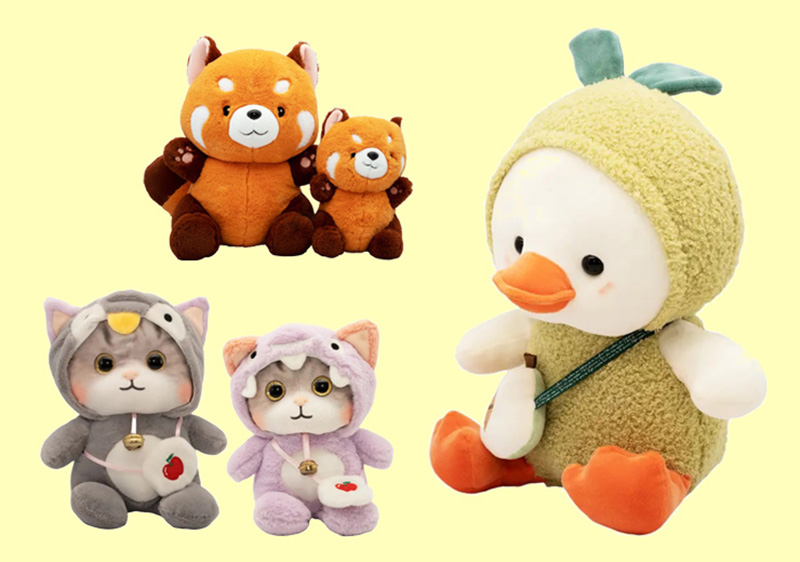
In the toy industry, a stuffed animal is defined as a soft toy shaped like an animal, made from textile fabrics, filled with synthetic or natural stuffing, and designed for comfort, play, or display. This definition separates stuffed animals from rigid figurines or plastic toys.
Key components include:
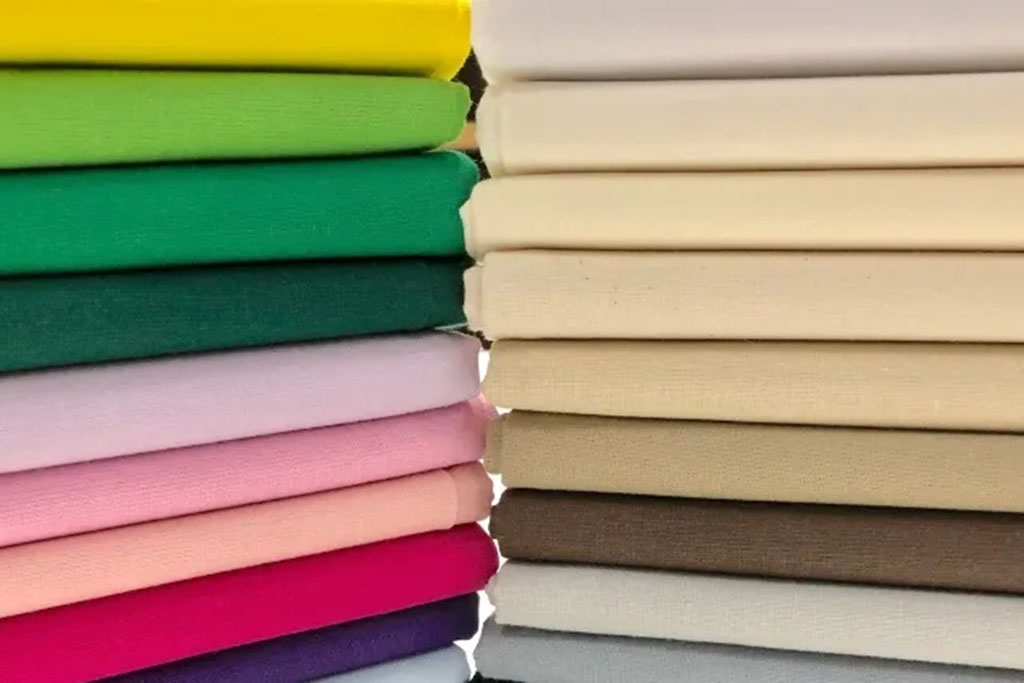
- Fabric shell (plush, fleece, cotton, or synthetic fibers).
- Soft filling (polyester fiberfill, cotton, foam, or beads).
- Animal-inspired design (dogs, bears, elephants, or fantasy creatures).
| Defining Element | Description |
|---|---|
| Outer fabric | Soft textile shell |
| Filling | Polyester, cotton, beads |
| Shape | Animal or fantasy figure |
| Function | Play, comfort, decoration |
This definition is used in trade, safety testing, and manufacturing. Buyers often classify plush products into categories such as “stuffed animals,” “plush dolls,” or “plush accessories,” depending on their design focus.
How did the meaning of stuffed animals evolve across cultures and history?
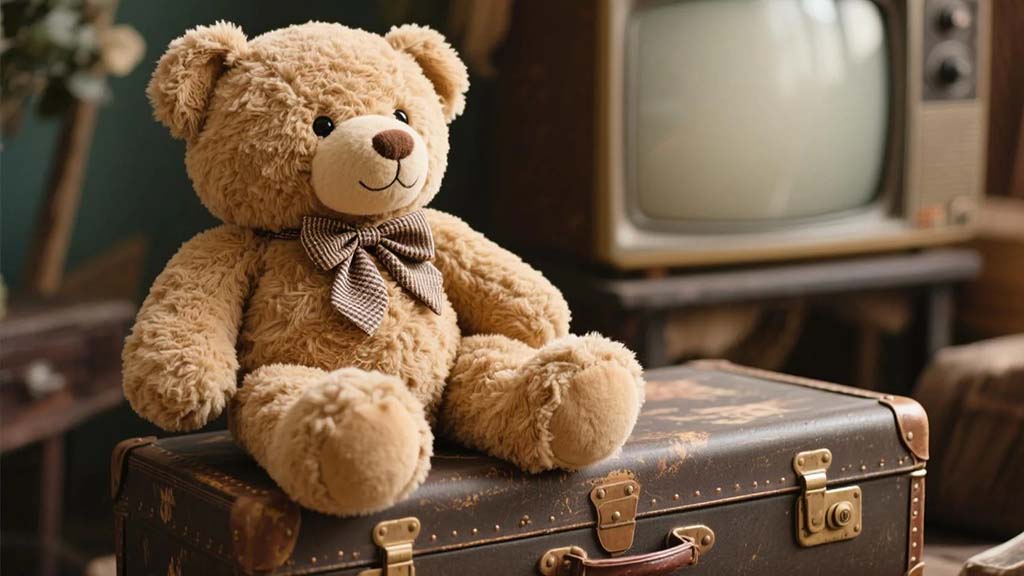
The meaning of stuffed animals is not universal—it evolved differently across regions.
In ancient societies, stuffed figures were symbolic. Egyptians created linen-stuffed animals for rituals. In Japan, small textile animals appeared as charms during festivals. Medieval Europe saw rag dolls with animal shapes, giving children comfort objects long before the modern toy industry existed.
By the 19th century, industrialization made plush toys more common. Margarete Steiff’s 1880 stuffed elephant transformed them from curiosities to mainstream products. In the U.S., Morris Michtom’s “Teddy’s Bear” (1903) gave stuffed animals a cultural identity tied to love, comfort, and childhood.
| Era/Region | Meaning |
|---|---|
| Ancient Egypt | Ritual, symbolic |
| Medieval Europe | Child comfort |
| Japan | Festival charms |
| 19th-century Germany | Commercial plush toys |
| 20th-century U.S. | Childhood, affection |
Today, cultures continue to shape meaning. In Japan, “Kawaii culture” highlights cuteness, while in the U.S. and Europe, stuffed animals symbolize both childhood and nostalgia for adults.
What distinguishes stuffed animals from plush dolls and soft sculptures?
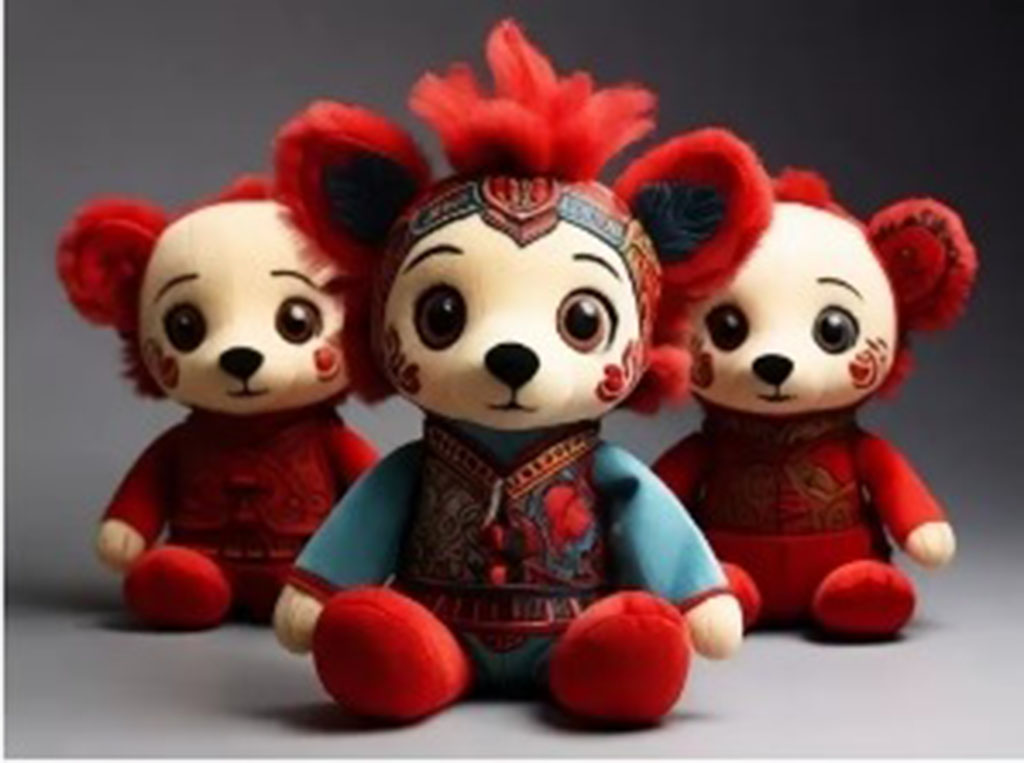
Stuffed animals are often confused with plush dolls and soft sculptures, but there are distinct differences.
- Stuffed animals are designed to represent animals, often with simplified, cute, or realistic features.
- Plush dolls typically represent humans or characters, often with clothing and accessories.
- Soft sculptures are more artistic, sometimes created by designers as collectible or decorative items.
| Category | Typical Design | Function |
|---|---|---|
| Stuffed animals | Animal figures | Play, comfort |
| Plush dolls | Human figures | Play, fashion, collection |
| Soft sculptures | Artistic pieces | Decoration, art |
Retail buyers need these distinctions when sourcing. For example, a U.S. retailer looking for “dog plush” expects stuffed animals, while a Japanese store selling “anime plush dolls” focuses on human-like characters. Soft sculptures target niche collector markets.
How do stuffed animals symbolize comfort, childhood, and emotional attachment?
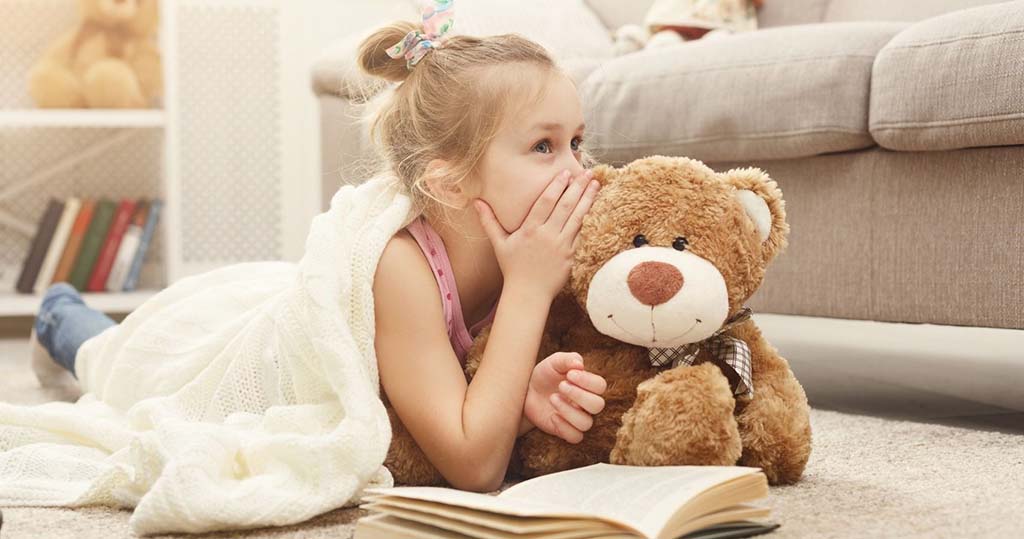
Stuffed animals are unique in their emotional meaning. Across cultures, they symbolize comfort, security, and innocence.
For children, a stuffed animal is often a transitional object—something that provides reassurance when parents are not around. This is why pediatric experts recommend safe plush companions after 12 months. For adults, stuffed animals carry nostalgia. Many keep them as keepsakes, linking back to childhood memories.
Weighted stuffed animals add another layer of meaning: they are tools for stress relief and sensory support. This therapeutic use shows how plush toys now bridge psychology and wellness.
| Age Group | Emotional Role |
|---|---|
| Children | Comfort, security |
| Teens | Self-expression, décor |
| Adults | Nostalgia, stress relief |
| Therapy | Sensory support, calming effect |
This emotional attachment is what makes stuffed animals more than “just toys.” They become companions, symbols of love, and even identity markers in different life stages.
What role does the meaning of stuffed animals play in modern retail and branding?
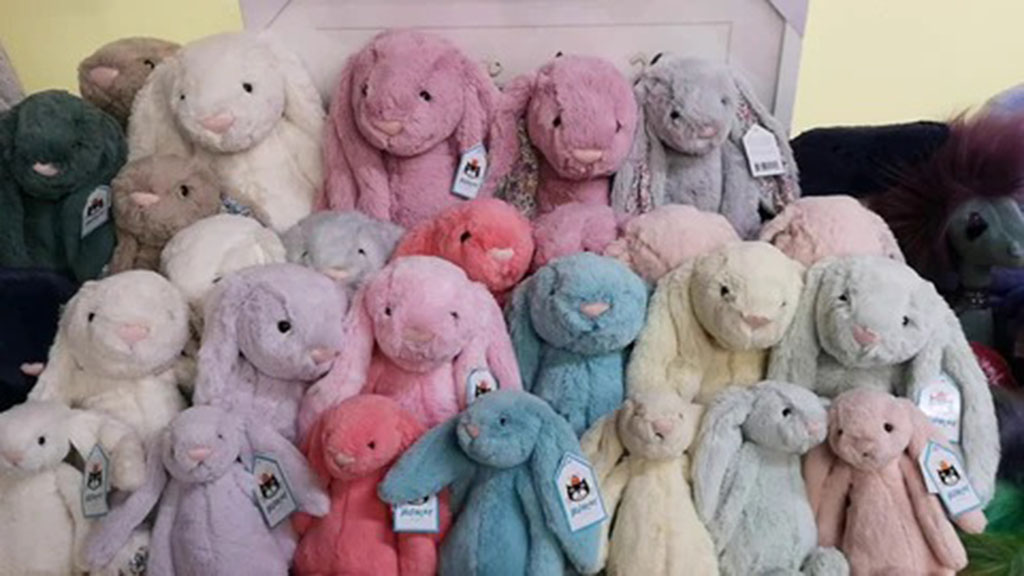
In today’s market, the meaning of stuffed animals is central to retail and branding. Buyers and brands leverage emotional connection to drive sales and loyalty.
Gift shops, amusement parks, and promotional companies use plush animals to strengthen brand identity. For example, a zoo gift shop may sell plush versions of its animals, linking the toy to the visitor’s experience. Similarly, brands often order custom plush mascots to reinforce marketing campaigns.
| Branding Use Case | Example |
|---|---|
| Promotional plush | Company logo on toy |
| Retail mascot | Zoo or theme park animal |
| Seasonal product | Holiday-themed plush |
| Emotional branding | Plush tied to comfort & care |
At Kinwin, we help buyers customize plush toys with logos, costumes, or packaging that align with their brand story. Because stuffed animals symbolize comfort and attachment, they are ideal for building long-term emotional connections with customers.
Conclusion
Stuffed animals carry meaning that goes far beyond fabric and filling. They are defined by their design, shaped by cultural history, distinguished from other plush forms, and enriched with emotional value. In modern retail, they act as branding tools as well as comfort objects. At Kinwin, we combine this tradition with modern OEM and ODM solutions, producing safe, customizable plush toys that connect with buyers and end users worldwide.
Contact us at [email protected] or visit kinwintoys.com to explore how our factory can develop plush toys that carry both meaning and market value.