I’m Amanda from Kinwin. Many buyers ask: should we write “plushy” or “plushie” on product pages, packaging, and ads? The two words look similar, but usage patterns, search behavior, and regional habits are different. Below I explain origins, professional vs. consumer usage, global recognition, regional preferences, branding/SEO effects, and how to choose the best term for your audience.
What is the linguistic and cultural origin of the terms “plushy” and “plushie”?
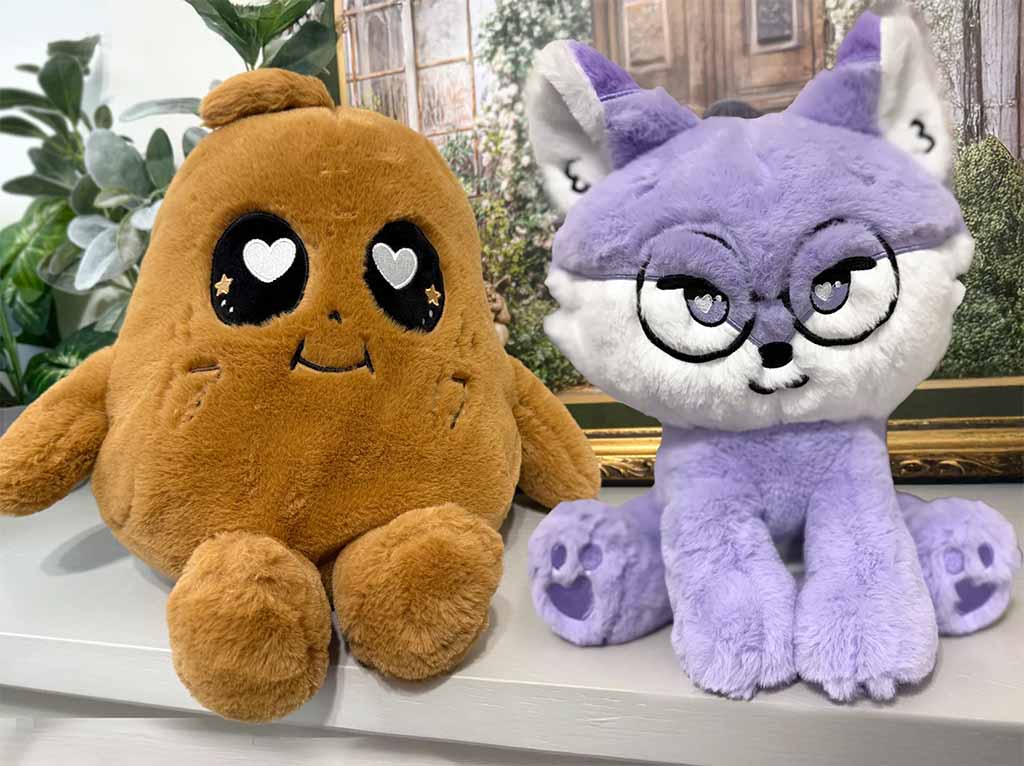
Both words come from “plush,” a fabric with a soft, raised pile. Over time:
- “Plushie” emerged in collector and fan communities to describe cute, huggable characters made with plush fabric. It spread widely on e-commerce, social, and fandom platforms.
- “Plushy” shows up as a spelling variant or adjective (“plushy blanket”), and sometimes as a noun in informal contexts. It is less standardized for toy listings.
Table 1 — Origin & Connotation
| Term | Likely Origin | Typical Connotation | Common Context |
|---|---|---|---|
| Plushie | Fan/collector slang from “plush” | Cute, character-driven soft toy | E-commerce, fandoms, gifting |
| Plushy | Adjectival form → informal noun | Soft, plush-like in general | Casual speech; occasional listings |
Takeaway: “Plushie” evolved as the noun for a soft toy, while “plushy” is historically an adjective that some buyers use as a casual noun.
How do industry professionals and consumers differently use “plushy” versus “plushie”?
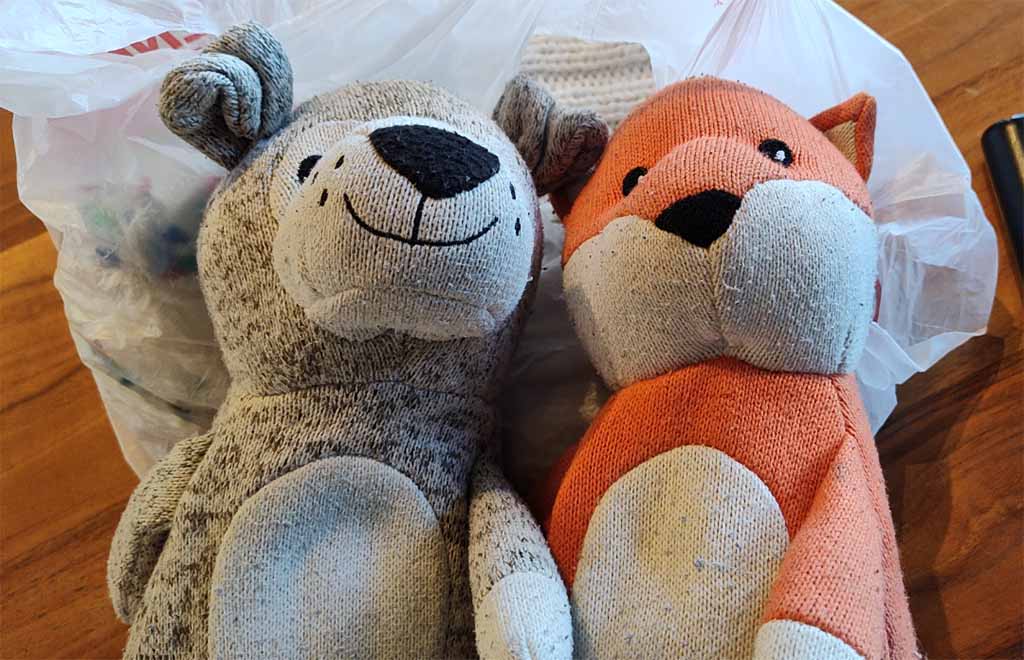
In professional product development, terms like “plush toy,” “plush,” “soft toy,” or “stuffed animal” dominate. However, in consumer copy and titles:
- “Plushie” resonates with cute character lines, capsule drops, and collectible SKUs.
- “Plushy” appears in reviews, casual posts, or stylized branding, but is less consistent.
Table 2 — Professional vs. Consumer Usage
| Audience | Preferred Terms | Why | Example Use |
|---|---|---|---|
| Product/QA teams | Plush toy, stuffed animal, soft toy | Standards & testing language | Tech packs, lab reports |
| Retail listings | Plush, plush toy, plushie | SEO + clarity | PDP titles & bullets |
| Fandom/collectors | Plushie | Community vocabulary | Social posts, unboxings |
| Casual consumers | Plushie / plush | Natural speech | Reviews, gift searches |
| Occasional branding | Plushy (stylized) | Aesthetic choice | Niche brand names, captions |
Practical rule: Use professional terms in specifications, and use “plushie” or “plush toy” in customer-facing titles as needed for SEO.
Which term is more commonly recognized in global toy markets and online search trends?
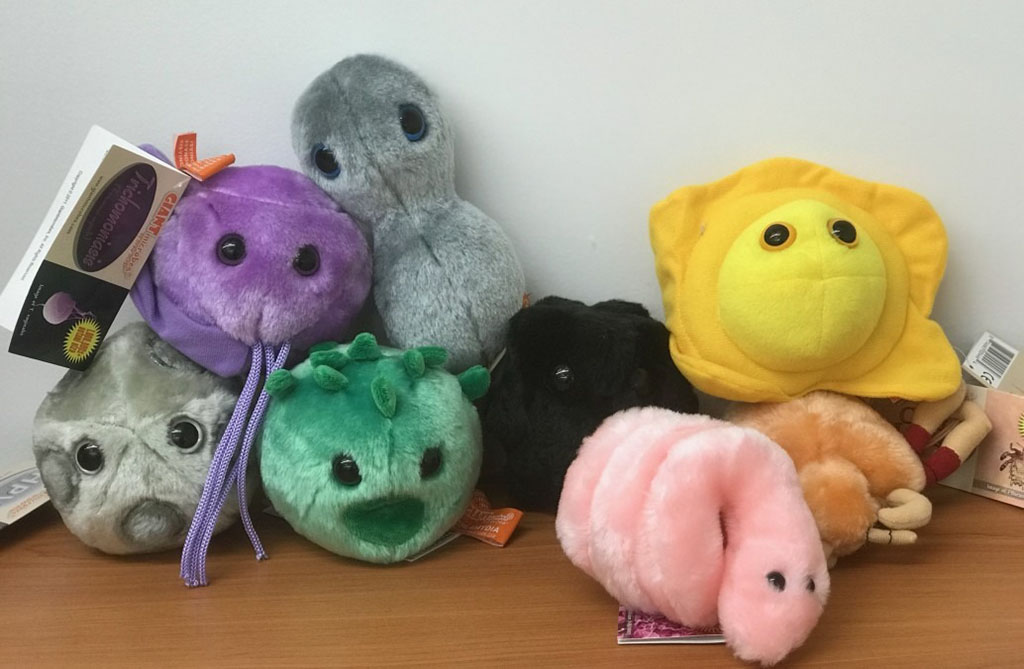
Across major marketplaces and social platforms, “plushie” shows stronger recognition for toys, especially character and kawaii styles. “Plush toy” is the most universal for clarity. “Plushy” trails in consistency.
Table 3 — Market Recognition Snapshot
| Phrase | Recognition for Toys | Listing Clarity | Collectible/Trend Fit |
|---|---|---|---|
| Plush toy | Very high | Very clear | Neutral |
| Plushie | High | Clear (youth skew) | Strong |
| Plush | High (broad term) | Broad context | Neutral |
| Plushy | Medium–low | Mixed (adjective drift) | Weak–niche |
Recommendation: For global reach, prioritize “plush toy” + “plushie” in titles and metadata. Keep “plushy” for secondary keywords or brand tone, if at all.
How do regional language preferences (US, UK, Japan, etc.) influence the choice between the two?
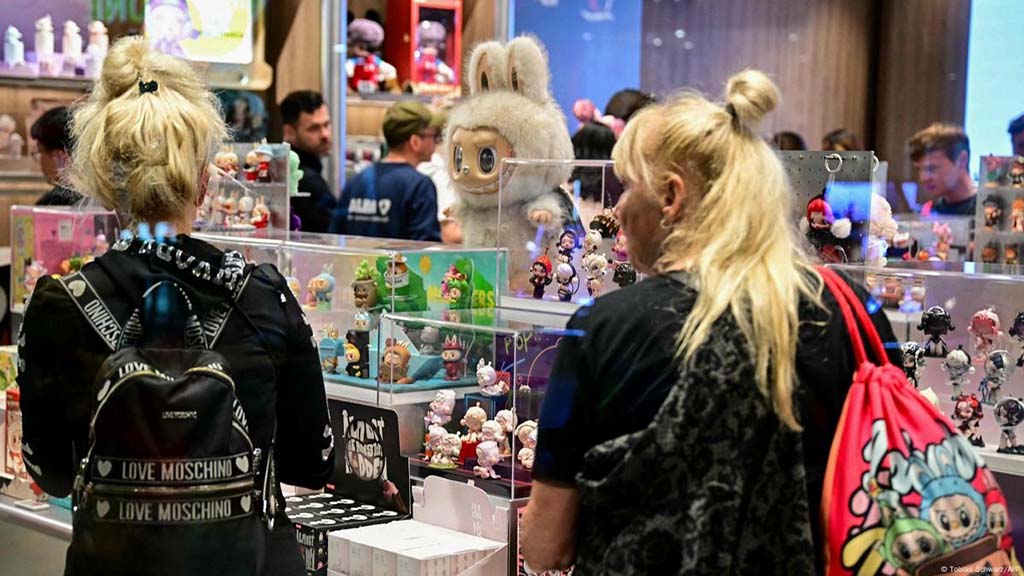
Regional habits matter for discoverability and tone.
- US/Canada: “Plush toy,” “stuffed animal,” and “plushie.”
- UK/Europe: “Soft toy,” “plush toy,” and “plushie” for youth/collector lines.
- Japan/Korea: Local terms (e.g., “ぬいぐるみ / nuigurumi”) alongside English “plushie” for export listings; kawaii culture supports “plushie.”
- Australia/NZ: “Soft toy,” “plush toy,” “plushie.”
- Middle East (export English): “Plush toy” is safest; “plushie” suitable for youth lines.
Table 4 — Regional Preference Guide
| Region | Neutral Term | Youth/Collector Term | Notes |
|---|---|---|---|
| North America | Plush toy / stuffed animal | Plushie | “Stuffed animal” strong in US retail |
| UK/EU | Soft toy / plush toy | Plushie | “Soft toy” common in UK |
| Japan/Korea | Local + plush toy | Plushie (export) | Kawaii supports “plushie” |
| ANZ | Soft toy / plush toy | Plushie | Both read naturally |
| Middle East (EN export) | Plush toy | Plushie (optional) | Keep compliance terms clear |
What branding or SEO implications arise from using “plushy” vs. “plushie” for product listings?
SEO & conversion
- Primary keyword: “plush toy” (broad reach, retail clarity).
- Secondary keyword: “plushie” (captures fandom and youth traffic).
- Tertiary: “stuffed animal,” “soft toy,” category specifics (bear, cat, axolotl, etc.).
- “Plushy” can appear in long-tail tags, but do not rely on it.
Brand voice
- “Plushie” feels friendly, cute, community-aligned.
- “Plushy” feels quirky but can reduce clarity in search.
Table 5 — SEO/Branding Decision Matrix
| Goal | Recommended Terming | Why |
|---|---|---|
| Max discoverability | “Plush toy” + “plushie” | Covers broad & youth queries |
| Collector drop | “Plushie” + character name | Matches fandom language |
| Baby/toddler line | “Plush toy/soft toy” + safety claims | Trust & compliance |
| Corporate gifting | “Plush toy / branded plush” | Professional tone |
| Niche quirky brand | Add “plushy” (secondary) | Tone play, not primary SEO |
How should manufacturers and retailers decide which term aligns best with their target audience?
Use the audience, channel, and product style to decide. Here’s a simple path I use with clients:
Step-by-step
- Identify audience: baby, kid, teen, collector, corporate.
- Pick the title base: “Plush toy” for universal clarity; add “plushie” for youth/collector lines.
- Tune by region: swap “soft toy” into UK titles; keep “plush toy” for US/EU marketplaces.
- Structure the listing:
- Title:
[Character/Animal] Plush Toy (Plushie) – Size, Color - Bullets: materials, safety (EN71/ASTM/CPSIA), wash care, soft texture, gift use
- Alt text: include “plush toy” and “plushie” naturally
- Title:
- Measure & iterate: A/B test titles and search terms; keep the variant with higher CTR and conversion.
Fast templates (copy-ready)
- US/EU general retail: “Bunny Plush Toy (Cute Plushie), 12 in, Minky, Embroidered Eyes, CE/ASTM”
- UK: “Bunny Soft Toy / Plush Toy (Cute Plushie), 30 cm, OEKO-TEX Fabric”
- Collector drop: “Limited Edition Fox Plushie — Numbered Tag, Faux Fur, Gift Box”
Practical checklist (brand & SEO)
- Titles: include “plush toy”; add “plushie” if style fits.
- Bullets: materials (minky/velboa), fiberfill type, wash care, safety claims (EN71/ASTM/CPSIA).
- Images: show scale in hand, texture close-ups, and a face detail.
- Tags: add animal/character, color, size, “plushie” variant, gift occasions.
- Regional copies: use “soft toy” in UK; keep “plush toy/plushie” elsewhere.
- Review data: track which wording drives CTR and conversion, not just impressions.
Conclusion
Use “plush toy” for universal clarity and compliance-friendly copy. Add “plushie” wherever you target youth, kawaii, or collector audiences. Reserve “plushy” for playful, secondary language—never as your primary keyword. At Kinwin, we help brands choose the right wording, craft SEO-ready listings, and produce soft, safe plush products that pass EN71/ASTM/CPSIA and convert online. Contact [email protected] or visit kinwintoys.com to optimize your next plush line.