Needle detection is one of the most important safety control steps in plush manufacturing. For buyers, it is not just a factory procedure. It is a direct protection against hidden metal contamination, shipment rejection, product recall, and serious brand damage.
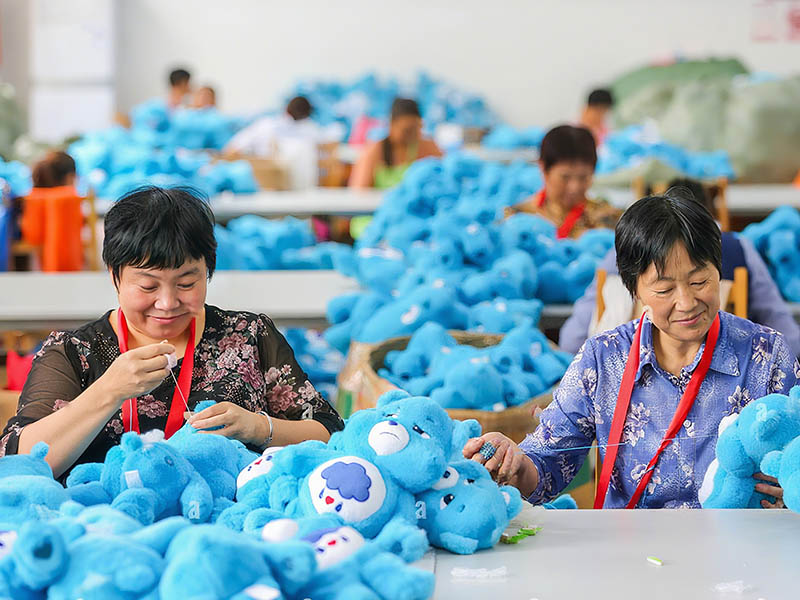
In plush toy production, sewing needles are used across many stages, from fabric joining and embroidery to closing seams after stuffing. Because plush products are soft, thick, and often made for children, any broken needle fragment inside the toy is difficult to see by eye. That is why responsible plush toy manufacturers use structured needle control and metal detection before products are packed.
This guide explains how needle detection works in plush manufacturing, why it matters for toy safety, and what buyers should check when choosing a factory for OEM or bulk plush orders.
What Is Needle Detection in Plush Manufacturing?
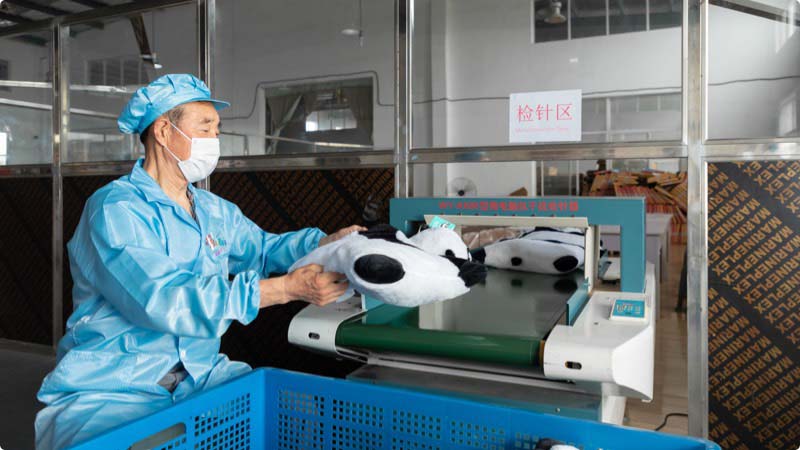
Needle detection in plush manufacturing is the process of checking finished or semi-finished plush toys for broken sewing needles or other small metal fragments before shipment. It usually combines machine detection, broken needle control, operator reporting, and final inspection records.
A needle detector works by sensing metal contamination inside a product. When a plush toy passes through the detector and metal is detected, the machine gives an alarm or rejects the item. The product is then isolated, investigated, and rechecked before it can move forward.
| Item | Meaning in Plush Manufacturing | Buyer Importance |
|---|---|---|
| Needle detection | Final check for metal fragments | Prevents unsafe products from shipping |
| Broken needle control | Factory system for tracking needle breakage | Reduces risk before final inspection |
| Metal detector | Machine used to identify hidden metal | Provides measurable safety control |
| Detection sensitivity | Smallest detectable metal size | Affects reliability of inspection |
| Inspection record | Written proof of checking | Helps buyers verify factory process |
Needle detection should not be treated as a last-minute formality. In a professional plush toy factory, it is part of a wider safety system. The best factories do not simply rely on the machine at the end. They control needles from the moment they are issued to sewing workers, track any breakage, collect all broken pieces, and only then use final needle detection as the last safety checkpoint.
For B2B buyers, this matters because plush toys often enter strict markets such as the United States, Europe, Canada, and Australia. Needle detection itself is not a replacement for ASTM F963, CPSIA, EN71, or other toy safety requirements, but it supports physical safety control and reduces the chance of dangerous foreign objects entering the supply chain.
Why Is Needle Detection Critical for Plush Toy Safety?
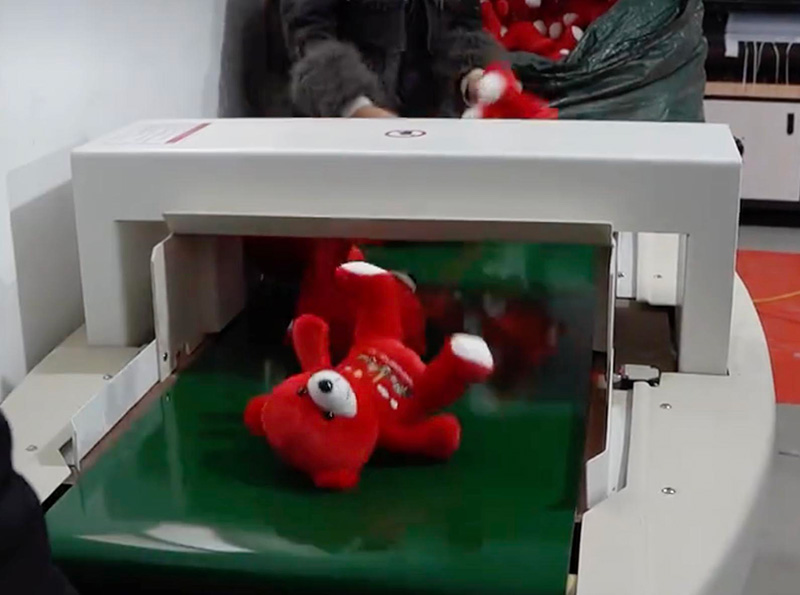
Needle detection is critical because plush toys are soft, enclosed products. If a metal fragment is left inside the stuffing, fabric layer, seam allowance, or accessory area, it may not be visible during normal visual inspection. A child, parent, retailer, or customs inspector may only discover the issue after the product has already entered the market.
For buyers, the risk is not only product safety. It can also affect retail approval, shipment acceptance, marketplace compliance, and long-term brand trust.
| Risk Area | What Can Happen | Business Impact |
|---|---|---|
| Child safety | Sharp metal fragment may cause injury | Serious product liability risk |
| Retail inspection | Goods may fail incoming QC | Shipment delay or rejection |
| Marketplace selling | Product complaints may trigger review | Listing suspension or return spike |
| Brand reputation | Customers lose trust in product quality | Long-term sales damage |
| Import compliance | Unsafe goods may be questioned | Extra inspection or recall risk |
In plush manufacturing, the most serious quality problems are often the ones buyers cannot see. A crooked embroidery line is visible. A wrong fabric shade is visible. A broken needle fragment hidden inside a stuffed animal is not visible, which makes it much more dangerous.
This is why needle detection is especially important for baby plush toys, children’s stuffed animals, character plush, promotional plush toys, and licensed products sold through major retailers. These products often pass through multiple quality checkpoints before reaching consumers, and metal contamination is one of the issues that no responsible buyer can ignore.
At Kinwin, needle detection is treated as part of the final product safety process, not simply a warehouse task. For OEM and bulk plush orders, this helps buyers reduce hidden quality risks before goods leave the factory.
Where Does Needle Contamination Risk Come From During Production?
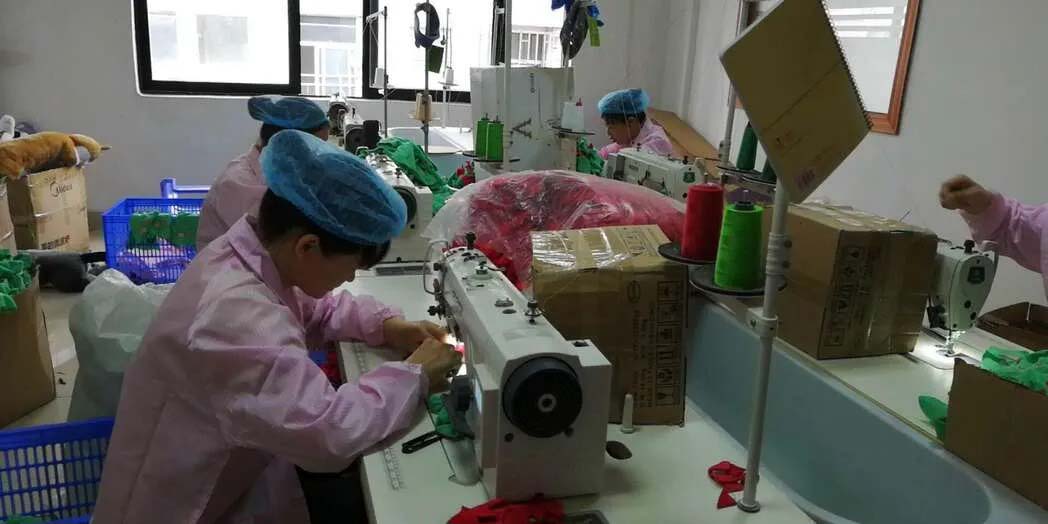
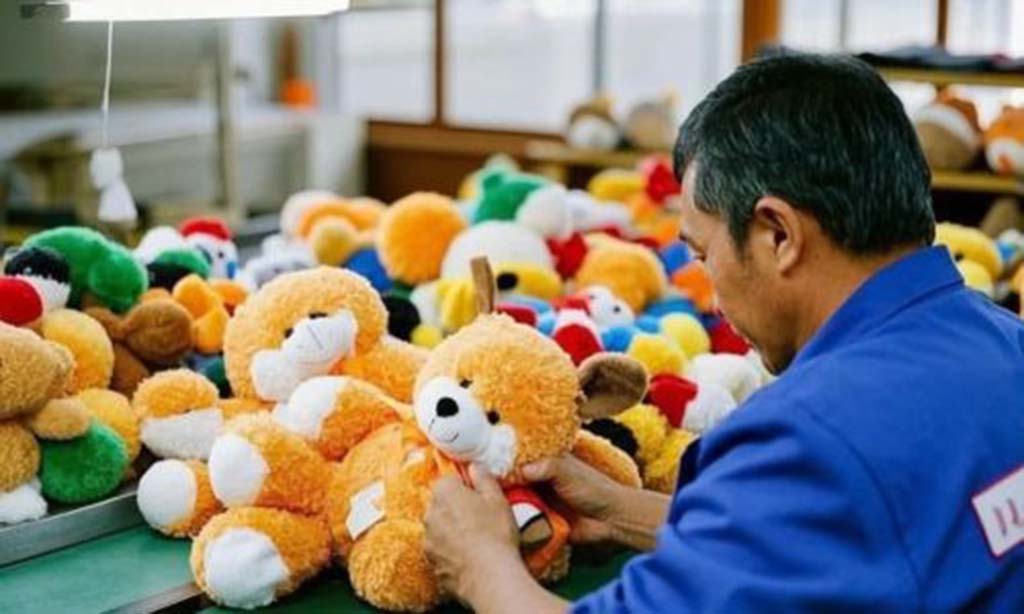
Needle contamination risk usually comes from sewing operations, embroidery work, seam closing, hand repair, or uncontrolled tool handling on the production line. Plush toys go through many manual and machine-based steps, so needle control must begin before final inspection.
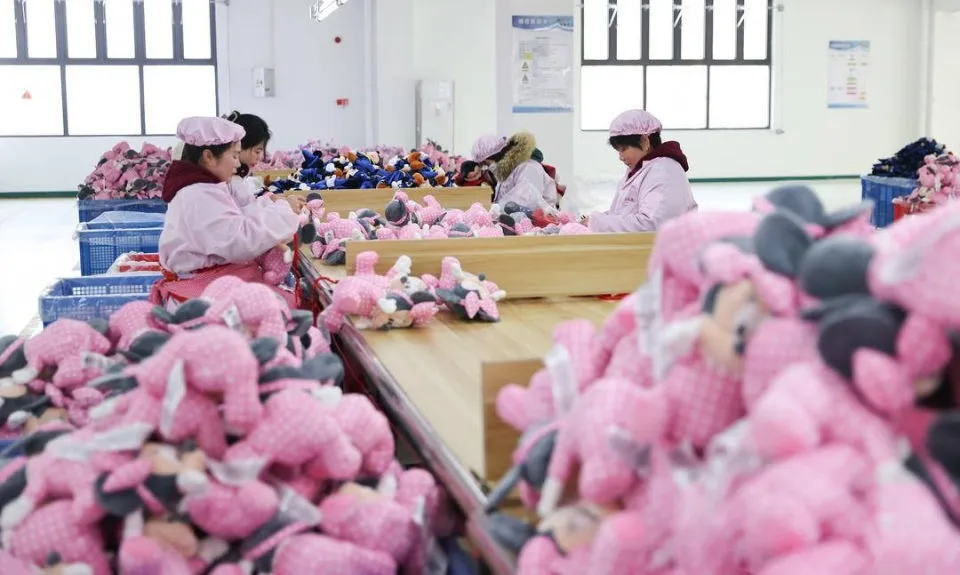
In a typical plush toy order, fabric panels are cut, sewn, embroidered, assembled, stuffed, closed, shaped, brushed, inspected, and packed. Needles may be used in several of these stages.
| Production Stage | Needle Risk Source | Control Method |
|---|---|---|
| Sewing panels | Machine needle breaks during high-speed sewing | Needle issue and return log |
| Embroidery | Needle breaks on dense embroidery areas | Machine check and operator reporting |
| Hand stitching | Manual needle used for closing seams | Tool control and workstation inspection |
| Repair work | Rework after QC finding | Controlled repair area |
| Packing preparation | Metal tools near finished goods | Restricted tool policy |
The risk increases when fabrics are thick, seams are dense, or designs have multiple layers. For example, plush toys with long-pile fabric, embroidered faces, clothing accessories, zippers, or complicated 3D shapes may require more sewing steps than a simple promotional plush. More steps mean more opportunities for needle breakage.
A reliable plush toy manufacturer should not wait until the finished product reaches the metal detector. The factory should control risk at the source. This includes checking machine condition, using suitable needle types, replacing worn needles before they break, training workers to report breakage immediately, and keeping finished goods away from uncontrolled metal tools.
For buyers, this is a useful way to evaluate factory maturity. If a supplier can explain exactly where needle risks occur and how they control them, that is a stronger sign than simply saying, “We have a needle detector.”
How Does a Needle Detector Identify Metal Contamination in Plush Toys?
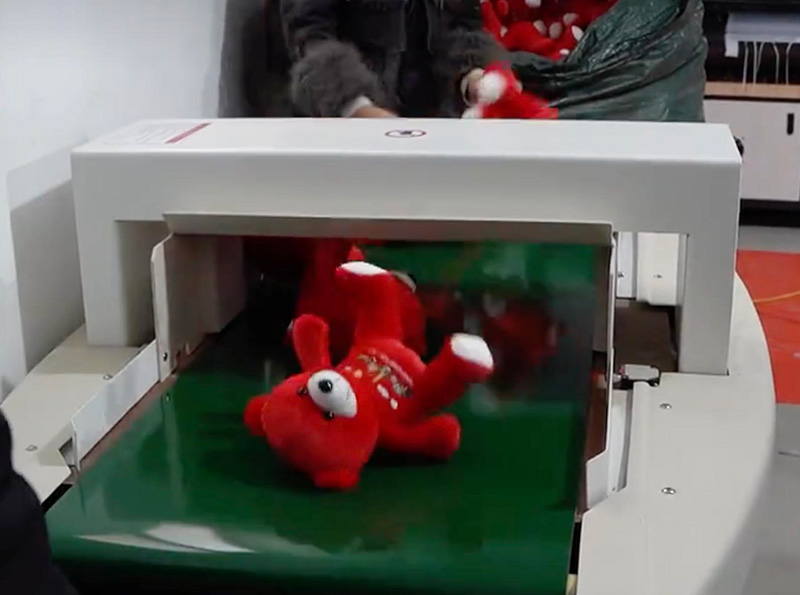
A needle detector identifies metal contamination by creating an electromagnetic detection field. When a plush toy passes through the machine, metal fragments disturb that field. If the disturbance exceeds the machine’s sensitivity setting, the detector gives an alarm or stops the conveyor.
Most plush toy factories use conveyor-type needle detectors for finished products. Smaller or irregular items may also be checked with handheld detectors, but conveyor detection is more common for bulk production because it is faster and easier to standardize.
| Detector Type | Common Use | Advantage | Limitation |
|---|---|---|---|
| Conveyor needle detector | Finished plush toys before packing | Efficient for bulk inspection | Requires correct product placement |
| Handheld detector | Local checking or rework areas | Flexible for irregular shapes | More operator-dependent |
| Tabletop detector | Small accessories or components | Useful for small parts | Limited for large stuffed toys |
| Dual-head detector | Higher sensitivity checking | Stronger detection coverage | Higher equipment cost |
Detection performance depends on several factors, including product thickness, fabric type, filling density, detector sensitivity, metal type, and how the product is placed on the conveyor. Iron-based needle fragments are usually easier to detect than some stainless steel fragments. Thick stuffing or uneven product shape can also affect detection reliability.
This is why calibration matters. A professional factory should test the machine regularly with standard test pieces before production inspection begins. The detector should not simply be turned on and trusted blindly. It should be verified at the start of a shift, during inspection, and after any machine adjustment.
For plush toys, product placement is also important. Large stuffed animals may need to pass through the machine in more than one direction, especially if the body is thick or uneven. A factory that understands plush production will adapt the detection method to the product structure rather than using one basic procedure for every item.
What Is the Standard Needle Detection Process in a Plush Toy Factory?
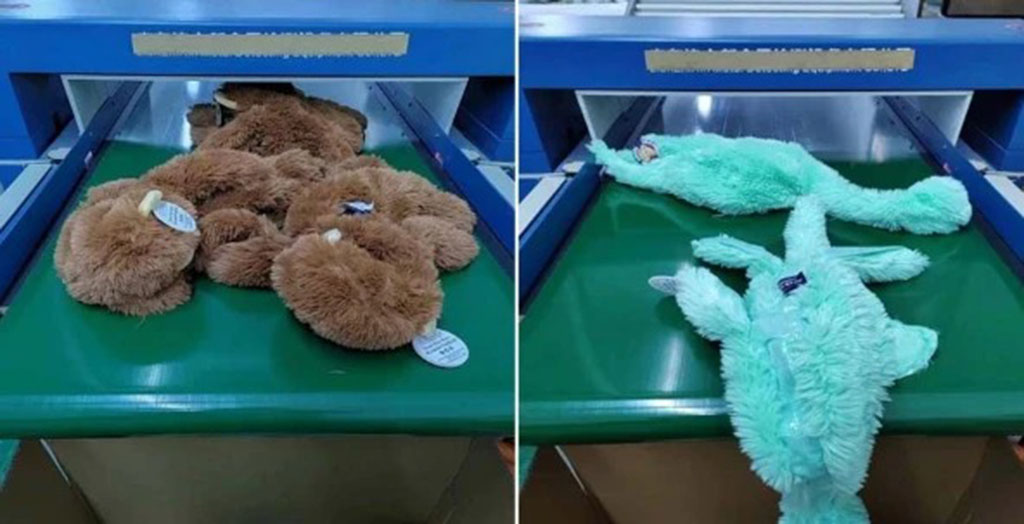
A standard needle detection process usually includes machine calibration, product preparation, full inspection, rejection handling, rechecking, record keeping, and final release. Every step should be controlled so buyers can trust the result.
The process normally happens after final quality inspection but before packing into cartons. This timing is important because products should be checked when sewing and repair work are already complete.
| Step | Factory Action | Quality Purpose |
|---|---|---|
| 1. Machine calibration | Test detector with standard metal test pieces | Confirm machine sensitivity |
| 2. Product preparation | Remove unrelated metal items from area | Avoid false alarms |
| 3. First pass detection | Run each plush toy through detector | Identify possible contamination |
| 4. Alarm handling | Isolate failed product immediately | Prevent mixing with passed goods |
| 5. Investigation | Locate and remove metal fragment if possible | Confirm root cause |
| 6. Rechecking | Pass corrected product through detector again | Verify safety before release |
| 7. Record keeping | Log inspection result and machine status | Provide traceability |
A key point is separation. Passed goods and failed goods must not be mixed. In a weak factory system, products may be placed back on the same table after an alarm, creating confusion. In a stronger factory system, rejected products are clearly isolated, marked, and handled by designated QC staff.
Another important point is 100% inspection. For plush toys, random sampling is usually not enough for needle detection because one contaminated product can create a serious safety problem. A professional manufacturer should check every finished plush toy before packing, especially for children’s products and export orders.
At Kinwin, needle detection is integrated into final QC before shipment. For custom plush and bulk stuffed animal orders, this helps ensure that finished goods are not only visually correct but also controlled for hidden metal contamination before export.
How Do Factories Control Broken Needles Before Final Inspection?
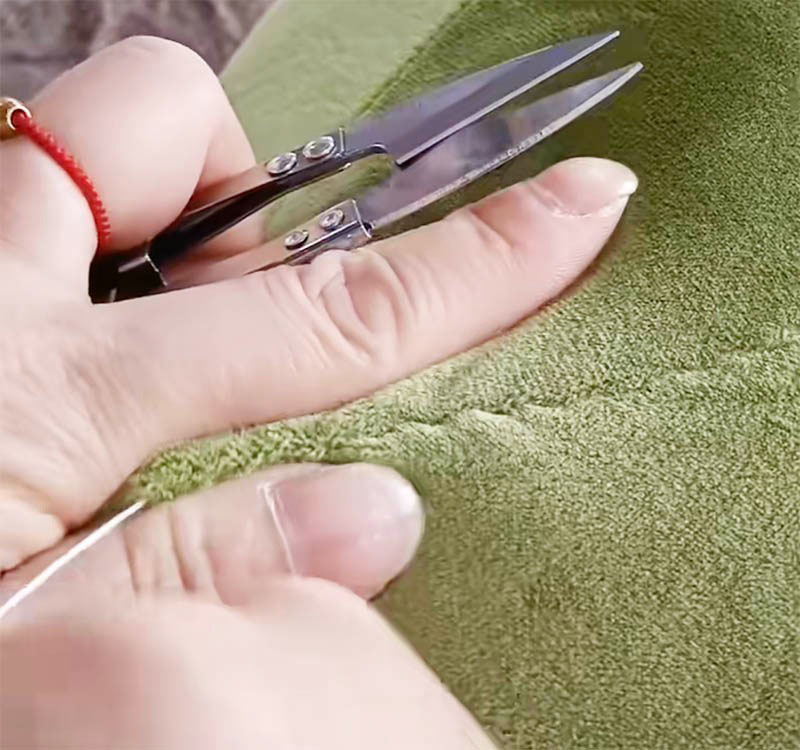
Good needle detection starts long before the detector. The strongest factories use a broken needle control system to prevent needle fragments from moving through production unnoticed.
When a needle breaks, the operator should stop work immediately, collect all broken pieces, report the incident, and replace the needle through a controlled process. QC or line supervisors should confirm that the broken pieces are complete before production continues.
| Control Point | Proper Factory Practice | Why It Matters |
|---|---|---|
| Needle issuing | Needles issued by authorized staff | Prevents uncontrolled needle use |
| Needle replacement | Old needle exchanged before new one is issued | Avoids missing fragments |
| Breakage reporting | Worker reports breakage immediately | Stops risk from spreading |
| Fragment collection | All pieces of broken needle are collected | Confirms no part is inside product |
| Workstation search | Nearby goods and table area checked | Reduces contamination risk |
| Record log | Breakage time, worker, machine, and result recorded | Creates traceability |
This system is especially important in plush manufacturing because needle fragments can become trapped in fabric pile, seam folds, or filling. If a broken piece is not found at the workstation, all nearby semi-finished products may need to be inspected before they can continue.
Buyers should understand that needle detection is not just about owning a machine. It is about factory discipline. A factory may have a detector but still have weak needle control if workers can replace needles freely, broken pieces are not documented, and repair areas are not supervised.
When evaluating a plush toy manufacturer, buyers can ask simple but revealing questions: Who issues sewing needles? What happens when a needle breaks? Do you keep broken needle records? Is every finished plush product passed through a detector before packing? The answers will quickly show whether the factory has a real system or just a machine.
What Records Should Buyers Ask for in Needle Detection Quality Control?
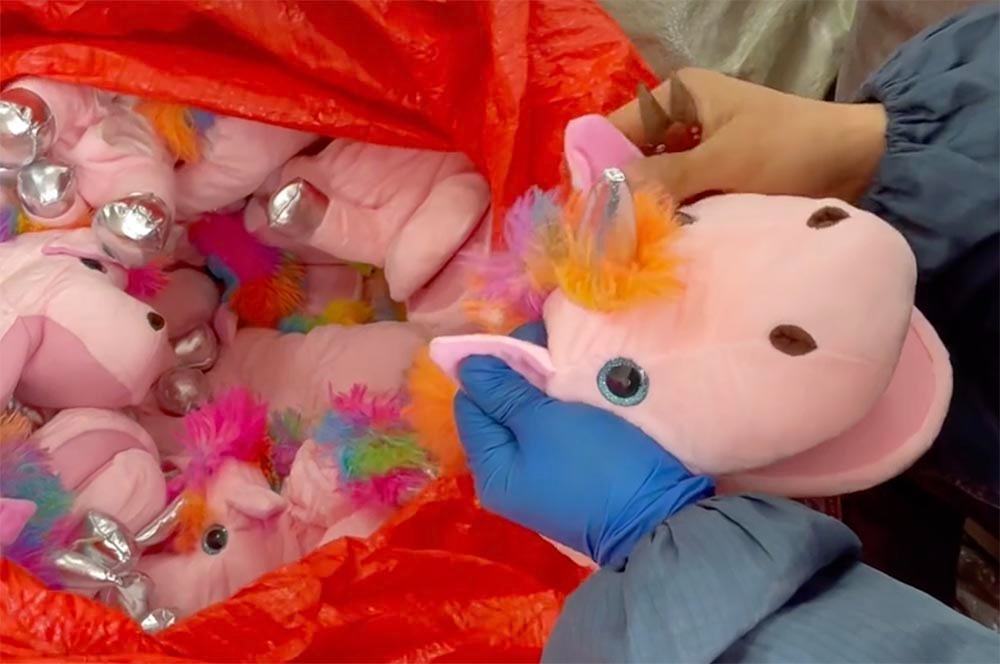
Buyers should ask for needle detection records, machine calibration logs, broken needle reports, final inspection reports, and, when needed, third-party inspection results. These documents help confirm that the factory’s safety process is not only verbal but traceable.
For bulk plush orders, documentation is especially important because buyers may not be physically present at the factory. Clear records give visibility into how the order was controlled before shipment.
| Document | What It Shows | When Buyers Should Request It |
|---|---|---|
| Needle detection log | Products passed through detector | Before shipment |
| Calibration record | Machine tested with standard pieces | Before and during inspection |
| Broken needle report | Any breakage incidents and handling result | For high-risk or large orders |
| Final QC report | Overall finished goods inspection | Before balance payment |
| Third-party inspection report | Independent verification | For first orders or retail programs |
A good needle detection log should include date, order number, product name, inspector name, machine status, detection result, and any rejected item handling. Calibration records should show that the detector was checked before inspection began, not only after problems occurred.
For larger orders, buyers may also request photos or videos of the needle detection process. This is not a replacement for inspection records, but it helps confirm that the factory is actually running finished products through the machine.
If a buyer uses a third-party inspection company, needle detection can be included as part of the inspection checklist. The inspector may verify the detector, observe the process, and confirm whether passed and rejected products are properly separated.
At Kinwin, we understand that B2B buyers need both product quality and documentation. For export plush orders, QC records are part of helping clients feel in control before shipment leaves China.
How to Choose a Plush Toy Manufacturer With Reliable Needle Detection Standards?
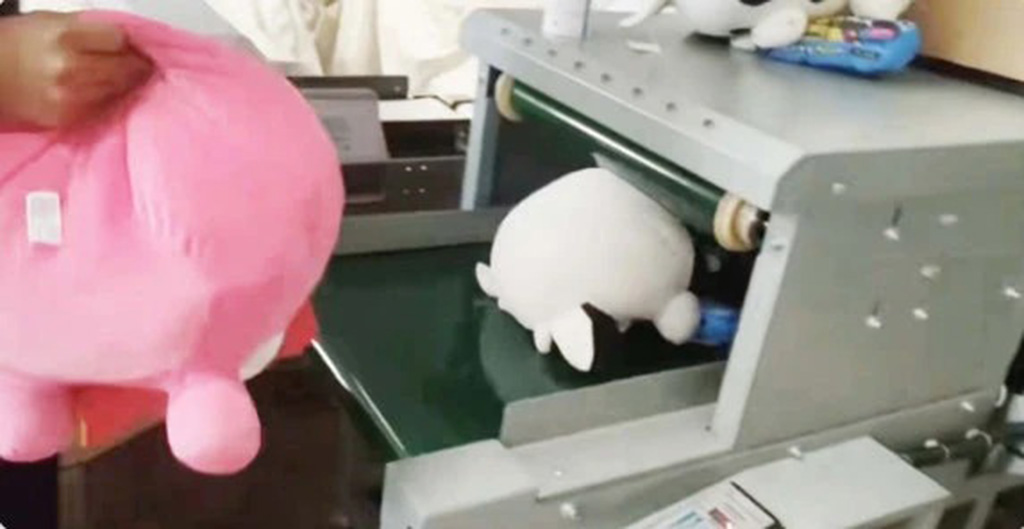
To choose a plush toy manufacturer with reliable needle detection standards, buyers should look for three things: proper equipment, clear process control, and complete documentation. A supplier that only says “we check needles” may not be enough for serious retail or branded plush programs.
A professional manufacturer should be able to explain how needle risks are controlled during sewing, how the detector is calibrated, how failed products are handled, and what records are available before shipment.
| Evaluation Point | Strong Supplier Signal | Weak Supplier Signal |
|---|---|---|
| Equipment | Conveyor needle detector available | Only visual inspection mentioned |
| Process | 100% finished goods detection | Random or unclear checking |
| Broken needle control | Written log and fragment collection | Workers replace needles freely |
| Calibration | Regular machine testing records | No calibration evidence |
| Documentation | QC report available before shipment | Verbal confirmation only |
| Buyer support | Supports third-party inspection | Avoids inspection requests |
Buyers should also consider whether the factory understands the target market. Plush toys for the US and EU markets may need to meet broader toy safety expectations, including physical and mechanical safety, labeling, and compliance documentation. Needle detection supports this safety framework, but it should work alongside material control, seam strength checks, stuffing quality control, small parts safety, and final inspection.
For custom plush toys, the best time to discuss needle detection is before production begins. Buyers can include it in the purchase requirement, quality agreement, or inspection checklist. This makes expectations clear and avoids disagreement before shipment.
Kinwin supports OEM and bulk plush toy buyers with structured production control, final QC, needle detection, and export-focused documentation. For buyers developing plush toys for retail, promotional campaigns, e-commerce, or licensed product programs, this kind of factory discipline helps reduce hidden safety risks and gives more confidence before goods are shipped.
Conclusion
Needle detection is a small step in the plush manufacturing process, but it has a major impact on product safety and buyer confidence. Because plush toys are soft, filled, and often made for children, broken needle fragments can be difficult to find through visual inspection alone. That is why reliable factories combine broken needle control, machine detection, calibration records, product isolation, and final QC documentation.
For buyers, the key question is not simply whether a supplier owns a needle detector. The real question is whether the factory has a complete system for preventing, detecting, recording, and resolving needle contamination risks.
If you are sourcing custom plush toys, stuffed animals, or bulk OEM plush products, working with a manufacturer that treats needle detection seriously can protect your shipment, your customers, and your brand. Kinwin helps buyers manage plush manufacturing with practical safety controls, clear communication, and export-ready quality procedures from development to final delivery.
FAQ
Is needle detection required for all plush toys?
Needle detection is strongly recommended for plush toys, especially children’s products, baby plush items, retail plush, and export orders. Many buyers and retailers expect it as part of final quality control.
Can needle detection replace toy safety testing?
No. Needle detection checks for metal contamination, but it does not replace ASTM F963, CPSIA, EN71, REACH, or other safety and compliance requirements. It should be part of a broader quality system.
Should every plush toy be checked by needle detector?
For export plush orders, 100% finished goods needle detection is the safest practice. Random sampling may miss a single contaminated item.
What happens if a plush toy fails needle detection?
The item should be isolated immediately, investigated, corrected if possible, and rechecked. The factory should record the failure and prevent the product from mixing with passed goods.
What should buyers ask suppliers before placing an order?
Ask whether the factory has a conveyor needle detector, whether finished goods receive 100% inspection, how broken needles are controlled, and whether detection records can be provided before shipment.