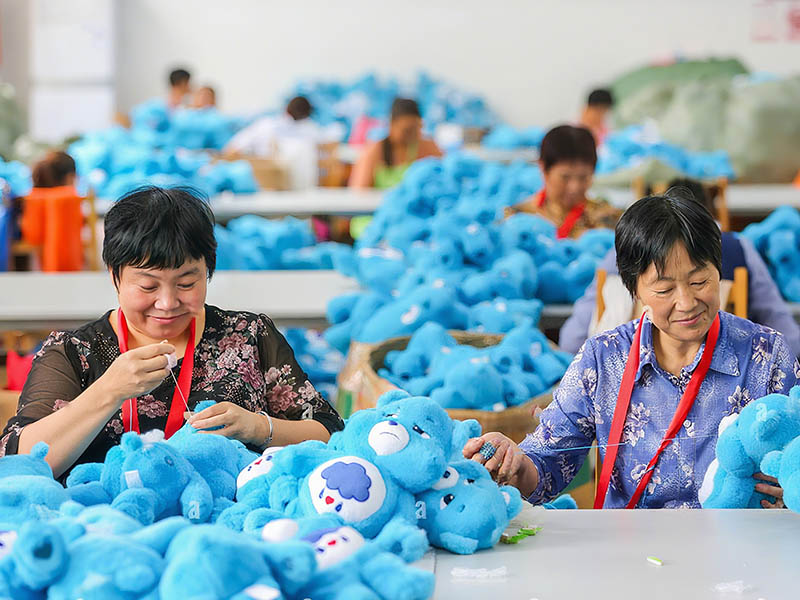
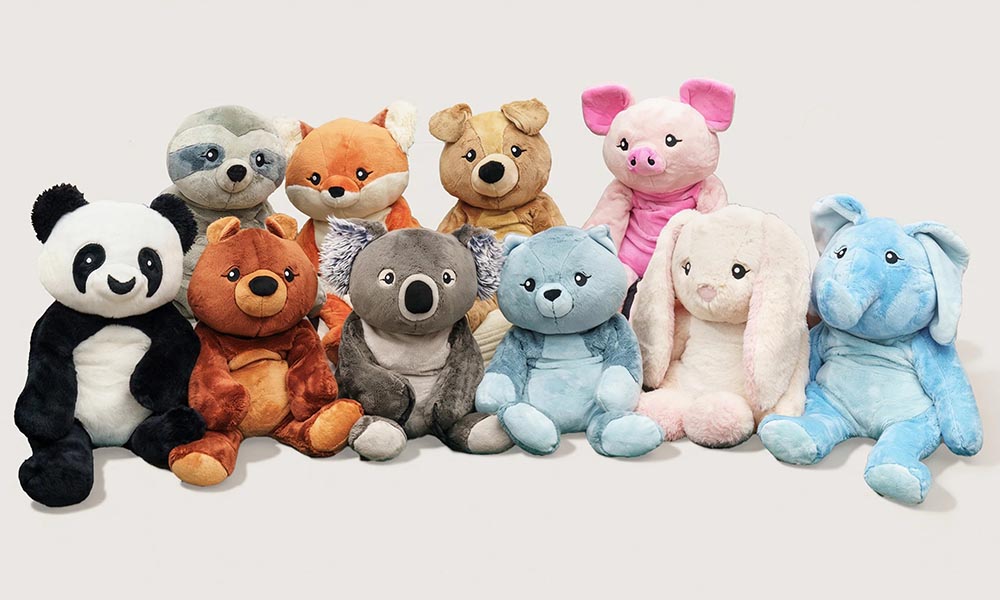
Sampling plush toys with electronics is very different from sampling a standard stuffed animal. Once a plush product includes a sound module, LED light, motion sensor, vibration unit, Bluetooth function, or battery compartment, the sample is no longer only about appearance and softness. It also becomes a test of structure, safety, usability, durability, compliance, and mass production feasibility.
For buyers, electronic plush toys can create stronger product value. They can sing, speak, light up, respond to touch, record messages, support educational play, or create a more emotional user experience. But these features also introduce new risks. A beautiful sample can still fail if the battery box is difficult to access, the speaker sound is too weak, the wires shift inside the toy, the LED position is uncomfortable, or the electronic module cannot pass safety testing.
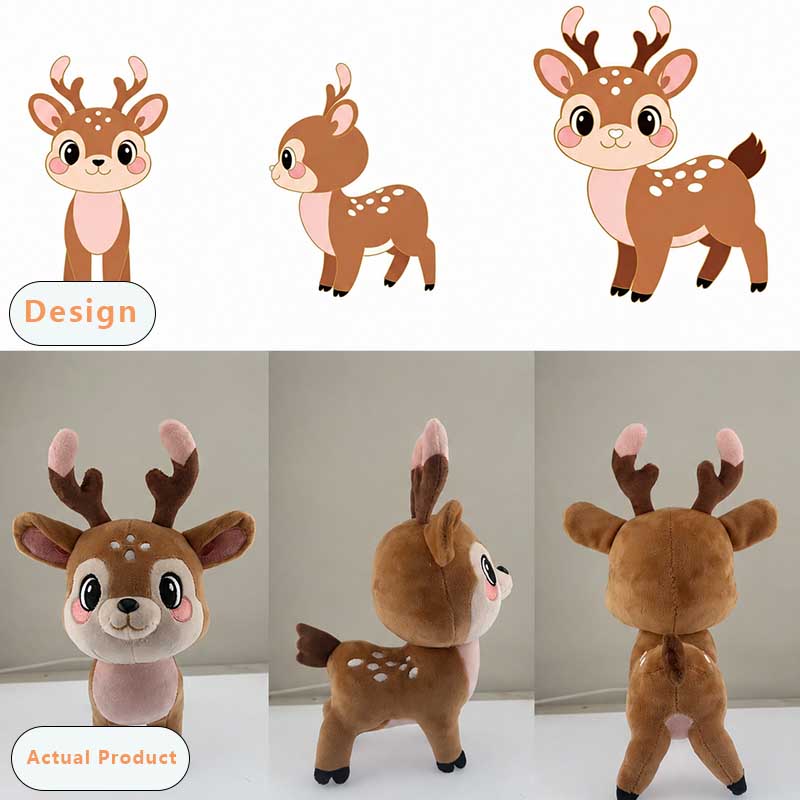
The goal of sampling is not simply to make one impressive prototype. The goal is to confirm a production-ready design that can be manufactured consistently, tested properly, packed safely, and delivered without hidden problems in bulk orders.
What Makes Sampling Electronic Plush Toys Different from Standard Plush Toys?
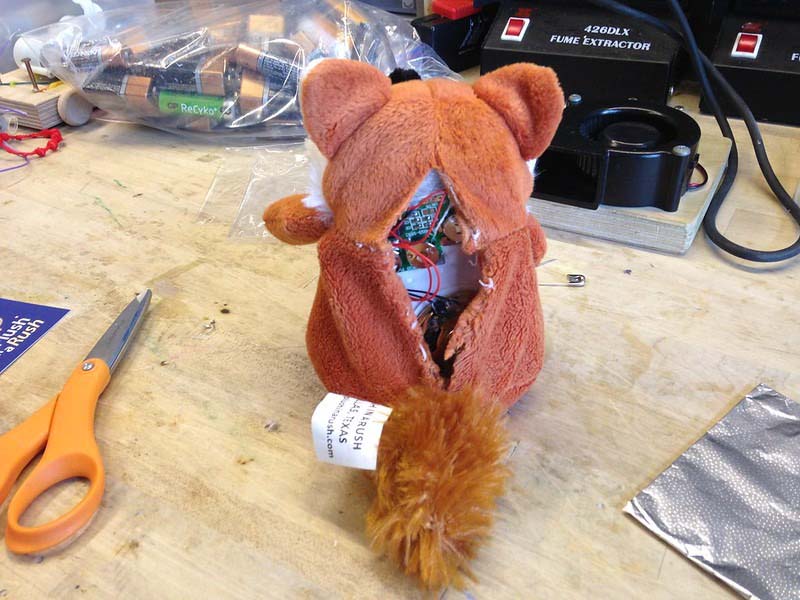
Electronic plush toys require both soft toy development and electronic component integration. A standard plush sample mainly checks shape, fabric, color, embroidery, stuffing, and sewing quality. An electronic plush sample must check all of those points plus module placement, battery access, wire routing, switch function, sound or light performance, user operation, and safety protection.
This means the sampling process needs more technical planning before the factory starts cutting fabric. The manufacturer must understand where the module will sit, how the user will activate it, whether the toy needs washable construction, how the battery compartment will be secured, and whether the electronics are suitable for the target market and age group.
| Sampling Area | Standard Plush Toy | Electronic Plush Toy |
|---|---|---|
| Main focus | Appearance, softness, workmanship | Appearance plus electronic function and safety |
| Internal structure | Stuffing and seam construction | Stuffing, module pocket, wiring, battery box |
| User interaction | Touch, hug, display | Press, squeeze, switch, listen, light, respond |
| Safety concern | Small parts, seams, materials | Small parts, seams, batteries, wires, electronics |
| Testing need | Physical and chemical toy safety | Toy safety plus electrical and battery-related checks |
A common mistake is treating electronics as a simple add-on after the plush design is finished. In reality, the electronic feature should influence the plush structure from the beginning. For example, a sound button needs a clear pressing area. A light module needs correct fabric thickness so the light can be seen. A battery box needs secure placement that does not make the plush uncomfortable to hold.
At Kinwin, we approach electronic plush sampling as a combined product development task. The plush design, module selection, user experience, and production feasibility must work together before the sample can be considered ready for bulk production.
Which Electronic Features Should Be Defined Before Sampling Begins?
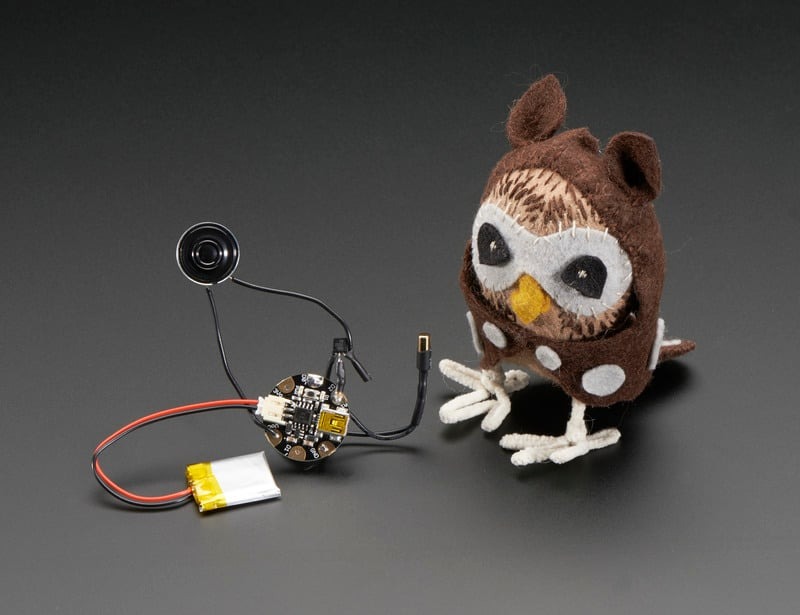
Before sampling begins, buyers should define the exact electronic function they want. The factory should not only know that the plush toy needs a sound or light feature. It should know what triggers the function, how long it should last, where the user interacts with it, what power source is used, and whether the module must be removable or permanently enclosed.
Clear function definition saves time because it prevents the factory from building the wrong internal structure. A squeeze sound module, a push-button voice recorder, an LED belly light, and a Bluetooth smart module all require different internal planning.
| Feature Type | Key Sampling Questions | Design Impact |
|---|---|---|
| Sound module | What audio length, volume, trigger, and language? | Speaker position, button area, module pocket |
| Voice recorder | Should users record messages themselves? | Access point, microphone location, instructions |
| LED light | What color, brightness, flashing mode, and duration? | Fabric thickness, diffuser position, eye comfort |
| Motion sensor | What movement should activate the toy? | Sensor orientation and internal stability |
| Bluetooth or smart module | What device connection and privacy requirements? | Module size, antenna position, app support |
| Vibration module | How strong should the vibration feel? | Placement, padding, noise control |
Buyers should also decide whether the electronic function is central to the product value or only a supporting feature. If the plush toy is marketed as an interactive learning toy, the electronics must be tested more deeply. If the feature is a simple short music button for a gift plush, the sampling process may be more straightforward, but function reliability still matters.
Another important point is target age. A plush toy for toddlers, babies, collectors, or adult gift buyers may require different safety and usability decisions. Battery access, removable modules, sound volume, small parts, and labeling should all be considered early.
How Should Buyers Choose the Right Electronic Module for a Plush Sample?
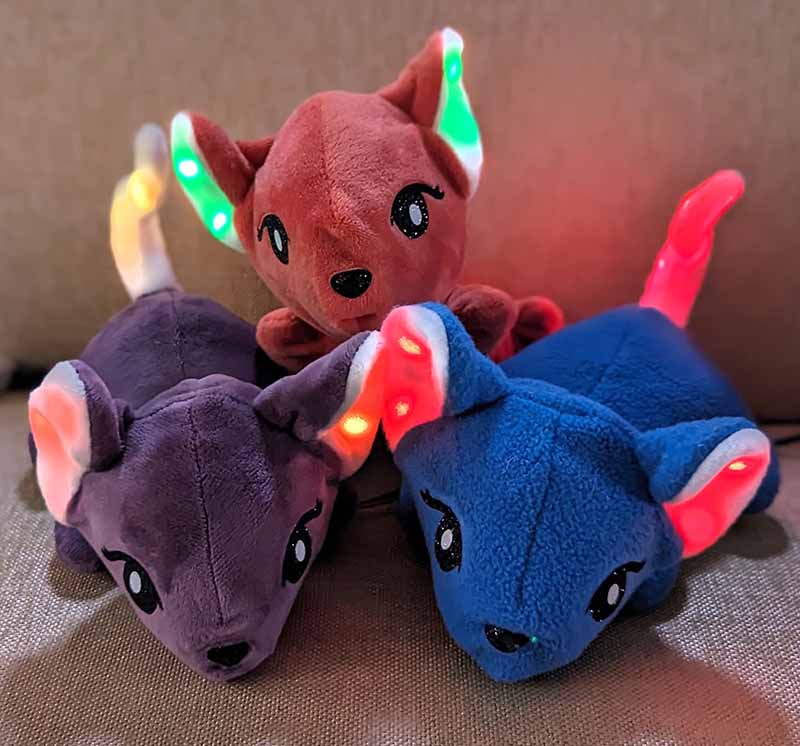
Choosing the right electronic module is one of the most important decisions in the sampling stage. The module must fit the plush toy physically, deliver the required function, meet the target cost, and support compliance needs in the destination market.
A low-cost module may work for a first sample but fail during repeat pressing, sound testing, drop handling, battery access review, or long-term use. A premium module may perform well but push the product beyond the target price. The right choice is the module that matches the product’s market position and safety requirements.
| Module Selection Factor | What to Check | Why It Matters |
|---|---|---|
| Size and shape | Can it fit inside the plush without hard pressure points? | Affects comfort and appearance |
| Trigger method | Press button, squeeze sensor, switch, motion, touch | Affects user experience and pattern design |
| Battery type | Button cell, AAA, rechargeable, sealed battery | Affects safety, replacement, and labeling |
| Sound quality | Volume, clarity, distortion, language accuracy | Affects perceived product quality |
| LED performance | Brightness, color, heat, battery consumption | Affects comfort and visual appeal |
| Supplier reliability | Stable sourcing and documentation | Affects bulk consistency and lead time |
For plush toys, the module should never be evaluated only as a loose component. It must be tested inside the plush body because fabric thickness, stuffing pressure, seam placement, and user handling can change how the module performs. A speaker may sound clear on the table but muffled inside dense stuffing. A button may work perfectly before assembly but become hard to press after the fabric layer is added.
Professional factories usually test more than one module option when the function is important. This allows the buyer to compare cost, quality, sound, brightness, size, and ease of assembly before committing to bulk production.
How Is the Internal Structure Designed Around Electronics?
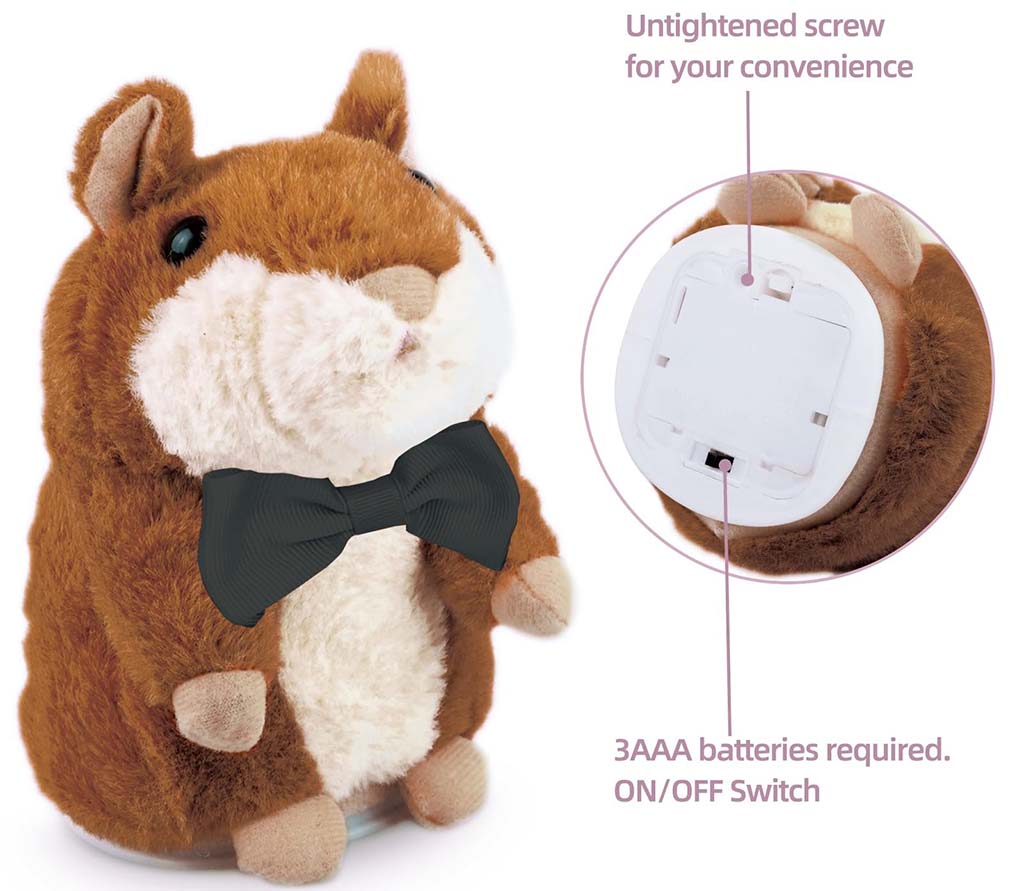
The internal structure of an electronic plush toy must protect both the user and the electronic function. The module should stay in the correct position, feel comfortable through the plush body, avoid sharp pressure points, and remain accessible if battery replacement or module removal is required.
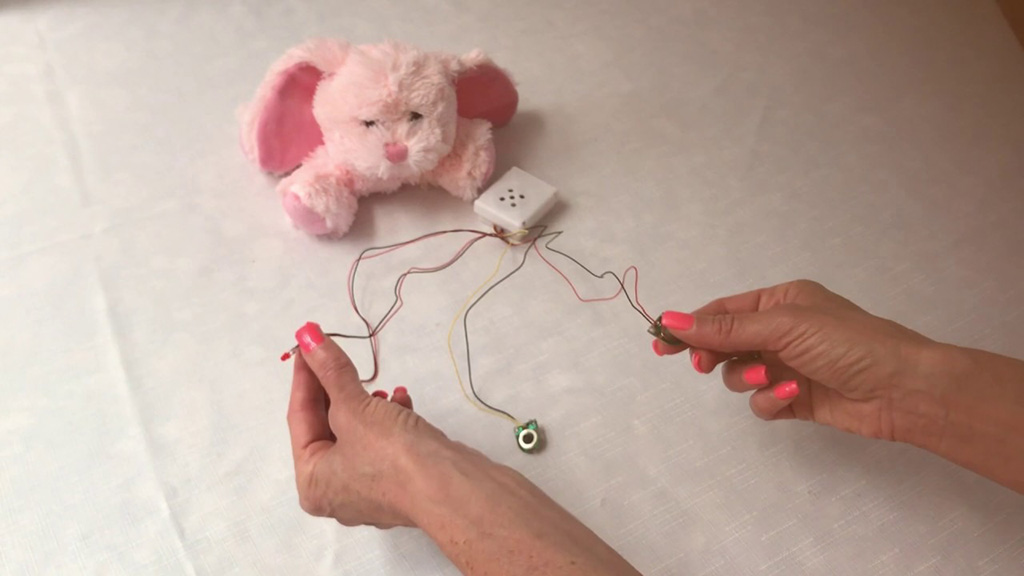
This is where plush pattern making and electronics integration meet. The pattern maker may need to adjust seam placement, add an internal pocket, reinforce a pressing area, create a battery access opening, or control stuffing density around the module.
| Internal Design Area | Sampling Requirement | Risk if Ignored |
|---|---|---|
| Module pocket | Secure but not overly tight | Module shifts, presses outward, or damages seams |
| Wire routing | Protected path away from stress points | Wire breakage or uneven surface feel |
| Battery access | Safe, clear, and user-friendly | Complaints, safety risk, failed inspection |
| Button area | Easy to find and press | Poor user experience |
| Stuffing control | Balanced softness around hard parts | Lumpy or uncomfortable plush body |
| Opening closure | Secure seam, zipper, hook-and-loop, or pouch design | Module exposure or weak durability |
For children’s products, battery compartments usually need special attention. Screws, covers, and access points should be designed so children cannot easily remove batteries. If the module is removable for washing, the pouch and opening must be strong enough to handle repeated use without exposing loose parts.
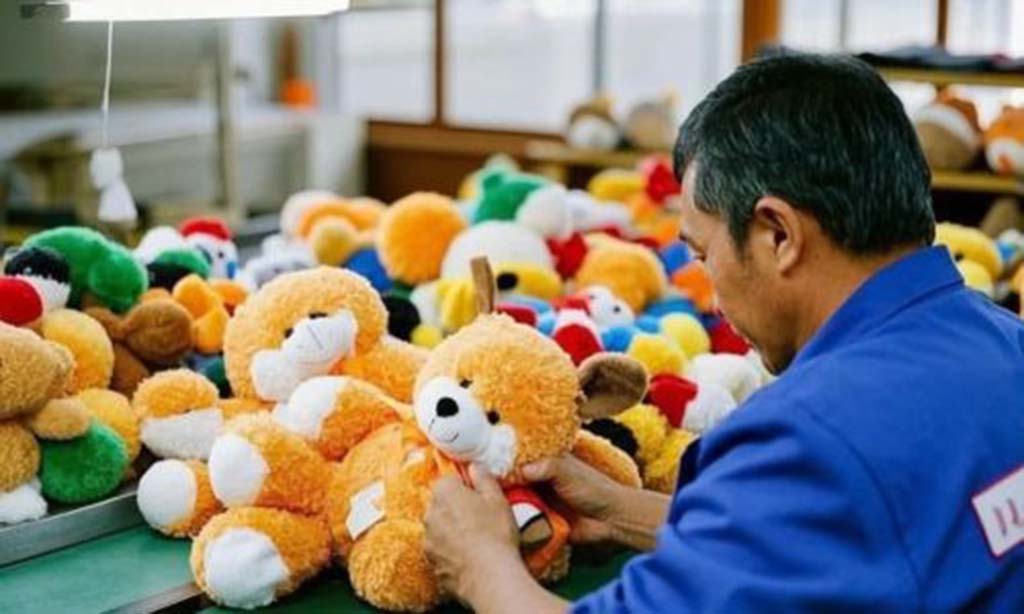
During sampling, buyers should physically handle the toy the way a user would. Press the button repeatedly, squeeze the plush, hug it, turn it over, shake it gently, check if any hard edge can be felt, and confirm whether the function remains stable after normal handling.
What Should Be Tested on the First Electronic Plush Sample?
The first electronic plush sample should be tested for appearance, function, usability, safety structure, comfort, durability, and production feasibility. Buyers should not approve the first sample only because it looks good in photos. Electronic plush toys need hands-on review.
The most useful approach is to create a sample review checklist. This helps the buyer and factory discuss specific issues instead of using vague comments such as “make it better” or “the function feels weak.”
| Sample Review Item | What to Check | Approval Standard |
|---|---|---|
| Appearance | Shape, size, fabric, embroidery, color | Matches design and brand expectation |
| Function | Sound, light, sensor, vibration, timing | Works consistently during repeated use |
| User operation | Button location, switch access, battery access | Easy for intended user or caregiver |
| Comfort | Hard parts, edges, weight balance | No uncomfortable pressure points |
| Safety structure | Battery cover, wires, seams, small parts | No exposed hazard during normal use |
| Production feasibility | Can the design be repeated in bulk? | Factory can produce consistently at target cost |
Sound samples should be checked in a realistic environment, not only in a quiet office. If the product will be used in a retail store, classroom, bedroom, or event setting, the volume and clarity should match that context. LED samples should be checked in both bright and dim conditions because fabric and stuffing can reduce brightness.
If the sample uses a voice or music module, buyers should confirm the final audio file quality early. Poor audio compression, unclear pronunciation, wrong language, or incorrect sound length can delay approval. For smart plush toys or Bluetooth plush products, connection reliability and user instructions become part of the sample review.
How Do Safety and Compliance Requirements Affect Electronic Plush Sampling?
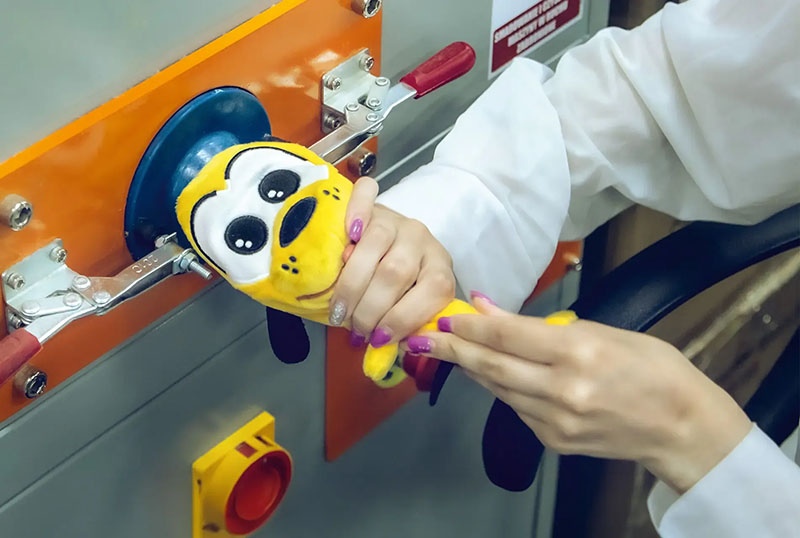
Safety and compliance requirements have a major impact on electronic plush sampling because the product combines textile toy safety with electrical component considerations. Buyers should identify the target market before sampling so the factory can choose suitable materials, components, labels, and construction methods.
For many buyers, the US and EU markets are the most important. Depending on product function, electronic plush toys may need to consider toy safety standards, chemical safety, battery safety, labeling, electromagnetic compatibility, and restricted substance requirements. The exact requirements depend on the product type, age grade, sales channel, and market.
| Compliance Area | What It May Affect | Sampling Impact |
|---|---|---|
| Toy safety | Seam strength, small parts, sharp points, flammability | Construction and material choices |
| Battery safety | Battery access, cover, screws, warnings | Battery compartment design |
| Electrical safety | Wiring, heat, insulation, component reliability | Module and internal structure selection |
| EMC or radio compliance | Bluetooth, wireless, smart modules | Component documentation and testing plan |
| Chemical compliance | Fabric, plastic parts, coatings, electronics materials | Supplier documentation and material selection |
| Labeling | Age grade, battery instructions, warnings | Hang tag, sewn label, manual, packaging |
Compliance should not be postponed until after the final sample. If the sample uses the wrong battery access design, unsafe small parts, uncertain materials, or a module without proper documentation, the buyer may have to redesign the product after spending time and money on sampling.
At Kinwin, we encourage buyers to define the destination market and intended age group before electronic plush sampling begins. This allows the product development team to consider safety and compliance from the start, instead of treating testing as an afterthought.
How Can Factories Prepare an Electronic Plush Sample for Bulk Production?
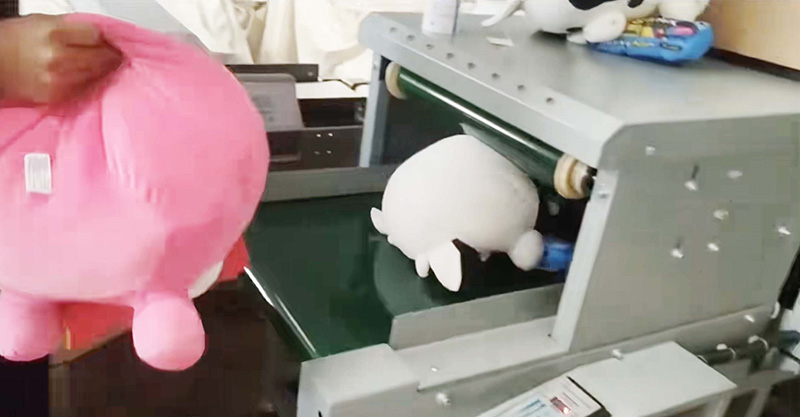
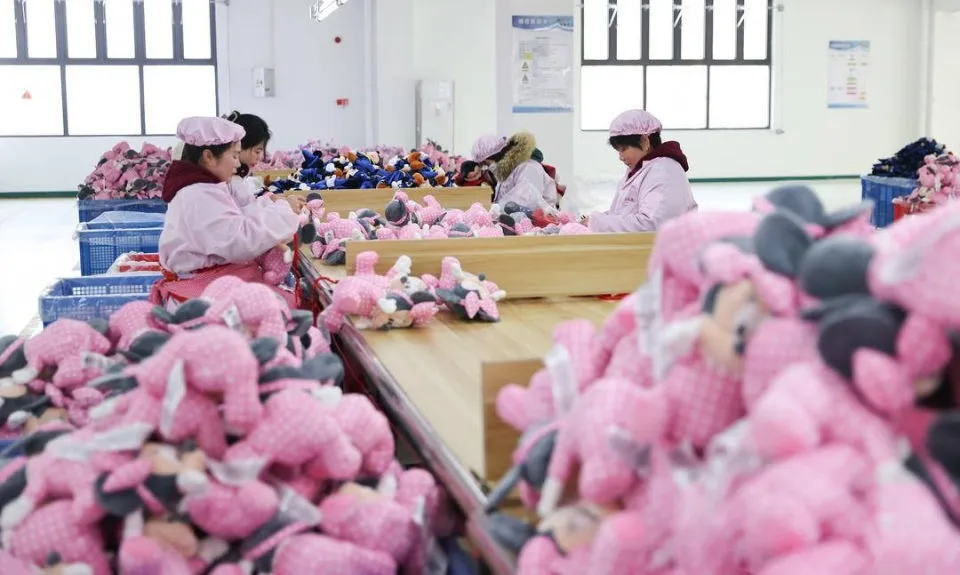
An electronic plush sample is only useful if it can be repeated in bulk production. A handmade prototype may look impressive, but buyers need to know whether the same structure can be assembled consistently by production workers at the required order quantity.
To prepare for bulk production, the factory should convert the approved sample into a clear production standard. This includes pattern files, material specifications, module model, wiring method, battery compartment design, assembly steps, QC checkpoints, audio files, label requirements, and packing method.
| Production Preparation Item | What Must Be Confirmed | Why It Matters |
|---|---|---|
| Module sourcing | Model, supplier, lead time, backup plan | Prevents component shortage |
| Assembly process | How workers install module, wires, and stuffing | Controls consistency and labor time |
| Function testing | When and how each unit is tested | Prevents defective electronics from shipping |
| Approved sample | Final physical reference | Guides production and inspection |
| QC checklist | Appearance, function, safety, packing | Creates measurable acceptance criteria |
| Packing method | Compression limits and battery handling | Protects product during shipment |
Function testing is especially important. For sound, light, and interactive plush toys, factories should define whether every unit is tested or whether inspection follows a sampling plan. For children’s products and higher-risk electronic functions, buyers often prefer stricter checking before shipment.
Production workers also need clear handling instructions. Pulling wires too hard, placing stuffing unevenly around a module, or misaligning a button area can create functional defects even when the components themselves are good.
How Should Buyers Choose a Manufacturer for Electronic Plush Toy Sampling?
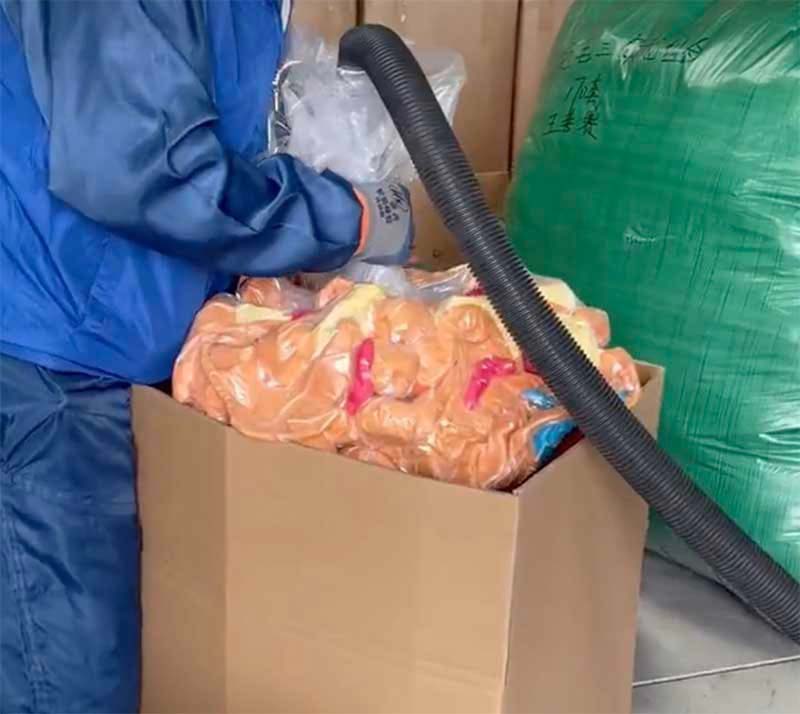
Buyers should choose a manufacturer that understands both plush toy construction and electronic component integration. A factory that only knows standard plush sewing may struggle with module placement, battery access, function testing, and compliance planning. A supplier that only understands electronics may not know how to maintain softness, shape, and safe textile construction.
The right manufacturer should be able to discuss the product as a complete system: fabric, pattern, stuffing, electronics, safety, user experience, testing, packaging, and bulk production.
| Manufacturer Capability | What Buyers Should Look For | Why It Matters |
|---|---|---|
| Electronic plush experience | Sound, LED, battery, or smart plush examples | Reduces development mistakes |
| Sampling support | Clear revision notes and functional testing | Speeds up approval |
| Component sourcing | Reliable module suppliers and documentation | Supports bulk consistency |
| Safety awareness | Early discussion of age grade and target market | Reduces compliance redesign risk |
| Production control | Assembly instructions and QC checkpoints | Protects mass production quality |
| Communication | Photos, videos, test notes, timeline updates | Keeps buyers in control |
Before placing a sampling order, buyers should ask the factory practical questions. Can you source the module or should we provide it? Can you test the function after assembly? How will the battery compartment be secured? Can the module be removed for washing? What safety documentation is available for the components? How will bulk production workers repeat the same assembly process?
Kinwin supports buyers developing sound plush toys, LED plush toys, battery-operated plush, smart plush concepts, and other interactive plush products. Our role is to help turn the idea into a sample that looks right, works reliably, and can be prepared for safe bulk manufacturing.
Conclusion
Sampling plush toys with electronics requires more planning than standard plush development. Buyers need to confirm not only the look and feel of the toy, but also the module function, battery access, internal structure, safety design, user experience, testing process, and bulk production feasibility.
The most successful electronic plush projects start with a clear function brief, suitable module selection, careful internal structure design, hands-on sample testing, and early compliance planning. When these steps are handled properly, the sample becomes a reliable bridge between creative concept and scalable production.
If you are developing a custom electronic plush toy, Kinwin can help you evaluate the function, build a practical sample, control the production details, and prepare the product for safer, more consistent bulk manufacturing.
FAQ
Can any plush toy design include electronics?
Not always. Most plush designs can be adapted, but the product must have enough internal space for the module, safe battery access, and a structure that keeps the toy comfortable and durable. Very small plush toys may have limited options.
What electronic features are most common in plush toys?
Common features include sound modules, voice recorders, LED lights, music buttons, vibration modules, motion sensors, and Bluetooth or smart interactive modules. The right choice depends on the target user, price point, and safety requirements.
Should the electronic module be removable?
It depends on the product. Removable modules are useful for washable plush toys or battery replacement, but the access point must be secure. Permanently enclosed modules may feel cleaner but can limit washing and maintenance options.
How long does it take to sample an electronic plush toy?
Electronic plush sampling usually takes longer than standard plush sampling because the factory must confirm module sourcing, internal placement, function testing, and safety structure. The timeline depends on design complexity and component availability.
What should buyers test before approving an electronic plush sample?
Buyers should test appearance, function, sound or light performance, button location, battery access, comfort, durability, safety structure, and whether the design can be repeated in bulk production.
Can electronic plush toys meet US and EU safety requirements?
Yes, but compliance should be planned from the beginning. The product may need toy safety testing, battery-related checks, labeling review, chemical compliance, and for wireless products, additional radio or EMC considerations.
Can Kinwin help source sound or LED modules?
Yes. Kinwin can help buyers evaluate suitable electronic modules, integrate them into plush samples, and prepare the design for bulk production with practical assembly and quality control requirements.