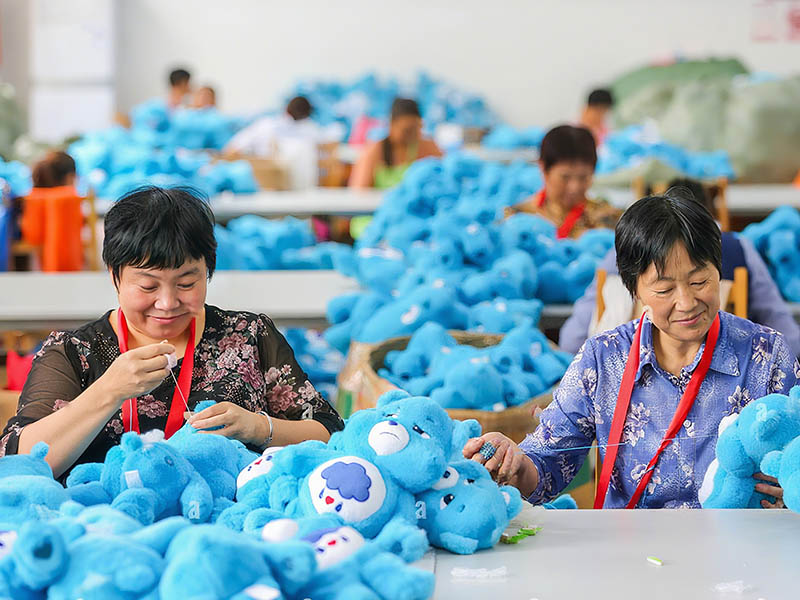
Balancing cost and quality is one of the most practical challenges in plush toy sourcing. Buyers want a competitive unit price, but they also need soft materials, stable workmanship, safe construction, reliable delivery, and products that customers will not return after the first touch.
In custom plush toy manufacturing, the lowest quote is rarely the best decision. A cheap product can become expensive if it causes failed inspections, weak seams, poor reviews, shipment delays, or repeated sampling revisions. At the same time, overbuilding every detail can push the product above its target retail price.
The real goal is not to make the plush toy as cheap as possible. The goal is to spend money where it protects product value, safety, and customer experience, while removing cost from areas that do not meaningfully improve the final result.
What Does Balancing Cost and Quality Mean in Plush Toy Manufacturing?
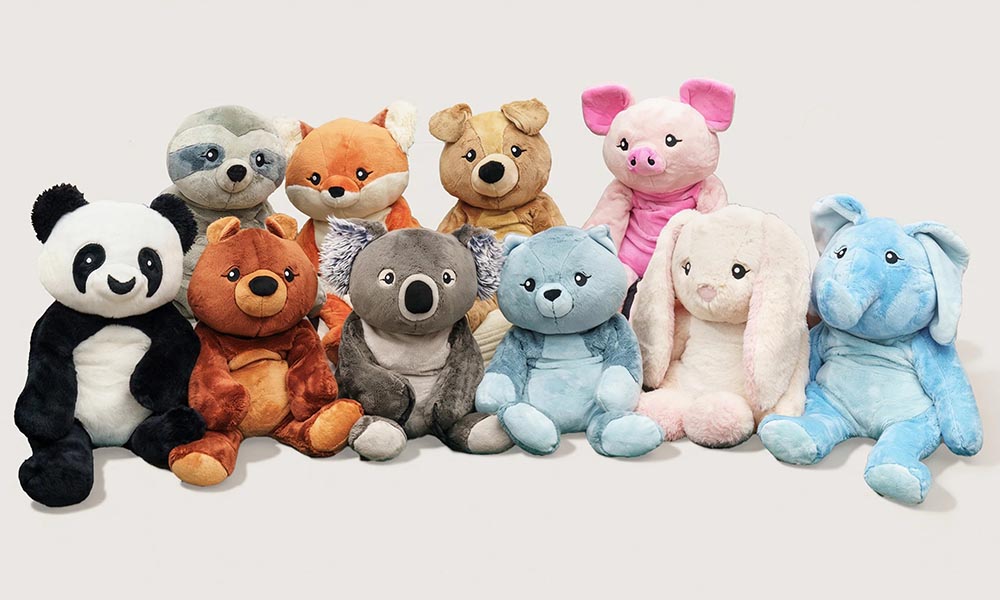
Balancing cost and quality in plush toy manufacturing means choosing the right level of material, structure, workmanship, testing, packaging, and production control for the product’s market position. A promotional plush keychain, a licensed character plush, and a premium retail stuffed animal should not use the same cost structure.
A good cost-quality balance starts with a clear product brief. Buyers should define the target market, retail price, user age, expected order quantity, safety requirements, packaging style, and brand positioning before asking for a quote. Without this information, a supplier may quote a product that is either too basic for the market or too expensive for the business model.
| Buyer Goal | Cost-Focused Choice | Quality-Focused Choice | Balanced Approach |
|---|---|---|---|
| Promotional giveaway | Basic fabric and simple shape | Premium plush and detailed embroidery | Simple structure with safe, durable stitching |
| Retail plush toy | Lower-grade fabric and minimal QC | Premium fabric, full detail, custom packaging | Soft fabric, stable workmanship, practical packaging |
| Baby plush | Uncertified low-cost material | High-end certified textiles only | Certified safe materials with controlled design complexity |
| Licensed character plush | Simplified features and loose tolerance | Highly detailed pattern and embroidery | Accurate key features with efficient construction |
In practice, buyers should separate cost that protects value from cost that only adds complexity. Certified fabric, secure seams, accurate embroidery, and proper stuffing density usually protect product value. Overly complex accessories, unnecessary color changes, excessive packaging layers, or unrealistic tolerance demands may raise cost without improving the buying experience.
At Kinwin, we often help buyers compare several production options during development. Instead of giving one fixed quote too early, a better process is to show how fabric grade, size, stuffing, embroidery, packaging, and order quantity affect both price and product performance.
Which Cost Drivers Have the Biggest Impact on Plush Toy Pricing?
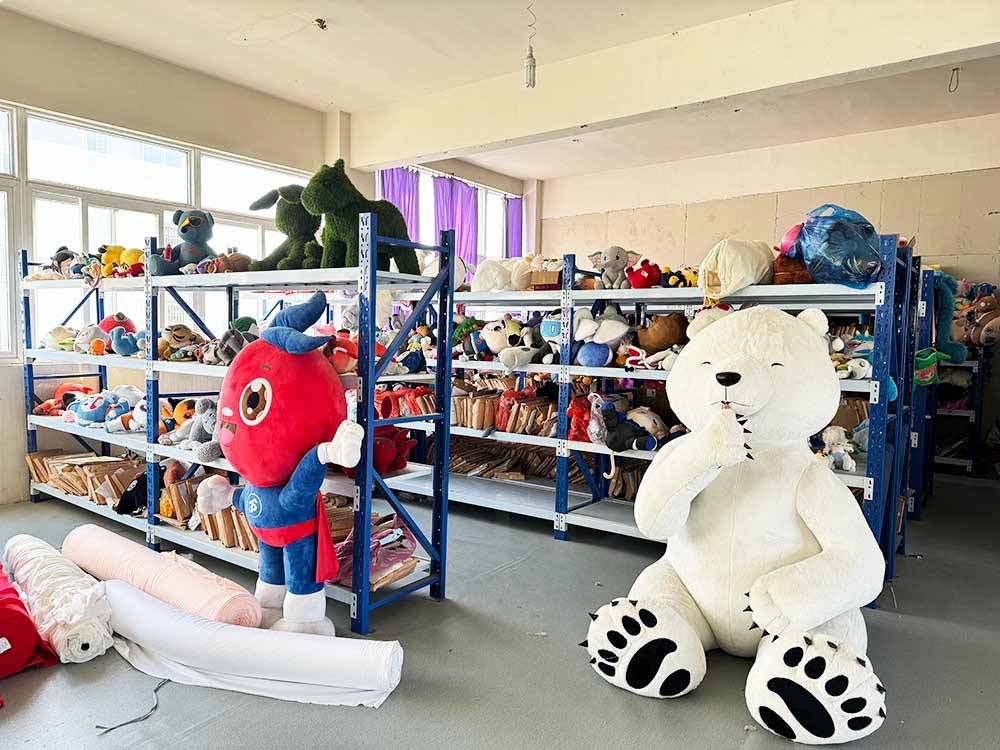
The biggest cost drivers in plush toy pricing are material selection, product size, design complexity, order quantity, labor time, testing requirements, and packaging. These factors work together, so changing one detail can affect the entire cost structure.
For example, increasing the plush toy size does not only use more fabric. It may also increase stuffing volume, carton size, shipping cost, sewing time, and inspection handling. Adding embroidery does not only add decoration cost. It may require digitizing, machine setup, thread color management, and additional QC checks.
| Cost Driver | Why It Affects Price | Quality Risk if Cut Too Far |
|---|---|---|
| Fabric type | Different plush fabrics vary widely in price | Rough hand feel, shedding, weak appearance |
| Stuffing volume | More filling increases material and shipping weight | Flat shape, poor recovery, cheap feel |
| Embroidery detail | Requires programming, thread, and machine time | Face loses character accuracy |
| Product size | Impacts fabric, filling, labor, and freight | Wrong perceived value if too small |
| Testing and compliance | Lab testing and compliant materials add cost | Market entry and safety risk |
| Packaging | Custom boxes, tags, and inserts add cost | Poor retail presentation or damage in transit |
Many buyers focus first on unit price, but a factory quote is only meaningful when the specification behind it is clear. Two suppliers may quote the same plush toy at very different prices because one uses denser fabric, better filling, more careful embroidery, or stricter quality control.
A professional plush toy manufacturer should be able to explain what is included in the quote. If the price is lower than expected, buyers should ask what has been simplified: material grade, stuffing density, embroidery coverage, seam allowance, testing, packaging, or inspection level.
How Do Material Choices Affect Price and Product Quality?
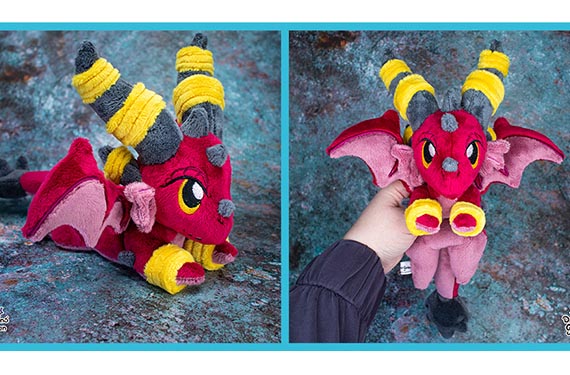
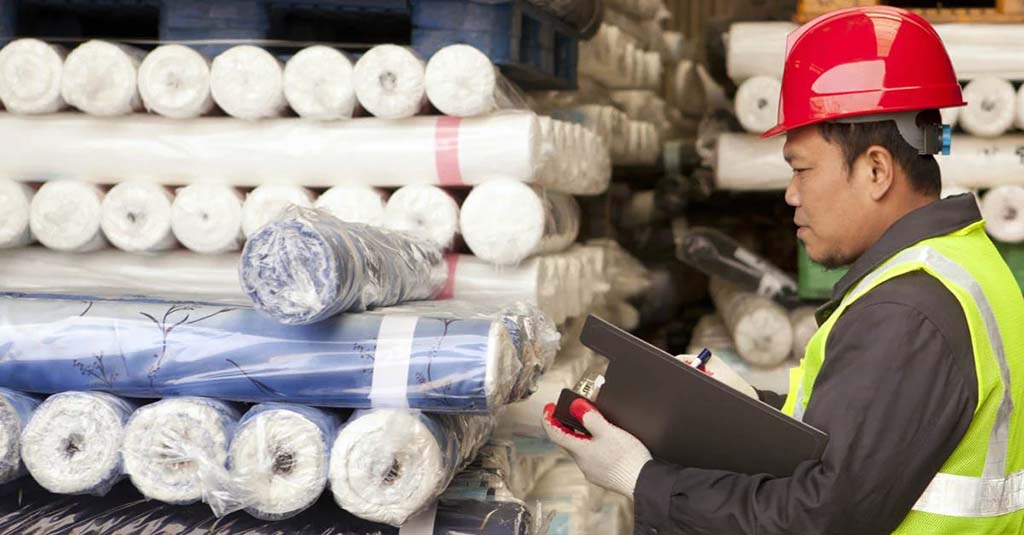
Material choice is one of the most important decisions in balancing plush toy cost and quality. Fabric, filling, lining, accessories, thread, labels, and packaging materials all influence both the buyer’s cost and the end customer’s perception of value.
For plush toys, hand feel is often the first quality signal. A consumer may not understand fabric weight or fiber density, but they immediately notice whether the toy feels soft, thin, rough, stiff, or premium. This is why choosing the cheapest fabric can damage the product even when the design looks acceptable in photos.
| Material Option | Cost Level | Quality Impact | Best Use |
|---|---|---|---|
| Standard short plush | Low to medium | Cost-effective and stable | Promotional plush, budget retail items |
| Minky or ultra-soft plush | Medium to high | Softer hand feel and stronger retail appeal | Premium plush, baby products, comfort toys |
| Long-pile plush | Medium to high | Richer texture but harder to sew consistently | Animal plush, character plush, collectible toys |
| Recycled or organic fabric | High | Supports sustainability positioning | Eco-focused brands and premium programs |
| Standard PP cotton filling | Low | Lightweight and widely used | Most custom plush toys |
| Weighted filling or beads | Medium to high | Adds function and perceived value | Weighted plush, sensory products |
The balanced approach is to match materials to the product’s promise. A low-cost event giveaway may not need premium minky fabric, but it still needs safe materials and secure stitching. A plush toy sold as a comfort product should not use fabric that feels thin or scratchy, because softness is central to the product value.
Buyers should also consider compliance. For the US and EU markets, materials may need to support ASTM F963, CPSIA, EN71, REACH, or other requirements depending on product type and sales channel. Saving money by using uncertain materials can create much larger costs later if testing fails.
How Can Design Complexity Be Optimized Without Weakening Product Appeal?
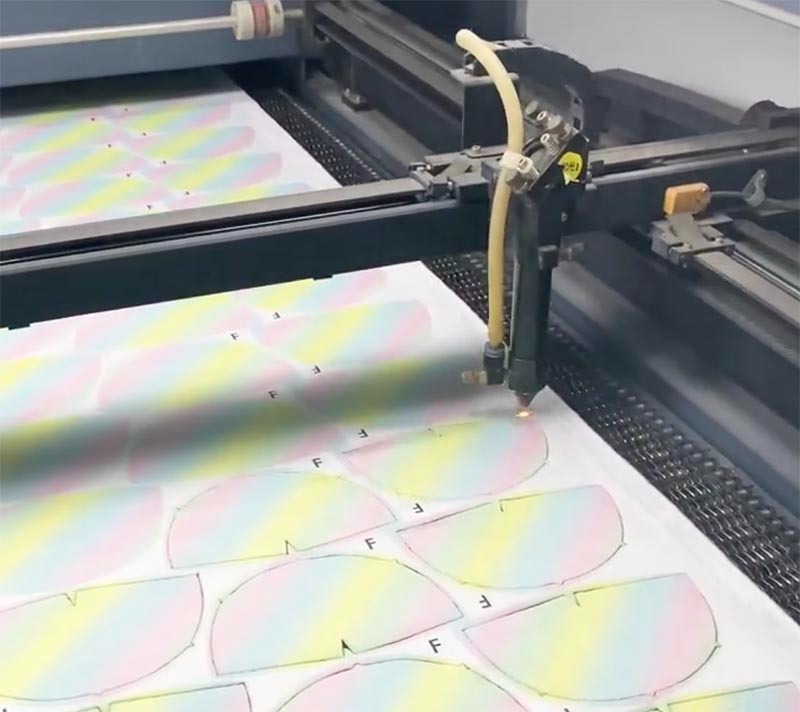
Design complexity can raise cost quickly, but simplifying a plush toy does not have to make it look cheap. The key is to protect the features that define the character or brand identity while simplifying hidden or low-impact construction details.
In plush manufacturing, complexity usually comes from pattern pieces, color changes, embroidery areas, accessories, special fabrics, 3D shapes, and manual finishing. Each added part may require cutting, sewing, alignment, inspection, and rework control.
| Design Detail | Cost Impact | Smart Optimization |
|---|---|---|
| Many small fabric panels | Higher cutting and sewing labor | Combine panels where shape is not affected |
| Large embroidery area | More machine time and thread | Keep embroidery for key facial details |
| Multiple accessories | More material sourcing and assembly | Use only accessories that support the concept |
| Complex 3D shape | More sampling and pattern adjustment | Simplify hidden curves while preserving silhouette |
| Many colorways | Higher material management cost | Start with core colors, expand after demand is proven |
For buyers, the most important question is: which details will customers actually notice? A plush character’s eyes, face shape, body proportion, and signature colors usually matter more than a small seam line on the back. Cost should be protected around visible identity points and reduced in areas that do not affect recognition or user experience.
This is where sampling is valuable. A factory with strong pattern-making experience can suggest changes that reduce sewing difficulty while keeping the design attractive. At Kinwin, this type of design-for-manufacturing discussion often helps buyers reduce cost before bulk production without weakening the final product.
How Does Order Quantity Influence Quality Stability and Unit Cost?
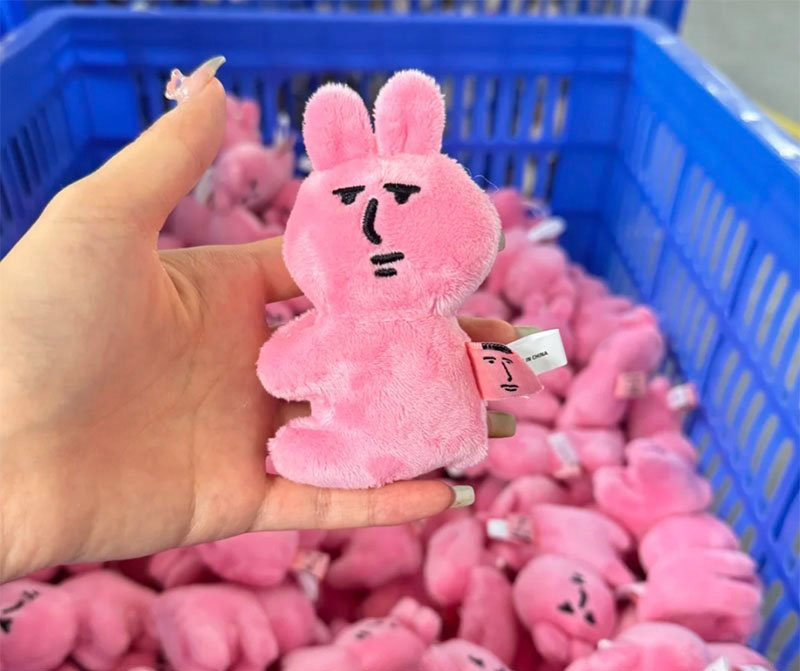
Order quantity has a direct effect on unit cost because fixed development and setup costs are spread across more units. Pattern making, sample adjustment, material sourcing, embroidery programming, production setup, and QC planning all require time whether the order is 300 pieces or 3,000 pieces.
Higher quantities also allow factories to organize production more efficiently. Materials can be purchased in better volume, workers can repeat the same process with greater consistency, and production lines can reduce setup changes. However, larger orders also require stronger QC because any mistake affects more units.
| Order Quantity | Typical Cost Position | Quality Consideration | Buyer Strategy |
|---|---|---|---|
| 100-300 pcs | Highest unit cost | More manual handling and limited efficiency | Use for testing concept or limited launch |
| 500-1,000 pcs | More balanced | Good for first commercial order | Confirm market response before scaling |
| 1,000-3,000 pcs | Competitive unit cost | Requires stable QC checkpoints | Suitable for retail or e-commerce launch |
| 3,000+ pcs | Best volume efficiency | Batch consistency becomes critical | Use approved sample and production control plan |
A common mistake is pushing for a very low MOQ while expecting mass-production pricing. Small orders are useful for reducing inventory risk, but they are not the most efficient way to achieve the lowest unit cost. On the other hand, ordering too much too early can create stock pressure if the product has not been market-tested.
The balanced approach is to choose a quantity that supports both price and learning. Many buyers start with a controlled first order, then increase volume after confirming sales performance, customer feedback, and product quality.
Where Should Buyers Avoid Cutting Costs in Plush Toy Production?
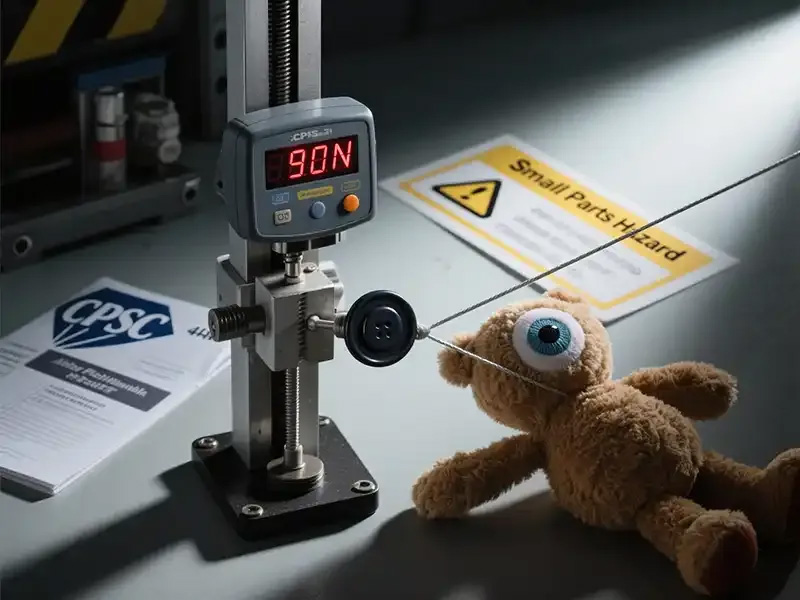
Buyers should avoid cutting costs in areas that affect safety, durability, compliance, customer experience, or shipment acceptance. Some cost reductions are smart. Others simply move the cost from production into returns, complaints, failed testing, or brand damage.
In plush toy production, the most dangerous cost cuts are usually invisible at the quotation stage. A cheaper fabric may look acceptable in a photo but feel poor in hand. Weak stitching may pass a quick visual check but fail during use. Unverified materials may reduce the quote but create compliance risk later.
| Area Not to Cut Too Far | Reason | Possible Consequence |
|---|---|---|
| Safety-compliant materials | Required for many markets and channels | Failed testing or legal risk |
| Seam strength | Protects durability during play and handling | Split seams and customer complaints |
| Stuffing quality | Controls shape, softness, and recovery | Flat or uneven plush toys |
| Embroidery accuracy | Defines face and character expression | Low perceived quality |
| Needle detection and final QC | Protects product safety before shipment | Hidden safety risks and rejected goods |
| Packaging for transit | Prevents crushing, dirt, and moisture issues | Damaged goods on arrival |
If a buyer needs to lower cost, it is usually better to simplify non-critical features than to weaken safety or workmanship. For example, reducing one accessory, simplifying retail packaging, adjusting size slightly, or limiting colorways may be safer than using uncertain fabric or reducing QC.
A transparent manufacturer should help buyers understand these trade-offs clearly. If a supplier simply agrees to every target price without explaining what must change, the buyer may only discover the real cost after the sample or shipment arrives.
How Can Quality Control Reduce Long-Term Cost Risks?
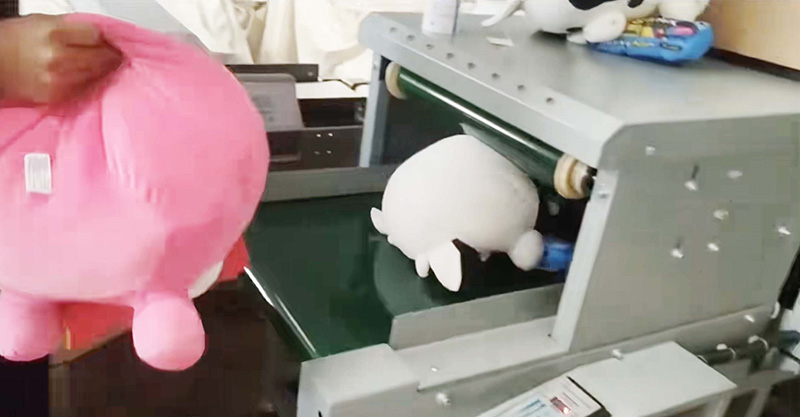
Quality control is often viewed as an added cost, but in plush manufacturing it is one of the strongest ways to reduce long-term cost risk. Good QC prevents small problems from becoming full-batch failures, shipment delays, customer complaints, or expensive rework.
For custom plush toys, quality control should not happen only at the end. It should begin with material inspection, continue through cutting, sewing, stuffing, embroidery, assembly, needle detection, final inspection, and packing. Each checkpoint catches a different type of risk.
| QC Stage | What It Controls | Cost Risk Reduced |
|---|---|---|
| Incoming material inspection | Fabric shade, texture, defects, certification | Wrong material entering production |
| First-off sample check | Production match against approved sample | Batch deviation from the start |
| In-line inspection | Sewing quality, stuffing, shape, embroidery | Large-scale rework |
| Needle detection | Hidden metal contamination | Safety incidents and shipment rejection |
| Final inspection | Appearance, workmanship, quantity, packing | Customer complaints and returns |
Good QC also makes cost more predictable. When issues are found early, they can often be corrected with limited impact. When issues are found after packing or after arrival at the buyer’s warehouse, the cost is much higher because rework, repacking, shipping delays, and communication pressure all increase.
At Kinwin, quality control is treated as part of production cost management, not only product checking. Stable QC helps buyers avoid the hidden costs that do not appear in the first quotation but can damage profitability later.
How to Choose a Plush Toy Manufacturer That Offers the Right Cost-Quality Balance?
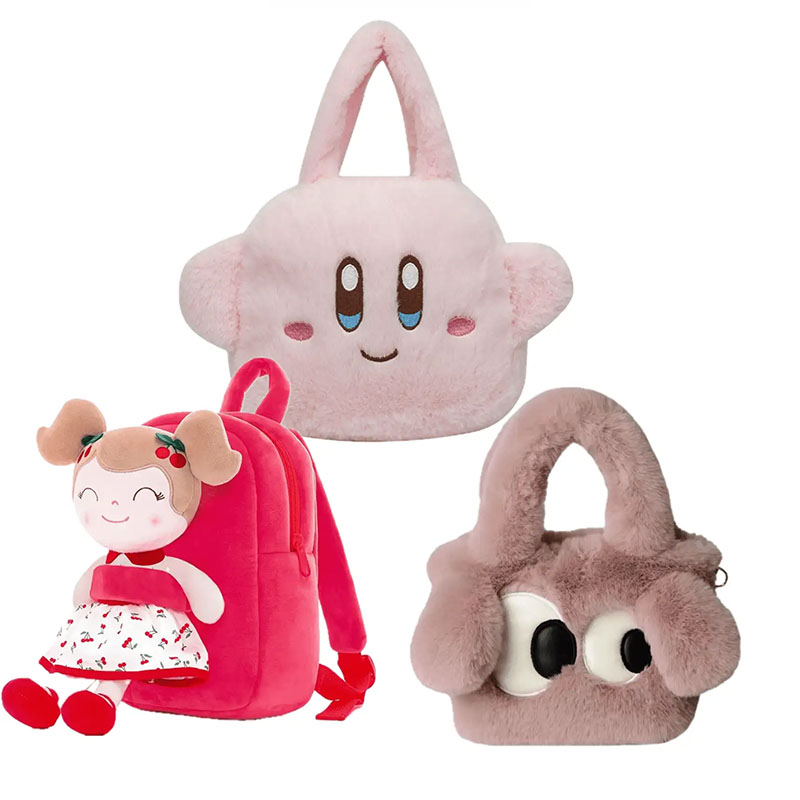
To choose a plush toy manufacturer with the right cost-quality balance, buyers should look for transparency, technical guidance, material options, sampling ability, QC systems, compliance awareness, and realistic communication. The best supplier is not always the cheapest supplier. It is the one that can explain how to reach the target price without damaging the product’s market value.
A reliable factory should be willing to discuss cost openly. This includes explaining what drives the quote, what can be optimized, what should not be cut, and how different order quantities affect pricing. Buyers should feel they are making an informed decision, not guessing what has been included.
| Supplier Capability | Why It Matters | Strong Signal |
|---|---|---|
| Transparent quotation | Shows what the price includes | Supplier explains material, labor, packaging, and testing factors |
| Sampling support | Confirms quality before bulk production | Factory suggests practical improvements during sampling |
| Material comparison | Helps match cost to market position | Multiple fabric and filling options available |
| Production experience | Reduces avoidable design and process issues | Factory understands OEM and ODM plush development |
| QC documentation | Improves buyer confidence before shipment | Inspection reports and photos can be provided |
| Compliance awareness | Protects market entry | Supplier discusses US and EU requirements early |
Buyers should be cautious when a quote is much lower than the market average. Sometimes a lower price is possible through efficient production or material sourcing. But sometimes it means weaker fabric, lower stuffing density, less careful finishing, no real QC, or missing compliance support.
Kinwin supports buyers by helping them compare options before production begins. For custom plush toys, OEM projects, promotional plush, and retail stuffed animals, this practical cost-quality planning helps buyers protect both margin and product reputation.
Conclusion
Balancing cost and quality in plush toys is not about choosing between cheap and expensive. It is about understanding where cost creates value and where it only adds unnecessary complexity. The best plush toy projects control price through smart material selection, efficient design, suitable order quantity, practical packaging, and stable production planning.
At the same time, buyers should not cut corners on safety, seam strength, stuffing quality, compliance, needle detection, or final inspection. These areas protect the customer experience and prevent hidden costs after shipment.
If you are developing a custom plush toy and want to hit a target price without weakening quality, Kinwin can help you compare options, refine specifications, and build a production plan that supports both your budget and your brand standards.
FAQ
What is the best way to reduce custom plush toy cost without lowering quality?
The best way is to simplify non-critical design details, choose materials that match the product’s market position, optimize size and packaging, and select an order quantity that improves production efficiency. Buyers should avoid cutting safety materials, seam strength, or QC.
Does higher price always mean better plush toy quality?
No. A higher price may reflect better materials, more complex design, stricter testing, or custom packaging, but it may also come from inefficient production. Buyers should ask suppliers to explain the cost structure behind the quote.
Which material gives the best balance between cost and softness?
For many custom plush toys, a good-quality short plush or mid-range soft plush fabric offers a practical balance. Premium minky or ultra-soft fabrics are better for baby products, comfort plush, and higher-end retail items.
How does MOQ affect plush toy pricing?
Higher MOQ usually lowers unit cost because setup, sampling, and production preparation costs are spread across more units. However, buyers should balance lower unit cost against inventory risk, especially for first launches.
Can Kinwin help adjust a plush toy design to meet a target price?
Yes. Kinwin can review materials, size, embroidery, accessories, packaging, and production structure to suggest practical ways to reach a target price while protecting the key quality points of the product.