Skip to content
I’m Amanda from Kinwin, a B2B plush toy manufacturer with over a decade of experience. I help brands, retailers, and global buyers create high-quality, safe, and market-ready plushies. This guide walks you through every stage—from planning and design to materials, prototyping, customization, production, and quality control—so your plushie meets customer expectations and regulatory standards.
What are the essential steps in planning and designing a plushie concept?
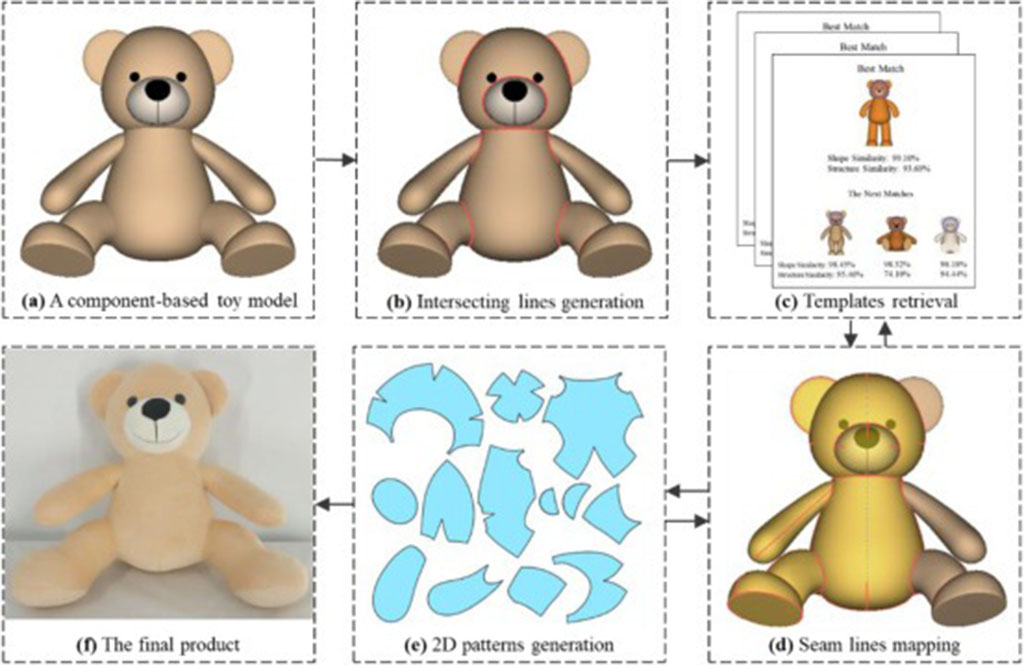
The foundation of any successful plushie is a well-thought-out concept. Planning ensures the product is safe, appealing, and feasible to manufacture.
Steps in planning and design:
- Define target audience: Age, preferences, play patterns, and gifting intent.
- Sketch initial concepts: Include shape, facial features, size, and posture.
- Determine function: Decide if the plushie will have sound, movement, or weighted elements.
- Check feasibility: Ensure design is compatible with available materials, safety standards, and production capabilities.
- Create a design brief: Document all key details for manufacturer communication.
| Step | Purpose | Notes |
|---|---|---|
| Target audience | Guide size, materials, and safety | Babies vs. older children require different standards |
| Concept sketch | Visualize final plushie | Include dimensions and posture |
| Function planning | Decide features | Sound chips, weighted elements, or accessories |
| Feasibility check | Confirm manufacturability | Align design with material availability and budget |
| Design brief | Communicate to factory | Include sketches, color references, and accessory notes |
A clear plan reduces revisions, shortens development cycles, and ensures the plushie meets both creative and practical goals.
How do material choices and fabric textures affect plushie quality and safety?
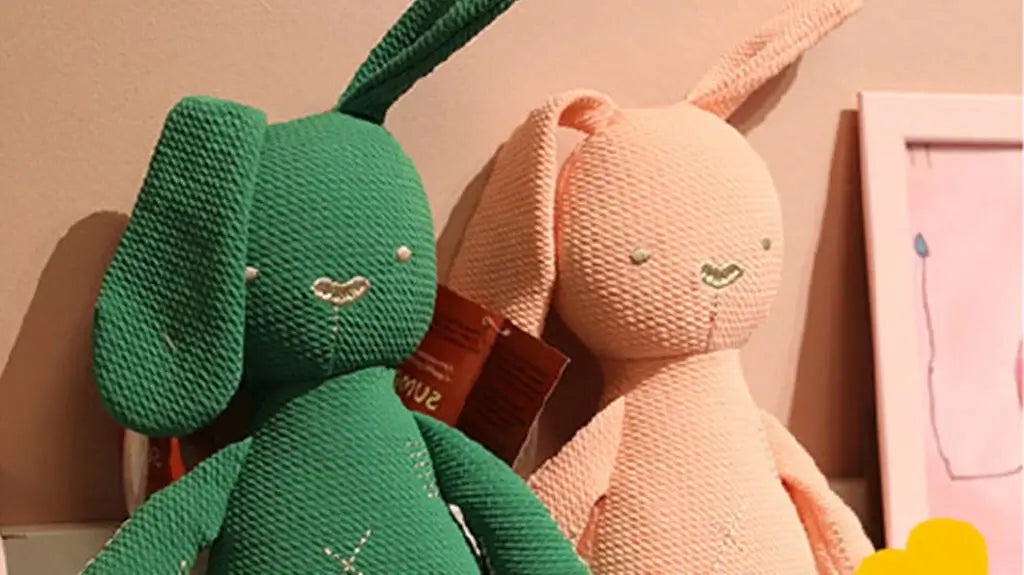
Materials influence softness, durability, appearance, and safety compliance. Fabrics and fills must meet CE, ASTM, or CPSIA standards depending on the target market.
Material considerations:
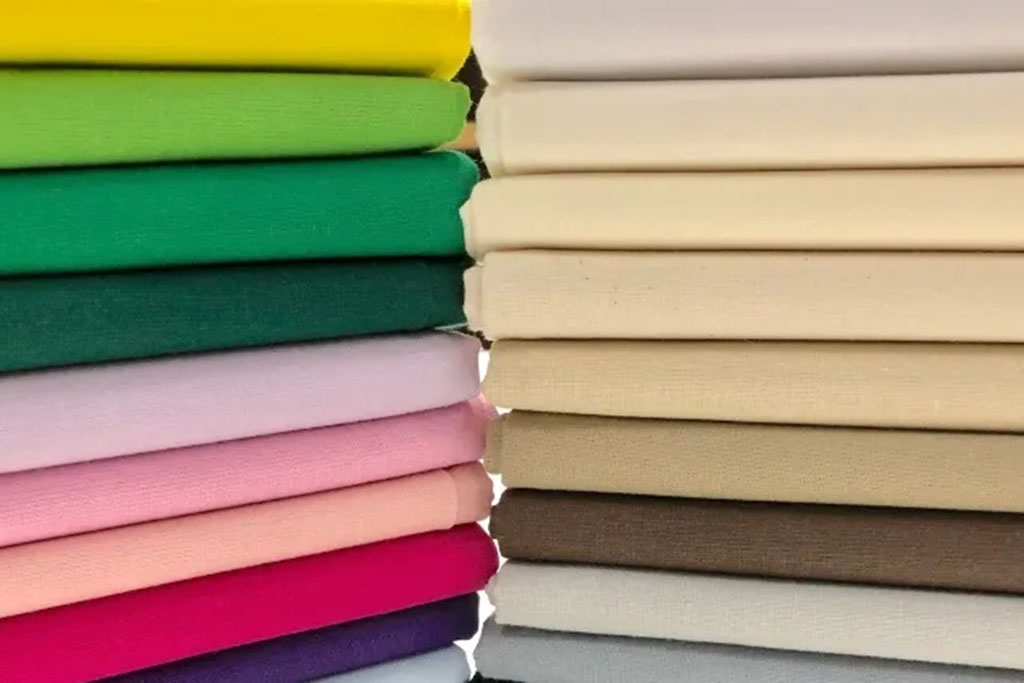
- Outer fabric: Plush, velboa, minky, faux fur, or cotton, chosen for touch and visual appeal.
- Filling material: Polyester fiberfill, foam chips, or pellets, selected for softness and shape retention.
- Accessories: Buttons, ribbons, or embroidered details, ensuring they are securely attached and safe.
- Color and chemical safety: Use certified dyes and OEKO-TEX fabrics to prevent harmful chemicals.
| Material | Pros | Safety Notes | Best Use |
|---|---|---|---|
| Minky | Soft and cuddly | OEKO-TEX recommended | Infant or toddler plush |
| Faux fur | Realistic appearance | Flame resistance testing | Collectible or decorative plush |
| Polyester fiberfill | Lightweight & resilient | CE/ASTM compliant | Standard play plush |
| Foam chips | Shape retention | Encapsulated to avoid leaks | Poseable plushies |
| Embroidery thread | Durable & safe | Non-toxic | Faces, logos, or accents |
Balancing softness, safety, and structure during material selection is key to producing plushies that satisfy both children and buyers.
Which prototyping techniques best validate plushie shapes and features?
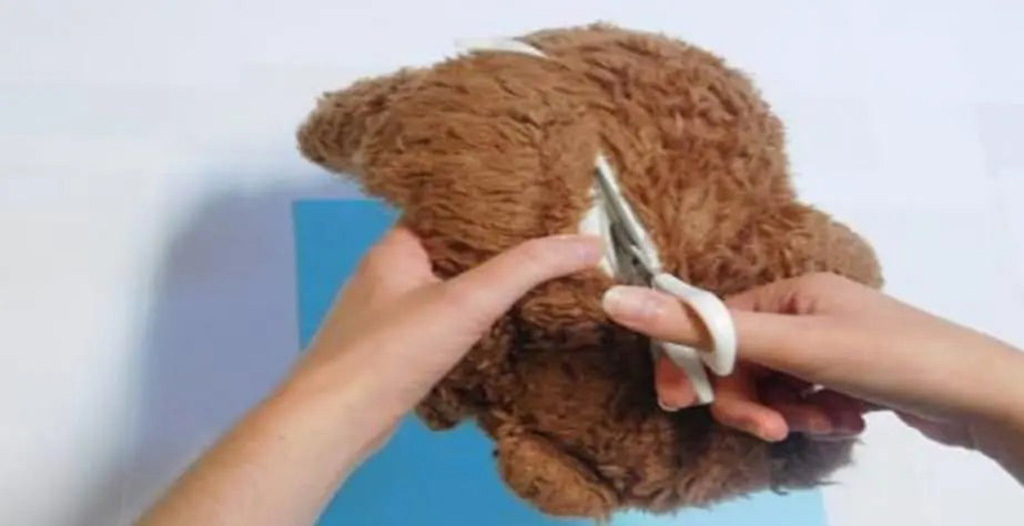
Prototyping transforms designs into physical samples to validate shape, size, and functionality.
Effective prototyping methods:
- Hand-sewn mockups: Quick and cost-effective for initial shape testing.
- Digital CAD modeling: Accurate pattern-making and 3D visualization.
- Full-scale samples: Complete plush with chosen fabrics and fills for tactile testing.
- 3D printed components: Useful for hard parts or accessory testing.
| Prototype Type | Purpose | Advantage | Limitation |
|---|---|---|---|
| Hand-sewn | Shape & proportion testing | Fast & inexpensive | May not reflect final feel |
| CAD / digital | Accurate patterns | Precise and repeatable | Requires technical skill |
| Full-scale sample | Evaluate touch & features | Realistic feel | Higher cost than mockup |
| 3D printed parts | Test accessories | High detail | Not soft, must integrate with plush |
Multiple prototyping rounds allow you to refine size, facial features, and accessory placement before committing to mass production.
How can customization options like embroidery, accessories, and colors be implemented effectively?
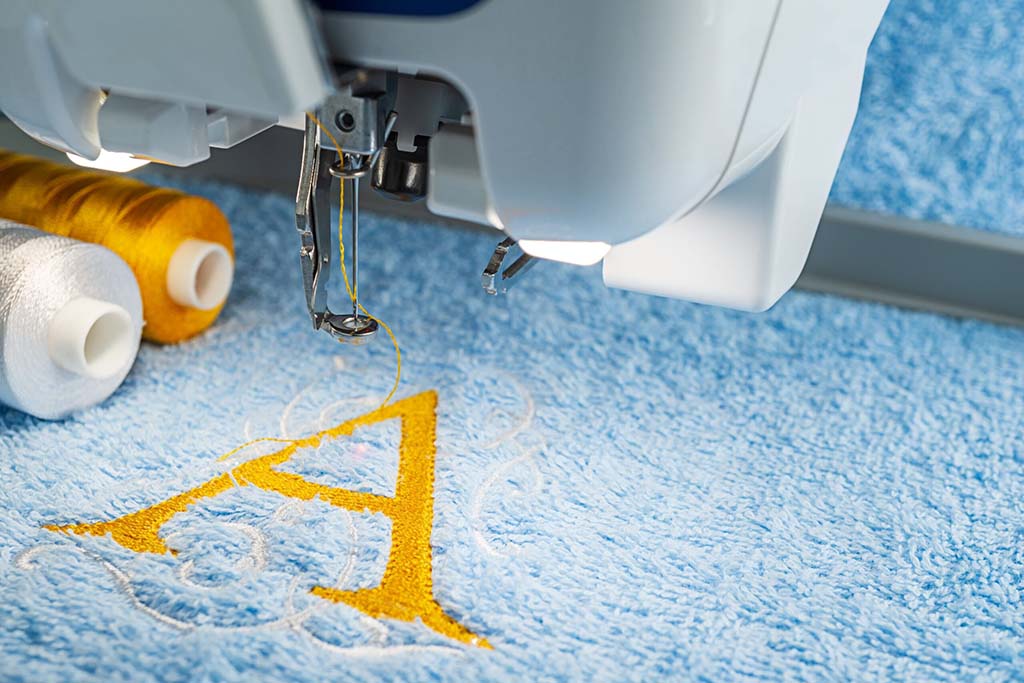
Customization differentiates your plushie and supports branding. Manufacturers provide options for embroidery, accessories, and color variations.
Implementation tips:
- Embroidery: Secure, child-safe, and durable; ideal for logos or facial details.
- Accessories: Hats, scarves, removable items, and clothing; ensure attachment is strong.
- Color variations: Digital color matching ensures consistency across batches.
- Special features: Weighted pellets, sound chips, or textures must be integrated carefully.
| Customization Type | Implementation | Notes |
|---|---|---|
| Embroidery | Machine or hand stitched | Avoid loose parts for young children |
| Accessories | Sewn or detachable | Confirm secure attachment |
| Color variations | Pantone matching or dyed fabric | Maintain color consistency across production |
| Special features | Embedded in fill | Ensure durability & safety compliance |
Documenting all customization details in a Tech Pack ensures accuracy and consistency across multiple production runs.
What does the production process look like from sample approval to bulk manufacturing?
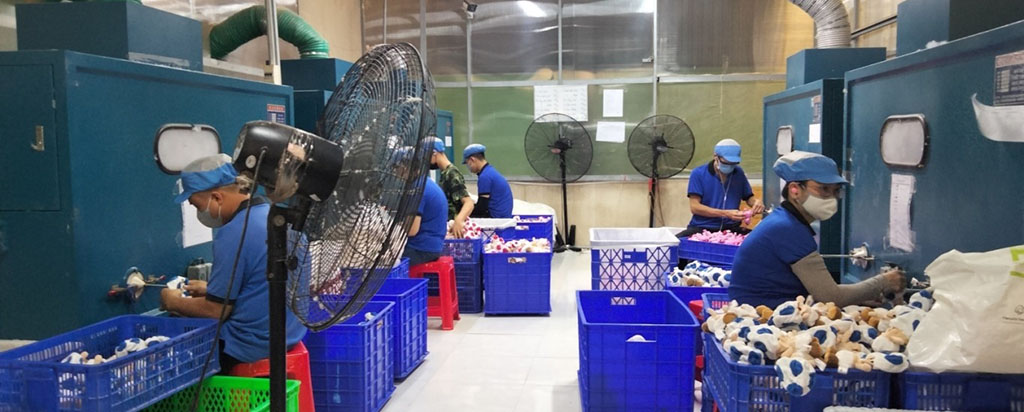
After prototypes are approved, production follows a structured workflow.
Production workflow:
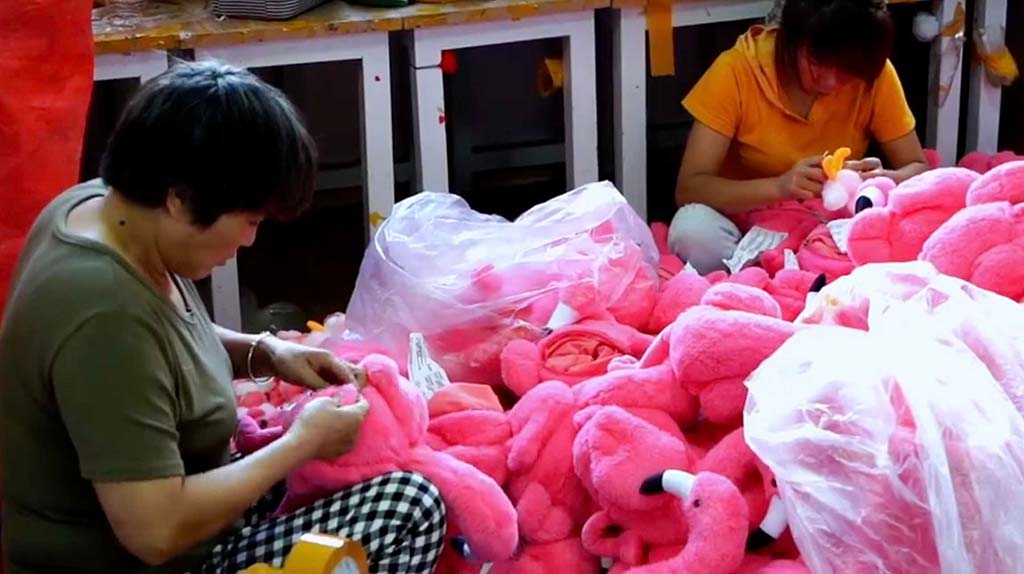
- Material procurement: Fabrics, fills, threads, and accessories are sourced with certificates.
- Pattern making: Factory creates precise templates from approved prototypes.
- Cutting: Accurate fabric cutting minimizes waste.
- Sewing: Shells are stitched with correct seam allowances and strength.
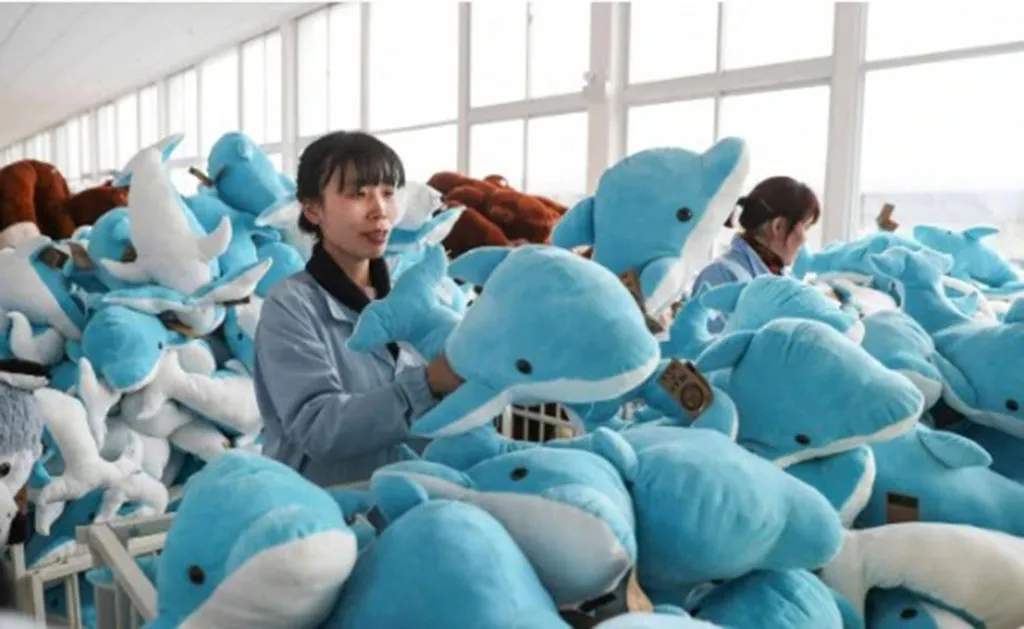
- Stuffing: Fill materials are added to achieve the desired softness and shape.
- Assembly: Accessories and features are attached securely.
- Finishing & inspection: Cosmetic touch-ups and visual inspection for defects.
- Packaging & labeling: Prepared for shipment with appropriate tags and boxes.
| Stage | Description | QC Focus |
|---|---|---|
| Material procurement | Order fabrics, fills, and trims | Check certificates and batch quality |
| Pattern making | Templates for cutting | Match approved prototype |
| Cutting | Cut all fabrics | Inspect for defects or color mismatch |
| Sewing | Assemble plush shells | Check seam strength |
| Stuffing | Add fiberfill, pellets | Verify weight and softness |
| Assembly | Attach accessories | Confirm secure attachment |
| Finishing | Cosmetic inspection | Trim threads, brush fabric |
| Packaging | Tagging and boxing | Label accuracy, protective packaging |
Following this workflow ensures consistency, reduces errors, and maintains quality across large production runs.
How do quality control measures and safety testing ensure a reliable plushie product?
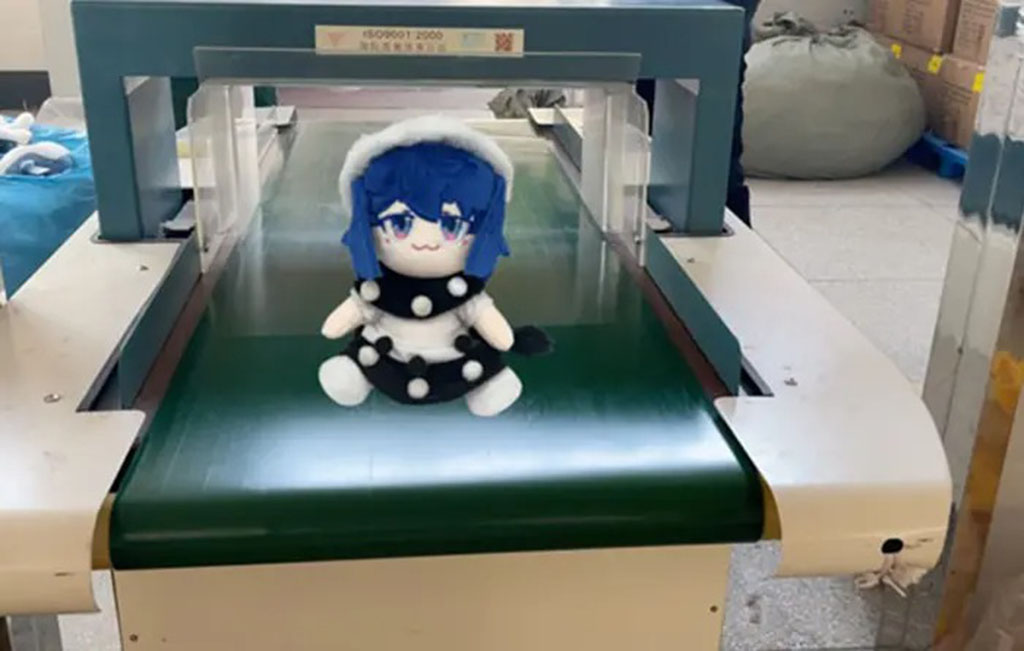
Robust quality control ensures safety, durability, and customer satisfaction. Testing occurs at multiple stages: pre-production, in-line, and post-production.
Key QC measures:
- Fill weight & uniformity: Ensures plush feels consistent across units.
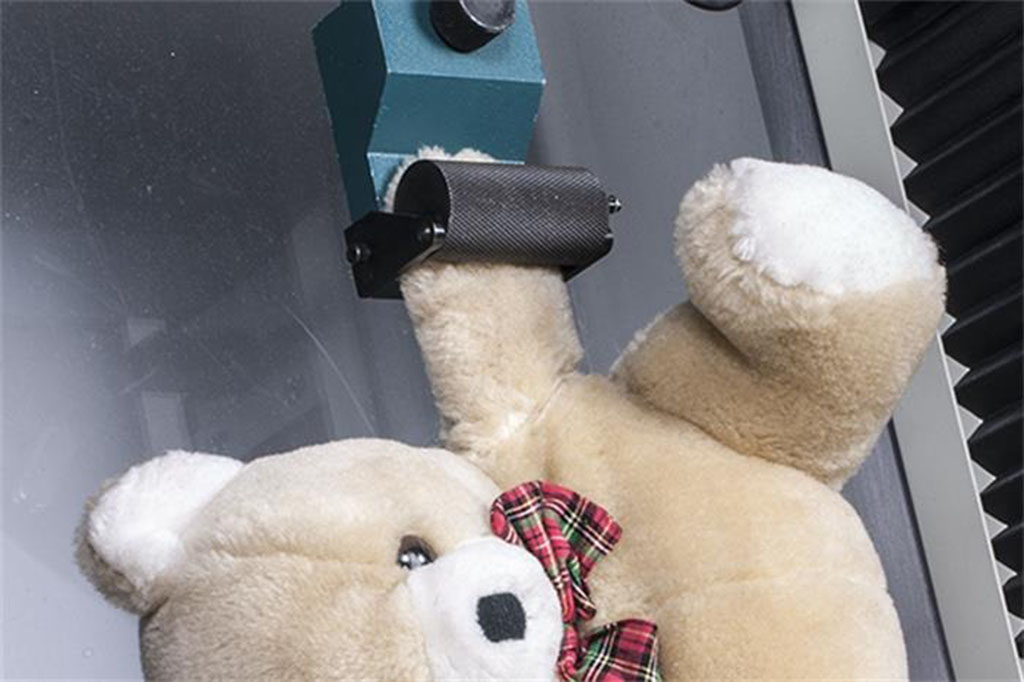
- Seam strength tests: Prevents splitting under normal play.
- Accessory attachment tests: Evaluates security of small parts.
- Wash and durability testing: Confirms longevity of fabric and stitching.
- Chemical compliance testing: Ensures CE, ASTM, and CPSIA regulations are met.
| QC Test | Purpose | Frequency |
|---|---|---|
| Fill weight | Uniform softness & stability | Each batch |
| Seam strength | Prevent splits | Sample-based or AQL standard |
| Accessory security | Avoid choking hazards | 100% for small parts |
| Wash & durability | Confirm product longevity | Sample per batch |
| Chemical safety | Regulatory compliance | Per incoming material lot |
Proper documentation of QC results builds buyer confidence and supports compliance with global toy safety regulations.
Conclusion
Creating a plushie involves careful planning, material selection, prototyping, customization, production, and quality control. At Kinwin, we help global brands and retailers develop plushies that are safe, durable, and market-ready. Contact us at [email protected] or visit kinwintoys.com to explore how our factory can bring your plushie concept to life.