Skip to content
AI plush toys — plush products that integrate microprocessors, sensors, speakers, microphones, wireless connectivity, and responsive software to create interactive, intelligent play experiences — represent one of the most commercially exciting segments of the toy market. They also represent one of the most complex cost management challenges in the category.
The complexity is not primarily in the plush manufacturing component. Standard plush manufacturing — the fabric, filling, pattern engineering, and quality control systems described throughout this guide series — applies to AI plush products in the same way it applies to any other plush product. What changes is the integration of electronic, mechanical, and software systems that each carry their own cost structures, their own compliance requirements, and their own development investment profiles.
Buyers developing AI plush products for the first time often dramatically underestimate total project cost because they budget for the manufacturing component — which they have experience costing from standard plush products — without accurately anticipating the electronic integration, firmware development, compliance certification, or production complexity costs that AI plush requires. The result is a product that arrives at market with a unit cost that cannot support its intended retail price, or a project that consumes more development budget than planned while delivering fewer features than specified.
This guide addresses AI plush cost control at every level — from component selection through production complexity to total project structure — providing the framework for making cost decisions that optimize the commercial economics of AI plush development without compromising the product quality and functional reliability that customers expect from interactive plush products.
What Are AI Plush Toys and What Makes Their Cost Structure Different from Standard Plush?
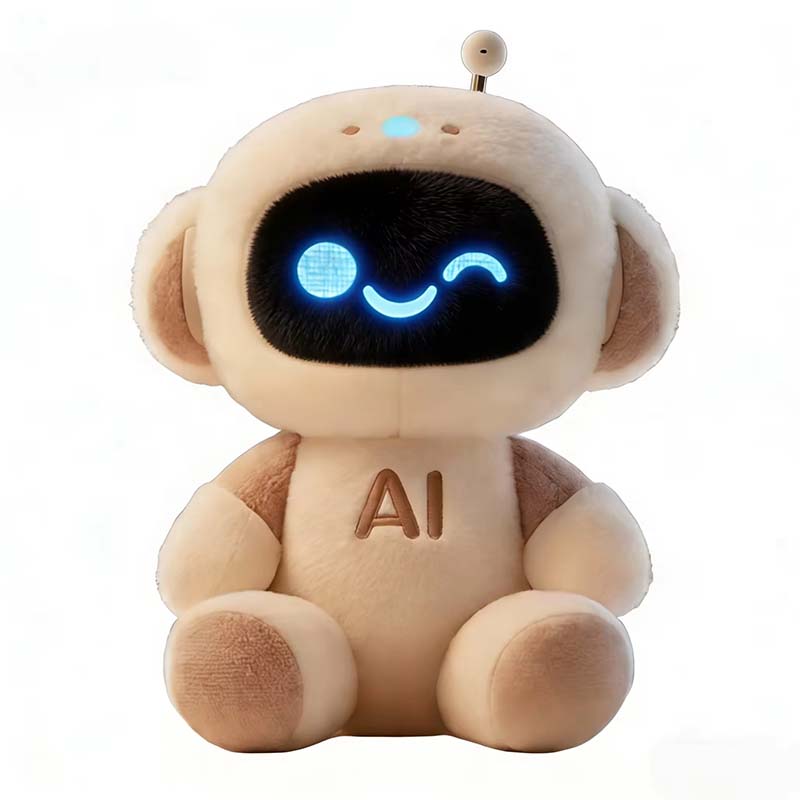
AI plush toys are plush products that integrate active electronic systems — processing capability, sensing capability, output capability, and typically some form of connectivity or responsive intelligence — to create interactive experiences that go beyond the purely tactile and visual qualities of standard plush. The “AI” designation covers a range of product types, from simple voice-activated response products to sophisticated conversational toys with cloud-connected large language model integration.
The cost structure of AI plush products differs from standard plush in four fundamental ways: the presence of electronic components whose cost is determined by semiconductor pricing and supply chain dynamics rather than textile economics, the firmware and software development investment required to make those components function as intended, the compliance certification requirements that electronic products in regulated markets must satisfy beyond standard toy safety requirements, and the production complexity of integrating electronic systems into a plush product reliably and at commercial scale.
Here is a cost structure comparison between standard plush and AI plush at equivalent retail price points:
| Cost Component | Standard Plush ($15 retail) | AI Plush ($45 retail) | AI Plush ($80 retail) |
|---|---|---|---|
| Fabric and materials | 35–45% of production cost | 15–20% | 10–15% |
| Filling | 10–15% | 5–8% | 3–5% |
| Electronic components | 0% | 35–50% | 45–60% |
| Mechanical components | 0–5% | 10–15% | 8–12% |
| Assembly labor | 20–30% | 20–25% | 15–20% |
| QC and testing | 5–10% | 8–12% | 8–12% |
| Firmware/software amortization | 0% | 5–15% | 8–20% |
| Compliance certification amortization | 2–5% | 8–15% | 5–10% |
The AI Feature Spectrum and Its Cost Implications
AI plush products span a wide feature spectrum — and understanding where a specific product sits on that spectrum is the first step in understanding its cost structure. Products at the lower end of the spectrum are significantly less expensive than those at the upper end, and the cost differences are not incremental — they reflect fundamentally different technology architectures.
| Feature Level | Key Technologies | Representative Cost Range (Production) | Compliance Complexity |
|---|---|---|---|
| Basic interactive | Simple touch sensors, pre-recorded audio, LED | $8–$18 production | Toy safety + basic electrical |
| Voice-responsive | Microphone, speaker, local voice processing | $15–$30 production | Toy safety + FCC/CE radio |
| Connected interactive | WiFi/Bluetooth, cloud connectivity, app integration | $25–$50 production | Toy safety + FCC/CE radio + COPPA/GDPR |
| Conversational AI | Cloud LLM integration, natural language processing | $35–$70 production | All above + AI safety + data privacy |
| Full AI companion | LLM + sensors + camera + emotional response | $60–$120+ production | Maximum compliance complexity |
How Do Electronic Component Choices Drive the Majority of AI Plush Toy Costs?
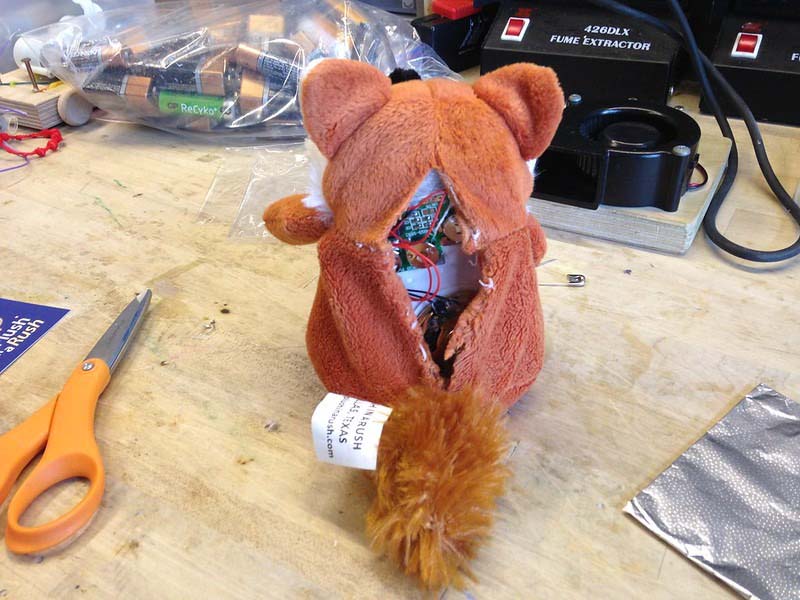
Electronic components are the primary cost driver in AI plush products — typically representing 35 to 60 percent of production cost depending on the feature set. The specific component choices made during product specification — which microprocessor, which wireless module, which speaker, which microphone, which sensor types — determine this cost more than any other single set of decisions in the product development process.
Understanding how each component category contributes to total electronic cost, and what cost optimization options exist within each category, is the most commercially important technical knowledge available for AI plush cost control.
Microprocessor and Main Controller Costs
| Controller Type | Cost Range | Best Application | Cost Trade-off |
|---|---|---|---|
| Simple MCU (ATtiny, PIC) | $0.50–$2.00 | Basic touch response, LED control | Very limited processing — cannot support audio or connectivity |
| Mid-range MCU (ESP32, STM32) | $2–$6 | Local audio playback, Bluetooth, simple sensing | Good cost-performance for non-AI interactive products |
| Application processor (ARM Cortex-A) | $8–$20 | On-device voice processing, local AI inference | Higher cost justified by significant feature capability |
| Advanced AI processor (NPU-equipped) | $15–$40 | On-device LLM inference, computer vision | High cost — justified only at premium price points |
| Cloud-dependent approach (MCU + connectivity) | $3–$8 for hardware | Full LLM capability via cloud | Hardware cost low but cloud service cost ongoing |
The Cloud vs On-Device Processing Decision
One of the most significant cost architecture decisions in AI plush development is whether AI processing occurs on-device — requiring a more expensive processor capable of running local inference — or via cloud connectivity — where a lower-cost processor handles connectivity and audio capture while the AI processing happens in the cloud.
The cost implications of each approach are asymmetric and depend on the production volume and the product’s commercial lifespan:
| Architecture | Hardware Cost | Cloud Service Cost | When It’s More Efficient |
|---|---|---|---|
| On-device processing | High — $15–$40 processor | None — no ongoing service | Large volumes where hardware cost per unit is amortized, no service dependency |
| Cloud-dependent processing | Low — $3–$8 processor | Ongoing — $0.50–$5 per unit per month | Lower volumes where hardware cost savings exceed cloud service cost |
For a product selling 10,000 units with a 24-month expected use lifespan, a $15 hardware cost difference (on-device vs cloud-dependent) translates to $150,000 in hardware cost difference. The cloud service cost over 24 months at $2 per unit per month is $480,000. In this scenario, on-device processing is significantly more economical despite the higher hardware cost. For lower volumes or shorter lifespans, the calculation shifts.
Audio System Cost Optimization
The audio system — speaker, amplifier, and audio output quality — is one of the most cost-variable components in AI plush, with a quality range that spans from barely acceptable to genuinely impressive at very different price points.
| Audio System | Cost Range | Quality Level | Best Application |
|---|---|---|---|
| Basic piezo buzzer | $0.20–$0.50 | Very Low — beep tones only | Not appropriate for voice/conversation features |
| Small speaker, basic amplifier | $1.50–$3.00 | Acceptable — voice intelligible | Budget interactive products |
| Mid-quality speaker, PAM8403 amplifier | $2.50–$5.00 | Good — clear voice, some music | Standard AI plush products |
| Premium speaker, Class D amplifier | $5–$12 | Excellent — full audio range | Premium conversational products |
Audio quality is one of the most customer-perceptible quality dimensions in AI plush products — because the AI’s voice is the primary output channel for the interactive experience. Underinvesting in audio quality to save $2 to $3 per unit consistently creates customer perception problems that outweigh the savings.
Microphone Selection and Cost
| Microphone Type | Cost Range | Quality | Consideration |
|---|---|---|---|
| Basic electret microphone | $0.30–$0.80 | Adequate for close-range voice | Positioning critical — must be accessible within plush |
| MEMS microphone (digital) | $0.80–$2.00 | Good — consistent quality, noise rejection | Better noise rejection — important in background noise environments |
| Dual-microphone array | $2.00–$5.00 | Excellent — directional audio, noise cancellation | Justified for high-end conversational products |
Wireless Connectivity Modules
| Connectivity | Cost Range | Use Case | Compliance Implication |
|---|---|---|---|
| Bluetooth 5.0 (BCM) | $2–$5 | App connectivity, audio streaming | FCC, CE certification required |
| WiFi + Bluetooth (ESP32) | $3–$7 | Full connectivity, OTA updates, cloud | FCC, CE, and regional wireless certification |
| WiFi only | $2–$5 | Cloud connectivity without BT | FCC, CE certification |
| NFC | $1–$3 | App pairing, content unlock | Minimal certification overhead |
| No wireless (local only) | $0 | Offline interactive products | Eliminates wireless certification cost |
How Does Mechanical and Structural Design Affect AI Plush Production Cost?

Mechanical and structural design — how the electronic systems are physically integrated into the plush product’s body — affects production cost through its impact on assembly complexity, component protection reliability, and the maintenance accessibility that some markets require for battery-operated products.
Electronic Housing and Integration Design
The electronic components in an AI plush product must be housed in a way that protects them from the mechanical stress of plush product use — compression, bending, pulling — while remaining integrated within the plush body in a way that does not create uncomfortable hard spots for the user.
| Integration Approach | Cost Implication | Reliability | User Experience |
|---|---|---|---|
| Rigid external housing in separate pocket | Lower — simple housing, separate from plush body | Good — components protected from plush stress | Hard spot perceptible — acceptable for some product types |
| Integrated rigid housing within body | Medium — housing must fit plush construction | Good — requires careful panel design | Hard spot present but positioned for minimal disruption |
| Flexible PCB in conformable housing | Higher — flexible PCB more expensive | Medium — flex reliability requires careful design | Minimal hard spot — premium user experience |
| Removable electronics module | Medium-High — connector and enclosure required | Good — module can be replaced | Battery access and maintenance enabled |
Battery System Design and Cost
Battery selection and battery access design are cost decisions with significant compliance and user experience implications:
| Battery Approach | Cost | Battery Life | Compliance | Access Design |
|---|---|---|---|---|
| Non-rechargeable AA/AAA | $1–$3 (housing) | Good — user replaceable | Toy safety battery compartment requirements | Screw-secured compartment required |
| Rechargeable Li-Ion (internal) | $3–$8 (battery + charging circuit) | Excellent — USB charging | IEC 62368-1 charging safety required | USB port access required |
| Rechargeable Li-Po (flexible) | $4–$10 | Excellent | IEC 62368-1 required | USB port access required |
| Wireless charging | $5–$12 (coil + receiver circuit) | Excellent — no physical port | IEC 62368-1 + Qi certification | No port required — charging pad |
Sensor Integration Costs
| Sensor Type | Cost Range | Integration Complexity | What It Enables |
|---|---|---|---|
| Capacitive touch (simple) | $0.50–$2 | Low | Touch response, simple interaction |
| Pressure sensor array | $3–$8 | Medium | Squeeze detection, hug recognition |
| Accelerometer/gyroscope | $1–$3 | Low-Medium | Motion detection, orientation |
| Temperature sensor | $0.50–$1.50 | Low | Ambient awareness |
| Camera module | $5–$15 | High — requires housing and privacy compliance | Visual interaction — significant compliance complexity |
| Heart rate sensor (optical) | $3–$8 | Medium | Biometric interaction — medical device adjacency concern |
How Do Firmware, Software, and App Development Costs Factor Into the Total Project?
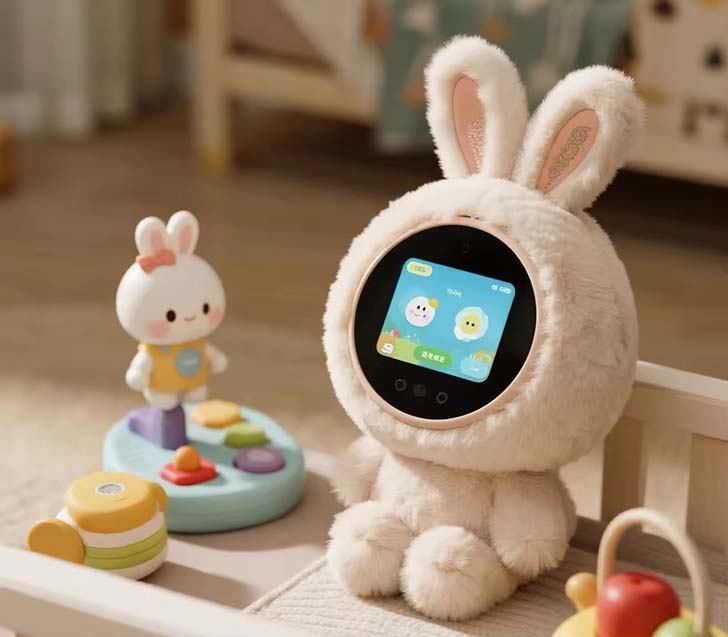
Firmware and software development is the cost component that most consistently surprises buyers developing AI plush products for the first time — because it is a fixed investment that does not scale with production volume in the same way material costs do, and because it requires specialist technical expertise that is typically sourced separately from the plush manufacturing relationship.
Firmware Development Scope and Cost
Firmware — the embedded software that runs on the plush product’s microcontroller — is required for every AI plush product with any electronic functionality. Its development cost depends on the complexity of the features it must implement.
| Firmware Scope | Development Cost Range | Timeline | Who Develops |
|---|---|---|---|
| Basic touch response and audio playback | $5,000–$15,000 | 4–8 weeks | Embedded firmware developer |
| Bluetooth connectivity and app interface | $15,000–$35,000 | 8–16 weeks | Embedded + app developer |
| Voice processing and natural language | $25,000–$60,000 | 12–24 weeks | Specialized AI/voice developer |
| Cloud connectivity and LLM integration | $30,000–$80,000 | 16–32 weeks | Full stack + AI developer |
| Full conversational AI with learning | $60,000–$200,000+ | 24–52 weeks | Specialist AI product team |
App Development for Connected AI Plush
Products with wireless connectivity typically require a companion app — the mobile application that pairs with the plush product, manages content, provides parental controls, and potentially delivers the AI interaction experience.
| App Scope | Development Cost Range | Platform |
|---|---|---|
| Simple Bluetooth pairing app | $10,000–$25,000 | iOS or Android (one platform) |
| Content management app | $20,000–$50,000 | iOS + Android |
| Full AI companion app with conversation history | $50,000–$150,000 | iOS + Android with backend |
| App with parental controls and COPPA compliance | Add $15,000–$30,000 | Platform-specific compliance work |
Cloud Service Ongoing Costs
For products that depend on cloud connectivity for AI processing, ongoing cloud service costs are a critical component of the product’s commercial economics that must be factored into the retail price model from the beginning of the project.
| Cloud Service Component | Monthly Cost per Active Unit | Annual Cost per 10,000 Units |
|---|---|---|
| LLM API calls (GPT-4 level) | $1–$5 depending on usage | $120,000–$600,000 |
| Cloud hosting and API gateway | $0.20–$0.50 | $24,000–$60,000 |
| Content delivery network | $0.10–$0.30 | $12,000–$36,000 |
| Data storage | $0.05–$0.20 | $6,000–$24,000 |
These ongoing costs must be recovered either through the product’s retail price margin, a subscription model, or content monetization — and the commercial model must be designed at the project planning stage rather than discovered after the product is already deployed at scale.
Amortizing Development Investment Across Production Volume
Firmware and software development costs are fixed investments that must be amortized across production volume. At low production volumes, the per-unit amortization is high — potentially making the product commercially unviable at the intended retail price. At high volumes, the per-unit amortization becomes negligible.
| Development Investment | 1,000 Units | 5,000 Units | 20,000 Units | 100,000 Units |
|---|---|---|---|---|
| $30,000 | $30.00/unit | $6.00/unit | $1.50/unit | $0.30/unit |
| $80,000 | $80.00/unit | $16.00/unit | $4.00/unit | $0.80/unit |
| $200,000 | $200.00/unit | $40.00/unit | $10.00/unit | $2.00/unit |
This amortization table explains why AI plush products require minimum viable production volumes that are typically higher than standard plush — and why projects that underestimate production volume at launch consistently discover that their unit economics are unsustainable.
How Do Compliance and Certification Requirements Add Cost for AI Plush Products?
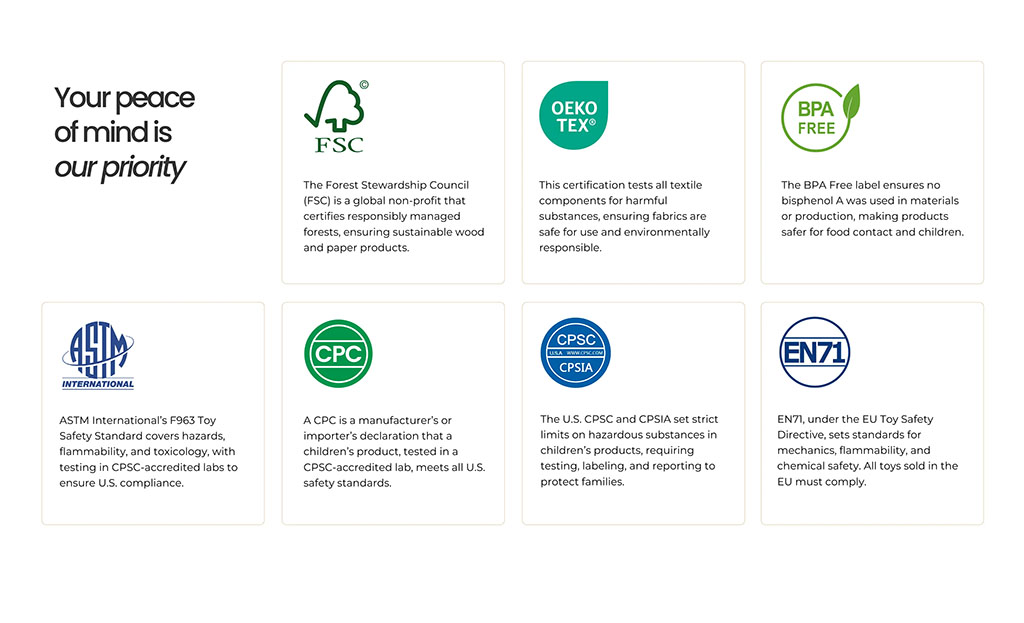
Compliance and certification for AI plush products is significantly more complex and more expensive than for standard plush toys — because electronic products in regulated markets must satisfy requirements across multiple regulatory frameworks simultaneously: toy safety, electrical safety, wireless communication, electromagnetic compatibility, and increasingly, data privacy.
US Market Compliance Requirements
| Requirement | Applicable Standard | Testing Cost Range | Certification Body |
|---|---|---|---|
| Toy safety | ASTM F963, CPSIA | $400–$700 | CPSC-accepted laboratory |
| Electrical safety | UL 62368-1 (if rechargeable) | $2,000–$5,000 | UL or equivalent |
| FCC certification (if wireless) | FCC Part 15 | $3,000–$8,000 | FCC-registered test laboratory |
| COPPA compliance (if children’s connected toy) | FTC COPPA Rule | $5,000–$20,000 legal/compliance | Legal counsel + privacy engineer |
| FCC ID display | FCC marking requirement | $0 (administrative) | Importer obligation |
EU Market Compliance Requirements
| Requirement | Applicable Standard | Testing Cost Range | Documentation |
|---|---|---|---|
| Toy safety | EN71 Parts 1–3 | $500–$900 | CE DoC required |
| Electrical safety | EN 62368-1 | $1,500–$4,000 | CE DoC required |
| Radio equipment | RED Directive, EN 300 328 (WiFi/BT) | $2,000–$6,000 | CE DoC required |
| EMC | EN 55032, EN 55035 | $1,500–$4,000 | CE DoC required |
| RoHS compliance | EU 2011/65/EU | $500–$1,500 | Material documentation |
| GDPR compliance (if connected) | EU General Data Protection Regulation | $10,000–$30,000+ | Privacy impact assessment, data processing agreements |
Total Compliance Cost Summary
For a connected AI plush product targeting both US and EU markets, the total compliance investment across all applicable requirements is typically:
| Market Scope | Compliance Investment Range | Notes |
|---|---|---|
| US market only | $15,000–$40,000 | Toy + electrical + FCC + COPPA |
| EU market only | $15,000–$45,000 | Toy + electrical + RED + EMC + GDPR |
| US + EU combined | $25,000–$70,000 | Significant overlap in testing |
| US + EU + additional markets | $35,000–$100,000+ | Each additional market adds incremental cost |
This compliance investment must be factored into the project budget from the beginning — it is not an optional enhancement but a legal requirement for market entry in regulated markets, and discovering it after product development is largely complete creates the most expensive possible discovery timing.
How Do Production Complexity and Quality Control Requirements Affect Unit Economics?
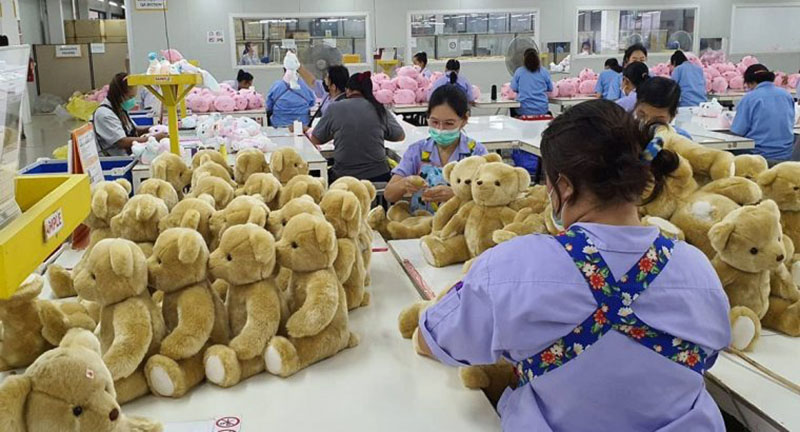
AI plush products have production complexity that is significantly higher than standard plush — because each unit requires not just the standard plush manufacturing operations but electronic assembly, firmware flashing, functional testing, and the integration quality verification that ensures the electronic and plush components work correctly together.
Production Operations Comparison
| Operation | Standard Plush | AI Plush Additional |
|---|---|---|
| Fabric cutting and sewing | Standard | Same |
| Stuffing and filling | Standard | Same |
| Electronic assembly | Not applicable | PCB installation, wiring, connector attachment |
| Firmware flashing | Not applicable | Each unit requires firmware programming |
| Functional test — electronic | Not applicable | Each unit tested for all electronic functions |
| Audio quality verification | Not applicable | Speaker output tested per unit |
| Wireless connectivity test | Not applicable | BT/WiFi pairing confirmed per unit |
| Integration test | Not applicable | Electronic function within completed plush confirmed |
| Battery safety check | Not applicable | Charge state and protection circuit verified |
| Final QC — combined | Standard visual and physical | Standard plus electronic function verification |
Per-Unit Testing Time and Cost
The per-unit electronic testing and firmware operations add meaningful time and cost to each unit’s production:
| Testing Operation | Time Per Unit | Cost Per Unit (labor) |
|---|---|---|
| Firmware flashing | 2–5 minutes | $0.10–$0.25 |
| Basic functional test | 3–8 minutes | $0.15–$0.40 |
| Full functional test (all features) | 8–20 minutes | $0.40–$1.00 |
| Audio output verification | 2–4 minutes | $0.10–$0.20 |
| Wireless connectivity test | 3–6 minutes | $0.15–$0.30 |
| Integration in completed product | 3–8 minutes | $0.15–$0.40 |
| Total electronic testing | 21–51 minutes | $1.05–$2.55 |
This per-unit electronic testing cost — $1 to $2.50 per unit — is a fixed addition to the production cost of every AI plush unit regardless of order volume. At 5,000 units, this represents $5,000 to $12,500 in quality control cost that does not exist for equivalent standard plush products.
Rework Rate and Cost at Electronic Assembly
Electronic assembly introduces a defect category — electronic component failures, soldering defects, firmware loading errors, connector seating failures — that does not exist in standard plush manufacturing. The rework rate for electronic assembly is typically 2 to 5 percent, depending on component complexity and assembly process maturity.
At 5,000 units with a 3 percent electronic defect rate, 150 units require electronic rework. At $5 to $15 per unit rework cost, this is $750 to $2,250 in additional production cost that must be included in the unit economics model.
How Do Order Volume Strategy and Component Sourcing Affect AI Plush Cost Efficiency?
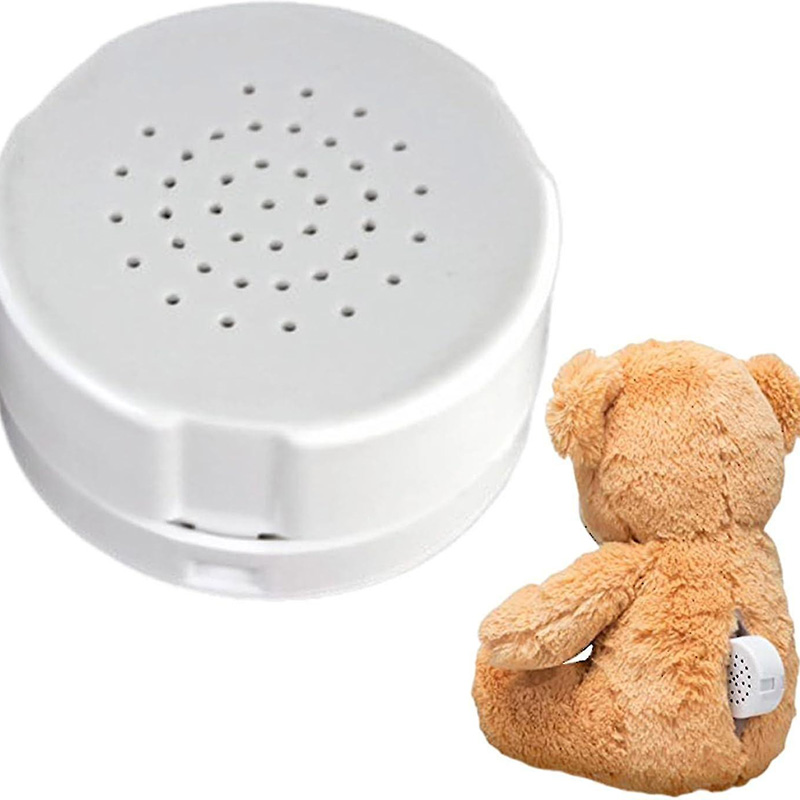
Component sourcing and order volume strategy have larger cost efficiency impacts in AI plush than in standard plush — because electronic component pricing is significantly more volume-sensitive than textile pricing, and because the fixed costs of AI plush development are larger and therefore more sensitive to the volume over which they are amortized.
Electronic Component Volume Pricing
| Component | 500 Units Price | 2,000 Units Price | 10,000 Units Price | 50,000 Units Price |
|---|---|---|---|---|
| ESP32 WiFi/BT module | $4.50 | $3.20 | $2.40 | $1.80 |
| 2W speaker | $1.80 | $1.20 | $0.85 | $0.60 |
| MEMS microphone | $1.20 | $0.85 | $0.60 | $0.40 |
| Li-Po battery 1000mAh | $3.50 | $2.60 | $1.90 | $1.40 |
| Touch sensor IC | $0.80 | $0.55 | $0.38 | $0.25 |
| Total component example | $11.80 | $8.40 | $6.13 | $4.45 |
The component cost difference between 500 and 10,000 units — $11.80 versus $6.13 — is $5.67 per unit. On 10,000 units, this difference represents $56,700 in total component cost — a significant commercial impact from volume strategy alone.
Component Sourcing Strategy
| Sourcing Approach | Cost Level | Risk | Best Application |
|---|---|---|---|
| Spot market — per order | Highest | High price volatility | Development stage only |
| Blanket purchase order — annual volume | Medium | Volume commitment required | Established products with predictable demand |
| Component stocking — manufacturer’s stock | Medium | Obsolescence risk | Products with long component lifecycles |
| Alternative component qualification | Medium | Qualification investment | Risk management for single-source components |
| PCBA from contract electronics manufacturer | Variable — typically lower at volume | Supply chain complexity | High-volume products where full electronics outsourcing is viable |
Volume Minimum for AI Plush Commercial Viability
AI plush products have higher minimum viable volumes than standard plush — because the fixed costs of firmware development, compliance certification, and tooling must be amortized across a volume that makes the per-unit cost commercially sustainable at the intended retail price.
A practical commercial viability assessment for a mid-feature AI plush product:
| Cost Category | Fixed Investment | Per-Unit Variable | Break-even Volume (at $45 retail, 30% gross margin target) |
|---|---|---|---|
| Firmware development | $40,000 | $0 | — |
| Compliance certification | $30,000 | $0 | — |
| Tooling (housing molds) | $15,000 | $0 | — |
| Total fixed | $85,000 | — | |
| Variable production cost | $0 | $18 | — |
| Retail margin (retailer 50%) | $0 | $22.50 revenue to brand | — |
| Target gross margin (30%) | $0 | $13.50 gross | — |
| Available for fixed cost amortization | $0 | $4.50 | ~18,900 units |
This analysis reveals that a mid-feature AI plush product at $45 retail requires approximately 18,900 units before fixed development and certification costs are recovered — which means any initial production run significantly below this level produces negative gross margins when fixed costs are properly allocated.
How Should Buyers Structure Their AI Plush Development to Optimize Total Project Cost?
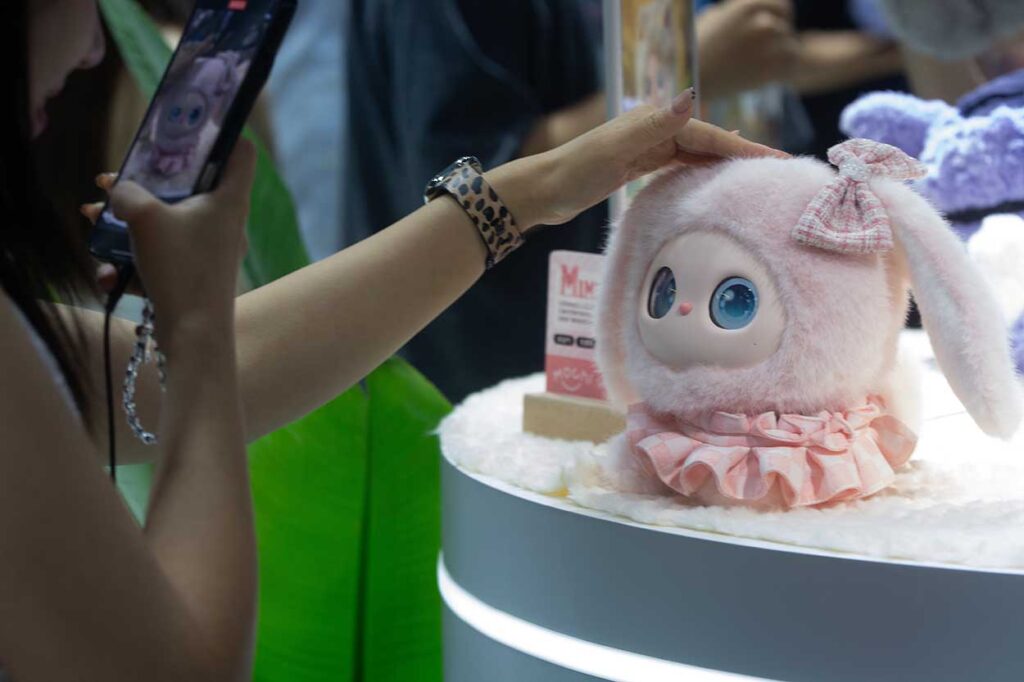
Optimizing total project cost for AI plush products requires a development structure that accounts for the full cost architecture — not just the production unit cost — and that sequences development decisions to maximize cost information before commitment is made.
Development Stage Cost Optimization Framework
| Development Stage | Cost Optimization Action | Commercial Impact |
|---|---|---|
| Concept and feature definition | Define minimum viable feature set — resist feature creep | Reduces firmware scope and component cost |
| Technology architecture | Cloud vs on-device processing decision | Most impactful cost architecture decision |
| Component specification | Volume-based component selection at realistic forecast volume | Accurate BOM cost estimation |
| Compliance mapping | Identify all applicable requirements before design is finalized | Prevents costly redesign for compliance |
| Firmware development | Fixed-price milestone contract with defined scope | Controls largest fixed cost |
| Plush design integration | Collaborate with plush manufacturer on electronic integration | Reduces integration redesign cost |
| Prototyping | Build functional prototype before tooling investment | Prevents tooling waste |
| Compliance testing | Test during development — not at completion | Prevents post-production compliance failure |
| Production planning | Realistic volume forecast for component purchasing | Prevents over-ordering and under-ordering cost waste |
The Minimum Viable Product Approach
One of the most effective cost control strategies for AI plush development is the minimum viable product approach — defining the smallest feature set that delivers the core interactive value proposition, developing and launching that version, and using market revenue to fund subsequent feature development.
This approach reduces the initial development investment by deferring non-essential features to subsequent product iterations, reduces the compliance certification scope for the initial version by limiting the regulatory complexity of the feature set, and provides market validation before the full development investment is committed.
The risk of the MVP approach is that a feature set that is too minimal may not attract sufficient customer interest to fund the subsequent iterations. The art of AI plush MVP definition is identifying the features that are genuinely core to the value proposition — typically the interaction quality, the audio experience, and the personality of the AI character — and deferring the features that enhance without being essential, such as advanced sensing, secondary content formats, or expanded connectivity options.
Plush Manufacturing Integration — Where Kinwin Adds Value
For AI plush products, the plush manufacturing component — the fabric, pattern, filling, and construction elements — is the dimension where our expertise is most directly applicable. We support AI plush development by providing:
| Support Area | What We Provide | Value to AI Plush Project |
|---|---|---|
| Electronic housing integration design | Pattern engineering that accommodates housing dimensions without visible hard spots | Reduces integration redesign iteration |
| Speaker and microphone placement guidance | Experience-based recommendations for audio aperture placement | Improves audio performance within plush construction |
| Battery access design | Pattern and construction approaches for accessible battery compartment or charging port | Enables compliance and user experience requirements |
| Plush durability for electronic products | Higher seam strength specifications for products subject to greater use stress | Reduces field failure risk |
| Electronic component protection | Soft protection layer design between housing and outer fabric | Reduces hard spot perception |
| Wash instruction guidance | Guidance on washability given electronic integration | Manages customer expectation and compliance labeling |
| Pre-production timeline integration | Production timeline that accounts for electronic assembly and testing | Prevents timeline underestimation |
We work alongside electronic development teams and contract electronics manufacturers — not as a replacement for them but as the plush manufacturing partner who ensures that the electronic integration is physically realized in a plush product that meets quality, durability, and user experience standards.
If you are developing an AI plush product and want to understand how to structure the plush manufacturing component — what housing integration approaches work best, how to specify the plush construction for electronic product durability, and how to plan the production timeline to include electronic assembly and testing — we would be glad to discuss the plush manufacturing dimensions of your project.
Reach out to our team at [email protected] or visit kinwintoys.com to start that conversation.
Conclusion
Cost control for AI plush toys requires a fundamentally different analytical framework from standard plush cost management — because the cost architecture spans electronic components, firmware development, compliance certification, production complexity, and ongoing service costs in addition to the standard plush manufacturing economics.
The buyers who achieve the best AI plush cost outcomes are those who understand the complete cost architecture from the project’s earliest stages — defining the feature set against its total cost implications, making the technology architecture decisions that most directly determine unit economics, and building the compliance and development investment into the project budget from the beginning rather than discovering it as the project progresses.
The production and manufacturing component — the plush body, the fabric quality, the filling density, the construction standards — remains subject to the same cost optimization principles that apply to any plush product, as described throughout this guide series. Managing these well contributes meaningfully to the overall project economics, particularly at the scale where manufacturing cost becomes a significant proportion of total project investment.
At Kinwin, we bring our plush manufacturing expertise to AI plush projects as a specialized application of the same quality and development standards we apply to all products — adapted to the specific integration requirements that electronic plush products create.
FAQ
Q1: At what production volume should buyers consider transitioning from cloud-dependent AI processing to on-device AI processing, and what triggers this transition decision?
The transition from cloud-dependent to on-device processing is economically justified when the cumulative cloud service cost over the product’s lifespan exceeds the hardware cost premium of on-device processing across the production volume. The break-even calculation requires three inputs: the hardware cost premium per unit for on-device versus cloud-dependent architecture (typically $10 to $30), the expected monthly cloud service cost per active unit, and the expected product lifespan in months. If (monthly cloud cost × lifespan months) > hardware premium, on-device processing is more economical. For example, at $2 per unit per month cloud cost over a 24-month product life, the total cloud cost per unit is $48 — which exceeds any realistic on-device hardware premium. This calculation suggests on-device processing is almost always more economical for products with multi-year use lifespans, while cloud-dependent processing may be more economical for products with shorter expected use or much lower usage intensity. Beyond economics, on-device processing also eliminates cloud service dependency risk, enables offline functionality, reduces latency, and may have data privacy advantages — all of which have commercial value that should factor into the decision alongside the pure cost calculation.
Q2: How should buyers handle the situation where their AI plush product’s firmware requires significant updates after launch — and what does this cost to manage?
Post-launch firmware updates are an operational requirement for most AI plush products — particularly those with wireless connectivity that enables over-the-air (OTA) updates. Planning for post-launch firmware management requires: a technical infrastructure for OTA update delivery (typically a CDN-backed update server), a quality assurance process for update validation before release, a rollout strategy that prevents simultaneous mass updates from overwhelming the update infrastructure, and an ongoing engineering resource to develop and validate updates. The cost of maintaining this infrastructure is typically $1,000 to $5,000 per month for small to medium deployments, plus the engineering time for each update development cycle. Buyers who do not plan for this cost during development discover it when the first post-launch issue requires an update — at which point the infrastructure must be built while the issue is already in customers’ hands. The mitigation is treating OTA infrastructure as part of the initial development scope, not as a post-launch addition, and budgeting ongoing firmware maintenance as part of the product’s operational cost model.
Q3: What is COPPA, how does it apply to AI plush products, and what are the cost implications of compliance?
COPPA — the Children’s Online Privacy Protection Act — is a US federal law that governs the collection of personal information from children under 13 years old in online and connected contexts. For AI plush products that connect to the internet and collect or transmit any data from users who may be children under 13, COPPA compliance is a legal requirement for US market products. The compliance requirements include: clear parental notice and consent before collecting children’s data, strict limitations on what data can be collected and how it can be used, secure data storage and transmission, data deletion rights for parents, and prohibition on conditioning a child’s participation on providing more personal information than necessary for the activity. COPPA compliance for an AI plush product typically requires: legal review of the data collection practices to assess COPPA applicability and requirements ($5,000 to $15,000), privacy policy drafting and parental consent flow design ($3,000 to $8,000), technical implementation of COPPA-compliant data handling in the backend infrastructure ($10,000 to $25,000), and ongoing compliance monitoring. The total COPPA compliance investment for a mid-complexity AI plush product is typically $20,000 to $50,000, which must be budgeted as a fixed project cost rather than a variable per-unit cost.
Q4: How does the presence of a camera in an AI plush product change its compliance requirements, and is camera integration commercially advisable for children’s AI plush?
Camera integration in children’s AI plush products creates the most complex compliance situation in the category — because cameras in connected devices used by children trigger regulatory scrutiny across toy safety, child privacy, and in some cases, surveillance and biometric data regulations. In the US, COPPA compliance for camera-equipped connected toys requires specific consent flows for any images captured of children, restrictions on how captured images can be processed and stored, and potentially compliance with state-level biometric privacy laws (Illinois BIPA, Texas, Washington) if the camera performs any facial recognition function. In the EU, GDPR Article 9 special category data provisions apply to biometric data, creating significant data processing obligations. Beyond compliance, camera-equipped children’s toys have faced significant public and regulatory scrutiny following several high-profile security incidents with connected camera products — creating brand risk that extends beyond the compliance investment. The commercial advisability assessment for camera integration should include: the genuine interactive value that camera functionality adds versus alternative sensing approaches, the full compliance investment required, the ongoing security maintenance responsibility for a camera-equipped connected product, and the brand risk management required. For most AI plush products, the complexity and risk of camera integration is not justified by the incremental interactive value, and alternative sensing approaches — touch, audio, motion — deliver comparable interaction quality without the compliance burden.
Q5: What is the most effective approach for buyers who want to develop an AI plush product but have a limited development budget — where should the budget be concentrated for the best commercial outcome?
For buyers with limited AI plush development budgets, the most effective concentration of resources follows a clear priority hierarchy based on which investment most directly determines the product’s commercial success. First priority is audio quality — the speaker, amplifier, and microphone system. Audio is the primary channel through which the AI’s personality and intelligence is communicated to the user, and the quality gap between acceptable and excellent audio is perceivable by every customer in every interaction. A limited budget concentrated on excellent audio quality produces a better customer experience than the same budget spread equally across all components. Second priority is firmware quality — specifically the responsiveness and naturalness of the AI interaction. Slow response times, awkward conversation flow, or repetitive interactions destroy the product’s value proposition regardless of hardware quality. Third priority is plush material quality — because the plush component is what the customer holds and what creates the emotional connection with the AI character. A product that sounds great and responds naturally but feels cheap will not achieve premium positioning. Deferred to later iterations: advanced sensing beyond basic touch, multiple content categories, advanced connectivity features, and visual elements beyond basic LED. This concentration strategy produces a product that is excellent at its core value proposition while being commercially viable at a lower development investment than a fully featured product would require.