Skip to content
Stuffed toys are often a baby’s first companion. They provide comfort, stimulation, and early learning opportunities. However, not every plush toy is safe for infants. The best stuffed toys for babies must meet strict safety standards, use soft fabrics, and be designed with both comfort and hygiene in mind.
At Kinwin, I work with buyers who source plush toys for retail, e-commerce, and promotional baby products. In this guide, I’ll explain what makes stuffed toys safe, suitable, and appealing for babies worldwide.
What safety standards must the best stuffed toys for babies meet?
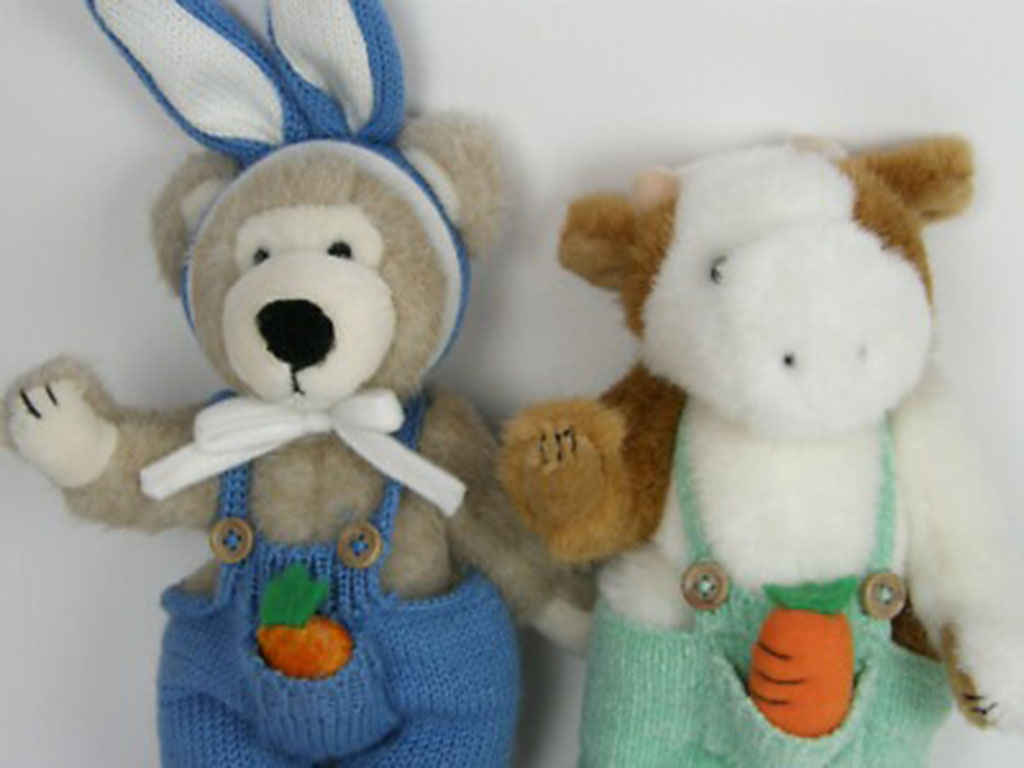
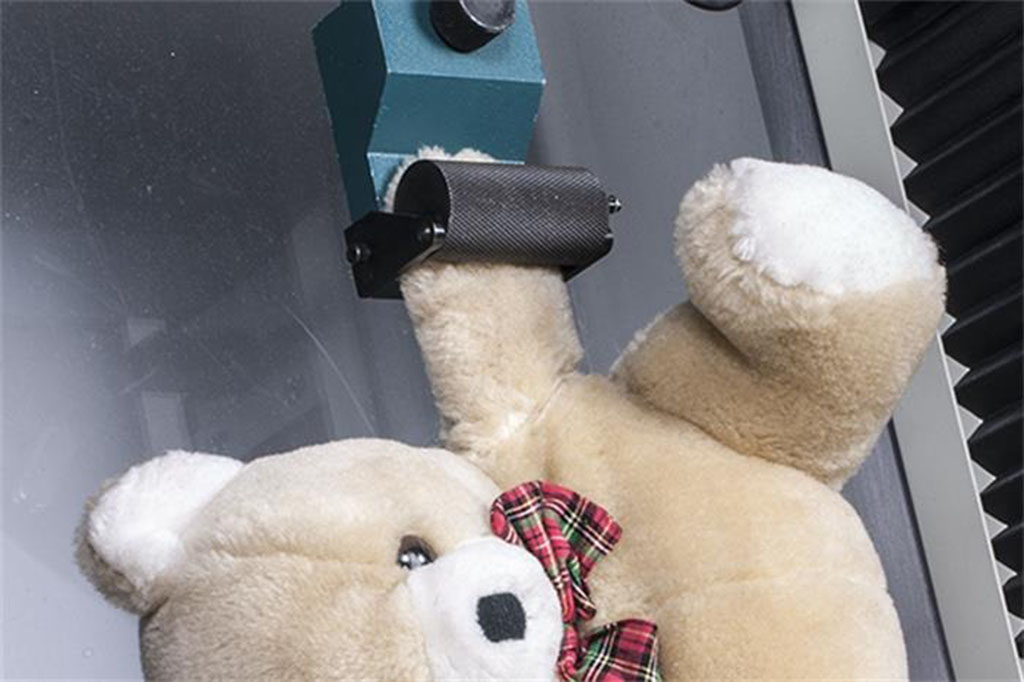
Safety is the number one priority when it comes to baby toys. International regulations require strict compliance to ensure infants are not exposed to choking, suffocation, or toxic risks.
Key safety standards include:
- CE certification (Europe): Covers mechanical safety, flammability, and chemical limits.
- ASTM F963 (U.S.): Requires seam strength, stuffing safety, and small parts testing.
- CPSIA (U.S.): Limits on lead and phthalates.
- EN71 (Europe): Toy-specific testing including colorfastness and material safety.
| Standard | Region | Focus |
|---|---|---|
| CE | Europe | Mechanical, chemical, flammability |
| ASTM F963 | U.S. | Mechanical hazards, seam strength |
| CPSIA | U.S. | Lead & phthalates |
| EN71 | Europe | Colorfastness, hygiene |
At Kinwin, we test every baby-safe plush toy to these standards. Buyers should always request compliance documents to avoid customs rejections and ensure retail approval.
Which fabrics and fillings are most suitable for infant-friendly plush toys?
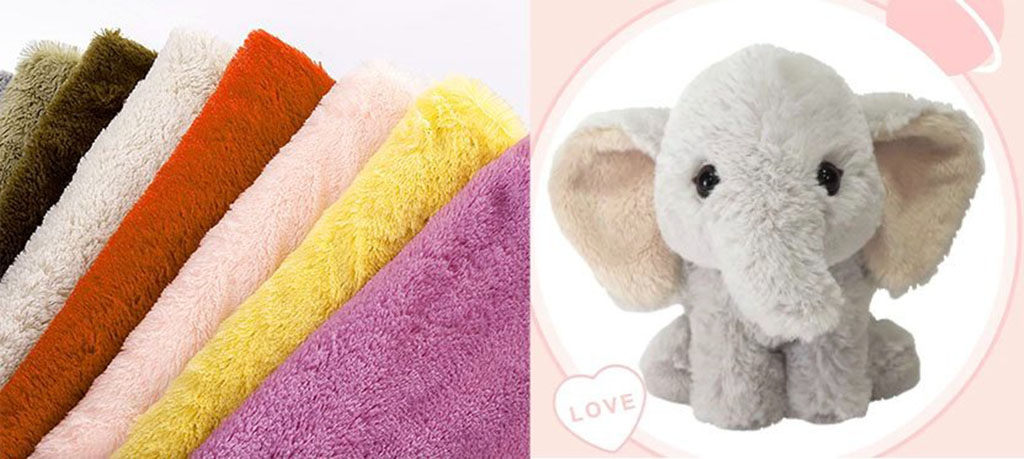
Baby plush toys must feel soft against delicate skin while remaining durable and washable. The choice of fabric and filler is critical.
Recommended fabrics:
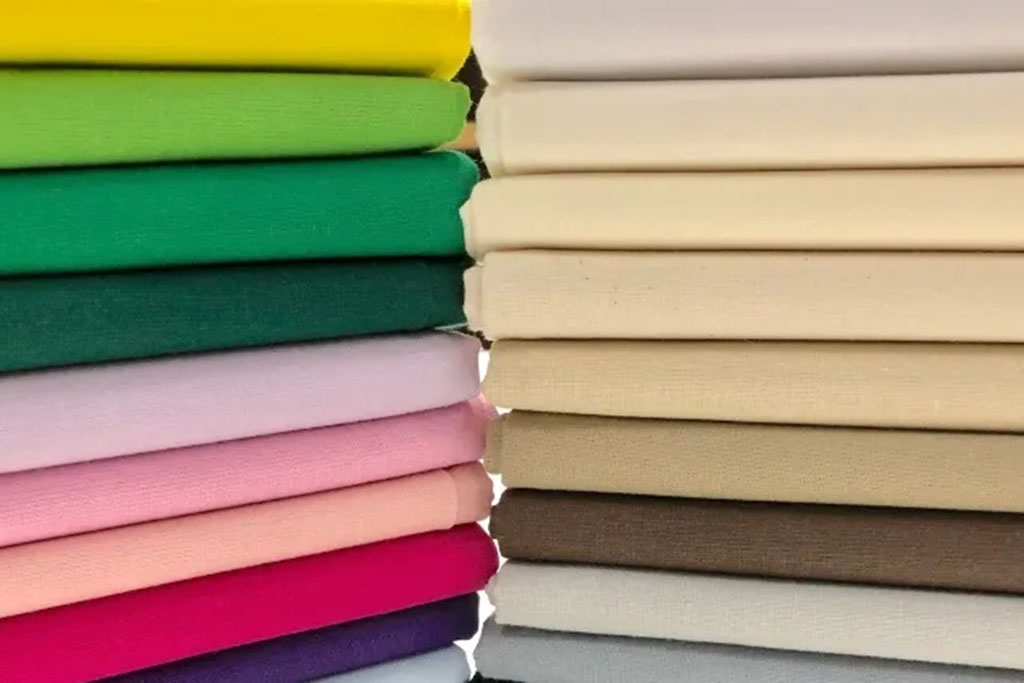
- Organic cotton fleece: Breathable, chemical-free.
- Soft polyester plush (minky): Gentle texture, durable.
- Velour: Smooth and baby-friendly.
Recommended fillings:
- Polyester fiberfill: Hypoallergenic and washable.
- Organic cotton stuffing: Eco option, but may be less fluffy.
- No beads or pellets for infants under 3 years.
| Material | Benefit | Caution |
|---|---|---|
| Organic cotton | Natural, soft | Higher cost |
| Polyester plush | Durable, washable | Must be non-toxic |
| Polyester fiberfill | Hypoallergenic, fluffy | None |
| Beads/pellets | Adds weight | Unsafe for babies |
Fabrics must also pass colorfastness testing to prevent dyes from rubbing off on baby skin.
How do size and weight influence the safety and comfort of baby stuffed toys?
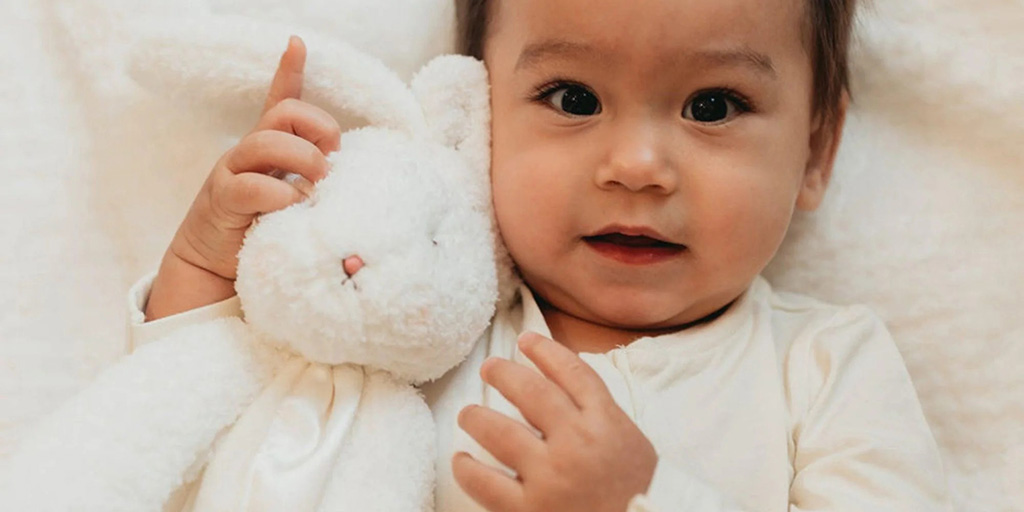
Stuffed toys for babies should be lightweight and small enough to handle, but not so small that they pose choking risks.
Guidelines for baby-safe sizes:
- Length: 15–25 cm (easy for babies to hold).
- Weight: Under 150 grams.
- Shape: Rounded, with no sharp edges or protruding accessories.
Oversized toys may look appealing but can overwhelm infants and even pose suffocation risks. Weighted plush toys should be avoided for babies under 12 months.
| Age Group | Ideal Toy Size | Notes |
|---|---|---|
| 0–6 months | ≤20 cm, very light | For supervised play only |
| 6–12 months | 20–25 cm | Easy grip, soft |
| 12+ months | 25–30 cm | Larger but safe under supervision |
Retailers often market “loveys” or comfort plush (small blanket-toy hybrids) for babies, as they combine lightness with security.
What designs and features make plush toys engaging for babies’ development?
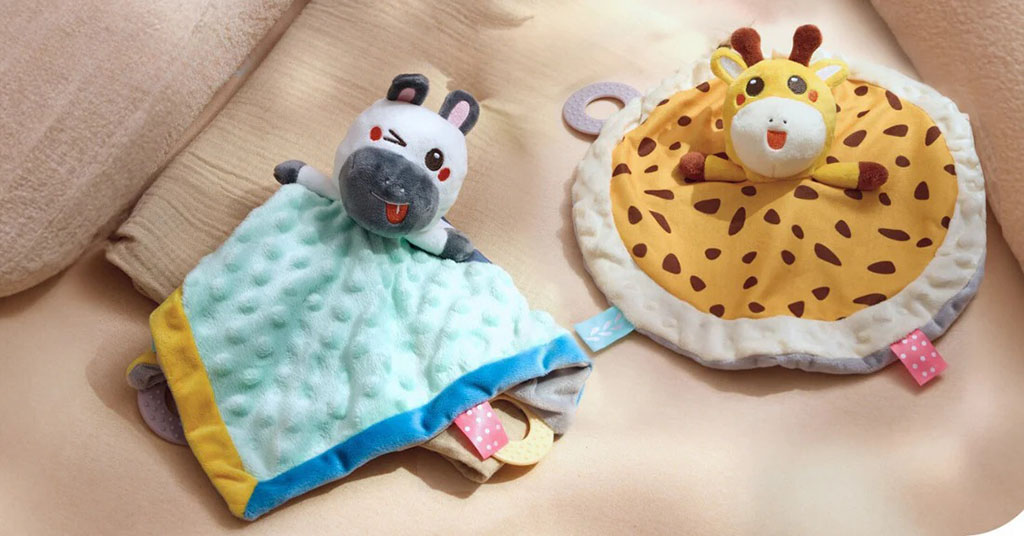
The best baby plush toys are not only safe but also stimulate early sensory and emotional development.
Engaging design features include:
- High-contrast colors: Black and white patterns for newborns’ early vision.
- Soft rattles or chime bells: Gentle sounds encourage auditory development.
- Different textures: Velour, fleece, and embroidery provide tactile stimulation.
- Simple expressions: Smiling faces create emotional comfort.
| Feature | Development Benefit |
|---|---|
| Contrast colors | Visual stimulation |
| Rattle sounds | Auditory awareness |
| Mixed textures | Tactile learning |
| Friendly face | Emotional bonding |
At Kinwin, we also recommend embroidered features instead of plastic eyes, ensuring both safety and engagement for babies.
How should parents clean and maintain stuffed toys to ensure hygiene?
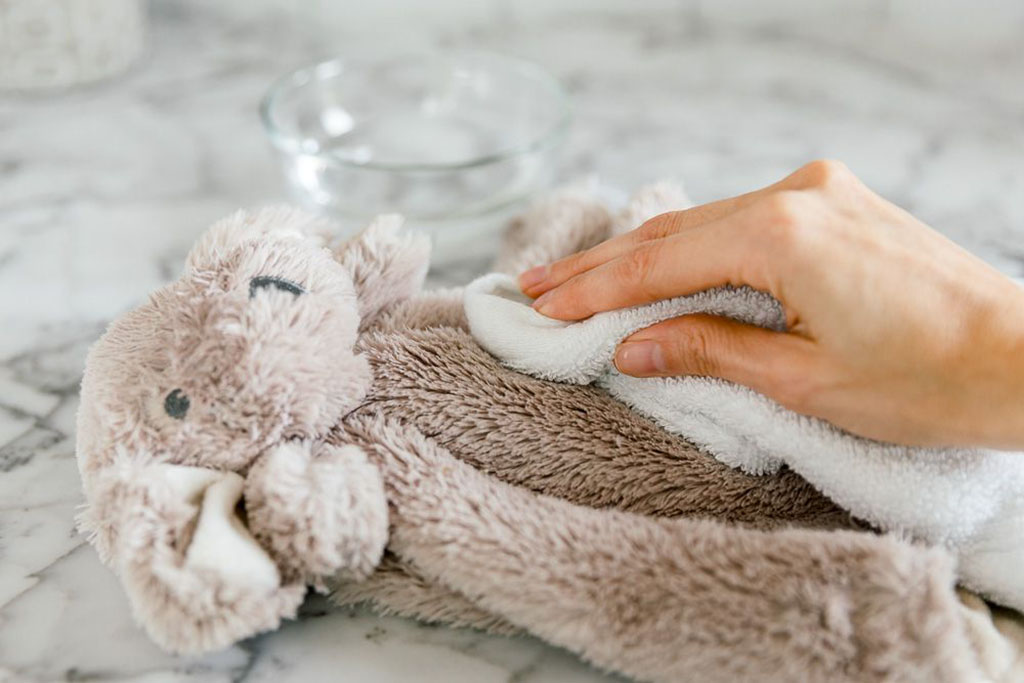
Babies put everything in their mouths. Hygiene is essential to prevent illness and allergies. Parents should choose plush toys that are machine-washable and easy to maintain.
Cleaning recommendations:
- Machine wash: Use gentle cycle, cold water, mild detergent.
- Air dry: Lay flat, avoid high heat to maintain softness.
- Spot clean: For delicate fabrics, use damp cloth with baby-safe soap.
- Rotation: Keep multiple toys and rotate them to allow thorough drying.
| Cleaning Method | Best For | Caution |
|---|---|---|
| Machine wash | Polyester/cotton plush | Avoid hot water |
| Air drying | Most plush | Prevents shrinkage |
| Spot cleaning | Delicate fabrics | Less effective for stains |
| Freezing | Dust mite control | Not stain removal |
At Kinwin, we ensure baby-safe plush toys withstand repeated washing cycles without losing shape or softness.
Are eco-friendly and organic stuffed toys a better choice for babies?
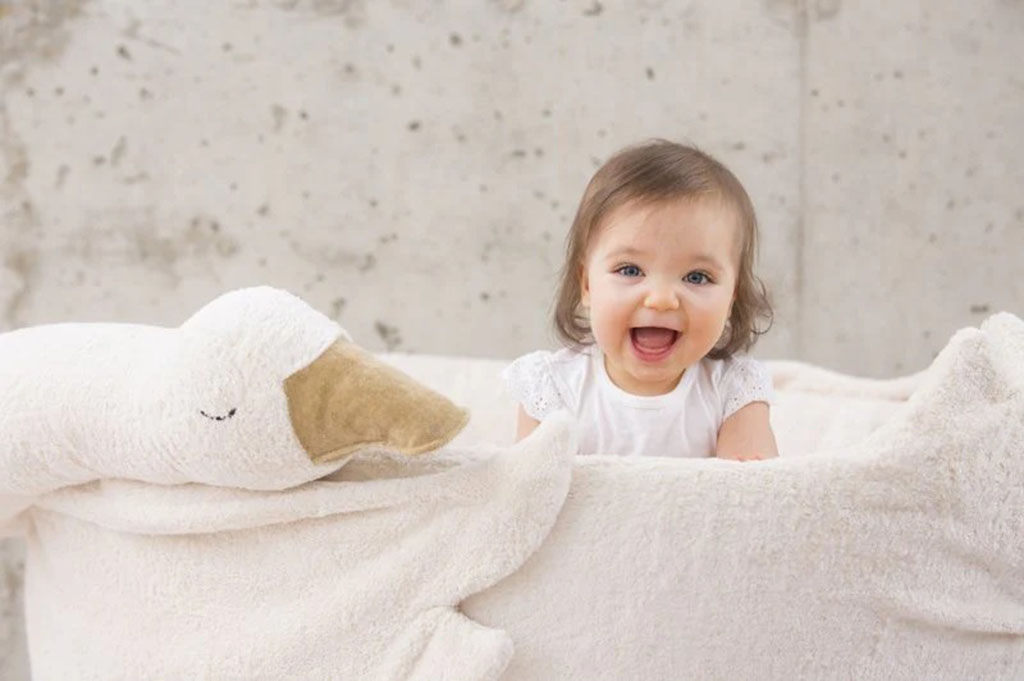
Yes. Many parents today prefer eco-friendly and organic plush toys for infants, especially in premium markets. These toys use natural or recycled materials that are safe, sustainable, and aligned with consumer values.
Eco-friendly options include:
- Organic cotton fabrics: Chemical-free, gentle on baby skin.
- Recycled polyester stuffing: Reduces plastic waste.
- Biodegradable packaging: Kraft boxes, paper tags, compostable films.
| Material | Eco Benefit |
|---|---|
| Organic cotton | Non-toxic, breathable |
| Recycled polyester | Sustainable stuffing |
| Natural dyes | Chemical-free coloring |
| Kraft packaging | Reduces plastic use |
Eco plush toys are especially popular in Europe, Japan, and North America. At Kinwin, we produce certified eco-friendly plush lines to help retailers enter this growing segment.
Conclusion
The best stuffed toys for babies must be safe, soft, lightweight, and hygienic, while also supporting sensory development. Eco-friendly options add value for modern parents. At Kinwin, we provide CE- and ASTM-certified plush toys made with baby-friendly fabrics and fillings, ensuring both safety and comfort for global buyers.
Contact us at [email protected] or visit kinwintoys.com to explore customized plush toys designed for infants.