Skip to content
I’m Amanda from Kinwin in China. We build interactive plush toys for global buyers. This guide explains the category, core sensors, power and compliance, construction methods, feature-to-age mapping, and how we customize while keeping costs under control. I’ll use simple English so your team can move fast.
What defines an interactive plush toy and how has the category evolved?
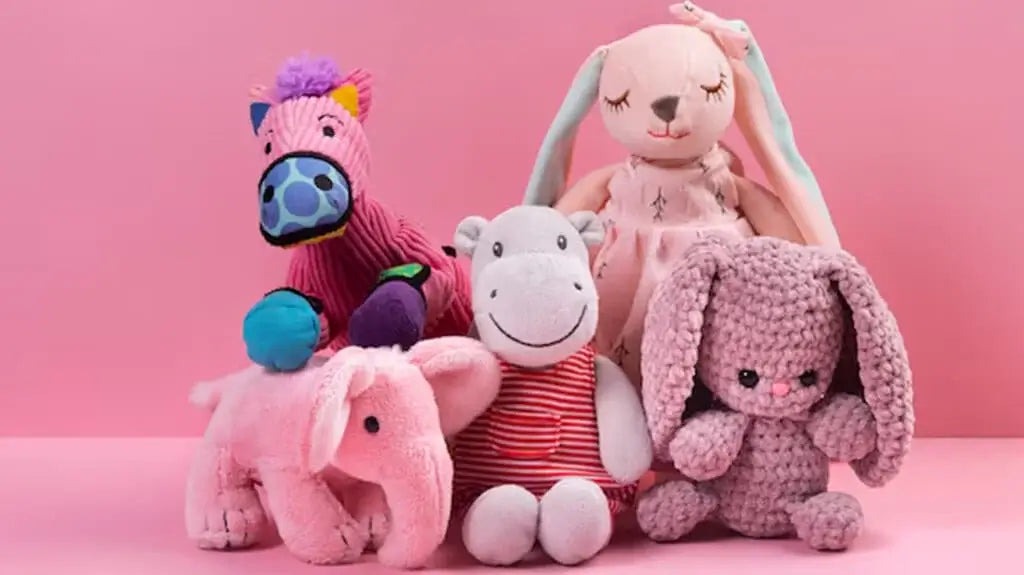
An interactive plush is a soft toy with electronics that reacts to a child’s input—touch, sound, movement, or an app. The goal is two-way play: the plush responds, learns simple patterns, or delivers routine comfort (like a heartbeat or white noise). The category started with simple squeeze-to-squeak toys, moved to voice playback and motion sensors, and now includes Bluetooth/app links and basic AI-style responses. For baby and toddler SKUs, we keep features calming and simple. For older kids and gift buyers, we add recording, songs, games, and smart routines.
Table 1 — Category Map: Then vs. Now (1/5)
| Era | Typical Features | Power | Notes |
|---|---|---|---|
| Early (pre-smartphone) | Squeeze sounds, basic lights | replaceable | Low cost, low maintenance |
| Mid | Voice record/playback, motion-triggered sounds | simple PCBs | Popular gifts; strong margins |
| Current | Multi-sensor, app link, basic AI responses | Li-ion + charge | Higher spec; needs better QA |
Which sensor technologies—sound, motion, touch, or app connectivity—enhance play interaction?
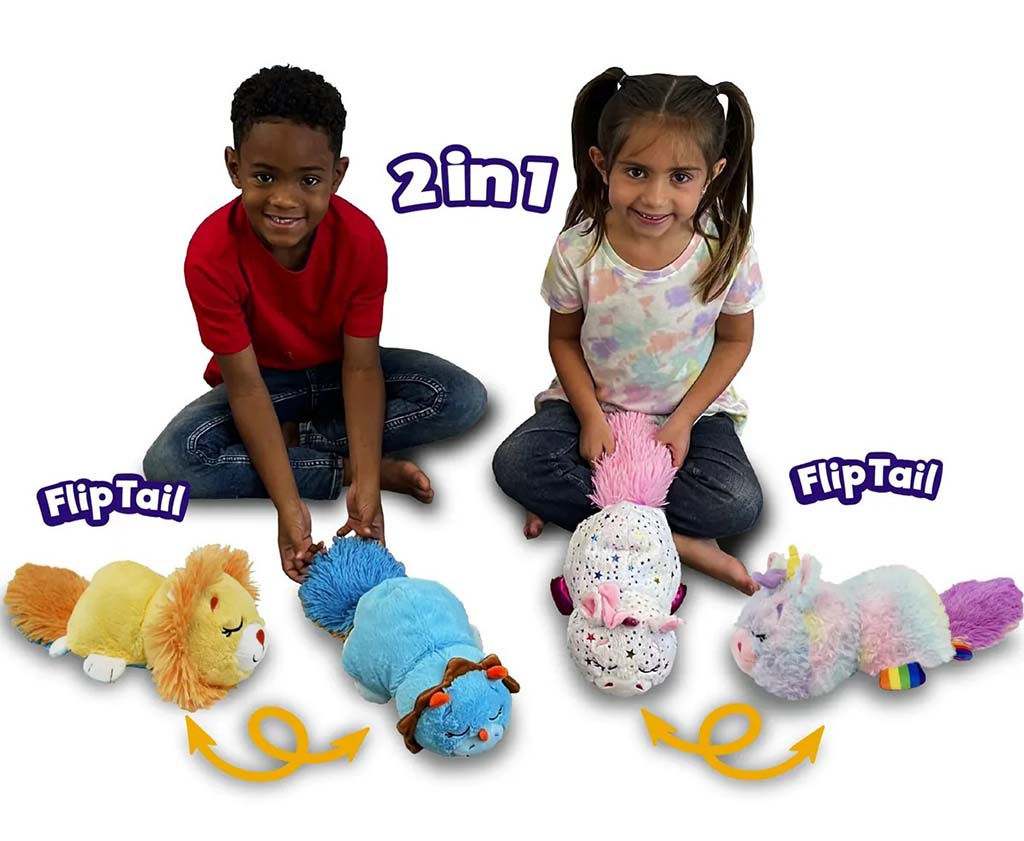
Sensors translate real-world actions into playful responses. We select sensors by age grade, price band, and intended use (bedtime, daytime play, collector).
- Sound: microphones detect clap/voice; simple voice recognition triggers responses.
- Motion: accelerometers detect shake/tilt; reed switches or simple ball switches detect movement.
- Touch: capacitive pads or mechanical switches under fabric trigger purr, light, or voice.
- Connectivity: Bluetooth enables app content updates, lullabies, or parental control.
Table 2 — Sensor Choices & Use Cases (2/5)
| Sensor | What It Does | Best For | Pros | Watchouts |
|---|---|---|---|---|
| Microphone | Clap/voice trigger, recording | 3+ years, gifts | Engaging, easy actions | Needs noise filtering |
| Accelerometer | Shake/tilt detection | 3–8 years | Many play patterns | Tune sensitivity |
| Capacitive touch | Responds to petting/holding | 0–3 soothing, 3–8 play | Natural, cuddly trigger | Fabric thickness matters |
| Reed/ball switch | Simple movement trigger | Entry-level | Low cost, durable | Fewer patterns |
| Bluetooth (BLE) | App songs/stories | 4+ years, parents | Updatable content | App QA + privacy |
How do power systems, PCBs, and safety certifications (CE, ASTM, CPSIA) affect design and compliance?

Power and electronics decide runtime, weight, and compliance. We choose between AA/AAA (easy replacement, simpler testing) and rechargeable Li-ion/LiPo (USB charging, higher spec). Battery doors must be screw-secured and pass torque/tension tests. PCBs need short-circuit, overcurrent, and thermal protections. All electronics must meet CE/ASTM/CPSIA rules, and any Bluetooth must add EMC/RED testing for EU.
Compliance checklist we follow:
- Age grade and warning labels (no loose parts for under-3)
- Battery securement (screw door; tool-required)
- Chemical compliance of all materials (EN 71-3/CPSIA/REACH)
- EMC/RED for wireless, electrical safety where applicable
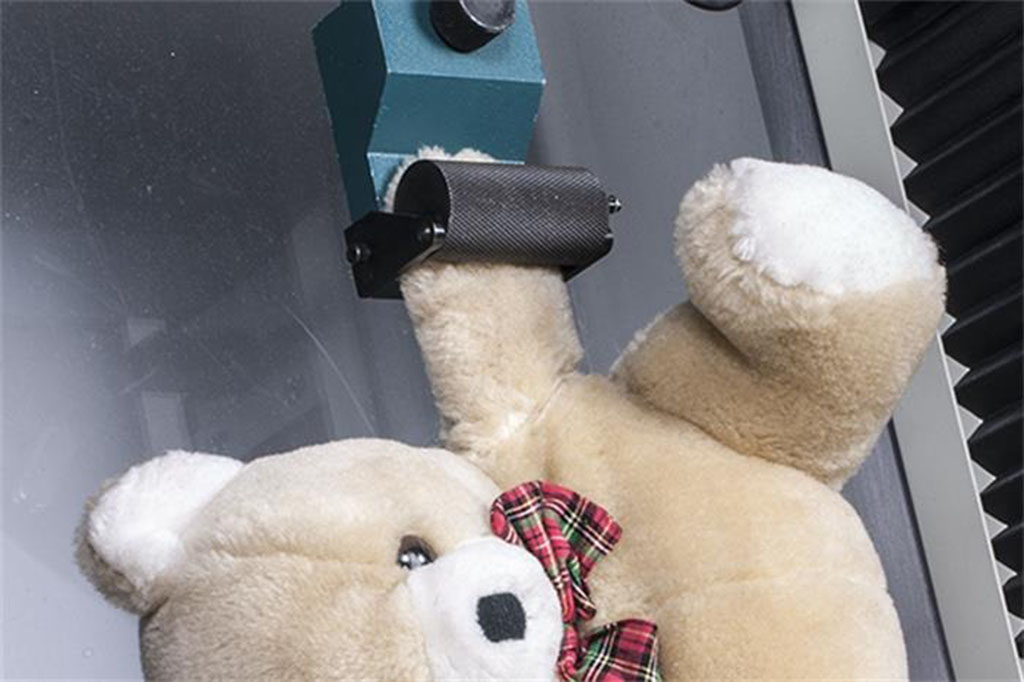
- Small-parts and seam strength tests, washability where promised
Table 3 — Power & Compliance Planner (3/5)
| Option | Pros | Considerations | When to Use |
|---|---|---|---|
| AA/AAA replaceable | Familiar, easy swap | Door design critical; heavier | Toddler & gift SKUs, global retail |
| Li-ion/LiPo + USB | Sleek, rechargeable | Extra safety & EMC tests | Higher-price lines, app-linked |
| Basic PCB | Low cost, robust | Fewer features | Entry-level interactivity |
| Multi-sensor PCB | Rich play patterns | Higher BOM & QA load | Premium, hero products |
What materials, stitching, and internal layouts ensure durability in electronic plush construction?
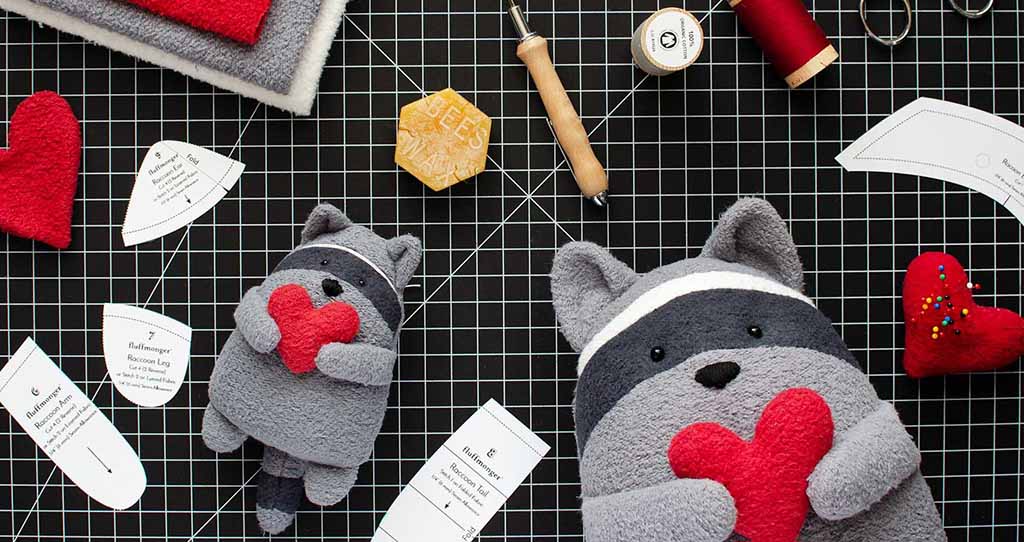
Electronic plush must still be a great plush first. We use short-pile minky/velboa for clean faces and low lint, reinforced seams, and internal chassis or pockets to hold modules. Wires route through fabric tunnels to avoid stress. The battery door sits low/central for balance and to prevent top-heavy tilt.
Construction rules we use in-house:
- Reinforced ladder stitch at openings; tighter seam allowances at stress points.
- Internal pocket for PCB/speaker; foam isolator to prevent buzz/vibration.
- Cable strain relief and rounded edges on any plastic frames.
- Embroidery for faces in baby SKUs; no glued-on parts.
- Sound vents placed where fabric is thin (chest/belly), not on the face.
Table 4 — Build-for-Durability Matrix (4/5)
| Component | Best Practice | Why It Matters |
|---|---|---|
| Fabric | Short/med minky or velboa | Soft + low lint near sensors |
| Seams | Double stitch at joints | Resists tug and drop tests |
| Module mount | Pocket + screws/Velcro | Serviceable, stable, quiet |
| Cable routing | Fabric tunnels + strain relief | Prevents internal breaks |
| Battery door | Screw-secured, tool-required | Passes small-parts rules |
Which interactive features—voice recording, heartbeat simulation, or AI response—appeal to different age groups?
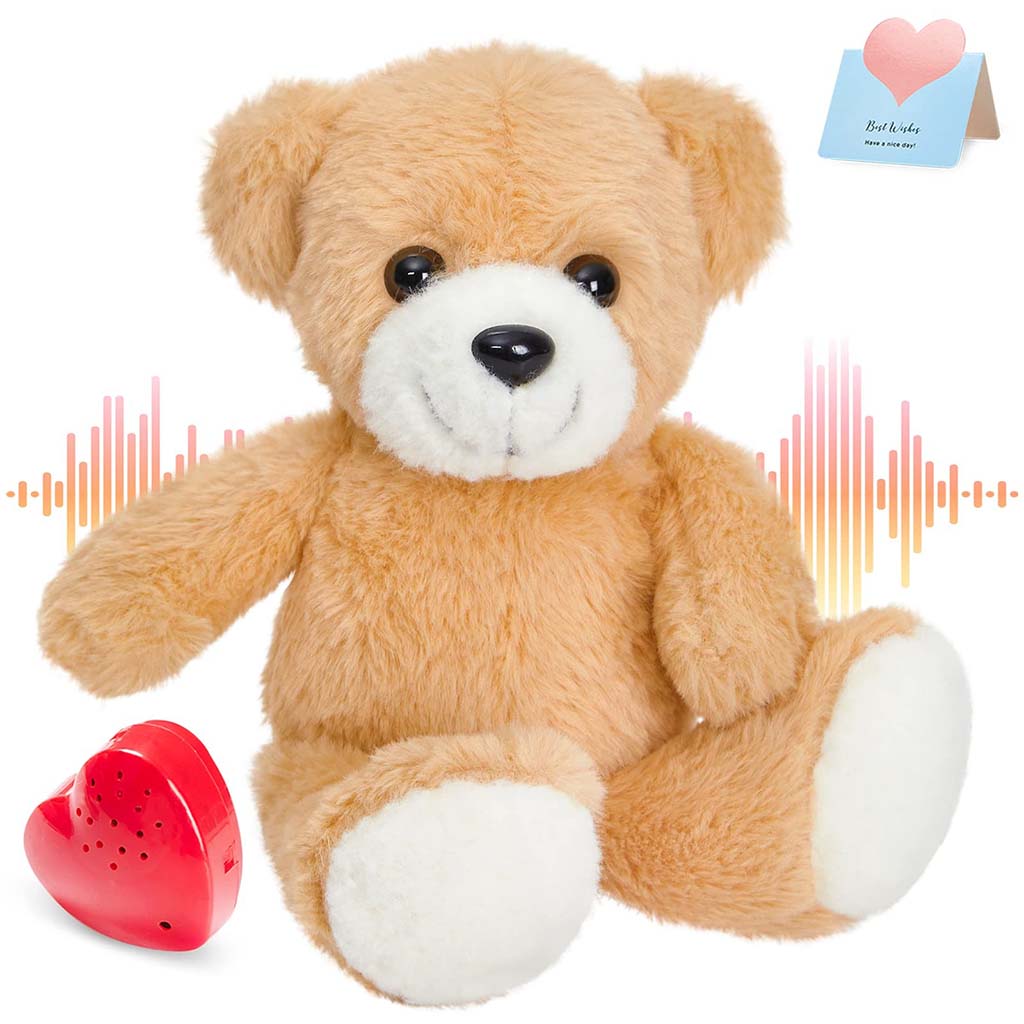
Match feature depth to developmental needs. Simple, soothing feedback for babies; playful, repeatable patterns for early kids; collectibility and customization for older children and teens.
Table 5 — Feature-to-Age Match (5/5)
| Age | Best Features | Why Kids Love It | Design Notes |
|---|---|---|---|
| 0–18 months | Heartbeat, white noise, gentle lights | Soothing, sleep aid | Soft light only; hidden module |
| 18–36 months | Touch sounds, simple songs | Cause & effect learning | No small parts; low volume |
| 3–6 years | Motion/voice triggers, recording | Laughs, repeat play | Durable speaker; easy buttons |
| 6–10 years | Multi-sensor games, character voices | Story + challenge | Swappable content; strong battery |
| 10+ / collectors | App link, limited drops, AI-style replies | Personalization, rarity | Clear privacy; premium pack |
How can OEM/ODM manufacturers integrate customization, branding, and cost efficiency in interactive plush production?
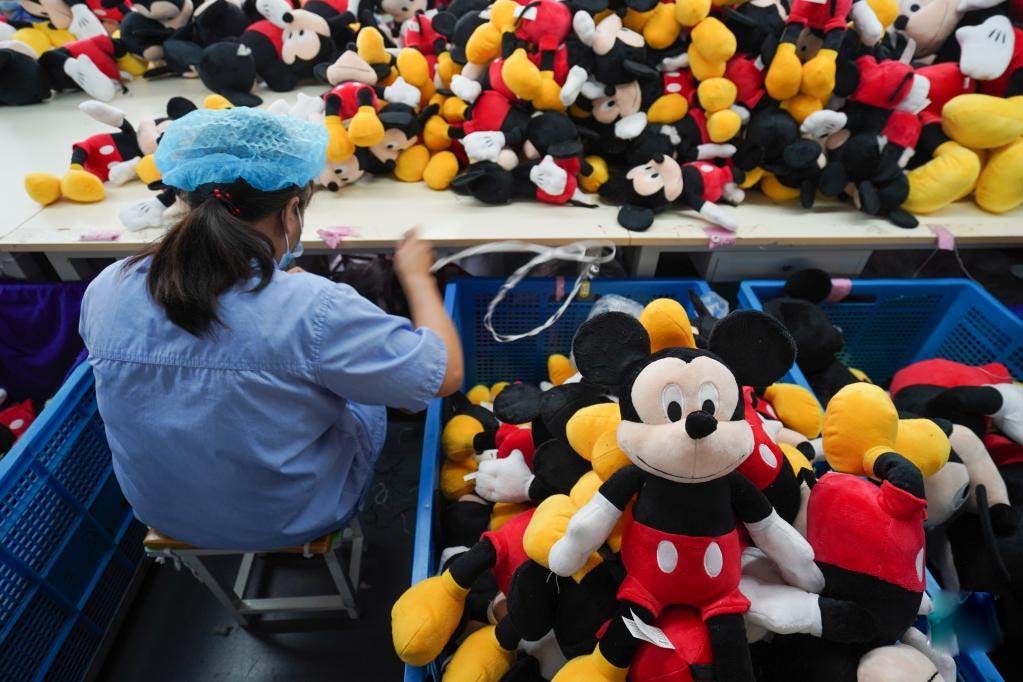
Start with a modular platform: the same core PCB, speaker, and battery system across a family of characters. Change shell patterns, embroidery, and sound sets to create a full line with shared parts. For branding, use embroidered tags, heat-transfer logos on internal pouches, or QR cards that unlock app content. Control BOM by choosing one sensor set per price tier and limiting colorways early.
My launch framework (fast and proven):
- Define buyer & price band (entry/premium).
- Pick module (basic record/play vs. multi-sensor).
- Lock fabric & size (short-pile, 20–25 cm core).
- Approve voice pack (volume, length, languages).
- Run compliance pre-check (battery door, EMC need).
- Pilot 50–100 pcs for drop/impact and user feel.
- Scale with one hero + two variants; plan replenishment.
How I can help
I’m Amanda from Kinwin. We design and manufacture interactive plush with CE/ASTM/CPSIA experience and export to the USA, Europe, Japan, South Korea, and the Middle East. Share your target age, feature set, price, and launch date. I’ll propose a module, sensor plan, fabric spec, and test matrix so you launch on time with fewer surprises.
Conclusion
A good interactive plush is safe, soft, durable, and appealing—while also creating strong branding moments. At Kinwin, we help global buyers develop customized plush solutions that meet safety standards and stand out in competitive markets. Contact us at [email protected] or visit kinwintoys.com to discuss your next project and explore how our factory can support your success.