By Amanda — Kinwin (OEM/ODM plush manufacturer, CE & ASTM ready)
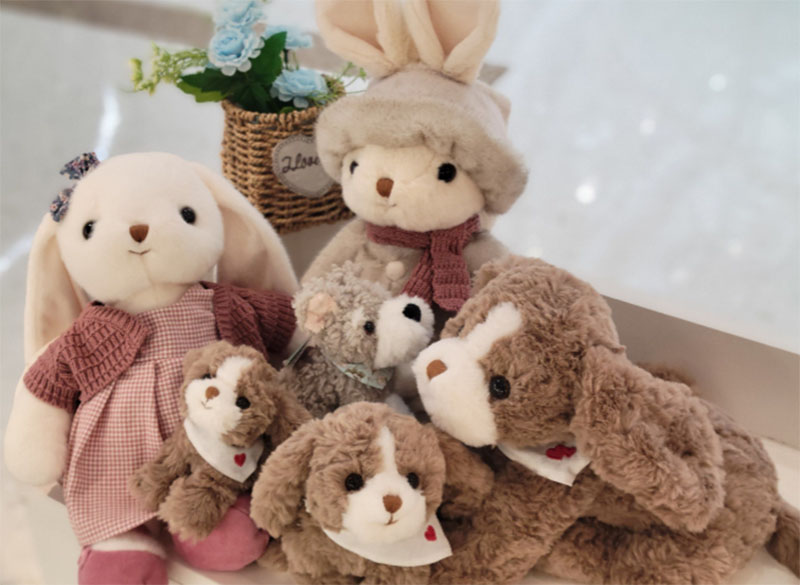
Custom plushies look simple on the outside. Inside, they are complex projects with many hidden costs: design time, sampling, special fabrics, safety tests, handcraft labor, and small-batch production. As a manufacturer, I explain these cost drivers to buyers every week. This guide breaks down where the money goes and how to control it—without hurting quality or compliance.
What cost drivers make custom plush more expensive than mass-produced toys?
Mass-market plush benefits from huge volumes and stable designs. Custom plush does not. Each project has one-off work that cannot be spread across millions of units. That is why unit cost looks high compared with store brands you see in supermarkets.
Main cost drivers:
- Upfront design & engineering (art, patterning, embroidery files, print panels).
- Sampling rounds before approval.
- Materials (pile fabrics, faux fur, custom dyes).
- Compliance testing for CE/ASTM/CPSIA.
- Manual labor for cutting, sewing, stuffing, finishing.
- Low MOQs and slower lines that reduce efficiency.
- Customization (logo embroidery, outfits, branded boxes).
- Logistics (freight, duties) and FX swings.
- Licensing/IP if characters are protected.
Table 1 — Big Cost Drivers at a Glance
| Cost Driver | Why It Adds Cost | What You Can Do |
|---|---|---|
| Design & patterning | Specialist skills, several days of work | Provide clear references; decide fast |
| Sampling | Multiple prototypes & courier fees | Limit rounds; consolidate feedback |
| Fabrics & trims | Premium faux fur, custom colors | Approve stock shades where possible |
| Compliance tests | Lab fees per SKU/style | Bundle styles; reuse materials/test reports when allowed |
| Hand labor | Many steps done by hand | Simplify shapes & seam count |
| Low MOQ | Fixed setup over few units | Align launches to hit a higher tier |
| Custom packaging | Tooling/printing minimums | Use a generic base + seasonal sleeve |
| Freight & duties | Bulky goods, changing rates | Optimize pack size; plan timelines |
| Licensing/IP | Royalties, approvals | Consider original characters |
How do design complexity, pattern-making, and sampling iterations impact price?
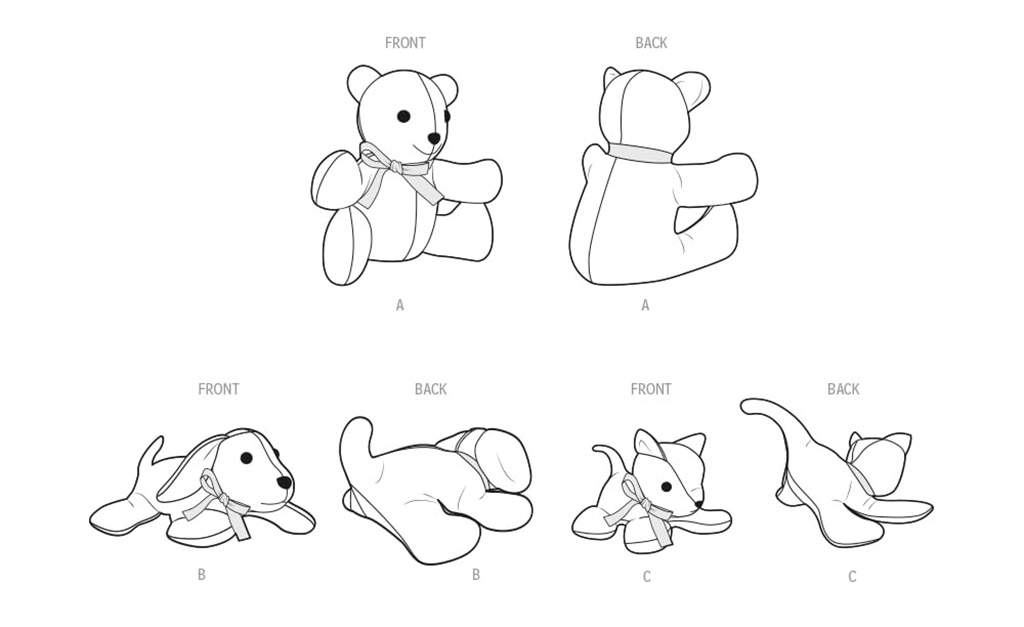
Every new plush starts with translation from image to 3D pattern. Complex shapes need more panels, darts, and gussets. Each added seam means more time at sewing lines and more QC points. Face accuracy is very sensitive—moving an eye 2 mm changes expression—so we often need 1–3 sample rounds.
What adds complexity (and cost):
- Long or mixed-pile fur (directional cutting, higher waste).
- Small or sharp features (more precise sewing, slower speed).
- Complex markings (extra embroidery layers or printed panels).
- Accessories/outfits (second mini product per plush).
Table 2 — Complexity → Sampling → Cost Impact
| Complexity Level | Typical Panels/Features | Sampling Rounds | Cost Impact (Unit) |
|---|---|---|---|
| Basic | Short-pile, simple face, few panels | 1 | Low |
| Moderate | Mixed fabrics, 1–2 embroidery layers | 1–2 | Medium |
| High | Faux fur, complex markings, outfit | 2–3 | High |
| Premium Replica | Precise likeness, layered textures | 2–4 | Very High |
Cost control tip: lock the face early. Fast, clear approvals save at least one round.
Which materials, trims, and safety compliance tests (CE/ASTM) increase unit cost?
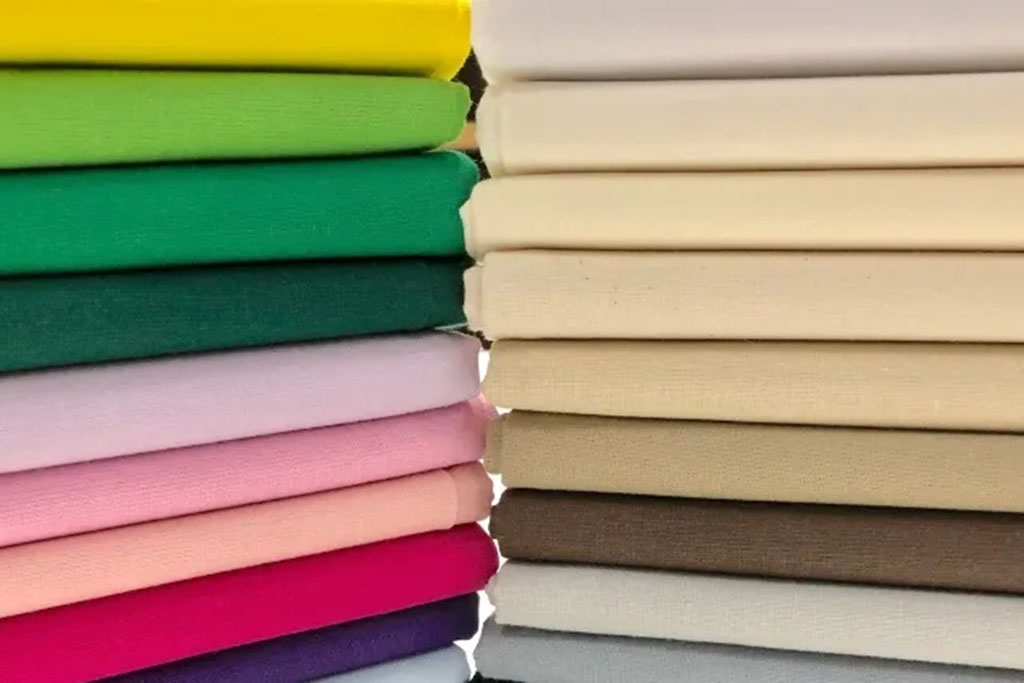
Materials. Minky and short-pile plush are efficient. Faux fur, custom-dyed colors, or special textures push price up. Trims like zippers, buttons, or safety eyes raise cost and testing scope. For infant lines, we prefer embroidered features (safer, but embroidery time is still a cost).
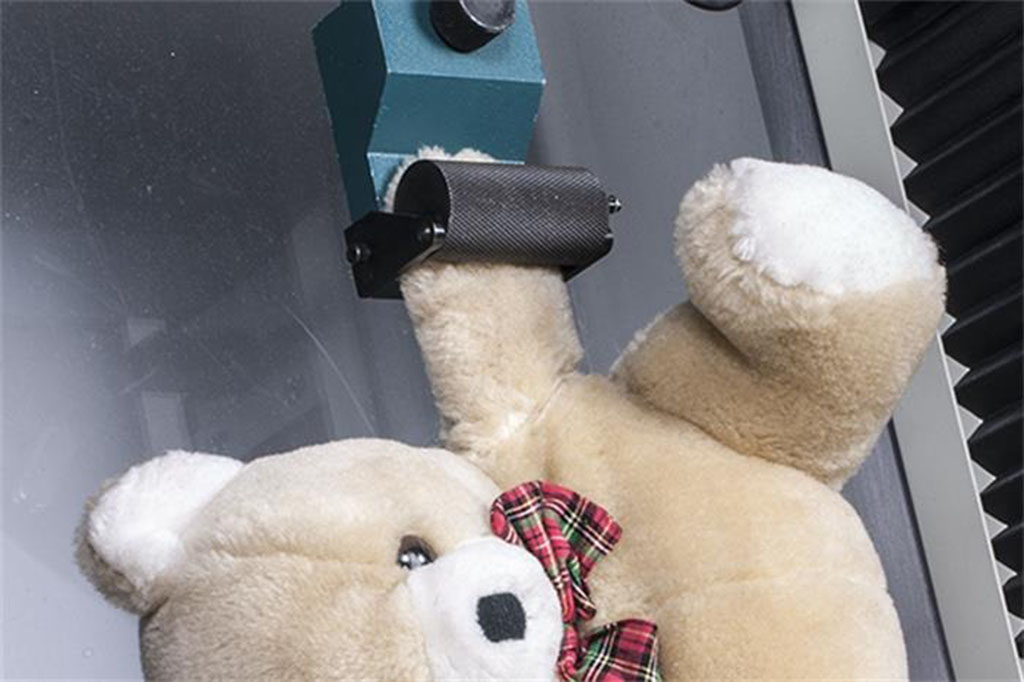
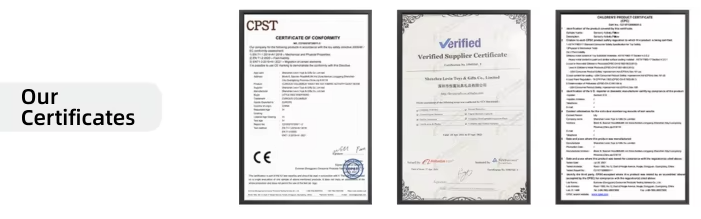
Compliance. To sell legally in the EU/US, each SKU must pass testing (EN 71/ASTM F963, plus CPSIA in the U.S.). Labs charge per test group. If you use unique fabrics, you may need more test items.
Table 3 — Material & Compliance Cost Levers
| Item | Typical Cost Impact | Notes |
|---|---|---|
| Short-pile plush (stock color) | Low | Best for cost and consistency |
| Minky/velour (stock color) | Low–Medium | Soft handfeel for baby lines |
| Faux fur (long pile) | Medium–High | Higher yield loss, slower sewing |
| Custom-dyed fabric | Medium–High | Dye MOQ + lead time |
| Heavy embroidery | Medium | Extra machine time |
| CE/EN 71 suite | Medium (per style) | Mechanical/flammability/chemicals |
| ASTM F963 + CPSIA | Medium (per style) | Includes small parts, lead/phthalates |
| Additional tests (saliva/sweat) | Low–Medium | Often required for baby SKUs |
Cost control tip: choose shared materials across a collection so one set of reports can support multiple SKUs where permissible.
Why do low MOQs, manual labor, and slower production lines raise overheads?
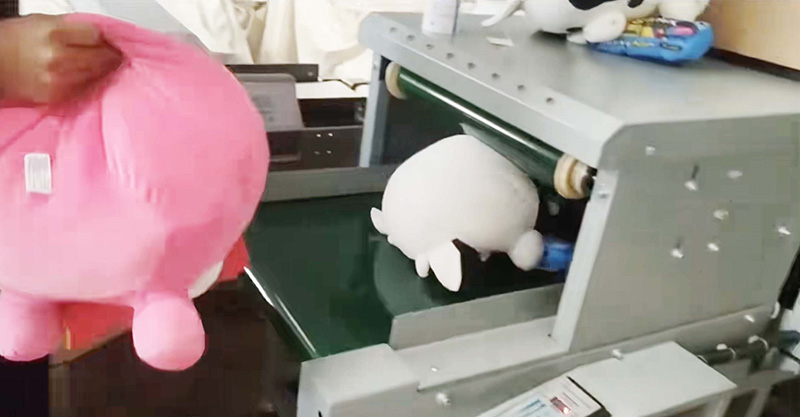
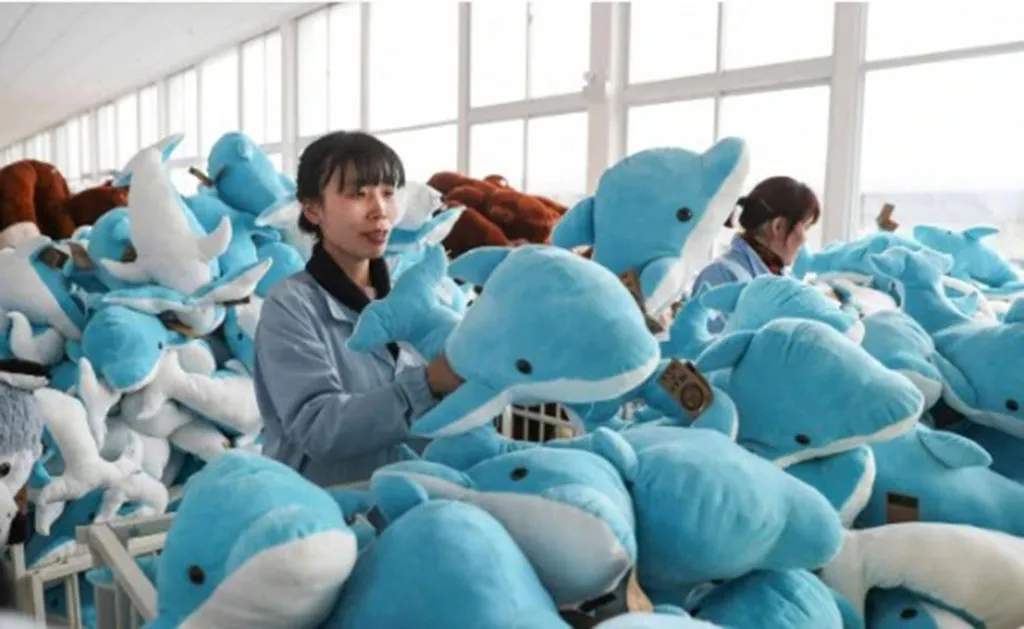
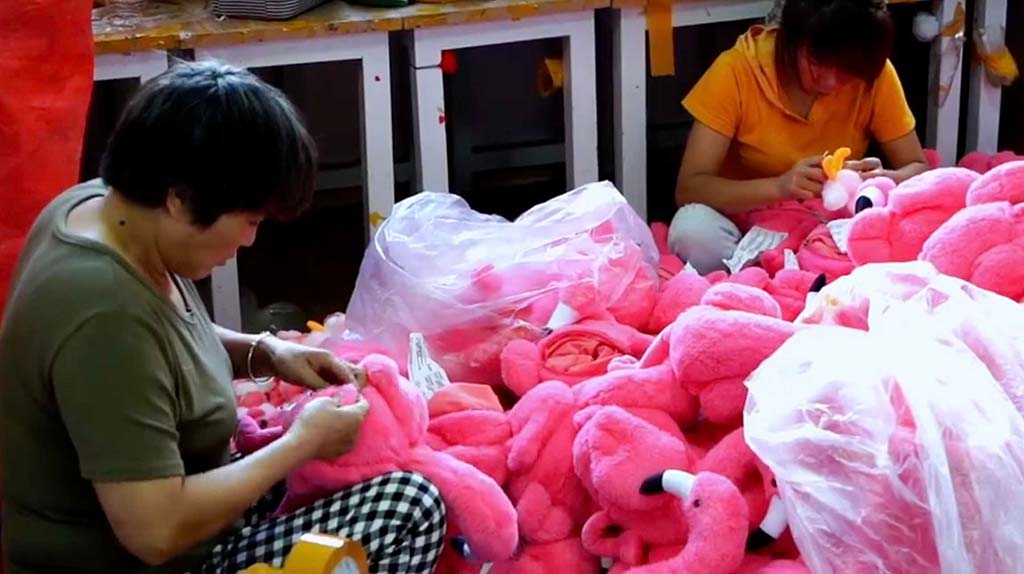
Plush manufacturing has many hand steps: fabric cutting along pile direction, sewing small curves, turning, stuffing, closing, brushing fur, trimming threads, attaching labels, and final QC. Setups (print files, embroidery programs, cutting markers) are fixed costs. With low MOQs, those costs are spread over very few units—so the per-unit price rises.
Line speed falls with complexity: more panels and precise embroidery = fewer pieces per worker per hour. In small runs, we also lose efficiency because teams cannot stay on one repetitive task long enough to reach peak speed.
Table 4 — MOQ & Line-Speed Effects on Unit Cost
| MOQ Tier | Typical Effect on Unit Price | Why |
|---|---|---|
| 100–200 pcs | Highest | Setup amortized over few units |
| 300–500 pcs | High | Some efficiency gained |
| 600–1,000 pcs | Medium | Better line balance |
| 2,000+ pcs | Lowest | True economies of scale |
Cost control tip: align launches to hit the next MOQ tier or share components (tags, boxes) across SKUs.
How do customization elements—embroidery, accessories, and branded packaging—affect pricing tiers?
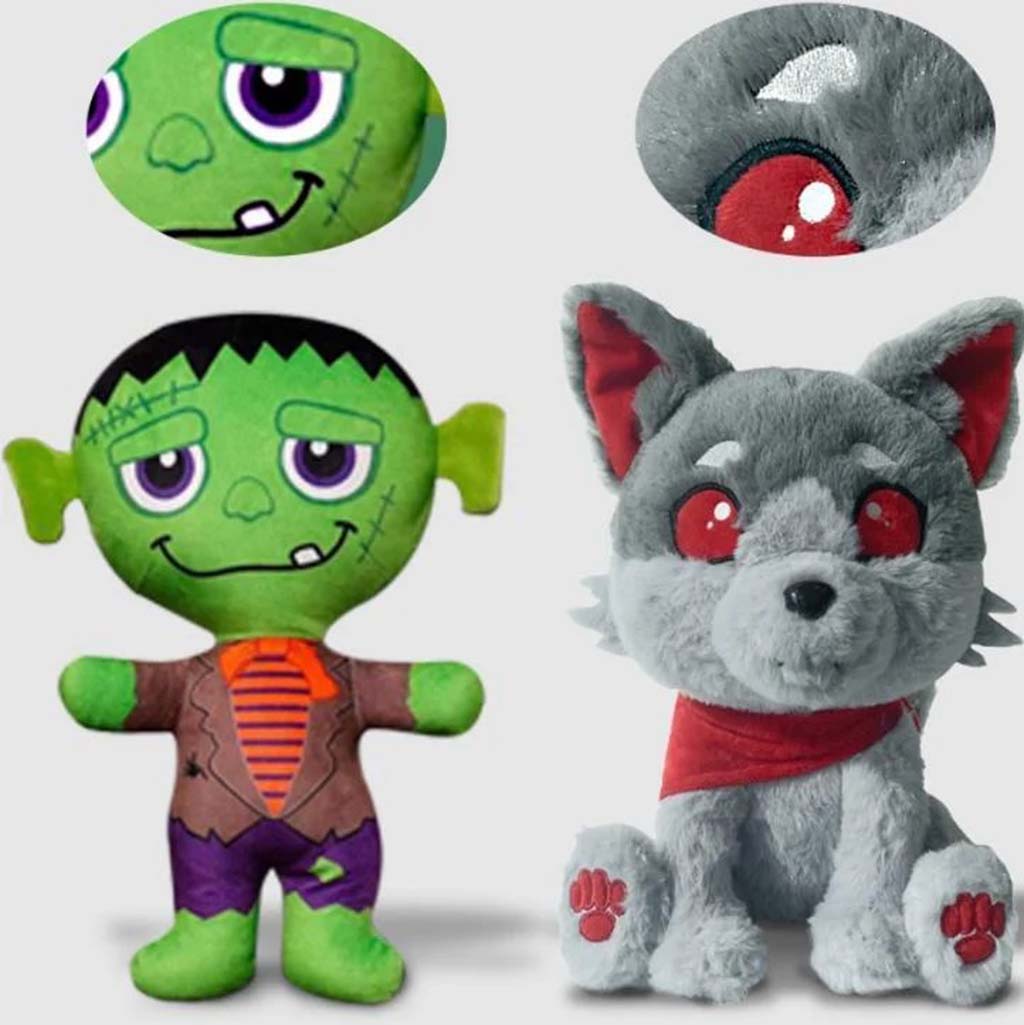
Customization is where brands shine—and budgets stretch. Each add-on adds steps, materials, and sometimes separate quality checks.
- Embroidery: name on paw, logo on chest, or facial details. More stitches = more time.
- Accessories: bandanas, hats, miniature clothes = separate cutting/sewing/packing.
- Packaging: window cartons, soft-touch sleeves, foil accents, or drawstring bags have their own MOQs and print setups.
- Smart tags/QR: low cost per unit, but design/content work still applies.
Table 5 — Customization Menu & Cost Impact
| Feature | Added Work | Cost Impact | Smart Swap |
|---|---|---|---|
| Paw-name embroidery | Extra stitching | Low–Medium | Heat-transfer for adults (not infant) |
| Full outfit (shirt/hat) | Second mini product | Medium–High | Single accessory (scarf/bandana) |
| Window gift box | Printing + die-cut + assembly | Medium | Kraft box + branded belly band |
| Foil/spot UV | Special finishing | Medium | One-color eco ink |
| Drawstring bag | Cut/sew + print | Medium | Stock color + simple print |
| QR smart tag | Print + link setup | Low | Reuse across a series |
Cost control tip: build a base SKU and layer seasonal sleeves or simple accessories instead of full new outfits.
Are logistics, exchange rates, and IP/licensing fees significant in total landed cost?
Yes—often more than buyers expect.
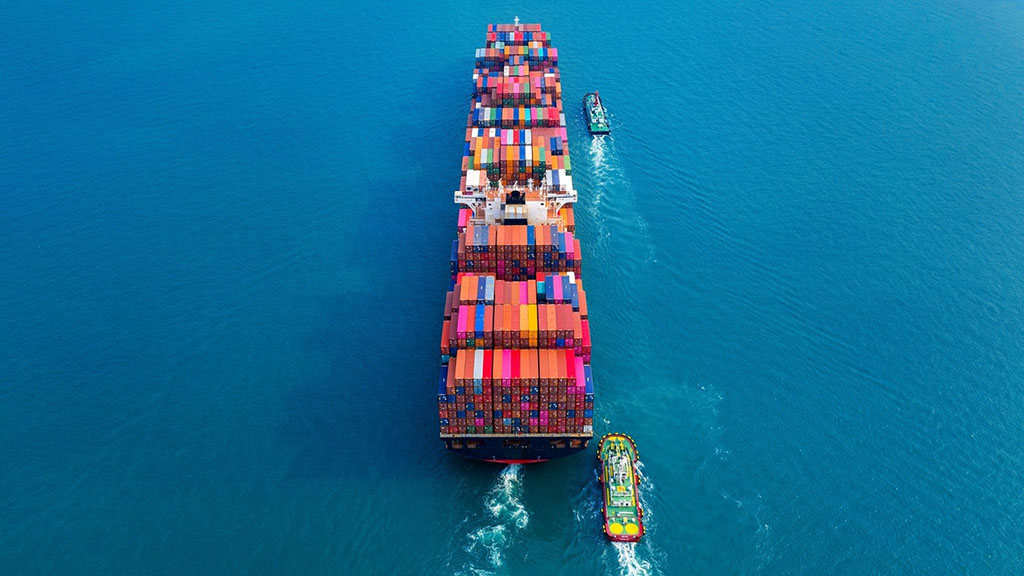
- Logistics: Plush is light but bulky. Volumetric weight drives air freight cost; ocean saves money but needs time buffers. Good cartonization and compression (where allowed) can cut freight.
- Duties & VAT/GST: Country HS codes, trade programs, and packaging origin influence landed cost.
- FX rates: A strong USD/EUR can reduce buy-side cost; swings can erase margins if quotes aren’t hedged.
- Licensing/IP: Royalties (often 8–15% or more), minimum guarantees, and approval rounds add cost and time.
Cost control tips:
- Lock ex-works + freight plan early; compare air vs. ocean vs. rail.
- Use right-size packaging to reduce volumetric weight.
- Consider multi-port routing and consolidation if launching several SKUs.
- For IP, model royalty scenarios before you price retail.
Conclusion
Custom plushies are expensive because they combine one-off design work, handcraft production, low MOQs, premium materials, and mandatory safety tests—plus logistics and, sometimes, licensing. The good news: with smart choices—stock fabrics, clear briefs, fewer sample rounds, shared packaging, and better MOQ tiers—you can control cost without lowering quality.
At Kinwin, we engineer custom plush for accuracy, safety, and value. If you want a clean cost plan and a production timeline that fits your launch, I’m here to help.
Contact me at [email protected] or visit kinwintoys.com to scope your custom plush project.