Skip to content
The moment a plush toy sample is formally approved, its role in the project changes entirely. Before approval, it is a development artifact — a prototype under evaluation, subject to revision and refinement. After approval, it becomes something fundamentally different: the authoritative reference standard against which every unit in the bulk production run will be assessed.
This transition from approved prototype to production standard is one of the most important and most underappreciated processes in plush toy manufacturing. It is the mechanism through which the quality achieved in a single, carefully built sample is translated into consistent quality across thousands of units produced under the very different conditions of a full production run — different personnel, different equipment settings, machine-delivered filling instead of hand stuffing, batch-sourced fabric instead of carefully selected sample material.
When this translation process is done correctly — when the approved sample is systematically documented, verified through a counter sample, distributed to all production departments as a binding reference, and actively used as a comparison standard throughout the production run — the result is bulk goods that match the approved sample closely enough to be commercially indistinguishable from it. When it is done inadequately or skipped entirely, the result is the sample-to-bulk quality gap that produces the most common and most frustrating quality complaint in plush toy sourcing.
This guide explains exactly how a plush sample becomes a mass production standard — the specific documentation steps, the verification processes, the distribution mechanisms, and the ongoing monitoring that make consistent production quality an achievable outcome rather than a hopeful expectation.
What Is the Role of the Approved Sample in Defining the Mass Production Standard?

The approved sample serves as the definitive production reference standard — the physical object and its documented characteristics that define what every bulk unit should look, feel, and perform like. It is not simply a quality target that production should try to approximate. It is the explicit standard against which every quality assessment during production — from the first-off inspection through the final AQL review — is measured.
The role of the approved sample in defining the mass production standard is precise and multi-dimensional. It simultaneously defines the visual standard — the exact color, proportion, shape, and surface appearance that is required. The tactile standard — the specific stuffing density, fabric softness, and overall feel that the product must deliver. The construction standard — the seam quality, accessory attachment security, embroidery accuracy, and finishing level that is acceptable. And the compliance standard — the material certifications and safety performance that the production run must maintain.
Here is a framework for understanding the dimensions of the production standard that the approved sample defines:
| Standard Dimension | What the Approved Sample Defines | How It Is Measured in Production |
|---|---|---|
| Color accuracy | The exact visual color of every fabric area, thread, and accessory | D65 comparison to approved swatch at IQC and FQC |
| Shape and proportion | The three-dimensional form of the fully stuffed product | Comparison to physical sample at first-off and FQC |
| Stuffing density | The firmness and shape retention of the stuffed product | Weight measurement or compression test at IPQC |
| Embroidery position | The precise location of every embroidered element | Coordinate measurement at first-off and embroidery IPQC |
| Embroidery quality | Thread tension, color accuracy, line consistency | Visual comparison to approved sample |
| Seam quality | Stitch density, seam alignment, thread visibility | Visual and tension check at IPQC |
| Accessory placement | Position of eyes, noses, and other features | Measurement against approved coordinates |
| Accessory security | Attachment strength of all accessories | Pull force test at IPQC and FQC |
| Surface quality | Finishing standard — thread trimming, pile condition | Visual inspection at pre-pack and FQC |
| Overall dimensions | Height, width, and key proportions | Measurement against tech pack specification |
Why a Single Physical Object Cannot Fully Define the Standard
The approved sample is the most important reference for production quality — but it cannot be the only reference. A single physical object has limitations as a production standard. It cannot be simultaneously present at the QC inspection station, the stuffing machine calibration check, the embroidery positioning verification, and the final inspection table. Over a long production run, the physical sample may become compressed, dirtied, or otherwise altered by repeated handling — changing its reference value in ways that are difficult to track.
Most importantly, the physical sample captures the product’s characteristics at a single point in time, under the conditions of development sampling — conditions that differ from bulk production in material sourcing, stuffing method, and operator expertise. These differences are exactly what the translation process described in this guide is designed to address — by creating documented, measurable, distributable versions of the standard that complement the physical sample and extend its reference value across the full production environment.
How Is the Approved Sample Systematically Documented into a Production Tech Pack?
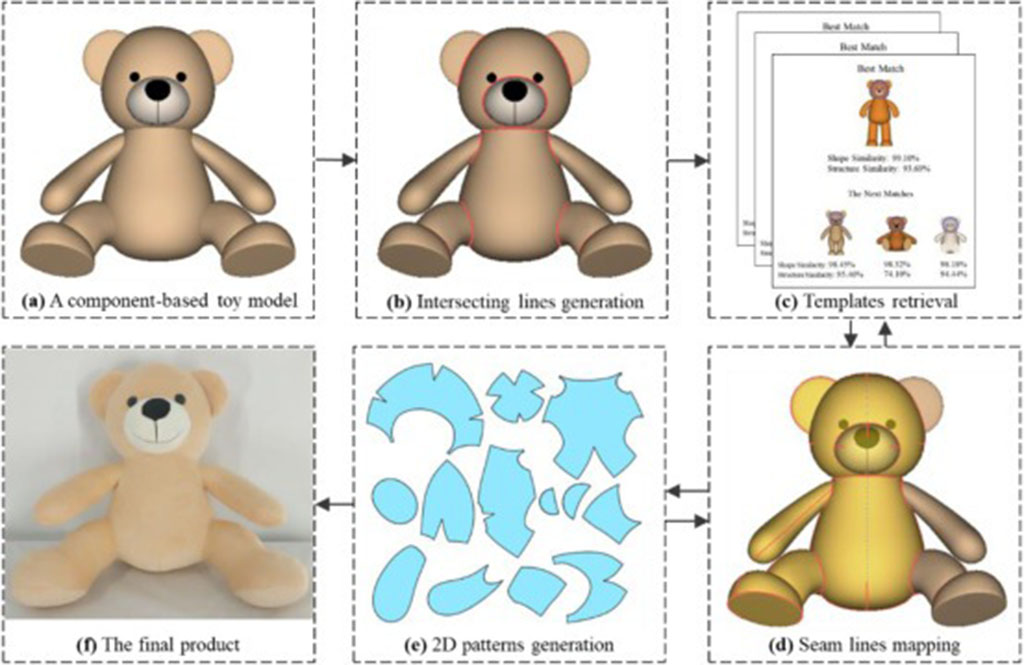
The tech pack is the primary mechanism through which the approved sample’s characteristics are translated from a physical object into documented, measurable standards that can be distributed to every department in the factory and applied consistently by every person involved in production. It converts the sensory experience of the approved sample — which requires the physical object to be present for assessment — into written, numerical, and graphical specifications that can be used for quality assessment anywhere in the production process.
A production tech pack derived from the approved sample is a comprehensive technical document that specifies every quality-relevant characteristic of the approved product in objective, measurable terms. It does not describe what the product looks like in general — it specifies exactly what every element of the product must be, within defined tolerances, to be considered conforming to the approved standard.
Here is what a complete production tech pack must contain, derived from the approved sample:
| Tech Pack Section | What Is Documented | Measurement Standard | Tolerance Specification |
|---|---|---|---|
| Product overview | Name, SKU, age grade, target market, applicable standards | Reference information | N/A |
| Overall dimensions | Height, width, depth of fully stuffed product | Centimeters, measured at defined reference points | ±5% of specified value |
| Component dimensions | Length of limbs, ear size, head circumference, etc. | Centimeters, at defined reference points | ±5% of specified value |
| Color reference table | Pantone code for every fabric area, thread, accessory | Pantone TPX or TPG code | Within 1 Pantone shade under D65 |
| Material specification | Fabric type, pile height, filling type, accessory codes | Named specification with grade | Exact match or approved equivalent |
| Embroidery specification | Artwork file reference, thread color codes, stitch count | Digital file reference | Thread code exact match |
| Embroidery placement coordinates | X and Y coordinates of every feature center point | Millimeters from defined reference points | ±3mm from specified coordinate |
| Construction notes | Seam type, stitch density, closure method, stuffing approach | Written specification | As specified |
| QC criteria | Pass/fail standards for each inspection checkpoint | Criterion with measurement method | Defined tolerance per criterion |
| Packaging specification | Box dimensions, insert placement, label content, barcode | Referenced to approved packaging sample | Exact match to approved |
| Compliance notes | Applicable standards, certification requirements | Standard references | As required for target market |
| Revision history | All changes from initial brief to approved sample | Dated log | N/A |
The Critical Difference Between a Complete and Incomplete Tech Pack
The commercial consequences of an incomplete tech pack are specific and predictable. Every element that is not documented becomes a production decision made by interpretation — and interpretations vary between operators, between shifts, and between production runs. An embroidery position not specified by coordinates must be estimated visually by the embroidery operator. A stuffing density not specified by weight must be assessed by the stuffing operator’s personal judgment of what “firm” means. A color not specified by Pantone code must be matched from memory to a physical sample that may not always be accessible.
Each interpretation introduces a variation that would not exist if the specification were documented. A missing dimension means that different operators may produce units at slightly different sizes. A missing color tolerance means that what one QC inspector passes as an acceptable color match another may fail. An incomplete tech pack produces inconsistency not because production personnel are careless but because they are being asked to make decisions that the documentation should have made for them.
A complete tech pack eliminates interpretation at the production and quality assessment stage — every decision is pre-made in the document, and every assessment is made against an objective standard rather than a subjective judgment. This is what produces the quality consistency that brand reputation depends on.
How Do Material Specifications from the Sample Become Binding Production Inputs?
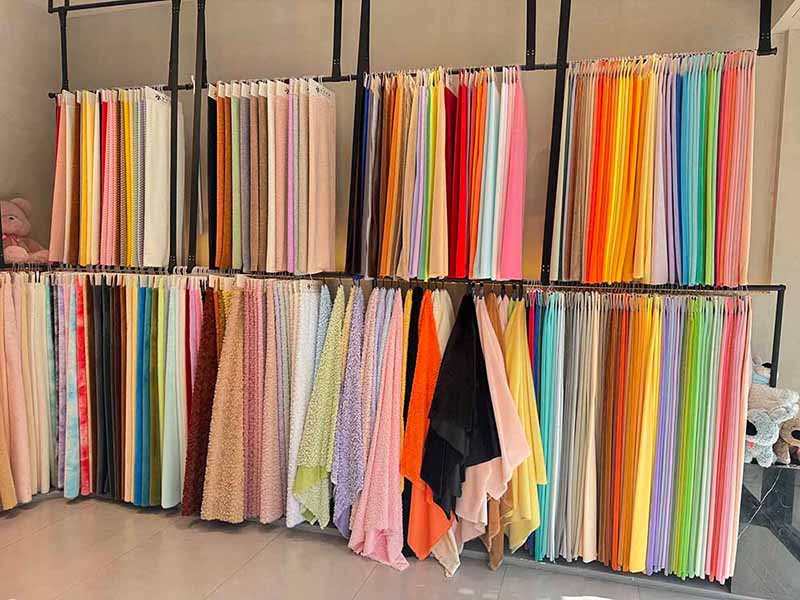
The materials used in the approved sample define the quality, compliance, and tactile characteristics that made the sample approvable — and those materials must be replicated in bulk production as precisely as possible to achieve equivalent quality in finished goods. But translating material characteristics from sample to bulk production is not automatic. Sample materials are often sourced in small quantities from carefully selected sources under controlled conditions. Bulk materials are sourced at large scale from production suppliers under commercial pricing and availability constraints.
Material specifications from the approved sample become binding production inputs through a formal material specification and approval process — extracting the precise characteristics of every material in the approved sample, documenting them in the tech pack, establishing them as mandatory requirements for all production material sourcing, and verifying that the sourced bulk materials meet those requirements before production begins.
Here is the material specification and approval process:
| Process Step | What Occurs | Output | Timing |
|---|---|---|---|
| Sample material identification | Every material in the approved sample identified by type, grade, and supplier code | Complete material list with supplier references | At sample approval |
| Specification documentation | Material characteristics documented in measurable terms | Material specification table in tech pack | At sample approval |
| Physical reference preparation | Approved swatches and samples retained for comparison reference | Reference swatch set for factory and buyer | At sample approval |
| Bulk material sourcing | Factory sources bulk production quantities from qualified suppliers | Proposed bulk materials with sourcing documentation | Before production |
| Bulk material swatch production | Swatches from actual bulk material rolls prepared for comparison | Physical swatches for approval comparison | Before IQC |
| Swatch comparison and approval | Bulk material swatches compared against approved reference under D65 | Written approval or rejection | Before cutting |
| Compliance documentation verification | Compliance certificates verified for all bulk materials | Compliance documentation file | Before IQC |
| IQC roll-level verification | Each production roll verified against approved specification | IQC inspection report | Before cutting |
| Material change approval protocol | Any proposed change from approved specification requires explicit buyer approval | Written change authorization if approved | As needed |
The Gap Between Sample Materials and Bulk Materials
One of the most significant quality risks in the transition from sample to mass production is the material gap — the difference between the materials used in the approved sample and the materials actually used in bulk production. This gap can arise from several sources: the exact sample material is unavailable in bulk quantities, the bulk sourcing options from production suppliers differ subtly from the sample material, or the factory substitutes a different material without disclosure to manage its margin.
Regardless of source, a material gap produces a product that differs from the approved sample in ways that are determined by the nature of the gap. A fabric with different pile height produces a different tactile quality. A fabric from a different dye lot produces a different color. A filling with different density characteristics produces different firmness and shape. Each difference directly affects the quality that end customers experience.
The binding material specification process addresses this risk by making the approved sample materials the contractual baseline for production — any deviation from which requires explicit buyer approval. This contractual structure transforms material management from a factory operational decision into a jointly governed process where the buyer retains visibility and authority over the material inputs that determine the quality of their product.
How Are Construction Standards from the Sample Translated into Operator Work Instructions?
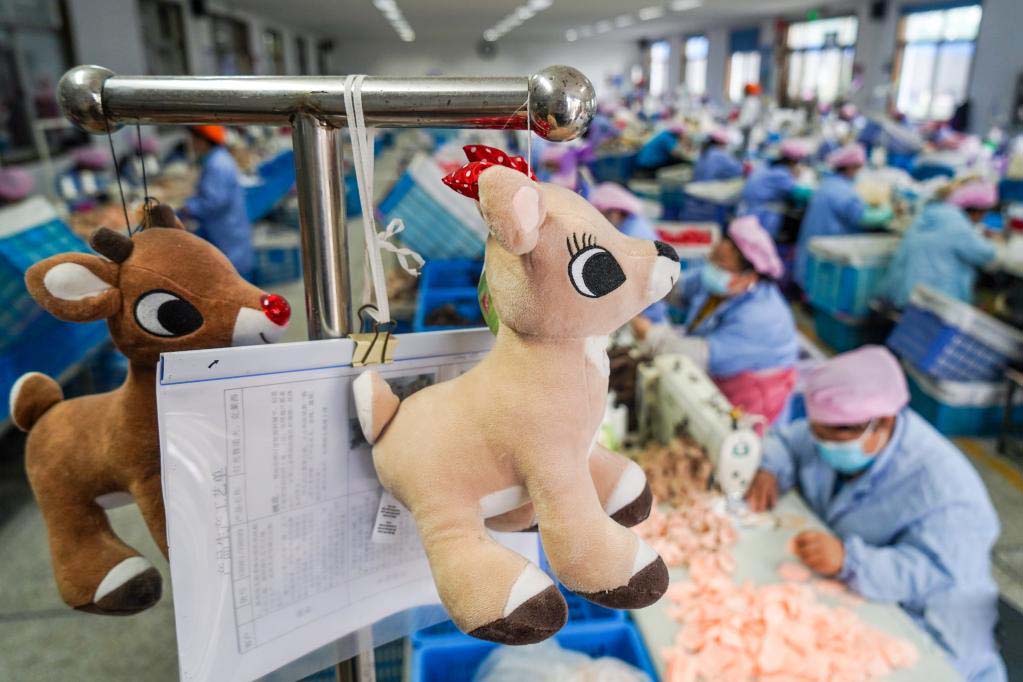
The tech pack documents what the production standard is — the measurable characteristics that finished units must exhibit. Work instructions document how to achieve that standard — the specific techniques, sequences, and judgment calls that production operators must apply to produce units that consistently meet the specification.
Work instructions are the bridge between the quality standard defined in the tech pack and the physical actions performed on the production floor. They translate quality requirements — “seam alignment within specification,” “stuffing density at target weight” — into operational techniques — “align the left panel notch with the center seam before sewing to maintain correct proportion,” “fill until the unit weight reaches the target range, pause, compress and check distribution before closing.”
Here is what comprehensive operator work instructions for plush toy production cover:
| Work Instruction Area | What Is Specified | Precision Level Required | Quality Defect Prevented |
|---|---|---|---|
| Panel cutting technique | Cutting direction, grain line alignment method, notch depth | High — grain line critical | Pile direction inconsistency |
| Panel alignment at sewing | Alignment method for each seam, reference notch usage | High — affects proportion accuracy | Panel misalignment, shape distortion |
| Sewing tension and stitch | Machine tension setting, stitch density for each seam type | Medium — within standard range | Seam quality variation |
| Curved section sewing | Technique for maintaining shape in curved seams | High — affects three-dimensional form | Shape distortion at curves |
| Stuffing sequence and distribution | Order in which areas are stuffed, distribution method for complex shapes | High — affects density and shape | Uneven density, shape inconsistency |
| Embroidery hoop positioning | Reference point method for consistent hoop placement | Very High — affects expression | Position drift across run |
| Accessory attachment | Force application method, positioning reference, verification technique | Very High — safety critical | Attachment failure, position deviation |
| Thread trimming technique | Trim length, angle, accessible areas | Medium — affects finishing quality | Loose threads visible on surface |
| Final shape assessment | Comparison method against counter sample | Medium — final check before packing | Shape deviation reaching FQC |
Why Work Instructions Reduce Operator-Dependent Variation
The core value of detailed work instructions is their role in reducing operator-dependent variation — the quality differences that occur when different operators apply different personal techniques to the same production operations. In the absence of specific technique guidance, each operator develops their own approach based on their individual experience and judgment. These personal approaches vary — not because operators are careless but because the correct approach was never explicitly defined.
Work instructions establish a single, specified technique for each critical production operation — eliminating the variation that comes from multiple personal approaches and replacing it with a consistent method whose output can be predicted and verified. The production unit produced by an operator following the work instruction should be indistinguishable from one produced by any other operator following the same instruction — because they are performing the same specified sequence of actions rather than their individual interpretations of a general quality requirement.
For precision-critical operations — embroidery hoop positioning, accessory attachment, face panel alignment — work instructions are the difference between operations that produce consistent output across all operators and those that produce operator-specific output requiring constant supervisory correction.
How Does the Counter Sample Confirm That the Production Environment Can Replicate the Standard?
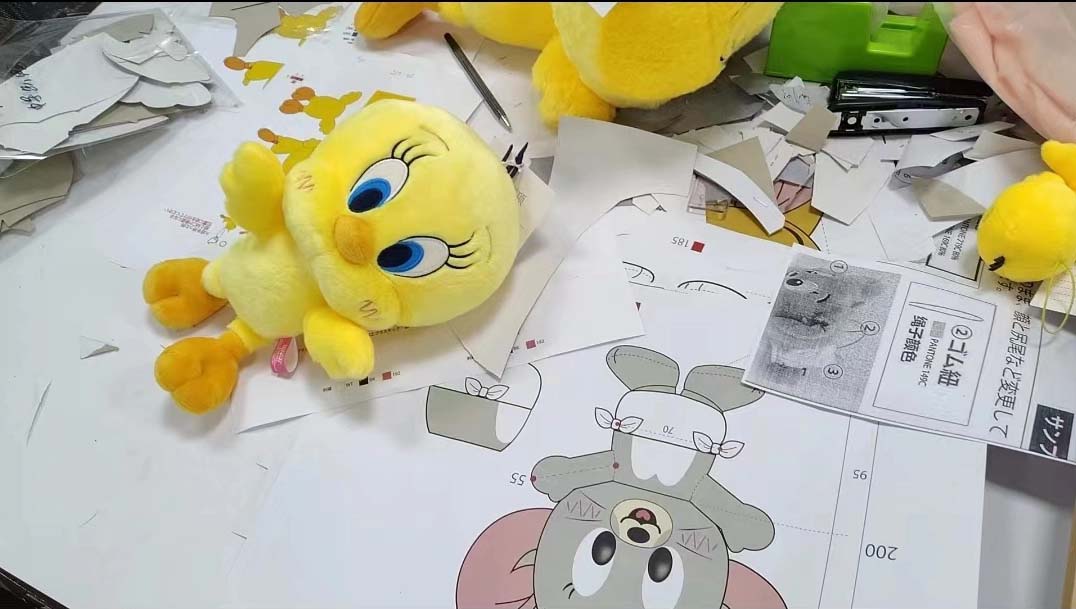
The counter sample is the verification mechanism that confirms whether the standard established in the approved development sample and documented in the tech pack can actually be replicated under bulk production conditions — before any bulk production commitment is made. It is the bridge between the development standard and the production reality, and it is the most important pre-production quality investment available.
The counter sample is built under actual bulk production conditions — using the approved bulk materials, the production patterns, the production stuffing machines at their calibrated settings, and production-level operators under the supervision of the quality management team. It is then compared comprehensively against the approved development sample to determine whether the production environment’s output matches the approved standard within acceptable tolerances.
Here is what the counter sample verification process involves:
| Verification Step | What Is Assessed | Comparison Standard | Action if Deviation Found |
|---|---|---|---|
| Dimensional comparison | Counter sample measurements vs tech pack specifications | Tech pack tolerance table | Adjust pattern or process before bulk |
| Color comparison | Counter sample fabric vs approved swatch and development sample | D65 comparison, Pantone tolerance | Source alternative bulk material or adjust process |
| Shape and proportion | Counter sample silhouette vs approved development sample | Visual comparison and measurement | Pattern adjustment before bulk |
| Stuffing density | Counter sample compression vs development sample compression | Weight measurement, compression comparison | Stuffing machine recalibration |
| Embroidery position | Counter sample feature coordinates vs approved coordinates | Coordinate measurement | Embroidery hoop positioning adjustment |
| Fabric quality | Counter sample pile vs approved swatch | Visual and tactile comparison under D65 | Material substitution or acceptance with disclosure |
| Accessory attachment | Counter sample accessory security | Pull force test | Attachment technique adjustment |
| Overall quality impression | Counter sample vs development sample side-by-side | Holistic comparison | Identify specific deviations for correction |
Why the Counter Sample Catches What the Development Sample Cannot
The development sample was built by specialist sample sewers using carefully selected materials under controlled sampling conditions. The counter sample is built by production operators using bulk materials under production conditions. The differences between these two production environments are the source of the quality gaps that most commonly produce sample-to-bulk inconsistency.
The counter sample catches three categories of gap that the development sample cannot reveal. First, material gaps — where the bulk fabric’s color, pile, or density characteristics differ subtly from the sample fabric despite being from the same supplier, because bulk fabric is sourced from new production batches with inherent batch variation. Second, process gaps — where the production stuffing machine’s output at its calibrated setting produces different density from the hand stuffing used in development, or where the production embroidery machine’s hoop-to-hoop consistency differs from the sampling machine. Third, skill gaps — where production operator technique in precision-critical operations produces results that differ from the specialist sample sewer’s output.
Each category of gap, identified in the counter sample, can be corrected before any bulk production volume is committed to the gap-affected output. A material gap is resolved by sourcing an alternative bulk material or by explicitly documenting and accepting the deviation within tolerance. A process gap is resolved by recalibrating the production equipment or adjusting the process technique. A skill gap is resolved through additional operator training or work instruction refinement. All corrections are implemented, verified in a corrected counter sample, and confirmed before the full production run proceeds.
The Counter Sample as the Definitive Production Reference
Once the counter sample is approved — after all identified gaps have been corrected and the counter sample’s characteristics are confirmed to be within tolerance of the approved development sample — it takes on a critical role in the production run: it becomes the definitive production reference standard.
The counter sample is retained at the factory’s QC inspection station — accessible to QC inspectors and production supervisors throughout the production run — as the reference against which first-off inspection results, mid-production IPQC samples, and FQC inspection samples are compared. Using the counter sample rather than the development sample for in-production comparison is more accurate because the counter sample was produced under the same production conditions as the bulk run — making it a more reliable predictor of what correctly produced bulk units should look and feel like.
How Are Quality Control Criteria Derived from the Approved Sample for IQC, IPQC, and FQC?
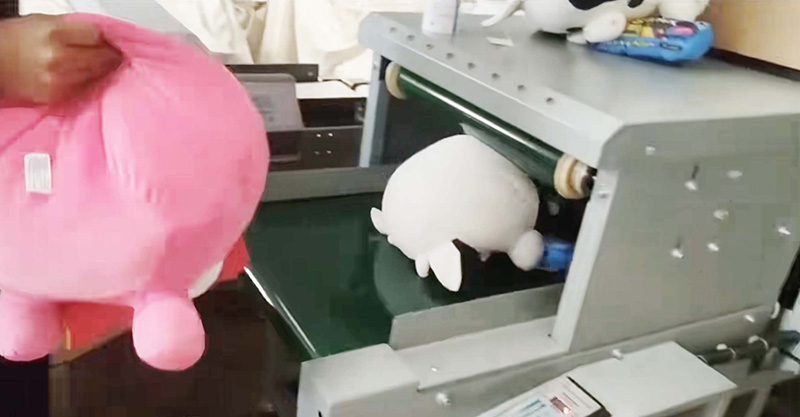
Quality control criteria — the specific pass/fail standards applied at each quality checkpoint throughout the production run — are derived directly from the approved sample through the tech pack documentation process. Every quality criterion is an expression of a specific characteristic of the approved product, translated from a physical attribute of the sample into a measurable, objective standard that can be applied consistently by any QC inspector without requiring the physical sample to be present.
Quality control criteria are derived from the approved sample for three specific inspection stages, each addressing a different category of quality risk at the point in the production process where that risk is most efficiently managed.
IQC Criteria — Derived for Material Verification
IQC criteria are derived from the material specifications documented in the tech pack — which are themselves derived from the material characteristics of the approved sample. Each incoming material is assessed against the standard defined by what was in the approved sample, verified against a physical reference swatch prepared from the sample-stage material.
| IQC Criterion | Derived From | Measurement Method | Pass/Fail Standard |
|---|---|---|---|
| Fabric color | Approved swatch from sample-stage fabric | D65 comparison to retained swatch | Within 1 Pantone shade |
| Fabric pile height | Pile height of sample-stage fabric | Physical measurement in mm | Within ±1mm of specification |
| Filling density grade | Filling characteristics in approved sample | Weight per volume or compression test | Within approved range |
| Accessory dimensions | Accessory specifications in approved sample | Physical measurement | Within ±0.5mm of specification |
| Compliance documentation | Required certifications for target market | Certificate review | Current, applicable certificate present |
IPQC Criteria — Derived for Process Monitoring
IPQC criteria are derived from the construction and quality standards documented in the tech pack — representing the specific output characteristics that correctly executed production processes should produce, verified at intervals against the counter sample.
| IPQC Criterion | Derived From | Monitoring Interval | Pass/Fail Standard |
|---|---|---|---|
| Stuffing density | Approved sample density specification | Every 150–200 units | Unit weight within ±5% of target |
| Embroidery position | Approved coordinate specifications | Every 50 embroidered units | Within ±3mm of specified coordinates |
| Fabric roll color consistency | Approved fabric color specification | At every roll transition | Within 1 Pantone shade of previous roll |
| Seam quality | Construction standards in approved sample | Every 60–90 minutes | Stitch density and alignment within specification |
| Accessory attachment security | Attachment specification in approved sample | Every 2 hours | No detachment under defined pull force |
FQC Criteria — Derived for Batch Confirmation
FQC criteria are the comprehensive quality standards derived from the complete approved sample specification — applied to a statistically defined sample of the completed batch to confirm that the overall production output meets the required standard before shipment is approved.
| FQC Criterion | Derived From | AQL Level Applied | Pass/Fail Standard |
|---|---|---|---|
| Overall dimensions | Tech pack dimension table | 2.5 (major) | Within ±5% of all specified dimensions |
| Color accuracy | Pantone references in tech pack | 2.5 (major) | Within 1 Pantone shade under D65 |
| Shape and proportion | Approved sample visual comparison | 2.5 (major) | Visually consistent with counter sample |
| Stuffing density | Density specification in tech pack | 2.5 (major) | Within compression tolerance range |
| Embroidery accuracy | Coordinate specifications in tech pack | 2.5 (major) | Within ±3mm of specified coordinates |
| Accessory security | Attachment specification | 1.5 (critical) | No detachment under test force |
| Seam integrity | Construction specification | 1.5 (critical) | No visible weakness or misalignment |
| Labeling accuracy | Label specification in tech pack | 2.5 (major) | Exact content and placement match |
| Surface quality | Finishing standard from approved sample | 4.0 (minor) | No visible loose threads or surface defects |
How Is the Production Standard Maintained Across a Long Production Run?

Establishing the production standard at the beginning of a production run is necessary but not sufficient. Maintaining it across the full run — from the first unit to the last, produced over days or weeks by operators who fatigue, machines that drift, and material rolls that vary — requires an active, continuous monitoring system that detects and corrects deviations before they accumulate into quality failures.
The production standard is maintained across a long production run through the IPQC monitoring system — a series of scheduled quality checks at defined production intervals that compare current output against the established standard and trigger corrections when deviations are identified. The monitoring system does not wait for visible problems to emerge. It actively searches for emerging problems at the frequency required to catch them before they affect significant production quantities.
Here is a complete production standard maintenance framework organized by the type of drift each control manages:
| Drift Type | Cause | Monitoring Control | Correction Mechanism |
|---|---|---|---|
| Stuffing density drift | Machine warm-up, feed rate change | Weight check every 150–200 units | Machine recalibration to target setting |
| Embroidery position drift | Hoop repositioning cumulative error | Coordinate check every 50 units | Hoop positioning adjustment and re-verification |
| Color variation from roll change | Dye lot difference between rolls | D65 comparison at every roll transition | Roll rejection or strategic mixing |
| Seam quality drift | Thread tension change, operator fatigue | Visual check every 60–90 minutes | Machine tension adjustment or operator correction |
| Accessory position drift | Operator technique variation over shift | Position check every 2 hours | Positioning guidance reinforcement |
| Pile direction inconsistency | Cutting grain line error | Panel check every 200 cut sets | Cutting sequence adjustment |
| Surface finishing deterioration | Operator attention decline | Pre-pack check on all units | Finishing quality reminder and demonstration |
The First-Off Inspection as the Anchor Point
The most important single monitoring event in a production run is the first-off inspection — the comprehensive quality assessment of the first three to five complete units from the production line before the run proceeds further. The first-off inspection establishes the verified starting point of the production standard maintenance system — confirming that the production process, as configured, is producing output within the required tolerances before any significant volume is committed.
When the first-off inspection passes, all subsequent IPQC monitoring is measuring drift from a confirmed correct baseline. When the first-off inspection reveals a deviation, the production process is corrected before any additional units are produced with the deviation — limiting the cost of correction to the adjustment of five or fewer units.
The first-off inspection result should be documented and shared — both internally within the factory’s QC system and externally to the buyer as part of the production communication protocol. A first-off inspection report with photos provides direct evidence that the production standard was confirmed before the run proceeded, and it gives the buyer early visibility into the production quality level without waiting for the final inspection report.
How Is the Sample-to-Production Standard Preserved for Reorders and Range Extensions?
The production standard established through the approved sample, documented in the tech pack, verified through the counter sample, and maintained across the production run does not have automatic continuity into future orders. Without deliberate preservation steps, every reorder begins with a degraded version of the original standard — one that relies on human memory, on physical samples that may have been compressed or discolored over time, and on material sourcing that may introduce batch variation without systematic comparison to the original reference.
The sample-to-production standard is preserved for reorders and range extensions through a structured archive and reorder qualification process — maintaining the original production documentation in accessible, organized form and applying it systematically at the start of every subsequent production event.
Here is the complete standard preservation framework:
| Preservation Element | What Is Retained | Storage Requirement | How It Is Used in Reorders |
|---|---|---|---|
| Approved development sample | Physical sample in best achievable condition | Sealed, labeled, dark storage | Visual and tactile reference for reorder comparison |
| Approved counter sample | Physical sample built under production conditions | Sealed, labeled, dark storage | Production reference for first-off comparison |
| Reference swatch set | Swatches of all approved fabric and materials | Sealed, labeled, protected from light | IQC comparison reference for reorder materials |
| Finalized tech pack | Complete specification document | Digital archive with version control | Production specification for all future orders |
| IQC records | Incoming material inspection records | Digital archive | Reference for material batch traceability |
| IPQC logs | In-process monitoring records | Digital archive | Reference for process performance history |
| FQC report | Final inspection report | Digital archive | Quality baseline for reorder comparison |
| Material supplier records | Supplier codes, material grades, lot references | Digital archive | Enables sourcing of matched materials |
The Reorder Material Qualification Process
The most significant preservation challenge for reorders is fabric — because fabric is sourced from new production batches for each reorder, and textile manufacturing inherently produces batch-to-batch variation. Managing this variation requires a mandatory reorder material qualification process that compares proposed reorder materials against the retained reference swatches before any bulk material is ordered.
This process begins when the reorder is planned — not when the bulk fabric has already been delivered. At the planning stage, the factory contacts the fabric supplier and requests swatch samples from available fabric lots for the required specifications. Those swatches are compared against the retained approved swatches under D65 lighting, and only lots that fall within the approved color tolerance are selected for bulk ordering.
When the selected bulk fabric arrives, it undergoes full IQC verification — again compared against the retained approved swatches, pile height measured, compliance documentation verified. Only then does the fabric receive production authorization.
This two-stage qualification process — swatch pre-selection before bulk ordering, IQC verification after delivery — catches fabric variation at the earliest possible point, before any production investment has been made with non-conforming material.
Range Extension Standard Management
Range extensions — new colors, new sizes, new character variants of an existing design — require specific standard management to maintain the quality consistency of the brand’s product range while efficiently leveraging the production knowledge already established for the original design.
For color extensions, the most efficient approach is to use the original design’s counter sample as the construction and proportion reference, with new material swatches approved against the brand’s general quality standard rather than the specific colorway of the original. For size variants, the original patterns may be graded up or down, with a new counter sample produced to confirm that the graded patterns produce the correct proportions at the new size before production begins. For character variants — different characters in the same design family — the original production standard serves as the quality benchmark for construction quality, with new character-specific embroidery artwork and accessory specifications developed through a targeted development process.
At Kinwin, we maintain production archives for all active client designs — tech packs, approved sample references, material specifications, and IQC records — as standard components of our ongoing client relationship management. When a client places a reorder or requests a range extension, the production standard established for the original design is immediately accessible, allowing us to begin the reorder qualification process without rebuilding documentation from scratch.
This archive maintenance is one of the most tangible long-term values of a stable manufacturing partnership — the institutional knowledge it accumulates reduces the management overhead of each successive order, improves the reliability of production standards across reorders, and makes range expansion faster and more efficient than it would be if each new SKU had to be developed without the foundation of the existing production infrastructure.
If you want to understand specifically how we manage the sample-to-production standard transition, how our tech pack documentation is structured, or how our reorder qualification process works, we would be glad to walk through it with you in detail.
Reach out to our team at [email protected] or visit kinwintoys.com to start that conversation.
Conclusion
The transformation of an approved plush sample into a mass production standard is not an automatic outcome of production — it is a deliberate process of documentation, verification, distribution, monitoring, and preservation that requires systematic investment at every stage of the transition.
When this process is executed correctly — when the tech pack captures every characteristic of the approved sample in measurable terms, when the counter sample confirms that the production environment can replicate those characteristics, when work instructions equip operators with the specific techniques that produce consistent output, when IPQC monitoring catches deviations before they accumulate, and when the production archive preserves the standard for reorders — the result is bulk goods that match the approved sample closely enough to be commercially indistinguishable from it.
When any stage of this process is skipped or inadequately executed, the quality gap between the approved sample and the bulk production is not random. It is the predictable result of a specific process failure — a material that was not verified against the approved specification, a counter sample that was not built, an IPQC interval that was not maintained, a tech pack that was not complete.
Understanding this process gives buyers the framework to evaluate manufacturing partners accurately — not on their quality claims but on the specific systems they have built to make consistent quality a structural outcome rather than a fortunate accident. The factories that execute this process reliably are the ones that consistently deliver bulk goods that match their approved samples — and those are the manufacturing partners that support brand growth rather than creating the quality problems that inhibit it.
FAQ
Q1: How long should buyers retain their copy of the approved sample, and what is the best way to store it?
Buyers should retain the approved sample for as long as the product remains in active production — including all anticipated reorder cycles. For products with long commercial lives, this may mean retaining the reference sample for several years. The storage approach should prioritize protection from the environmental factors that most commonly degrade physical plush samples: light exposure (which causes fabric color fading), compression (which permanently alters pile height and stuffing density), and moisture (which can cause mold or material degradation). The recommended storage approach is to seal the sample in an opaque, rigid container that prevents compression, store it in a dark location away from direct or indirect light exposure, and maintain it at stable temperature and humidity. The sample should be labeled clearly with the product name, SKU, approval date, and order reference. For products with multiple colorways, each approved sample should be stored separately with individual labeling to prevent colorway confusion.
Q2: What happens to the production standard when a design element changes between orders — for example, if the brand wants to update an accessory or modify a color?
Any design element change between orders requires a formal update to the production standard before the next production run begins. The update process involves three steps. First, the specific change is documented as an amendment to the existing tech pack — specifying exactly what is changing, what the new specification is, and the date the change is approved. Second, if the change affects a physical product characteristic — a different accessory, a new color, a modified proportion — a targeted sample of the changed element is produced and approved before the change is incorporated into the full production run. Third, if the change is significant enough that the overall product quality impression may differ from the existing approved sample, a new counter sample is produced with the changed specification to confirm that the production environment can produce the updated design at the required standard. Treating design changes as requiring formal standard updates — rather than as informal adjustments communicated verbally — prevents the ambiguity that commonly produces quality disputes when the previous standard and the updated standard exist simultaneously without clear documentation of where the transition occurred.
Q3: Is it possible to use the tech pack from one product as the starting point for developing a related product in the same range, and how should this be managed?
Yes — and using an existing tech pack as the starting point for a related product is one of the most efficient approaches to range extension, particularly for new colorways, size variants, or character variants that share the same basic construction approach. The existing tech pack provides a verified production standard framework — construction notes, seam specifications, quality criteria, accessory attachment standards — that can be inherited by the new product without rebuilding from scratch. The elements that require modification are those specific to the new product’s differentiating characteristics: new color references, new embroidery artwork and coordinates, new size-specific dimensions, or new character-specific accessory specifications. The inherited elements should be reviewed and confirmed as applicable rather than assumed — because even apparently similar products may have specific construction requirements that differ from the original. The modified tech pack should be version-controlled clearly — with the new product’s specifications distinguishable from the original design’s at every relevant point — and a targeted counter sample should be produced to confirm that the production environment replicates the updated specification before full production begins.
Q4: What recourse do buyers have if the factory’s FQC report shows the batch passed but the buyer identifies quality failures when the goods are received?
When goods are received with quality failures that contradict a passing FQC report, the most important immediate step is systematic documentation — photographing the failures clearly, measuring the deviations against the tech pack specifications, and estimating the proportion of units affected across a representative sample of the delivery. This documentation should reference the specific tech pack criteria that the failures violate, creating an objective evidentiary basis for the quality claim. The documentation is then presented to the factory with a request for root cause explanation — specifically whether the failures were present in the FQC sample and passed, or whether they represent characteristics that were not in the FQC sample but are present in the non-sampled portion of the batch. If the failures were in the FQC sample and were passed by the factory’s QC team, this indicates either an inspection error or a standard misapplication that warrants both commercial remediation and process correction. If the failures are concentrated in areas not covered by the FQC sample, this indicates a sampling adequacy issue that may warrant a more intensive re-inspection protocol for future orders. In either case, having a pre-agreed quality annex in the purchase agreement — specifying the AQL level, defect classification, and commercial consequences of a post-delivery quality failure — is the most effective basis for reaching an efficient and fair resolution.
Q5: How does the production standard management process change for very complex products with many design elements, compared to simpler products?
For complex products — multi-panel character designs, weighted plush, products with multiple functional elements — the production standard management process requires greater depth and specificity at every stage rather than a fundamentally different approach. The tech pack for a complex product is necessarily more detailed — with more dimension entries, more color references, more accessory specifications, more embroidery coordinate entries, and more construction notes than a simple product requires. The counter sample process for a complex product involves more verification checkpoints and may require a second counter sample if the first reveals multiple deviations requiring correction. The IPQC monitoring for a complex product requires more monitoring points and shorter intervals — because more quality dimensions are at risk of drift simultaneously. And the FQC criteria for a complex product include more inspection items with the same or stricter AQL standards. The principle — systematic documentation, production-environment verification, operator instruction, interval monitoring, and standard preservation — is identical for simple and complex products. The investment required to execute that principle adequately scales with the number of quality-relevant characteristics in the product, which is why complex products typically carry higher QC overhead costs than simple ones and why the development timeline for complex products is longer even after the sample has been approved.