Skip to content
In plush manufacturing, price is easy to compare, but risk is often more important. A low unit price looks attractive at the quotation stage, yet the buyer may not see the real cost until sampling delays, material changes, failed inspections, packaging problems, shipment delays, or customer complaints appear. For B2B buyers, the cheapest quote is not always the lowest-cost project.
Risk control means identifying and reducing problems before they affect production, shipment, compliance, or brand reputation. It includes clear specifications, controlled sampling, material approval, process checkpoints, safety testing, needle detection, packaging review, delivery planning, and transparent communication. These actions may not always reduce the first unit price, but they reduce the chance of expensive failure.
This is especially true for custom plush toys. A plush product combines visual design, soft structure, fabric behavior, sewing skill, stuffing balance, labels, accessories, and packaging. Small errors can change the appearance, safety, or commercial usability of the product. A professional plush partner should therefore help buyers understand risk as carefully as they understand price.
Understand the Real Cost of a Low Price
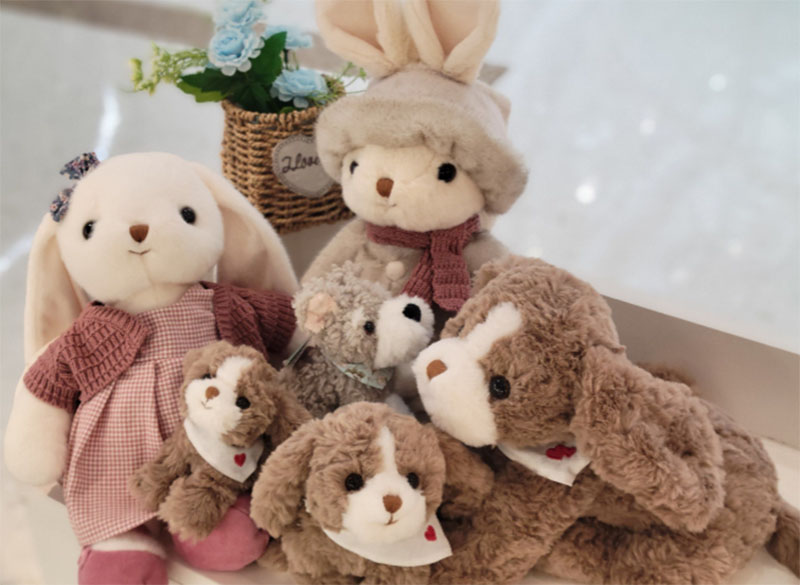
The first reason risk control is more important than price is that a low quote may hide excluded costs. A supplier can reduce the price by using lighter fabric, less filling, simpler embroidery, weaker packaging, fewer inspection steps, or unclear testing assumptions. The number looks better, but the buyer may only discover the compromise after the product is sampled or produced.
In plush manufacturing, the true cost includes more than the unit price. Buyers must consider sample revisions, testing fees, inspection, freight, rework, delayed shipment, replacement goods, customer service, and the internal time spent solving supplier problems. These costs can exceed the savings from choosing a cheaper supplier.
A low-price decision is especially risky when the buyer does not compare assumptions. Two suppliers may quote the same toy differently because one includes safety testing, stronger packaging, better fabric, and final inspection, while another quotes only basic production. Without a clear comparison, the buyer may choose the cheaper quote while unknowingly accepting more risk.
Risk control makes these hidden items visible. It asks what must be protected, what can be adjusted, and what cost reduction would create unacceptable exposure. This turns purchasing from price chasing into structured decision-making.
For plush buyers, this structure is important because many risks do not appear at the same time as the quote. A weak seam may not show until the toy is pulled by a child. Poor filling may not look obvious until goods are compressed in cartons. Wrong labels may not become urgent until the warehouse refuses receiving. Price is visible early, but risk often becomes visible late.
| Risk Area | Control Method | Why It Matters More Than Price |
|---|---|---|
| Hidden exclusions | Check whether testing, packaging, inspection, and sample revisions are included | Excluded items often return later as urgent extra costs |
| Quality compromise | Compare fabric weight, filling level, sewing standard, and packaging strength | Small production shortcuts can damage the buyer’s final product |
| Internal workload | Estimate buyer time spent on rework, claims, delays, and follow-up | Management time is a real cost even when it is not shown on the quote |
Control Sampling Risk Before Bulk Production

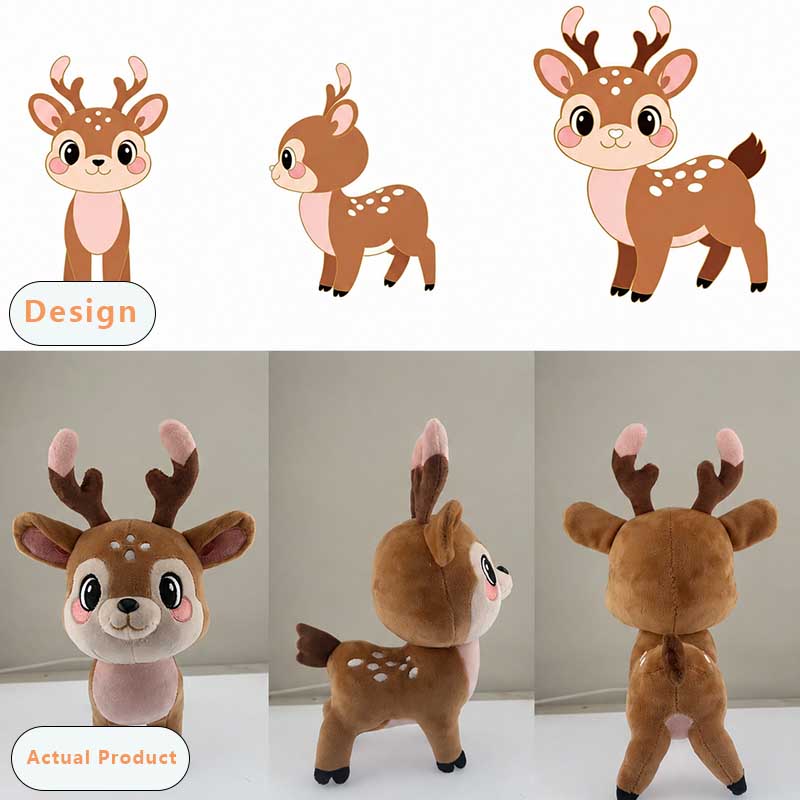
Sampling is the first practical risk-control point in a custom plush project. Before the factory cuts bulk fabric or assigns sewing lines, the sample should prove that the design can be made consistently. It should confirm shape, size, fabric direction, embroidery position, stuffing firmness, accessory placement, and overall character expression.
A price-focused project may rush the sample stage to save time or reduce development cost. This can create weak patterns, unclear approval records, or a sample that looks acceptable once but cannot be repeated efficiently in production. When the approved sample is not production-ready, the bulk order becomes a risk.
Risk-controlled sampling uses version records, clear buyer comments, and technical feedback. The factory should explain which details are difficult, which changes affect cost, and which design choices may create future quality problems. This helps the buyer make decisions while changes are still relatively inexpensive.
The approved sample should also become a protected benchmark. If production teams work from outdated comments or unclear photos, the bulk product can drift away from buyer expectations. A controlled sample process reduces this risk by making the final standard explicit.
Sampling risk also affects commercial timing. If a sample is approved too loosely, the buyer may need to correct the standard during bulk production, when changes are slower and more expensive. A careful sample stage creates a clearer handoff from development to production, which helps the factory train workers and helps inspectors judge the final goods objectively.
| Risk Area | Control Method | Why It Matters More Than Price |
|---|---|---|
| Sample accuracy | Compare the sample against artwork, target size, expression, and function | A weak sample standard creates bulk production disputes |
| Revision control | Record each change, buyer comment, and final approval | Lost revision history can cause the factory to follow the wrong standard |
| Production readiness | Confirm that pattern, fabric, embroidery, and stuffing can be repeated | A beautiful sample is not enough if the factory cannot reproduce it |
Reduce Material and Component Uncertainty
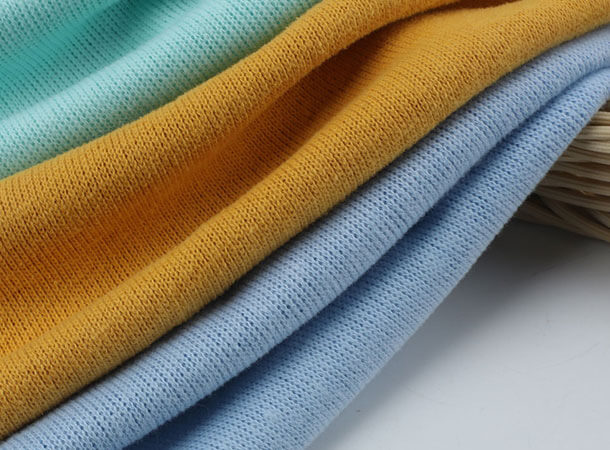
Material risk is one of the most common hidden problems in plush manufacturing. Fabric shade, pile height, fabric weight, filling quality, embroidery thread, plastic eyes, sound modules, labels, and packaging materials all influence the final result. If materials are selected only by price, the buyer may face inconsistent appearance, weak durability, or compliance issues.
A risk-controlled supplier confirms materials before bulk production. This includes fabric swatches, color approval, filling standards, accessory samples, label content, and packaging materials. Incoming inspection should check whether delivered materials match what was approved. If problems are found before cutting, they can still be corrected with less damage.
Price-first sourcing often treats material substitution as a quick way to protect margin. That is dangerous when the buyer expects a specific hand feel, shape recovery, color consistency, or safety standard. Even a small material change can affect cutting loss, sewing difficulty, stuffing balance, test results, and customer perception.
Buyers should ask suppliers to state material assumptions clearly. If the quote is based on stock fabric, custom dyeing, recycled fabric, special filling, or certified components, this should be visible. Transparent material control protects both quality and cost predictability.
Material risk can also affect delivery. Custom colors, special textures, electronic components, or certified materials may need longer lead times and minimum order quantities. If these realities are ignored in order to present a cheaper or faster quote, the buyer may face late material arrival, emergency substitution, or rushed production. A risk-controlled supplier makes these constraints clear before the order is confirmed.
| Risk Area | Control Method | Why It Matters More Than Price |
|---|---|---|
| Fabric approval | Confirm pile height, fabric weight, hand feel, shade, and direction | Fabric variation can change appearance and production efficiency |
| Component control | Approve eyes, noses, zippers, electronics, ribbons, labels, and accessories | Small components can create safety, durability, or brand problems |
| Substitution rules | Require approval before changing materials or components | Unapproved substitutions can make a low price much more expensive later |
Use Process Control to Prevent Repeated Defects
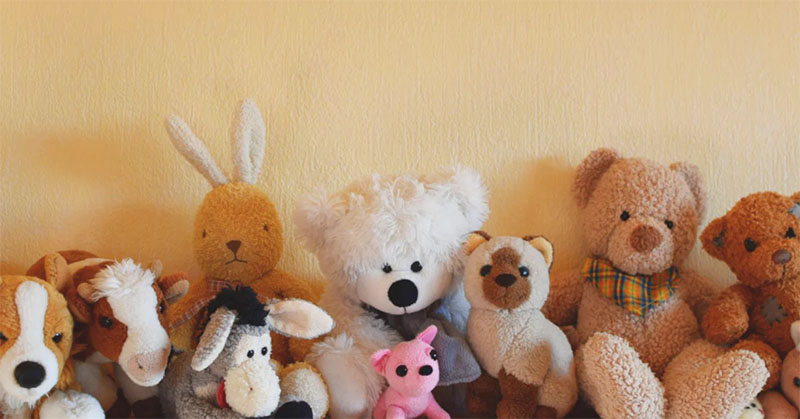
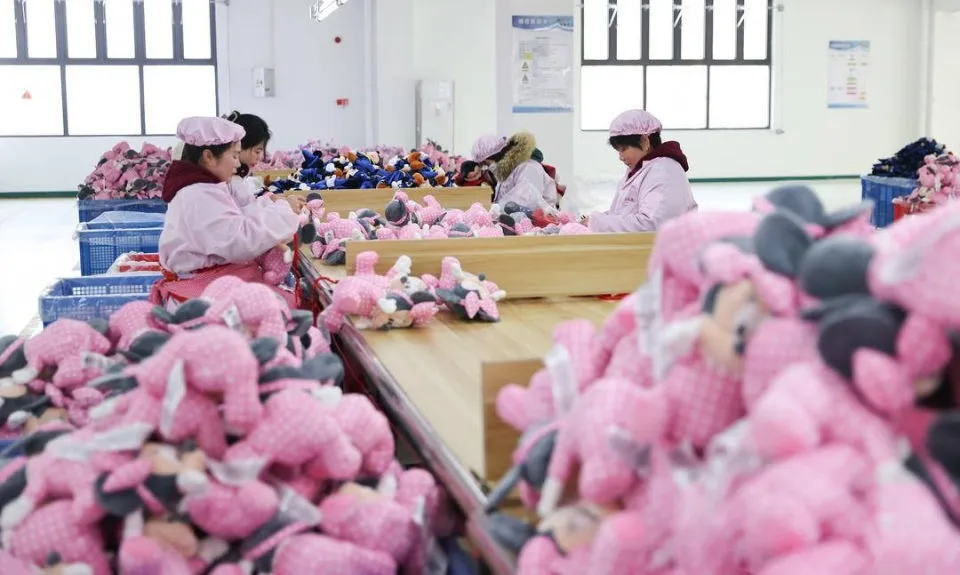
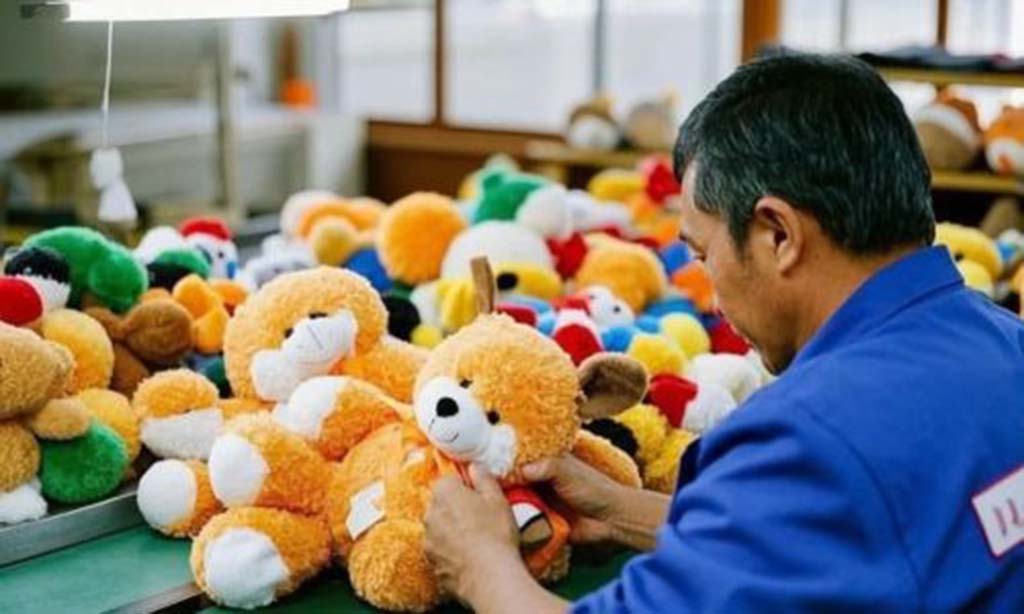
Risk control is stronger when it happens inside the production process, not only at the final inspection table. Plush manufacturing includes cutting, embroidery, sewing, turning, stuffing, closing, trimming, needle detection, and packing. Each stage can create defects that become harder to fix later.
A price-first supplier may reduce process checks to save labor time. This can allow repeated defects to spread through the order. For example, if a sewing position is wrong during the first production run and nobody checks early output, thousands of pieces may repeat the same mistake before final inspection.
A risk-controlled factory uses first-article review, inline inspection, supervisor checks, and defect feedback during production. If the team finds open seams, poor symmetry, embroidery shift, uneven stuffing, or fabric direction issues, they can correct the operation before the defect becomes widespread.
This approach protects schedule as well as quality. Preventing defects during production is usually faster than sorting and repairing finished goods. It also reduces arguments because problems are documented and corrected before shipment pressure becomes severe.
Process control also protects consistency across cartons. Without inline checks, one production line, one operator group, or one shift can create a different quality level from another. For multi-SKU plush orders, this becomes more complex because each color, size, or character may have its own critical points. Risk control keeps these differences visible and manageable.
| Risk Area | Control Method | Why It Matters More Than Price |
|---|---|---|
| First output review | Check early production pieces before full-line production continues | Early correction prevents repeated defects across the whole order |
| Inline inspection | Monitor sewing, stuffing, trimming, and appearance during production | Defects are cheaper to fix before products are packed |
| Defect feedback | Record recurring problems and adjust process or training | Prevention reduces rework, delays, and buyer disputes |
Protect Compliance and Safety Before Shipment
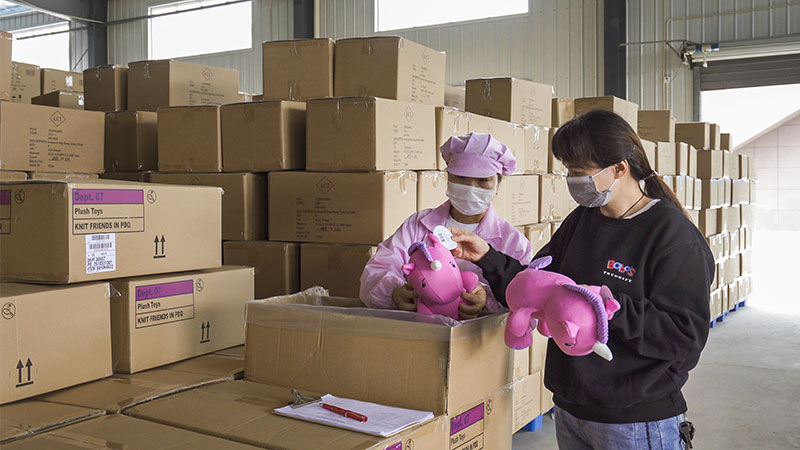
Compliance and safety risks are more serious than normal price differences. Plush toys may need to meet requirements related to small parts, pull strength, flammability, labeling, chemicals, batteries, magnets, cords, or age grading depending on the destination market. If these issues are discovered late, the buyer may face redesign, retesting, shipment delay, or legal exposure.
A risk-controlled supplier asks about the sales market and user group before production. This helps determine whether EN71, ASTM F963, CPSIA, REACH, or buyer-specific requirements may apply. The supplier should also align materials, labels, and construction methods with the required standard instead of treating testing as a final formality.
Needle detection is another critical control in plush manufacturing. Sewing needles can break, and metal contamination creates serious safety risk. Professional factories use needle logs, broken needle procedures, isolation rules, and detection equipment to reduce this risk before shipment.
Cutting compliance cost may reduce the quote slightly, but the downside is much larger. A failed safety test or unsafe product can damage a brand, block delivery, or require product withdrawal. This is why risk control must come before price when safety is involved.
Buyers should also confirm that the tested sample and bulk production match. A test report loses value if the factory later changes fabric, accessories, filling, labels, or construction without approval. Risk control connects documentation with real production, so compliance is not only a file in an email but a controlled part of the order.
| Risk Area | Control Method | Why It Matters More Than Price |
|---|---|---|
| Market compliance | Confirm destination market, age grade, safety standard, and label rules | Wrong assumptions can cause test failure or sales restrictions |
| Safety checks | Use pull tests, small-part review, needle detection, and component control | Safety failures carry higher consequences than normal cosmetic defects |
| Documentation | Keep test reports, inspection records, and control logs | Evidence protects buyers when retailers or regulators ask questions |
Manage Delivery Risk Instead of Trusting Optimistic Promises
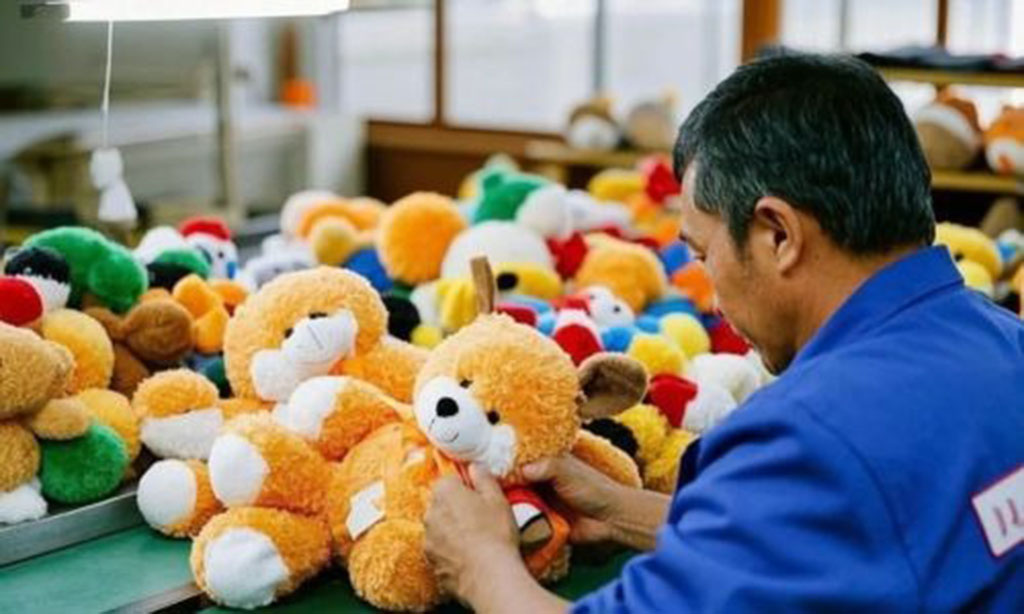
Delivery risk is often underestimated when buyers focus only on price. A supplier may offer a low quote and an aggressive lead time, but if material purchasing, sample approval, production scheduling, testing, inspection, and packing are not controlled, the delivery date becomes fragile.
Risk-controlled delivery planning starts with a realistic timeline. The factory should identify critical points: artwork confirmation, sample making, sample approval, material booking, lab testing, production start, inline checks, packing, final inspection, and shipment booking. Each step needs enough time to be done correctly.
Price-first sourcing can create delivery risk because the supplier may accept a schedule that leaves no buffer for material delays, sample revisions, failed inspection, or packaging changes. When something goes wrong, the buyer may need expensive air freight, partial shipment, or delayed launch communication.
A professional plush partner reports schedule risks early. If fabric lead time changes or inspection finds a problem, the buyer should know while options still exist. Late reporting is one of the most expensive forms of poor risk control.
Delivery risk also affects buyer-side commitments. Retail launch dates, event dates, promotional campaigns, and seasonal selling windows often cannot move easily. When a supplier saves cost by compressing the production plan too aggressively, the buyer may lose the ability to respond calmly if anything changes. A realistic schedule is therefore a form of financial protection.
| Risk Area | Control Method | Why It Matters More Than Price |
|---|---|---|
| Timeline planning | Map sample, material, production, testing, inspection, and shipping milestones | A realistic timeline prevents hidden delay risk |
| Buffer control | Reserve time for revisions, rework, and final inspection | No buffer can turn small issues into missed launch dates |
| Early reporting | Notify buyers about material, quality, or schedule risks promptly | Early warning gives buyers options before emergency costs appear |
Prevent Packaging and Logistics Problems
Packaging and logistics risk can turn a low-priced plush order into an expensive project. Plush toys are bulky, soft, and shape-sensitive. If packaging is too weak, too compressed, incorrectly labeled, or poorly planned, products may arrive deformed, cartons may fail, or warehouses may reject the shipment for incorrect information.
Risk-controlled packaging checks both protection and efficiency. The supplier should review individual polybags, hangtags, barcodes, warning labels, inner cartons, master cartons, carton marks, carton strength, packing quantity, and assortment accuracy. For retail buyers, packaging is part of the product experience and cannot be treated as an afterthought.
Freight risk also matters. A cheap unit price may be offset by poor carton utilization or excessive volumetric weight. Conversely, aggressive compression may lower freight but damage shape recovery. The right solution depends on the plush design, fabric type, stuffing firmness, sales channel, and delivery method.
Buyers should evaluate packaging before mass shipment. Carton dimensions, packing method, and product recovery should be reviewed before goods are fully packed. This reduces the chance of last-minute repacking, delayed shipment, or damaged retail presentation.
Logistics risk is also tied to order documentation. Packing lists, carton numbers, SKU ratios, country of origin marks, and barcode labels must match the buyer’s receiving process. A shipment can pass visual product inspection and still create serious problems if cartons are mislabeled or mixed. Risk control treats these details as part of quality, not separate paperwork.
| Risk Area | Control Method | Why It Matters More Than Price |
|---|---|---|
| Product protection | Check compression, carton strength, fabric protection, and shape recovery | Poor packaging can damage goods after they already passed production |
| Label accuracy | Verify barcode, hangtag, warning label, carton mark, and SKU information | Label errors create warehouse, retail, and customs problems |
| Freight efficiency | Balance carton utilization with product appearance and recovery | Cheap packing decisions can raise logistics cost or damage presentation |
Choose Partners Who Reduce Long-Term Risk
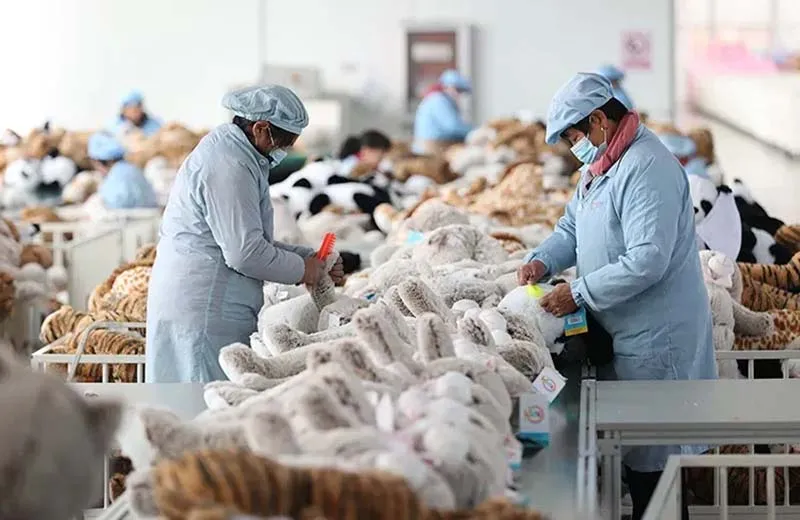
The strongest reason risk control matters more than price is long-term reliability. A plush supplier that prevents problems, communicates clearly, and documents decisions reduces the buyer’s workload across every order. A supplier that only offers low prices may require constant checking, repeated corrections, and more internal management.
Long-term risk control depends on supplier behavior. A reliable partner asks good questions, explains tradeoffs, protects approved samples, controls materials, reports problems early, and reviews defects after production. These habits make future projects easier because the supplier learns the buyer’s standards.
A price-first relationship often becomes reactive. The buyer pushes for lower cost, the supplier protects the quote, and difficult risks may be hidden until they become urgent. This structure can damage trust and make problem-solving slower. A risk-controlled relationship makes risks visible, so both sides can decide how to handle them.
For B2B plush buyers, supplier selection should therefore include risk management ability. The best partner is not always the cheapest supplier. It is the supplier that delivers acceptable cost while protecting quality, safety, delivery, documentation, and brand reputation.
This does not mean buyers should accept any higher price without question. A strong supplier should still explain cost drivers and suggest safe optimization. The difference is that cost reduction happens with clear tradeoffs. When both sides understand risk, negotiation becomes more practical and the final decision is easier to defend internally.
| Risk Area | Control Method | Why It Matters More Than Price |
|---|---|---|
| Supplier behavior | Evaluate questions, documentation, risk warnings, and corrective action | Good behavior prevents many problems before they become claims |
| Repeat learning | Track buyer standards, recurring issues, and improvement actions | A learning supplier reduces risk over multiple projects |
| Brand protection | Support quality, safety, timing, and communication discipline | Brand damage costs more than most unit price savings |
Conclusion
Risk control is more important than price because the lowest quote does not always represent the lowest total cost. In plush manufacturing, unmanaged risk can appear as sample delays, material problems, repeated defects, failed safety checks, packaging errors, delivery delays, or customer complaints. These issues can cost more than the original price saving.
A professional plush manufacturer helps buyers control risk through sampling discipline, material approval, process control, compliance planning, quality inspection, packaging review, delivery management, and transparent communication. Price still matters, but it should be evaluated together with risk. The best sourcing decision protects both cost and brand reliability.
FAQ
Why is risk control more important than price in plush manufacturing?
Because a low unit price can hide problems that become expensive later, including rework, failed testing, shipment delay, returns, and buyer management time. Risk control reduces these hidden costs.
Does risk control always increase plush toy cost?
Not always. Some controls add visible cost, but they often reduce total project cost by preventing defects, delays, and compliance failures. The right comparison is total cost, not unit price alone.
What are the biggest risks in custom plush production?
Common risks include inaccurate samples, unstable materials, weak sewing, poor stuffing, unsafe components, failed needle detection, wrong labels, packaging deformation, and late delivery.
How can buyers compare price and risk fairly?
Buyers should compare quote assumptions, material details, sample scope, testing, inspection, packaging, delivery terms, and corrective action policies. This makes hidden risk easier to see.
Why does sampling reduce project risk?
Sampling confirms whether the design can be made consistently before bulk production. It also creates an approved benchmark for appearance, size, workmanship, and production inspection.
What supplier behavior shows strong risk control?
Strong suppliers ask detailed questions, explain tradeoffs, document approvals, report problems early, keep inspection records, and propose corrective actions when issues appear.
Should buyers still negotiate price?
Yes. Price negotiation is normal, but it should not remove essential controls for safety, quality, packaging, delivery, or compliance. Good negotiation focuses on safe cost optimization.