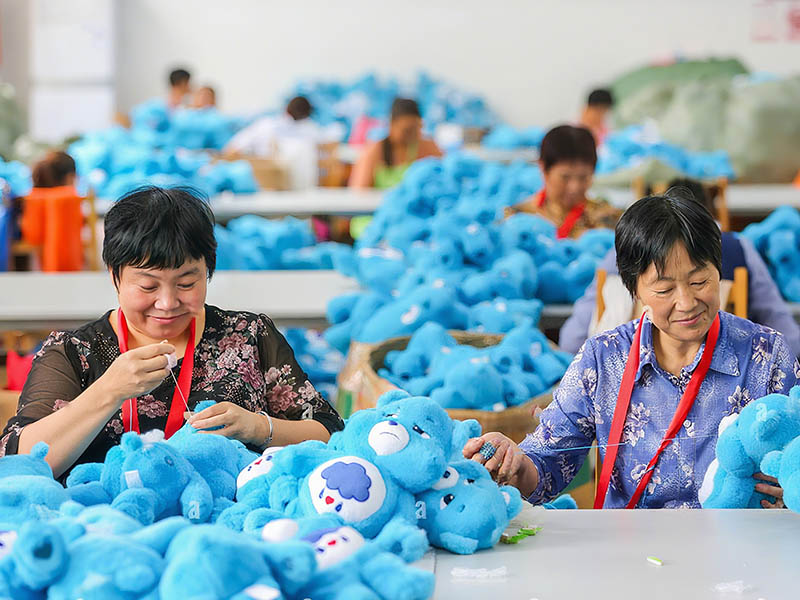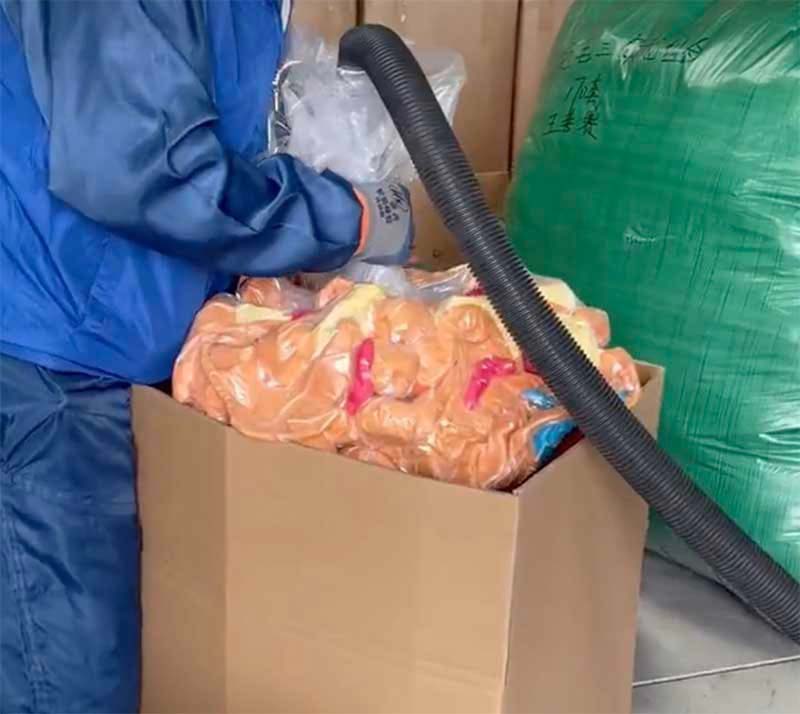
Professional is one of the most frequently used and least precisely defined words in manufacturing supplier communication. Every factory describes itself as professional. Every product catalog features the same language about quality, experience, and capability. Every sales conversation produces the same confident assurances about delivery reliability and customer satisfaction.
The word itself has become almost meaningless as a differentiator — not because the concept it describes is meaningless but because it has been adopted universally regardless of whether the operational reality behind it has been built. A factory that is genuinely professional has invested in specific systems, processes, and organizational structures that produce consistent, reliable, market-ready products. A factory that describes itself as professional without those investments is simply using a word that buyers expect to hear.
This guide defines what factory professionalism actually means in operational terms — not as a self-description but as a set of verifiable capabilities and practices that either exist or do not, that produce specific outcomes when they exist, and that buyers can assess through specific evaluation methods rather than through the self-presentation of the factories being evaluated.
Understanding this operational definition of professionalism transforms buyer evaluation from a comparison of claims into a comparison of demonstrated capability — which is the only comparison that reliably predicts which factory will produce consistent quality results across multiple orders.
What Defines Professionalism in a Plush Toy Factory Beyond Marketing Claims?
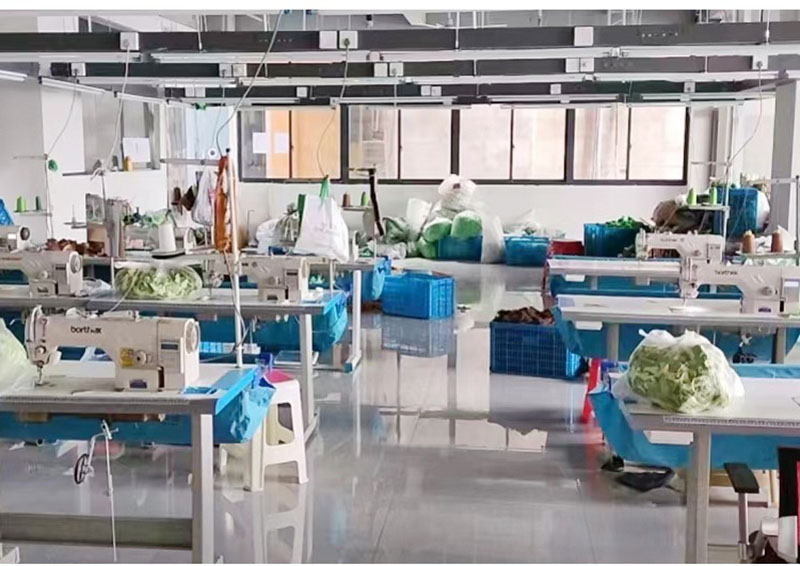
Professionalism in a plush toy factory is the combination of operational capabilities, documented systems, skilled personnel, and organizational culture that enables the factory to consistently deliver what it promises — accurate sample interpretation, consistent bulk production, compliant materials, transparent communication, and accountable problem resolution — across different product types, different order volumes, and varying production conditions.
Professionalism is not self-reported — it is demonstrated through specific, verifiable operational evidence. A professional factory can show its quality control documentation. It can connect buyers with reference clients who will confirm consistent performance across multiple orders. It can demonstrate its pattern making capability through development history. It can provide compliance documentation for its materials. And it can describe its problem-handling process specifically, with real examples, rather than with generic assurances.
Here is a framework for understanding what professionalism means across each operational dimension of plush toy manufacturing:
| Professionalism Dimension | What It Means Operationally | How to Verify It |
|---|---|---|
| Development capability | Accurate brief interpretation, high first-sample accuracy, efficient revision management | Request development history of existing product — first to final sample |
| Quality control systems | Three-stage IQC/IPQC/FQC with documentation, independent QC team | Request actual QC records from recent production |
| Material sourcing | Certified suppliers, compliance documentation, batch tracking | Request material test reports and supplier information |
| Compliance infrastructure | Market-specific knowledge, lab relationships, current certifications | Request test reports for target market standards |
| Communication standard | Proactive milestone updates, accurate information, documentation sharing | Assess during pre-order evaluation period |
| Problem handling | Proactive disclosure, solution-first response, documented corrective action | Ask for specific problem examples during reference checks |
| Workforce stability | Experienced operators, low turnover, specialized roles | Ask about average tenure and operator specialization |
| Production infrastructure | Dedicated sampling area, calibrated equipment, organized production floor | Conduct factory video audit |
The Verification Imperative
The single most important insight about factory professionalism is that it cannot be reliably assessed from self-description alone. Every element of professionalism described in this guide — development capability, quality systems, material sourcing discipline, compliance infrastructure, communication standards — can be claimed by any factory regardless of whether it has been built. Professionalism is distinguishable from its appearance only through specific evidence — documentation, physical samples, reference conversations, and direct observation.
Buyers who build verification into their supplier evaluation process — treating it as a standard part of the sourcing decision rather than an exceptional due diligence exercise — consistently select more capable partners and experience fewer quality surprises than those who evaluate primarily through supplier presentations.
How Does a Professional Factory’s Development Infrastructure Differ from the Rest?
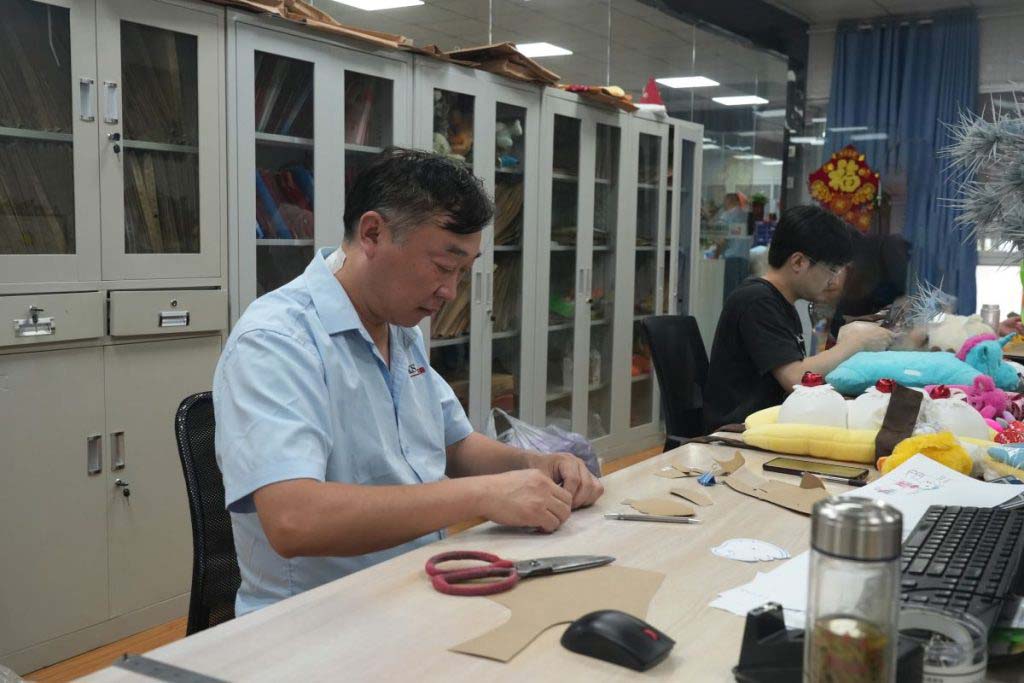
Development infrastructure — the combination of personnel, physical resources, processes, and institutional knowledge that enables a factory to translate design briefs into accurate physical samples efficiently — is one of the most significant and most tangible expressions of factory professionalism. It is the stage where the quality gap between professional and non-professional factories first becomes visible, and where the commercial consequences of that gap — excessive revision rounds, extended timelines, higher development costs — are most directly experienced by buyers.
A professional factory’s development infrastructure differs from non-professional alternatives through three specific investments: dedicated personnel whose role is exclusively focused on prototype development, dedicated physical resources that allow development work to proceed without competing with production demands, and the institutional knowledge that enables accurate interpretation of diverse design briefs across product types and complexity levels.
Here is a detailed comparison of development infrastructure between professional and less professional factories:
| Development Element | Professional Factory | Less Professional Factory | Buyer Impact |
|---|---|---|---|
| Pattern making team | Experienced, dedicated pattern makers with plush-specific expertise | Production workers assigned to pattern making as secondary role | First-sample accuracy, revision round count |
| Sampling personnel | Dedicated sample sewers working exclusively on prototypes | Production operators pulled from line for sampling | Sample construction quality, timeline reliability |
| Sampling facility | Dedicated physical space with complete sampling resources | Sampling conducted in production area alongside regular work | Sampling speed, focus quality |
| Material access for sampling | Ready access to sample quantities of diverse materials | Limited material access, dependent on bulk procurement | Material selection accuracy, brief responsiveness |
| Brief review process | Structured technical review before sampling begins | Brief accepted and worked on without technical assessment | Ambiguity identification, issue prevention |
| Design feasibility assessment | Honest capability and cost assessment before sampling investment | No feasibility assessment, problems discovered in sampling | Development cost surprises, revision avoidability |
| Revision management | Documented change tracking, action list confirmation | Informal, some revision items missed or misunderstood | Revision efficiency, circular revision patterns |
| Counter sample standard | Mandatory pre-production verification step | Optional or absent | Sample-to-bulk consistency |
First-Sample Accuracy as the Primary Development Capability Indicator
Of all the development capability indicators available, first-sample accuracy is the most informative — because it directly reflects the combined effect of brief interpretation quality, pattern making expertise, material sourcing accuracy, and sampling construction skill. A factory whose first samples consistently achieve 75 to 85 percent accuracy — with the remaining gap concentrated in refinement rather than fundamental reconstruction — has genuine development capability. A factory whose first samples consistently require fundamental rebuilding has a development capability gap that additional revision rounds will not structurally resolve.
The most direct way to assess first-sample accuracy before engaging a factory is to request the development history of an existing product from their portfolio — specifically asking to see the first sample, any revision samples, and the final approved sample, along with the number of rounds required. This history reveals development capability more accurately than any verbal description the factory could provide about its team and processes.
What Quality Control Architecture Separates Professional Factories from Others?

Quality control architecture — the structural design of the quality management system, including its stages, personnel organization, documentation standards, and process protocols — is the most direct operational expression of factory professionalism. It is the system that either makes consistent quality a structural outcome or leaves quality dependent on favorable conditions and individual effort.
The quality control architecture of a professional factory is distinguished from that of a less professional factory across five specific structural dimensions: the completeness of quality stage coverage, the independence of the QC function from production management, the product-specificity of inspection criteria, the completeness and organization of documentation, and the consistency of system application regardless of production pressure or timeline urgency.
Here is a structural comparison of QC architecture between professional and less professional factories:
| QC Architecture Dimension | Professional Factory | Less Professional Factory |
|---|---|---|
| Stage coverage | Full IQC, IPQC with defined intervals, FQC with AQL — all documented | End-of-line FQC only, or informal checks without defined intervals |
| QC independence | Separate QC department reporting to management, not production | QC conducted by production supervisors with competing priorities |
| IQC depth | Per-batch material inspection with D65 color assessment and compliance verification | Delivery-level acceptance without systematic per-roll verification |
| IPQC specificity | Product-specific intervals based on known drift characteristics | Generic intervals applied uniformly regardless of product type |
| First-off protocol | Standard procedure for every production run, documented and reported | Absent or informal, not systematically documented |
| AQL application | Correct AQL table applied with defined defect classification | No AQL framework, or incorrectly applied |
| FQC criteria | Product-specific criteria from approved sample specification | Generic checklist applied regardless of product characteristics |
| Non-conformance process | Documented root cause and corrective action system | Ad hoc response without systematic analysis |
| Documentation quality | Complete, organized, accessible records for buyer review | Incomplete, inconsistent records or no records |
The Independence Principle as the Foundation of QC Architecture
Of all the structural elements of QC architecture, the independence of the QC function is the most foundational — because it determines whether quality decisions are made on quality grounds or on competing grounds including production throughput, delivery timeline, and supervisory hierarchy. A QC function that reports to production management faces systematic pressure to make quality decisions that prioritize throughput over standards when the two conflict. A QC function that reports independently to senior management is structurally free to make objective quality decisions regardless of production consequences.
This structural independence is visible in how a factory describes its organizational structure — specifically, who the quality control team reports to and whether QC personnel have the authority to halt production without production management approval. A factory that cannot clearly describe this organizational structure, or where QC authority depends on case-by-case negotiation with production supervisors, does not have genuine QC independence regardless of how its organization chart appears on paper.
How Does Material Sourcing Discipline Reveal a Factory’s Professionalism?
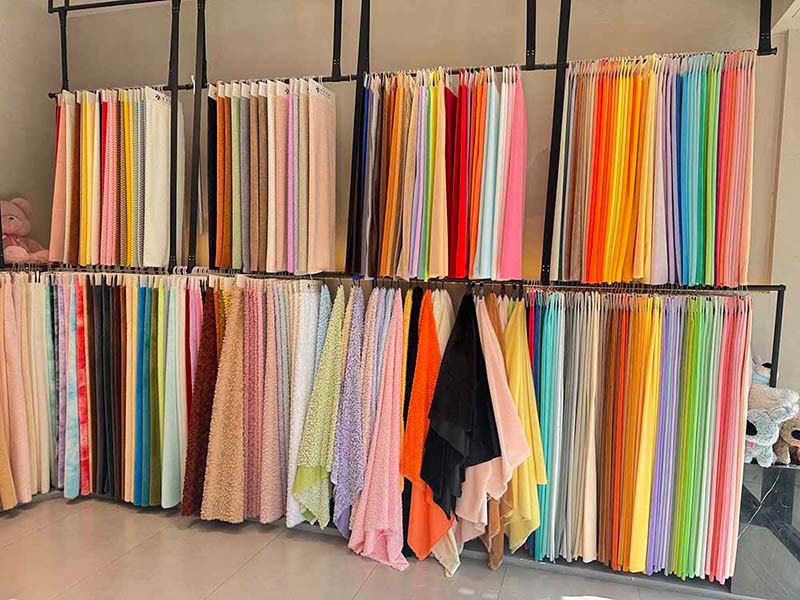
Material sourcing discipline — the systematic application of qualification standards, incoming verification protocols, compliance documentation requirements, and batch management practices to the management of all production material inputs — is one of the most revealing indicators of factory professionalism because it operates across every production run and directly determines the baseline quality and compliance characteristics of every finished product.
Material sourcing discipline reveals a factory’s professionalism because maintaining the specific practices that constitute discipline — certified supplier relationships, per-batch incoming verification, compliance documentation verification, lot tracking, and change authorization requirements — requires sustained operational investment that produces no immediate competitive advantage in a price comparison but is consistently the difference between quality outcomes that customers trust and those that disappoint.
Here is a framework for assessing material sourcing discipline across key dimensions:
| Sourcing Discipline Element | Professional Factory | Less Professional Factory | Quality Risk of Absence |
|---|---|---|---|
| Supplier qualification | Vetted suppliers with documented quality history and compliance certifications | Price-driven sourcing from any available supplier | Inconsistent material quality, compliance exposure |
| Per-roll IQC | Every incoming roll individually inspected against approved specification | Delivery-level acceptance or no systematic inspection | Within-delivery material variation entering production |
| D65 color verification | Standardized D65 lighting used for all color assessments | Ambient lighting used for color assessment | Unreliable color assessment, lighting-dependent variation |
| Compliance documentation | Current certificates for all materials, verified at each delivery | Certificates absent, expired, or from different material lots | Compliance failure risk at testing stage |
| Lot tracking | All material rolls mapped to production lots, cutting sequence planned by lot | No lot tracking, rolls used in random sequence | Unmanaged within-order color variation |
| Unauthorized substitution prohibition | Written policy, buyer approval required for any change | Informal approach, changes made without disclosure | Unexpected material differences in bulk production |
| Reorder material qualification | Swatch pre-approval before bulk reorder material is ordered | Same material assumed to be available without verification | Reorder color or quality mismatch |
Compliance Documentation as a Professionalism Signal
The compliance documentation status of incoming materials is one of the most reliable single indicators of material sourcing discipline — because maintaining current, applicable compliance documentation for all materials requires ongoing supplier relationship management, documentation verification at each delivery, and the organizational discipline to reject materials whose documentation is expired or inapplicable even when the materials themselves appear physically acceptable.
A professional factory can provide current compliance documentation — OEKO-TEX certificates for fabrics, chemical test reports for filling materials, REACH compliance documentation for EU-bound products — for all materials used in any production run, organized and accessible for buyer review. A less professional factory will typically have partial documentation, documentation from different material lots than those used in production, expired certificates, or no documentation at all for some materials.
Requesting specific compliance documentation for the materials proposed for use in a buyer’s order — not general factory certification but specific material lot documentation — is one of the most efficient compliance capability verification methods available. The response reveals not just whether the documentation exists but whether the factory’s material management system is organized at the level required to locate and produce material-specific documentation on request.
How Does Compliance Infrastructure Reflect the Professional Standard?
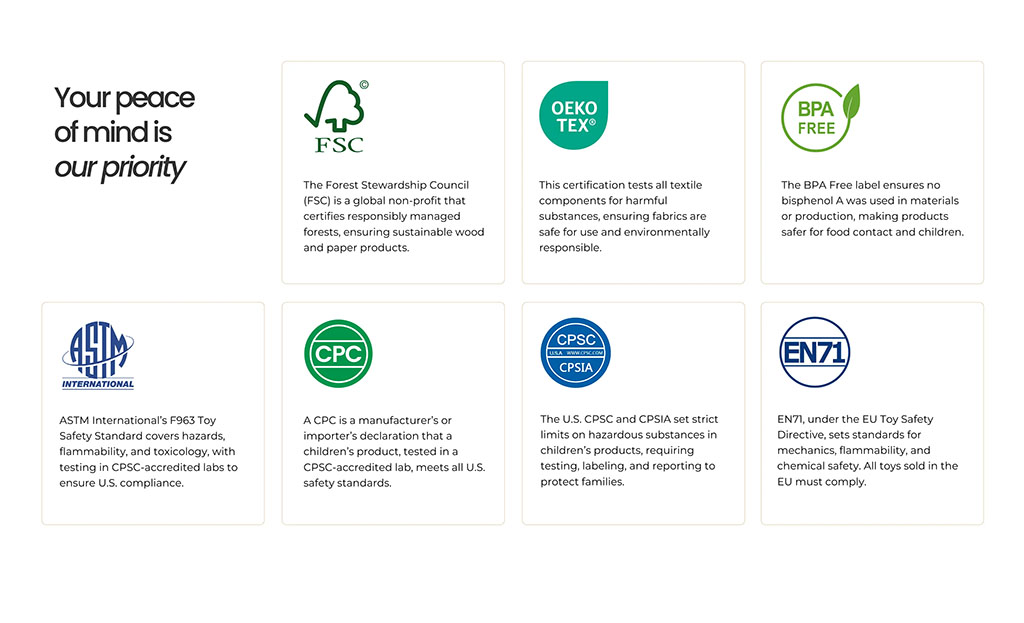
Compliance infrastructure — the operational systems, market-specific regulatory knowledge, testing laboratory relationships, and documentation management capability that enable a factory to consistently produce market-ready, compliance-documented products for regulated export markets — is an expression of factory professionalism that directly determines whether a buyer can actually enter and remain in their target market without compliance-related disruptions.
Compliance infrastructure reflects the professional standard because building and maintaining it requires sustained investment in areas that produce no visible product improvement but that are essential for market access — regulatory knowledge that must be continuously updated as standards evolve, laboratory relationships that must be maintained even between testing engagements, and documentation systems that must be organized and accessible even when no compliance request is pending.
Here is a comparison of compliance infrastructure between professional and less professional factories:
| Compliance Infrastructure Element | Professional Factory | Less Professional Factory | Market Access Risk |
|---|---|---|---|
| Regulatory knowledge | Detailed, current knowledge of US and EU requirements by product type and age grade | General awareness without operational depth | Wrong test scope, non-compliance surprises |
| Material compliance as standard | All materials carry current compliance documentation as a sourcing requirement | Compliance documentation obtained only when explicitly requested | Non-compliant materials enter production without disclosure |
| Testing laboratory relationships | Established accounts with SGS, Intertek, Bureau Veritas | No established relationships, unfamiliar with process | Slower, less efficient testing with higher risk of scope errors |
| Test report maintenance | Current test reports maintained for all active product types | Test reports obtained once and not renewed when standards update | Outdated reports not accepted by retailers or platforms |
| CPSIA label application | Correct tracking label content and placement as standard production step | Inconsistent or incorrect label application | US regulatory non-compliance |
| Age grading knowledge | Correct age determination with understanding of its test scope implications | Incorrect age grading, wrong test coverage | Test scope errors, market compliance issues |
| Weighted product compliance | Specific knowledge of weighted-specific structural and chemical requirements | General toy safety awareness without weighted-specific depth | Weighted product compliance failures |
Testing Laboratory Relationships as a Professionalism Indicator
The most practical indicator of genuine compliance infrastructure is a factory’s relationship with accredited testing laboratories. A factory with established accounts at SGS, Intertek, or Bureau Veritas has been using those laboratories regularly enough to establish a working relationship — which means they have been conducting compliance testing regularly enough to require that relationship. They understand the testing process, the documentation requirements, the typical timelines, and the specific test programs applicable to plush toys in different markets.
A factory without established laboratory relationships is one that rarely conducts compliance testing — which typically means their clients are either not selling in regulated markets or are managing the testing process entirely independently. For buyers who need a manufacturing partner who can actively support compliance as part of their production service rather than leaving it entirely to the buyer, the presence of established laboratory relationships is a meaningful operational differentiator.
What Communication and Documentation Standards Define a Professional Factory?

Communication and documentation standards are among the most operationally significant — and most frequently underweighted — indicators of factory professionalism. How a factory communicates, what it proactively discloses, what it documents, and how it maintains and shares production records all directly affect a buyer’s ability to manage their sourcing relationship effectively, identify problems early, and protect their brand from quality failures that reach customers.
Communication and documentation standards define factory professionalism through four specific dimensions: the proactivity of information sharing (does the factory communicate important information before being asked or only when asked), the accuracy and completeness of what is shared (does the information reflect the actual production situation or a curated version of it), the organization and accessibility of documentation (are records maintained in forms that can be produced on request), and the consistency of communication quality (does the standard hold throughout the production relationship or only during the sales phase).
Here is a complete comparison of communication and documentation standards:
| Communication Standard | Professional Factory | Less Professional Factory |
|---|---|---|
| Inquiry response | Within 24 hours, specific and technically informed | Variable — fast initially, less consistent over time |
| Pre-production confirmation | Proactively confirms materials approved, counter sample placed, work instructions distributed | Silent on pre-production status unless asked |
| First-off reporting | Shares first-off inspection report with photos as standard | Does not share first-off information unless specifically requested |
| Mid-production updates | Proactive milestone update at defined production stages | No updates unless buyer specifically requests |
| Problem disclosure | Discloses problems immediately upon identification, with solution proposed | Delayed disclosure, often after problem has progressed significantly |
| QC documentation | Complete, organized records produced as routine output | Incomplete records, produced slowly or partially when requested |
| FQC report sharing | Full inspection report shared before balance payment request | Balance payment requested before quality information is provided |
| Shipment documentation | Complete documentation package provided with shipment notification | Documentation provided incrementally, sometimes incomplete |
Proactive Communication as the Most Reliable Professionalism Indicator
Of all the communication characteristics that indicate factory professionalism, proactive communication — sharing production quality information before being asked — is the most reliable single indicator. Proactive communication requires that the factory has the quality management systems that produce the information being communicated, has the organizational culture that values client transparency over information control, and has the process infrastructure that makes communication a routine operational output rather than an exceptional response to buyer pressure.
A factory that shares first-off inspection reports, mid-production updates, and QC summaries without being specifically requested for each communication is demonstrating that these practices are embedded in its production management culture — not performed for the benefit of individual client relationships. This embeddedness is what makes the communication reliable across multiple orders, under production pressure, and at different order volumes — rather than being a level of service that is available only when the factory is specifically motivated to impress.
How Does a Professional Factory Handle Problems Differently?
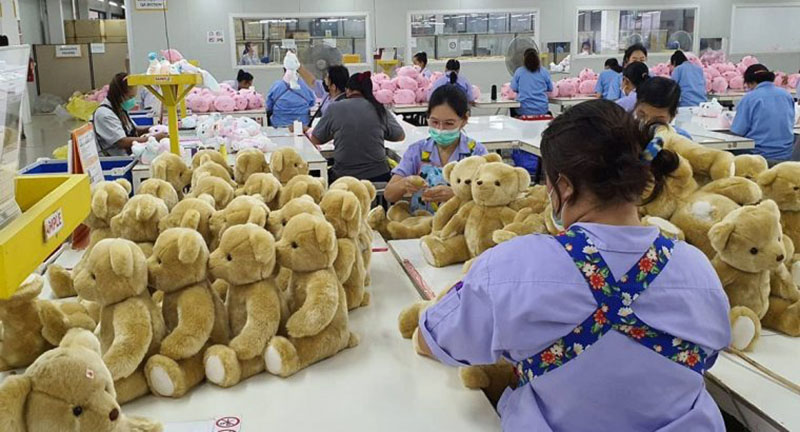
Problem handling is the most revealing expression of factory professionalism — because problems are the test of whether the values and systems that a factory claims to have are actually operational when conditions are not ideal. Every factory handles the easy situations similarly. The difference becomes visible when a material fails incoming inspection and replacing it will delay production, when a mid-run IPQC deviation has already affected significant quantities, or when a finished batch shows quality failures that require difficult conversations with the buyer.
A professional factory handles problems through proactive disclosure, solution-oriented communication, clear accountability, documented corrective action, and verified follow-through. These practices are not instinctive — they require an organizational culture that has been deliberately built around transparency and accountability rather than self-protection and problem minimization.
Here is a detailed comparison of problem-handling approaches:
| Problem Scenario | Professional Factory Response | Less Professional Factory Response |
|---|---|---|
| Material fails IQC | Immediate notification to buyer, alternative sourcing initiated, timeline impact communicated | Silent substitution or delayed disclosure after production has begun with non-conforming material |
| First-off inspection fails | Production halted, buyer notified, specific correction proposed and verified before run continues | Production continues, problem minimized or withheld |
| Mid-production IPQC deviation | Production of affected operation halted, scope assessed, correction implemented and verified, buyer informed | Production continues, problem reaches final inspection |
| FQC reveals batch failure | Batch held, buyer notified with documentation, resolution options presented before payment requested | Balance payment requested alongside or before problem disclosure |
| Post-delivery quality complaint | Root cause analysis initiated, corrective action proposed, implementation verified | Apology and general assurance without systematic analysis or verification |
| Timeline delay identified | Early notification with specific revised timeline and cause explanation | Late notification or buyer discovers independently |
| Material shortage during production | Proactive notification with alternative options and timeline impact | Substitution without notification or late disclosure |
The Accountability Culture Test
One of the most effective single evaluation methods for assessing a factory’s problem-handling culture before placing an order is to ask directly: “Can you tell me about a significant quality problem you experienced with a client order and how you resolved it?”
This question’s value is in what it reveals about the factory’s relationship with the reality of manufacturing problems. A factory with a genuine accountability culture will describe a specific situation — what went wrong, when they identified it, how they communicated it to the client, what solution they implemented, and how they verified that the problem was resolved. The specificity and honesty of this description indicates a culture that processes problems openly rather than concealing them.
A factory that claims no significant quality problems have ever occurred is either not producing enough volume to have encountered real challenges or is not being honest — neither of which is reassuring. A factory that describes every problem as having been caused entirely by external factors beyond their control is indicating a problem-handling culture that will apply the same external attribution to any future problems with your orders.
How Can Buyers Verify Factory Professionalism Before Placing an Order?
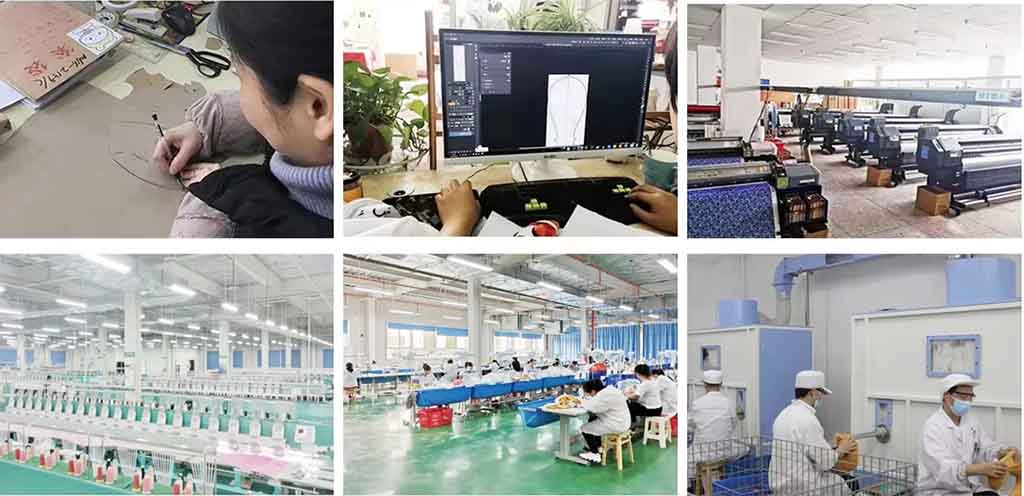
Verifying factory professionalism before an order is placed requires specific evidence gathered through specific verification methods — not through the evaluation of self-descriptions, presentations, or marketing materials that every factory produces regardless of its actual operational capability.
Buyers can verify factory professionalism through a structured combination of documentation review, factory observation, sample evaluation, reference conversations, and direct communication assessment — each method revealing a different dimension of operational capability that cannot be reliably inferred from another.
Here is a complete verification framework organized by method and dimension assessed:
| Verification Method | Professionalism Dimension Assessed | Practical Implementation | Reliability |
|---|---|---|---|
| QC documentation request | Quality system operational depth | Request IQC report, first-off report, FQC report from recent production | High |
| Development history review | Pattern making and sampling capability | Request first sample and final sample of existing comparable product | Very High |
| Factory video audit | Physical infrastructure, organization, equipment | Structured video call tour of production, sampling, and QC areas | High |
| Material compliance documentation request | Material sourcing discipline and compliance infrastructure | Request material test reports for proposed production materials | High |
| Reference client conversations | Cross-order performance consistency and problem handling | Request two to three existing client contacts, ask specific questions | Very High |
| Technical question assessment | Manufacturing knowledge depth | Ask specific technical questions about production challenges | High |
| Pre-order communication assessment | Communication culture and proactivity | Observe response quality, speed, and specificity during evaluation | Medium-High |
| Sample portfolio evaluation | Production quality baseline | Request physical samples of comparable products | Very High |
The Reference Client Conversation — Most Powerful Single Verification Method
Of all available verification methods, conversations with existing reference clients provide the most reliable and the most difficult to fabricate evidence of factory professionalism. Existing clients who have placed multiple orders with a factory have direct experience of how the factory performs across a range of conditions — including the conditions that most reveal professionalism: problems that occurred during production, timeline pressures that tested communication discipline, reorder quality that tested production standard preservation.
Effective reference conversations ask specific questions that reveal professionalism across multiple dimensions simultaneously. Questions that reveal development capability: “How accurate was their first sample relative to your brief, and how many revision rounds did you typically require?” Questions that reveal quality consistency: “Was the quality of your third and fourth orders as consistent as your first?” Questions that reveal problem handling: “Can you describe a problem that occurred and how they handled it?” Questions that reveal communication standard: “How would you describe their communication during production — did they proactively share information or did you need to ask for updates?”
Each of these questions elicits specific, experiential information that cannot be provided by a factory that is performing for a sales evaluation. The pattern of answers across these questions provides the most reliable composite picture of factory professionalism available through any single evaluation method.
The Technical Question Battery
A structured set of technical questions — asked during the evaluation period rather than after a commitment has been made — reveals the depth of manufacturing knowledge that underlies a factory’s professional claims. These questions should be specific enough to require genuine manufacturing expertise to answer accurately and specific enough that a general or vague response is clearly insufficient.
Effective technical questions include asking how the factory manages pile direction consistency across a 17-panel design, what their process is for recalibrating stuffing machines when an in-process weight check shows density drift, how they prevent embroidery position drift across a 5,000-unit run, and what their procedure is when a bulk fabric lot fails color comparison at incoming inspection after cutting has already begun on earlier rolls.
Each of these questions has a specific, operationally correct answer that a factory with genuine production expertise will provide quickly and with specific detail. A factory without that expertise will provide vague, general answers — or, more revealingly, will answer confidently with incorrect information, which is itself a strong indicator of the gap between self-presentation and operational reality.
At Kinwin, we welcome exactly the kind of verification process described in this guide — because our professionalism is built into our operation rather than represented in our marketing materials, and we are confident that thorough verification will confirm rather than undermine the professional standard we describe.
We actively provide QC documentation from recent production runs, connect prospective clients with reference contacts who have placed multiple orders, conduct factory video tours that show our production infrastructure without curated staging, and engage technical questions with the specific, detailed answers that genuine manufacturing expertise produces.
If you are evaluating plush toy manufacturers and want to apply the verification framework described in this guide to your assessment of Kinwin, we would be glad to start that conversation.
Reach out to our team at [email protected] or visit kinwintoys.com to begin.
Conclusion
Factory professionalism in plush toy manufacturing is not a description that factories give themselves — it is a set of operational capabilities that either exist or do not, that produce specific verifiable outcomes when they exist, and that can be assessed through specific evidence rather than through the claims that accompany every factory’s self-presentation.
The professional factory has invested in development infrastructure that produces accurate first samples efficiently. It has built a quality control architecture with genuine independence, systematic documentation, and product-specific inspection criteria. It sources materials through disciplined supplier relationships with compliance documentation as a standard requirement. It maintains compliance infrastructure that makes market entry predictable. It communicates proactively, shares production documentation as a routine output, and handles problems with the transparency and accountability that protect buyers’ interests even when acknowledging problems is commercially uncomfortable.
Each of these characteristics is verifiable — through documentation requests, development history review, reference conversations, factory observation, and the technical dialogue that reveals manufacturing knowledge depth. Buyers who verify these characteristics before placing orders make sourcing decisions that hold up across multiple orders, at different volumes, and through the inevitable challenges that any manufacturing relationship encounters.
At Kinwin, these are the standards to which we build our operation and against which we invite evaluation. We believe that the buyers who look most carefully at what makes a plush factory professional will find that Kinwin meets that standard — not because we say so, but because the evidence we can provide demonstrates it.
FAQ
Q1: Is it possible for a factory to be professional in some areas but not others — and how should buyers weight these mixed profiles?
Yes — partial professionalism is common, and understanding which dimensions are strong and which are weak is more useful than a binary professional/not professional assessment. The practical approach is to identify which capability dimensions are most critical for the specific product type and market, and then evaluate whether the factory’s strong dimensions cover those critical areas while its weak dimensions are in areas of lower consequence. For example, a factory with strong pattern making and sampling capability but weaker compliance infrastructure may be appropriate for a buyer in a low-compliance market with complex design requirements, but inappropriate for a buyer entering the US retail market where compliance is non-negotiable. The critical error is to treat strength in one dimension as evidence of strength across all dimensions — which is the assumption that leads buyers to choose a factory based on excellent sample quality without verifying whether the quality system, compliance capability, and communication standard are equally well developed.
Q2: How much weight should buyers give to the number of years a factory has been in operation as an indicator of professionalism?
Years of operation is a misleading proxy for professionalism because the capabilities that constitute professionalism — documented quality systems, compliance infrastructure, development expertise — are built through deliberate investment and specific operational experience rather than simply through time passing. A factory that has been operating for fifteen years producing simple promotional plush toys at low quality standards for non-regulated markets has not necessarily built the pattern making expertise, compliance infrastructure, or quality documentation discipline required for complex OEM production for US or EU markets. Conversely, a factory that has been operating for six years but has invested deliberately in developing these capabilities may be more professionally capable for specific product types and markets than the older factory. Years of operation is a useful initial filter — very new factories are likely still developing their operational systems — but it should not be used as a primary professionalism indicator because it does not reliably distinguish between factories that have invested their operating years in building genuine capability and those that have simply been operating.
Q3: What is the most common mistake buyers make when attempting to verify factory professionalism before placing an order?
The most common verification mistake is accepting factory-provided evidence without independent corroboration. A factory that provides its own quality control documentation, its own reference contacts, and its own facility photos has full control over what is shared — and sophisticated factories can curate a very convincing professional presentation even when operational reality is significantly different from the presentation. The verification practices that provide the most reliable evidence are those where the buyer has the most control over what is evaluated: requesting physical samples of existing products that the buyer evaluates against objective quality criteria rather than the factory’s own assessment, asking technically specific questions that require genuine operational knowledge to answer accurately rather than questions that can be answered with polished general responses, and asking reference clients specific, experiential questions that reveal performance across challenging conditions rather than general satisfaction questions that most clients answer positively regardless of specific experience.
Q4: Can a factory’s level of professionalism change over time, and how should buyers manage this in long-term relationships?
Yes — factory professionalism can both improve and decline over time, and treating professionalism as a static characteristic of a supplier established at the point of initial evaluation is one of the risks of long-term sourcing relationships. Professionalism can improve as factories invest in developing their systems, grow their experienced workforce, and build their compliance infrastructure in response to client requirements. It can decline when key personnel leave, when production pressure leads to quality monitoring shortcuts, or when management priorities shift away from quality investment. Managing professionalism in long-term relationships requires periodic re-evaluation rather than continuous assumption of the standard established at the beginning. The most practical approach is to maintain the production communication protocols, documentation requirements, and periodic third-party inspection practices that provided visibility into quality management at the start of the relationship — rather than progressively relaxing these practices as the relationship matures and trust increases. Consistent quality management visibility is what allows buyers to identify professionalism decline early enough to address it through direct conversation before it reaches the point of order failure.
Q5: How should buyers handle a factory that performs professionally on the first order but shows declining professionalism on subsequent orders?
Declining performance after an initially strong first order is one of the most frustrating patterns in manufacturing sourcing — because the investment in factory evaluation and relationship establishment has already been made, and the decline only becomes apparent after that investment is committed. The most productive response to identified performance decline is a direct, specific conversation with factory management — presenting documented evidence of the specific performance gaps, referencing the standard established in earlier orders, and requesting a specific explanation and corrective action plan. Many performance declines have addressable causes — key personnel changes, capacity over-commitment, or management attention shifts — that can be resolved through direct engagement before they develop into more fundamental relationship failures. If the direct conversation does not produce meaningful correction within a defined period, beginning parallel supplier development — qualifying an alternative factory while continuing to produce with the current one — is the appropriate next step. This approach maintains supply continuity while reducing the risk of depending entirely on a supplier whose performance trajectory is negative.