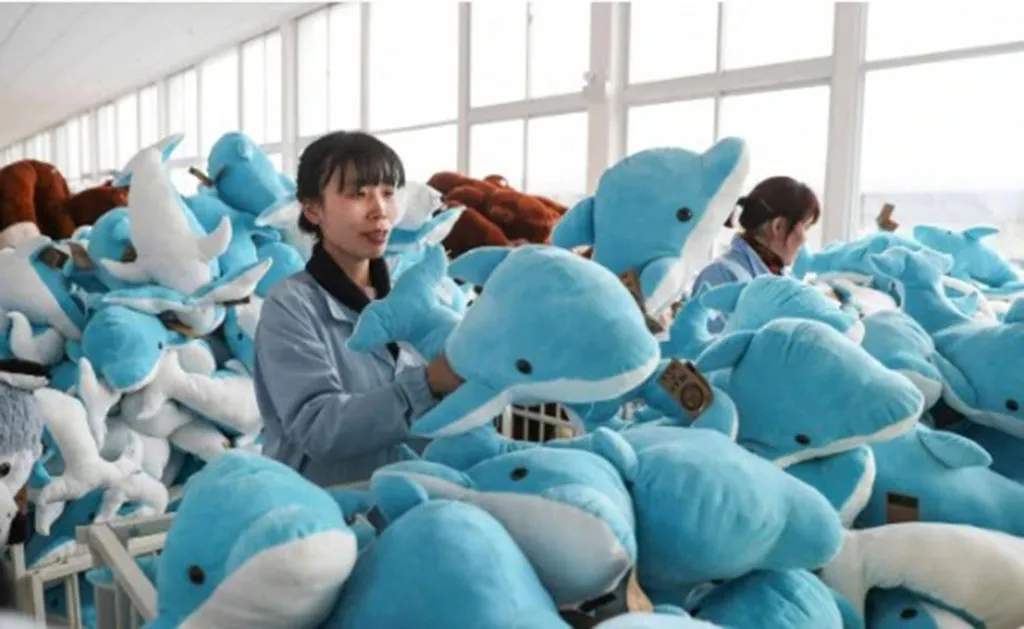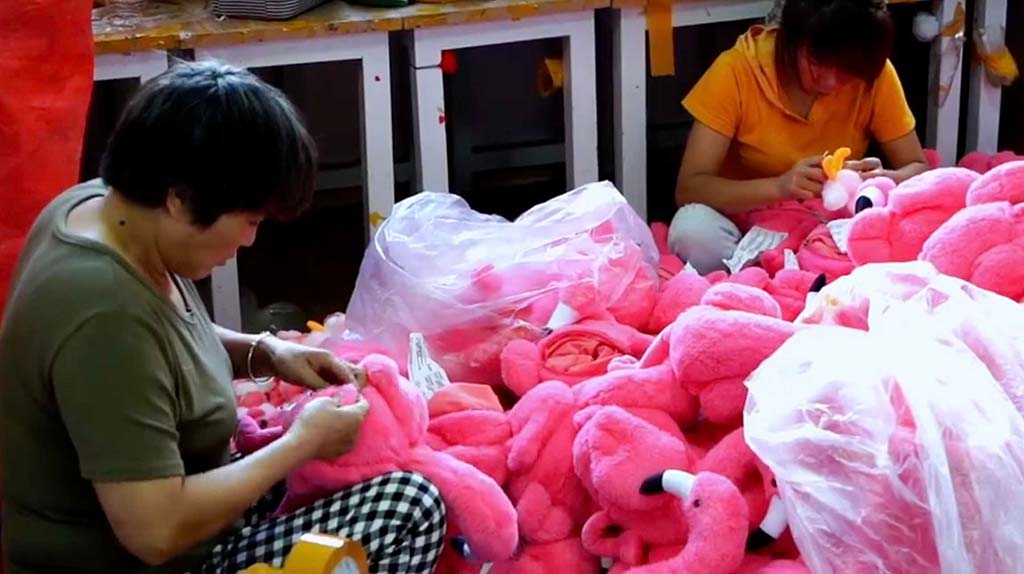
I’m Amanda from Kinwin in China. I help brands and retailers build plush ranges that feel soft, test clean, and sell through. Many buyers ask: “Is there a real difference between plush and plushie?” In short, plush is the industry/category word; plushie is the consumer/culture word. Below I explain origins, usage in manufacturing and retail, design scope, regional language habits, SEO/branding effects, and how to align terms in catalogs and compliance files.
What are the linguistic and industry origins of the terms “plush” and “plushie”?
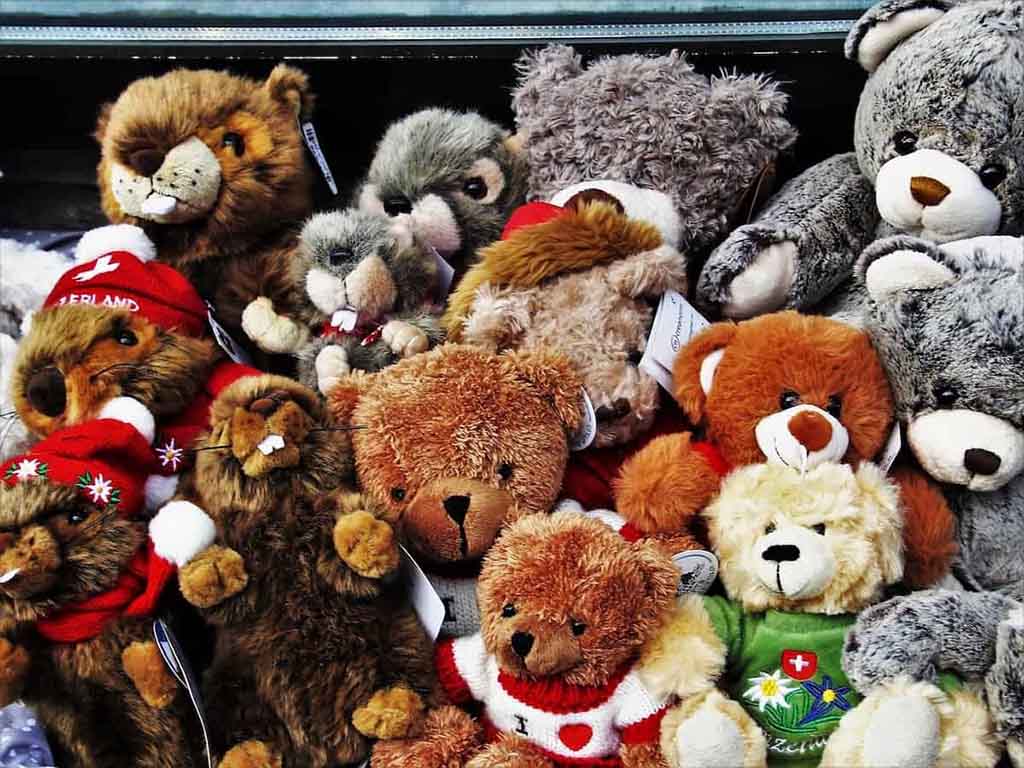
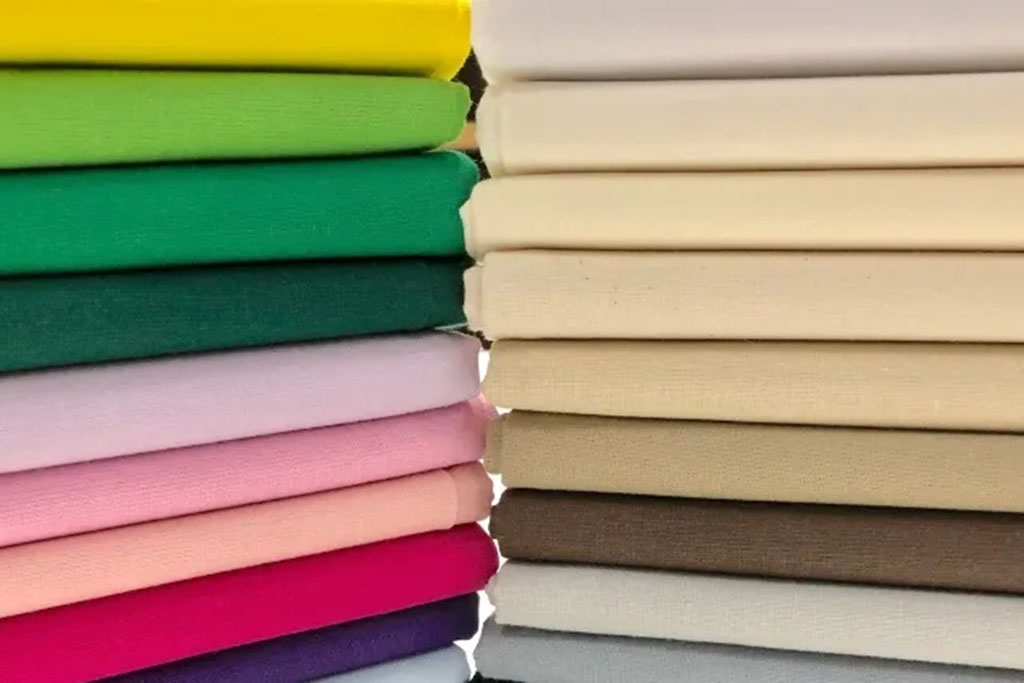
Plush comes from textiles. It originally named a pile fabric (like velvet with longer nap). Over time, toy makers and retailers used plush to describe the whole soft-toy category built from pile fabrics. It is still the term used in spec sheets, lab reports, and retailer taxonomy.
Plushie is newer and comes from consumer slang and fan communities. It points to the object (a soft, cute toy) and the affection people feel for it. In social media, plushie sounds personal and playful; it invites user content and collecting.
Table 1 — Word Origins at a Glance
| Term | Root meaning | Who uses it most | Tone | Where it shows up |
|---|---|---|---|---|
| Plush | Pile fabric → soft-toy category | Factories, labs, retailers, auditors | Technical, formal | RFQs, tech packs, AQL reports, retail categories |
| Plushie | Slang for a plush toy | Consumers, collectors, influencers | Friendly, cute, social | Social posts, DTC blogs, UGC, community forums |
How do manufacturers and retailers use “plush” as a category term versus “plushie” as a consumer expression?
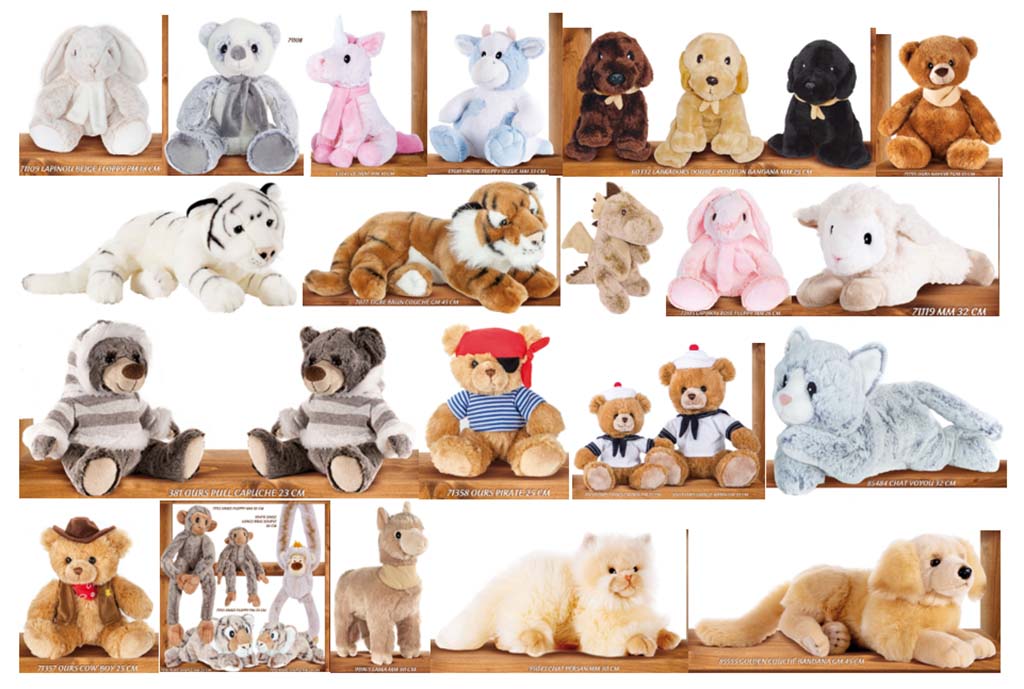
In manufacturing, we standardize on plush because it maps to materials, testing scopes (EN71/ASTM/CPSIA), and category hierarchies (e.g., “Plush → Animals → Bears”). A factory BOM, CPC/DoC, or AQL plan will nearly always say plush.
In retail and DTC, we still use plush as the primary category, but we also include plushie in search filters, PDP keywords, and blog copy because shoppers type it. The two terms can live together: plush for structure and compliance; plushie for voice and engagement.
Table 2 — Operational vs. Consumer Usage
| Context | Preferred term | Reason | Example line in practice |
|---|---|---|---|
| Tech pack / RFQ | Plush | Aligns to fabric + standards | “Category: Plush; Face: velboa 2–3 mm; EN71-1/2/3 scope…” |
| Compliance docs | Plush | Matches legal/product taxonomy | “Children’s plush toy; CPC attached; tracking label…” |
| Retail navigation | Plush | Clean category tree | “Toys → Plush → Animals → Cats” |
| PDP keywords / blogs | Plush + Plushie | Catch real shopper queries | “Soft cat plushie with embroidered face (premium plush fabric)” |
| Social/UGC | Plushie | Casual tone, community | “New panda plushie drop—share your shelf!” |
Which differences in design scope—collectibles, dolls, cushions—distinguish plushies from the broader plush category?
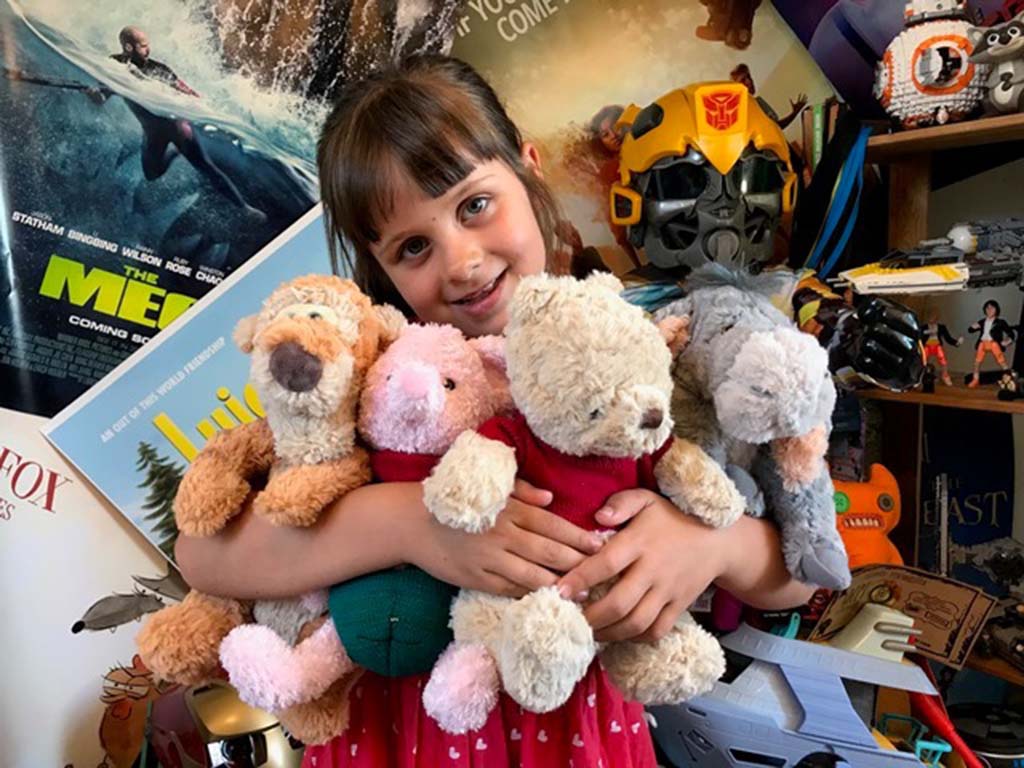
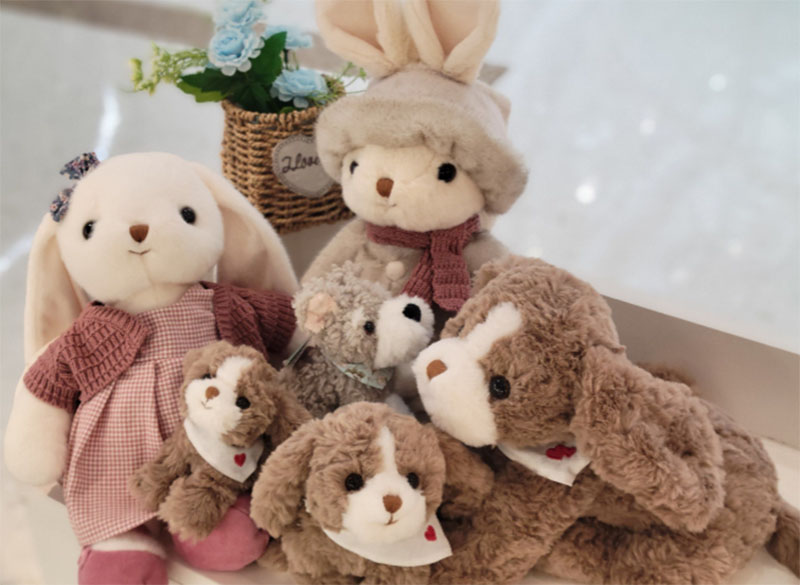
The plush category is wide: animals, characters, plush dolls, cushions/pillows, puppets, bean/weighted versions, décor, and even poseable styles. Plushie, in daily speech, usually points to cute animals/characters sized for hugging or collecting. A plush cushion or plush doll is still plush, but many shoppers won’t call it a plushie unless it has a “toy-like” face and proportions.
Table 3 — Scope Differences You’ll See on Shelves
| Product type | In category “plush”? | Commonly called “plushie”? | Notes for design & labeling |
|---|---|---|---|
| Animal/character soft toy | Yes | Yes (most common) | Embroidered faces for 0+; broadest use of “plushie” |
| Plush doll (human form) | Yes | Sometimes | If hair/clothes sets dominate, buyers may say “doll” |
| Plush cushion/pillow | Yes | Rarely | Shoppers use “pillow” or “cushion” more than “plushie” |
| Weighted plush / bean plush | Yes | Often | Ensure double-pouched pellets + leakage tests |
| Puppet (plush shell) | Yes | Sometimes | Typically merchandised as “puppet,” not “plushie” |
| Poseable/armature décor | Yes | Seldom | Often treated as décor/collectible rather than toy |
How do regional language preferences (U.S., U.K., Japan, Korea) influence the choice between “plush” and “plushie”?
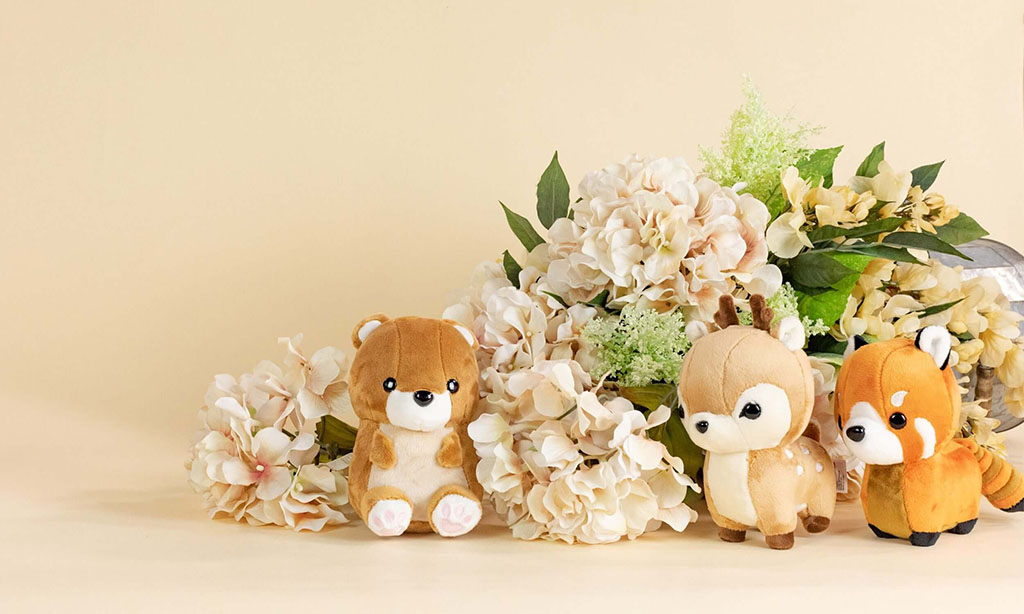
Language habits affect both search behavior and category labels:
- U.S.: “Stuffed animal” leads mass-market speech; plush is the retail category; plushie is strong in fandom/UGC.
- U.K.: “Soft toy” is common in retail; plush appears in trade; plushie shows in youth/online culture.
- Japan: “ぬいぐるみ (nuigurumi)” is standard; English “plush” appears for export; “plushie” is recognized in fandom.
- Korea: “인형 (inhyeong)” for doll/toy; “봉제인형” for sewn plush; English tags use “plush” for export and “plushie” for social.
Table 4 — Regional Naming Tendencies
| Region | Retail taxonomy | Consumer speech | SEO note |
|---|---|---|---|
| U.S. | Plush / Stuffed Animals | stuffed animal, plushie | Use plush + stuffed animal + plushie |
| U.K. | Soft Toys / Plush | soft toy, plushie | Pair soft toy + plush; add plushie in PDP |
| Japan | ぬいぐるみ / Plush | ぬいぐるみ, plushie (fandom) | Localize JP term + English tags |
| Korea | 봉제인형 / Plush | 인형, plushie (online) | Use KR term + English “plush” for export |
What SEO, branding, and merchandising implications come from labeling products as “plush” vs. “plushie”?
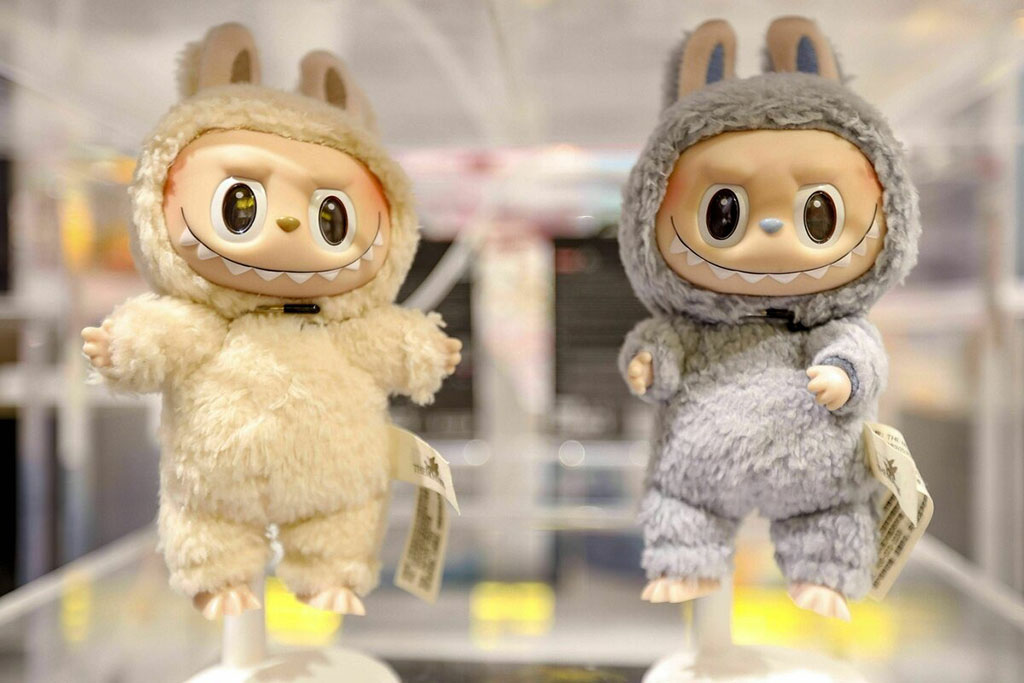
From SEO tests I run for clients, mixing terms wins: keep “plush” in titles, collections, and breadcrumbs, and place “plushie” in PDP copy, FAQs, alt text, and blog posts. In paid search, “plushie” can bring lower CPC for some long-tail queries. For onsite navigation, consistency beats creativity—use the same category word across menu, filters, and schema. On marketplaces, follow platform norms; list under Plush/Stuffed Toys and use plushie in bullet points for extra reach.
Table 5 — SEO & Merch Playbook
| Element | Use “plush” | Use “plushie” | Tip |
|---|---|---|---|
| Nav & collections | ✅ | — | Keep taxonomy clean for filters |
| Product title (retail) | ✅ | Optional (end of title) | “Bear Plush Toy – 12 in” (+“plushie” in bullets) |
| PDP bullets & FAQ | ✅ | ✅ | Catch both keyword families |
| Blog / UGC / social | — | ✅ | Friendly tone; community tags |
| Schema (product) | ✅ | Optional in keywords | Stick to category standard |
How should factories and brands align terminology in catalogs, metadata, and compliance documentation for clarity and discoverability?
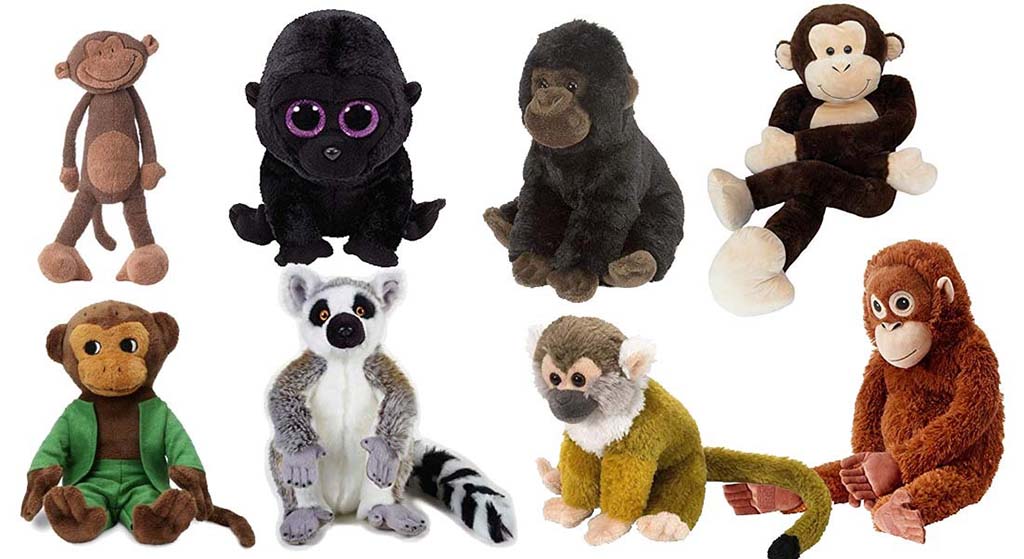
Use a two-layer strategy:
- Hard layer (operations & legal): standardize on plush in RFQs, BOMs, CPC/DoC, EN71/ASTM test plans, AQL sheets, HS codes, and carton labels. This keeps audits simple and avoids mismatches between paperwork and product classification.
- Soft layer (marketing & SEO): keep plush for categories and titles, then add plushie to PDP copy, FAQs, alt text, blog posts, and social captions to meet real search language.
Also align country naming rules with age grading and labeling. For 0+ lines, keep faces embroidery-only and use short-pile faces (2–3 mm). For weighted plush, specify double-pouched pellets and leakage tests in SOPs and include it in AQL “special checks.” Put the same terms in the tech file, schema, and PDP so buyers, auditors, and algorithms all see a single truth.
Table 6 — Terminology Alignment Checklist
| Asset | Term to use | Why it matters |
|---|---|---|
| Tech pack / BOM / RFQ | Plush | Matches fabric + standards/testing |
| Compliance (CPC/DoC, test reports) | Plush | Legal clarity; customs & retail intake |
| Category tree / filters | Plush | Clean merchandising & analytics |
| PDP copy / FAQ / alt text | Plush + Plushie | Capture shopper language |
| Blog / social / UGC prompts | Plushie (with plush) | Community reach & tone |
| Structured data (schema) | Plush | Consistent indexing; fewer mismatches |
Conclusion
Plush is the official category term used in factories, audits, and retail systems. Plushie is the consumer word that drives search, community, and shareability. Use plush for documents, taxonomy, and compliance—and layer plushie into PDPs, blogs, and social to meet real shopper language. If you want help aligning specs, labels, and SEO while keeping audits clean, email [email protected] or visit kinwintoys.com—my team at Kinwin can support you end-to-end.