Skip to content
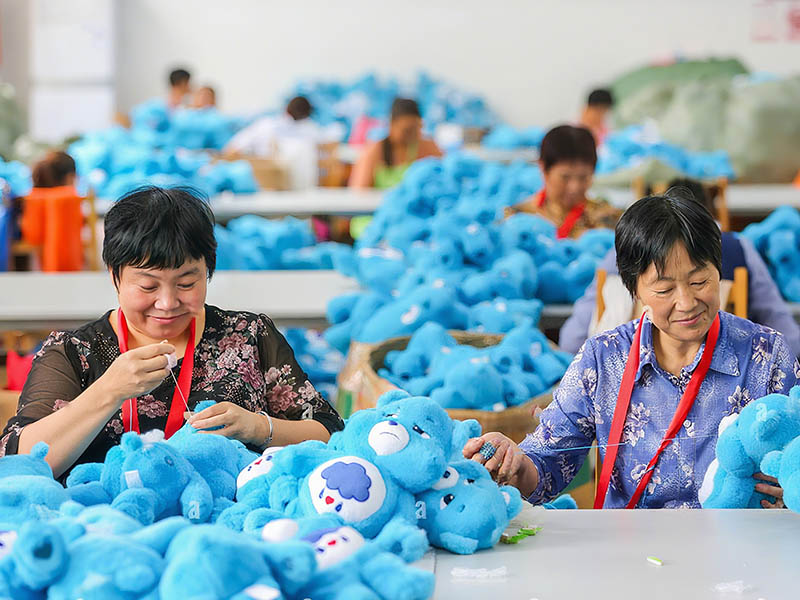
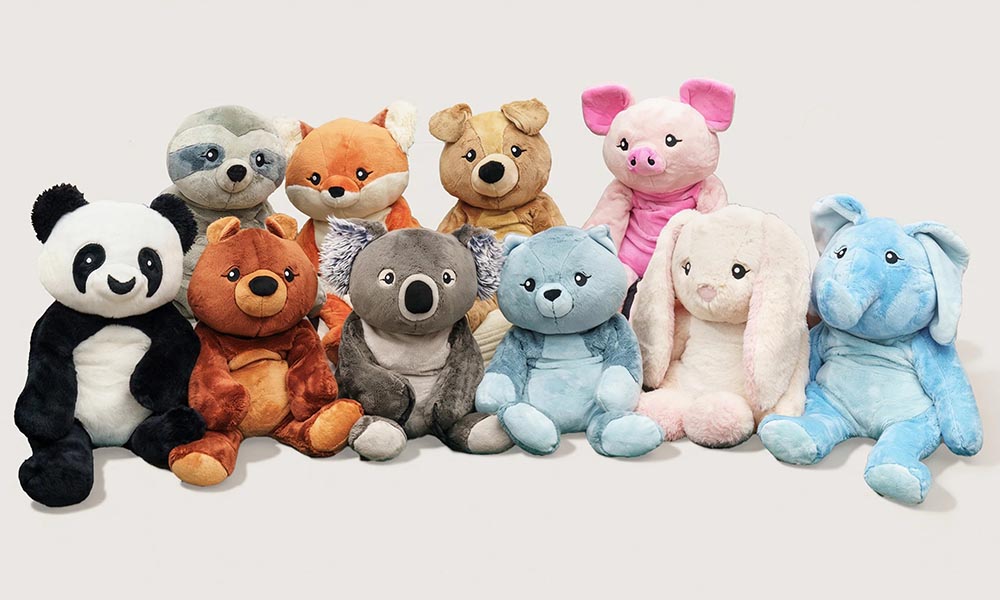
I’m Amanda from Kinwin, a plush toy manufacturer in China that helps brands and retailers create soft, safe, and lovable plushies for global markets. This guide explains what “plushies” means, how the term started, how plushies differ from other soft toys, why people of all ages collect them, how their softness is engineered, which markets are growing, and how plushies are now used in décor, branding, and therapy.
What does the term “plushies” mean and how did it originate in the toy industry?
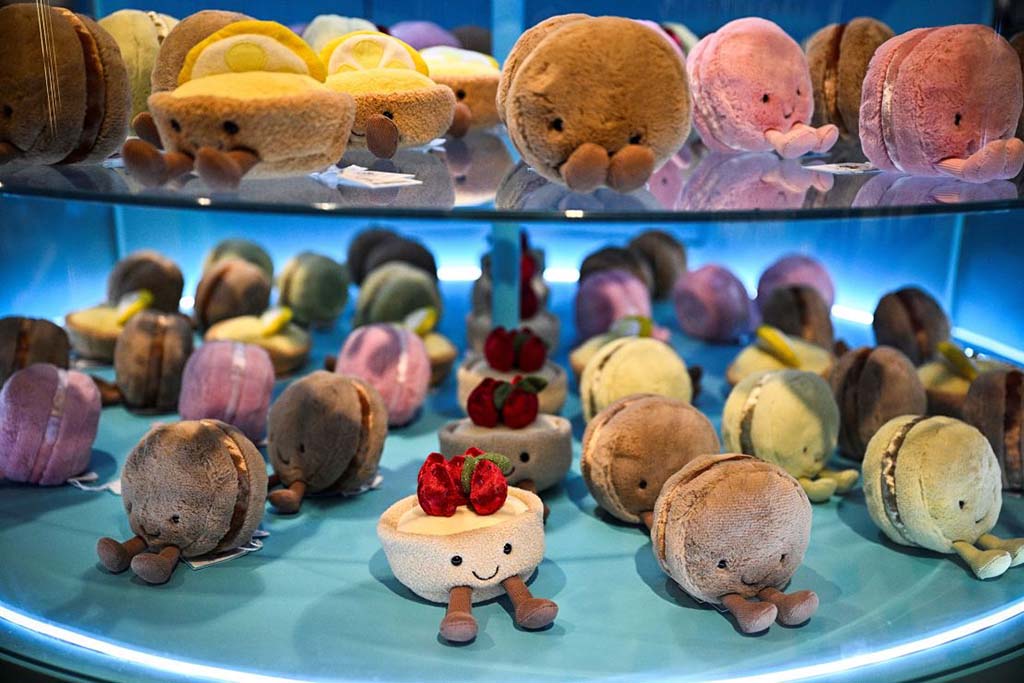
“Plushies” refer to soft, stuffed toys made from pile fabrics such as minky, velboa, or faux fur, filled with polyester fiberfill or pellets for shape and comfort. The word comes from “plush,” a textile term meaning a raised, velvet-like pile fabric.
Over time, fans and collectors began using “plushies” to describe cute and huggable characters — and the name spread across e-commerce platforms, social media, and fan communities. Today, “plushies” represent not just a toy type but a universal symbol of comfort and emotional connection.
Table 1 — Origins and Features of “Plushies”
| Aspect | Description | Modern Evolution |
|---|---|---|
| Term Origin | Derived from “plush,” meaning soft pile fabric | Popularized by collectors and fandoms |
| Typical Materials | Minky, velboa, faux fur | Eco versions with recycled fibers |
| Function | Comfort, display, gifting | Also branding and décor |
| Emotional Value | Huggable and calming | Associated with nostalgia and identity |
How do plushies differ from other soft toys in material composition and tactile appeal?
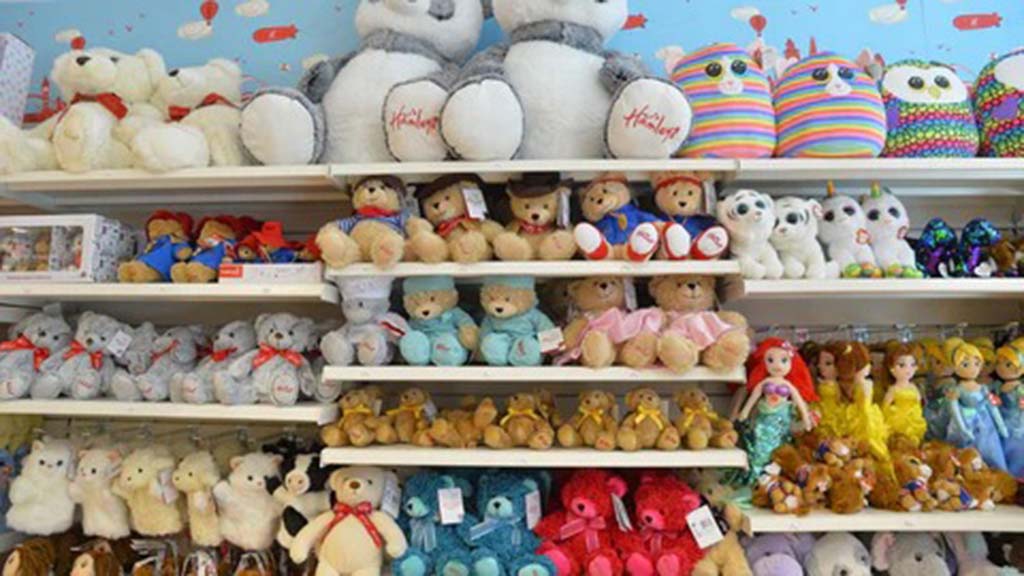
Plushies are engineered for softness and sensory pleasure. They differ from stuffed toys or dolls in fabric quality, stitching precision, and finishing. Plushies use higher pile fabrics, dense fillings, and refined shaping to feel “alive” and cozy.
| Type | Main Fabric | Fill | Tactile Goal | Common Market |
|---|---|---|---|---|
| Plushie | Minky, velboa, faux fur | Polyester fiberfill / pellets | Ultra-soft, premium hand-feel | Gifting, collectibles |
| Stuffed Toy | Basic plush, cotton blend | Fiberfill / foam | Simple softness, durable | Mass retail |
| Soft Doll | Tricot, knit, cotton | Fiberfill | Flexible, clothing-focused | Role-play toys |
| Soft Sculpture | Artist textiles, mohair | Premium fill | Display realism | Art/collector segment |
Takeaway: Plushies emphasize comfort and cuteness, while stuffed toys and dolls focus more on utility or function. Plushies bridge design, feel, and emotion.
What emotional, cultural, and collectible values make plushies popular among different age groups?
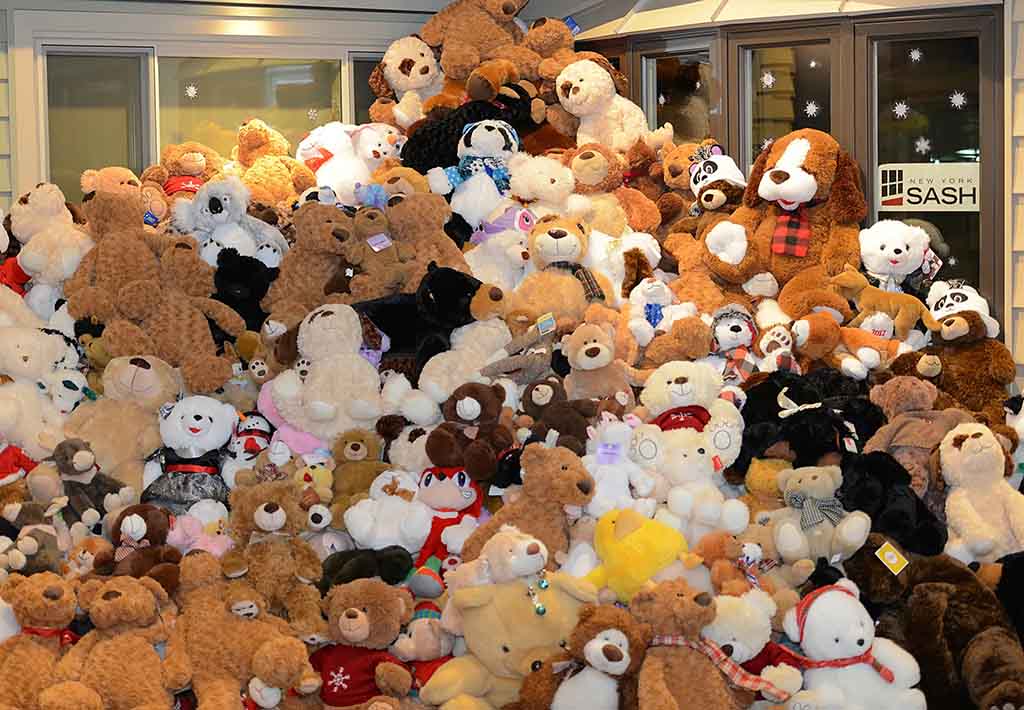
Plushies tap into human comfort instincts. Their softness creates emotional security for children and nostalgia for adults. Collectors see them as storytelling art pieces that connect identity, memory, and belonging.
Emotional drivers:
- Comfort: Soothing touch for stress relief and sleep routines.
- Identity: Fans align with plush characters to express personality.
- Giftability: Works for any age or culture — universally “safe” affection.
- Collectibility: Series, editions, and collaborations keep people engaged.
- Social connection: Plushie content dominates TikTok and Instagram due to its emotional warmth.
Table 2 — Emotional & Market Value of Plushies
| Age Group | Primary Value | Buying Motivation | Example Trends |
|---|---|---|---|
| Kids (0–10) | Comfort & companionship | Bedtime and bonding | Weighted or musical plush |
| Teens | Identity & fandom | Character connection | Anime/game collabs |
| Adults | Nostalgia & stress relief | Home décor, mood support | Cozy or limited-edition plush |
| Collectors | Rarity & artistry | Long-term value | Handmade or numbered plush lines |
Brand insight: Give your plushies a name, short backstory, and seasonal refresh — it transforms a product into a character line with emotional stickiness.
How do manufacturing techniques and fabric selections define the softness and realism of plushies?
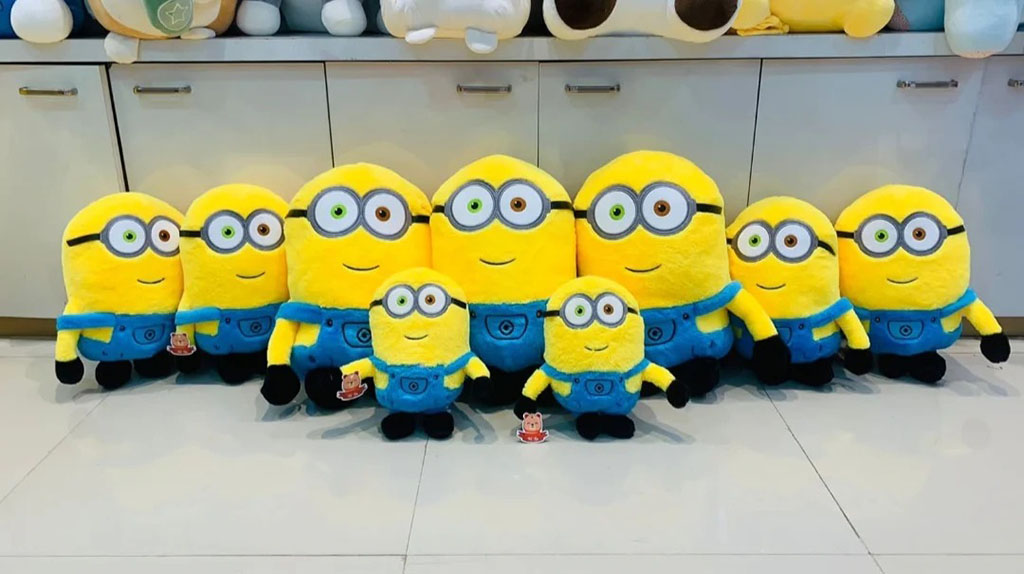
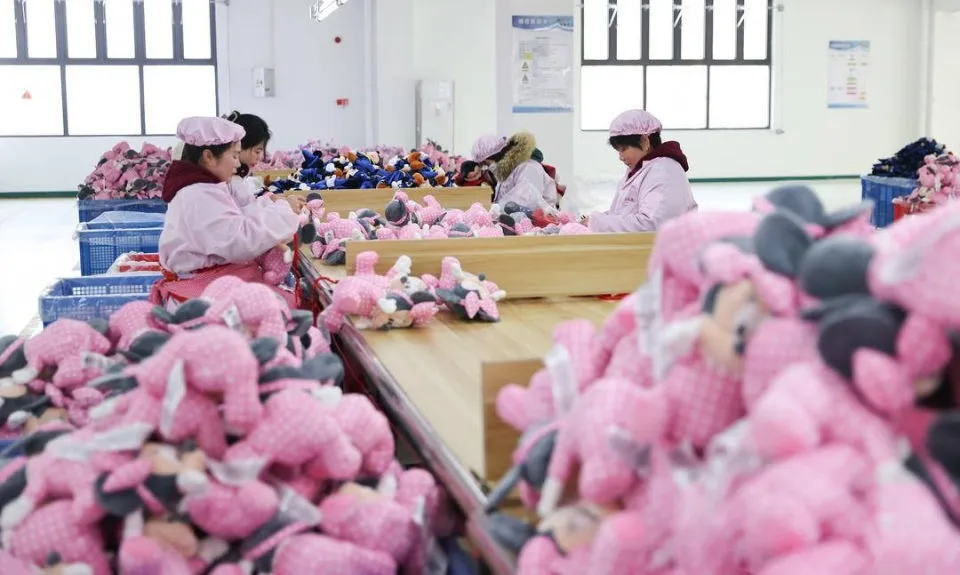
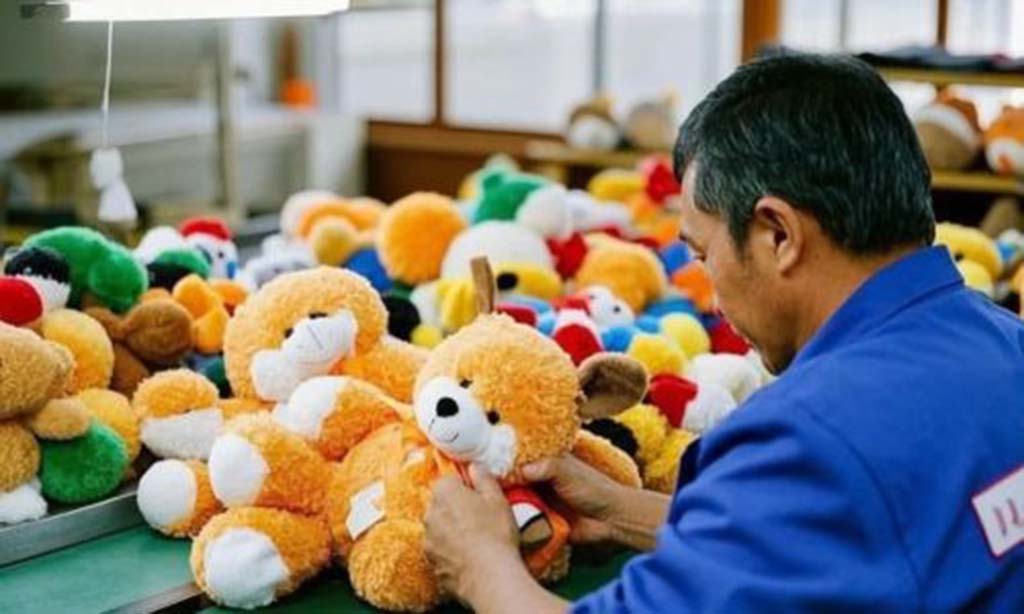
Softness results from smart engineering — balancing fabric pile height, fill density, and seam design. Plush toy factories like ours focus on tactile performance and aesthetic detail at every step.
Fabric choices
- Minky: ultra-soft, baby-safe, easy to clean.
- Velboa: short-pile, smooth, ideal for large-scale retail.
- Faux fur: long-pile, realistic animal texture, requires trimming.
- Sherpa/boa: cozy and matte, popular for seasonal plush.
Fill and shaping
- Hollow fiberfill: light and airy feel.
- Solid fiberfill: firmer and structured.
- Pellets: add grounding weight and stability (always double-pouched).
Table 3 — How Fabric & Fill Affect Feel
| Combination | Softness Level | Durability | Typical Use |
|---|---|---|---|
| Minky + Hollow Fiberfill | Very soft | Medium | Infant/baby plush |
| Velboa + Solid Fiberfill | Medium-soft | High | Everyday plush |
| Faux Fur + Pellets | Plush-heavy feel | Medium | Realistic animals |
| Sherpa + Hollow Fiberfill | Cozy, cushiony | Medium | Seasonal décor lines |
Stitching choices matter: ladder stitch hides seams, bar-tack adds strength, and even stuffing layers prevent uneven faces or lumps.
What global markets and consumer trends drive the continued demand for plushies?
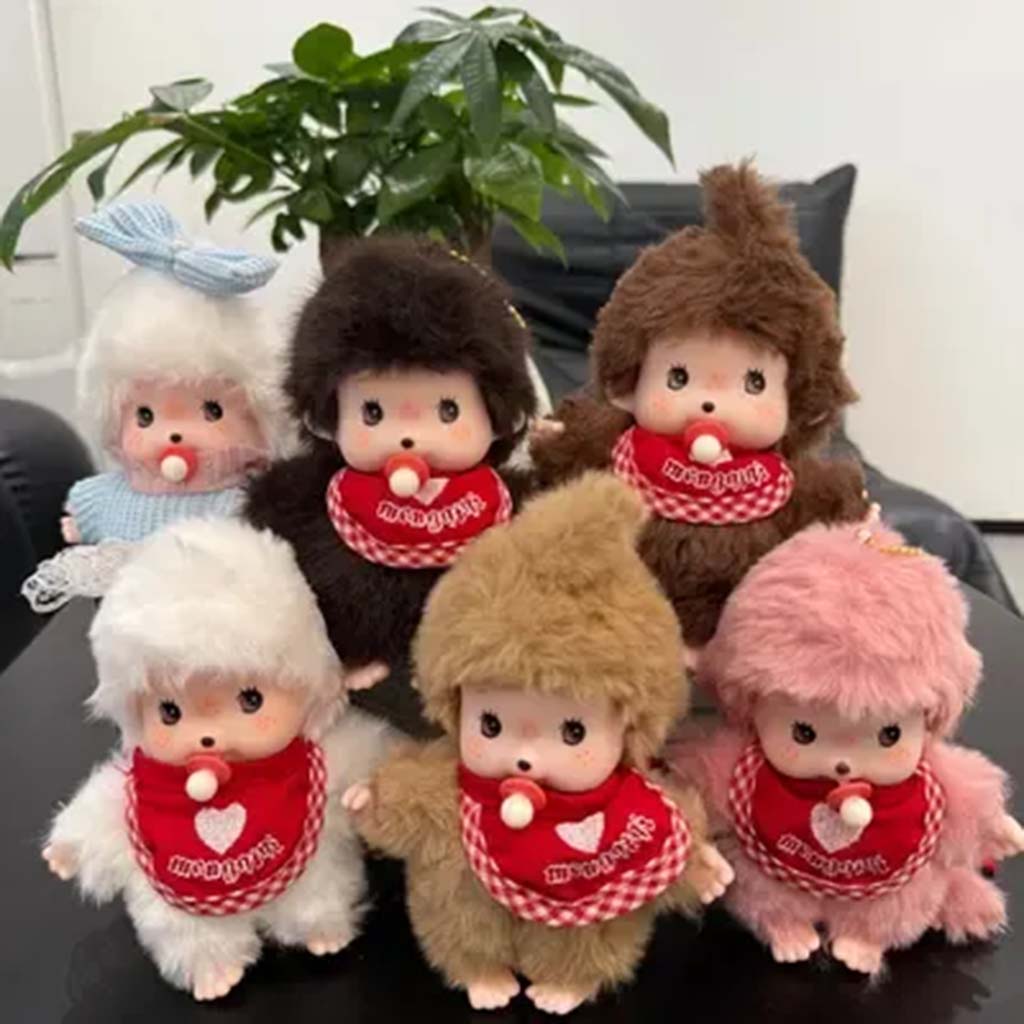
The plushie market grows worldwide because it blends emotional comfort, home décor, and sustainable storytelling.
Global drivers:
- Asia: Japan, Korea, and China lead kawaii and lifestyle plush culture.
- North America: Weighted plushies and character licenses dominate.
- Europe: High compliance expectations (EN71/REACH) and eco-material demand.
- Middle East & Oceania: Gifting cultures embrace premium soft toys.
Table 4 — Plushie Market Trends by Region
| Region | Key Drivers | Common Fabrics | Popular Category |
|---|---|---|---|
| North America | Weighted plush, therapy lines | Minky, velboa | Sensory comfort toys |
| Europe | Eco compliance, artisanal look | Recycled polyester, OEKO-TEX fabrics | Designer plush |
| Asia | Fandom, lifestyle branding | Minky, faux fur | Kawaii & collectible |
| Middle East | Gifting & luxury packaging | Velboa, satin trims | Gift plush |
| Oceania | Sustainable storytelling | Organic cotton, sherpa | Eco toy lines |
Trend forecast: Plushies merge into lifestyle — from bedding themes to social media mascots. Collectible licensing, sustainability, and emotional design will define the next decade.
How are modern plushies used beyond play—such as in décor, branding, and therapeutic contexts?
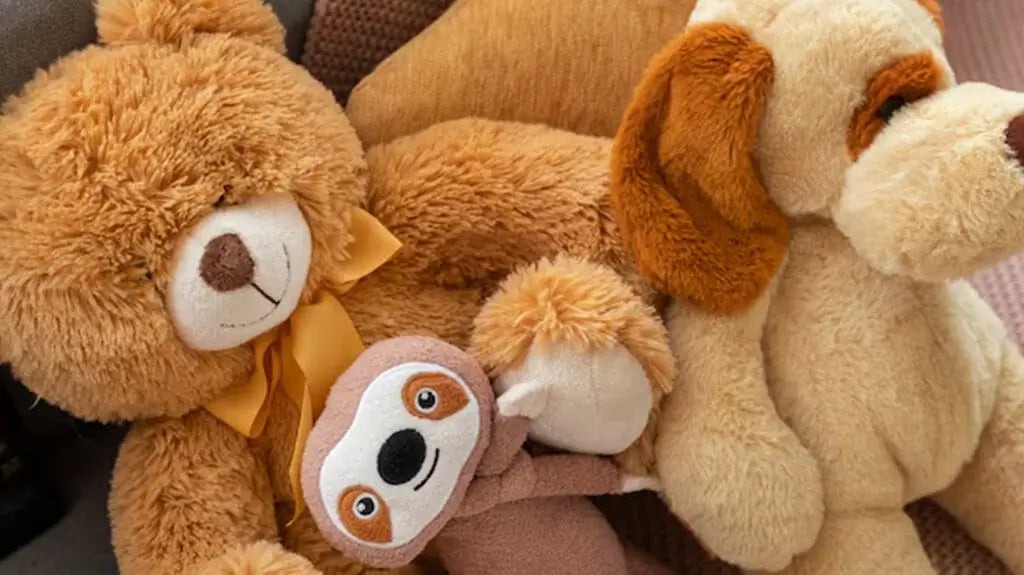
Plushies today extend far beyond play. They are tools for wellness, identity, and design storytelling.
Applications
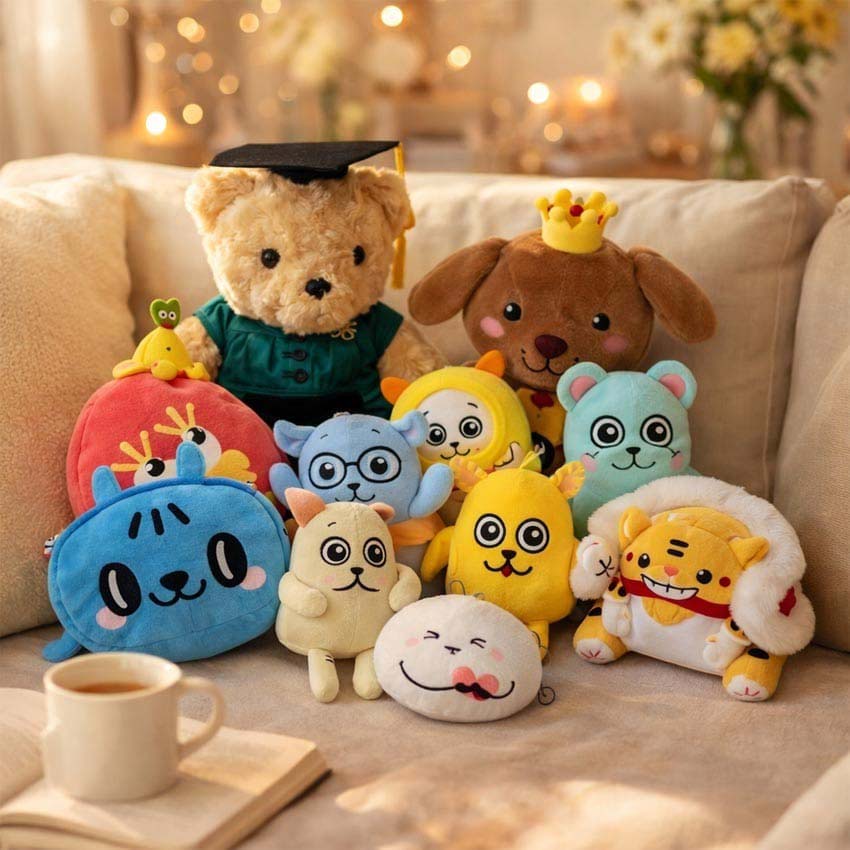
- Home décor: Color-coordinated plushes for sofas, beds, and shelves.
- Brand marketing: Mascots for events, hotels, and promotions.
- Therapeutic use: Weighted plushies for anxiety or sensory needs.
- Education & fundraising: Zoo or museum mascots with educational hangtags.
- Hospitality: Airline and resort plushies enhance brand memories.
Table 5 — Modern Applications of Plushies
| Usage | Key Benefit | Example Implementation |
|---|---|---|
| Décor | Adds warmth and texture to interiors | Mini plush on shelves or bedding |
| Branding | Strengthens emotional identity | Company mascots or event giveaways |
| Therapy | Provides comfort and grounding | Weighted or scented plushies |
| Education | Teaches empathy or species facts | Zoo/museum collections |
| Retail Collabs | Creates brand engagement | Limited-edition crossover plush |
Design tip: Match plush colors to seasonal palettes or brand tones; align with packaging that communicates care and softness.
Practical tips for buyers and brand owners
- Define target age group, theme, and size before sampling.
- Use stock fabrics for faster prototypes; finalize colors later.
- Lock materials with EN71/ASTM/CPSIA tests before mass order.
- Set AQL at Major 2.5 / Minor 4.0 for quality control.
- Confirm HS code 9503, carton specs, and Incoterm (FOB/CIF/DDP).
- Keep a sealed golden sample for every design revision.
A well-structured project minimizes cost surprises and strengthens factory communication.
Conclusion
Plushies mean more than toys—they are emotional products that blend comfort, design, and storytelling. Whether for gifting, décor, or branding, the key is soft, safe, and compliant craftsmanship.
At Kinwin, we help global buyers design, sample, and mass-produce plushies with EN71, ASTM, and CPSIA compliance, reliable AQL control, and creative branding options. Contact [email protected] or visit kinwintoys.com to discuss your next plush project and see how our factory can support your success.