Skip to content
When buyers ask me, “What exactly is a soft toy?”, they usually already know what a teddy bear looks like. What they really want to know is: how factories define it, how it differs from plush or stuffed animals, and what standards and materials sit behind this simple word.
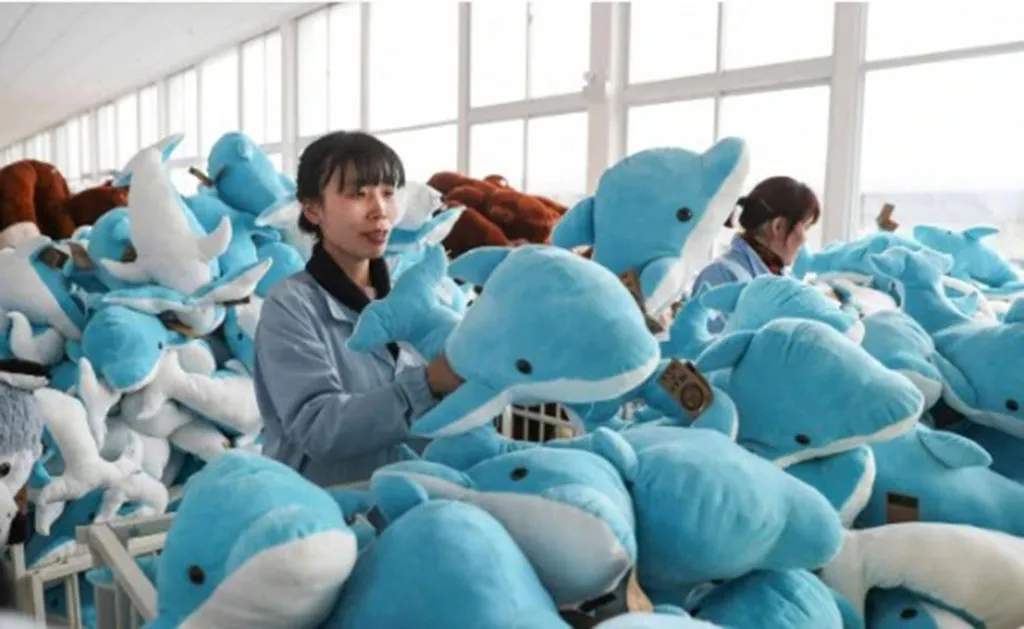
I’m Amanda from Kinwin in China. My team and I manufacture plush and soft toys for brands, retailers, e-commerce sellers, and promotional projects worldwide. In this guide, I’ll explain what “soft toy” means in modern manufacturing, how it compares to plush toys and stuffed animals, what goes inside, which safety rules apply, and how design and branding trends are changing this global market.
What defines the term “soft toy” in modern manufacturing?
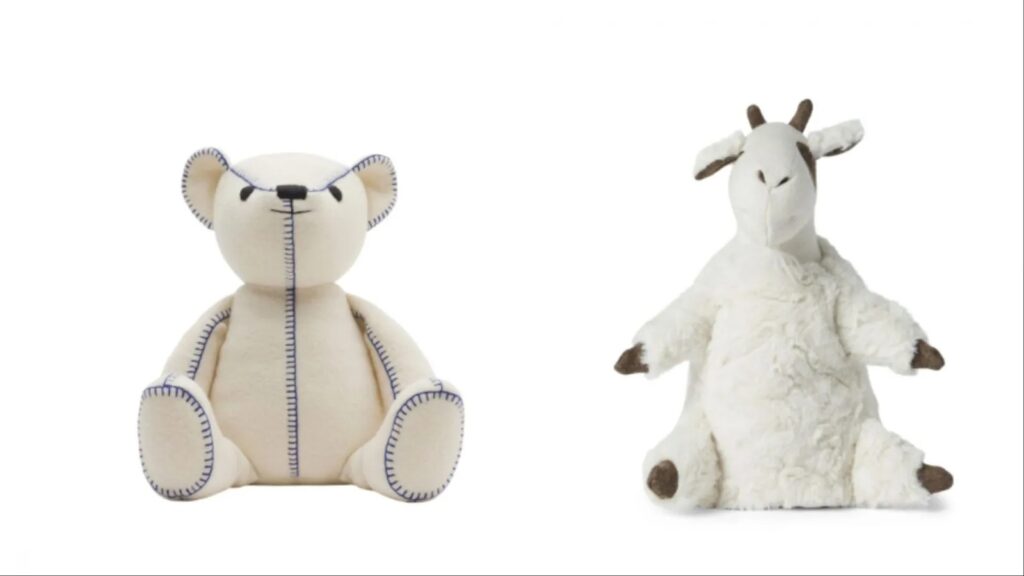
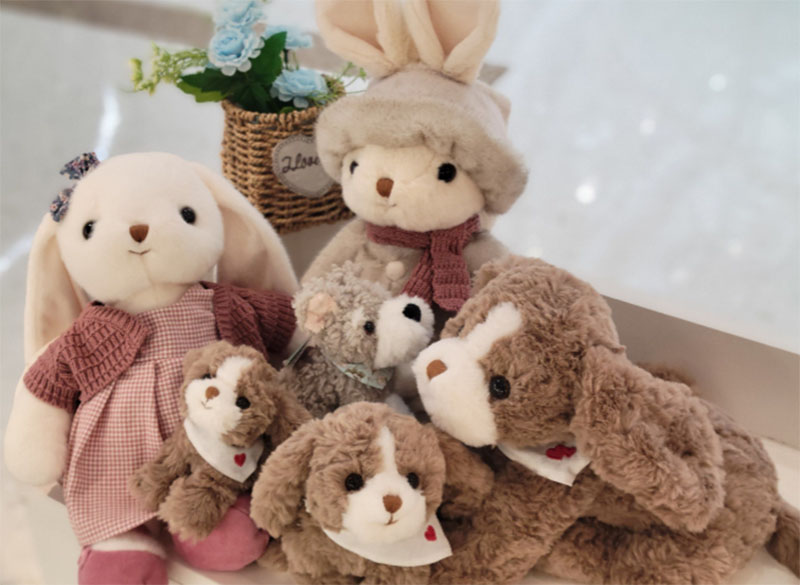
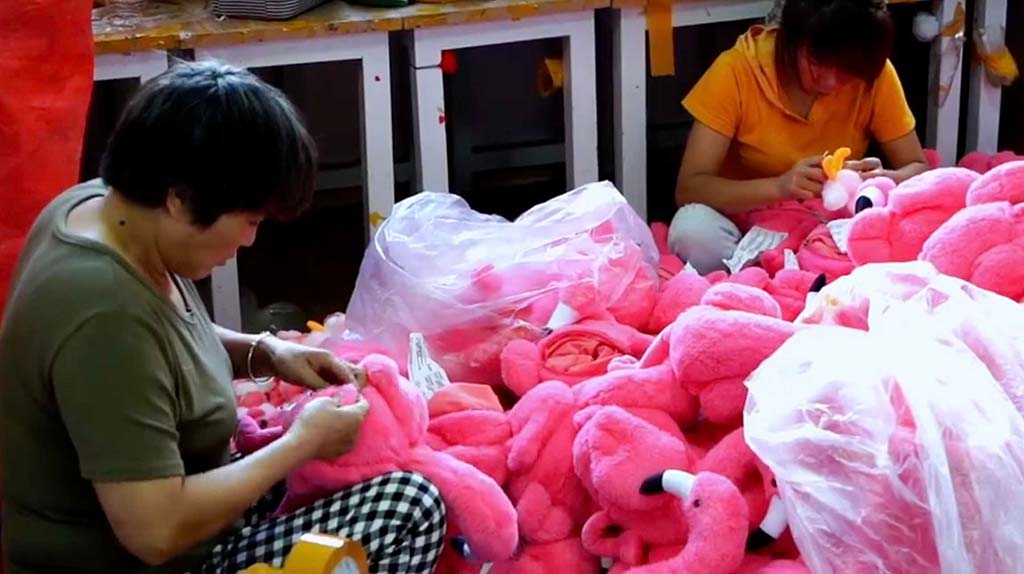
In everyday life, people say “soft toy” to mean any toy that is soft, huggable, and made of textile or plush, not hard plastic or metal. In manufacturing and trade, the meaning is similar, but a bit more structured.
From a factory point of view, a soft toy is usually defined by three key features:
- Textile or plush outer shell
The surface is made of fabric (plush, fleece, cotton, polyester, etc.), not rigid plastic. - Soft, deformable interior
The toy is filled with stuffing or similar material so it can be squeezed and will return to its shape. - Toy function, not home textile
Its main purpose is play, comfort, decoration, or collection, not clothing or ordinary cushions (even if it looks like a cushion).
In documents like POs, invoices, and safety reports, we often use “soft toy” as the top-level category, then describe type and style under it.
How manufacturers see “soft toy”
| Aspect | Typical manufacturing definition |
|---|---|
| Product category | Toy made primarily from textile / plush materials |
| Structure | Soft, compressible, returns to shape after squeezing |
| Purpose | Play, comfort, collection, or decor (not clothing, not pure bedding) |
| Common forms | Animals, dolls, characters, cushions, mascots, novelty shapes |
Once a product meets these points, we treat it as a soft toy and apply toy safety standards, not just textile standards.
How do soft toys differ from plush toys and stuffed animals?
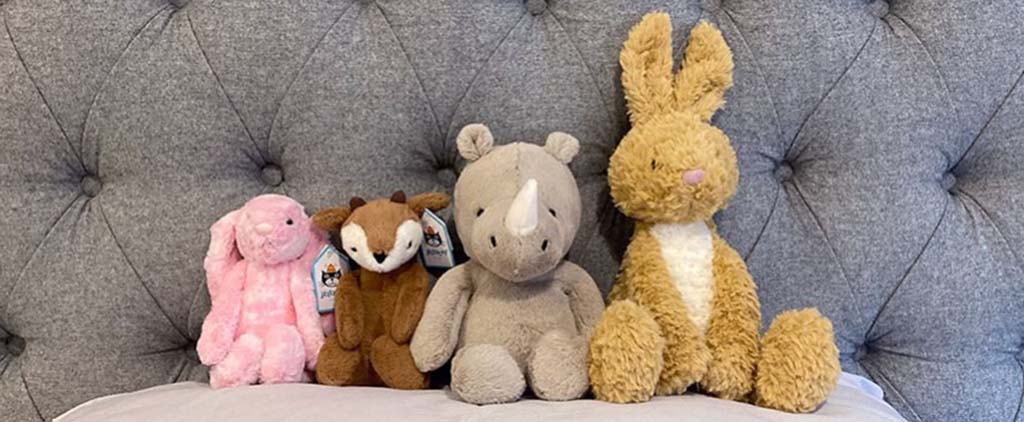
Many people mix these words. In real projects, they overlap, but each has a slightly different flavor and use.
“Soft toy”
- Broadest term.
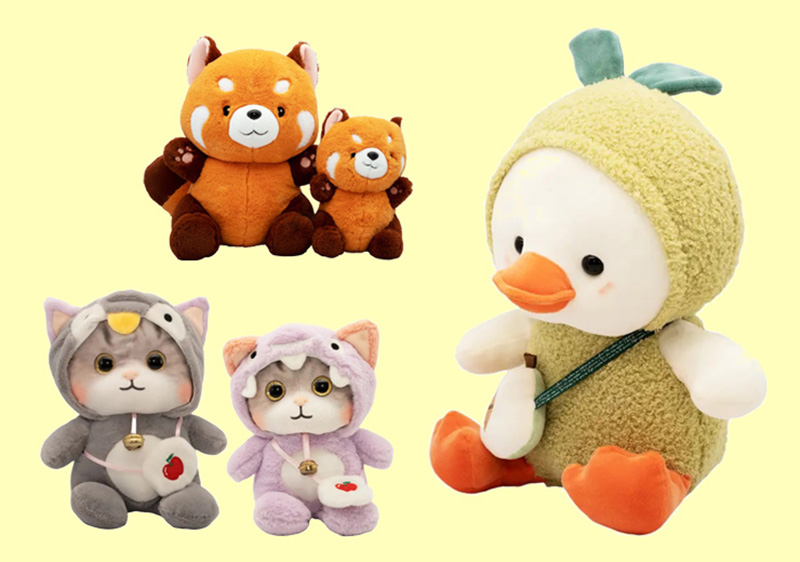
- Includes plush animals, dolls, cushions, mascots, food characters, and more.
- Used a lot in European and formal trade language.
- Focuses on the softness and toy function, not the shape.
“Stuffed animal”
- More common in North America and everyday speech.
- Usually means animal-shaped soft toys filled with stuffing.
- Parents often use this term when shopping for kids.
- Sounds traditional, neutral, and family-friendly.
“Plush toy / plushie”
- “Plush toy” is a product term based on the fabric (plush).
- “Plushie” is a cute, informal word, popular in online and fandom culture.
- Covers animals, food, fantasy creatures, and mascots.
- Often linked to character brands, anime, and gaming communities.
In manufacturing, we might list a product as:
Category: Soft Toy
Description: Plush Toy – Stuffed Animal (Bear)
So one item can be all three at the same time. The difference is mainly language, style, and audience.
Soft toy vs plush toy vs stuffed animal
| Term | Focus | Typical usage context |
|---|---|---|
| Soft toy | Soft construction, toy use | Factory documents, European retail, safety |
| Stuffed animal | Animal shape + stuffing | Parents, kids, general US retail |
| Plush toy | Plush fabric material | Product specs, online listings, categories |
| Plushie | Cute, character, emotion | Social media, fandom, teens & young adults |
When you write product pages, you can use all these terms in different lines to catch different customers and search habits.
What materials and fillings give soft toys their gentle texture?
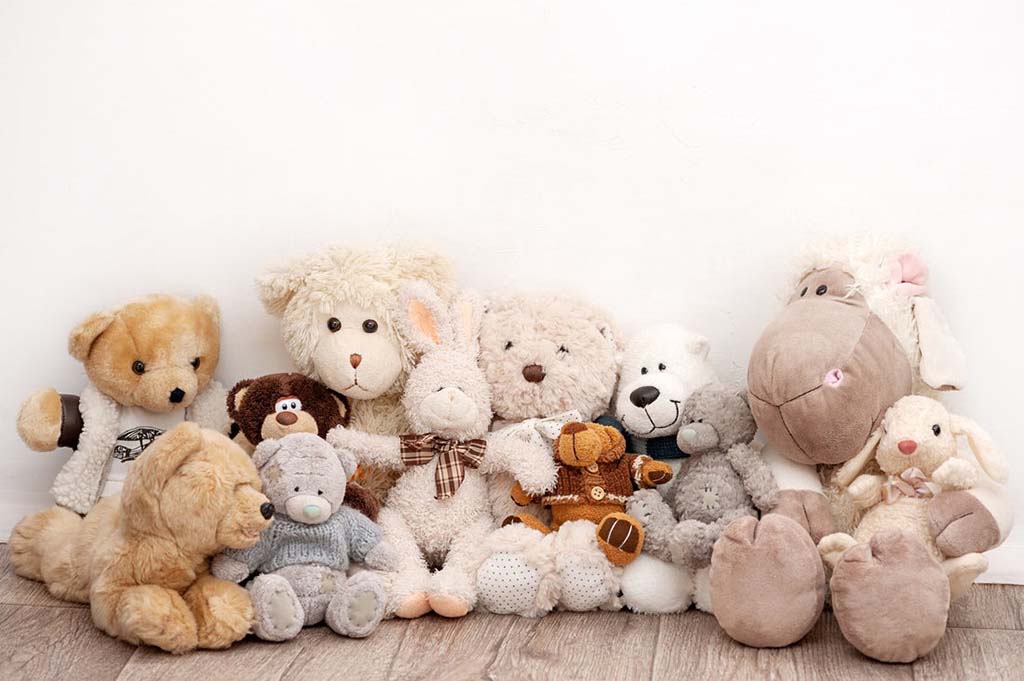
The “soft” in soft toy comes from two main parts:
- The outer fabric
- The inner filling
Outer fabrics
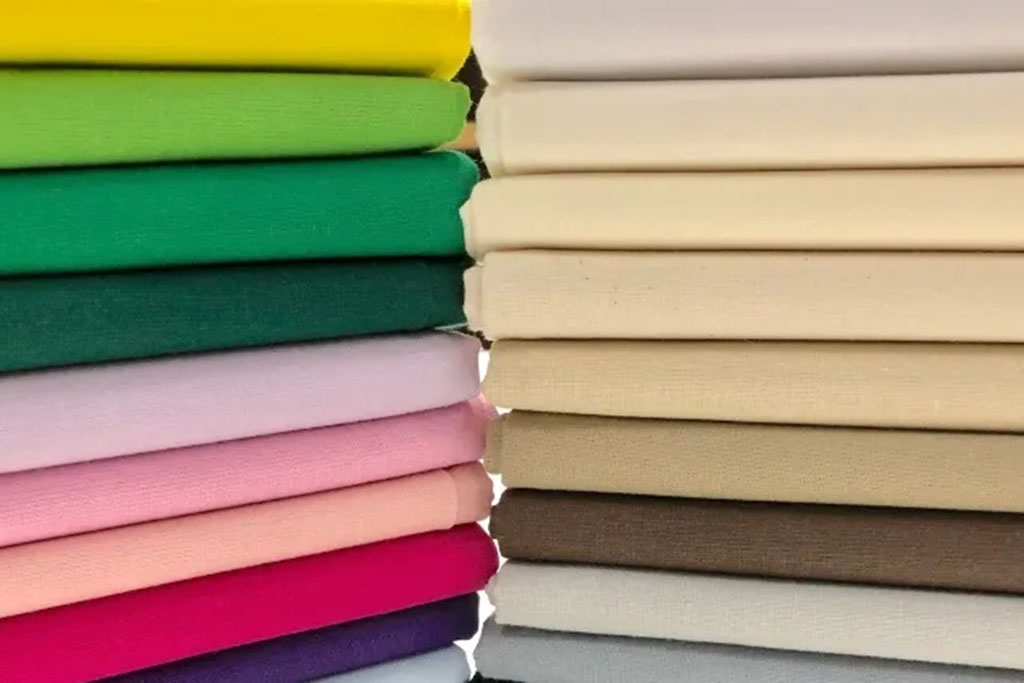
Most soft toys use one or more of these fabric families:
- Minky / micro-plush
Very soft, smooth, short pile. Ideal for baby toys and cuddle plush. - Short plush / velboa
Low–medium pile. Smooth and tidy, shows embroidery well. Good for character faces and mascots. - Fleece
Brushed knit, no visible pile direction. Cozy and cost-effective. Often used for clothing parts or budget toys. - Faux fur / long plush
Longer pile for fluffy or realistic animals. Strong visual impact. - Cotton / flannel / woven fabrics
Used in dolls, clothes on toys, and “handmade” style soft toys.
Most of these are polyester-based for durability, stable color, and easy washing.
Fillings
The inside of a soft toy is usually:
- Polyester fiberfill (PP cotton) – main filling for bodies and heads.
- Foam or sponge – for structured parts like noses, muzzles, or small cushions.
- Plastic pellets / beads – added for weight in hands, feet, or bottom.
- Specialty fillings – such as recycled fiber or organic fillings if the brand wants an eco story.
Good filling should:
- Bounce back after squeezing.
- Stay evenly distributed (no big empty spots).
- Work safely with stitching and fabric strength.
Soft toy materials overview
| Component | Common options | What it contributes |
|---|---|---|
| Outer fabric | Minky, short plush, velboa, fleece, faux fur | First touch, visual personality, softness |
| Inner filling | Polyester fiberfill, pellets, foam | Volume, shape, squeeze feel |
| Details | Embroidery thread, felt, printed fabric | Expression, branding, styling |
| Hidden layers | Lining fabrics, inner pouches for pellets | Shape stability, safety for weighted parts |
When you brief a factory, do not just say “soft.” Say what kind of soft: cloudy-soft, silky-soft, furry-soft, or sweatshirt-soft. Then we can guide you toward the right fabric type.
How do safety and compliance standards regulate soft toy production?
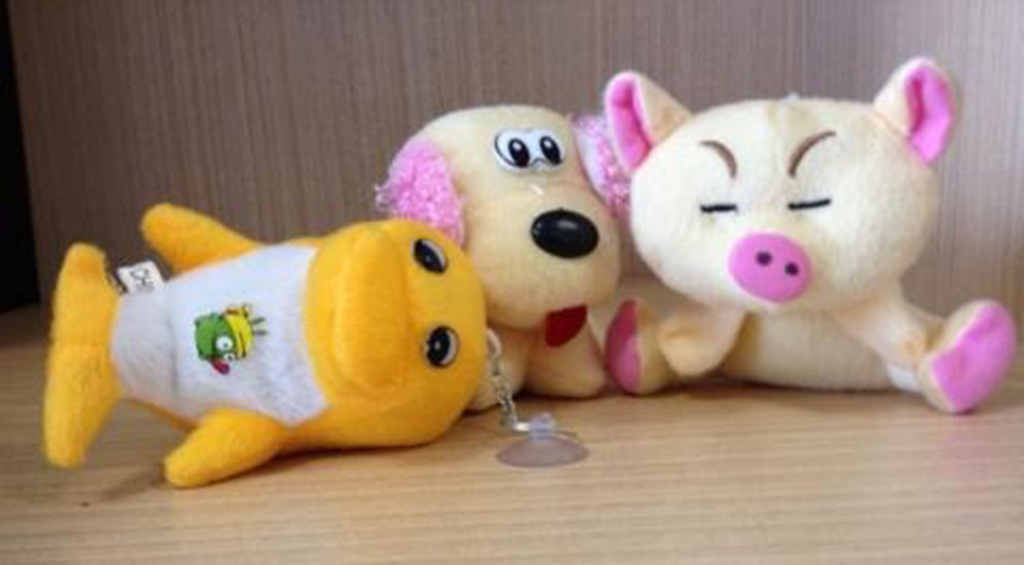
Because soft toys are often used by children—and sometimes chewed, slept on, and dragged everywhere—safety standards are strict. Even when a soft toy is meant mainly for collectors, many brands still follow toy rules as a baseline.
Key areas regulated by toy standards (like EN71 in Europe, ASTM F963 and CPSIA in the USA, etc.) include:
1. Mechanical and physical safety
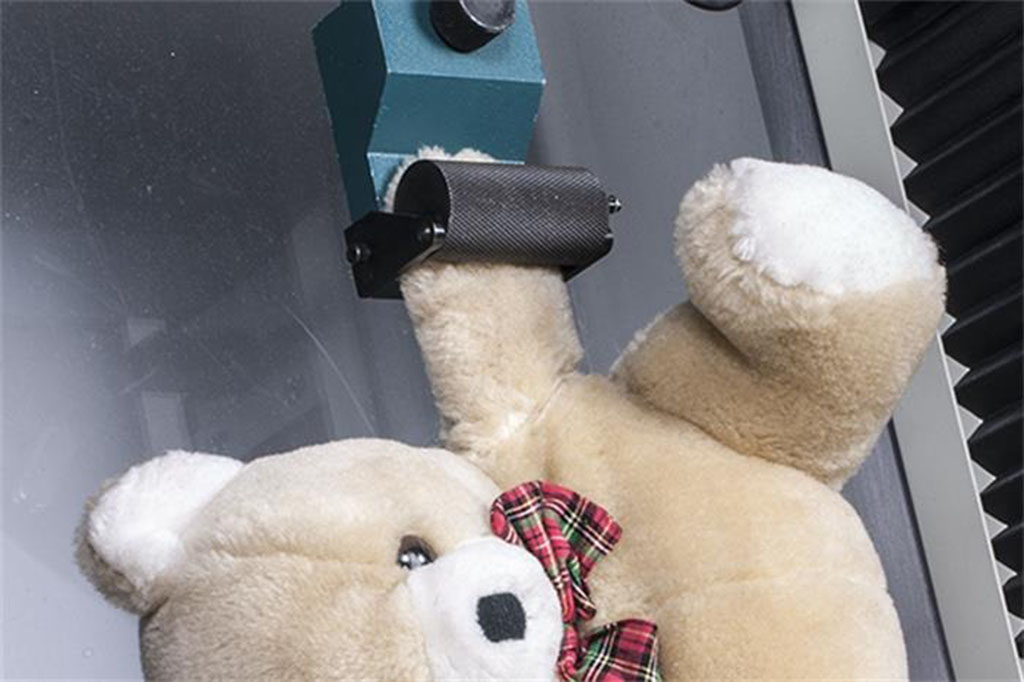
- Seam strength: fabric and stitching must not break easily.
- No small parts that can detach and be swallowed (unless marked 14+).
- No sharp points or edges on accessories.
2. Chemical safety
- Limits on heavy metals, certain plasticizers, and other harmful substances.
- Safe dyes and finishes on fabric and thread.
- Clean, safe glues and coatings if used.
3. Flammability
- Soft toys must not ignite and burn too fast.
- Very long or loose fibers must be checked carefully.
4. Hygiene and cleanliness
- Reasonable control of lint and loose fibers, especially for baby products.
- Clean filling materials, free from contamination and strong odors.
How safety standards touch each part of a soft toy
| Area tested | Examples of checks | Impact on materials and design |
|---|---|---|
| Mechanical safety | Pull tests on seams, eyes, attachments | Strong fabrics, good stitching, safe trims |
| Chemical safety | Limits on lead, phthalates, certain dyes | Toy-grade fabrics, threads, prints |
| Flammability | Flame spread tests on fabrics | Avoid risky finishes and excessive fuzz |
| Hygiene / lint | Visual and physical checks on shedding and filling | Shorter pile for babies, controlled finishes |
When you plan a new soft toy line, always tell your factory where you will sell (USA, EU, Japan, etc.). This helps us choose fabrics and fillings that already have a good test history for those markets.
What emotional, educational, and therapeutic roles do soft toys serve?
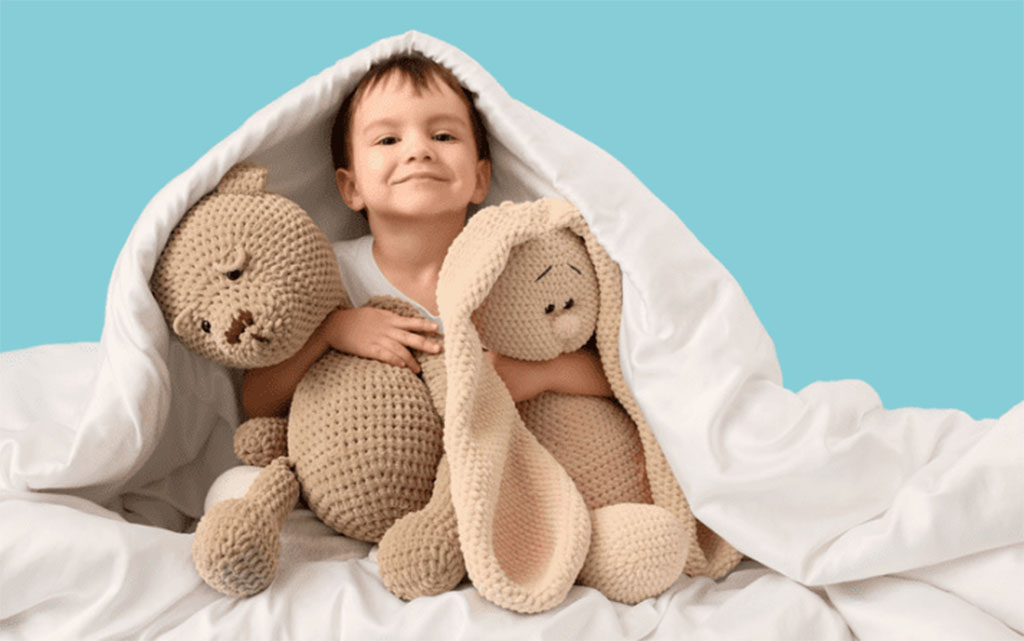
If you look only at cost and materials, you will miss the real value of a soft toy. The true purpose is what it does for the person holding it.
Emotional roles
Soft toys provide:
- Comfort – something gentle to hold during stress or at bedtime.
- Companionship – a small presence that stays when people and places change.
- Memory – a reminder of a trip, event, or person.
Many adults still keep at least one soft toy from childhood or from a special time in life. Children often use a soft toy as their “safe object” in new environments.
Educational roles
For children, soft toys help with:
- Emotional learning – acting out feelings through bears, bunnies, or dolls.
- Social skills – practicing sharing, caring, and conversation in pretend play.
- Language and storytelling – telling stories about what the soft toy does, sees, and feels.
- Responsibility – “taking care” of a toy (feeding, dressing, tucking it into bed).
Therapeutic roles
Soft toys are used in:
- Play therapy and counseling – as tools to help children express feelings.
- Sensory support – especially weighted or textured soft toys for people who need grounding.
- Anxiety relief – hugging a soft toy can help both children and adults reduce tension.
Roles of soft toys beyond “just a toy”
| Role type | How a soft toy is used | Benefit for the user |
|---|---|---|
| Emotional | Bedtime companion, desk companion, comfort object | Calming, feeling of safety and presence |
| Educational | Role-play in stories, “teaching” the toy, caring for it | Builds empathy, language, and social understanding |
| Therapeutic | Tool in therapy, sensory aid, anxiety support | Easier emotional expression, grounding, routine |
When you design soft toys, think about which of these roles you want to support. That choice will guide facial expression, size, weight, and even color palette.
How do design and branding trends shape the global soft toy market?
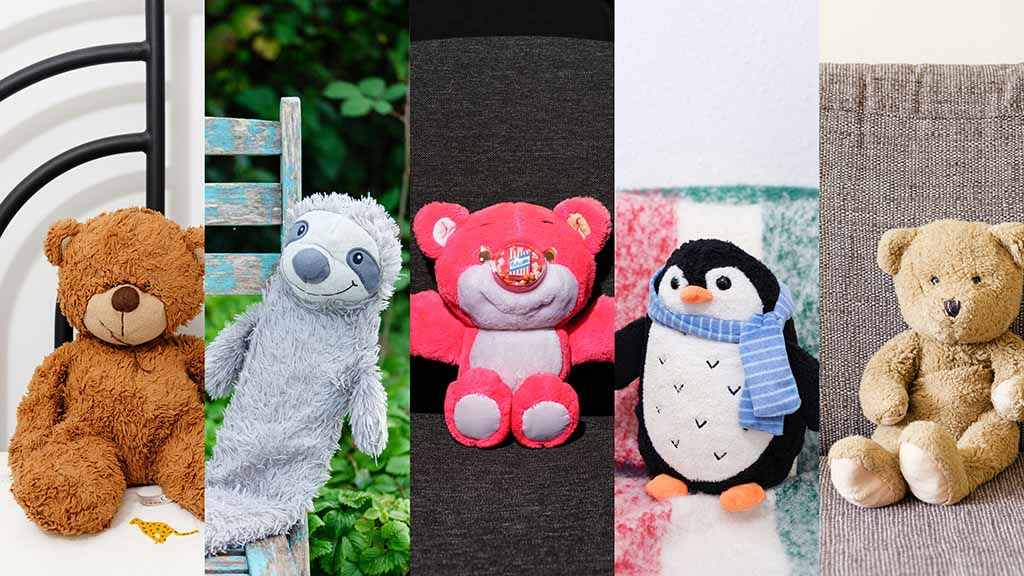
The term “soft toy” sounds simple, but the market behind it is changing quickly, driven by design trends, branding strategies, and online culture.
1. Character and IP-driven designs
More soft toys are tied to:
- Cartoons, games, anime, and creators
- Brand mascots and logos
- Seasonal or event-based characters
Here, a soft toy is not just an animal; it is part of a brand universe. Design must match style guides, and quality must support long-term brand image.
2. Fandom and collectible culture
Teens and adults collect soft toys as plushies and character merch. Trends include:
- Limited edition drops
- Sets and blind boxes
- Special collaborations between artists and brands
This pushes demand for higher detail, better fabrics, and stronger packaging, even if the word “soft toy” is still used in formal paperwork.
3. Aesthetic and lifestyle trends
Soft toys are now part of home and desk aesthetics:
- Pastel, kawaii, cottagecore, minimalist, or gothic themes
- Oversized plush cushions and floor soft toys
- Matching soft toys with room styling and social media content
Design here must follow color and style trends, not only child-focused patterns.
4. Sustainability and ethics
More buyers ask for:
- Recycled polyester (rPET) fabrics and fillings
- Organic cotton components
- Reduced or recyclable packaging
These soft toys carry values, not just cuteness. Brands use material choices as part of their story.
How trends reshape soft toy design
| Trend area | Change in soft toy design | What buyers expect now |
|---|---|---|
| Character/IP | Specific faces, logos, outfits, story-based themes | Accurate style, consistent quality |
| Collectibles | Limited runs, series, numbered tags | Premium feel, better finishing, good packaging |
| Lifestyle/aesthetic | Colors and shapes that match room and fashion trends | “Instagram-ready” designs, photogenic plush |
| Sustainability | Recycled / organic materials, low-plastic packaging | Clear eco claims, honest material information |
For manufacturers like us, “soft toy” now covers everything from a basic budget teddy to a carefully branded, eco-positioned collectible cushion. The category name stays simple; the contents become more complex.
Conclusion
In modern manufacturing, a soft toy is much more than a “toy that feels soft.” It is a product category defined by textile construction, clear safety rules, emotional value, and fast-moving design trends. When you understand how it differs from terms like plush toy and stuffed animal, and how materials, safety, and branding work together, you can plan product lines that feel right in the hands of your real users—not just in a catalog.
At Kinwin, we help global buyers develop soft toy ranges from concept to shipment: choosing fabrics and fillings, meeting safety standards, and shaping designs that work for babies, families, collectors, and brands. If you’d like to discuss a soft toy project or turn an idea into a full product line, you’re welcome to contact me at [email protected] or visit kinwintoys.com. Together, we can build soft toys that are safe, on-trend, and truly meaningful for your customers.