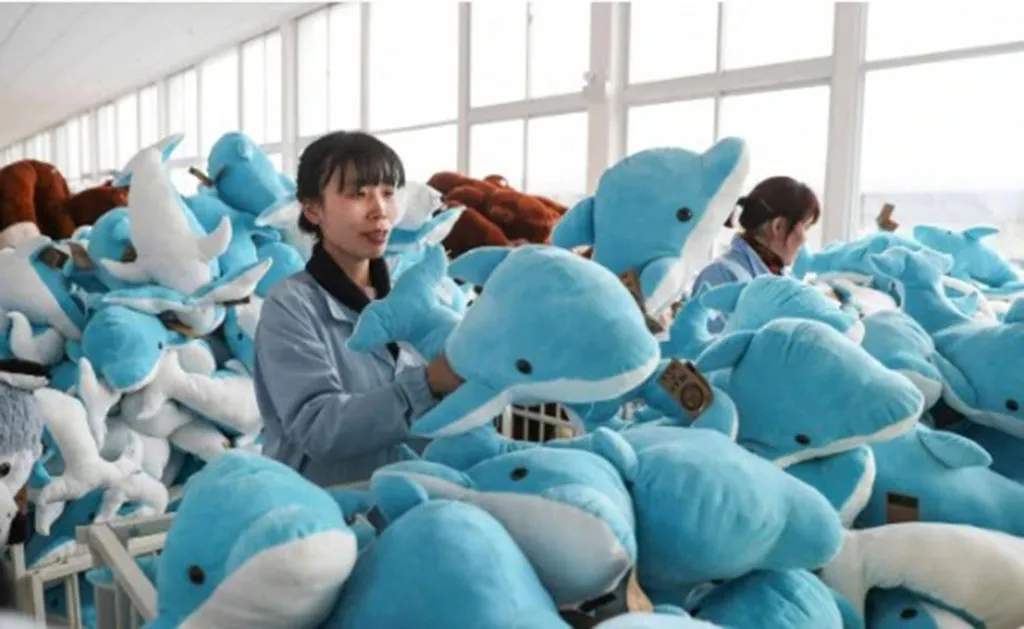
Stuffed toys are one of the most recognizable product categories in the global toy market. They comfort children, entertain adults, serve as collectibles, and even act as branding tools for businesses. But what exactly is a stuffed toy, and how did it become such a universal product?
As a plush manufacturer at Kinwin, I help global buyers—from retailers to promotional companies—understand what defines stuffed toys, how they are made, and why they continue to be loved worldwide. This guide explores their definition, history, materials, safety standards, emotional impact, and customization options.
What is the definition of a stuffed toy in the toy manufacturing industry?

In toy manufacturing, a stuffed toy is defined as a soft, fabric-covered product filled with textile fibers, foam, or pellets, designed to represent an animal, character, or imaginative figure for play, comfort, or display.
Key defining elements include:
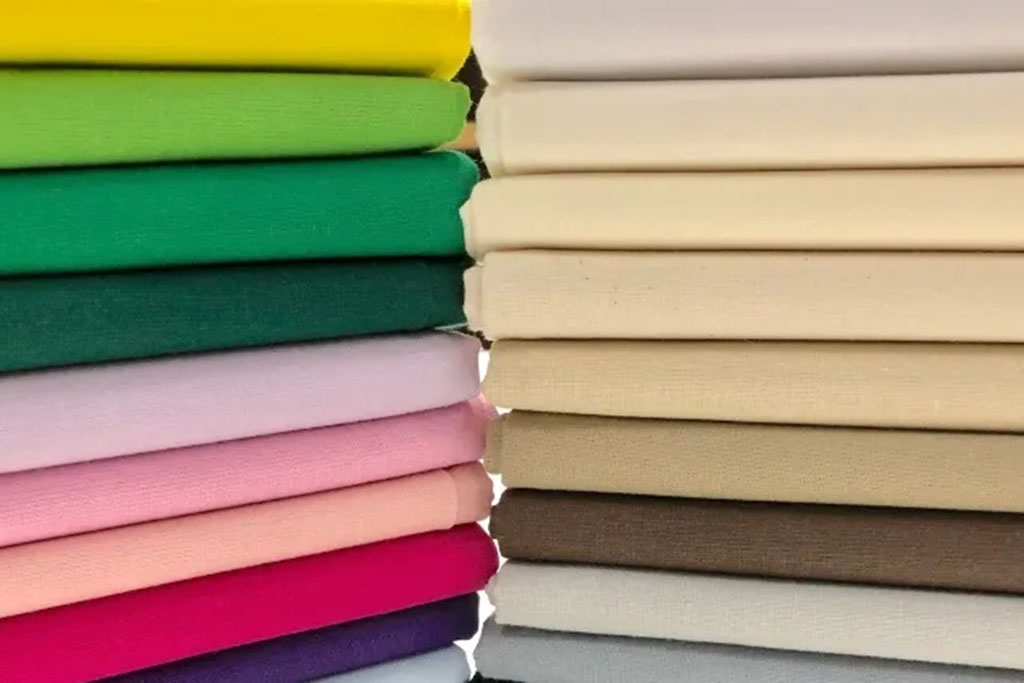
- Fabric outer shell (plush, fleece, cotton, or synthetic fiber).
- Inner filling (polyester fiberfill, cotton, foam, or beads).
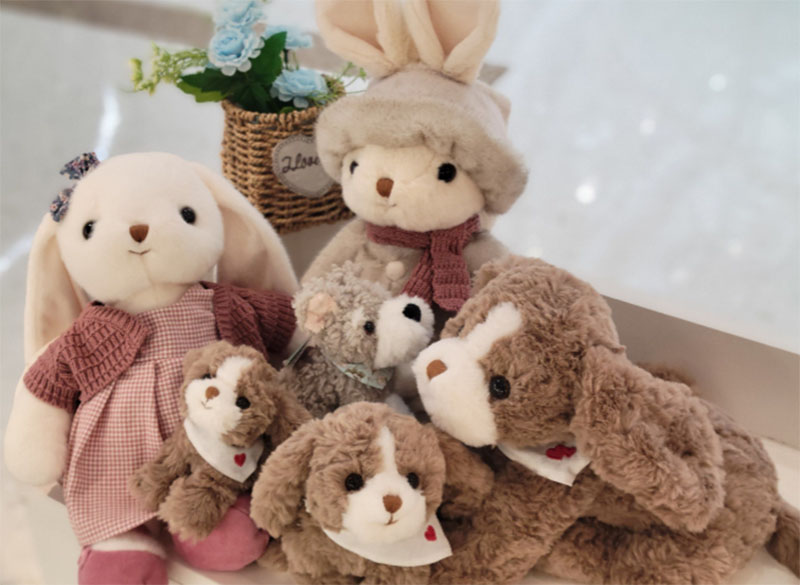
- Shape or design (animals, dolls, mascots, or fantasy creatures).
- Purpose (comfort object, plaything, decorative item, or promotional tool).
| Defining Element | Description |
|---|---|
| Fabric shell | Soft textile material |
| Filling | Polyester fiberfill, cotton, beads |
| Shape | Animals, dolls, mascots |
| Purpose | Play, comfort, branding |
This definition distinguishes stuffed toys from action figures or plastic figurines. In industry terms, “stuffed toy,” “stuffed animal,” and “plush toy” are often used interchangeably, though regional preferences differ.
How did stuffed toys originate and evolve through history?
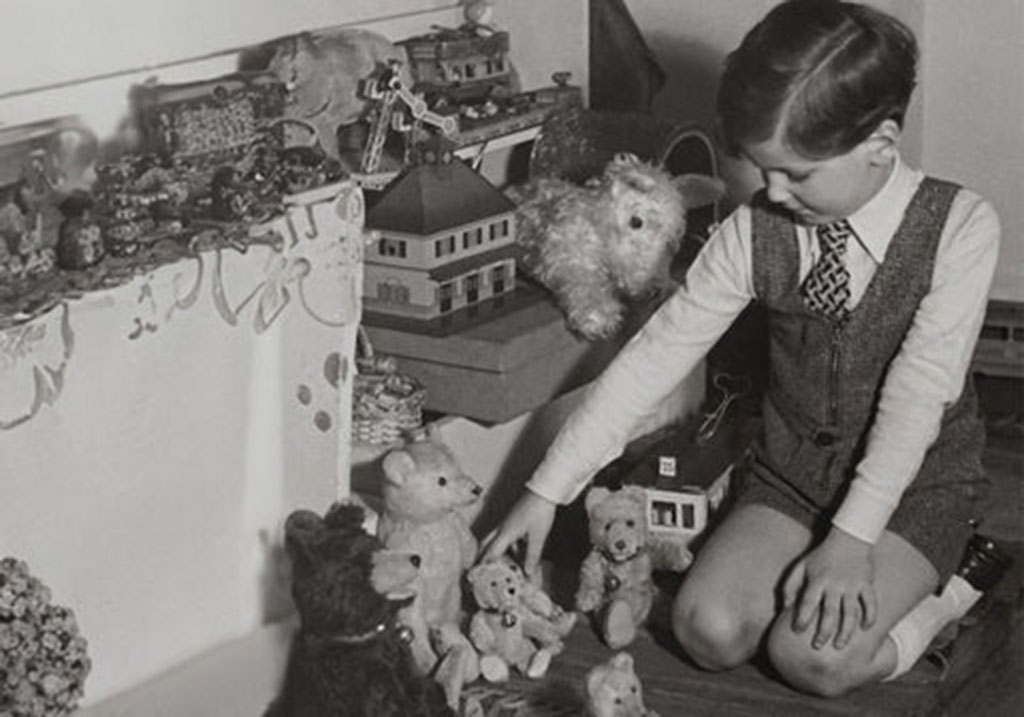
Stuffed toys have ancient roots. Early cultures created animal-shaped figures out of cloth and straw, often used for rituals or as comfort items. In medieval Europe, simple rag dolls appeared, sometimes designed with animal features for children.
The modern stuffed toy industry began in the late 19th century. Margarete Steiff in Germany created her first stuffed elephant in 1880, originally as a pincushion. Her nephew Richard Steiff later designed a jointed bear in 1902, which became the world’s first teddy bear. Around the same time, in the United States, Morris Michtom and his wife created “Teddy’s Bear,” inspired by President Theodore Roosevelt.
| Year | Event |
|---|---|
| 1880 | Margarete Steiff creates first stuffed elephant |
| 1902 | Richard Steiff designs jointed bear |
| 1903 | Michtoms launch “Teddy’s Bear” in the U.S. |
From these origins, stuffed toys expanded into a global phenomenon. Today, they include interactive plush, eco-friendly designs, licensed character plush, and oversized decorative toys.
What materials, fillings, and fabrics are commonly used in stuffed toy production?
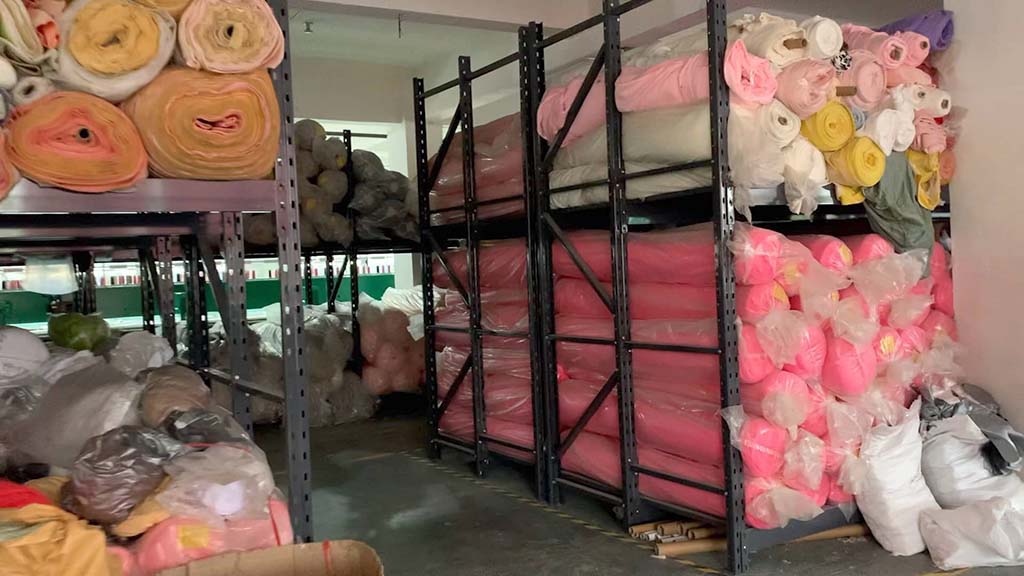
The feel, safety, and durability of stuffed toys depend on their outer fabrics and inner fillings.
Common fabrics:
- Plush fleece or minky (soft, durable, washable).
- Cotton blends (breathable, natural).
- Velour (smooth, baby-friendly).
Common fillings:
- Polyester fiberfill (lightweight, hypoallergenic).
- Cotton stuffing (natural but less fluffy).
- Foam or memory foam (firm support for cushions).
- Weighted pellets or beads (used in sensory plush).
| Material | Benefit | Caution |
|---|---|---|
| Polyester plush | Soft, durable, washable | Must be non-toxic |
| Cotton blends | Natural, breathable | Higher cost |
| Polyester fiberfill | Hypoallergenic, fluffy | Widely used |
| Pellets/beads | Add weight | Not safe for infants |
At Kinwin, we source fabrics that pass colorfastness and durability testing to ensure they meet CE and ASTM safety requirements for different markets.
How do safety standards and certifications regulate stuffed toy manufacturing?
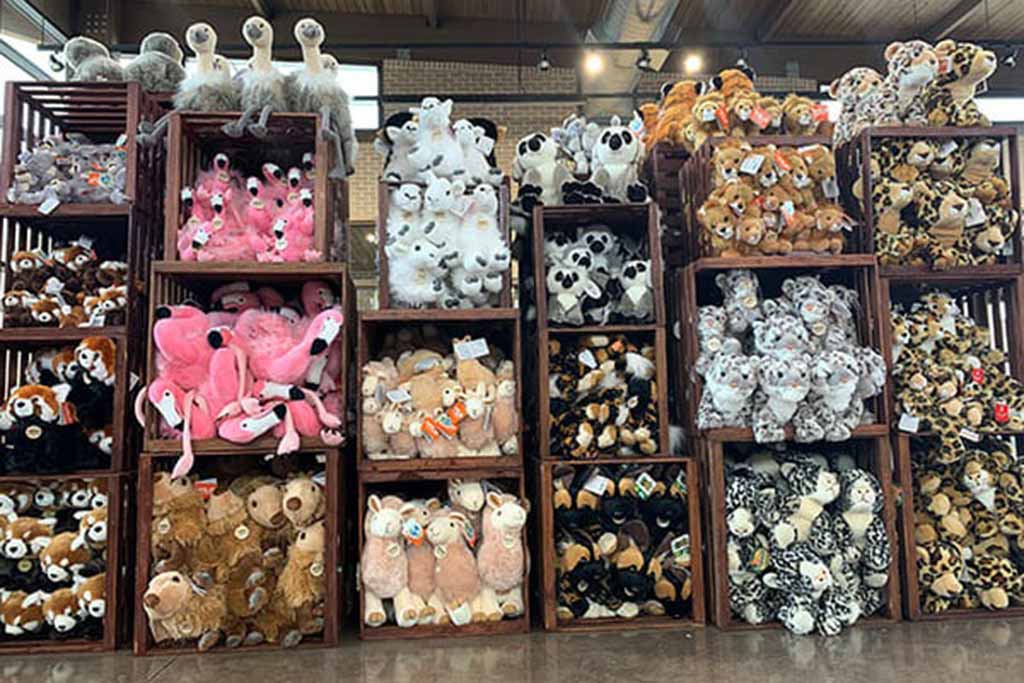
Stuffed toys must pass strict safety testing to enter international markets. Regulations focus on mechanical strength, chemical safety, and choking hazard prevention.
Key standards include:
- CE marking (Europe): Covers EN71 tests for mechanical hazards, flammability, and chemical safety.
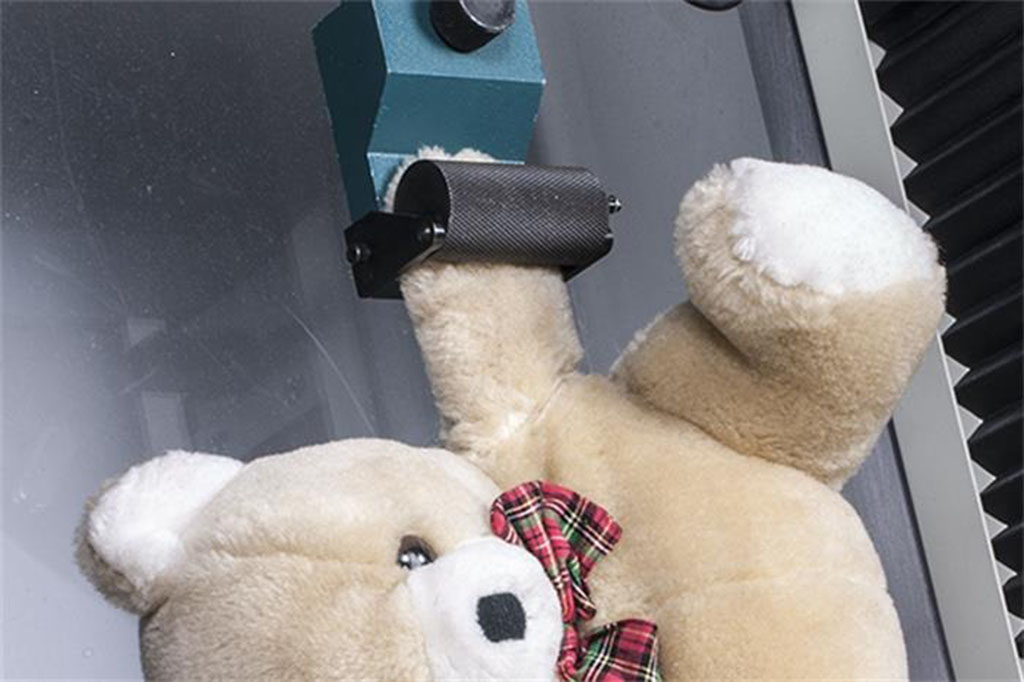
- ASTM F963 (U.S.): Requires seam strength, stuffing integrity, and small parts testing.
- CPSIA (U.S.): Limits lead and phthalates.
- ISO standards: Ensure global quality management.
| Standard | Region | Key Focus |
|---|---|---|
| CE (EN71) | Europe | Mechanical, flammability, chemical |
| ASTM F963 | U.S. | Seam strength, small parts |
| CPSIA | U.S. | Lead, phthalates |
| ISO | Global | Quality systems |
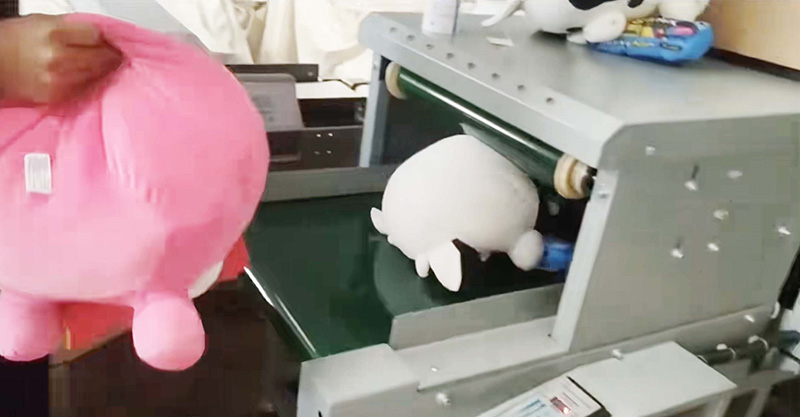
At Kinwin, every plush toy undergoes seam testing, fabric flammability checks, and chemical analysis. This gives our buyers confidence in both customs clearance and consumer trust.
What psychological, educational, and emotional roles do stuffed toys play?
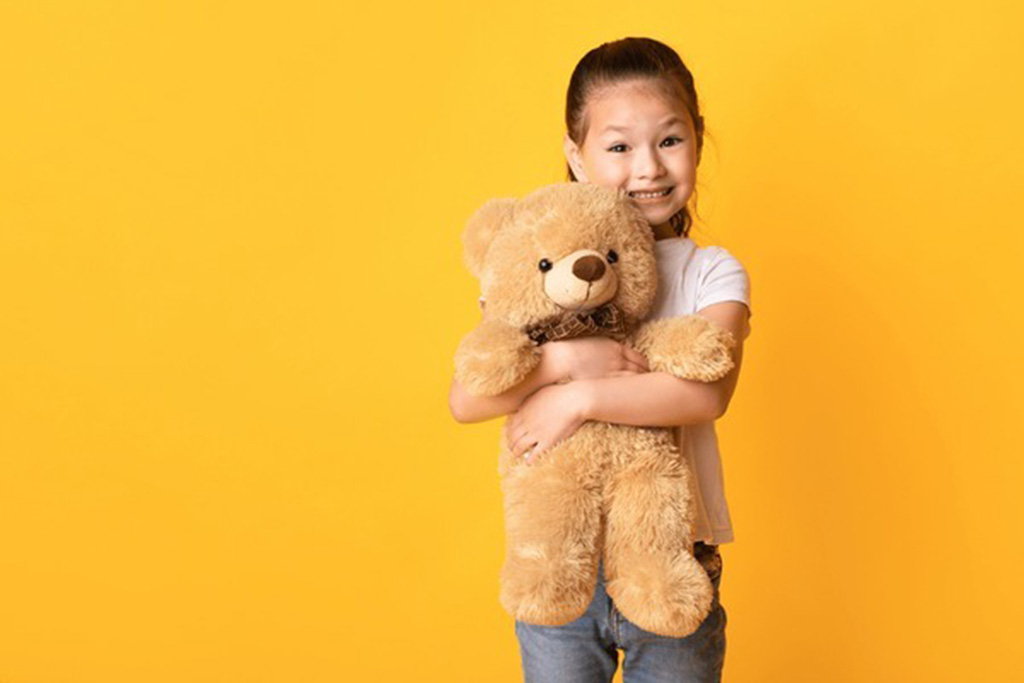
Stuffed toys are more than fabric and stuffing—they are emotional companions and learning tools.
- Psychological comfort: Babies and children see stuffed toys as transitional objects, offering security when parents are not around.
- Educational role: Plush toys shaped like letters, numbers, or animals introduce learning through play.
- Emotional support: Adults use plush toys for stress relief, nostalgia, and sensory therapy. Weighted plush toys, for example, are used in calming strategies for children with autism and adults with anxiety.
| Age Group | Role of Stuffed Toys |
|---|---|
| Babies | Comfort, security |
| Children | Imaginative play, education |
| Teens | Self-expression, décor |
| Adults | Stress relief, nostalgia |
| Therapy | Sensory support |
This emotional connection is why stuffed toys remain relevant across age groups and global markets.
How are stuffed toys customized for branding, retail, and promotional purposes?
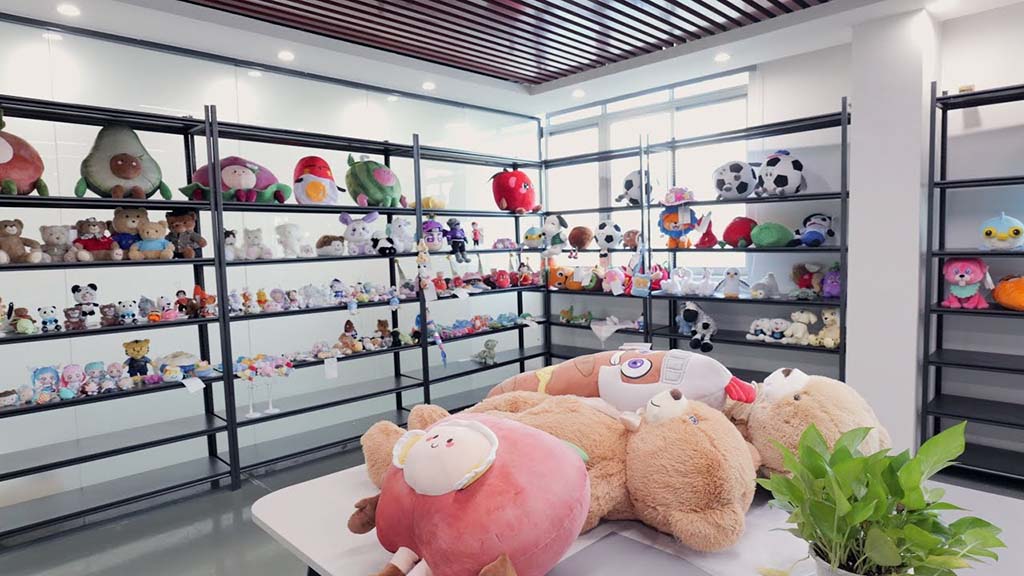
Customization transforms stuffed toys into powerful branding and retail tools. Businesses use them as mascots, giveaways, or promotional products.
Customization options include:
- Logo embroidery on ears, chest, or tags.
- Custom costumes for mascots or seasonal campaigns.
- Packaging tailored to retail or corporate identity.
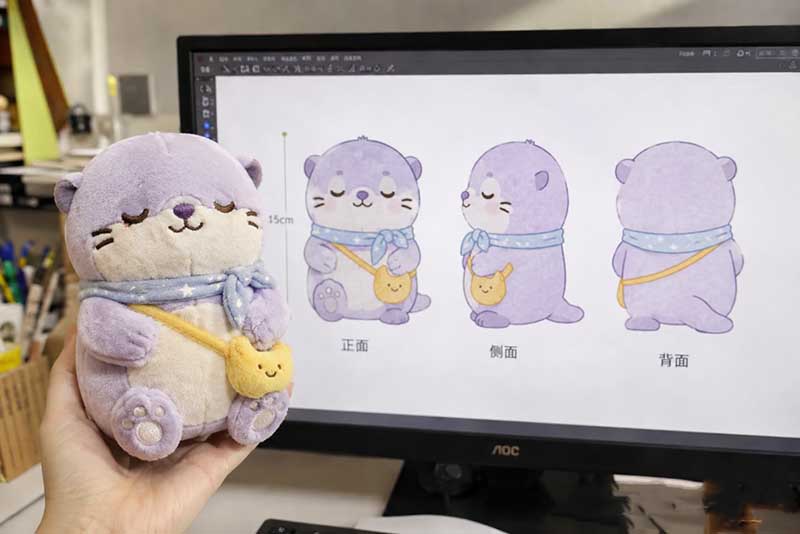
- Unique character design for exclusive collections.
| Customization | Example |
|---|---|
| Logo embroidery | Brand logo on toy’s ear |
| Costume design | Christmas outfit for plush bear |
| Packaging | Custom-printed gift box |
| Mascot plush | Amusement park animal character |
At Kinwin, we provide OEM/ODM services for custom plush, ensuring designs are safe, compliant, and market-ready. For corporate campaigns, branded plush creates emotional bonds with customers, extending marketing reach.
Conclusion
A stuffed toy is more than a soft figure—it is a product shaped by history, regulated by safety, enriched by emotion, and empowered by customization. From classic bears to eco-friendly mascots, stuffed toys continue to define childhood and branding alike. At Kinwin, we help global buyers develop plush toys that are safe, customizable, and competitive in international markets.
Contact us at [email protected] or visit kinwintoys.com to start your next plush toy project with a trusted manufacturer.