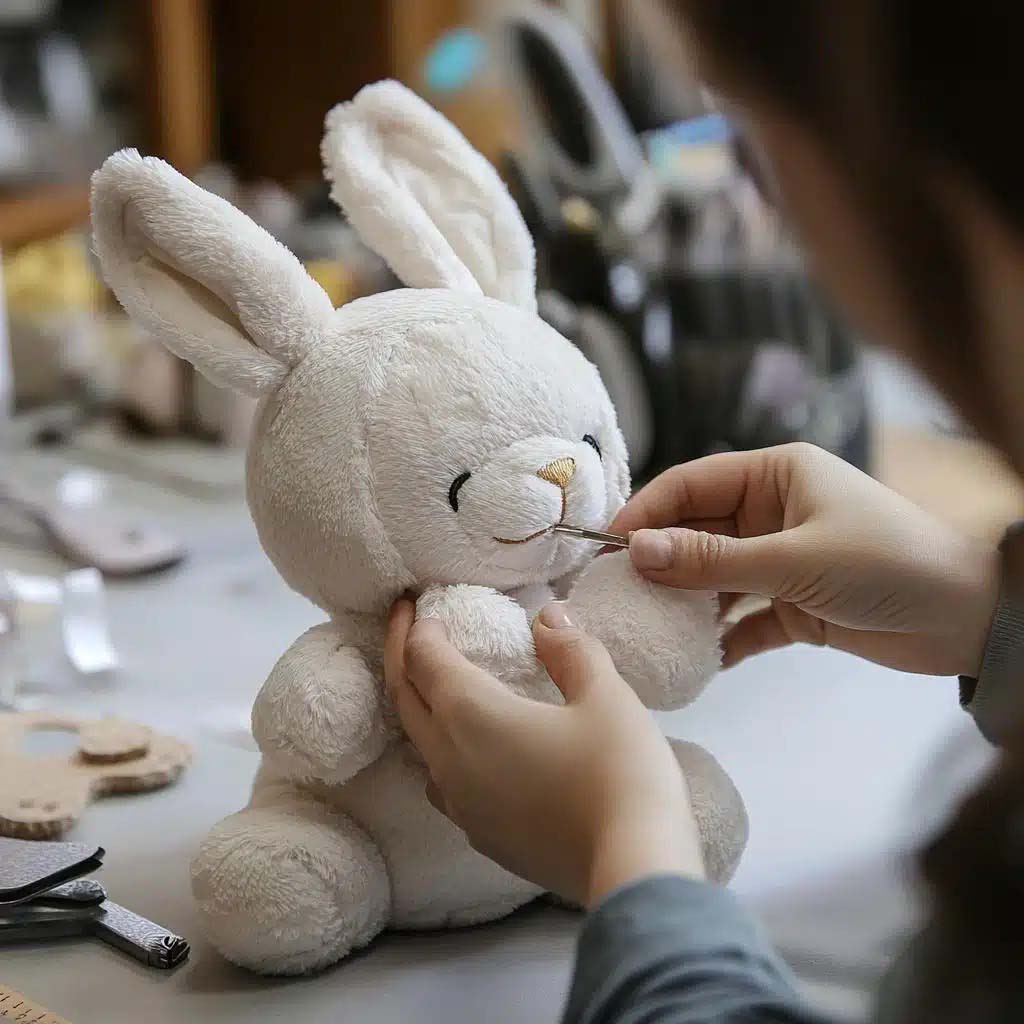
Every plush toy factory was a new factory once. And many new factories will eventually become experienced ones — developing the pattern-making expertise, quality control depth, material sourcing relationships, and compliance infrastructure that distinguish manufacturers who can be relied upon from those who are still learning at their clients’ expense.
The problem for buyers is timing. A factory that will be genuinely capable in three years is not necessarily capable today. And the gap between a factory that presents itself as experienced and one that has actually built the systems, skills, and institutional knowledge that experience produces is not always visible in a sales presentation or a factory profile. It becomes visible in the first sample — which arrives with more deviations than expected. In the first bulk order — where the quality that was good in the sample becomes inconsistent at scale. In the first problem — where the factory’s response reveals whether its problem-handling culture is built on accountability or avoidance.
This guide explains specifically what manufacturing experience means in the plush toy category — not as a vague credential but as a concrete set of operational capabilities — and how buyers can assess the presence or absence of those capabilities before committing to a production relationship.
Why Does Manufacturing Experience Matter More in Plush Toys Than in Many Other Product Categories?
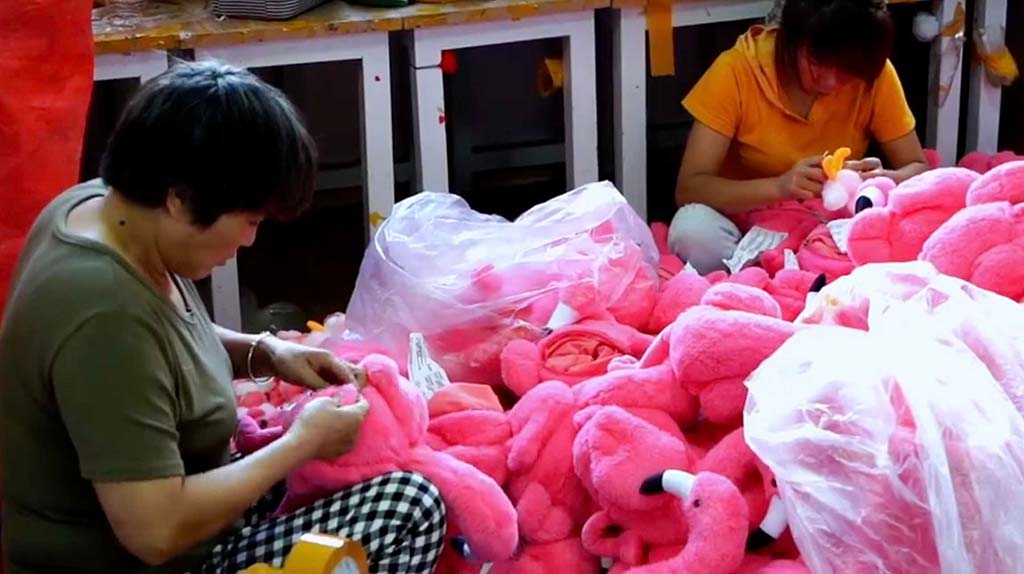
Manufacturing experience matters in every production category. But the specific nature of plush toy manufacturing — the combination of textile handling complexity, three-dimensional shape engineering, multi-component assembly, safety compliance requirements, and tactile quality expectations — makes experience a more significant differentiator in this category than in many others.
Manufacturing experience matters more in plush toys because the product’s quality is determined by a combination of craft skills, engineering judgment, and material knowledge that cannot be acquired quickly or replicated from documentation alone. A new factory can buy the same sewing machines as an established one. It cannot immediately replicate the pattern-making intuition that produces correct three-dimensional shapes, the material sourcing relationships that ensure consistent compliance-certified inputs, or the quality culture that catches problems before they reach the buyer.
Here is a comparison of the experience-dependent capabilities that most directly affect plush toy production outcomes:
| Capability Area | What Experience Builds | What New Factories Lack | Commercial Impact |
|---|---|---|---|
| Pattern making | Intuitive 3D shape engineering from design briefs | Must solve engineering problems from first principles | More revision rounds, less accurate first samples |
| Material sourcing | Established relationships with certified suppliers | Limited supplier network, less compliance depth | Higher material variation risk, compliance exposure |
| Quality system depth | Documented, practiced QC protocols across many product types | Generic or incomplete QC processes | Higher defect rates, less consistent output |
| Problem-solving | Institutional knowledge of failure modes and solutions | Must discover failure modes through client problems | More quality escapes, slower resolution |
| Compliance knowledge | Deep understanding of market-specific requirements | General awareness without operational depth | Higher compliance failure risk |
| Workforce skill | Stable team with product-specific expertise | Higher turnover, lower average skill level | More operator-variation defects |
| Client management | Communication systems built around client transparency | Learning client management under production pressure | More surprises, less proactive communication |
The Craft Skill Dimension
Plush toy production involves a level of craft skill — in pattern making, sewing, stuffing, and embroidery — that is qualitatively different from more automated manufacturing processes. In a highly automated industry, a new factory can purchase the same automation as an established competitor and immediately achieve comparable output. In plush toy manufacturing, where human judgment and manual dexterity are involved at multiple critical production steps, skill takes time to develop and cannot be purchased directly.
This craft skill dimension means that an experienced plush toy factory is not simply a new factory that has been operating longer. It is a factory whose personnel have developed specific skills — the pattern maker’s intuition for how a specific character shape should be paneled, the sample sewer’s ability to achieve consistent embroidery positioning by hand, the QC inspector’s calibrated judgment for what represents the boundary of acceptable variation — that take years of focused practice to build.
How Does Pattern Making Capability Differ Between Experienced and New Plush Factories?
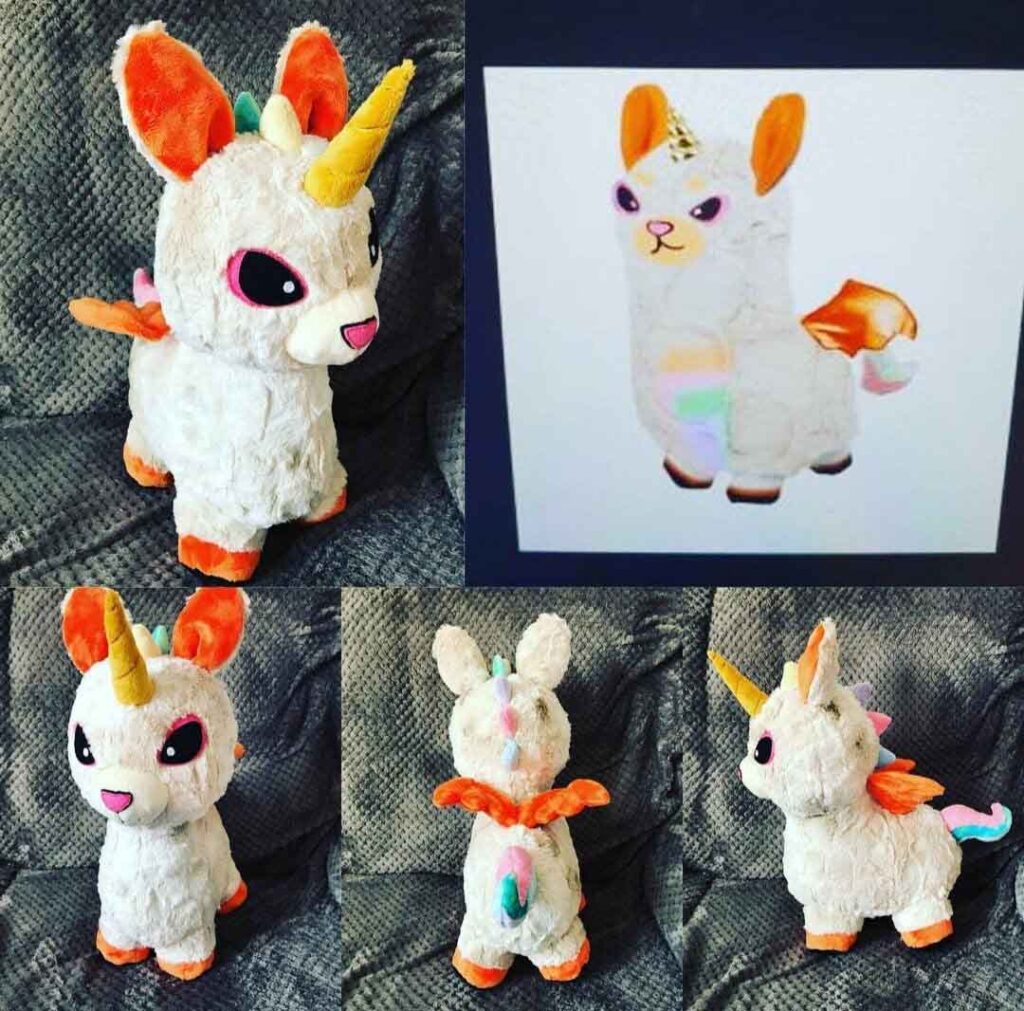
Pattern making is one of the most technically demanding and most experience-dependent capabilities in plush toy manufacturing. It is the process of translating a two-dimensional design concept into a set of precise fabric cutting templates that, when sewn together and stuffed, produce the correct three-dimensional shape with the intended visual character and proportions. Getting this right — particularly for original or complex character designs — requires engineering judgment that is only developed through repeated problem-solving across many different design challenges.
Pattern making capability differs fundamentally between experienced and new plush factories because the three-dimensional engineering problems involved in plush toy pattern making do not have standard textbook solutions. An experienced pattern maker develops intuitive solutions through years of working with different shapes, fabrics, and construction approaches — building a mental library of which paneling strategies produce which three-dimensional results. A new pattern maker must derive solutions from first principles for each design, producing results that are less accurate, less efficient, and more likely to require multiple revision rounds to reach the required standard.
Here is a comparison of pattern making outcomes between experienced and new factories across key dimensions:
| Pattern Making Dimension | Experienced Factory | New Factory | Buyer Impact |
|---|---|---|---|
| 3D shape accuracy from brief | High first-sample accuracy | Frequent proportion errors requiring full rebuilds | More revision rounds, higher development cost |
| Complex character execution | Handles multi-panel designs confidently | Struggles with designs beyond basic shapes | Quality ceiling on design complexity |
| Pile direction management | Consistent grain line planning across all panels | Inconsistent pile direction, shading variation | Visible quality defect in finished product |
| Seam placement judgment | Seams placed in visually optimal positions | Seams placed for construction convenience | Seams visible in wrong places |
| Proportional adjustment | Correct compensation for stuffing and fabric thickness | Inaccurate size prediction requiring multiple corrections | Size deviations in first and second samples |
| Brief ambiguity resolution | Asks the right clarifying questions before sampling | Proceeds with assumptions that may miss design intent | Inaccurate first samples, misunderstood requirements |
The First-Sample Accuracy Test
One of the most direct ways to assess a factory’s pattern making experience is to evaluate the accuracy of their first samples on designs of comparable complexity to your intended product. A factory with genuine pattern making experience consistently produces first samples that accurately capture the design intent — requiring revision rounds for refinement rather than fundamental reconstruction of proportion, shape, or construction approach.
A factory whose first samples consistently require fundamental rework — where the overall shape, proportion, or panel arrangement must be rebuilt rather than adjusted — is revealing pattern making limitations that additional revision rounds will not fully resolve. The issues reappear in different forms because the underlying capability that would prevent them is not present.
Requesting to see the development history of a sample design — the first sample, the revision samples, and the final approved sample — from an existing client’s product gives buyers direct evidence of how accurately and efficiently a factory’s pattern making team interprets and executes briefs. This history is more informative than any verbal description of pattern making capability.
How Do Quality Control Systems Compare Between Established and Newer Factories?
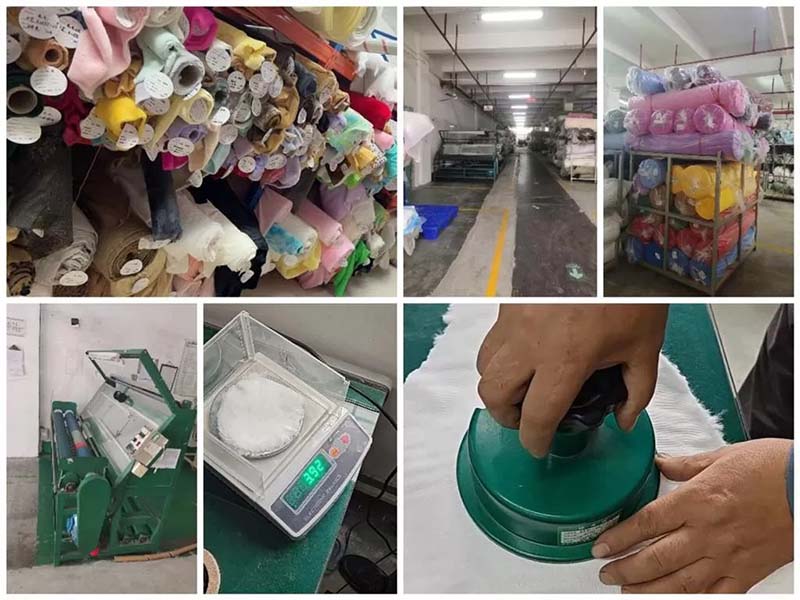
Quality control systems are built over time through iterative improvement — each quality failure analysis that identifies a control gap, each corrective action that adds a new checkpoint, each client audit that reveals a documentation weakness. A mature quality control system reflects years of this iterative improvement applied to the specific product types and market requirements of the factory’s client base.
Quality control systems in experienced plush factories and new factories differ not primarily in the formal structure claimed — both may describe IQC, IPQC, and FQC processes — but in the depth, documentation quality, operational discipline, and institutional knowledge embedded in those systems. An experienced factory’s QC system has been tested across many product types and many problem scenarios, refined through the lessons of real quality events, and documented in ways that make it consistently reproducible regardless of which specific QC personnel are conducting the inspection.
Here is a comparison of QC system maturity between experienced and newer factories:
| QC System Dimension | Experienced Factory | Newer Factory |
|---|---|---|
| IQC documentation | Complete batch-by-batch records, compliance documentation verified | Inconsistent records, compliance documentation review incomplete |
| IPQC interval design | Product-specific intervals based on known defect risks | Generic intervals not tuned to product type |
| First-off inspection | Systematic multi-point check against counter sample | Informal check against memory of design brief |
| FQC criteria | Product-specific criteria developed from defect history | Generic criteria applied uniformly |
| Non-conformance process | Documented root cause and corrective action system | Ad hoc response without systematic analysis |
| QC team independence | Structurally independent from production team | QC conducted by production supervisors |
| Defect classification | Precise critical/major/minor classification applied consistently | Inconsistent classification based on individual judgment |
| AQL application | Correct AQL table application with documented sample selection | Incorrect or inconsistent AQL application |
Why QC Documentation Quality Is the Best Proxy for System Maturity
Of all the ways to assess QC system depth between experienced and newer factories, documentation quality is the most reliable proxy. A QC system that produces clean, consistent, accessible records — incoming inspection reports, first-off reports, IPQC logs, FQC reports — has been built and operated as a systematic management tool rather than a compliance performance. The documentation is the evidence of the system’s daily operation.
Asking a factory to provide actual QC records from recent production runs — with client information appropriately redacted — is the most direct verification method available. The quality, completeness, and organization of those records reveals the operational reality of the QC system far more reliably than any description of the system provided in a sales context.
An experienced factory will provide these records quickly, in a consistent format, covering all inspection stages. A newer factory may struggle to produce records at all, produce records that are inconsistent or incomplete, or require time to prepare documentation that appears to have been created specifically for the review rather than as a routine operational output.
How Does Material Sourcing Depth Separate Experienced Manufacturers from New Entrants?
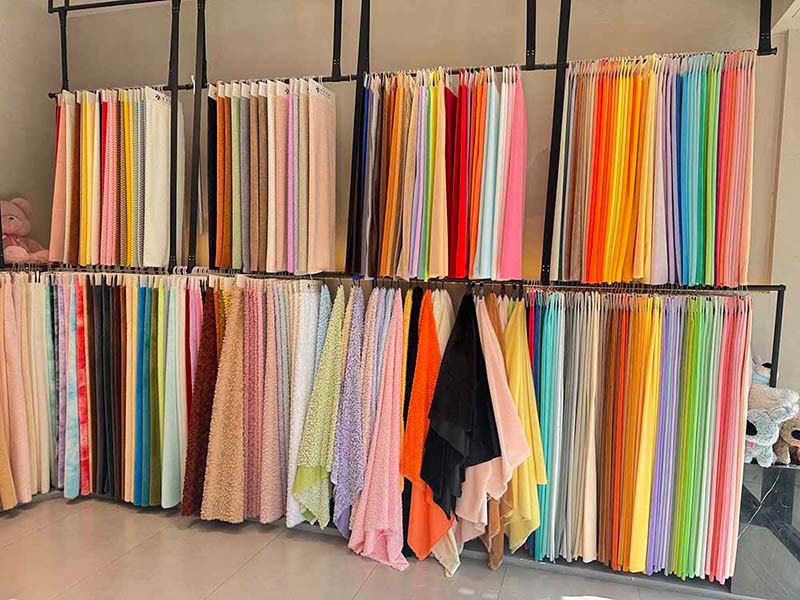
Material sourcing in plush toy manufacturing is not simply a purchasing function — it is a strategic capability built on supplier relationships, material knowledge, compliance awareness, and market-specific expertise that takes years to develop. An experienced manufacturer’s material sourcing depth reflects accumulated knowledge of which suppliers produce consistent, certified materials for which product applications, which material substitutes perform acceptably when primary options are unavailable, and how to manage the compliance documentation requirements of different export markets.
Material sourcing depth separates experienced manufacturers from new entrants because the quality and compliance of plush toy materials directly determine the quality and compliance of the finished product — and accessing consistently high-quality, compliance-certified materials at competitive prices requires supplier relationships and market knowledge that cannot be built quickly.
Here is a comparison of material sourcing capability between experienced and newer manufacturers:
| Sourcing Dimension | Experienced Manufacturer | New Factory | Risk to Buyer |
|---|---|---|---|
| Supplier network breadth | Multiple vetted suppliers per material category | Limited supplier options, constrained alternatives | Higher risk from supplier problems |
| Compliance documentation depth | Current compliance documentation from all suppliers | Incomplete or outdated compliance documentation | Higher compliance failure risk |
| Batch consistency management | Established protocols for batch comparison and acceptance | Ad hoc batch management | Higher material variation risk |
| Alternative sourcing speed | Quick access to alternatives when primary supplier has issues | Slow alternative identification and qualification | Supply disruption risk |
| Material knowledge depth | Deep knowledge of performance characteristics across materials | General knowledge, limited comparative insight | Material selection errors |
| Price negotiation leverage | Volume relationships producing competitive pricing | Limited leverage, higher material cost | Higher unit cost |
| Market-specific material knowledge | Understands which materials meet which market requirements | General compliance awareness without market depth | Wrong materials for specific markets |
The Certified Supplier Relationship Advantage
One of the most commercially significant aspects of experienced manufacturer material sourcing is the established relationship with certified material suppliers — those whose products carry OEKO-TEX certification, current REACH compliance documentation, or other market-specific compliance credentials.
These supplier relationships take time to establish — certifying a new fabric supplier requires material testing, supplier qualification, and documentation verification that cannot be rushed. Experienced manufacturers have completed this qualification process across multiple material categories and multiple supplier options, giving them reliable access to certified materials in configurations that consistently meet their clients’ compliance requirements.
New factories, without these established relationships, often have limited certified supplier access — particularly for specialty materials, unusual colors, or specific pile heights. When they encounter material sourcing challenges — a certified supplier is temporarily out of stock, a specific color match is unavailable from certified sources — they may resort to uncertified alternatives without fully disclosing this to the buyer. The result is a production run using materials that are not compliance-documented — creating the risk of testing failure that neither the factory nor the buyer had budgeted for.
How Does Compliance Infrastructure Differ Between Experienced and New Plush Factories?
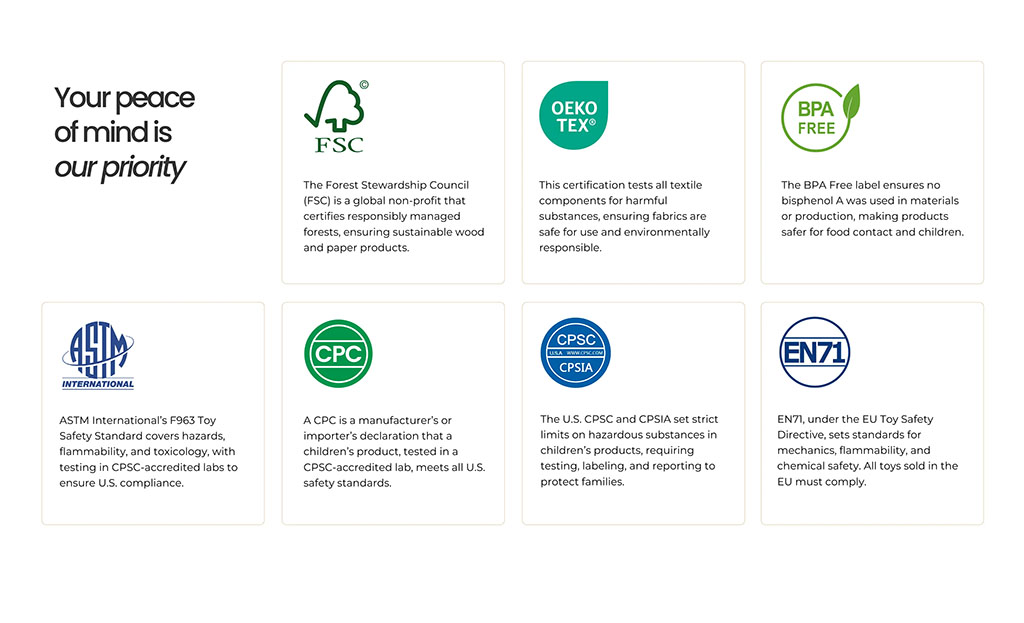
Compliance infrastructure — the combination of regulatory knowledge, material certification systems, testing laboratory relationships, documentation management, and market-specific expertise that enables a factory to consistently produce products that meet their clients’ target market requirements — is one of the most significant and most practically important differentiators between experienced and newer plush toy manufacturers.
Compliance infrastructure in experienced plush factories reflects years of operational experience with the specific requirements of regulated markets — the US CPSIA and ASTM F963 framework, the EU EN71 and REACH requirements, the CE marking and CPSC reporting processes — applied to real production situations with real compliance outcomes. This experience produces specific knowledge: which materials require which documentation, which product configurations trigger which test requirements, which laboratory services are appropriate for which compliance needs.
Here is a comparison of compliance infrastructure between experienced and newer factories:
| Compliance Dimension | Experienced Factory | Newer Factory | Buyer Risk |
|---|---|---|---|
| Regulatory knowledge depth | Detailed, current knowledge of US and EU requirements | General awareness without operational application | Compliance mistakes in material selection |
| Testing laboratory relationships | Established accounts with SGS, Intertek, Bureau Veritas | No established relationships, unfamiliar with process | Slower, more expensive testing coordination |
| Documentation management | Systematic documentation filing and retrieval | Incomplete or disorganized documentation | Unable to provide required documentation |
| CPSIA label application | Correct tracking label content and placement as standard | Inconsistent or incorrect label application | Regulatory non-compliance risk |
| CE marking process | Understands Declaration of Conformity requirements | Unclear on EU market entry documentation | EU market entry problems |
| Weighted product compliance | Specific knowledge of weighted-specific requirements | General toy safety awareness, weighted-specific gaps | Weighted product compliance failures |
| Age grading compliance | Correct age grade determination and its implications | Incorrect age grading, wrong test scope | Test scope errors, market compliance issues |
The Testing Laboratory Relationship Advantage
Established relationships with accredited testing laboratories — SGS, Bureau Veritas, Intertek — provide experienced manufacturers with operational advantages that new factories cannot immediately replicate. These relationships include faster processing because the laboratory already has the factory’s account established, familiarity with the factory’s typical product types that enables more efficient test scoping, and established communication channels that allow issues identified during testing to be resolved more quickly.
For buyers, the practical benefit of a factory with established testing laboratory relationships is more efficient, more reliable compliance testing coordination. The factory can provide realistic testing timelines based on actual laboratory relationships rather than estimates, can facilitate faster processing for time-sensitive orders, and can draw on previous testing experience with similar products to anticipate potential compliance issues before they become surprises.
New factories without these relationships must establish laboratory accounts from scratch for each new compliance engagement — a process that adds time and sometimes cost to the testing process. This is not a disqualifying limitation, but it is a real operational disadvantage that affects the efficiency of the compliance process for buyers who need testing completed within tight timelines.
How Do Problem-Handling Cultures Differ Between Experienced and Newer Manufacturers?
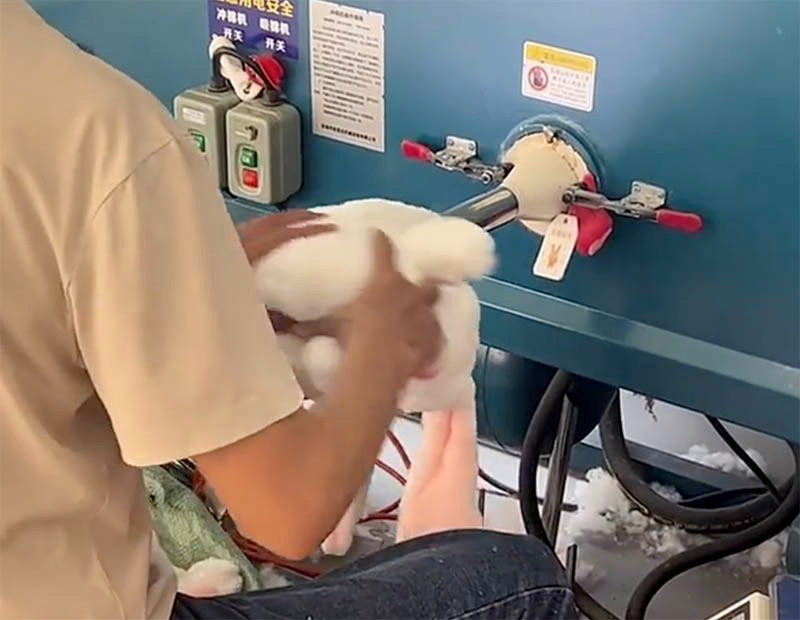
Problem-handling culture is one of the most revealing differentiators between experienced and newer manufacturers — and one of the most difficult to assess from a factory presentation or initial communication. Every manufacturer claims to handle problems professionally. The difference becomes visible only when a real problem occurs: a material fails incoming inspection, a production batch shows quality deviation, a shipment is delayed by circumstances outside the factory’s control.
Problem-handling cultures differ between experienced and newer manufacturers because experienced factories have encountered and resolved enough real quality and production challenges to develop institutional approaches to problem-solving that newer factories have not yet been tested on. This institutional experience shows up in how quickly problems are identified, how transparently they are communicated, how systematically root causes are investigated, and how reliably corrective actions prevent recurrence.
Here is a comparison of problem-handling culture between experienced and newer manufacturers:
| Problem Scenario | Experienced Factory Response | Newer Factory Response |
|---|---|---|
| Material fails IQC | Proactive notification, alternative sourced, timeline impact communicated | Silent substitution or delayed notification |
| First-off shows deviation | Production halted, buyer notified, specific correction proposed | Production continues, deviation minimized |
| Mid-production quality drift | Deviation identified in IPQC, corrected before significant units affected | Deviation reaches final inspection |
| FQC reveals batch issue | Batch held, root cause investigated, resolution options presented before payment requested | Payment requested alongside problem disclosure |
| Delivery delay identified | Early notification with specific new timeline and cause explanation | Late notification or buyer discovers delay independently |
| Compliance question raised | Immediate, specific response with supporting documentation | Vague reassurance without documentation |
| Post-delivery quality complaint | Root cause analysis initiated, corrective action proposed | Apology and general assurance without systematic analysis |
The Accountability Test
One of the most direct ways to assess a manufacturer’s problem-handling culture before placing an order is to ask them directly to describe a significant quality problem they have experienced and how they resolved it. This question — specifically asking about a real problem from their production history — reveals several important dimensions simultaneously.
A factory with a genuine accountability culture will describe a specific situation with honest detail — what went wrong, when it was identified, how it was communicated to the client, what solution was implemented, and how long resolution took. The ability to recall specific examples indicates a culture that reflects on production problems rather than categorically avoiding acknowledgment of them.
A factory that cannot recall any quality problems — or that describes every challenge as being caused by external factors beyond their control — is revealing a culture that either lacks the production history to have encountered real quality challenges or lacks the accountability culture to acknowledge them honestly. Neither response is reassuring for a buyer who needs to know how the factory will behave when their order encounters a problem.
Institutional Memory as a Problem-Prevention Asset
One of the most valuable — and least visible — advantages of an experienced manufacturer is institutional memory: the accumulated organizational knowledge of which production scenarios produce which quality risks, which material combinations create which failure modes, and which client requirements tend to generate which development challenges.
This institutional memory functions as a problem-prevention system rather than just a problem-resolution tool. When an experienced pattern maker reviews a new design brief and identifies that a specific construction element is likely to create seam stress problems at scale, they prevent a problem that would cost significant time and money to discover in production. When an experienced material sourcer recognizes that a specific fabric type tends to show pile direction inconsistency in complex panel arrangements, they flag this risk before it appears in the sampling stage.
New factories lack this institutional memory — not because their personnel are less capable, but because the specific pattern of experience that creates it has not yet been built. They discover these failure modes through their clients’ production problems rather than in advance of them. The clients who bear the cost of that discovery are the buyers who source with new factories before those factories’ institutional knowledge is developed.
What Are the Real Risks of Choosing a New Factory Over an Experienced Manufacturer?
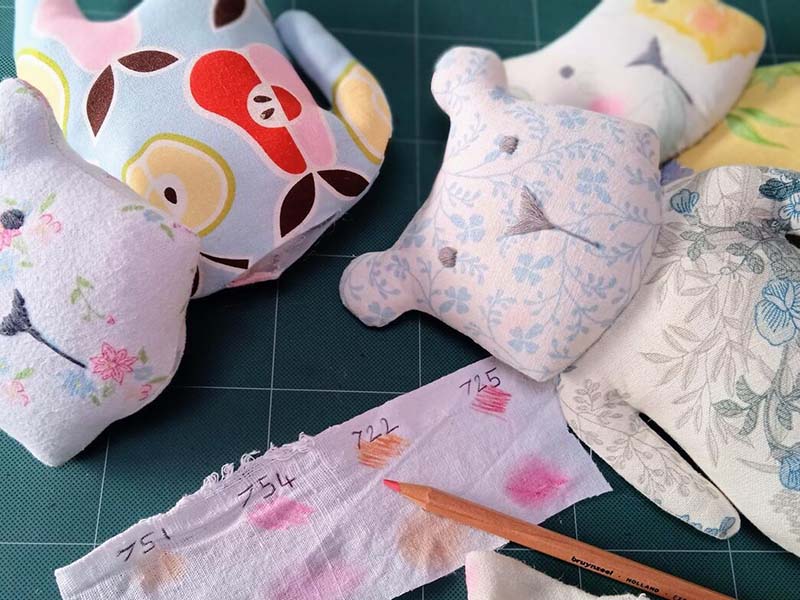
Choosing a new factory over an experienced manufacturer is not necessarily wrong — but it should be a deliberate, informed decision rather than an accidental one resulting from an inability to distinguish between the two. The risks of choosing a new factory are real, specific, and predictable — and understanding them allows buyers to either avoid them or at least manage them consciously.
The real risks of choosing a new plush toy factory over an experienced manufacturer fall into four categories: development risk, production quality risk, compliance risk, and relationship management risk. Each category has specific manifestations that are predictable from the capability gaps that characterize newer factories.
Here is a comprehensive risk assessment:
| Risk Category | Specific Risk | Probability in New Factory | Commercial Impact | Mitigation Option |
|---|---|---|---|---|
| Development Risk | ||||
| Pattern making inaccuracy | High | High revision cost, extended timeline | Phased sampling with clear escalation triggers | |
| Brief misinterpretation | High | Additional revision rounds | More detailed brief, visual references | |
| Sampling timeline overrun | Medium-High | Launch delay | Add buffer to timeline planning | |
| Production Quality Risk | ||||
| Sample-to-bulk inconsistency | High | Unsaleable inventory | Mandatory counter sample, third-party inspection | |
| Stuffing density inconsistency | Medium-High | Customer complaints, returns | Specific density QC requirement | |
| Embroidery position drift | Medium | Character expression change across units | Coordinate-based position QC requirement | |
| Compliance Risk | ||||
| Non-compliant materials | Medium-High | Testing failure, rework or destruction | Pre-production material certification verification | |
| Incorrect labeling | Medium | Customs rejection, platform removal | Label verification before production | |
| Compliance documentation gaps | High | Market entry delays | Documentation checklist before order confirmation | |
| Relationship Risk | ||||
| Communication deterioration | Medium-High | Blind spots to developing problems | Structured update protocol in purchase terms | |
| Problem concealment | Medium | Late discovery of significant issues | Third-party inspection, payment structure leverage | |
| Capacity overcommitment | Medium | Timeline unreliability | Capacity utilization verification before ordering |
When New Factory Risk Is Acceptable
The risks of choosing a new factory are not always prohibitive — they depend significantly on the specific order characteristics. For small test orders where the commercial exposure is limited, working with a new factory carries manageable risk — the potential downside is limited by the order size, and the outcome provides valuable information about the factory’s actual capability. For complex, compliance-critical products with large order volumes, the same risks are substantially more serious.
Buyers who choose to work with newer factories should structure their initial engagement to limit exposure — smaller first orders, mandatory third-party inspection, retained balance payment until quality is confirmed, and explicit corrective action requirements when problems are identified. This structure allows the factory to demonstrate capability while limiting the buyer’s risk during the capability demonstration period.
How Can Buyers Evaluate Whether a Factory’s Experience Is Genuine or Overstated?
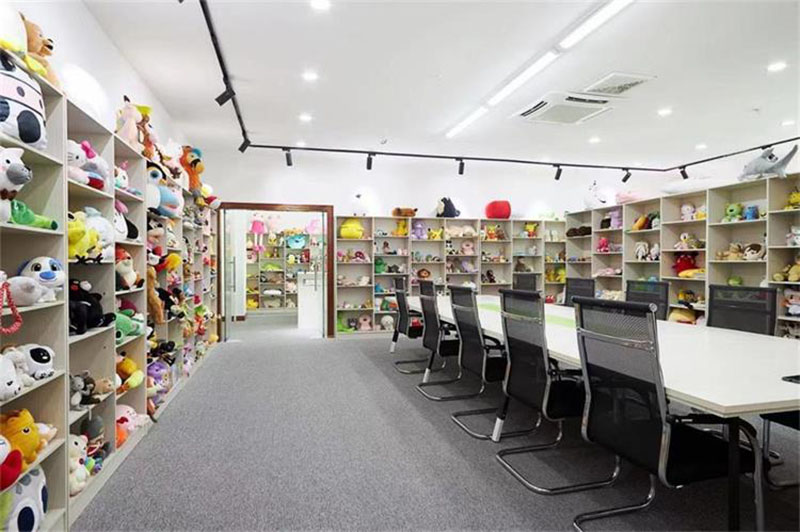
Manufacturing experience is one of the most commonly overstated credentials in the plush toy supplier market. A factory profile that claims “20 years of experience” may reflect a long-established business that has genuinely developed deep capability — or it may be a claim built on years of operation in related but different manufacturing categories, years counted from the founding of a trading company that subcontracts production, or simply an optimistic presentation of a shorter operational history.
Buyers can evaluate whether a factory’s experience is genuine or overstated through a combination of specific capability demonstrations, production history verification, documentation quality assessment, and reference conversations that reveal actual performance rather than self-reported credentials.
Here is a comprehensive evaluation framework for assessing genuine plush toy manufacturing experience:
| Evaluation Method | What It Reveals | How to Conduct It | What Genuine Experience Looks Like |
|---|---|---|---|
| Portfolio sample evaluation | Actual production quality capability | Request samples of comparable complexity | Clean construction, consistent quality, professional finish |
| Development history review | Pattern making accuracy and revision efficiency | Ask for first sample and final sample of an existing design | Minimal revision needed between first and approved sample |
| QC documentation review | Quality system operational depth | Request records from recent production runs | Complete, consistent, organized documentation |
| Reference client conversations | Actual production performance over multiple orders | Request and contact two to three existing clients | Consistent quality and communication across multiple orders |
| Technical question responses | Depth of manufacturing knowledge | Ask specific questions about plush construction challenges | Specific, technically informed answers without hesitation |
| Factory video tour | Physical production infrastructure | Request video call tour of facility | Organized, specialized facility with visible QC infrastructure |
| Compliance documentation review | Compliance infrastructure depth | Request material test reports and certifications | Current, complete, accessible documentation |
| Staff tenure information | Workforce stability and skill retention | Ask about average operator and management tenure | Multi-year average tenure indicating stability |
The Technical Question Battery
One of the most efficient ways to assess genuine manufacturing experience is to ask specific technical questions that require operational knowledge to answer accurately. These questions reveal the depth of the factory’s actual manufacturing understanding far more reliably than general experience claims.
Effective technical questions for this purpose include asking how the factory determines the correct seam allowance for different pile heights of plush fabric, how they manage pile direction consistency across a complex multi-panel design, what their process is for calibrating stuffing machine density settings before a new product’s first production run, how they verify embroidery position accuracy across a long production run, and what they do when a bulk fabric batch shows a color deviation from the approved sample after cutting has already begun.
Each of these questions has a specific, technically correct answer that an experienced manufacturing team will provide quickly and with detail. A factory without genuine operational experience will provide vague, general answers — or will answer confidently but incorrectly, which is in some ways more revealing than a vague response.
Reference Conversations — The Most Reliable Verification Method
The most reliable way to distinguish genuine experience from overstated claims is to speak directly with buyers who have placed multiple orders with the factory — specifically asking about performance on their second and third orders rather than just the first. A factory can perform well on a first order through exceptional effort during the relationship establishment period. Consistent performance across multiple orders, under routine rather than exceptional conditions, is the true test of genuine manufacturing capability.
Effective reference questions cover whether the factory’s performance on the third order matched the first, how the factory has handled quality problems that have arisen, whether the communication standard has been maintained across multiple orders, and whether the buyer would recommend the factory specifically for products of similar complexity to yours.
At Kinwin, we are always willing to provide reference contacts from clients who have placed multiple orders across different product types — because we are confident that the experience those clients describe reflects the operational standard we maintain consistently rather than the exceptional effort we apply only to first orders. This confidence is itself one of the most meaningful indicators of genuine manufacturing experience rather than overstated claims.
If you are evaluating plush toy manufacturers and want to assess Kinwin’s actual experience through the methods described in this guide — portfolio samples, QC documentation, reference conversations, technical discussions, and a factory video tour — we welcome all of these engagement approaches.
Reach out to our team at [email protected] or visit kinwintoys.com to begin that conversation.
Conclusion
The difference between an experienced plush toy manufacturer and a newer factory is not primarily a matter of how long the factory has been operating. It is a matter of what specific capabilities, systems, and institutional knowledge that operation has produced — and whether those outputs meet the requirements of the specific product, market, and relationship the buyer needs.
Genuine manufacturing experience in plush toys is expressed in pattern making intuition that produces accurate first samples, material sourcing relationships that provide consistent access to certified inputs, quality control systems that have been refined through real defect events, compliance infrastructure built from operational market experience, problem-handling cultures tested through actual challenges, and institutional memory that prevents known failure modes rather than rediscovering them.
All of these are verifiable — through specific evaluation methods rather than credential claims. Buyers who apply these verification methods make sourcing decisions that hold up across multiple orders, across different product complexities, and through the challenges that any manufacturing relationship inevitably encounters.
At Kinwin, our experience is expressed in what we can demonstrate — not just what we claim. We welcome the evaluation methods that reveal the difference between genuine and overstated manufacturing experience, because we are confident in what that evaluation will reveal.
FAQ
Q1: Is there ever a situation where a newer factory is actually the better choice over an experienced manufacturer?
Yes — and the situations where this is true follow a specific pattern. For very simple, standardized products where the manufacturing requirements are well within any competent factory’s capability, the experience premium of an established manufacturer may not produce enough quality advantage to justify a higher unit price or longer minimum order commitment. For buyers who are at the very beginning of their sourcing journey with a small test order and limited budget, a newer factory’s more flexible MOQ and competitive pricing may be the practical choice — with the understanding that the engagement is as much a capability assessment as a commercial transaction. For buyers who want to develop a long-term relationship with a factory from the ground up — investing early in a factory they believe will grow — the opportunity to establish early-stage relationship terms with a newer factory sometimes outweighs the capability advantages of an established manufacturer. The key in all these scenarios is that the choice is made with full awareness of what capability limitations exist and what risk management measures are in place to manage them.
Q2: How many years of operation does a plush toy factory typically need before it can be considered genuinely experienced?
Years of operation is a misleading metric because the capability-building that produces genuine experience depends not just on how long a factory has been operating but on what it has been producing during that time, how seriously it has invested in quality system development, and how actively it has engaged with the lessons from quality events. A factory that has been producing simple promotional plush toys at low quality standards for ten years has not necessarily built the pattern-making capability, compliance infrastructure, or quality system depth that a factory producing complex character designs for regulated markets has developed in four or five years. The more relevant question than years of operation is whether the factory has the specific experience required for your product type and target market — which is best assessed through the capability verification methods described in this guide rather than through a years-of-operation threshold.
Q3: How should buyers manage the transition from a newer factory they started with to a more experienced manufacturer as their business grows?
Transitioning from a newer factory to a more experienced manufacturer as your product sophistication and order volumes grow is a legitimate and often necessary strategic step — but it should be managed carefully to protect both the current production relationship and the incoming one. The transition process works most smoothly when it begins well before the point at which the current factory’s capability limitations are causing active problems — when the assessment is proactive rather than reactive. Conducting a parallel sourcing evaluation while continuing to produce with the current factory allows the new manufacturing relationship to be established and tested at modest initial volume before dependence on the current factory is reduced. Design files, patterns, and tooling ownership should be confirmed and secured before any transition communication occurs — to ensure that the buyer retains the production assets needed to continue production regardless of how the current factory responds to the transition news.
Q4: Can a newer factory compensate for experience gaps through hiring experienced personnel from established manufacturers?
Yes — hiring experienced personnel from established manufacturers is one of the most effective ways for newer factories to accelerate their capability development. An experienced pattern maker who joins a newer factory brings the accumulated pattern engineering intuition that would otherwise take years to develop through internal practice. An experienced QC manager brings the quality system design knowledge and defect failure mode awareness that the newer factory’s QC system may otherwise lack. However, individual personnel, however experienced, cannot immediately replicate the institutional systems — the documented processes, the supplier relationships, the compliance infrastructure, the organizational culture — that established manufacturers have built over years of operation. Personnel experience and institutional experience are complementary rather than interchangeable, and buyers should look for evidence of both rather than treating strong individual hires as equivalent to established institutional capability.
Q5: What is the most important single capability difference between experienced and new plush toy factories from a buyer’s commercial perspective?
From a commercial perspective, the most important single capability difference is the reliability of sample-to-bulk consistency — the ability to produce bulk orders that match approved samples as closely and as consistently as the factory’s own first-off inspection protocol suggests they should. This capability is the convergence point of pattern making accuracy, material sourcing consistency, production process control, QC system depth, and institutional knowledge — all working together to ensure that what the buyer approved is what the buyer receives at scale. It is also the capability whose absence is most commercially costly, because it is only fully revealed at the bulk delivery stage — when the full production investment has already been made and the options for correction are most limited and most expensive. Experienced manufacturers who have built this capability through many production cycles consistently deliver it. Newer factories who have not yet built the supporting systems that make it possible consistently struggle with it — and the buyers who discover this limitation at the bulk delivery stage bear the full cost of that discovery.