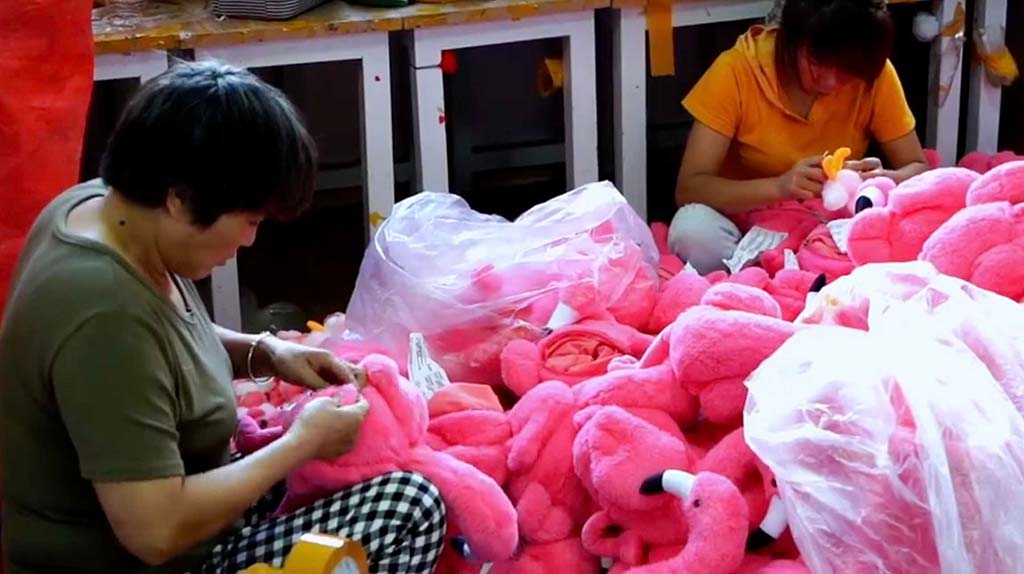
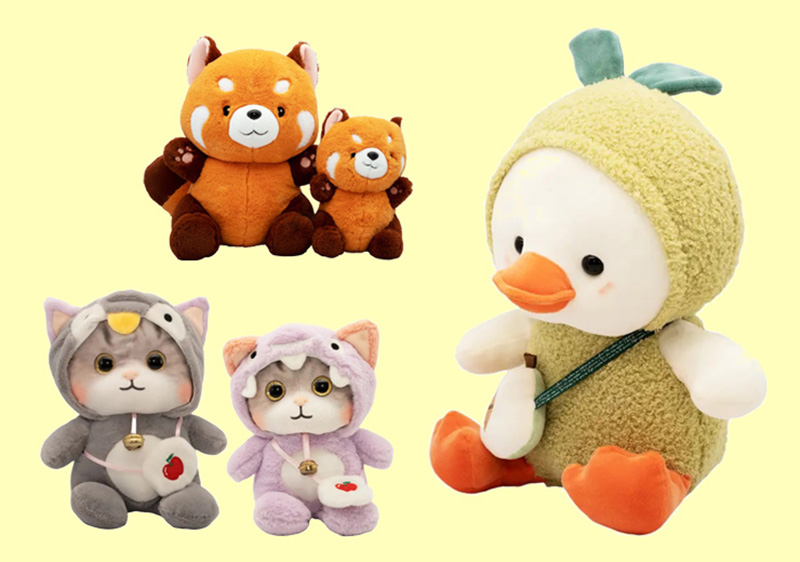
When you hug a plush toy and feel that soft, springy comfort, the secret is inside—the stuffing. As Amanda from Kinwin, I’ll explain the materials we use to fill plush toys, why polyester fiberfill is still the global standard, where naturals like cotton, wool, and kapok fit, how beads and foam change weight and texture, which eco options are real and scalable, and how factories test and control stuffing quality so every unit feels the same from sample to container. I’ll keep the language simple, add practical specs, and include a table in every section so you can paste details into RFQs and SOPs.
What materials are commonly used to stuff plush toys?
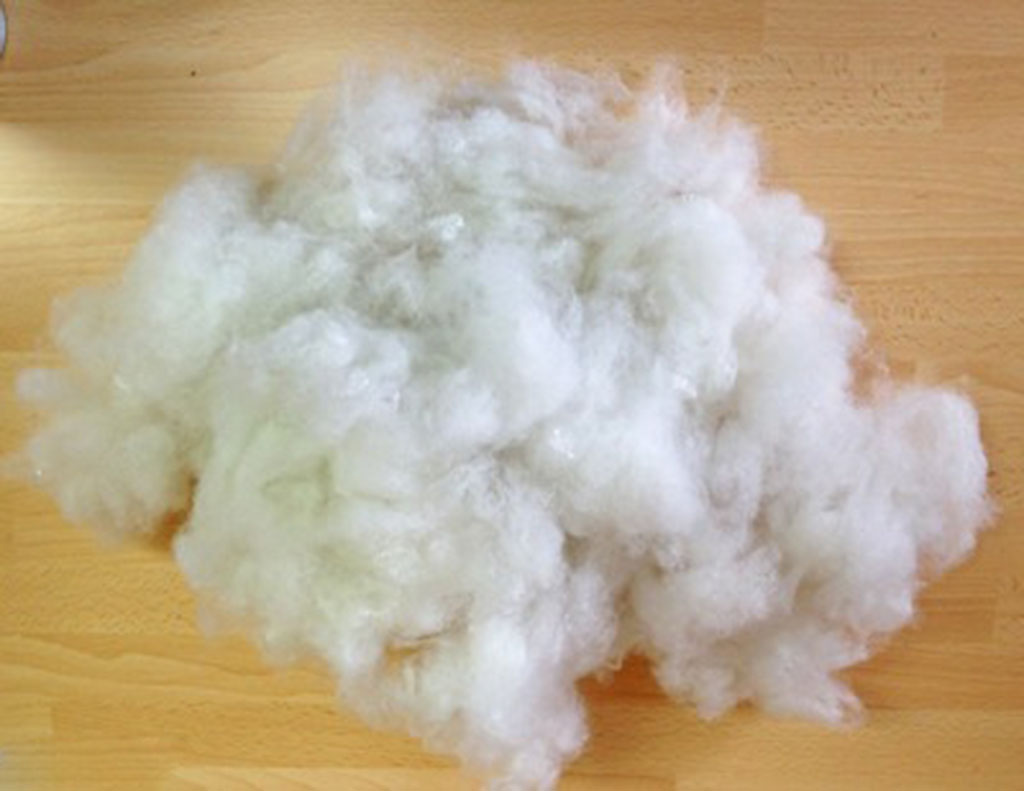
Stuffing defines softness, shape, posture, and lifetime. The most common fills are polyester fiberfill (PP cotton), microfiber fill, and sheet batting for face-smoothing. Some designs add beads/pellets in sealed liners for weight or stability. Natural options exist—cotton, wool, kapok—but need careful sourcing and clear care labels. The right choice depends on target age, huggability, care method, and price.
Table 1 — Overview of common stuffing materials
| Stuffing Type | Feel & Hand | Shape Recovery | Wash Behavior | Typical Use | Notes |
|---|---|---|---|---|---|
| Polyester fiberfill (PP cotton) | Springy, light | Good to very good | Gentle bag-wash, air-dry | Most plush bodies | Stable, low-odor when sourced well |
| Microfiber polyester fill | Silky, uniform | Excellent | Similar to PP; test dark colors | Premium cuddle zones | Smoother hand; cost ↑ |
| Sheet batting (poly) | Flat, thin | N/A (surface aid) | Follows outer fabric | Under face panels | Hides lumping; improves embroidery |
| Beads/pellets (glass/ceramic/poly) | Weight, grounding | N/A (in liners) | Washable if sealed | Weighted belly/limbs | Must use sealed, segmented liners |
| Natural fills (cotton/wool/kapok) | From soft to springy | Variable | Sensitive to moisture | Décor or adult lines | Clear care; storage matters |
How does polyester fiberfill remain the industry standard for safety and softness?
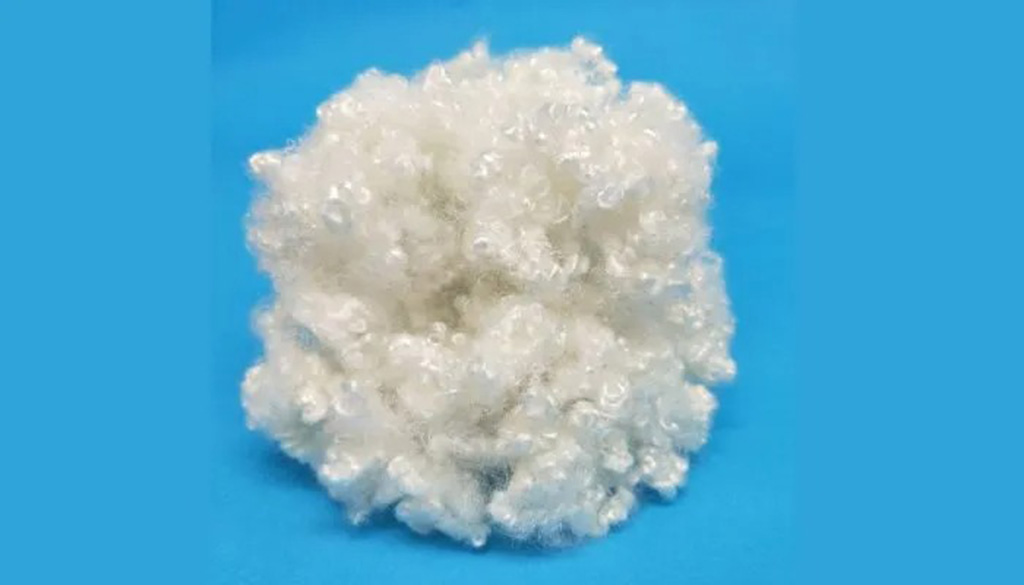
Polyester fiberfill leads because it is consistent, clean, soft, and resilient. The fibers are engineered by denier, crimp, and staple length to give predictable loft and bounce. Good fiberfill maintains a rounded silhouette without hard spots and tolerates gentle washing. It doesn’t fragment into small choking hazards, and it pairs well with thin face batting so embroidery stays smooth and camera-ready.
We lock four specs in our RFQs: fiber denier, staple length, crimp level, and siliconization (for glide during stuffing). For repeatability, we also document a density map (grams-per-zone) so each lot feels the same across sizes.
Table 2 — Why polyester fiberfill is the default
| Criterion | Benefit for Users | Factory Control | Buyer Takeaway |
|---|---|---|---|
| Clean & low-odor | Comfortable on arrival | Supplier COAs + VOC/odor panel | Ask for odor note per lot |
| Consistent loft | Plush feels “alive,” not flat | Denier/crimp/staple locked | Require spec in PO |
| Safe behavior | No hard fragments | Seam strength + needle detect | Safer for young ages |
| Wash tolerance | Gentle bag-wash OK | Wash-bag validation (darkest color) | Only print tested icons |
| Cost & supply | Global availability | Approved mill list | Stable pricing and lead times |
What role do natural fillings like cotton, wool, and kapok play in plush stuffing?
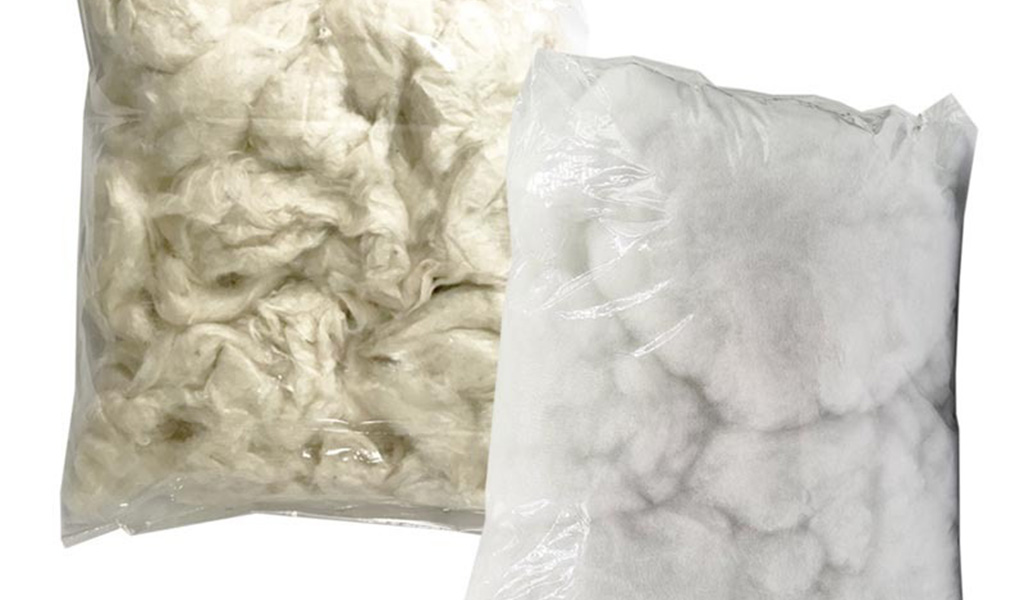
Naturals add a story and unique handfeel. Cotton feels familiar and soft; wool has spring and thermal comfort; kapok is ultra-light and lofty. But naturals absorb moisture more readily than polyester, can compress faster over time, and may hold odor if not dried thoroughly. For child-focused SKUs, we use naturals with caution or in blends to stabilize performance. For adult décor or low-wash gifts, naturals can shine.
We always publish clear care: air thoroughly after washing, avoid high heat, and store in dry, ventilated spaces. For wool, we check for sensitivities and moth risk in storage.
Table 3 — Natural stuffing options (safe use with caveats)
| Natural Fill | Feel | Pros | Watch-Outs | Where It Works Best | Factory Notes |
|---|---|---|---|---|---|
| Cotton | Soft, familiar | Natural story; easy to source | Moisture uptake; compaction | Décor plush; adult gifts | Keep storage dry; spot clean preferred |
| Wool | Springy, warm | Temperature comfort | Allergy concerns; odor/moth | Adult wellness décor | Supplier cleanliness certs |
| Kapok | Very light, airy | Lofty; plant-based | Clumps; moisture sensitive | Lightweight décor | Use blends to stabilize behavior |
How do beads, pellets, or foam fillings affect weight and texture?
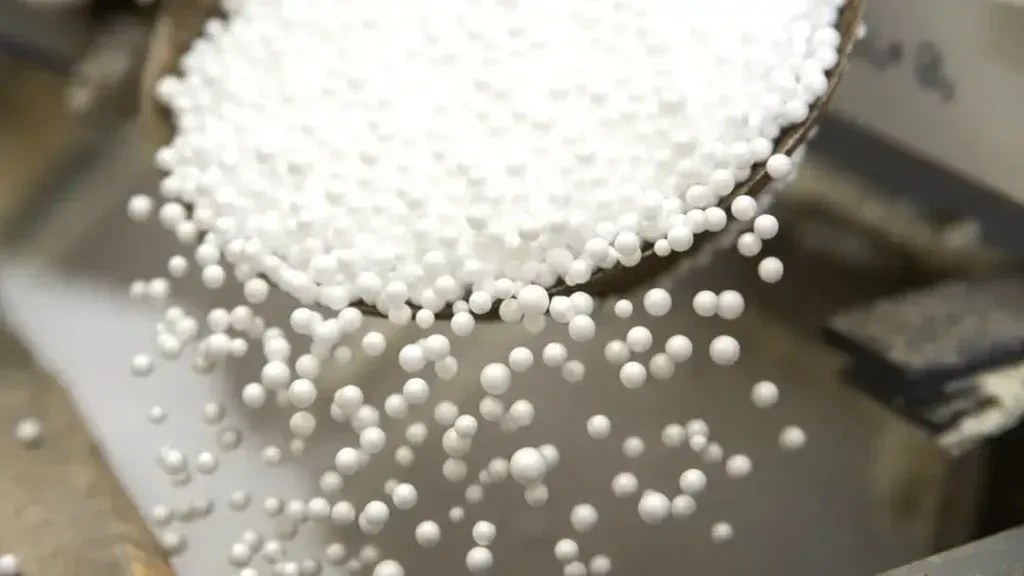
Granular fills and foams change the experience. Glass/ceramic microbeads add gentle weight and a grounded feel—popular for adult comfort plush. Poly pellets are lighter and add subtle weight for pose control. EPS microbeads feel ultra-light but carry static/flammability concerns and are not ideal for young-age toys. Foam crumbs/memory foam can cushion, but they harden, break down, or hold odor if used loosely.
Safety rule: granules and foam must never be loose inside children’s plush. We place them in a sealed, segmented liner, then tack that liner to inner seams so weight stays centered and cannot migrate. We run leakage tests, drop tests, and seam-pull before mass production.
Table 4 — Weighting & texture options (with required controls)
| Fill Type | Sensory Effect | Main Risks | Safe Build Requirement | Age/Label Note |
|---|---|---|---|---|
| Glass/ceramic beads | Deep, stable weight | Small-parts if leaked | Sealed, segmented liner + reinforced seams | Disclose finished weight; age guidance |
| Poly pellets | Light weight | Migration without tacks | Liner + tack points | For subtle weighting |
| EPS beads | Very light, airy | Static; mess if punctured | Avoid for young ages; strict liners if used | Surface clean only |
| Foam crumbs | Cushioned feel | Hardening, odor capture | Encased with limits | Adult décor only |
What eco-friendly and recycled stuffing materials are gaining popularity?
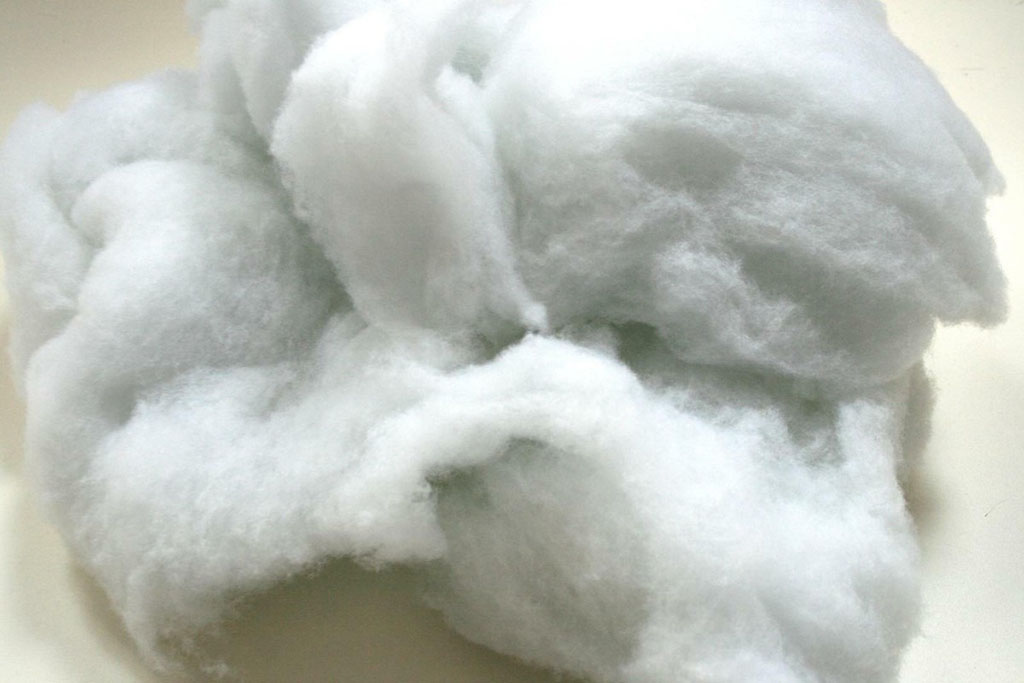
The most scalable eco path today is rPET polyester—recycled from bottles—available as fiberfill and batting. Good rPET can match virgin performance if the mill controls odor, rebound, and color consistency. We keep GRS certificates, map roll/lot IDs, and compare recovery and handfeel to the approved virgin baseline. For face-smoothing, rPET batting works well under velboa or short plush.
Bio-based fills exist (plant blends), but their moisture behavior and compression must be checked. We usually pilot them in adult décor or storytelling SKUs first.
Table 5 — Practical eco options (with paperwork)
| Eco Option | Benefit | What to Verify | Where to Use | Documentation |
|---|---|---|---|---|
| rPET fiberfill | Recycled content; stable feel | Rebound vs. virgin; odor/VOC | Most body fills | GRS + identity-preserved lots |
| rPET batting (under face) | Smooths embroidery area | Post-wash smoothness | Faces/patch zones | GRS + wash validation |
| Plant-blend fills | Bio-based story | Moisture/compaction | Décor, adult gifts | Supplier COAs; care card clarity |
How do manufacturers test and control stuffing quality during production?
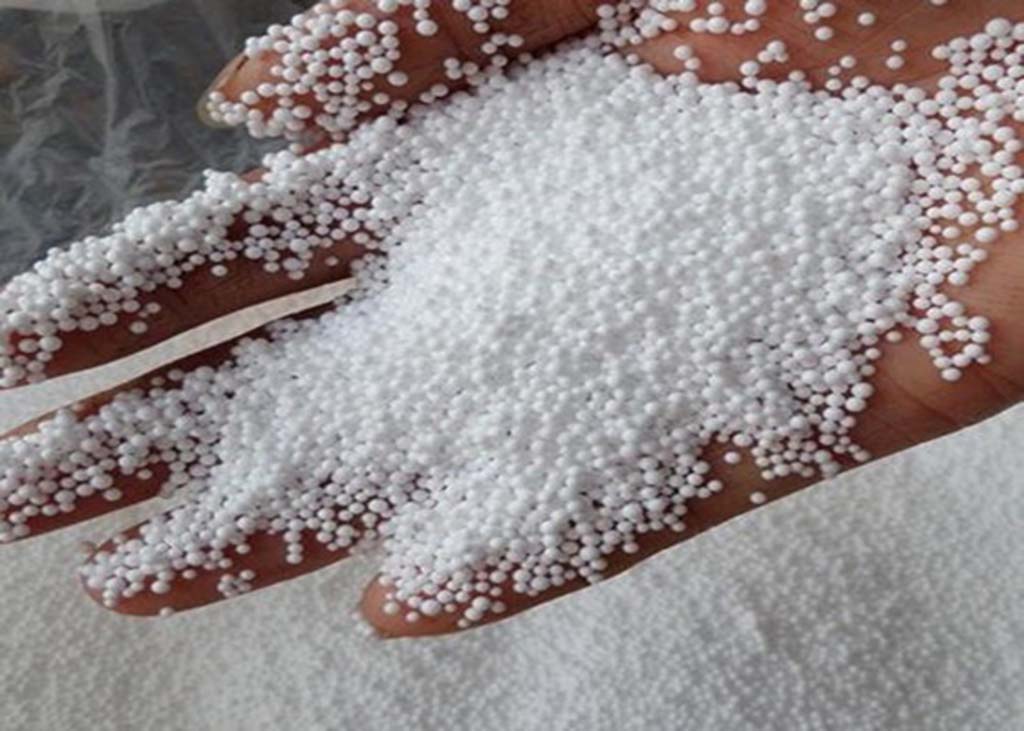
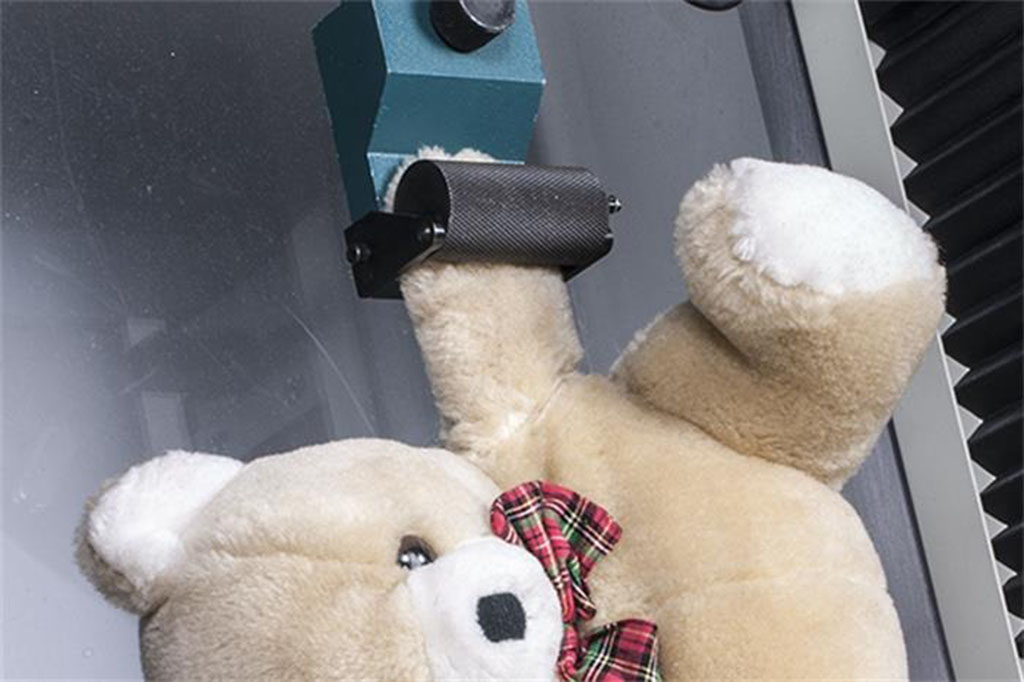
We control stuffing with inputs + process + validation. Inputs: approve fiber specs, keep warehouses dry and clean, and track lots. Process: use a density map (grams per zone), opening location for fast ladder stitch, and seam allowances that match fabric thickness. Validation: run seam-pull, leakage, drop, compression-recovery, and wash-bag tests—especially on the darkest colorway. A visual QC board (front/side/45°/top) confirms silhouette and posture against the golden sample.
Table 6 — Stuffing QC checklist (paste into your PO)
| QC Gate | What We Check | Pass Criteria | If It Fails |
|---|---|---|---|
| Incoming fill | Denier/crimp/odor | Matches spec; neutral smell | Hold lot; supplier corrective action |
| Density map | Grams per zone | Within ± tolerance | Retrain operator; adjust grams |
| Seam strength | Body + openings | Meets pull target (N) | Increase allowance; tune stitch |
| Leakage (if weighted) | Liner integrity | No escape after flex/shake | Add segmentation; reinforce seams |
| Compression recovery | Post-squeeze shape | Returns without hard spots | Change fill grade; layer technique |
| Wash validation | Label truthfulness | No bleed/warp/lump | Update care icon or material |
| Final visual | Shape & posture | Matches golden sample | Rework or reject lot |
Conclusion
Plush toys are stuffed with materials that balance softness, safety, shape, and care. Polyester fiberfill remains the reliable core. Naturals bring story but need careful handling. Beads and foams must be sealed and tested. rPET adds a scalable eco path when backed by documentation. The best plush feels good today and still feels good after many hugs—and that comes from specs, discipline, and validation.
At Kinwin, we engineer the whole system: approved fills (virgin, microfiber, rPET), under-face batting, sealed liners for weight, density maps, and complete test packs. If you want plush that is soft in hand, safe in audits, and consistent across lots, I’m ready to help.
Contact: [email protected] | kinwintoys.com