Skip to content
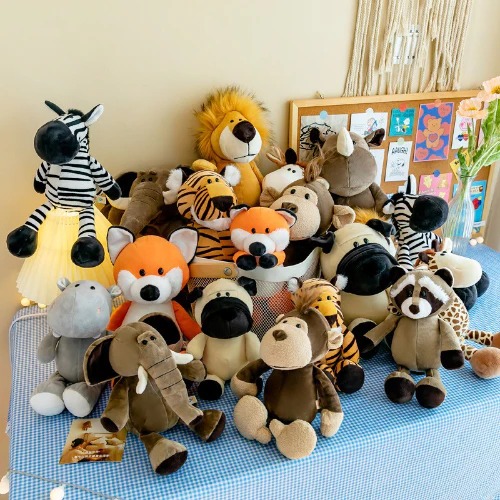
When you pick up a plush that feels “wow,” it’s not luck—it’s fabric engineering. As Amanda from Kinwin, I’ll walk you through the 15 most useful fabrics for plush toys, how each behaves on the sewing line, how it photographs for e-commerce, and what to watch in QC. I’ll keep the language simple, add practical specs (pile/GSM), and include a compact table for every fabric so you can paste details into RFQs and SOPs.
Minky Fabric
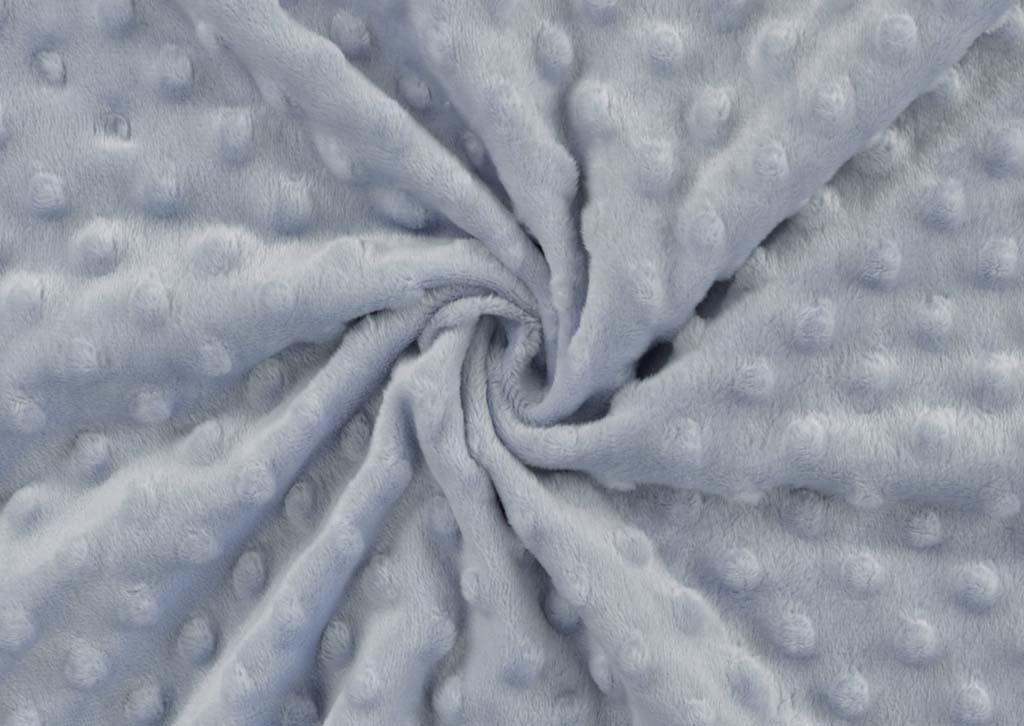
Minky is the benchmark for buttery softness. It uses fine polyester filaments with a raised nap (usually 3–5 mm) that traps air and glides under the hand. It’s ideal for bodies and “cuddle zones,” reads warm on camera, and pairs well with short plush faces for crisp embroidery. On the line, minky needs a wider seam allowance (0.5–0.7 cm) on curves to prevent bulk and edge “denting.” Always cut with nap arrows aligned, and validate the darkest colorway in a wash-bag 30 °C cycle before printing care icons. Anti-pilling finishes reduce fuzz; light brushing after sewing restores pile.
Table — Minky quick spec
| Spec | Typical Range | Notes |
|---|---|---|
| Pile height | 3–5 mm | 6 mm+ exists but increases bulk |
| GSM | 260–360 | Heavier feels richer, sews thicker |
| Best use | Bodies, cuddle areas | Mix with short plush faces |
| Watch-outs | Seam bulk, shade/nap alignment | Validate wash, brush post-sew |
Velboa Fabric
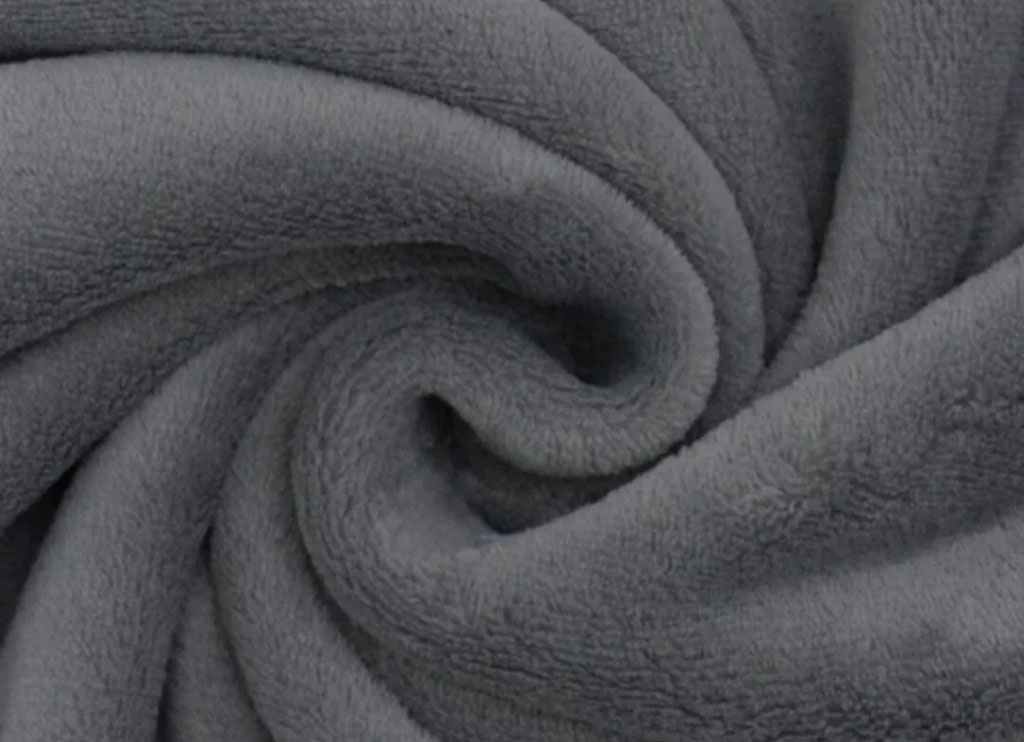
Velboa (short plush) is the face specialist. With a low pile (1.5–2.5 mm) and tight tricot backing, it embroiders cleanly, dries fast, and shows minimal lint. The matte surface gives camera-clean expressions and stable color across lots. Add a thin batting sheet behind face panels to hide fill texture and avoid “stitch sink.” Velboa is also great for small ears, paws, and appliqués where precision matters.
Table — Velboa quick spec
| Spec | Typical Range | Notes |
|---|---|---|
| Pile height | 1.5–2.5 mm | Matte, low-gloss face look |
| GSM | 220–280 | Tight backing = stable seams |
| Best use | Faces, small parts | Superb embroidery clarity |
| Watch-outs | Very dark tones | Test saliva/sweat fastness first |
Fleece Fabric
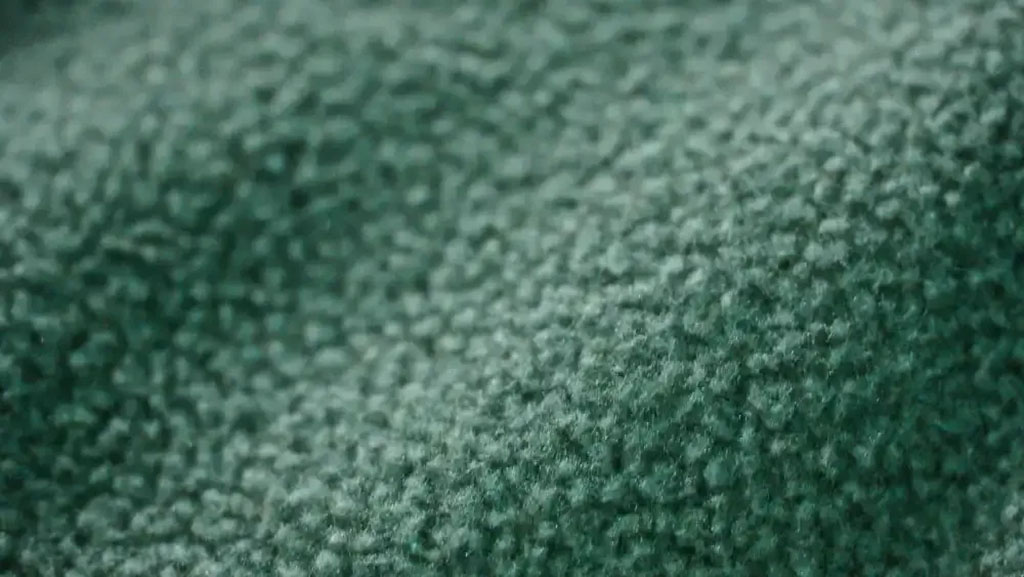
Microfleece offers soft warmth with a low-sheen look. It’s forgiving, non-fray, and easy for beginners and factories alike. Anti-pilling grades (≥ 4 on Martindale) resist surface wear better. Microfleece is perfect for lightweight bodies, pajamas, or cost-sensitive lines that still need a kind hand. It turns and closes quickly and tolerates gentle bag-wash well.
Table — Microfleece quick spec
| Spec | Typical Range | Notes |
|---|---|---|
| GSM | 180–260 | Choose anti-pill grades |
| Pile | Brushed surface | Not a directional nap |
| Best use | Lightweight bodies, outfits | Flat seams, tidy finish |
| Watch-outs | Pilling on cheap grades | Validate finish and wash care |
Short Plush Fabric
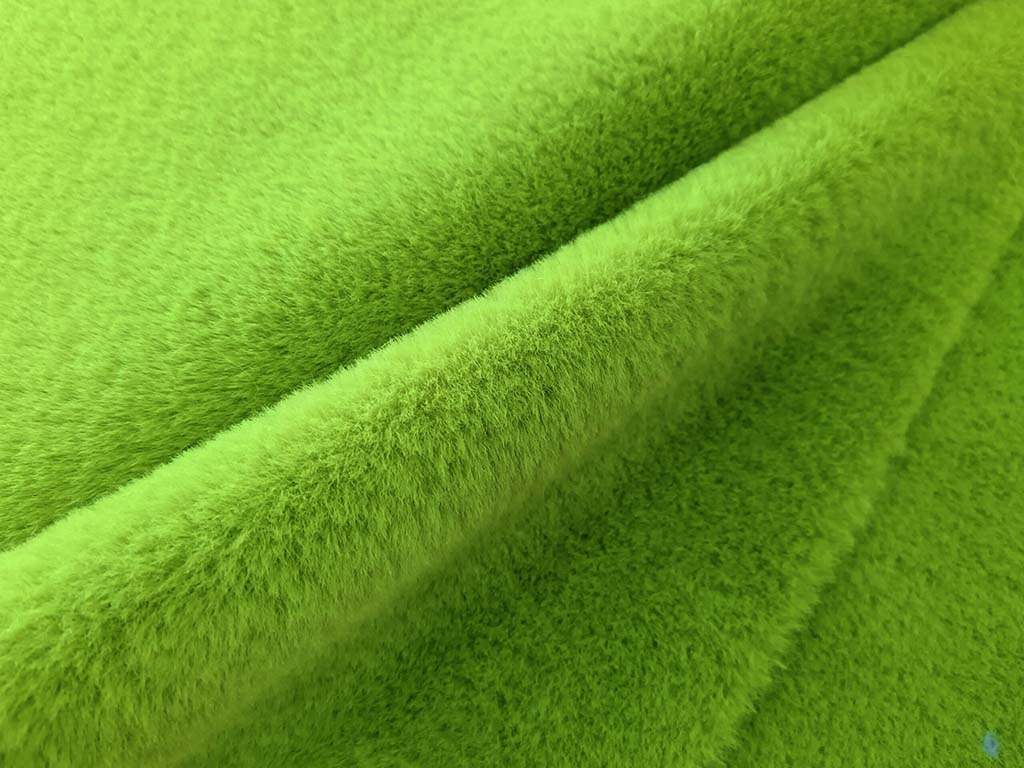
“Short plush” is a category similar to velboa but can include slightly different knit bases and finishing. The value is balanced softness + precision. Use it where faces, logos, or small pattern pieces must stay clean. Short plush also works for entire bodies when you want easy care and high shape stability (e.g., smaller SKUs for mass retail).
Table — Short plush quick spec
| Spec | Typical Range | Notes |
|---|---|---|
| Pile height | 1.5–3.0 mm | 2.0 mm common for faces |
| GSM | 200–300 | Firmer hand than minky |
| Best use | Faces, small/medium bodies | Crisp silhouette |
| Watch-outs | Less “cloud” feel | Pair with soft fill recipe |
Long Plush Fabric
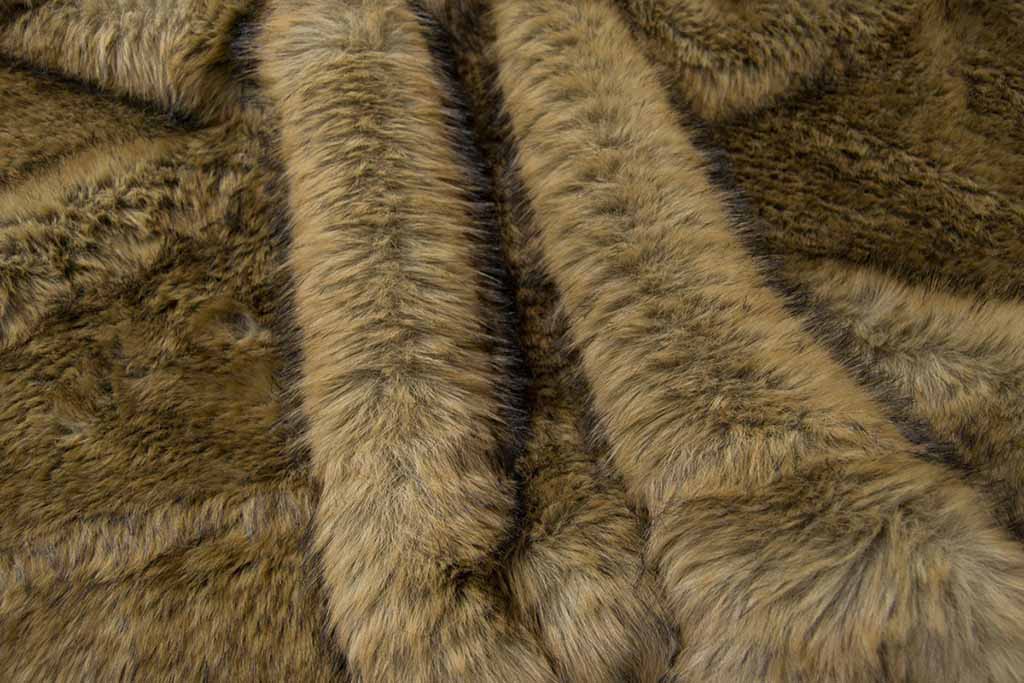
Long plush adds drama and volume. Think 6–12 mm pile for cozy bodies or 15–25 mm for faux-fur-like effects. It’s photogenic and premium, but bulk rises fast at curves. Use broader radii, trim seam allowances, and brush out trapped fibers after sewing. Expect slower cutting and higher lint—plan your QC accordingly.
Table — Long plush quick spec
| Spec | Typical Range | Notes |
|---|---|---|
| Pile height | 6–25 mm | 10 mm sweet spot for plush bodies |
| GSM | 300–500+ | Dense, luxurious hand |
| Best use | Premium bodies, accents | Winter/holiday lines |
| Watch-outs | Bulk, grooming, shedding | Seam trimming + post-sew brush |
Faux Fur Fabric
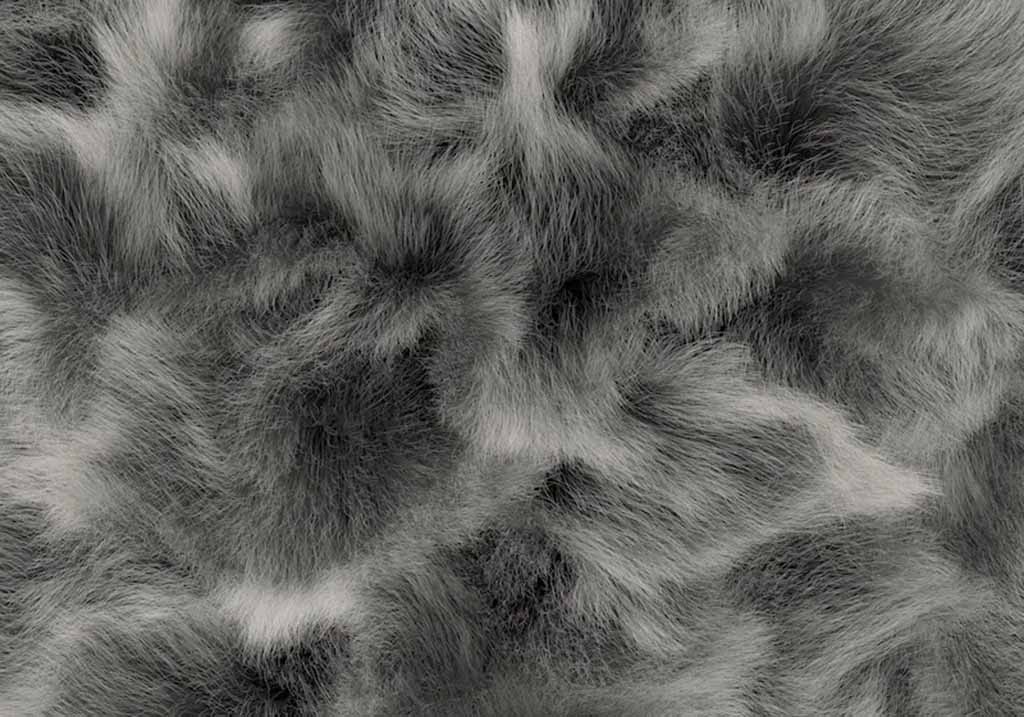
Faux fur delivers species realism (manes, tails, tufts) and luxe décor appeal. It uses microfilament polyester with complex pile patterns. Success depends on pattern engineering (avoid tight corners), pile direction control, and post-sew grooming. Usually surface-clean only; print honest care labels after trials.
Table — Faux fur quick spec
| Spec | Typical Range | Notes |
|---|---|---|
| Pile height | 10–35 mm | Patterned/guard hairs possible |
| GSM | 350–600+ | Heavy; reinforces premium |
| Best use | Accents, décor plush | Statement pieces |
| Watch-outs | Shed if poor quality | Select mills with strong binders |
Velvet Fabric
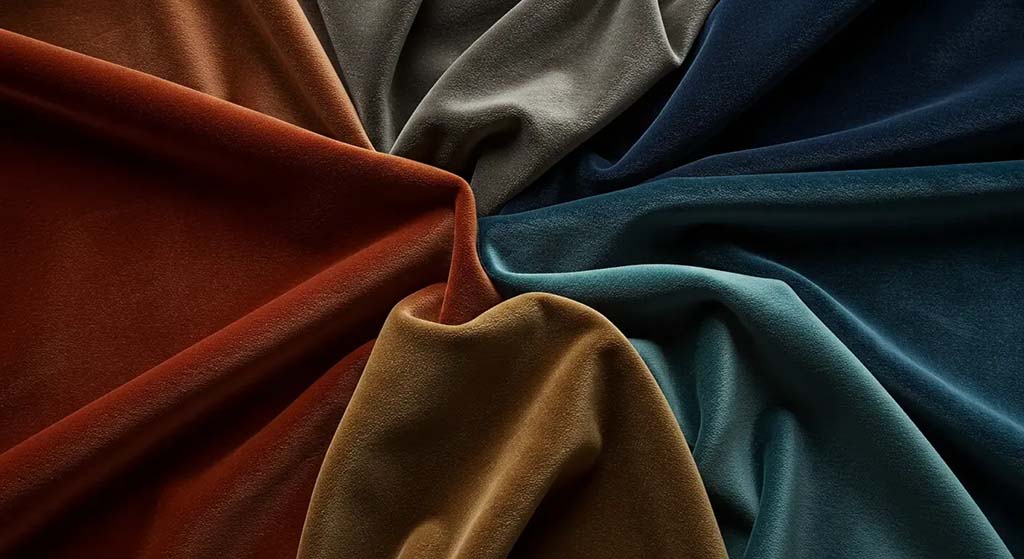
Velvet (woven or knit variants) brings a rich, uniform sheen and a dressier look. Knit velvets are easier for plush; woven velvet frays and needs more finishing. Velvet shows pressure marks, so stuffing and storage must be careful. Great for special-edition bears, outfits, and accessories.
Table — Velvet quick spec
| Spec | Typical Range | Notes |
|---|---|---|
| Pile | Short, dense | Elegant sheen |
| GSM | 220–320 (knit) | Woven variants cost/handle more |
| Best use | Premium bodies, outfits | Gift-ready finish |
| Watch-outs | Pressure marks | Pack with tissue; avoid crushing |
Microfiber Fabric
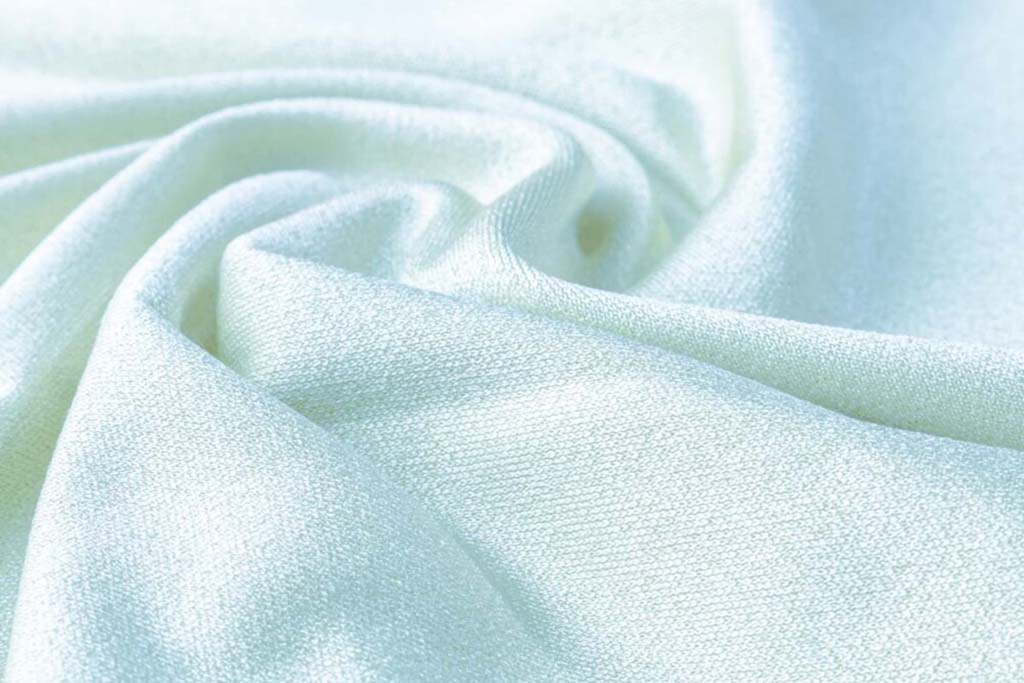
“Microfiber” refers to very fine denier filaments that feel silky and uniform. In plush, this is often the base of minky or specialty suede-like knits. Microfiber boosts perceived softness, reduces scratch, and recovers well after compression. Control lint via finishing, and validate dark shades for colorfastness.
Table — Microfiber quick spec
| Spec | Typical Range | Notes |
|---|---|---|
| Fiber fineness | < 1.0 dpf | More filaments = silkier touch |
| Form | Knit pile or suede-like knit | Stable, low fray |
| Best use | Premium “hand” zones | Faces (suede-look), bodies |
| Watch-outs | Over-finishing stiffens | Balance raising + heat-set |
Cotton Knit Fabric
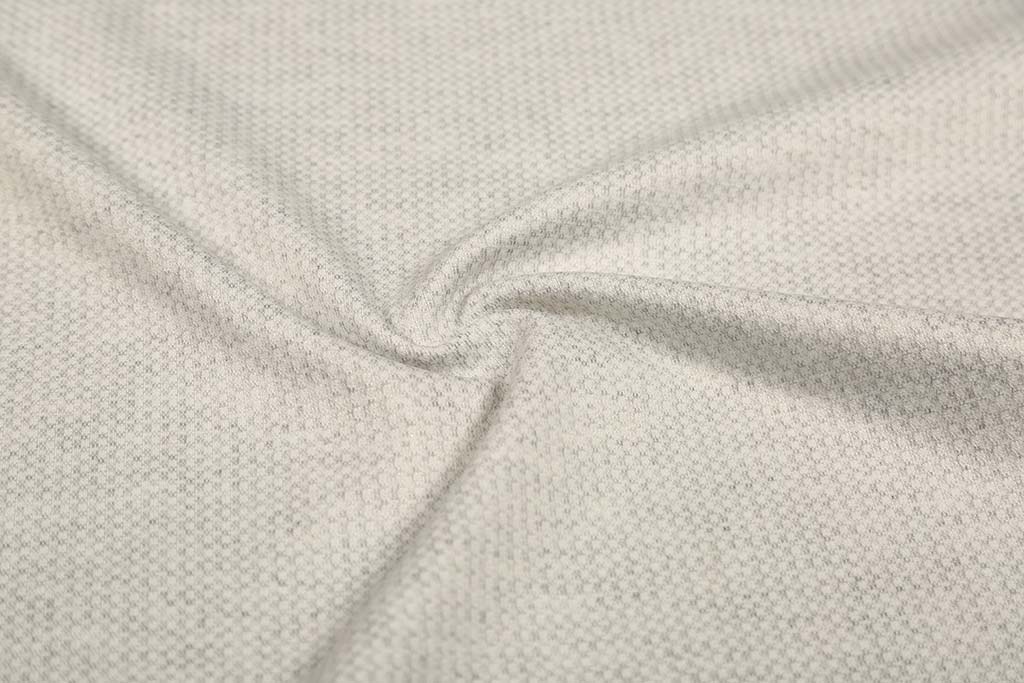
Cotton jersey (often 95/5 cotton/spandex) is perfect for doll outfits, pajamas, and soft accessories. It’s breathable and friendly but stretches—stabilize hems, set stitch density, and pre-shrink. For plush bodies, jersey needs interlining; we rarely use it as a main shell.
Table — Cotton jersey quick spec
| Spec | Typical Range | Notes |
|---|---|---|
| GSM | 160–220 | Pre-wash to control growth |
| Stretch | 3–8% spandex typical | Comfortable dressing |
| Best use | Outfits, soft trims | Bio-wash for pilling control |
| Watch-outs | Shrink/pucker | Tune stitch length, differential feed |
Terry Cloth Fabric
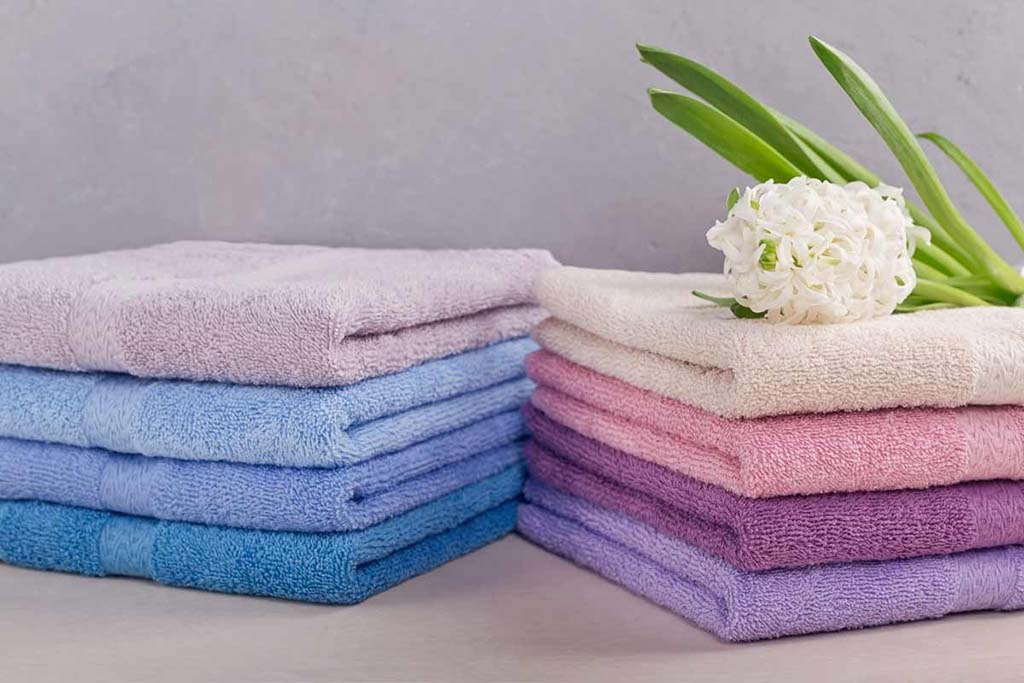
Terry (looped) gives a towel-like, cozy texture. It reads playful and is great for bath-time themes, summer animals, or baby-leaning lines. Loops can snag; keep loop height short and test for pilling. Terry absorbs water—validate drying time and storage guidance.
Table — Terry quick spec
| Spec | Typical Range | Notes |
|---|---|---|
| Loop height | Short terry preferred | Reduces snag risk |
| GSM | 220–320 | Absorbent; heavier feels plush |
| Best use | Baby themes, summer plush | Fun texture contrast |
| Watch-outs | Snagging, long dry time | Care card: air-dry thoroughly |
Chenille Fabric
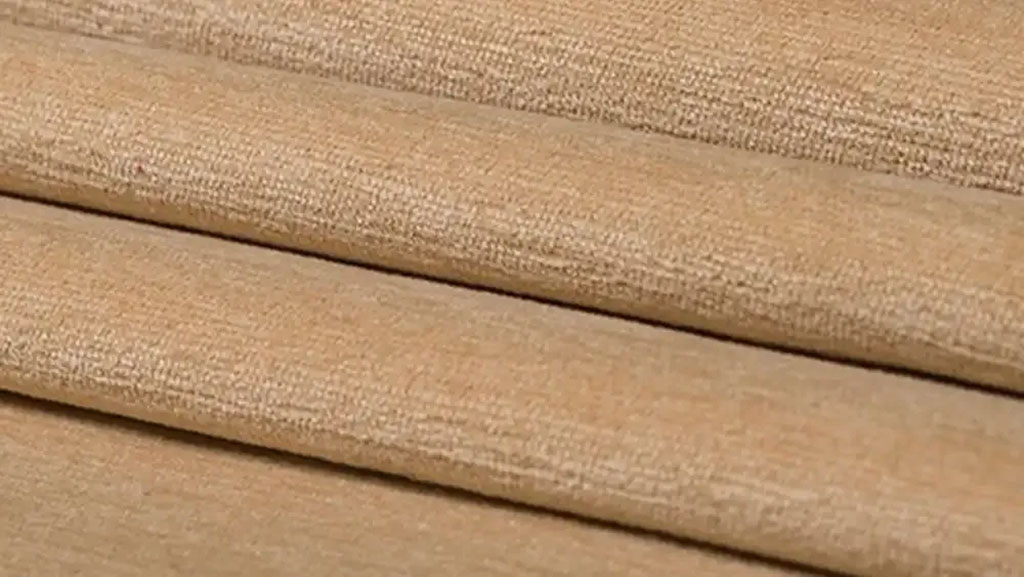
Chenille provides thick, caterpillar-yarn softness and vintage charm. It’s plush and visual, ideal for retro bears, pillows, or accent panels. It can shed if yarn binding is weak—source from mills with strong construction and run lint thresholds in QC.
Table — Chenille quick spec
| Spec | Typical Range | Notes |
|---|---|---|
| Construction | Pile yarns on core | Signature “tuft” look |
| GSM | 300–500 | Dense and warm |
| Best use | Retro bears, décor | Photo-friendly texture |
| Watch-outs | Shedding at cuts | Seal edges; validate lint level |
Tricot Fabric
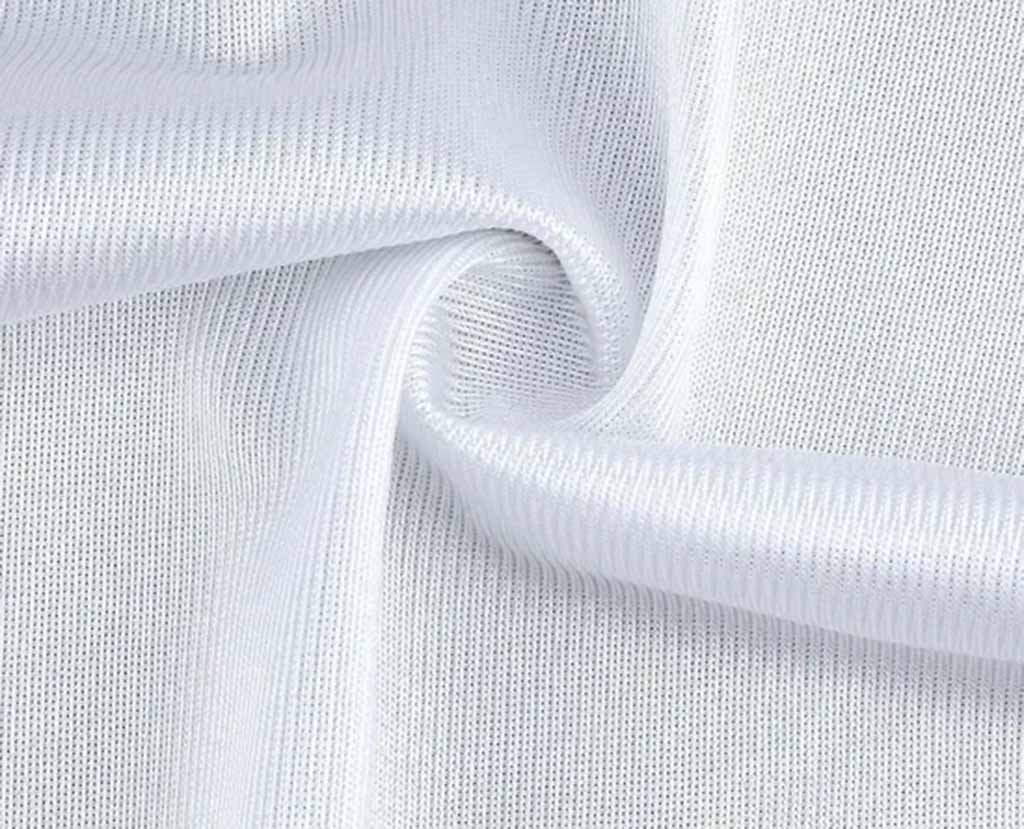
Tricot is a stable warp knit often used as the backing for plush piles, but it also appears as thin linings or structural layers. For engineers, tricot is the quiet hero: it controls stretch, keeps embroidery straight, and helps parts maintain shape.
Table — Tricot quick spec
| Spec | Typical Range | Notes |
|---|---|---|
| Role | Backing/lining | Dimensional stability |
| Weight | 80–160 gsm | Select per shell fabric |
| Best use | Backing for velboa/minky | Clean embroidery, no warp |
| Watch-outs | Over-stretch in cutting | Follow grain; notch markers |
Suede Fabric
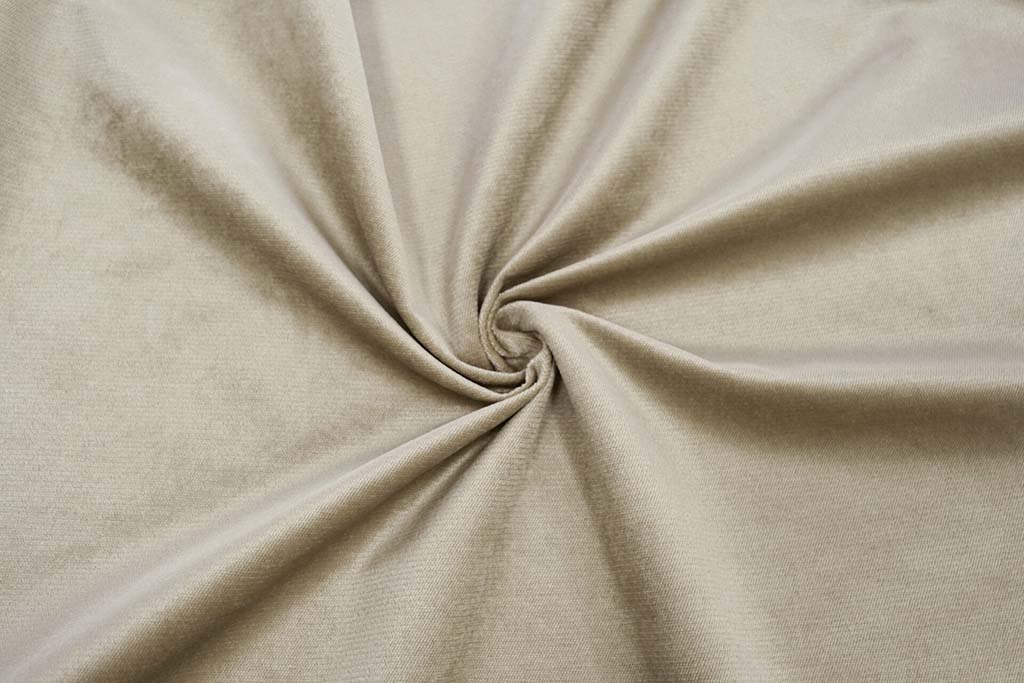
Synthetic suede (microfiber) offers a matte, premium, skin-like look that photographs beautifully. It doesn’t fray and embroiders cleanly. Use it for faces, muzzles, paw pads, or minimalist animals. Thickness matters: choose mid-weights that turn and curve without stiffness.
Table — Suede quick spec
| Spec | Typical Range | Notes |
|---|---|---|
| Type | Microfiber suede | Soft, matte, uniform |
| GSM | 180–260 | Heavier = stiffer turns |
| Best use | Faces, paw pads, accents | Very camera-clean look |
| Watch-outs | Stiff corners | Round edges; avoid acute angles |
Flannel Fabric
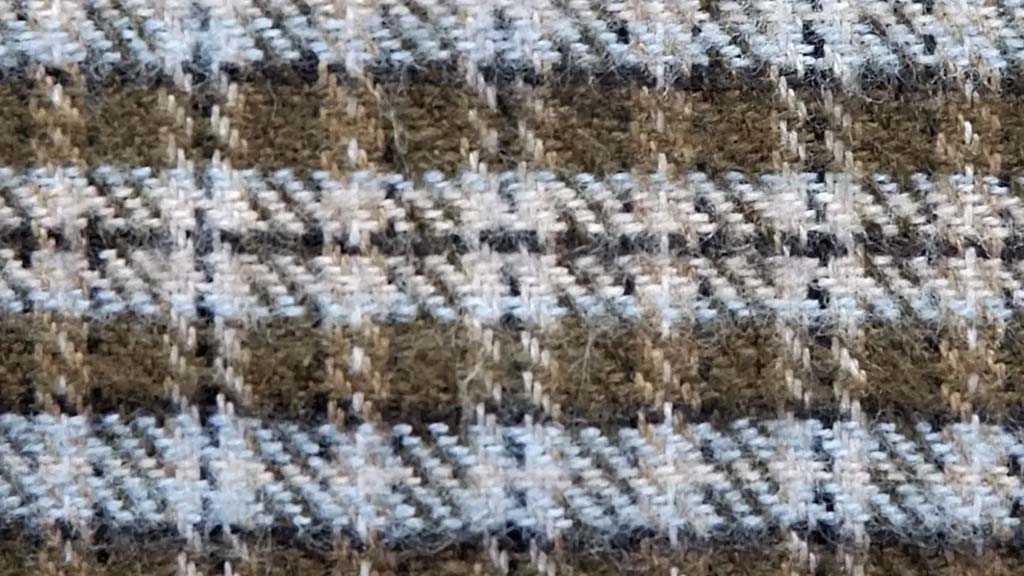
Flannel (usually cotton or cotton-blend) has a brushed, cozy surface. It’s great for outfits, scarves, seasonal accessories, and small plush with a nostalgic feel. Pre-shrink to control size change; check colorfastness on saturated reds or navies.
Table — Flannel quick spec
| Spec | Typical Range | Notes |
|---|---|---|
| Fiber | Cotton or blends | Natural hand, breathable |
| GSM | 150–220 | Light to mid-weight |
| Best use | Clothing, accents | Warm, homely vibe |
| Watch-outs | Shrink/pill | Pre-wash; choose anti-pill where possible |
Sherpa Fabric
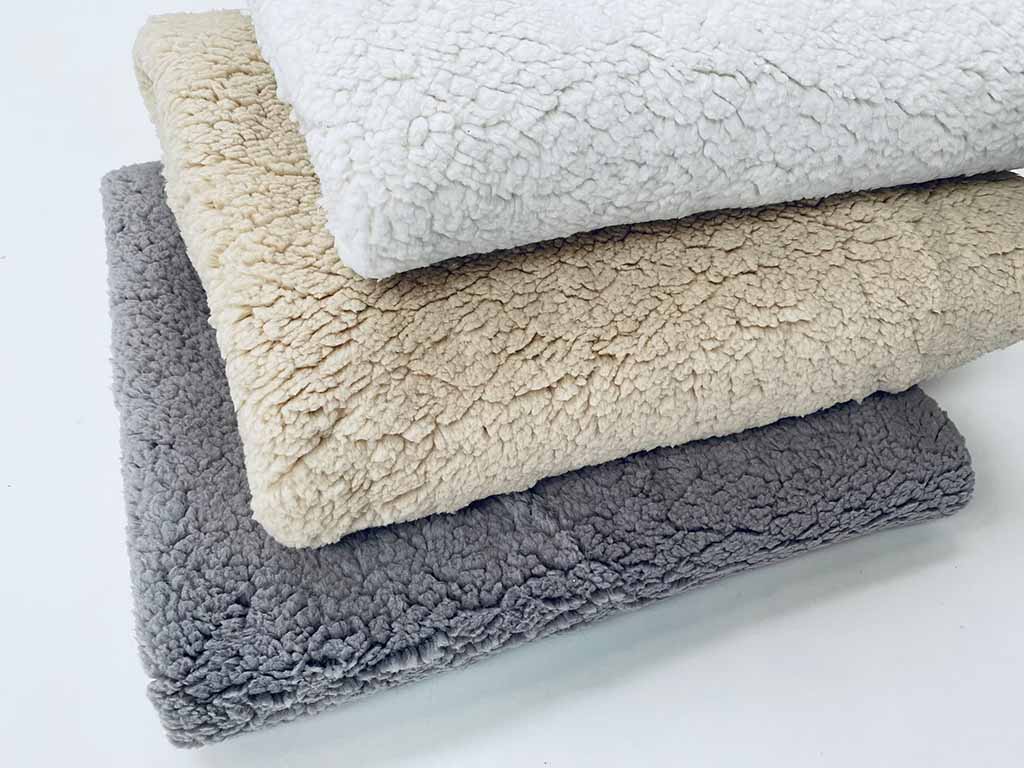
Sherpa is a curly, wool-like knit pile that screams cozy. It delivers instant winter charm and depth in photos. Choose medium curls for easier sewing; large curls can trap seams. Brush after sewing to release caught fibers and validate wash care (often surface clean or gentle bag-wash).
Table — Sherpa quick spec
| Spec | Typical Range | Notes |
|---|---|---|
| Pile | Curly/clustered | Wool-look warmth |
| GSM | 280–420 | Soft volume, visual depth |
| Best use | Winter bears, trims | Seasonal capsules |
| Watch-outs | Seam trapping, lint | Post-sew brush; lint QC threshold |
Cotton Knit (Rib/Interlock) — Bonus Note
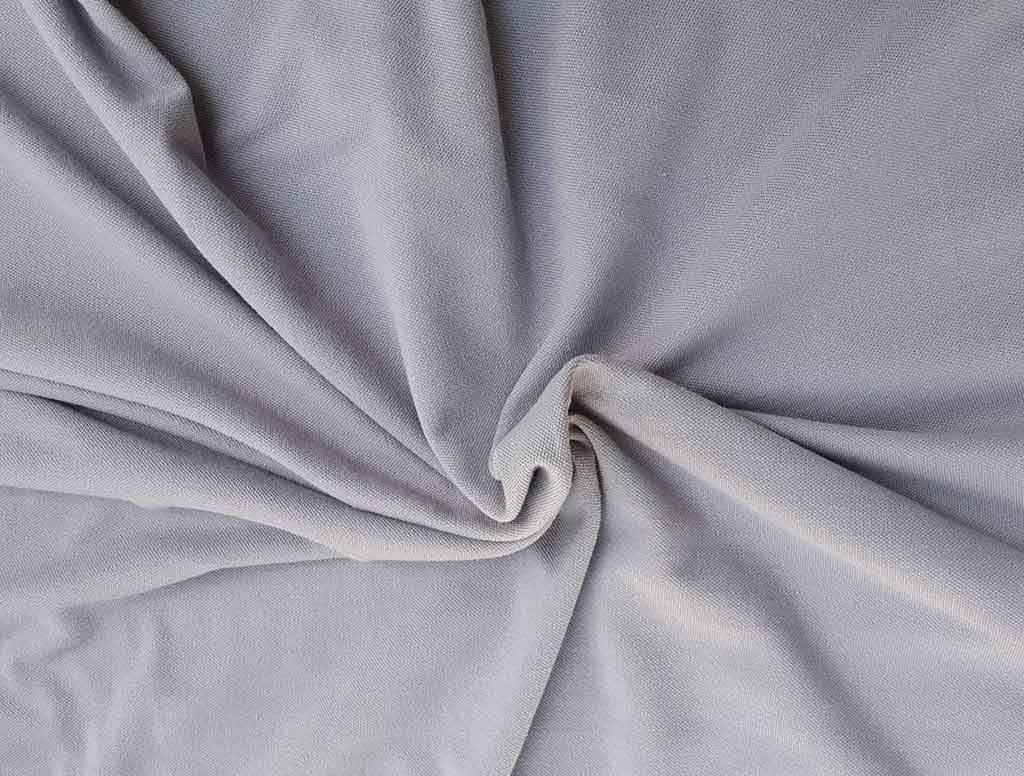
Rib and interlock knits add elastic comfort for sleeves, collars, or doll cuffs. They finish outfits cleanly and resist edge roll. Stabilize where needed and pre-shrink.
Table — Rib/Interlock quick spec
| Spec | Typical Range | Notes |
|---|---|---|
| GSM | 180–240 | Elastic recovery for cuffs |
| Stretch | Medium–high | Great finishing detail |
| Best use | Outfits, cuffs, collars | Professional garment look |
| Watch-outs | Growth/shrink | Pre-treat; set stitch density |
Conclusion
The “best” fabric depends on the job: minky for cuddle, velboa/short plush for crisp faces, faux fur/sherpa for seasonal drama, microfleece for easy sewing, and velvet/suede for premium storytelling. Mix textures smartly, engineer seams for pile thickness, and validate care labels with real tests—your plush will look great on camera and feel right in hand.
At Kinwin, we help buyers build fabric maps, align pile/GSM to pattern geometry, and lock density maps so every unit feels the same from sample to container. If you want a lineup that’s soft, photogenic, and audit-ready, I’m here to help.
Contact: [email protected] | kinwintoys.com