Skip to content
Working with overseas plush manufacturers opens up incredible opportunities for creative design, cost efficiency, and scalability—but the sampling and prototyping stage can make or break your entire project. This phase determines whether your concept can be turned into a manufacturable, safe, and visually appealing plush toy that meets your brand’s expectations.
In this guide, we’ll walk through every stage of the sampling process, explain how international suppliers work with tech packs and design briefs, and share best practices to ensure quality, speed, and consistency from concept to production.
What Are the Key Stages in Plush Toy Sampling and Prototyping?
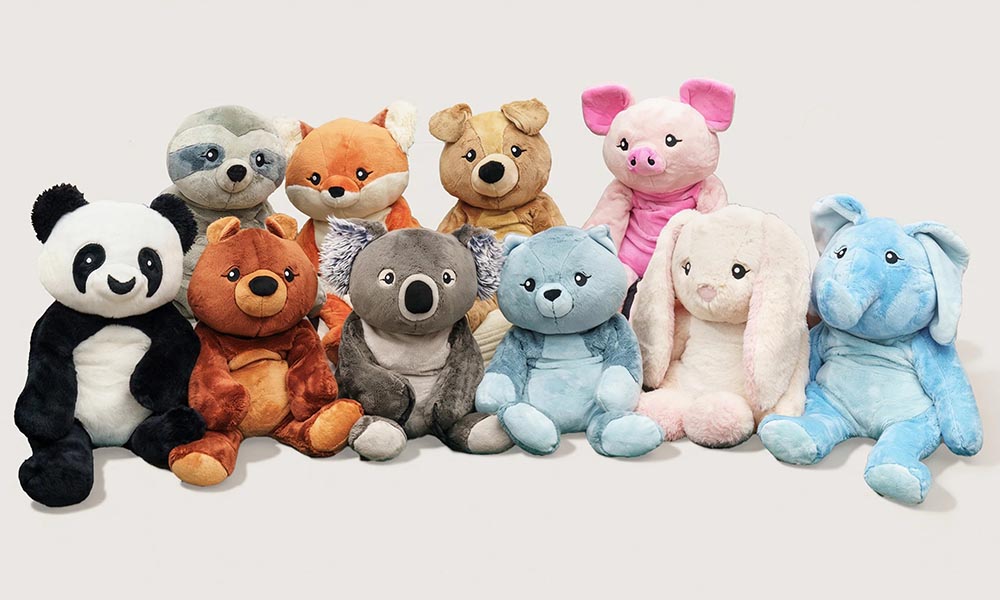
The sampling process is not just about creating one physical toy—it’s about translating ideas into production-ready specifications. Typically, this journey unfolds through five major stages:
Concept Design & Briefing:
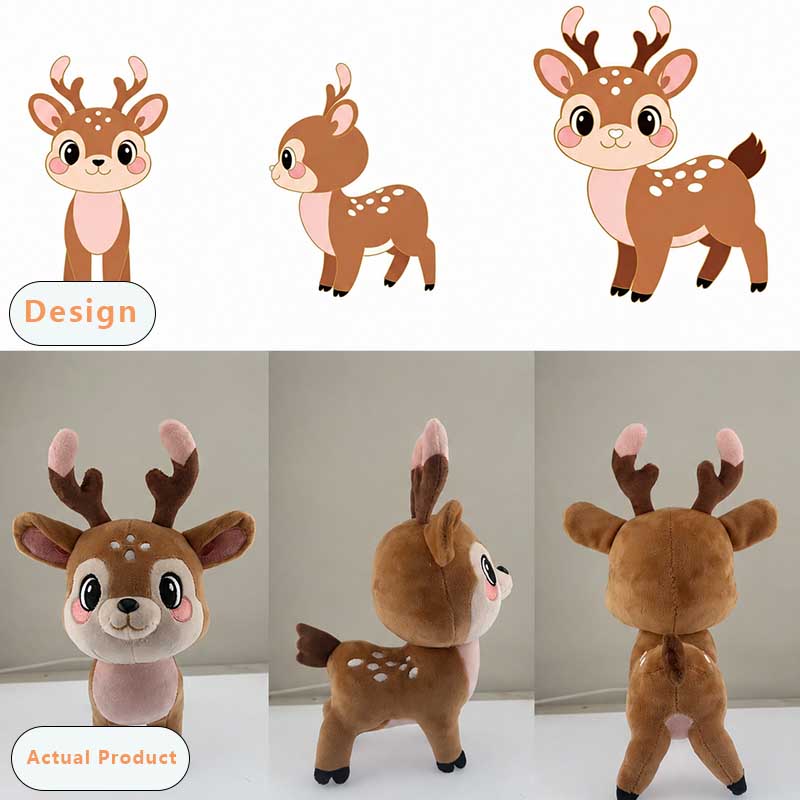
You begin with sketches, 3D models, or reference images that define the toy’s proportions, color palette, and intended use. This is also where you communicate age group, safety compliance needs, and any brand-related details (logos, hang tags, embroidery, etc.).
Tech Pack Development:
The manufacturer converts your design into a technical package that includes size charts, stitching instructions, material lists, Pantone color codes, and labeling requirements.
Material Selection & Sourcing:
Factories will identify suitable plush fabrics (like minky, velboa, or short-pile fleece) and fillings (such as PP cotton or recycled polyester). This step heavily affects the toy’s softness, durability, and price point.
Prototype Construction:
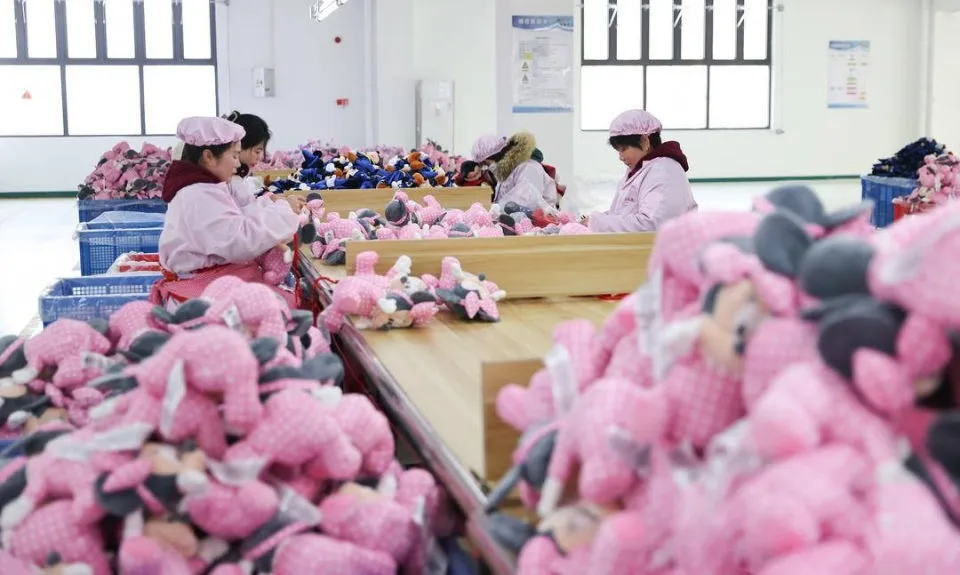
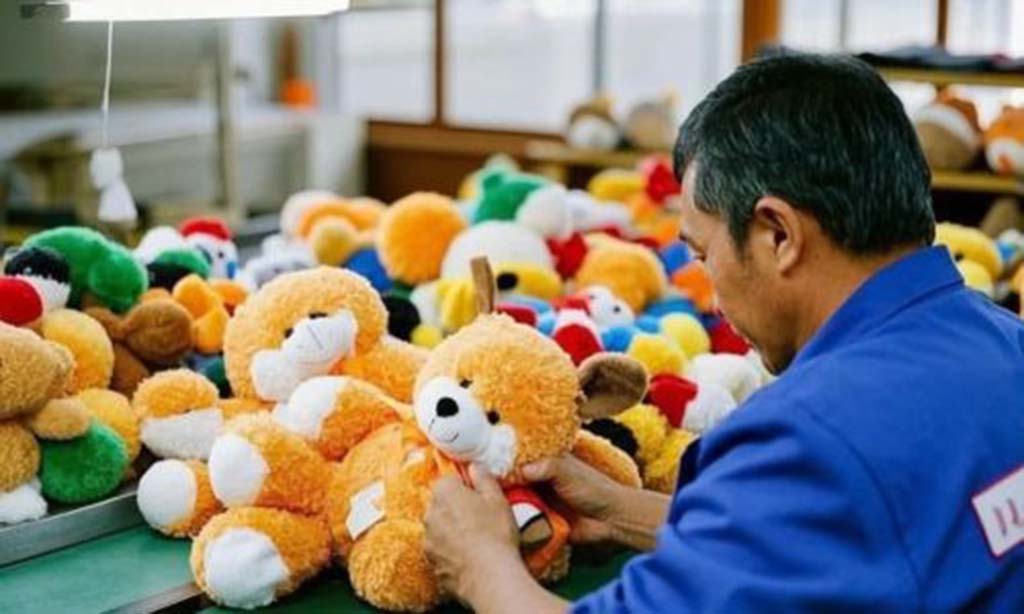
Skilled pattern makers and sewing specialists assemble the first sample, balancing shape, proportion, and softness. This stage might require 2–3 rounds of refinement to achieve the desired “feel.”
Sample Evaluation & Approval:
Once received, the buyer assesses details like stitching accuracy, balance, and tactile feel. Feedback is consolidated into revisions before the final “Golden Sample”—the standard reference for mass production—is approved.
| Stage | Description | Buyer’s Key Role |
|---|---|---|
| Design | Creative idea, concept art | Provide detailed brief |
| Tech Pack | Translate idea to specs | Review accuracy |
| Material Selection | Choose fabric & filler | Confirm touch and color |
| Prototype | First physical sample | Request corrections |
| Final Approval | Confirm Golden Sample | Authorize production |
How Do Overseas Manufacturers Interpret Design Specifications and Tech Packs?
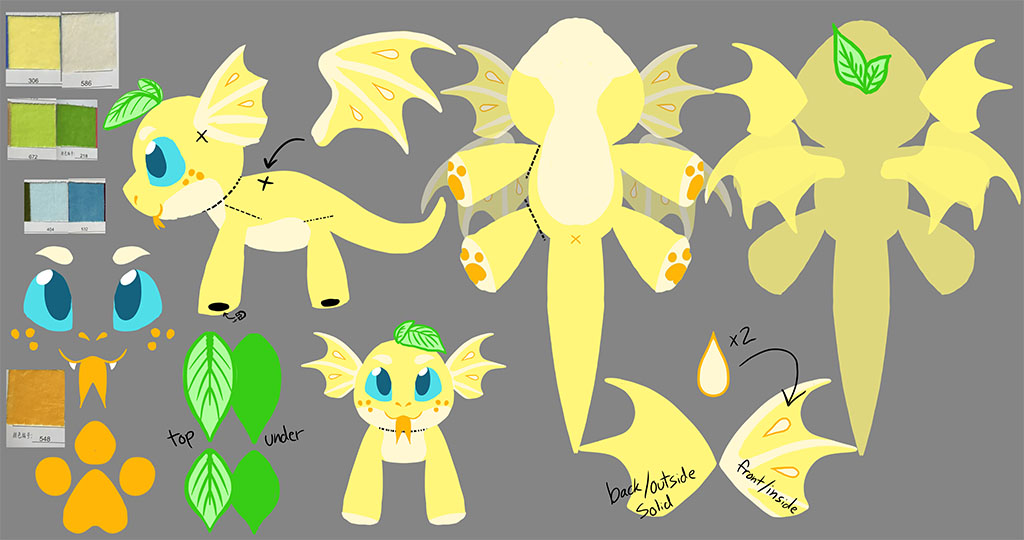
A tech pack is your blueprint for success. It’s the bridge between your design intent and the manufacturer’s production logic. However, misinterpretations often happen when details are missing or ambiguous.
Professional plush factories rely on precise technical drawings and annotated images to understand shape, scale, and special features. Measurements should include not only total height but also component dimensions (like arm length or ear width).
High-quality suppliers will create pattern templates based on these specifications and confirm uncertain details via photo mockups or short videos before cutting fabric.
If you’re working with a multilingual team, ensure your tech pack uses universal measurement units (cm or mm), standard Pantone codes for color, and clear naming conventions for parts. Avoid vague terms like “medium softness” or “light color”—instead, attach reference photos or physical swatches.
Lastly, good manufacturers update the tech pack after each revision. This “version tracking” system avoids confusion between samples and ensures every change is recorded for quality consistency.
| Tech Pack Component | Purpose | Example / Notes |
|---|---|---|
| Bill of Materials (BOM) | Lists all fabrics, trims, and accessories | Ensures correct material sourcing |
| Color Codes | Defines exact shades (Pantone or swatches) | Prevents color mismatch |
| Size & Dimensions | Accurate toy measurements | Guides cutting and sewing precision |
| Stitching & Construction | Specifies seam type, embroidery, closures | Avoids assembly errors |
| Safety & Compliance Notes | Includes ASTM, EN71 standards | Guarantees export readiness |
What Materials and Techniques Are Typically Used in Prototype Development?
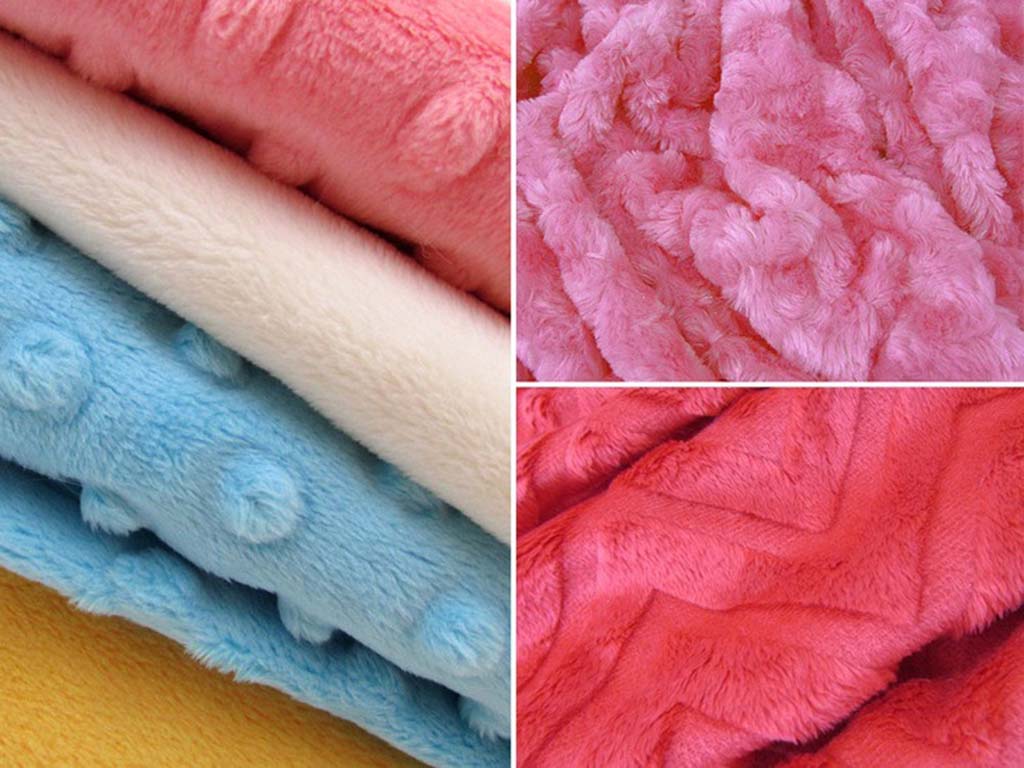
Sampling combines artistry and engineering. Factories use specialized materials and tools to achieve the softness, structure, and appearance you envision.
Common fabric options include:
- Minky Plush: Extremely soft with short pile, ideal for baby toys.
- Velboa: Durable and low-cost, suitable for high-volume retail toys.
- Sherpa or Fleece: Adds a fluffy, cozy texture, great for animals.
- Corduroy or Canvas: Used for stylistic or decorative plush.
For fillings, most prototypes use PP cotton (polypropylene fiber) for a lightweight feel, though recycled polyester stuffing is growing popular among eco-conscious brands.
Prototyping also involves several key techniques:
- Pattern Making: Converting 2D drawings into 3D fabric parts.
- Embroidery and Heat-Transfer Printing: For eyes, logos, and decorations.
- Laser Cutting: Ensures precision and symmetry.
- Hand-Stitching vs. Machine Stitching: Determines texture and softness balance.
An experienced factory may also adjust material density, stitching tension, or seam allowance to fine-tune how “huggable” the plush feels—small adjustments that make a big emotional difference.
| Category | Material Type | Typical Application |
|---|---|---|
| Fabric | Minky, Velboa, Sherpa | Surface texture |
| Filling | PP cotton, Recycled poly | Shape & softness |
| Accessories | Eyes, labels, ribbons | Decoration |
| Stitching | Hand / Machine | Structure & detail |
How Can You Ensure Effective Communication During the Sampling Process?
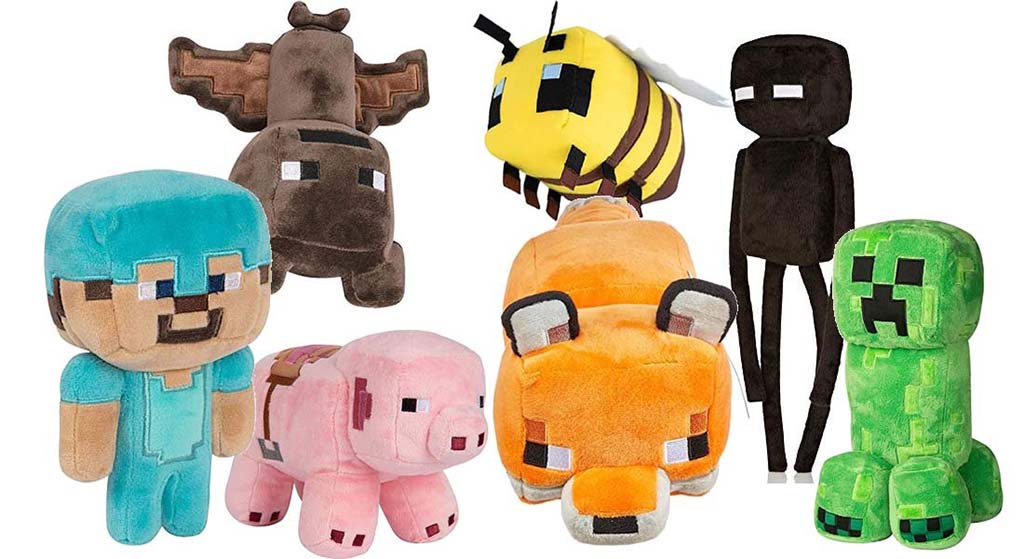
Communication is the cornerstone of successful prototyping, especially when working across borders, time zones, and languages.
Start by establishing a clear communication channel—typically email or WhatsApp for quick feedback, and shared drives (Google Drive, Dropbox) for file exchanges. Each revision round should include a written summary of what was changed, what remains pending, and visual notes (annotated photos are ideal).
Schedule weekly progress updates or checkpoints with your manufacturer. This helps you track progress and quickly address misunderstandings before costly delays occur.
Using video calls can also bridge cultural gaps—showing rather than explaining fabric textures or toy proportions avoids ambiguity.
Moreover, clarify decision authority early: who gives sample approval, who can request changes, and what deadlines apply to each revision. Factories like Kinwin typically assign an English-speaking project manager to ensure seamless communication between buyers, designers, and sample makers.
| Communication Practice | Implementation | Benefit |
|---|---|---|
| Bilingual Documentation | English + local language for instructions | Reduces misinterpretation |
| Photo & Video Updates | Share visual progress for each iteration | Detects errors early |
| Revision Notes | Annotate changes clearly | Prevents repeated mistakes |
| Regular Check-ins | Weekly or milestone calls | Keeps project on schedule |
| Shared Digital Folder | Store tech packs, images, videos centrally | Ensures all stakeholders have access |
Clear communication isn’t just convenient—it’s the single most powerful way to prevent quality and timing issues in plush production.
What Quality Control Measures Should Be Applied Before Final Approval?
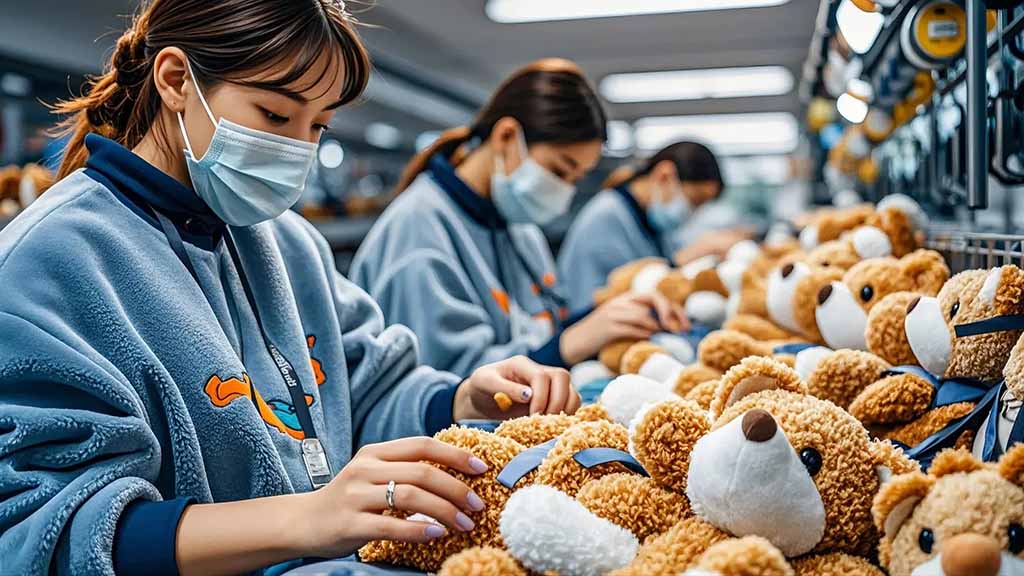
Before you approve the final sample, it’s vital to evaluate more than appearance. The Golden Sample should meet all aesthetic, functional, and safety requirements.
Perform these key checks:
- Shape & Proportion: Compare the sample to your design drawings.
- Fabric & Color Accuracy: Verify material texture, Pantone match, and stitching consistency.
- Seam Strength: Tug lightly at stitched areas to confirm durability.
- Safety Components: Ensure eyes, nose, and accessories are securely attached.
- Compliance Documentation: Confirm that materials pass relevant tests (e.g., EN71, ASTM F963, CPSIA).
A good factory conducts internal inspections using the AQL standard (Acceptable Quality Level) to catch potential issues early. Buyers can also request independent third-party checks or remote video inspections.
Once approved, the Golden Sample becomes the production reference—the master model for all bulk goods. Any deviation during production should match this reference 100%.
| Test | Description | Importance |
|---|---|---|
| Visual Match | Shape, color, size | Aesthetic alignment |
| Strength | Seams, joints | Durability check |
| Safety | Eyes, labels | Child-safe compliance |
| Certification | EN71 / ASTM / CPSIA | Market access |
How Do Lead Times and Costs Vary Among Different Manufacturing Regions?
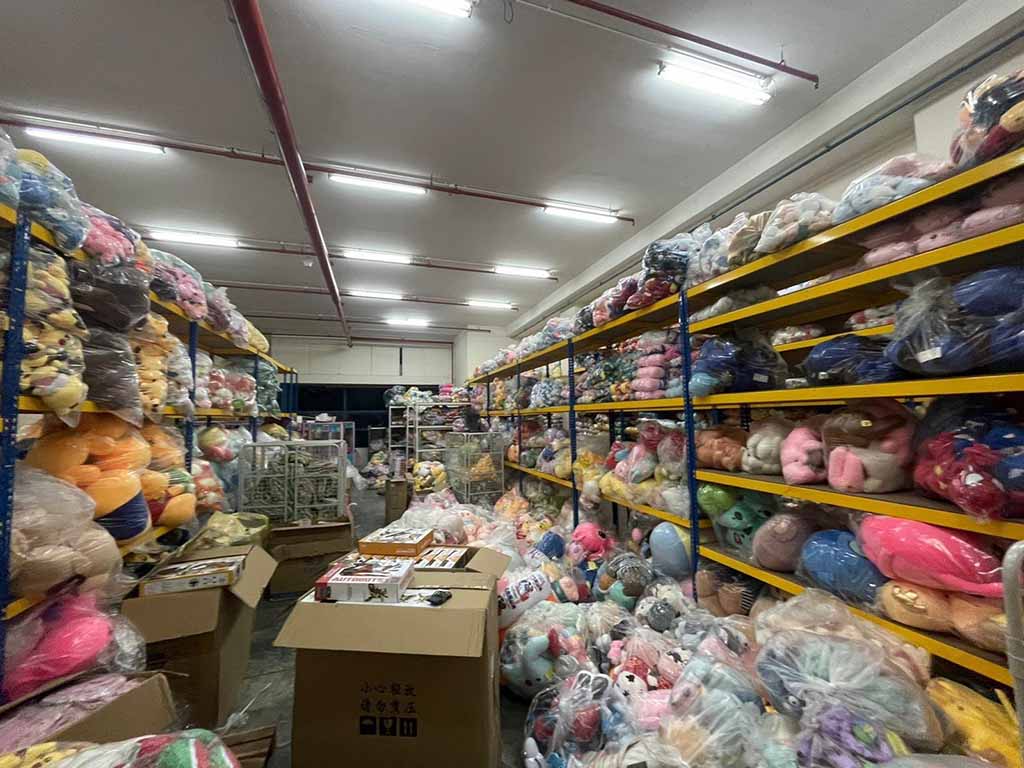
Not all plush manufacturing regions operate the same way. Lead times and costs depend on a mix of local infrastructure, labor rates, and material availability.
In China, for instance, well-established supply chains allow for fast material sourcing and prototyping cycles—typically 10–15 days per sample. Prices may vary depending on design complexity but are highly competitive due to scale and experience.
Vietnam and Indonesia offer growing plush toy capabilities with lower labor costs, though sample turnaround may take longer (3–4 weeks) due to less mature supply networks.
Turkey and Eastern Europe are emerging as nearshoring options for EU brands seeking shorter shipping routes, though prices are typically higher.
Ultimately, your best choice depends on balancing speed, cost, and quality consistency. For complex, detail-oriented plush designs, Chinese manufacturers remain unmatched in pattern-making precision and production scalability.
| Region | Sample Lead Time | Cost Level | Strength |
|---|---|---|---|
| China | 10–15 days | $$ | Speed & expertise |
| Vietnam | 3–4 weeks | $ | Low labor cost |
| Indonesia | 3–4 weeks | $ | Flexible small runs |
| Turkey / EU | 2–3 weeks | $$$ | Nearshoring advantage |
Conclusion
Sampling and prototyping are the foundation of successful plush toy production. Getting this stage right ensures that your designs look and feel exactly as intended once scaled to mass production.
By clearly defining your tech packs, communicating effectively, and verifying every material and process step, you’ll minimize risks and maximize quality—no matter where your factory is located.
Factories like Kinwin specialize in translating creative ideas into market-ready prototypes with precision and transparency. With decades of plush manufacturing experience, Kinwin supports global buyers through every sampling stage—from design interpretation to final Golden Sample approval.
📧 Contact: [email protected]
🌐 Visit: https://kinwintoys.com