Skip to content
When you choose plush fabric for stuffed animals, you are not just choosing a surface. You are deciding how your toy will feel, how long it will last, and how your brand will be remembered in a customer’s hand.
I’m Amanda from Kinwin, a plush toy factory in China. My team and I work with toy brands, retailers, e-commerce sellers, and promotional buyers around the world. In this guide, I’ll walk you through what really defines good plush fabric today, how minky, velboa, and classic plush compare, and how to match fabrics to different markets such as baby, collectible, and budget lines.
My goal is simple: help you talk to your factory in clear, practical terms, so you get stuffed animals that feel right—not just look right in photos.
What defines high-quality plush fabric for stuffed animals today?
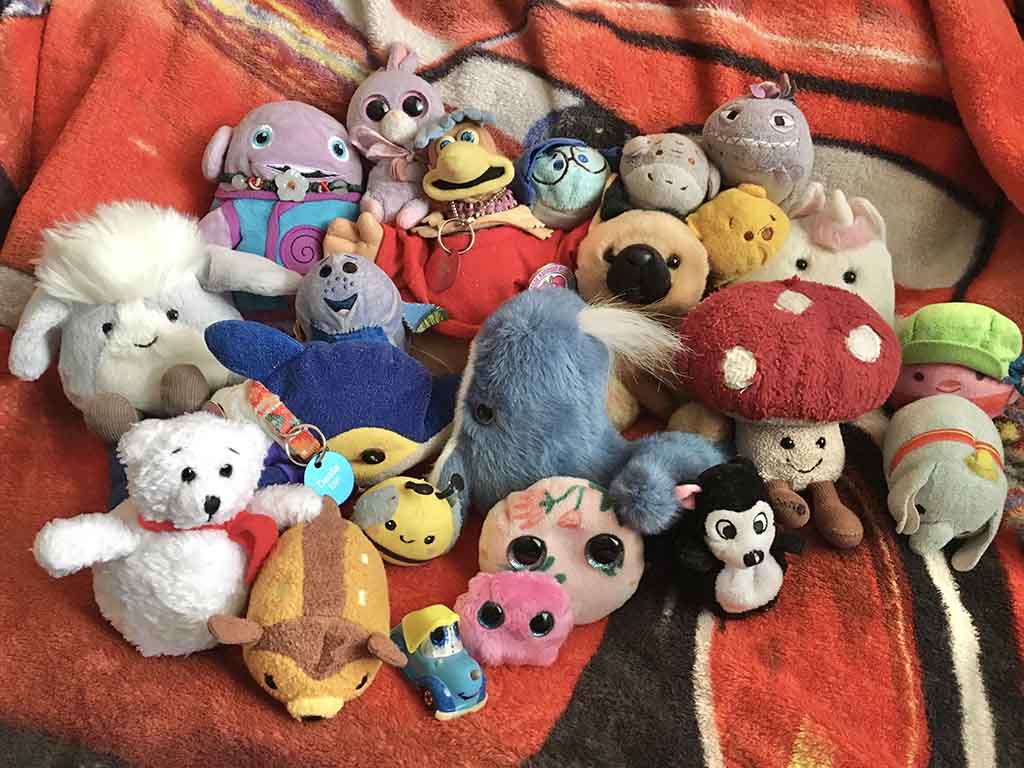
High-quality plush fabric is more than “very soft.” For real production and export markets, it must balance:
- Soft hand-feel – pleasant and skin-friendly, not scratchy.
- Stable shape – fabric that supports a clean silhouette, not saggy or too stretchy.
- Durability – seams and surface that survive play and washing.
- Low pilling and shedding – fabric that does not quickly look old.
- Colorfastness – dyes that stay where they belong.
- Safety and compliance – suitable for toy standards in target markets.
- Price-fit – quality that makes sense at your target retail price.
If one of these is weak, the whole product feels wrong. For example: ultra-soft fabric that pills badly after two washes is not “high quality” in the real world.
Core qualities of high-quality plush fabric
| Quality area | What it looks like in the fabric | Why it matters for stuffed animals |
|---|---|---|
| Hand-feel | Soft, smooth, pleasant against skin | Encourages hugging, strong emotional connection |
| Dimensional stability | Holds shape, does not distort easily when stuffed or washed | Keeps toy looking like the sample |
| Durability | Strong backing, good tear and seam strength | Reduces returns, supports safety |
| Pilling / shedding | Surface stays clean; minimal loose fibers | Keeps toy looking new for longer |
| Colorfastness | Colors do not bleed in saliva, sweat, or washing | Protects users and clothes, keeps appearance |
| Safety compliance | Meets toy chemical and flammability requirements | Allows import into main markets |
| Cost-performance | Quality appropriate to target retail price | Protects your margin and brand positioning |
When you evaluate swatches, ask yourself: Will this still feel good and look acceptable six months after a child starts playing with it? If not, look again.
How do minky, velboa, and classic plush fabrics compare?
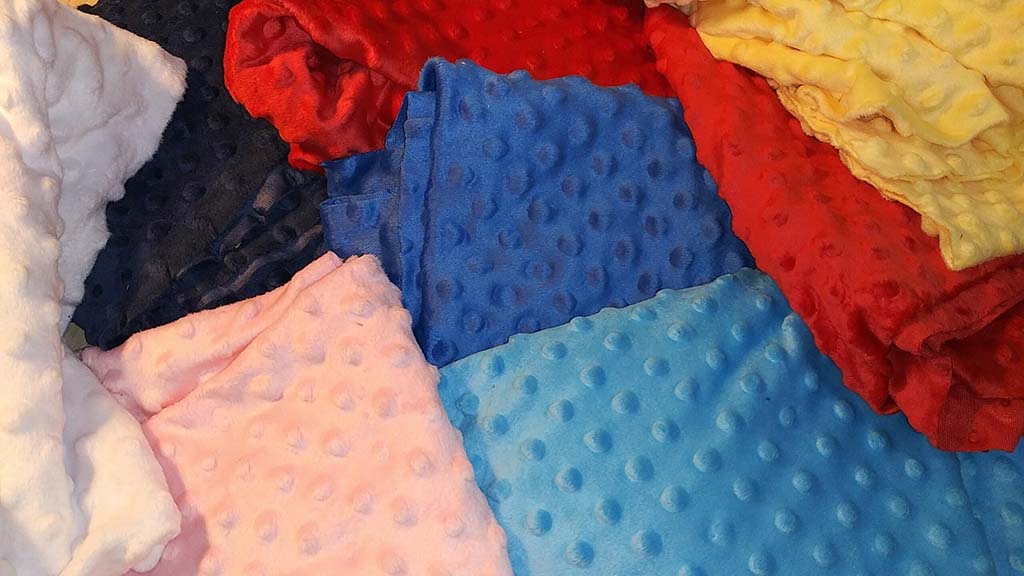
Most modern stuffed animals use one (or a combination) of these three:
- Minky / micro-plush
- Velboa (short plush)
- Classic plush (standard short/medium pile plush)
Each has its own personality and ideal use.
Minky / micro-plush
- Very soft, silky hand-feel.
- Short to medium pile (approx. 2–5 mm).
- Fabric drapes smoothly around stuffing.
- Common in baby plush, pillows, comfort toys.
Pros:
- Feels “premium” and very huggable.
- Works well for cuddle-focused products.
Cons:
- More stretch, so patterns and sewing must be controlled.
- Slight sheen may not match all brand styles.
Velboa (short plush)
- Low pile (about 1–3 mm).
- Surface is smooth and tidy.
- Great for embroidery and detailed faces.
- Common in character plush, mascots, mid-range lines.
Pros:
- Very good detail definition for eyes, logos, small shapes.
- More stable than minky; easier to keep consistent size.
Cons:
- Slightly less “cloud-soft” than good minky.
- Very cheap velboa grades can feel thin or shiny.
Classic plush (standard short/medium pile plush)
- Short to medium pile with a more “fur-like” look.
- Hand-feel ranges from basic soft to premium, depending on GSM and fibers.
- Used widely in standard stuffed animals and teddy bears.
Pros:
- Flexible for many styles and price points.
- Can feel rich if GSM, fibers, and finishing are good.
Cons:
- Low-grade versions can pill and feel rough over time.
- Face details need careful embroidery/printing alignment with pile direction.
Comparison – minky vs velboa vs classic plush
| Feature | Minky / micro-plush | Velboa / short plush | Classic plush (short/medium pile) |
|---|---|---|---|
| Touch | Very soft, silky, “buttery” | Soft, smooth, slightly firmer | Soft, more “fur-like” |
| Pile height | 2–5 mm | 1–3 mm | 1–6 mm (wide range) |
| Detail clarity | Good, but pile can blur tiny lines | Excellent for small features and logos | Good, but pile direction must be managed |
| Stretch & stability | Higher stretch; requires tighter control | Lower stretch; more dimensional stability | Medium, depends on construction |
| Look & style | Smooth, modern, cuddle-focused | Clean, character-focused, cartoony or simple | Traditional plush toy appearance |
| Typical use | Baby plush, comfort plushies, pillows | Mascots, faces, fandom plush, mid/high tiers | All-purpose stuffed animals and bears |
If you aim for maximum cuddle value, start with minky or high-end classic plush. If you aim for sharp character expression, velboa is often your best friend.
How do GSM, pile height, and backing affect fabric performance?
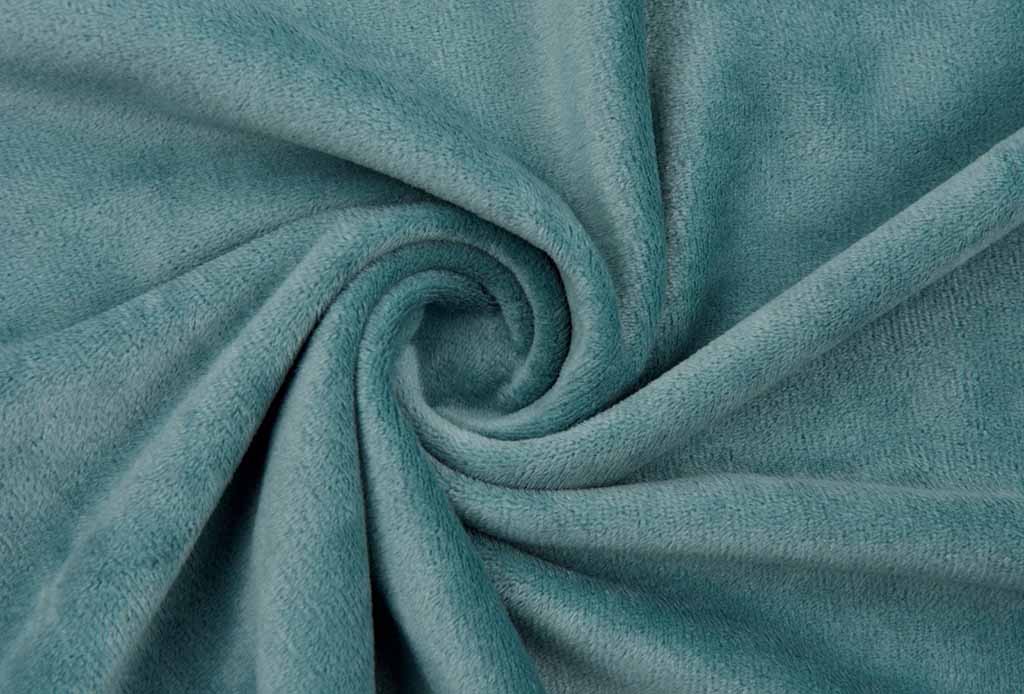
Three technical factors strongly shape how plush fabric behaves in real toys:
- GSM – grams per square meter (fabric weight)
- Pile height – length of the plush fibers above the backing
- Backing structure – the knit base that holds the pile
You do not need deep textile training to use these. You just need to understand the tendencies.
GSM – fabric weight
- Low GSM: fabric feels thin and light. It may show stuffing lines or feel weak.
- Medium GSM: balanced coverage and body; good for most plush bodies.
- High GSM: thicker and heavier; feels rich, but may be too stiff if overdone.
In stuffed animals, too low GSM can make the toy look cheap and show wrinkles or lumps. Too high GSM, combined with heavy stuffing, can make the toy feel hard and overbuilt.
Pile height – fiber length
- Short pile (1–2 mm) – neat, flat, perfect for faces and small plush.
- Medium pile (2–4 mm) – typical for soft, huggable plush.
- Long pile (5 mm and above) – fluffy, dramatic, often used for fur effects.
Short pile offers detail; long pile offers drama and volume. For most all-purpose stuffed animals, 2–4 mm is a safe and comfortable zone.
Backing structure
- Usually a knit backing for plush fabrics.
- Backing weight and density affect stretch, strength, and seam quality.
- A good backing holds pile firmly and supports strong stitching.
Thin or weak backing makes it easier for seams to stretch or tear, even if the pile is nice. For toys, we prefer stronger, well-knitted backings that work well with sewing machines and stuffing.
How GSM, pile height, and backing shape fabric performance
| Factor | Lower side (thin/short/light) | Balanced zone (recommended for most plush) | Higher side (thick/long/heavy) |
|---|---|---|---|
| GSM | Light, may feel cheap or see-through | Enough body to cover stuffing and hold shape | Heavy, can feel rich but may stiffen small toys |
| Pile height | 1–2 mm: clean, sharp detail, but less fluffy | 2–4 mm: soft, plush look with good detail | 5+ mm: very fluffy, hides seams but can matt or shed |
| Backing | Thin, stretches more, risk of seam problems | Strong knit, good recovery, works well with sewing | Very heavy backing: strong but may reduce flexibility |
When you receive fabric cards, ask your supplier or factory to write GSM and pile height on each sample. This makes it easier to repeat the same quality or request small adjustments later.
What fabric tests ensure durability, colorfastness, and pilling resistance?
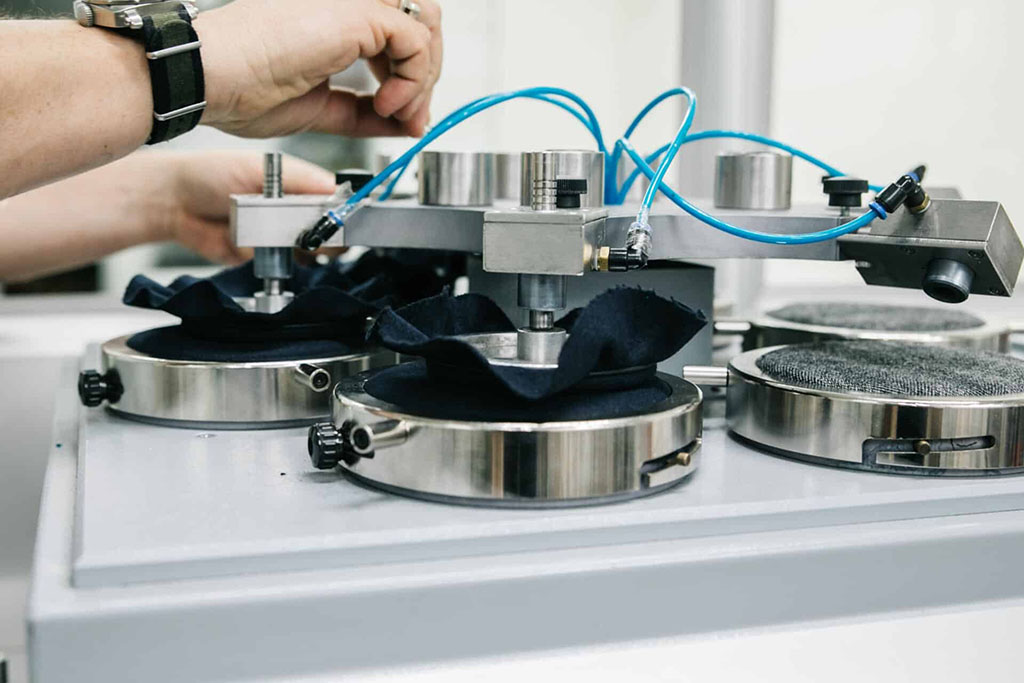
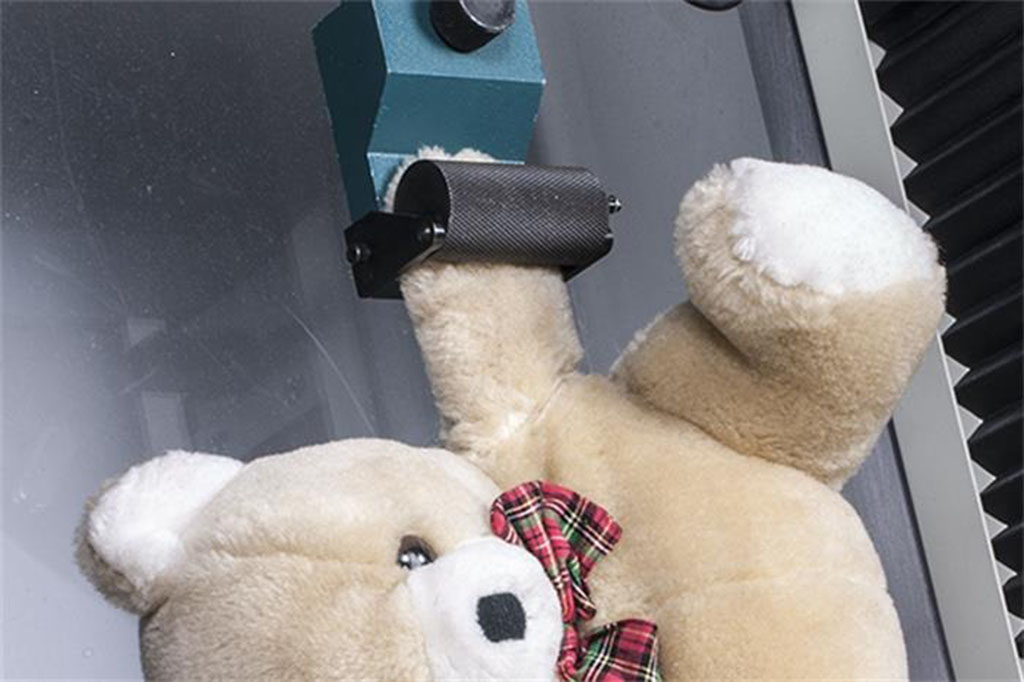
Good plush fabric does not stop being good after a few hugs or washes. To check this, we use standard textile tests. The exact methods can vary by lab and region, but the basic ideas are similar.
Here are the main tests that matter for stuffed animal fabrics:
- Abrasion / durability tests
- Simulate repeated rubbing or wear.
- Check if fibers break, thin, or fuzz quickly.
- Pilling tests
- Simulate friction to see if surface forms pills (small balls of fiber).
- Rating shows how well the fabric resists pilling.
- Colorfastness tests
- To washing: does color fade or run in a wash cycle?
- To rubbing (dry/wet): does color transfer onto other fabrics?
- To saliva/sweat: especially for children’s toys, important for safety and appearance.
- Tear and seam strength tests
- Check how much force is needed to tear fabric or open a seam.
- Important for both durability and small-parts safety.
- Dimensional stability / shrinkage tests
- Check how much fabric shrinks or distorts after washing.
- Critical if toys must be machine-washable.
As a buyer, you don’t need to memorize standards. But you should ask your factory or fabric supplier:
- “Has this quality been tested for pilling and colorfastness?”
- “Can you share test reports on similar plush projects?”
This gives you more confidence that your plush will look good not only in the sample room, but in real homes.
Key fabric tests for plush toys
| Test type | What it checks | Why it matters for plush fabric |
|---|---|---|
| Abrasion / durability | Resistance to wear from repeated rubbing | Prevents early thinning, keeps toy looking healthy |
| Pilling resistance | Tendency to form pills under friction | Keeps surface smooth and clean |
| Colorfastness to wash | Color change/bleeding in washing machine | Avoids faded, patchy toys and stained laundry |
| Colorfastness to rub | Color transfer when fabric is rubbed (dry/wet) | Protects clothes, bedding, and other toys |
| Colorfastness to saliva/sweat | Color stability when mouthed or handled by children | Important for safety and parent trust |
| Tear & seam strength | Force needed to rip fabric or open seam | Helps prevent holes and exposed stuffing |
| Shrinkage / stability | Dimensional change after washing | Keeps toy shape consistent across uses |
If your brand promises “machine washable” or “for everyday cuddles,” these tests stop being “nice to have” and become essential.
How do safety and chemical standards guide plush fabric selection?
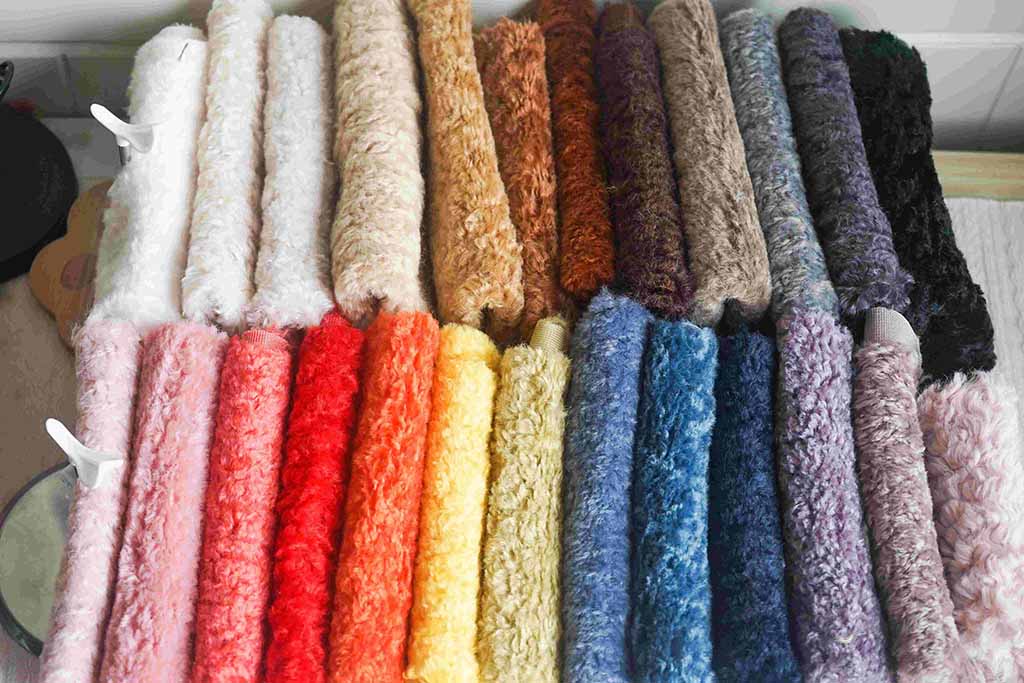
For toys, safety is not optional. Even if a fabric feels soft and passes your touch test, it must also meet chemical and flammability requirements in the markets where you sell.
Again, I cannot give legal advice, but I can share the general mindset we use when we select fabrics for export.
Chemical considerations
Toy standards usually set limits on:
- Heavy metals
- Certain plasticizers
- Formaldehyde and other chemicals
- Specific restricted substances in dyes and finishes
This means:
- We source fabrics from suppliers who understand toy-grade requirements.
- We avoid unknown or untested fabric lots for mass production.
- We use third-party labs to test both materials and finished toys for key markets (for example, USA and EU).
Flammability behavior
Stuffed animals are not meant to be fire-resistant furniture, but they do need to behave within acceptable limits in flammability tests:
- Fabrics should not ignite too fast or burn in a dangerous way.
- Long, loose fibers and very fluffy surfaces can behave differently from short pile, so they need extra attention.
Hygiene and cleanliness
For fabrics and stuffing, we also look at:
- Clean storage and handling (no mold, pests, or foreign materials).
- Reasonable lint levels (especially for baby products).
- Consistent finishing so fabric does not shed excessively.
Safety guidance for plush fabric selection
| Safety area | Fabric-level implications | Practical actions for manufacturers and brands |
|---|---|---|
| Chemical limits | Use toy-grade dyes and finishes; avoid unknown sources | Work with trusted mills; test materials and products |
| Flammability | Choose suitable pile types and weights; avoid risky finishes | Follow relevant toy flammability standards |
| Hygiene & cleanliness | Keep fabrics sealed and clean; control lint levels | Proper warehouse handling and QC checks |
| Child contact | Focus on low pilling, low shedding, safe fibers | Prefer shorter pile for baby items, test more often |
When you brief your factory, tell them your target countries. This lets them align fabrics and testing with the right rules from the beginning, not as a late surprise.
How should manufacturers match plush fabrics to different target markets?
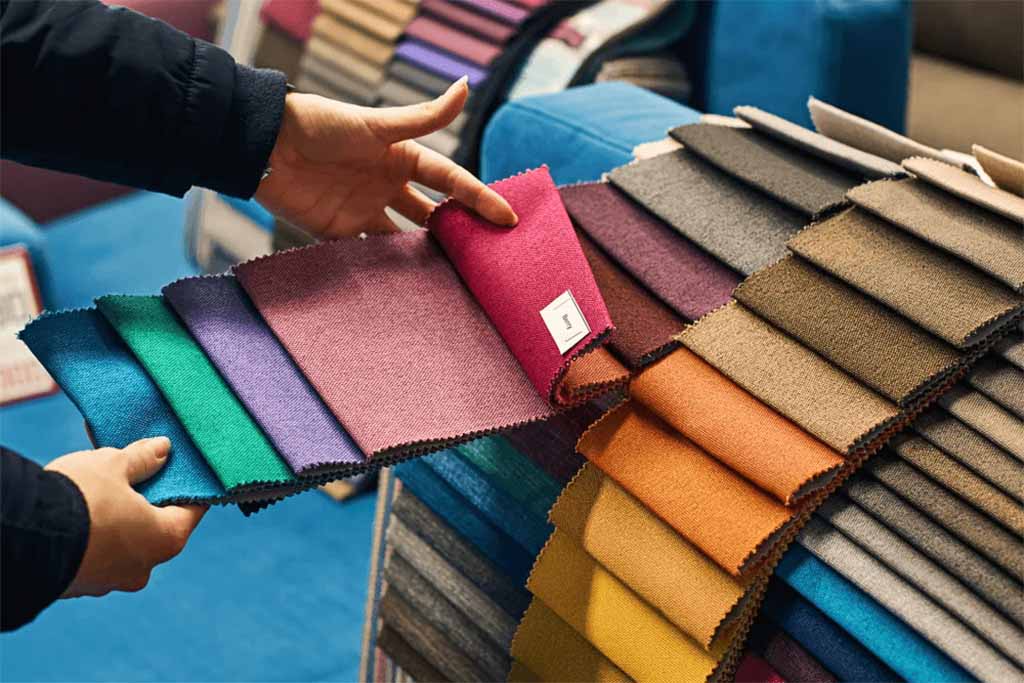
Not every plush needs the same fabric. Choosing the right combination depends on who will use it, how they will use it, and how much they will pay for it. I often sort projects into three broad groups:
- Baby / toddler plush
- Collectible / fandom / adult plush
- Budget / promo / mass-market plush
Baby / toddler plush
Key focus: safety, softness, washability, low lint
Recommended fabric directions:
- High-quality minky or micro-plush
- Fine short plush with good lab history
- Gentle colors, calm faces
Avoid:
- Very long pile that can shed
- Cheap, shiny velboa with higher lint
- Unstable dyes or heavy finishes
Collectible / fandom / adult plush
Key focus: appearance, character accuracy, special textures
Recommended fabric directions:
- Minky and dense short plush for faces and main bodies
- Faux fur / long plush for hair, tails, or costume parts
- Special prints and textures that match brand style
Avoid:
- Fabrics that pill quickly (collectors will notice)
- Cheap-feeling surfaces that do not fit the character’s image
Here, buyers accept slightly higher cost if the plush looks and feels “perfect” and photographs well.
Budget / promotional / mass-market plush
Key focus: cost, basic softness, strong construction
Recommended fabric directions:
- Mid-grade short plush or velboa
- Fleece for simple bodies or clothing parts
- Reasonable GSM to avoid “empty” feeling
Avoid:
- Going so cheap that the toy looks or feels rough
- Fabrics that fail basic pilling or colorfastness checks
Even promo plush will be compared to “normal” toys. If it feels too low-quality, it can hurt the brand instead of helping.
Matching plush fabrics to target markets
| Target market | Main user & purpose | Fabric strategy |
|---|---|---|
| Baby / toddler plush | Comfort, early play, gifts | Very soft minky or fine short plush; low lint; strong tests |
| Collectible / fandom plush | Display, collection, identity, comfort | High-end short plush, minky, faux fur accents; focus on look and feel |
| Budget / promo / mass plush | Giveaways, low-price retail, volume sales | Simple short plush, velboa, or fleece with solid GSM; safe and decent hand-feel |
If you share your target user, sales channel, and price band with your manufacturer, we can suggest fabrics that match both customer expectations and your margin.
Conclusion
Plush fabric is the foundation of every stuffed animal. It decides the first touch, the long-term look, and the chance that your product becomes someone’s favorite companion instead of just another toy in a box.
When you understand how minky, velboa, and classic plush fabrics differ, how GSM, pile height, and backing shape performance, and how tests and safety standards guide selection, you can brief your factory with confidence and avoid many costly surprises.
At Kinwin, we help global buyers choose and control plush fabrics for different markets—from baby-safe cuddle toys to high-detail collectibles and cost-conscious promotions. If you want to review fabric options for your next stuffed animal range or improve an existing line, you’re welcome to contact me at [email protected] or visit kinwintoys.com. My team and I can turn your fabric questions into clear, repeatable specifications that support both product quality and brand success.