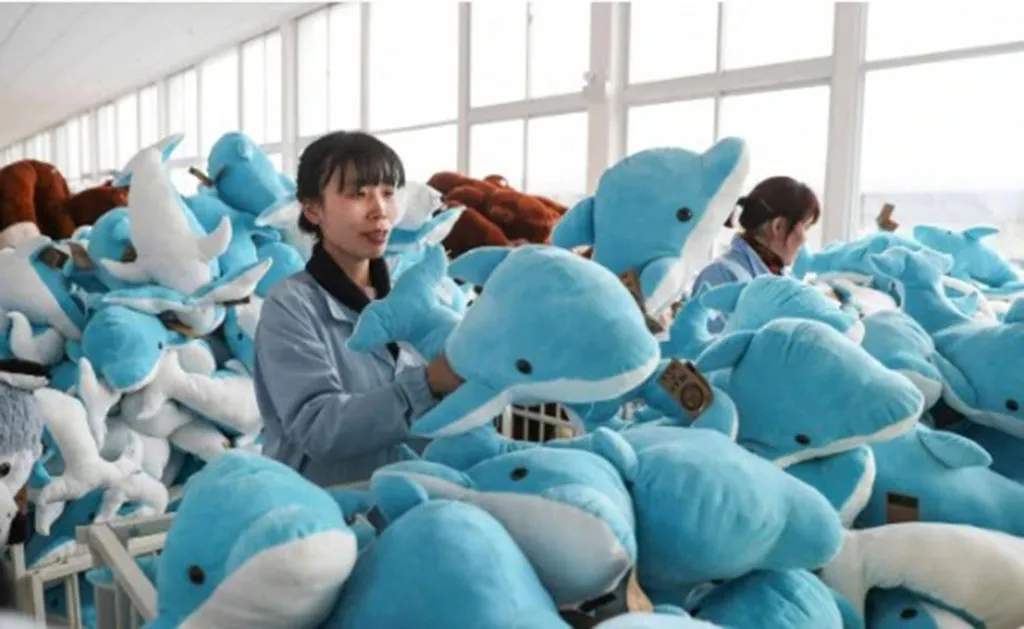
I make plush dolls for global brands every day at Kinwin. This is my complete, practical process—from the first sketch to a safe, retail-ready doll. I’ll keep the language simple, the steps clear, and the tips actionable so you can use this at the sewing table or in a factory SOP.
What materials and tools are essential for making a stuffed doll?
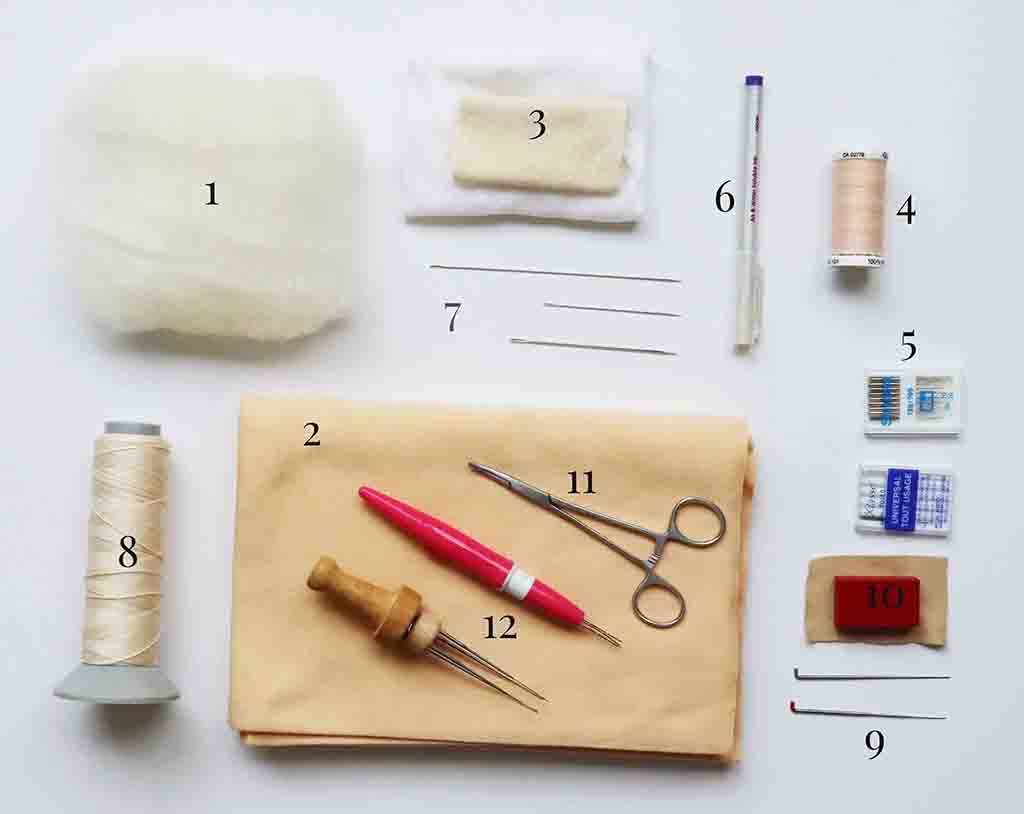
Materials checklist
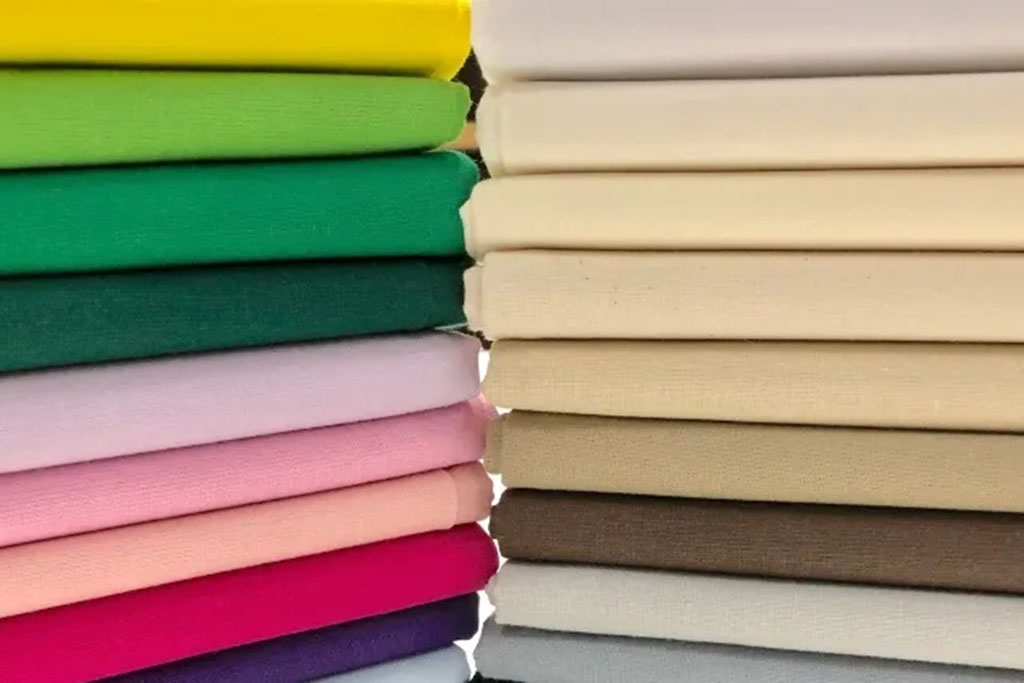
Fabrics (choose by feel + use)
Minky / microplush (1–3 mm pile): ultra-soft face and tummy.
Velboa (short pile): smooth, durable body.
Fleece: cozy seasonal lines.
Cotton jersey/twill (for clothes, accents).
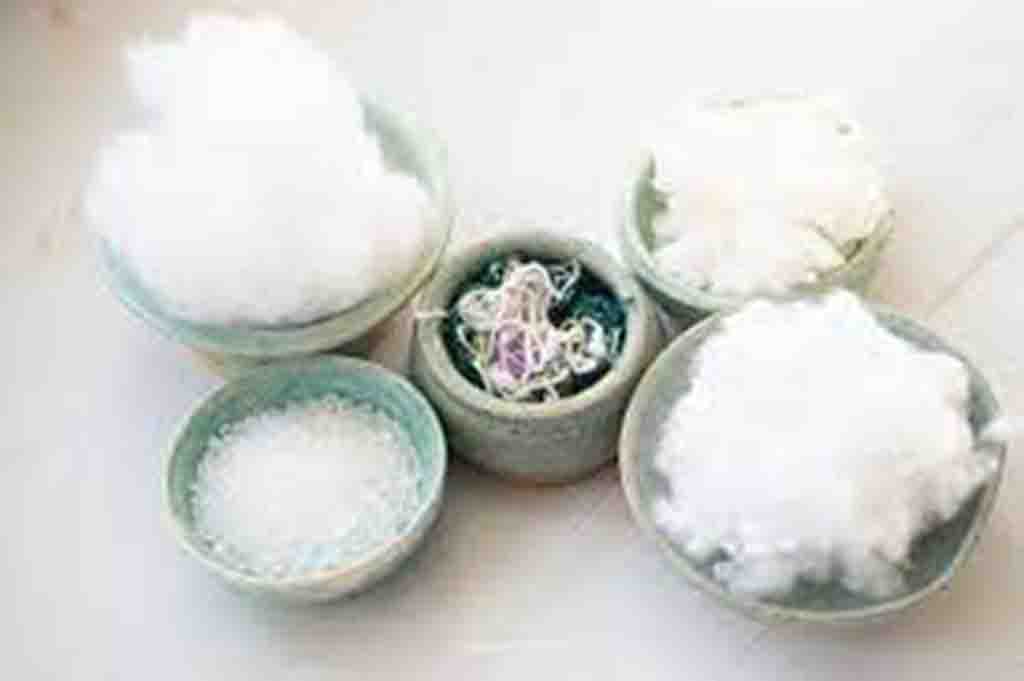
Stuffing
Polyester fiberfill (cluster or hollow): standard, washable.
rPET fiberfill: recycled option.
Optional: small poly pellets for balance (3+ years only, inside inner pouch).
Threads
100% polyester, Tex 27–40; colorfast.
Interfacing / stabilizer
Lightweight fusible for facial embroidery zones.
Notions
Embroidery thread (poly or rayon), felt patches, bias tape for inside seam reinforcement, hook-and-loop or snaps for clothing.
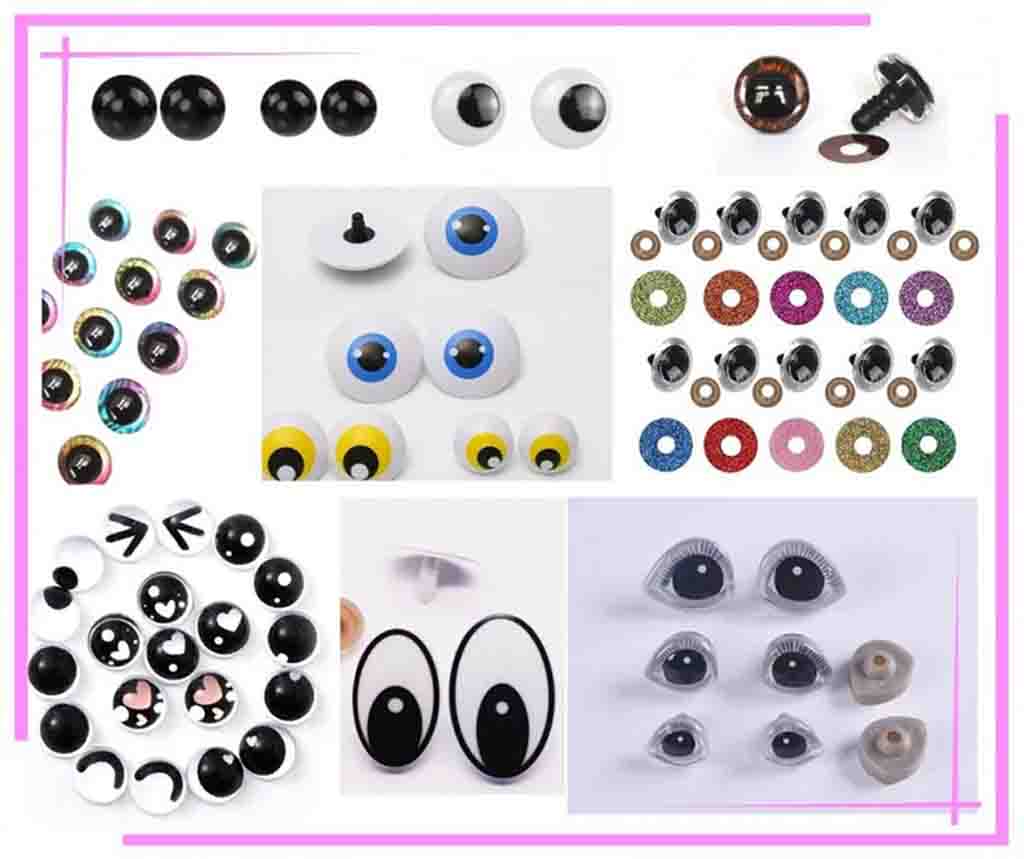
Safety eyes/nose with locking washers (ages 3+). For 0–36 months, use embroidered features only.
Labels & trims
Brand label, care label, hangtag loop.
Tool kit
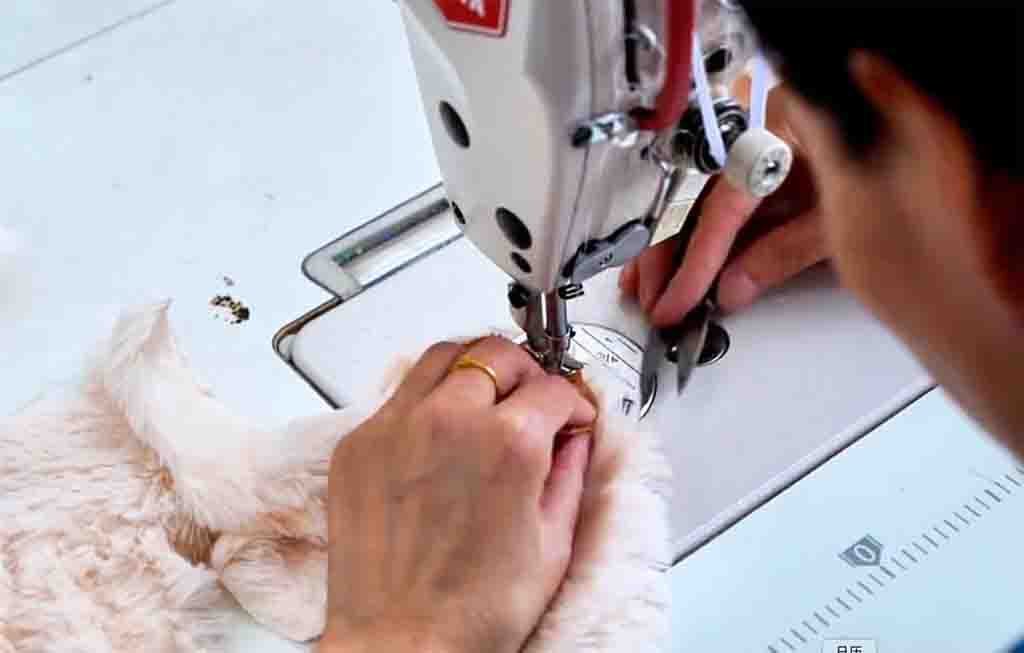
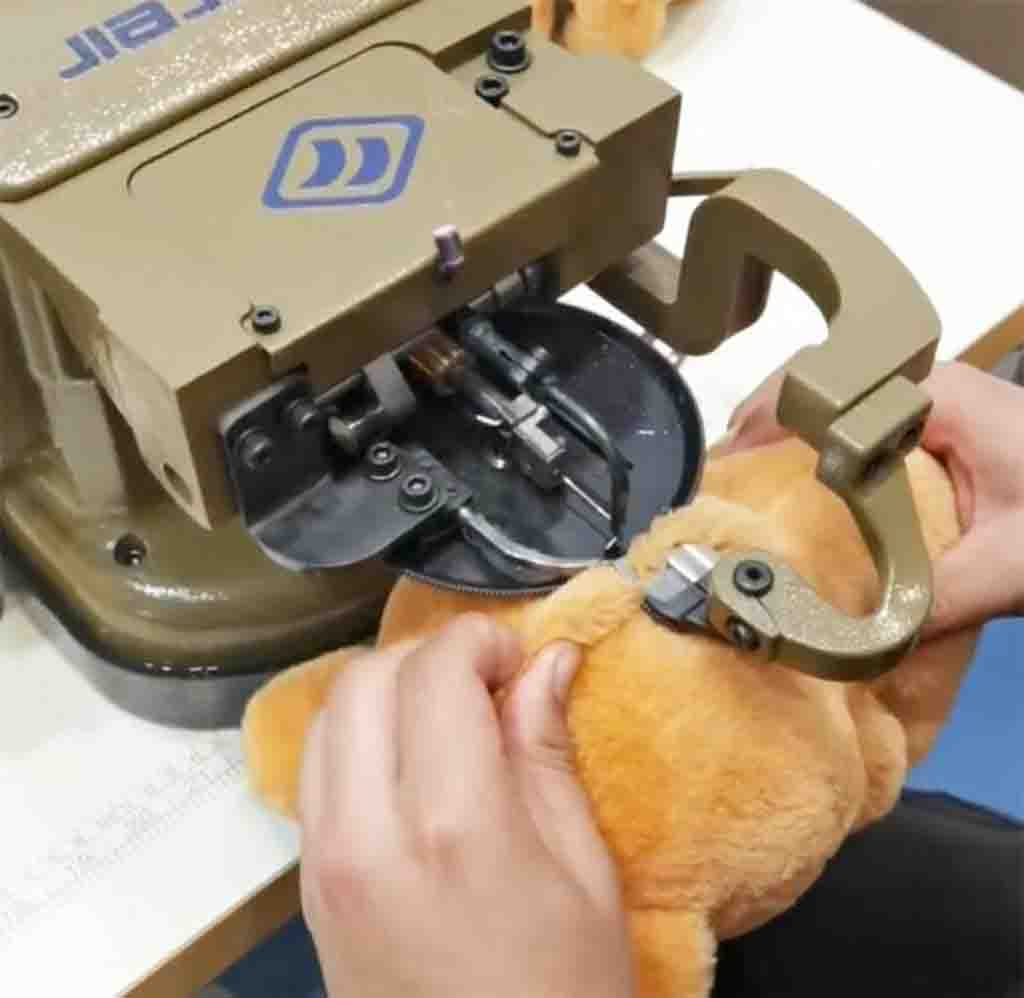
Sewing machine with straight + zigzag (2.5–3.0 mm stitch length).
Embroidery machine (or hand embroidery needles).
Micro-serger (optional) for internal seam finishing.
Fabric shears/rotary cutter, small snips.
Ballpoint/Universal needles 80/12 (knits) or 90/14 (thicker plush).
Point turner/chopstick, stuffing wand.
Clips or fine pins (clips are safer for pile fabrics).
Heat-erasable pen, ruler, French curve.
Steam iron with press cloth.
Item
Spec/Tip
Why it matters
Thread
Poly Tex 30 ±
Strong, low stretch
Needle
80/12–90/14
Prevents skipped stitches
Stitch
2.5–3.0 mm
Durable seam, easy curves
Interfacing
Light fusible
Crisp embroidery, no tunneling
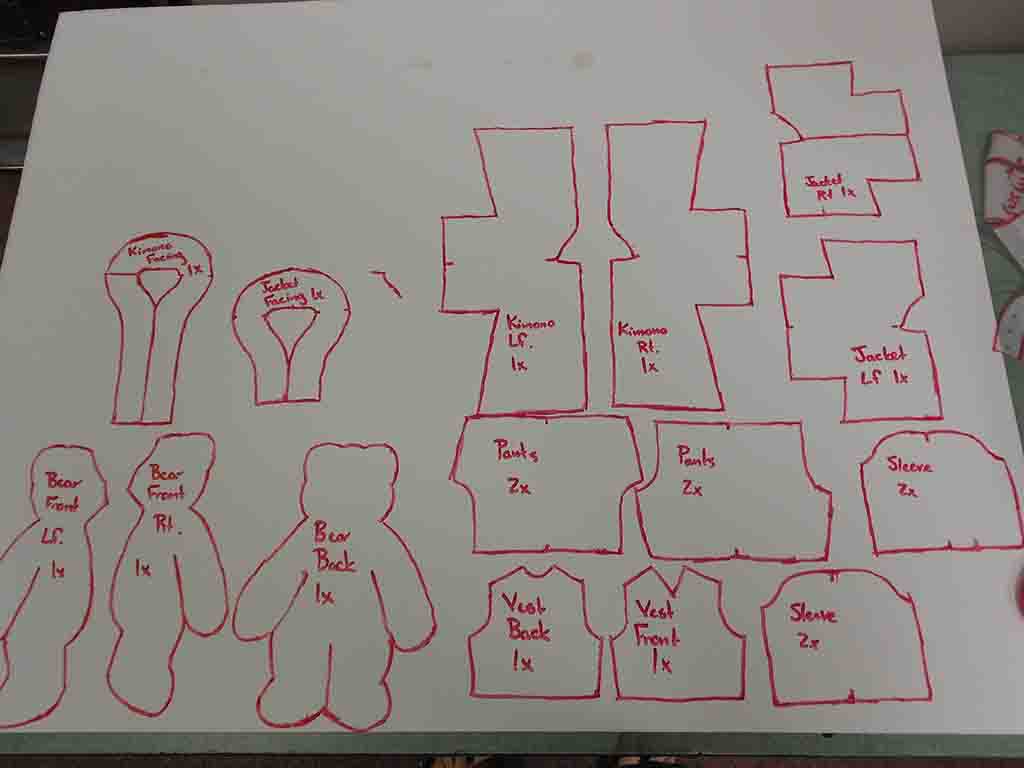
How do you design and cut fabric patterns for a plush doll?
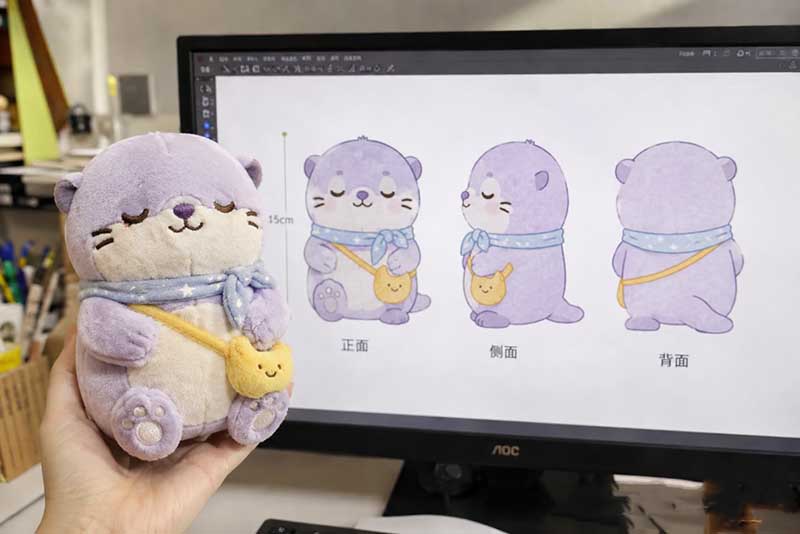
Plan the character
Proportions: big head (60–65%) = cute; longer limbs = playful.
Materials: use tested fabrics, threads, and fillings; keep batch records.
Labels: age grading, care, fiber content where required.
Safety area
What you do
Outcome
Features
Embroider or lock-washers (3+)
No choking hazard
Seams
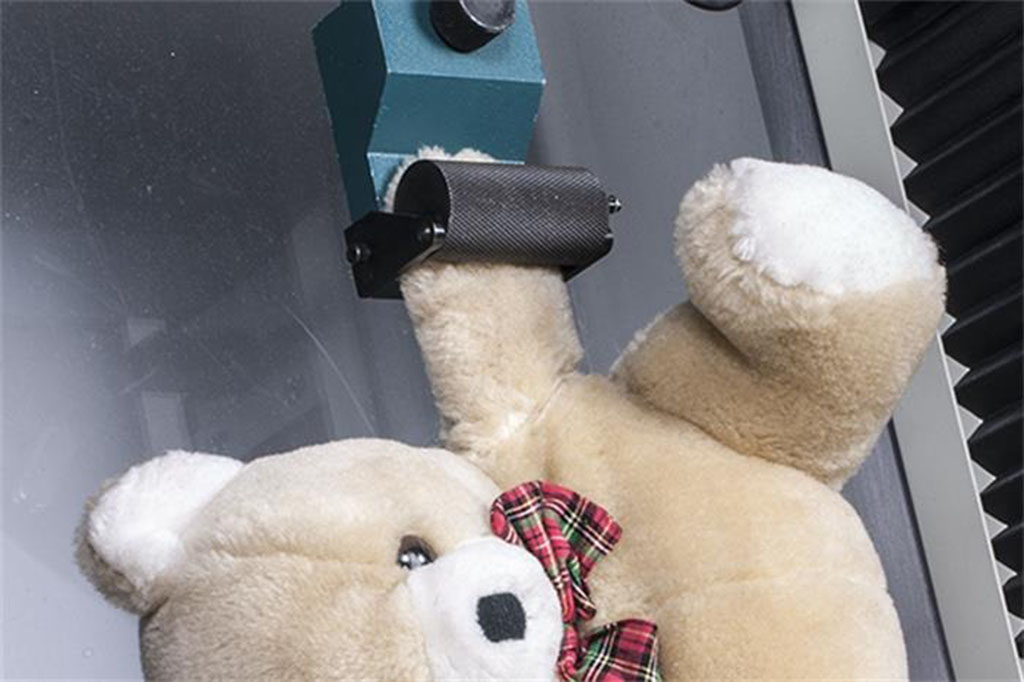
Triple stitch key zones
Pass pull tests
Fillers
Hypoallergenic, tested
Clean, safe interior
Docs
Keep COAs/test reports
Smooth retailer onboarding
Example bill of materials (BOM) template
Component
Spec
Qty
Notes
Body fabric
Velboa, 1.5 mm, Pantone…
0.25 m
Pile ↓
Face fabric
Short-pile minky, off-white
0.1 m
Stabilize
Fiberfill
Poly (cluster), 7D
120 g
Body/head
Thread
Poly Tex 30, color-matched
1 cone
—
Eyes
Embroidered
—
0–36 m compliant
Label set
Brand + care
1 set
CPSIA info
Packaging
Breathable polybag + tag
1
Warning text
Sample production timeline (small batch)
Week
Milestone
1
Sketch → pattern → first sample
2
Face embroidery test + fit fixes
3
PP (pre-production) sample sign-off
4–6
Bulk cut/sew/stuff; in-line QC
7
Final QC, packing, ship prep
Conclusion
A great stuffed doll comes from clear patterns, strong seams, smart stuffing, and safe features. Start with the face, respect pile direction, reinforce every stress point, and finish with a clean ladder stitch and a gentle steam. Test your materials, document results, and you’ll have a doll that looks premium, hugs beautifully, and passes compliance with confidence.
At Kinwin, I can turn your concept into a certified retail product—OEM & ODM, sample to mass production—tested to EN71, ASTM, CPSIA, ISO.
With more than 17 years of experience in OEM/ODM/Custom Plush Toy, I’d love to share with you the valuable knowledge related to Plush Toy products from a top-tier Chinese supplier’s perspective.
Contact us
Here, developing your OEM/ODM private label Plush Toy collection is no longer a challenge—it’s an excellent opportunity to bring your creative vision to life.