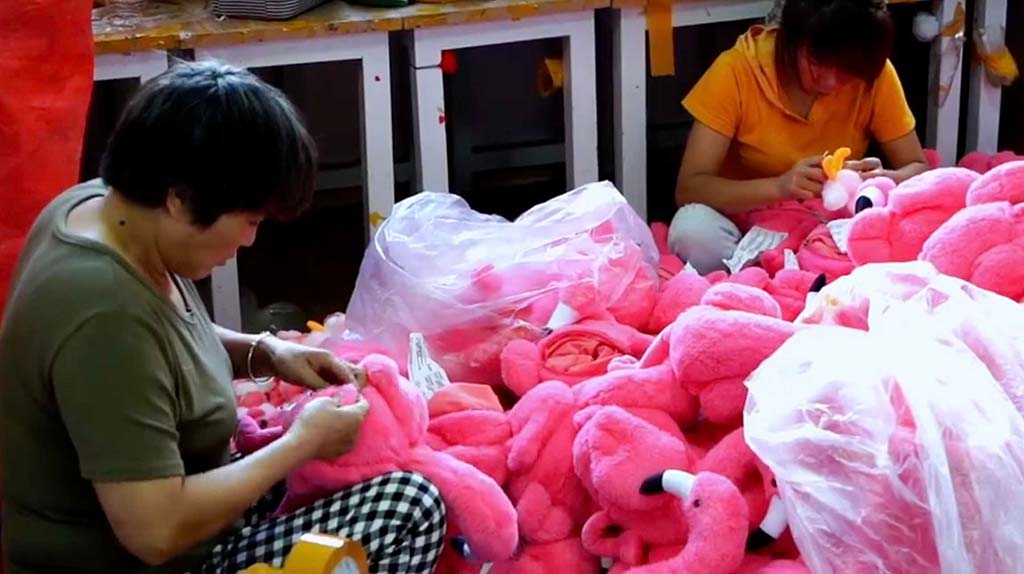
Skip to content
Stuffed animals may look soft and simple, but behind every one there is a detailed process. From design to delivery, each step decides how the final product will look, feel, and perform in the market. If you are a toy brand, retailer, or promotional company, knowing the process will help you choose the right supplier and avoid costly mistakes.
To make a stuffed animal, you start with design and prototyping, then source and inspect materials, cut fabrics to shape, sew and embroider details, stuff and shape the toy, and finally inspect, package, and ship it. Each stage needs skill, the right equipment, and strict quality control to meet safety standards and customer expectations.
Let’s break down the full process from idea to shipment, so you can see how your plush toy vision turns into a product that customers love.
1. Design & Prototyping
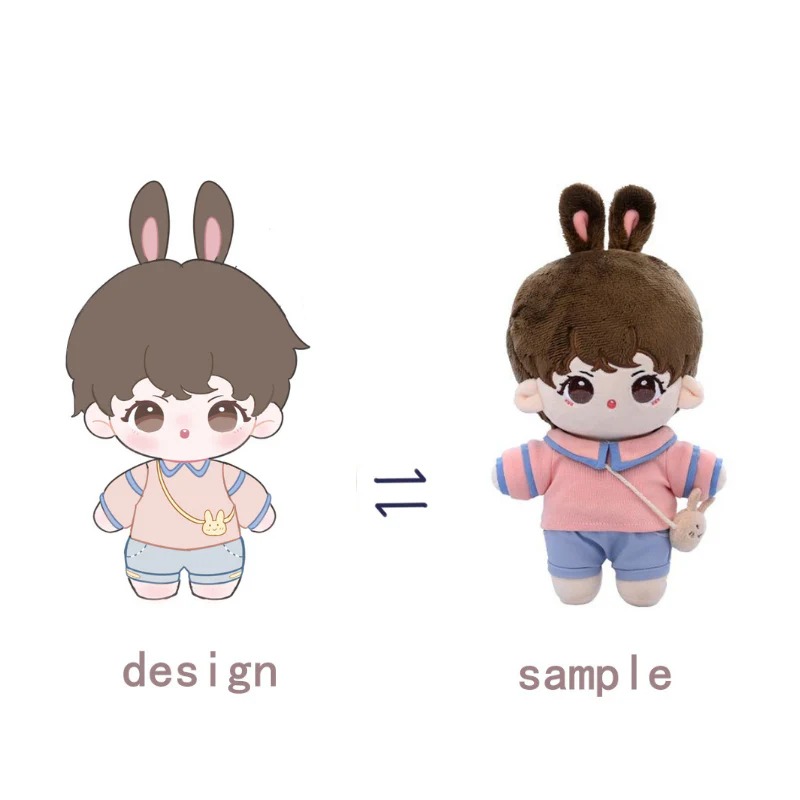
A stuffed animal starts with an idea. This could be a sketch from your brand’s design team, a 3D render, or even an existing character you want to bring to life. Good design makes your toy stand out and builds emotional connection with buyers.
Design work is not just about appearance. It also includes size, color, proportions, and how safe and durable the toy will be. In B2B projects, this is the stage to discuss your market needs, brand style, and budget with the factory.
Why prototyping matters
A prototype is the first real version of your toy. It’s made to test shape, materials, and details before bulk production. At Kinwin, we often adjust a prototype 2–3 times until it perfectly matches the customer’s vision.
What you can expect from a good factory
Clear 2D or 3D design mockups for approval
Material samples to choose texture and color
Pattern development based on the design
Hand-made prototype for review, photos, and video updates
Case example
A US children’s gift brand came to us with a sketch of a whimsical fox. We developed the pattern, selected a soft minky fabric, and created two prototypes—one for shape approval and one for final color. This process saved them from costly revisions during mass production.
Design & Prototyping table
| Step | Purpose | Risk if skipped | Prevention |
| Concept sketch | Define look & features | Confusion with supplier | Provide clear drawings |
| Pattern making | Accurate shapes | Misfit in assembly | Use skilled pattern makers |
| Material sampling | Confirm feel & color | Wrong texture or shade | Send swatches for approval |
| Prototype review | Test real version | Bulk defects | Approve before production |
2. Material Sourcing & Inspection
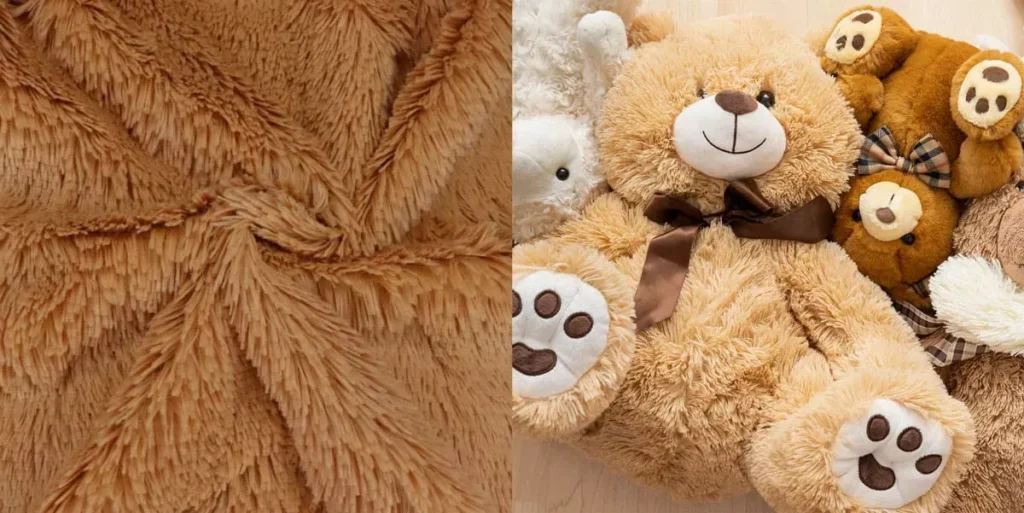
The feel, look, and durability of a stuffed animal depend heavily on its materials. Choosing the right fabric and filling is critical—not only for aesthetics, but for safety, production efficiency, and market compliance.
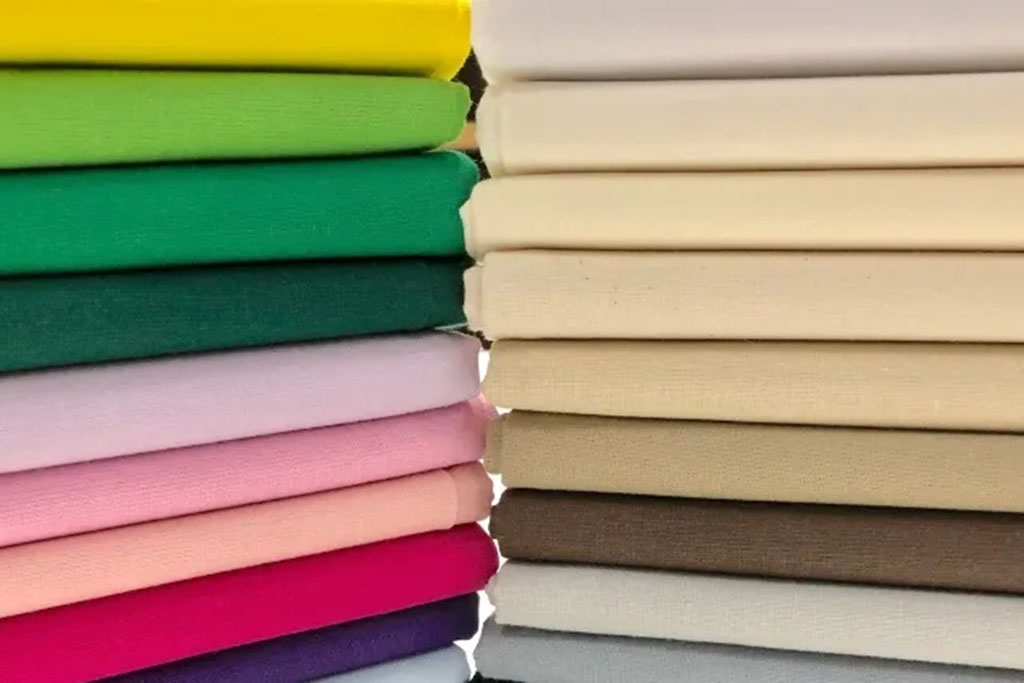
Common plush fabrics
Short pile velboa – smooth, cost-effective, good for detailed printing
Minky plush – soft, luxury feel, often used for baby toys
Faux fur – realistic animal textures, longer pile length
RPET plush – made from recycled plastic bottles, eco-friendly option
Common fillings
Polyester fiberfill – soft, lightweight, holds shape well
Beads / pellets – add weight and tactile feel
Foam – structured parts like heads or limbs in mascots
Inspection before production
A reliable factory checks incoming materials for:
Color accuracy – matches approved swatches
Pile length and softness – consistent texture across batches
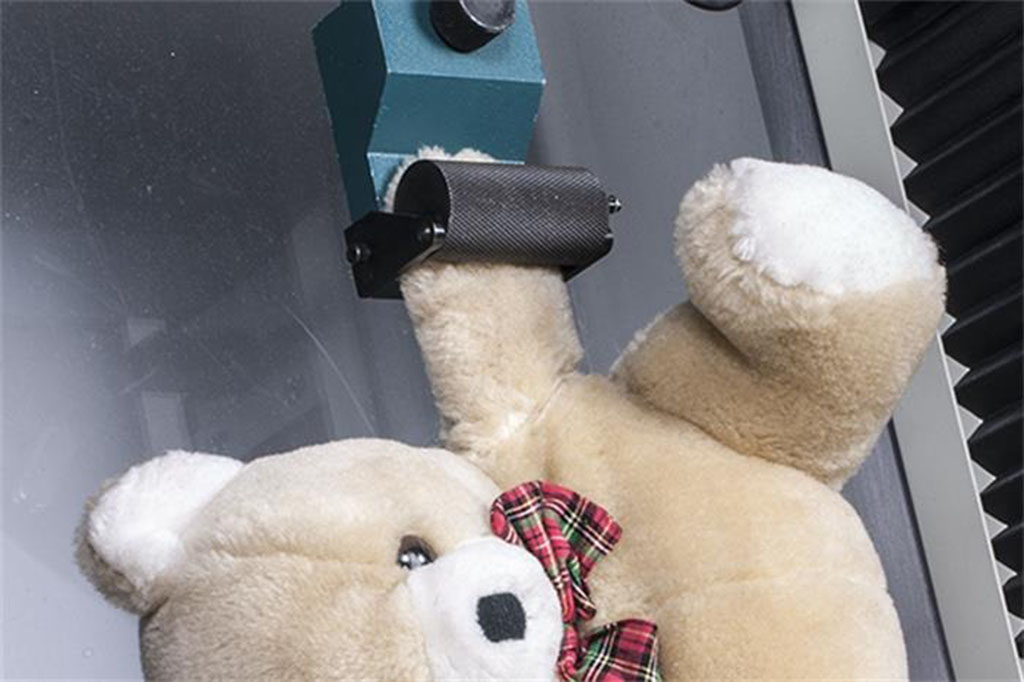
Tensile strength – fabric must resist tearing
Safety compliance – chemical and flammability tests if required
For a European eco-friendly brand, we sourced RPET plush with verified GRS certification. We tested it for softness and color stability before cutting, ensuring every toy met both environmental and safety standards.
| Step | Purpose | Risk if skipped | Prevention |
| Supplier selection | Reliable quality | Delayed or failed orders | Vet suppliers in advance |
| Color matching | Brand consistency | Off-brand look | Compare to Pantone swatches |
| Fabric testing | Durability & safety | Tears or defects | Lab test samples |
| Batch inspection | Consistency | Mixed quality in bulk | Inspect every delivery |
3. Cutting
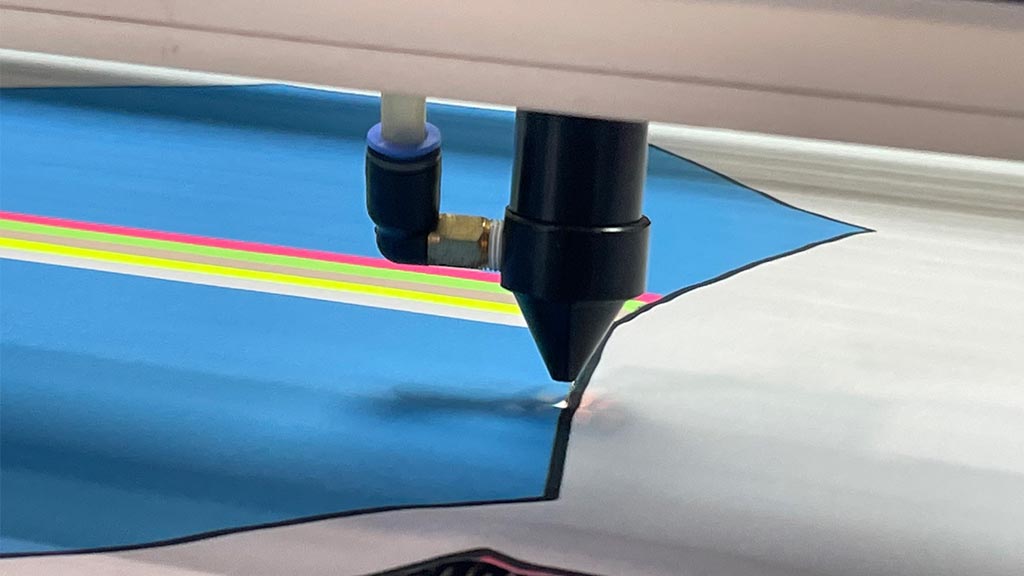
Once materials pass inspection, the next step is cutting—turning rolls of fabric into precise shapes that match your approved prototype. In plush toy manufacturing, cutting is more than just slicing fabric. It’s about precision, consistency, and preparing every piece so it fits perfectly during sewing.
Why accuracy matters
A difference of even 2–3 millimeters can affect symmetry. If one side of the body is slightly larger, stuffing will look uneven and the toy may tilt. Accurate cutting ensures smooth assembly and a professional final appearance.
Cutting methods
Manual cutting – Skilled workers lay out paper patterns on the fabric, align the pile direction, and cut each shape by hand. Flexible for complex shapes and small runs.
Die-cutting machines – Metal dies punch shapes quickly and uniformly, ideal for large runs.
Laser cutting – Used for small felt details or appliqués requiring precision.
Pile direction and grain
All pieces must have pile running in the same direction to avoid shading mismatches.
A European client wanted a luxury bear with even fur shine. We aligned pile direction perfectly so the fur looked smooth under any light, winning “Best New Plush” at a gift fair.
| Step | Purpose | Risk if ignored | Prevention |
| Pattern alignment | Correct size & shape | Misfit during sewing | Use marked templates |
| Pile direction check | Consistent look | Shading mismatch | Align before cutting |
| Mark embroidery points | Correct detail placement | Misplaced features | Use template marks |
| QC after cut | Detect defects early | Waste later | Inspect before sewing |
4. Sewing & Embroidery
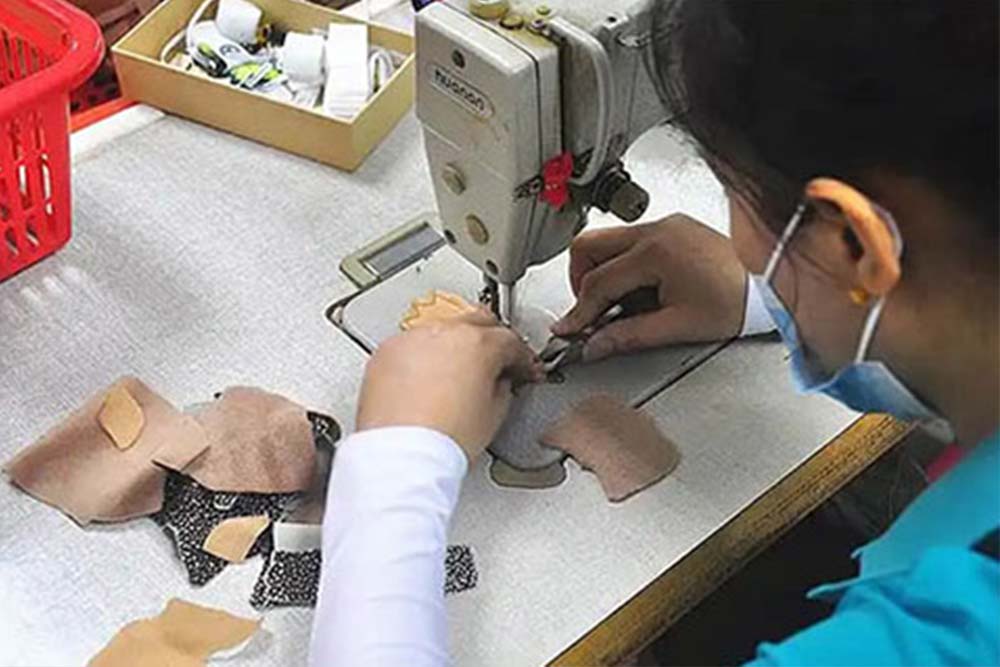
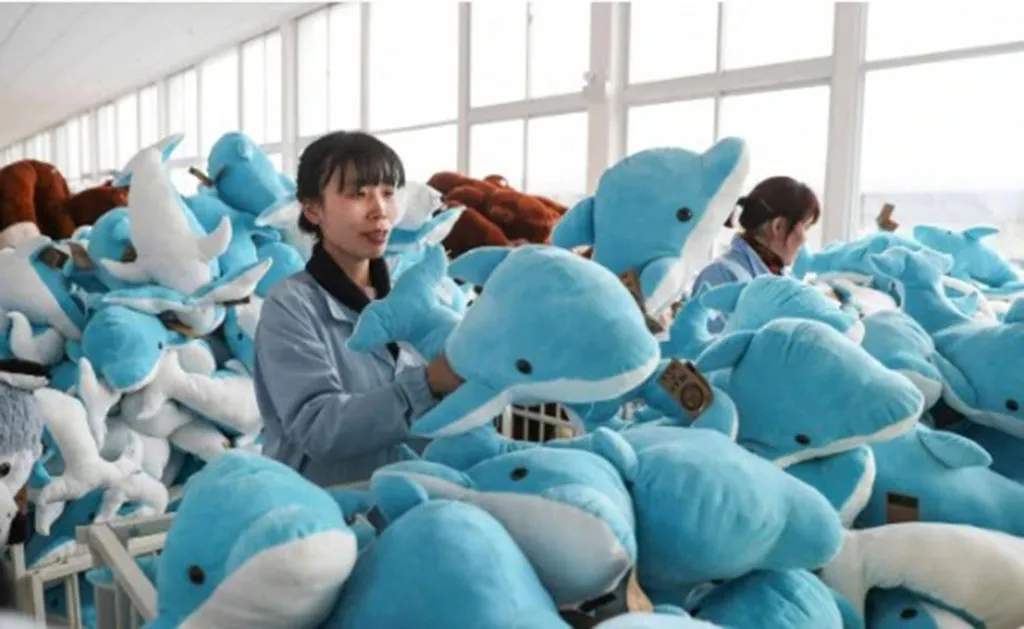
Sewing is where flat fabric shapes become a 3D stuffed animal. This stage combines craftsmanship and machinery. For B2B orders, consistent seam strength and neatness are critical—not just for appearance, but also for safety compliance.
Assembly sequence
Sew smaller parts first—ears, tails, arms—before the main body. This allows precise attachment and less handling of large pieces.
Sewing techniques
Double stitching – For stress points like necks and underarms.
Overlock stitching – To prevent fabric fraying.
Reinforced stitches – To meet toy safety standards.
Embroidery
Embroidery is used for facial features and branding. It’s safer than glued or plastic parts for children and highly durable.
A US retailer ordered 10,000 penguins with embroidered scarves. We digitized the logo, matched thread colors to Pantone, and achieved perfect consistency across all units.
| Step | Purpose | Risk if ignored | Prevention |
| Double stitching | Strength & safety | Burst seams | Strong thread, two passes |
| Embroidery digitizing | Accuracy | Distorted design | Test on sample fabric |
| Color match | Branding consistency | Off-brand look | Use Pantone swatches |
| Trim loose threads | Clean finish | Poor appearance | Final thread check |
5. Stuffing & Shaping
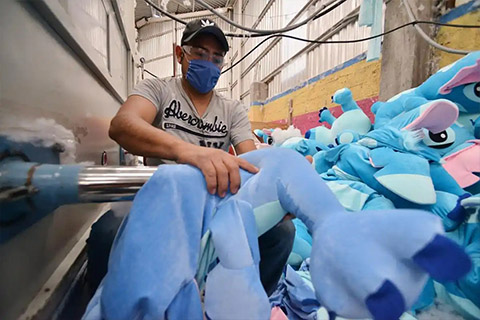
Stuffing gives the toy its life—its softness, volume, and final feel.
Types of stuffing
Polyester fiberfill – Soft, light, and hypoallergenic.
Beads/pellets – Add weight for tactile appeal.
Foam inserts – Keep structure in large or shaped parts.
Stuffing methods
Machine stuffing – Fast, even filling for large runs.
Hand stuffing – Precision in small or delicate areas.
For a Japanese “comfort bear” project, we mixed fiberfill with bead pouches for softness plus comforting weight, meeting both tactile and aesthetic goals.
| Factor | Goal | Risk if incorrect | QC method |
| Fill amount | Maintain design | Deformation | Weigh samples |
| Distribution | Even softness | Lumps | Manual adjustment |
| Material type | Brand feel | Wrong texture | Pre-approved samples |
| Closure stitching | Secure fill | Leakage | Reinforced hidden stitch |
6. Quality Inspection, Packaging & Shipping
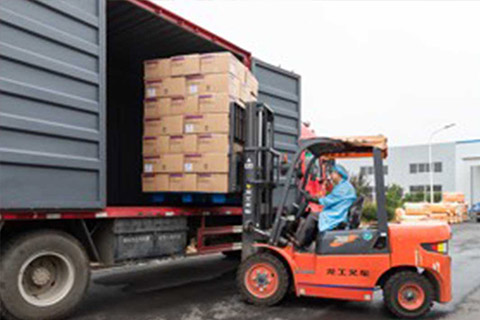
Final checks ensure every toy reaches customers in perfect condition.
Inspection points
Stitch strength and seam alignment
Color, embroidery, and shape match prototype
Pass CE, ASTM, and local safety standards
Size and weight meet specs
Packaging
Polybag – Basic dust protection for bulk
Custom boxes – For retail-ready products
Vacuum pack – For space-saving in large plush
For a Middle Eastern e-commerce brand, we inspected 15,000 plush camels, packed them in polybags inside cartons, and shipped part by sea, part by air to meet launch deadlines.
| Step | Purpose | Risk if skipped | Prevention |
| Final inspection | Catch defects | Returns, bad reviews | QC checklist |
| Protective packaging | Avoid transit damage | Dust, scratches | Polybag or box |
| Label accuracy | Smooth logistics | Wrong shipments | Cross-check labels |
| Shipping plan | Meet sales deadlines | Missed launch | Split air/sea shipment |
From sketch to shipment, making a stuffed animal combines creativity, engineering, and strict quality control. Partnering with Kinwin means your plush toys are designed, produced, and delivered with care—meeting safety standards, brand goals, and market demands.
Contact Kinwin today at [email protected] or visit https://kinwintoys.com/ to turn your plush toy idea into a market-ready product—on time, on budget, and with world-class quality.