Skip to content
Crocheting a stuffed animal, often called amigurumi, is both creative and practical. With the right materials, stitches, and finishing techniques, you can make professional-quality toys that are safe, durable, and full of personality.
Crocheting a stuffed animal requires careful material choices, basic crochet knowledge, and attention to details. By learning the right tools, stitches, shaping methods, and assembly techniques, you can create toys that meet both safety and quality standards. This guide walks you step by step from selecting yarn and hooks to finishing a plush animal professionally.
Transition: Let’s begin by looking at the tools and materials you’ll need.
1. What Essential Tools and Materials Are Needed to Crochet a Stuffed Animal?
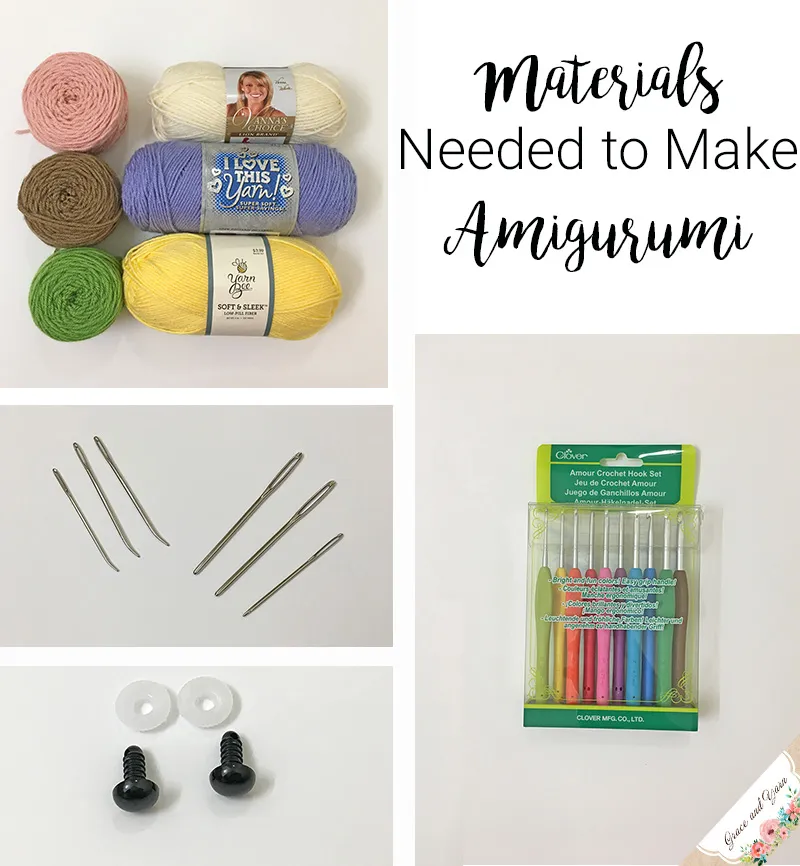
Creating a crochet stuffed animal begins with assembling the right toolkit. Without the correct items, even the best technique will not deliver consistent results. For professional-quality outcomes, every material must be chosen with safety, comfort, and durability in mind.
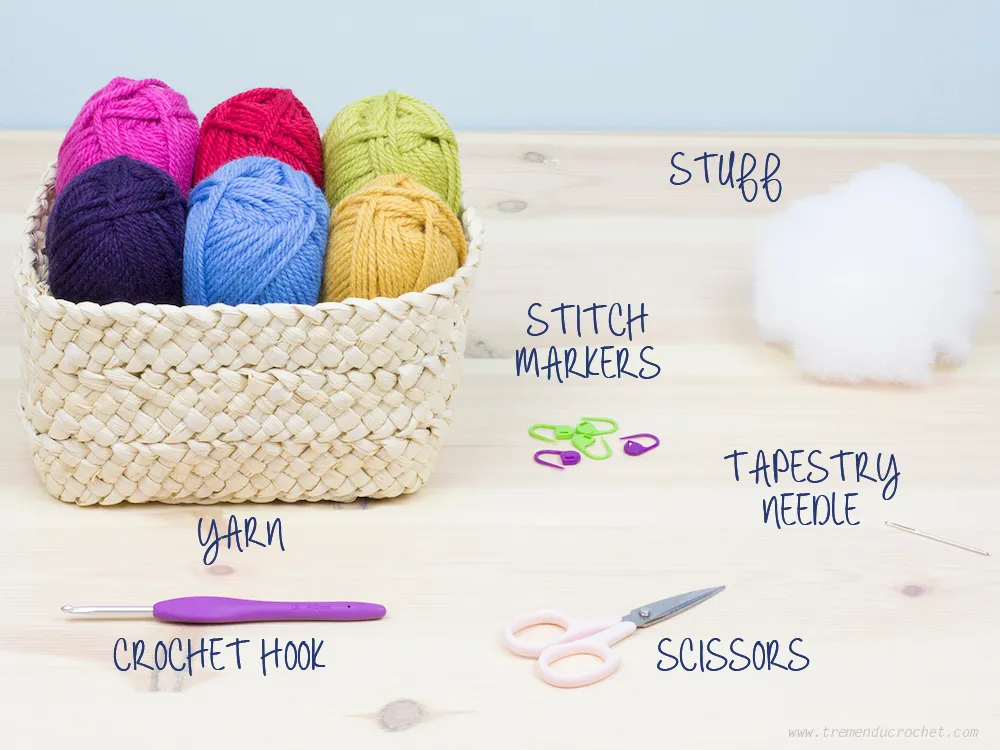
To crochet a stuffed animal, you will need: yarn, crochet hooks, stuffing materials, stitch markers, tapestry needles, and safety accessories like plastic eyes or embroidered details. These tools ensure smooth progress and allow you to control shaping, stuffing, and finishing. Selecting the right materials early prevents mistakes and guarantees durability.
When preparing your toolkit, pay close attention to small details. For example, using locking stitch markers can help track rounds in amigurumi. Tapestry needles with blunt tips allow safe weaving without splitting yarn. Choosing safety eyes tested for children’s toys ensures compliance with standards like CE and ASTM. Each choice contributes to toy quality and safety.
| Tool/Material | Purpose | Professional Tip |
| Yarn | Main body of the stuffed animal | Use durable, washable fibers like cotton or acrylic |
| Crochet hook | Shapes the stitches | Choose ergonomic handles for long projects |
| Stuffing (fiberfill) | Provides softness and structure | Always stuff evenly to avoid bumps |
| Stitch markers | Track stitches and rounds | Use locking markers that won’t fall off |
| Tapestry needle | For sewing pieces together | Blunt tip avoids yarn splitting |
| Safety eyes/nose | Adds features safely | For under-3 toys, use embroidery instead of plastic |
This toolkit ensures you can begin any amigurumi project with confidence and efficiency.
2. How to Choose the Right Yarn Type, Hook Size, and Filling Material?
The success of a crochet stuffed animal depends heavily on matching yarn, hook, and filling material. If these three elements are unbalanced, toys may lose shape, appear uneven, or fail safety checks.
The best yarn types for stuffed animals are cotton, acrylic, and blends that combine softness with durability. Hook size should match yarn weight to ensure tight stitches that prevent stuffing leakage. Filling material, such as polyester fiberfill or eco-friendly alternatives, determines softness and long-term durability.
Cotton yarn is ideal for baby-safe toys because it is hypoallergenic and washable. Acrylic yarn provides vibrant colors and cost efficiency, while blended yarns combine multiple advantages. Hook size should generally be smaller than recommended on yarn labels, ensuring denser stitches. For stuffing, polyester fiberfill (PP cotton) remains the industry standard, but eco-friendly options like RPET fiber are increasingly popular among global buyers.
| Component | Options | Professional Advice |
| Yarn type | Cotton, Acrylic, Blends | Cotton = safe & washable; Acrylic = bright & affordable; Blends = balance |
| Hook size | 2.0mm–4.0mm (for amigurumi) | Always choose smaller hook than yarn label suggests |
| Filling | Polyester fiberfill, RPET, Cotton | Polyester = soft & standard; RPET = eco-friendly; Cotton = natural feel |
Choosing the right combination of yarn, hook, and filling ensures your stuffed animals look consistent, feel soft, and meet safety expectations.
3. What Are the Fundamental Crochet Stitches Used in Amigurumi?
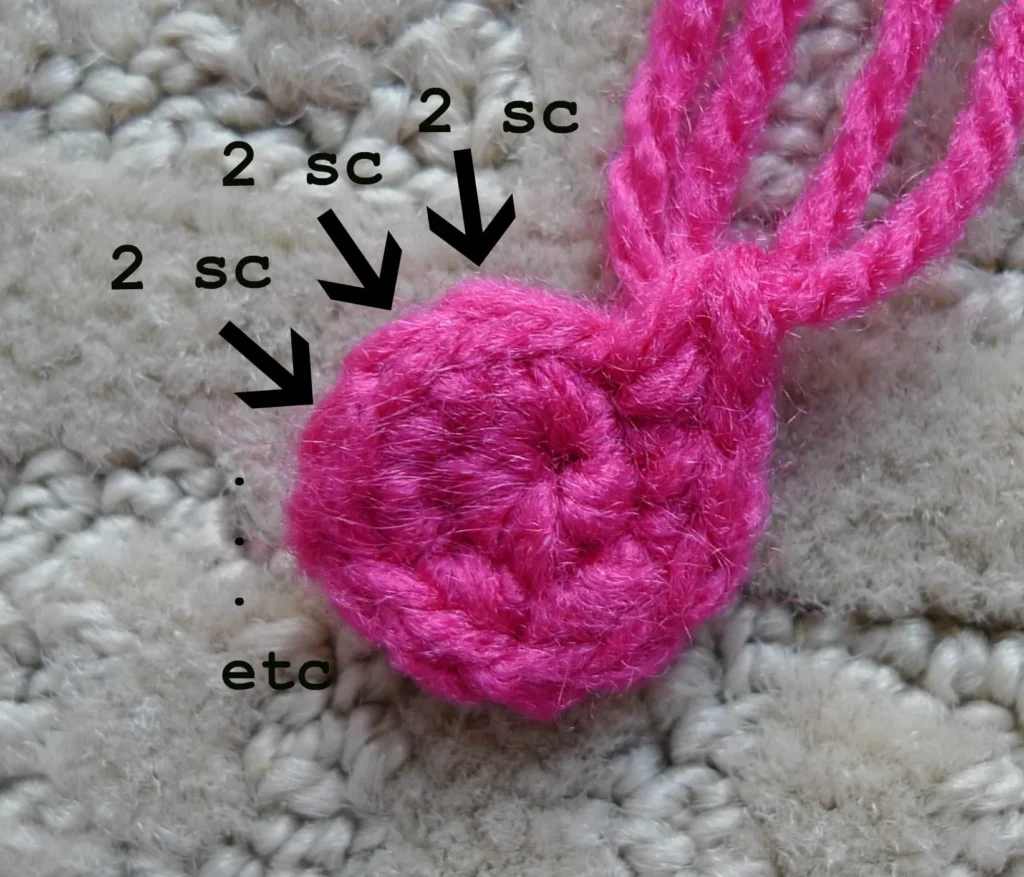
Mastering a few basic stitches is enough to create most crochet stuffed animals. Unlike complex crochet projects, amigurumi relies on simple, repetitive stitches that produce tight and neat fabric.
The main stitches for stuffed animals are chain stitch (ch), slip stitch (sl st), single crochet (sc), increase (inc), and decrease (dec). These stitches allow you to shape rounds, create curves, and maintain symmetry. Consistency in tension is more important than variety of stitches.
Most amigurumi patterns begin with a magic ring (adjustable loop) and continue in single crochet rounds. Increasing stitches widens the shape, while decreasing stitches narrows it. Slip stitches help close rounds cleanly, and chain stitches are used sparingly, often for small details. Maintaining even tension is key to preventing visible gaps where stuffing could leak.
| Stitch Type | Abbreviation | Function in Amigurumi |
| Chain stitch | ch | Starts projects or adds small details |
| Slip stitch | sl st | Joins rounds and provides finishing edges |
| Single crochet | sc | Core stitch forming dense, tight fabric |
| Increase | inc | Expands rounds to create width |
| Decrease | dec | Narrows rounds to shape body parts |
By focusing on these stitches, beginners and professionals alike can achieve professional results with minimal complexity.
4. How to Read and Follow Crochet Patterns for Stuffed Animals?
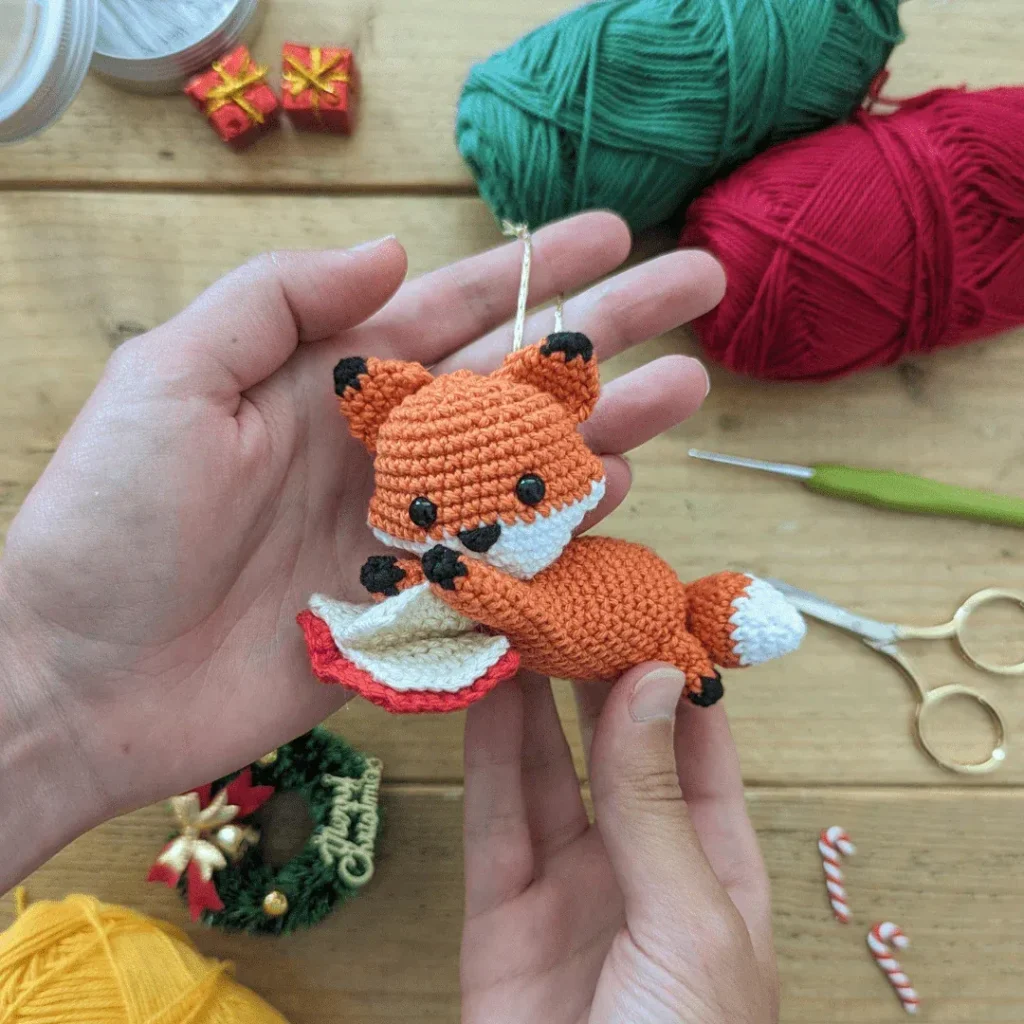
Reading patterns correctly is critical to success in crocheting stuffed animals. A misunderstanding in abbreviations or stitch counts can distort shapes and waste hours of work.
Crochet patterns use abbreviations, symbols, and instructions in rounds. Understanding common terms like sc (single crochet), inc (increase), and dec (decrease) is essential. Patterns often include numbers in parentheses that indicate stitch counts after each round. Accurate tracking ensures proper shaping.
Patterns may also include diagrams, especially for advanced designs. For amigurumi, working in continuous rounds without joining is standard. Many makers use a stitch marker to track the start of each round. Counting stitches carefully prevents uneven shapes. Always check whether a pattern is written in US or UK terms, as abbreviations can differ.
| Symbol/Term | Meaning | Example Usage |
| sc | Single crochet | “6 sc in MR” = 6 single crochet in magic ring |
| inc | Increase (2 sc in one stitch) | “inc” = expand round by 1 stitch |
| dec | Decrease (combine 2 stitches) | “dec” = reduce round by 1 stitch |
| MR | Magic ring | Starting method for most amigurumi |
By learning how to read patterns, you gain the ability to follow designs accurately or adapt them to your own creative ideas.
5. What Techniques Ensure Even Shaping and Secure Stitching?
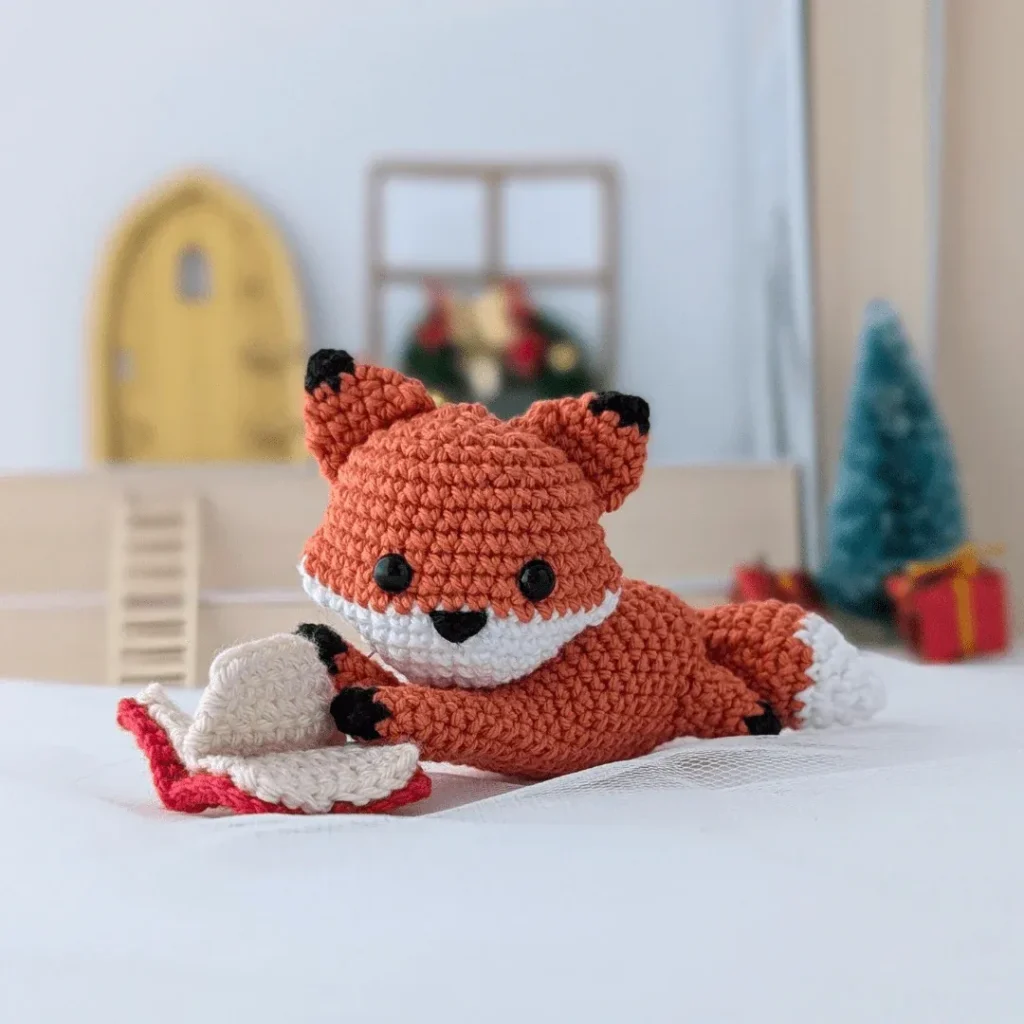
One of the challenges in crocheting stuffed animals is keeping shapes symmetrical and ensuring they can withstand long-term use. Uneven tension or loose stitches can ruin both appearance and durability.
To achieve even shaping, always maintain consistent stitch tension, count stitches regularly, and use stitch markers to guide progress. Secure stitching involves weaving in yarn ends properly and reinforcing seams between parts. Both techniques guarantee stuffed animals that are durable, safe, and visually appealing.
Even shaping often comes down to practice. Beginners may struggle with uneven tension, but checking work every few rounds prevents problems. When attaching parts like arms or ears, use the ladder stitch method for strong, nearly invisible seams. Reinforce stress points such as joints by double-knotting yarn securely inside the toy. This ensures safety for children, meeting global standards like ASTM F963 and EN71.
| Technique | Purpose | Professional Tip |
| Stitch markers | Track rounds | Place at round start to avoid miscounts |
| Counting stitches | Maintain symmetry | Record counts in a notebook if needed |
| Ladder stitch | Attach pieces invisibly | Creates seamless joins between body parts |
| Reinforcing ends | Prevent unraveling | Knot inside toy and hide securely in stuffing |
These techniques make the difference between an amateur project and a professional-quality toy.
6. How to Assemble, Stuff, and Finish a Crochet Stuffed Animal Professionally?
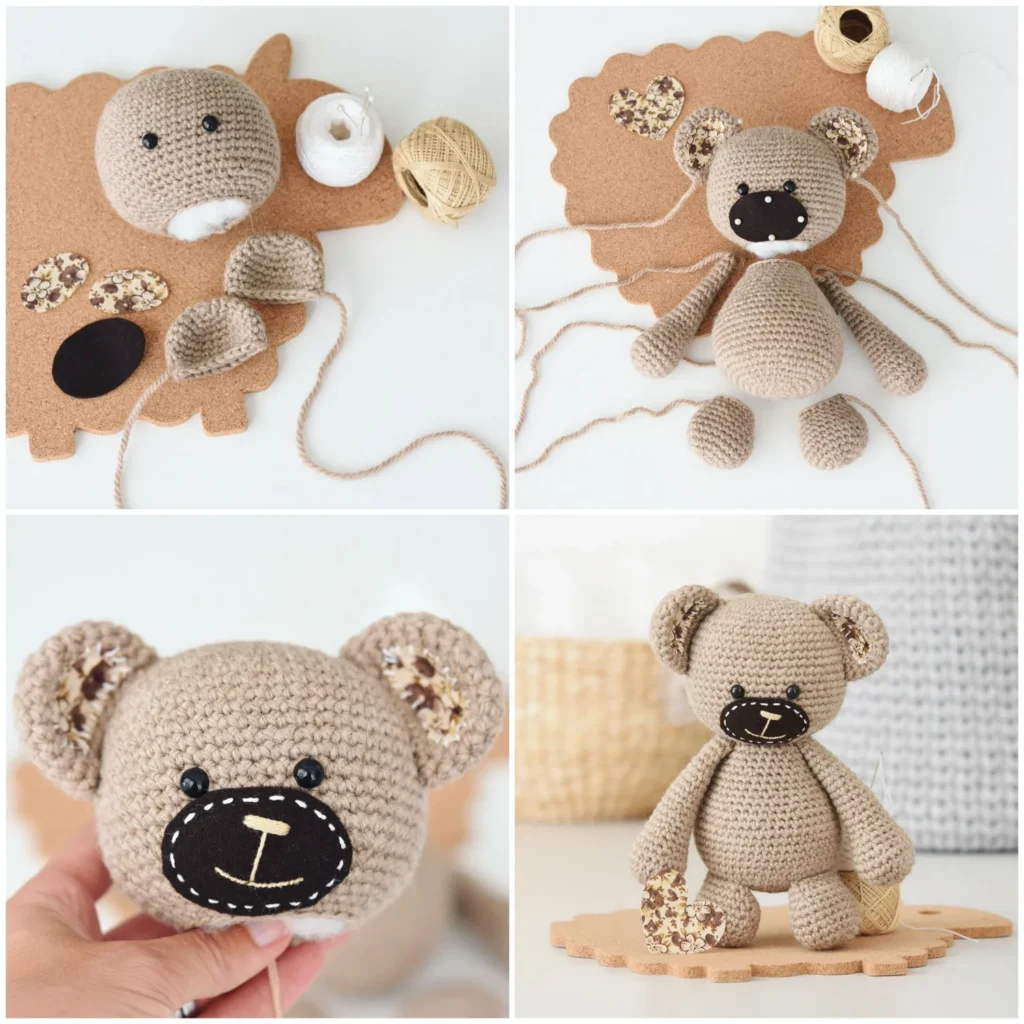
The final step of creating a stuffed animal determines its overall quality. Assembly and finishing require patience and attention to detail, as rushed work can undo hours of effort.
Professional assembly involves sewing parts together symmetrically, stuffing gradually for even shape, and closing seams securely. Adding finishing details, like embroidered features or safe plastic eyes, elevates the toy’s appeal. Careful finishing ensures durability, child safety, and a polished final look.
When stuffing, add small amounts at a time to avoid lumps. Always overstuff slightly, as filling compresses during use. When sewing parts together, pin them in place before stitching to check symmetry. For finishing, embroidery is the safest option for baby toys, while plastic safety eyes are acceptable for older children. Finally, check the toy for loose threads, uneven stuffing, or insecure seams before packaging.
| Step | Description | Professional Advice |
| Stuffing | Add filling gradually | Overstuff slightly for lasting firmness |
| Assembly | Attach limbs, ears, tails | Pin in place before stitching |
| Finishing | Embroider or add safety features | Use embroidery for 0–3 years, safety eyes for older kids |
| Final inspection | Check shape, seams, threads | Ensure compliance with CE and ASTM standards |
By focusing on professional finishing, you create toys that meet customer expectations and pass international safety checks.
Crocheting a stuffed animal is more than a craft—it’s a way to create safe, high-quality toys with personal or commercial value. By following the right methods for tools, materials, stitches, shaping, and finishing, you can achieve results that satisfy both creativity and safety requirements.
At Kinwin, we support global buyers with professional guidance, reliable production, and safe, customizable plush toys. If you are planning to expand your product line with handmade or factory-produced stuffed animals, reach out to us today. Together, we can bring your ideas to life with quality you can trust.
Contact us now at Kinwin Toys or email [email protected] to start your custom project.