
Why Risk Control Is More Important Than Price
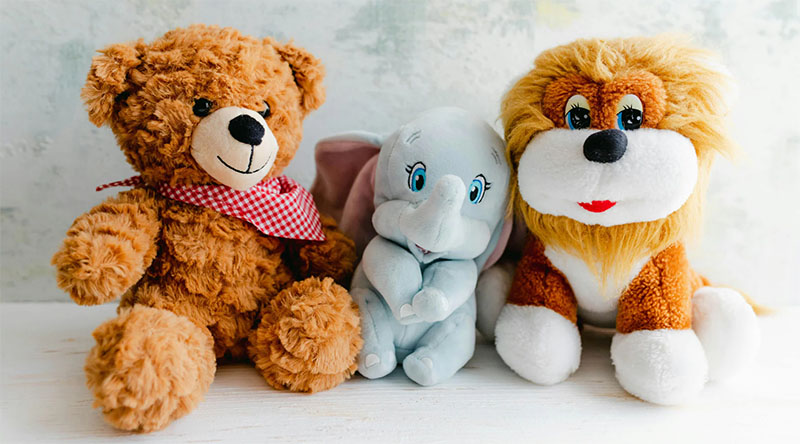
Learn why risk control is more important than price in plush manufacturing, including sampling, materials, compliance, QC, packaging, delivery, and brand protection.
Quality-First Plush Manufacturing vs Price-First
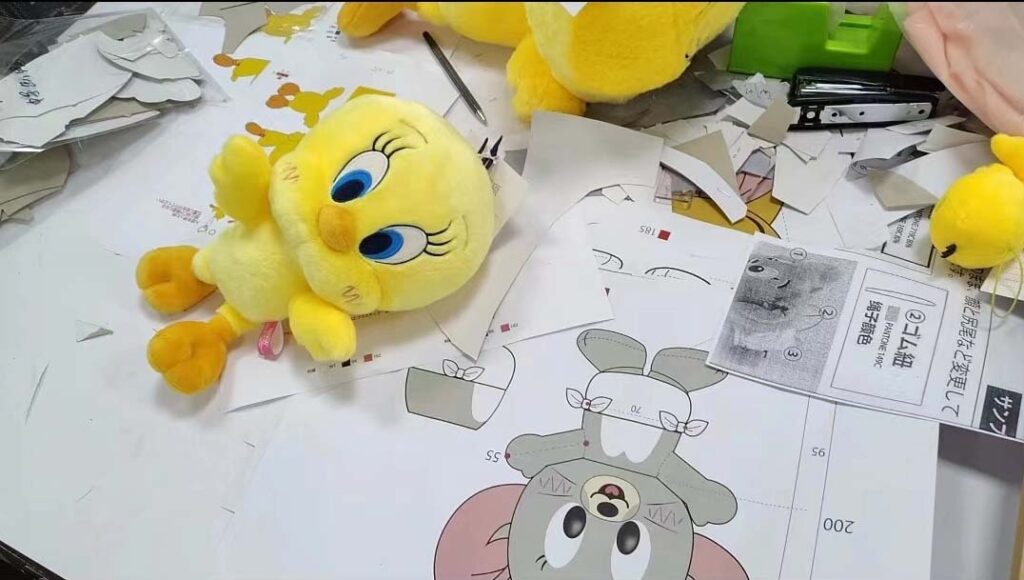
Compare quality-first plush manufacturing with price-first sourcing, including sampling, materials, labor, QC, compliance, packaging, landed cost, and long-term brand risk.
Plush Toy Pre-Shipment Inspection Process
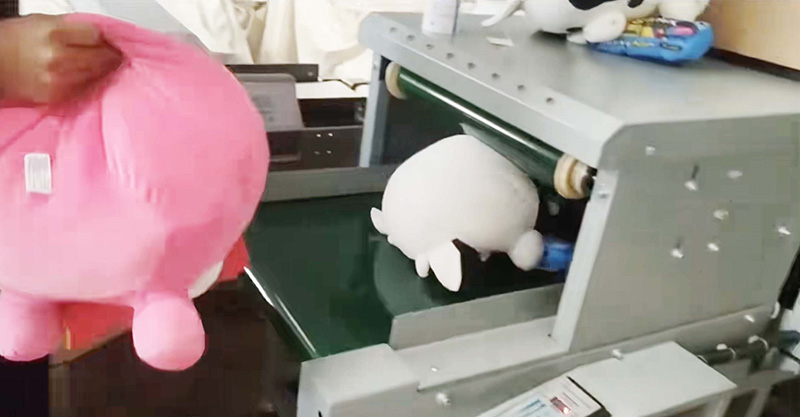
Learn how a plush toy pre-shipment inspection process checks samples, workmanship, safety, needle detection, packaging, AQL results, and shipment release before goods leave the factory.
Pull Test Requirements for Plush Toys
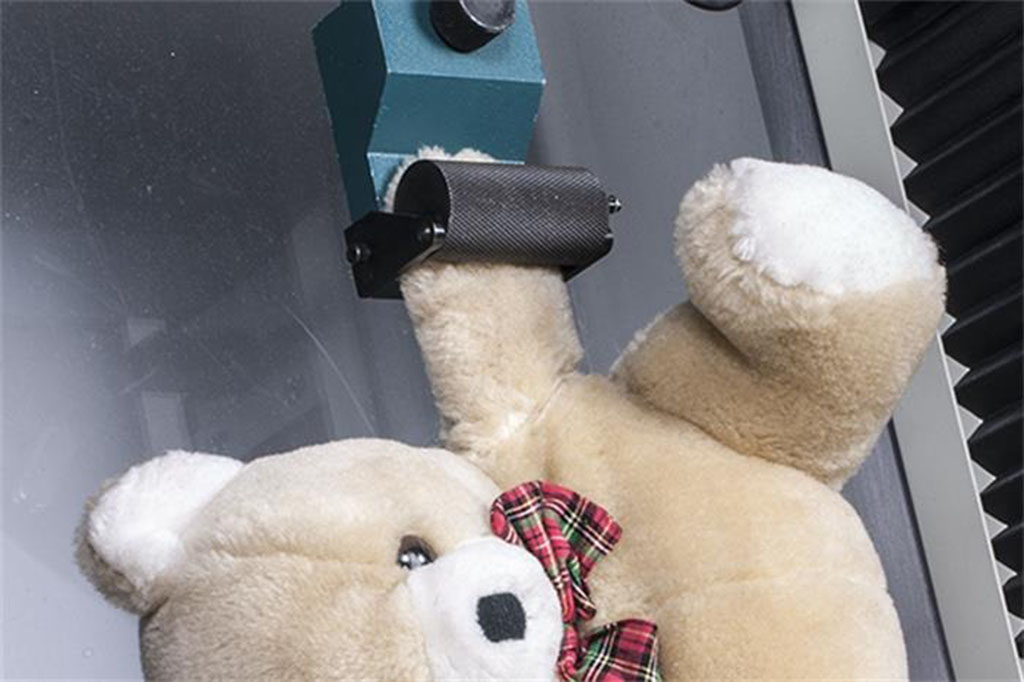
Learn pull test requirements for plush toys, including age grade, market standards, small parts risk, component attachment, production control, and lab testing coordination.
How Process Control Improves Plush Consistency
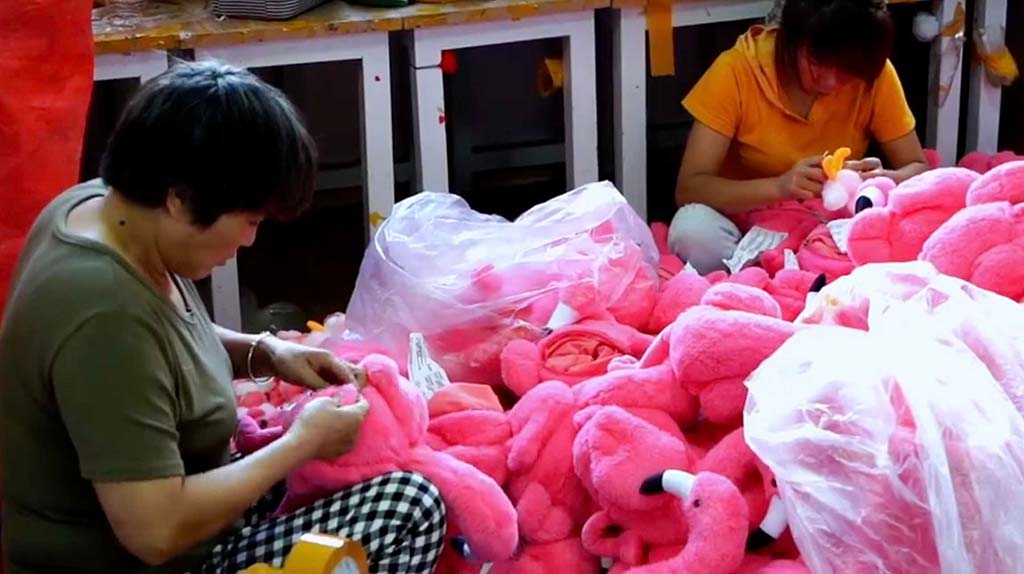
Learn how process control improves plush consistency through approved samples, material control, cutting discipline, sewing standards, stuffing control, QC, and packaging management.
Why High Replication Accuracy Matters
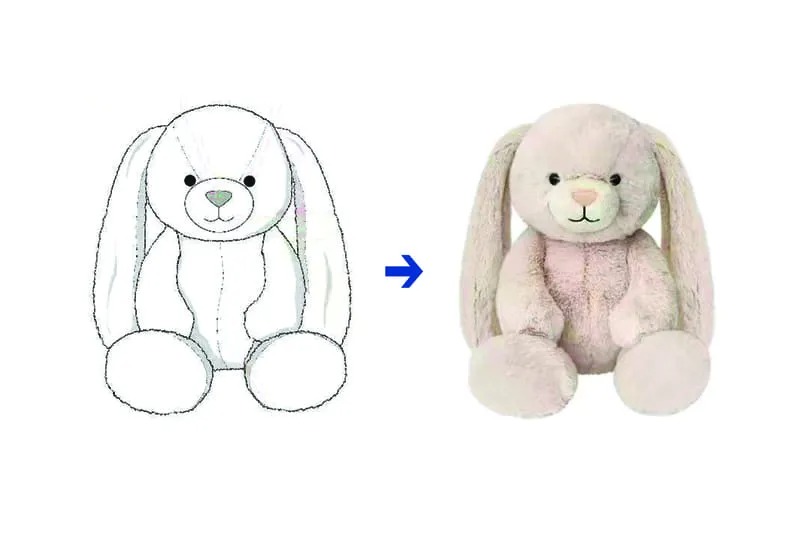
Learn why high replication accuracy matters in custom plush manufacturing and how factories control sample matching, shape, material, QC, and repeat order consistency.
How to Manage Color Consistency in Plush Toys
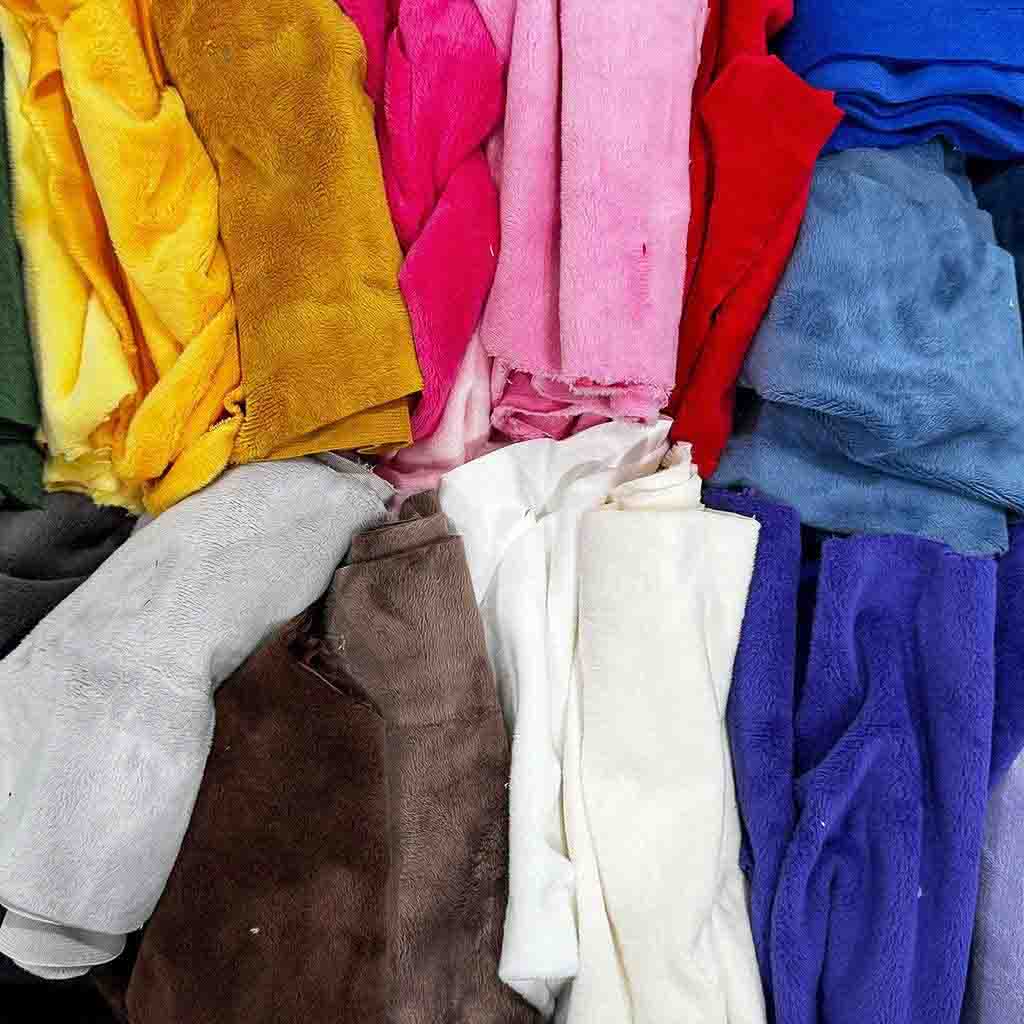
Learn how plush toy factories manage color consistency through color standards, fabric swatches, approved samples, batch control, pile direction, inspection, and repeat-order records.
How to Ensure Plush Toy Shape Stability

Learn how professional plush toy factories ensure shape stability through pattern design, fabric selection, sewing control, stuffing methods, inspection, packaging, and recovery testing.
How Quality Systems Protect Plush Brands
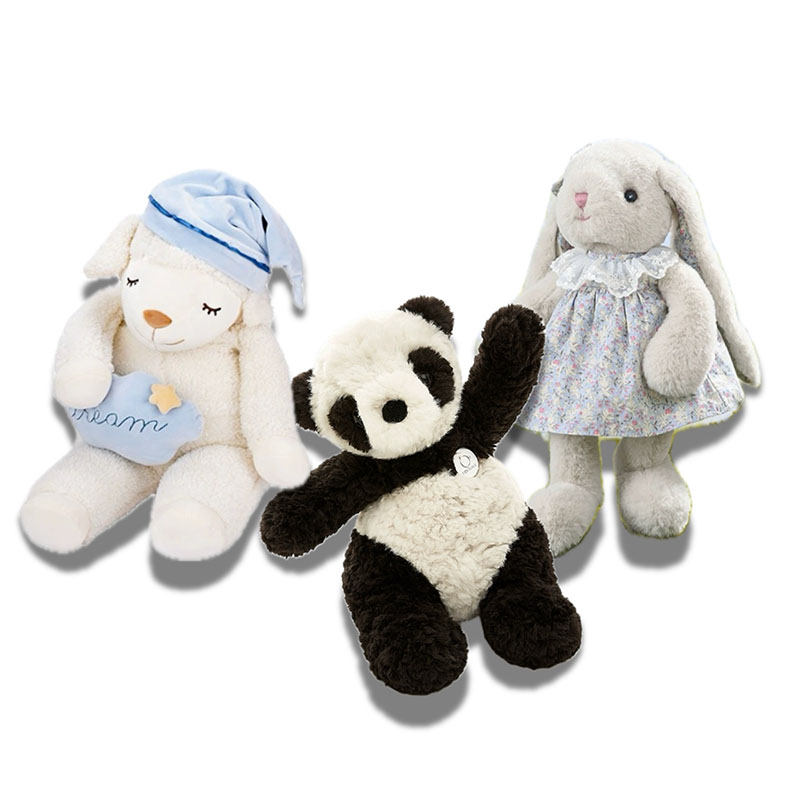
Learn how plush toy quality systems protect brands through material control, approved samples, in-process inspection, safety testing, compliance records, and shipment checks.
How We Handle Plush Quality Issues
Learn how Kinwin handles plush quality issues through inspection, isolation, root cause analysis, rework, buyer communication, corrective action, and prevention.