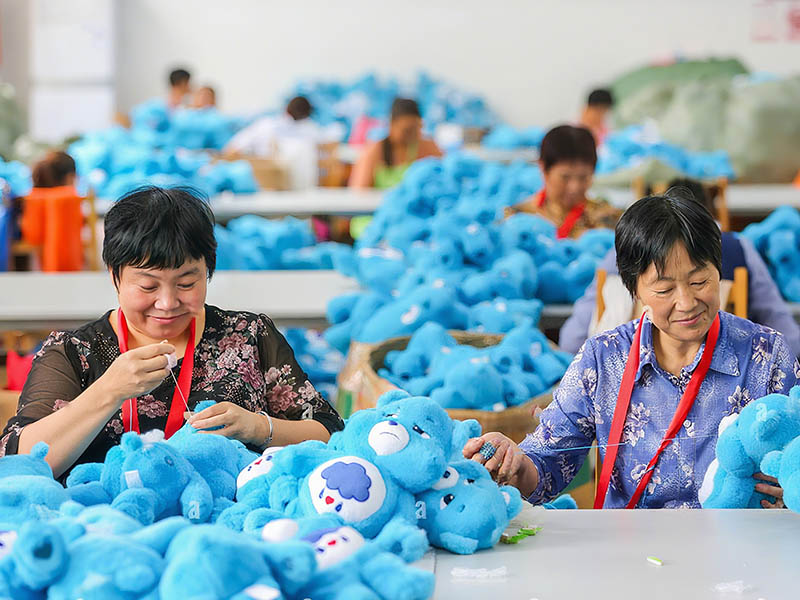
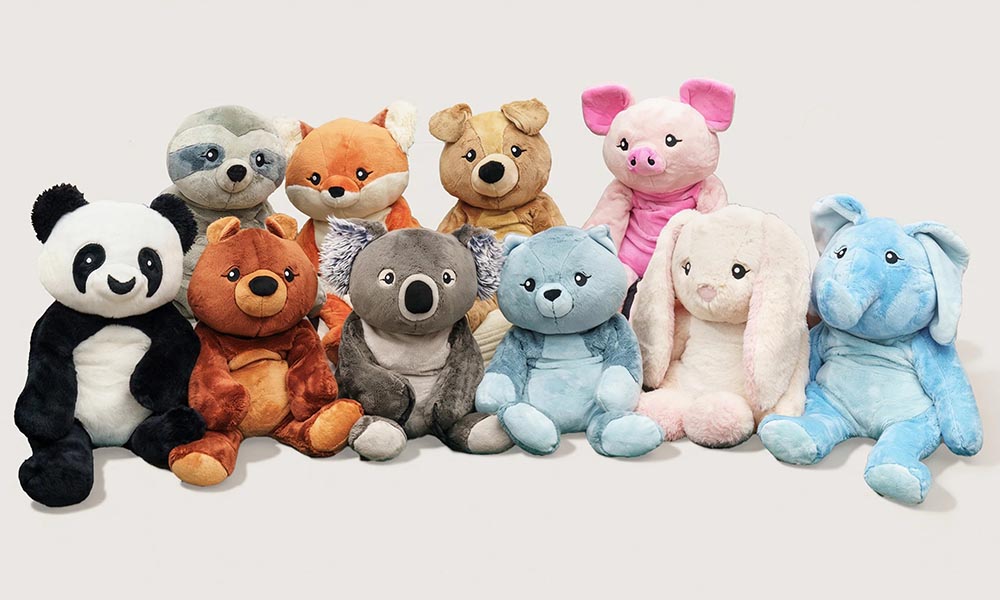
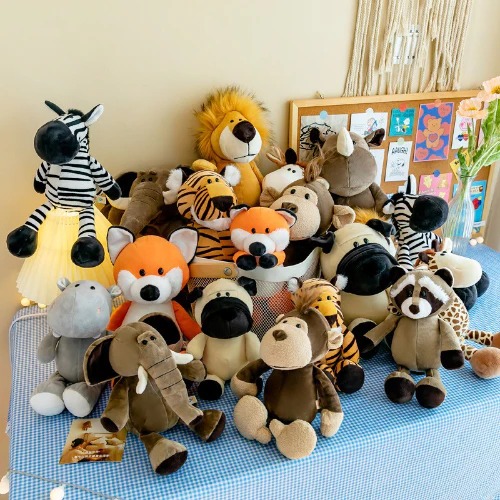
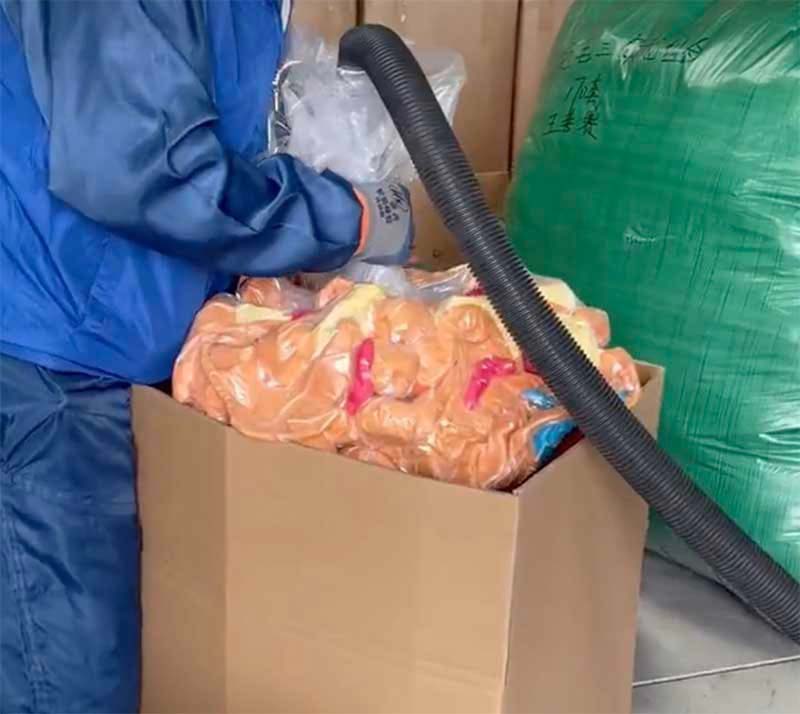
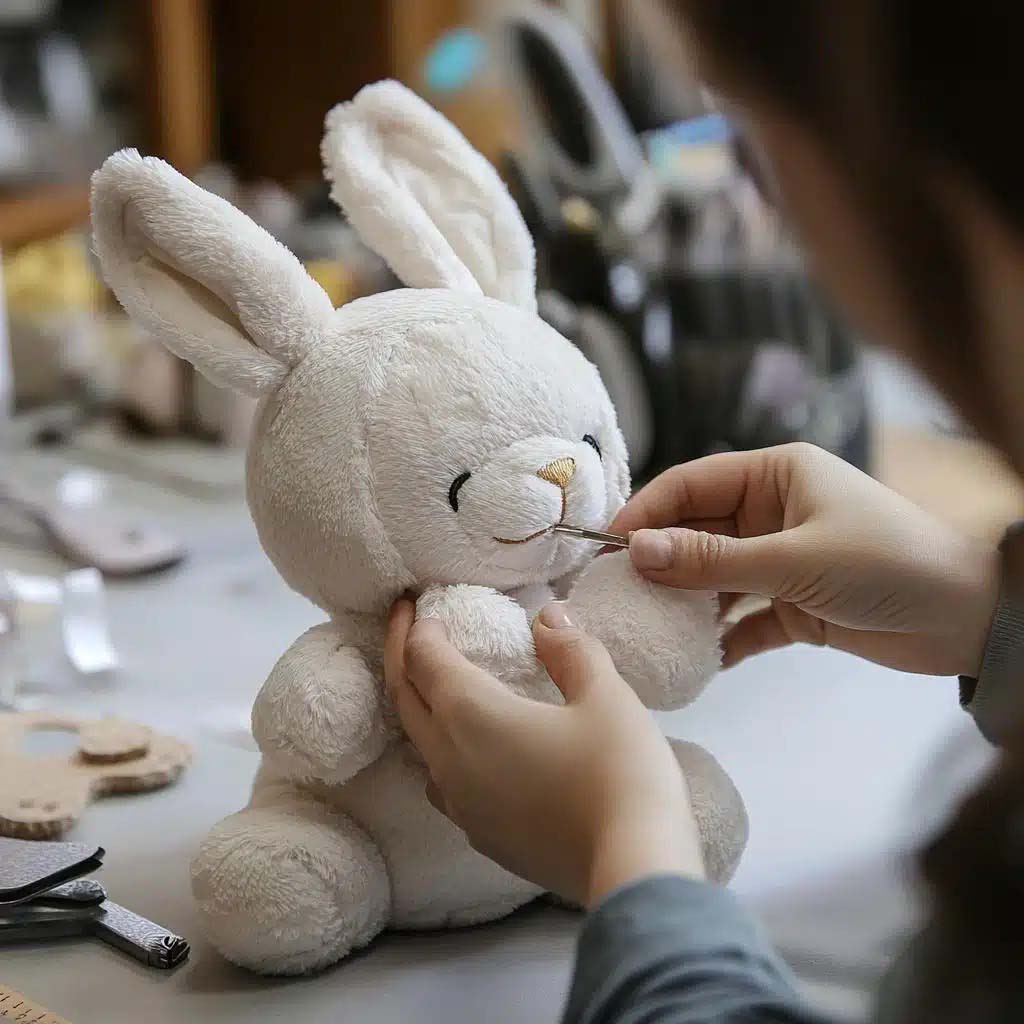
For a plush brand, quality is not only about whether a toy looks good when it leaves the factory. It is about protecting the brand promise behind every order. A plush toy may represent a licensed character, a retail collection, a corporate mascot, a promotional campaign, or a product line that customers will judge by appearance, safety, softness, durability, and consistency.
When quality is handled only at the final inspection stage, the brand is already exposed to unnecessary risk. Fabric may have been purchased incorrectly, embroidery may have drifted from the approved sample, seams may be weak, stuffing may be inconsistent, packaging may be wrong, or compliance documents may be incomplete. By the time these problems are discovered, fixing them can cost time, money, and customer trust.
A quality system protects plush brands by controlling the order from the beginning. It defines standards, records approvals, checks materials, monitors production, tests safety-related details, manages corrective actions, and confirms shipment readiness. This is especially important for B2B buyers who must protect their own customers and market reputation.
This guide explains how professional plush toy quality systems protect brands and what buyers should look for when choosing a factory for custom plush production.
Why Plush Brands Need More Than Final Inspection
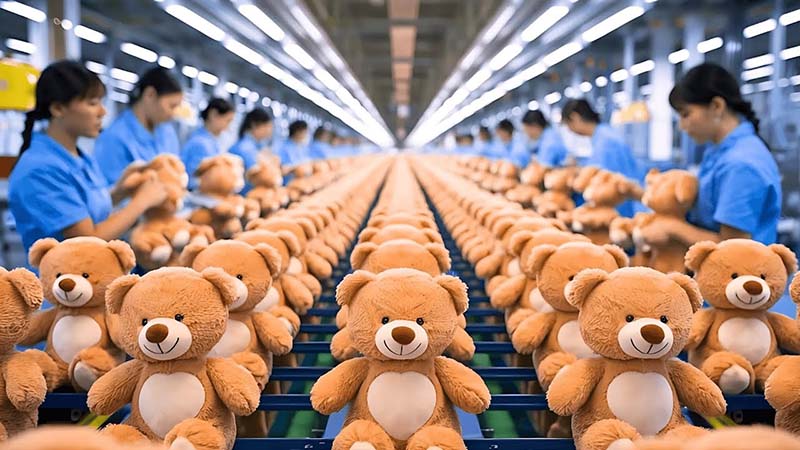
Final inspection is important, but it cannot carry the entire quality responsibility. If quality control starts only when finished toys are packed, many problems have already become expensive. A defective embroidery batch, wrong fabric direction, incorrect label, or weak seam may require sorting, repair, delay, or remake.
Plush products are built through many connected steps. Material choice affects hand feel and color. Cutting affects shape. Embroidery and printing affect character likeness. Sewing affects durability and symmetry. Stuffing affects softness and presentation. Packing affects how the product arrives. A good quality system controls these steps before they become final-product defects.
For brands, this is not only a factory-side issue. Quality failures can lead to customer complaints, retail returns, delayed launches, failed inspections, and damage to brand trust. A professional factory understands that brand protection begins long before shipment.
| Quality Risk | If Found Too Late | System Control |
|---|---|---|
| Wrong fabric | Bulk remake or buyer rejection | Incoming material approval |
| Embroidery drift | Character inconsistency | Pre-production and line checks |
| Weak seams | Safety and durability complaints | Process inspection and pull checks |
| Wrong packaging | Retail or warehouse problems | Packing standard confirmation |
The purpose of a quality system is prevention, not only detection.
How Material Control Protects Product Consistency
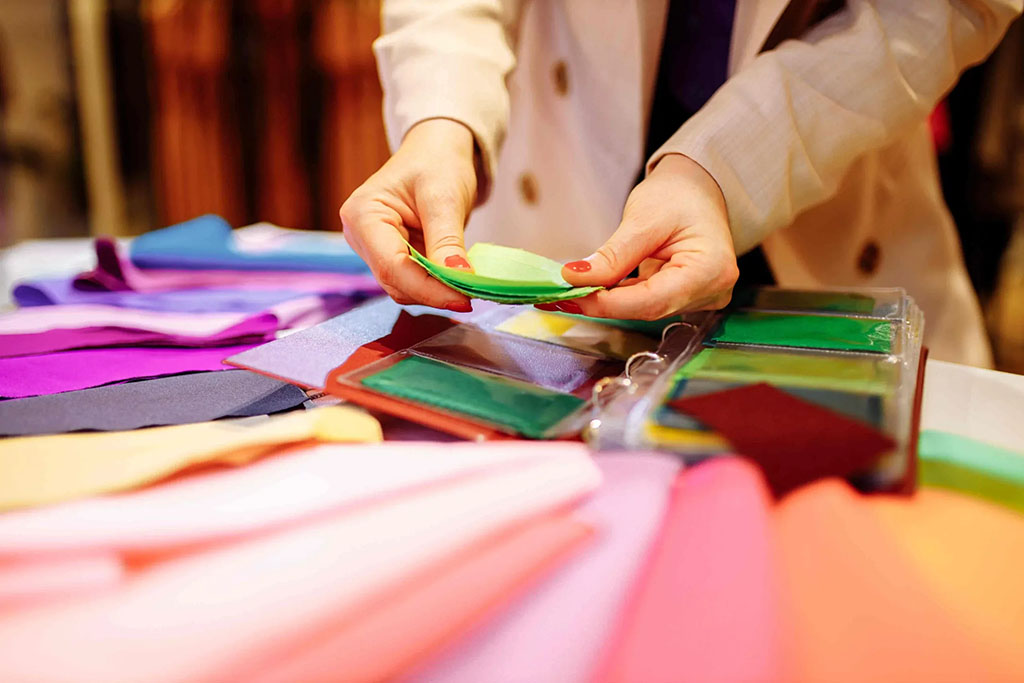
Material control is one of the first layers of brand protection. Plush toys depend heavily on fabric texture, pile length, color, filling, accessories, labels, and decorative parts. If these inputs change without approval, the final product may look and feel different from the approved sample.
A professional quality system confirms material details before bulk production. This can include fabric codes, color references, filling type, accessory specifications, label artwork, and packaging materials. When materials arrive at the factory, they should be checked against the approved standard before cutting begins.
For brands with repeat orders, material control becomes even more important. A fabric supplier may change batch shade, texture, or availability over time. Experienced factories confirm whether the new material still matches the original benchmark and communicate any difference before production.
| Material Item | Control Method | Brand Risk Reduced |
|---|---|---|
| Fabric | Check color, pile, hand feel, and defects | Inconsistent product appearance |
| Filling | Confirm type, cleanliness, and volume | Poor softness or shape |
| Accessories | Review size, attachment, and safety | Safety or durability complaints |
| Labels | Verify artwork, care symbols, and placement | Compliance and retail issues |
Strong material control helps brands maintain the same product promise from sample to shipment.
How Approved Samples Become the Quality Standard
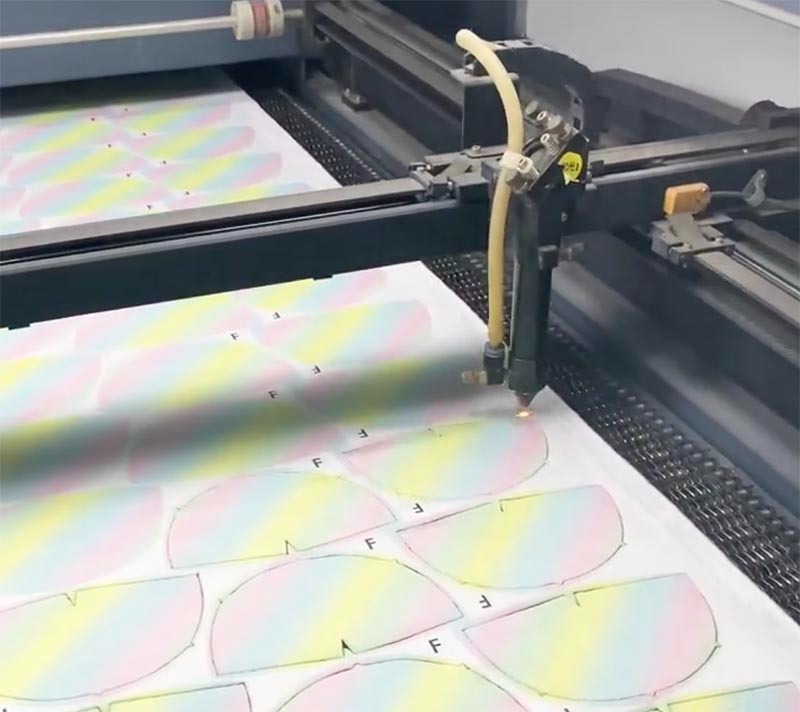
An approved sample should become the physical benchmark for bulk production. It shows the intended size, shape, expression, fabric, stuffing, decoration, and finishing standard. Without this reference, production teams and inspectors may interpret the product differently.
A quality system records which sample is approved, when it was approved, what version it represents, and what details are still subject to tolerance. This record should be shared with production, purchasing, QC, and packing teams. The approved sample should not sit separately from the production file; it should actively guide the order.
This matters for brand protection because plush toys are often judged emotionally. A face that looks slightly wrong, a body shape that feels cheap, or a logo that is not positioned correctly can reduce the perceived value of the brand. Sample-based control helps prevent this drift.
| Sample Detail | What It Controls | Why Brands Care |
|---|---|---|
| Face and expression | Embroidery, print, symmetry, placement | Protects character identity |
| Shape | Pattern, seams, stuffing distribution | Maintains recognizable design |
| Hand feel | Fabric and filling standard | Protects perceived quality |
| Finishing | Trimming, cleaning, label position | Supports retail presentation |
For custom plush brands, the approved sample is one of the most practical quality tools in the factory.
How In-Process Inspection Prevents Bulk Defects
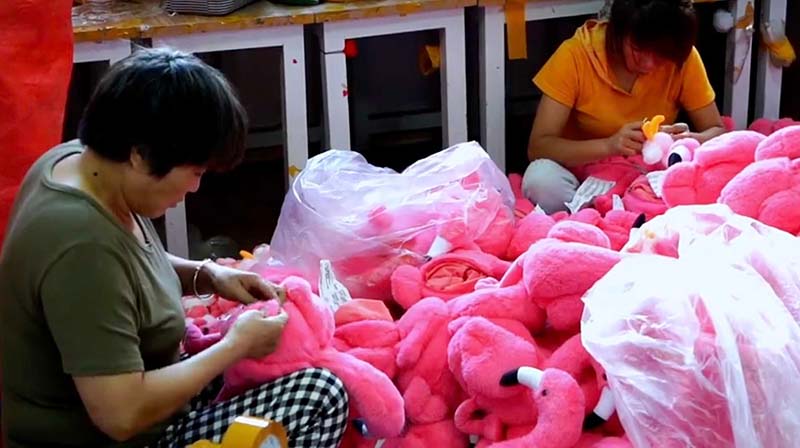
In-process inspection means checking quality during production, not only at the end. This is essential for plush toys because defects can appear at different stages. If they are caught early, the factory can correct the process before the same problem spreads across the full order.
For example, sewing supervisors may check seam strength and alignment before toys are turned and stuffed. Embroidery teams may compare face placement with the approved sample before large batches are completed. QC staff may inspect early pieces from each line to confirm that workers understand the standard.
This system protects brands by reducing defect rates and preventing last-minute surprises. It also creates better accountability inside the factory because each stage has a clear quality responsibility.
| Process Stage | Inspection Focus | Prevented Problem |
|---|---|---|
| Cutting | Pattern accuracy and fabric direction | Distorted shape |
| Embroidery or printing | Position, color, clarity, symmetry | Poor brand or character appearance |
| Sewing | Seam strength, alignment, missing stitches | Weak construction |
| Finishing | Threads, stains, brushing, shape | Poor shelf presentation |
In-process inspection turns quality control into an active production habit.
How Stuffing and Shape Control Protect Customer Experience
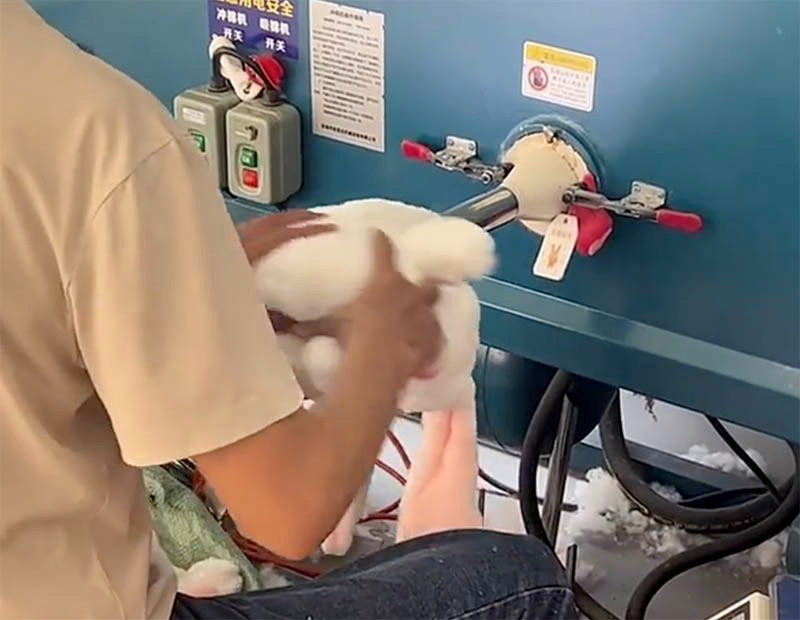
Stuffing may seem simple, but it has a major effect on customer experience. Too little filling can make a plush toy look flat and low value. Too much filling can make it hard, distorted, or uncomfortable to hug. Uneven stuffing can create lumps, weak shape recovery, or poor display appearance.
A quality system defines the expected fullness and hand feel based on the approved sample. Workers should understand where the toy needs support, where it should remain soft, and how the shape should look after closing. Supervisors and QC inspectors then compare production pieces against the standard.
For plush brands, this matters because customers often judge plush quality by touch before they judge technical details. A toy that feels wrong can damage perceived brand value even if the stitching and packaging are acceptable.
| Stuffing Issue | Customer Impact | Quality System Response |
|---|---|---|
| Underfilled body | Cheap or flat appearance | Fullness check against sample |
| Overfilled parts | Hard feel or distorted shape | Controlled filling volume |
| Uneven filling | Lumps and poor hand feel | Touch and shape inspection |
| Poor recovery | Bad shelf or unboxing experience | Shape review after packing test |
Consistent softness is not accidental. It needs standards, training, and inspection.
How Safety Testing Reduces Brand Liability
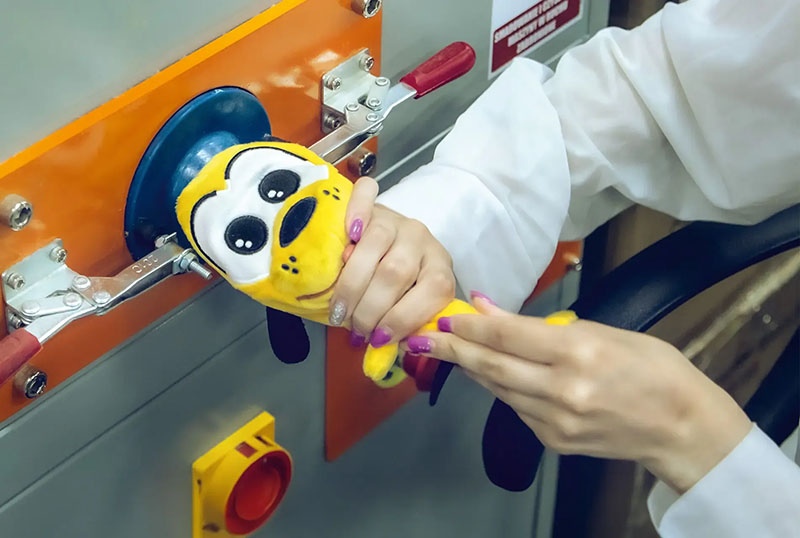
Quality systems also protect brands by controlling safety-related risks. Depending on the product and market, plush toys may need checks for seam strength, attachment security, small parts, sharp points, material safety, flammability, and chemical compliance. Even when testing is done by a third-party lab, the factory still needs internal controls to prepare the product correctly.
Pull strength testing is a good example. Eyes, noses, ribbons, labels, and accessories should be securely attached. If a part separates too easily, it may create a safety concern and a customer complaint. Experienced factories review these risks during design and production, not only when goods are ready to ship.
For brands, safety issues are more serious than ordinary cosmetic defects. They can affect market access, retailer confidence, and consumer trust. A structured testing approach helps reduce these risks.
| Safety Area | Factory Control | Brand Protection |
|---|---|---|
| Attachments | Pull checks and secure construction | Reduces choking or durability risk |
| Seams | Strength and opening inspection | Prevents filling exposure |
| Materials | Approved fabric and accessory sourcing | Supports compliance confidence |
| Age grading | Review details based on user group | Prevents unsuitable design choices |
Safety control is a key reason buyers should choose factories with real quality systems.
How Needle and Metal Detection Support Final Safety Checks
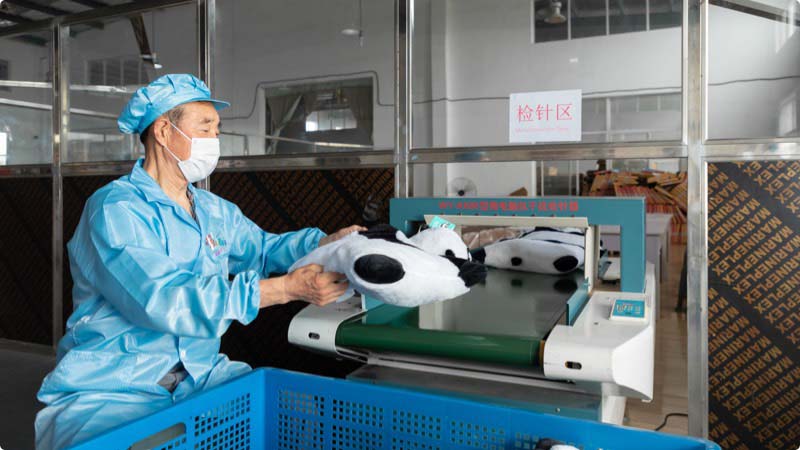
Needle and metal detection is an important final safety step in plush manufacturing. Because sewing needles are used throughout production, professional factories need a process to prevent broken needles or metal fragments from remaining inside finished goods.
A quality system should define how detection is performed, when it is performed, and how failed pieces are handled. It is not enough to pass products through a machine without records or corrective action. If a toy triggers detection, the factory should isolate it, investigate the cause, and prevent the same issue from affecting more goods.
For brands, this step supports confidence before shipment. It shows that the factory takes product safety seriously and does not rely only on visual inspection. It is especially important for plush toys intended for children, retail shelves, or strict customer approval programs.
| Detection Step | Quality System Requirement | Brand Risk Reduced |
|---|---|---|
| Machine setup | Confirm sensitivity and operating status | False confidence from poor detection |
| Product screening | Check finished toys before packing | Metal contamination risk |
| Failed item handling | Isolate, review, and record | Uncontrolled shipment risk |
| Corrective action | Trace cause and prevent repeat issue | System-level safety improvement |
Final safety checks strengthen the trust between buyer, factory, retailer, and end customer.
How Compliance Records Strengthen Brand Confidence
Compliance records are another important part of a plush quality system. Buyers may need documents for EN71, ASTM, CPSIA, CE, REACH, or other requirements depending on the target market and product type. The exact requirement depends on where the toy will be sold and who will use it.
A professional factory helps buyers prepare for compliance by asking about the destination market early, reviewing design risks, supporting material information, and organizing the documents needed for approval. This prevents compliance from becoming a last-minute emergency after production is finished.
Good record keeping also protects brands over time. If a retailer, distributor, or customer asks for evidence, the buyer can respond with organized documentation instead of chasing information after shipment.
| Record Type | What It Supports | Why It Protects Brands |
|---|---|---|
| Test reports | Market safety requirements | Improves retailer and customer trust |
| Material records | Traceability and compliance review | Reduces sourcing uncertainty |
| Inspection records | Shipment approval and issue review | Supports accountability |
| Corrective actions | Problem solving and prevention | Shows continuous improvement |
For Kinwin, quality is not only a production result. It is a documented system that supports safer decisions and stronger buyer confidence.
A mature quality system also depends on written SOPs and training. Workers should not rely only on experience or verbal instructions. For repeated plush orders, the factory should define how materials are checked, how approved samples are used, how key sewing points are controlled, how stuffing is judged, how labels are attached, and how finished goods are reviewed before packing. This makes quality less dependent on one individual worker or one supervisor.
Defect classification is another useful tool for brand protection. A minor loose thread may be handled differently from an incorrect safety label, broken seam, missing accessory, or failed metal detection result. When defects are classified as critical, major, or minor, both buyer and factory can decide what needs repair, what needs rejection, and what may be accepted within agreed tolerance.
Corrective and preventive action is what turns a quality issue into system improvement. If inspectors find repeated seam openings, the factory should not only repair the affected pieces. It should review the sewing method, thread, needle, worker training, and line supervision. If embroidery is drifting, the factory should check the fixture, file setup, operator method, and first-piece approval process.
This feedback loop protects plush brands over the long term. Instead of seeing the same problem appear in every order, the factory builds a record of what happened, how it was corrected, and how the next order will be controlled. For buyers managing repeat programs, this is one of the clearest signs of a dependable manufacturing partner.
Quality systems also support communication with retailers, distributors, and licensing teams. When a buyer can show inspection records, approved samples, test reports, and corrective actions, quality discussions become more factual. This reduces pressure on the buyer and helps protect the brand relationship when questions appear after delivery.
For complex plush programs, first-piece approval is especially valuable. Before full production continues, the factory can check the first finished pieces against the approved sample, technical file, label artwork, and packing standard. This early confirmation gives the brand one more chance to catch problems before they spread across thousands of units.
Clear records also make future sourcing easier because the buyer and factory can reuse proven standards instead of rebuilding every requirement from memory.
Conclusion
Quality systems protect plush brands by making quality controllable at every stage of manufacturing. Instead of waiting for final inspection, a professional system controls materials, approved samples, production processes, stuffing, safety testing, metal detection, compliance records, and shipment readiness.
For B2B buyers, this reduces the risk of inconsistent products, delayed shipments, customer complaints, failed inspections, and brand damage. A good quality system also makes communication easier because standards, records, and responsibilities are clear.
Kinwin supports plush brands with structured sampling, material confirmation, in-process inspection, safety checks, compliance preparation, packaging control, and export communication. For buyers who want to protect their brand reputation, choosing a plush toy manufacturer with a real quality system is one of the most important sourcing decisions.
FAQ
What is a plush toy quality system?
It is a structured way to control plush toy quality from material selection and sample approval to production inspection, safety testing, compliance records, packing, and shipment checks.
Why is final inspection not enough for plush brands?
Final inspection can find defects, but many problems are easier and cheaper to prevent earlier during material preparation, cutting, sewing, stuffing, and decoration processes.
How does an approved sample support quality control?
The approved sample becomes the physical benchmark for shape, fabric, embroidery, stuffing, finishing, and overall appearance during production and inspection.
What safety checks are important for plush toys?
Important checks may include seam strength, pull strength, attachment security, material safety, small-parts review, needle detection, and market-specific compliance testing.
How do quality systems protect a brand reputation?
They reduce inconsistent quality, safety issues, delivery delays, customer complaints, and retailer problems by controlling risks before goods are shipped.
What records should a plush manufacturer keep?
Useful records include approved sample details, material specifications, inspection results, test reports, corrective actions, packing standards, and shipment documentation.
How can buyers evaluate a factory’s quality system?
Buyers can ask how the factory controls materials, samples, in-process inspection, safety testing, defect handling, compliance records, and pre-shipment approval.