Skip to content

International buyers manage more than the physical production of a plush toy. They must connect a design team, an overseas factory, testing laboratories, freight partners, customs requirements, retailers, warehouses, and internal approval teams that may work in different countries and time zones. A small misunderstanding at the beginning can become a costly delay after materials are purchased or goods are packed.
Our job as a professional plush manufacturer is to make that cross-border process visible and manageable. We translate creative requirements into production specifications, explain which decisions affect cost and lead time, coordinate samples and materials, maintain quality benchmarks, report production progress, and prepare packaging and shipping information before the goods leave the factory.
International support does not mean telling buyers that every request is easy. It means identifying risks early, giving practical options, and documenting approvals so that both sides work from the same information. Buyers should be able to understand what is complete, what remains open, who owns the next action, and how a change will affect quality, compliance, budget, or delivery.
The following sections explain how we support international plush buyers from the first inquiry through repeat orders. The objective is a product that not only looks correct at the factory but also arrives ready for the buyer’s market, warehouse, retailer, and customer.
Build a Clear Cross-Border Project Brief
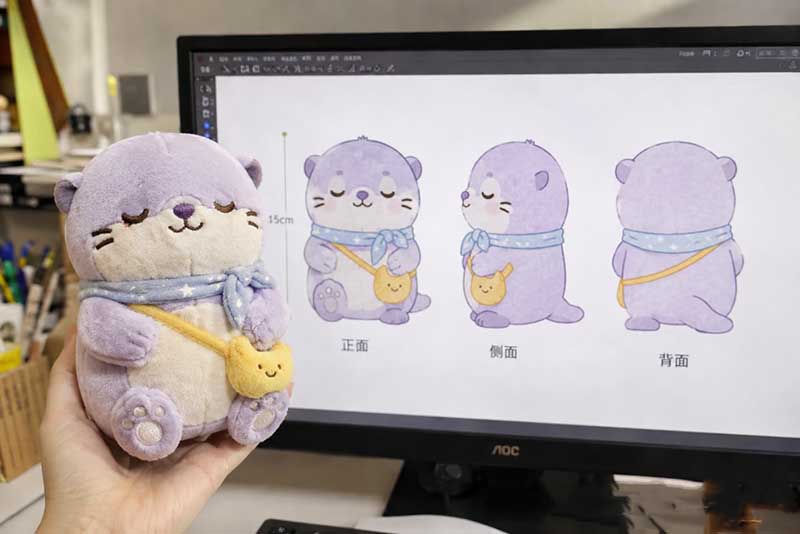
International projects begin with alignment. Artwork can show the desired appearance, but it rarely defines every production decision. We confirm overall size, proportions, fabric, filling, embroidery, printing, accessories, labels, packaging, quantity, destination, target user, sales channel, delivery date, and commercial priorities before the sample room begins.
The destination market matters from the first discussion. A plush product sold to children in the United States may require different labeling, testing, and importer documentation from an item sold in the European Union, United Kingdom, Australia, or another market. Retailers and online marketplaces may add their own packaging, barcode, carton, and document rules.
We separate confirmed requirements from open decisions. If the buyer has not selected a fabric or packing method, we state the assumption used for quotation and show alternatives. If the delivery target depends on artwork approval, custom dyeing, laboratory testing, or shipping method, those dependencies are visible in the schedule.
A structured brief also reduces language risk. Important requirements are supported by measurements, marked images, files, swatches, color references, and version numbers rather than informal descriptions alone. This gives designers, sample makers, purchasing staff, production teams, and inspectors one working reference.
Before moving forward, we confirm which details are non-negotiable for brand identity and which can be optimized for manufacturability or cost. This allows us to make practical recommendations without weakening the character or commercial purpose of the product.
We also agree on communication rhythm across time zones. Routine questions are grouped into decision-ready updates, while urgent quality or schedule issues use a defined escalation path. This prevents a one-day delay every time a question passes between regions and helps the buyer involve the correct internal approver before the factory’s next working day.
| Support Area | What We Provide | Buyer Benefit |
|---|---|---|
| Project scope | Design, size, quantity, market, age grade, packaging, timing, and target-price assumptions | A quotation and development plan based on the same commercial goal |
| Open-item control | A list of unresolved decisions, owners, deadlines, and schedule impact | Fewer delays caused by missing information |
| Visual specification | Marked artwork, measurements, material references, and file versions | Lower risk from language and interpretation differences |
Coordinate Remote Sampling and Approvals
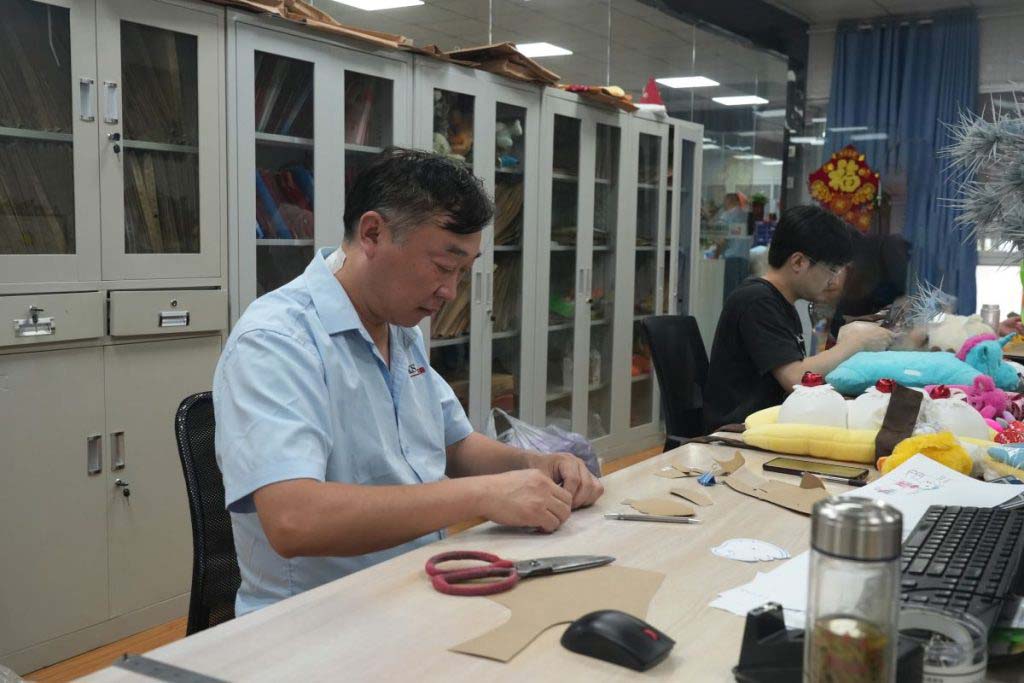
International buyers cannot always review a sample at the factory, so the sampling process must provide enough evidence for remote decisions. We use clear photos, measurements, comparison notes, material swatches, videos where useful, and courier samples to make each revision specific.
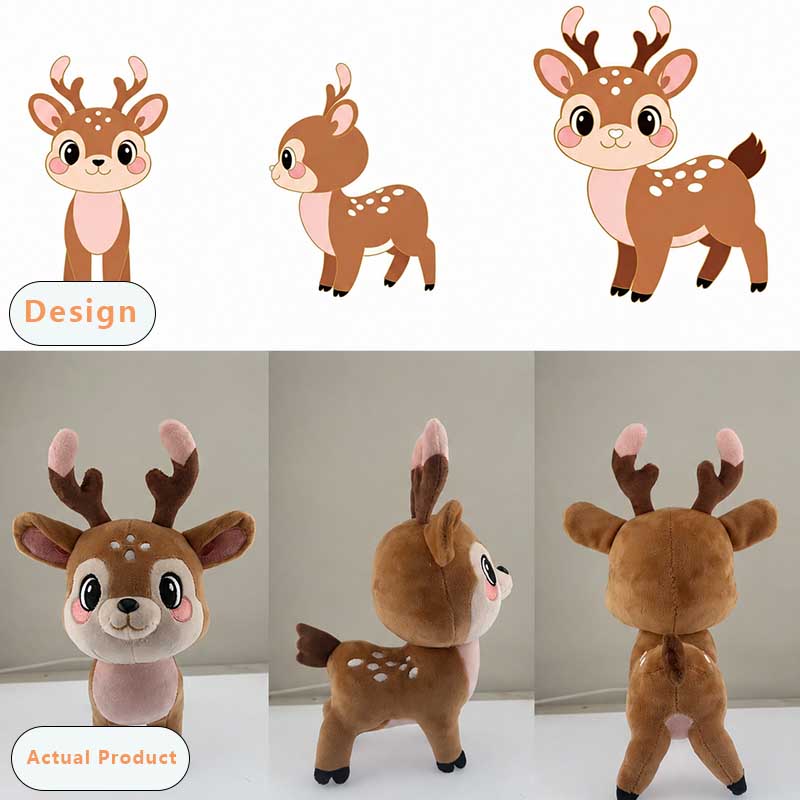
The first prototype tests three-dimensional shape, construction, fabric behavior, stuffing, and expression. Differences from the artwork are documented by area. Comments such as “make the face friendlier” are converted into observable adjustments, such as changing eye spacing, lowering the mouth, widening the head, or reducing stuffing around the muzzle.
Version control is critical when files move across countries and teams. Each sample round is identified, and approved features remain recorded when another feature changes. Embroidery files, print artwork, Pantone references, labels, and packaging layouts are linked to the correct version so an old file does not reach production.
We also evaluate whether the sample can be repeated in bulk. A skilled technician may create an attractive handmade result that is too slow or unstable for production. Before final approval, we review seam access, material availability, decoration placement, stuffing method, accessory attachment, expected labor, and inspection points.
The approved pre-production sample becomes the physical benchmark, while written tolerances explain how production will be judged. This combination gives remote buyers, factory QC, and third-party inspectors a common standard even when they are in different locations.
Courier planning is treated as part of development. We identify which sample needs physical approval, combine swatches where practical, prepare customs descriptions, and provide tracking details. International buyers can then budget sample freight and avoid losing valuable approval time to incomplete shipment information.
| Support Area | What We Provide | Buyer Benefit |
|---|---|---|
| Remote review package | Multi-angle photos, measurements, change notes, swatches, video, and courier sample | Evidence-based approval without visiting the factory |
| Version control | Numbered rounds and linked artwork, embroidery, color, label, and packaging files | Prevents outdated instructions from entering production |
| Production feasibility | Review of repeatability, labor, materials, attachment, and inspection method | Avoids approving a sample that cannot be scaled reliably |
Plan Compliance for the Destination Market
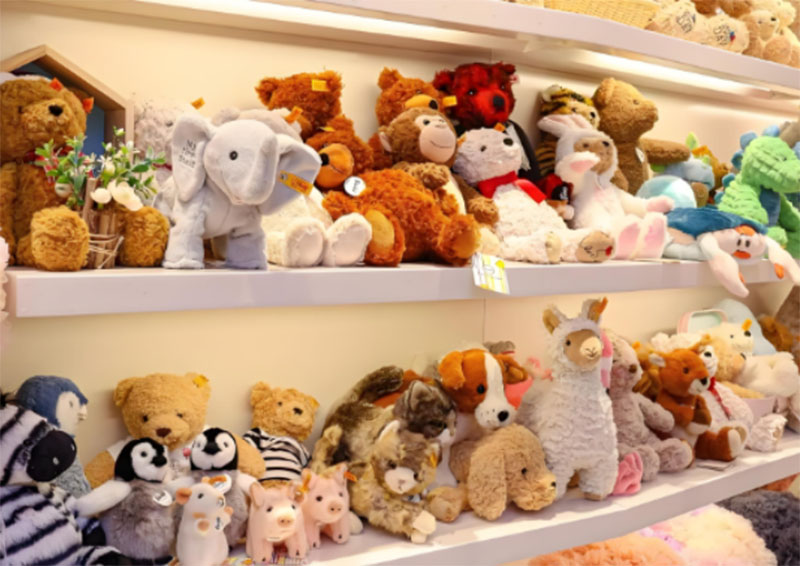
International compliance must be planned around the actual product and destination. The buyer or importer normally carries responsibility for placing a compliant product on the market, while the factory supports that responsibility through suitable materials, controlled construction, records, representative samples, and laboratory coordination.
We ask about destination, age grading, product type, special components, and retailer requirements before bulk production. Small parts, cords, loops, magnets, batteries, sound modules, weighted filling, coatings, printing, and accessible components may change the test plan or require construction controls.
Testing is most useful when it reflects production reality. We help organize the bill of materials, identify relevant colorways and components, prepare representative samples, and coordinate timing with the selected laboratory. If a material or component changes later, we flag the need to review existing test coverage.
Production controls support the test result. These may include approved material purchasing, pull-strength checks, seam control, broken-needle procedures, metal detection where required, filling containment, cleanliness, tracking labels, and inspection records. A passing prototype alone does not guarantee that every shipment follows the same construction.
We keep compliance communication specific. Instead of saying a product is simply “certified,” we identify the report, sample, market, standard, date, and materials covered. This helps international buyers organize certificates, declarations, and technical files for customs, retailers, marketplaces, and future reorders.
Where importer-issued documents are required, we provide manufacturing data without representing that the factory replaces the importer’s legal judgment. Clear responsibility prevents gaps: the laboratory tests the defined sample, the factory controls production, and the importer confirms that the final documentation and market placement requirements are complete.
| Support Area | What We Provide | Buyer Benefit |
|---|---|---|
| Market and age review | Destination, user age, product type, components, claims, and retailer requirements | A test and labeling plan matched to the actual sales channel |
| Representative testing | Bill-of-material review and coordinated production-relevant samples | Lower risk that reports fail to cover the shipped product |
| Factory controls | Material, attachment, needle, metal-detection, traceability, and inspection records | Compliance support that continues beyond the laboratory sample |
Control Materials, Colors, and Approved Substitutions
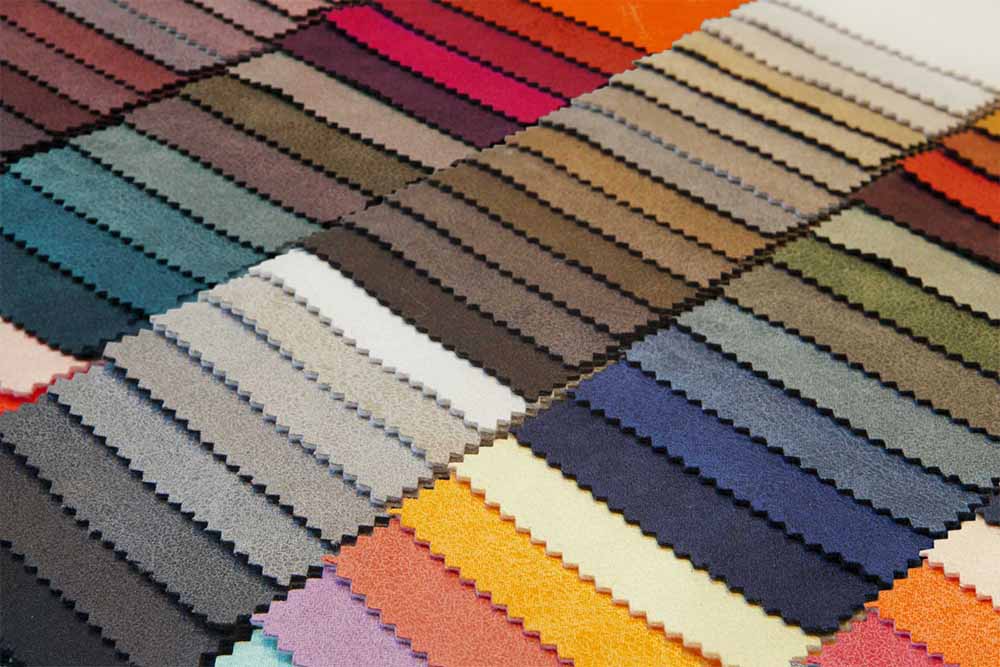
Material decisions are difficult to manage across distance because screen images cannot reliably show softness, pile density, stretch, backing, sheen, or exact color. We provide swatches and physical comparisons when the choice affects appearance, hand feel, sewing performance, safety, or cost.
Color communication combines digital references with physical standards. Pantone numbers are useful, but different fabric structures and dye processes can produce different visual results. For critical colors, we confirm an approved swatch or lab dip and record which surface and lighting conditions were used for evaluation.
International orders also need availability planning. Custom-dyed fabric, printed material, specialty accessories, electronic modules, labels, and retail packaging may have separate MOQs and lead times. We explain which component drives the minimum and which materials should be reserved before the schedule is confirmed.
If an approved input becomes unavailable, we use a controlled substitution process. The buyer receives the reason, specification, visual comparison, price and lead-time impact, production test where needed, and any compliance implication. Bulk purchasing does not proceed on an undocumented assumption.
Material records make repeat orders more efficient. Codes, suppliers, color references, consumption, lot information, and approved alternatives help us reproduce the product and investigate any later difference. They also allow buyers to plan reorders before seasonal or discontinued materials become urgent.
For assortments with several colors or SKUs, we build a material matrix showing shared and unique inputs. This can reveal opportunities to consolidate fabric, thread, filling, labels, or cartons while keeping customer-facing differences intact. It also makes shortage risk easier to identify before purchasing begins.
| Support Area | What We Provide | Buyer Benefit |
|---|---|---|
| Physical material approval | Swatches, lab dips, specifications, and sample comparisons | More reliable decisions than screen images alone |
| Availability planning | MOQ, lead time, reservation needs, and component dependencies | A production schedule grounded in the real supply chain |
| Controlled substitution | Documented comparison, impact review, and buyer approval before use | No hidden changes to quality, appearance, or compliance |
Make Production Progress Visible from Abroad
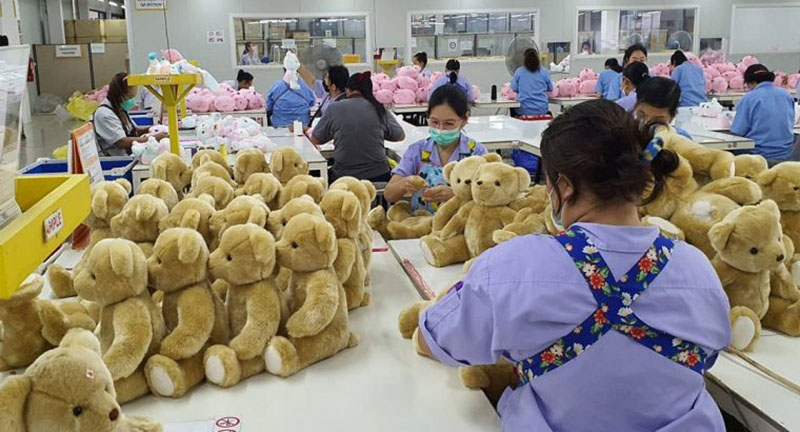
International buyers need production visibility without having to chase the factory every day. We organize updates around meaningful milestones: material readiness, cutting, decoration, sewing, first-line approval, inline QC, stuffing and finishing, packing, final inspection, and shipment preparation.
Each update should answer what is complete, what is in progress, what comes next, and whether a decision or risk affects the schedule. Photos are connected to quantities and dates. A pile of production images without context does not prove that the order is on plan.
First-piece and inline control are especially important. We compare early line output with the approved sample before full-speed production. If eye placement, seam shape, embroidery, stuffing, labels, or accessories are wrong, the method can be corrected before thousands of units are affected.
When a problem appears, we report scope and containment. The buyer receives the affected quantity, likely cause, current action, quality or schedule impact, available options, and the date by which a decision is needed. This gives international teams time to coordinate internally despite time-zone differences.
For larger or higher-risk orders, third-party inspection can be integrated into the schedule. We prepare samples, specifications, carton information, and inspection access so the inspector can evaluate the same standards used by the buyer and factory.
Progress reporting is also connected to payment and logistics milestones where appropriate. Buyers can verify agreed evidence before a balance-payment or shipment step without turning the relationship into constant surveillance. The aim is predictable control, not a stream of disconnected factory photographs.
| Support Area | What We Provide | Buyer Benefit |
|---|---|---|
| Milestone reporting | Status, quantities, evidence, risk, next step, and forecast | Clear progress without daily micromanagement |
| First-piece and inline QC | Early comparison with the approved sample and correction before scale | Lower rework and final-inspection risk |
| Exception escalation | Scope, containment, cause, options, impact, and decision deadline | Enough time for cross-border teams to respond |
Define Quality Standards for Remote Inspection
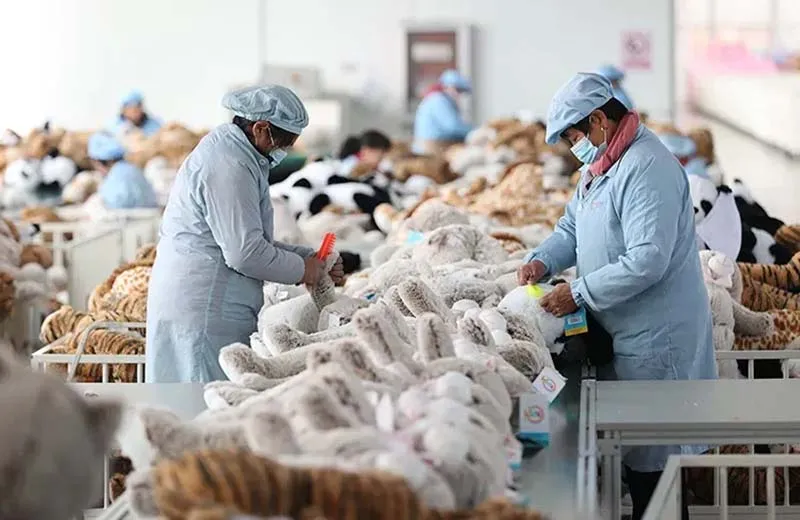
“Good quality” is too vague for an international supply relationship. We translate the approved product into inspection points covering safety, workmanship, appearance, dimensions, weight, color, embroidery, stuffing, accessories, labels, cleanliness, function, quantity, and packaging.
Plush toys are soft products, so tolerances must be realistic and measured consistently. The specification states how and where a dimension is taken, whether the toy is lying flat or sitting naturally, and which placement points are critical to expression or function.
Defects are classified by business impact. Critical defects may create safety or legal risk. Major defects can make an item unsellable or materially different from the approved standard. Minor defects are limited appearance issues that do not affect safety or function. This structure supports an agreed AQL or inspection method.
Our QC process covers incoming materials, cutting, first pieces, inline production, finishing, and packed goods. Final inspection is not expected to create quality at the end; it verifies that earlier controls produced shipment-ready goods.
Inspection results are documented with quantities, defect descriptions, photos, and disposition. If rework is required, affected goods are contained and reinspected. International buyers can then make release decisions using evidence rather than relying on a general factory assurance.
Sampling plans are selected according to order size and risk. AQL is useful for random inspection, but critical safety characteristics, functional checks, and known recurring defects may require zero-tolerance or targeted checks. We make those exceptions explicit so a general sampling result does not hide a high-impact issue.
| Support Area | What We Provide | Buyer Benefit |
|---|---|---|
| Measurable standard | Approved sample, dimensions, tolerances, photos, placement, weight, and finish criteria | Buyer, factory, and inspector judge the same target |
| Defect classification | Critical, major, and minor definitions linked to product and market risk | Clearer pass, rework, or rejection decisions |
| Documented disposition | Defect evidence, affected quantity, correction, and reinspection result | Remote shipment release supported by traceable facts |
Prepare Packaging, Logistics, and Export Documents
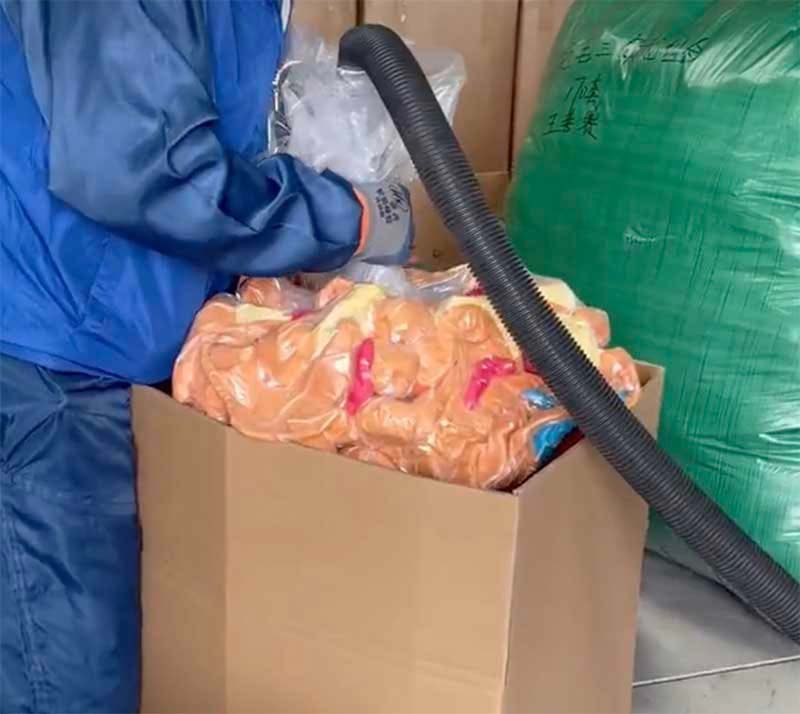
Plush toys are often light but bulky, so packaging has a major effect on landed cost. We discuss packing format, retail presentation, product protection, carton utilization, compression, shape recovery, barcode position, warnings, carton marks, and case quantity before production is complete.
A packing trial provides actual carton dimensions, gross and net weight, units per carton, and product condition after packing. Vacuum or compressed packing may reduce volume for suitable products, but it must be tested because structured parts, long-pile fabric, or premium presentation may be damaged.
We explain the scope of the selected trade term and coordinate with the buyer’s forwarder where required. Express, air, sea, rail, or truck transport have different cost, transit, booking, and handling considerations. The appropriate method depends on volume, destination, deadline, inventory value, and import capability.
Before shipment, we verify commercial invoice data, packing list, carton quantities, marks, weights, dimensions, HS information supplied or confirmed by the responsible party, and requested reports or declarations. Accurate documents reduce customs questions and warehouse receiving discrepancies.
International buyers receive readiness information early enough to arrange booking and destination handling. Shipping should not become an emergency discussion after all cartons are sealed. Packaging, inspection, documents, and logistics are managed as part of the production plan.
Trade terms are clarified in practical language. FOB, EXW, CIF, DDP, and other terms allocate tasks, costs, and risk differently; they do not automatically include every destination charge or importer responsibility. We state the quotation scope and share shipment data so buyers can compare forwarder options on the same basis.
| Support Area | What We Provide | Buyer Benefit |
|---|---|---|
| Packing trial | Carton size, weight, quantity, compression, recovery, and protection evidence | More accurate freight planning and lower damage risk |
| Transport coordination | Readiness date, shipment data, trade-term scope, and forwarder communication | Clear responsibilities and fewer booking surprises |
| Export document check | Invoice, packing list, marks, quantities, dimensions, and required supporting records | Smoother customs and warehouse receiving |
Support Problem Resolution and Repeat Orders
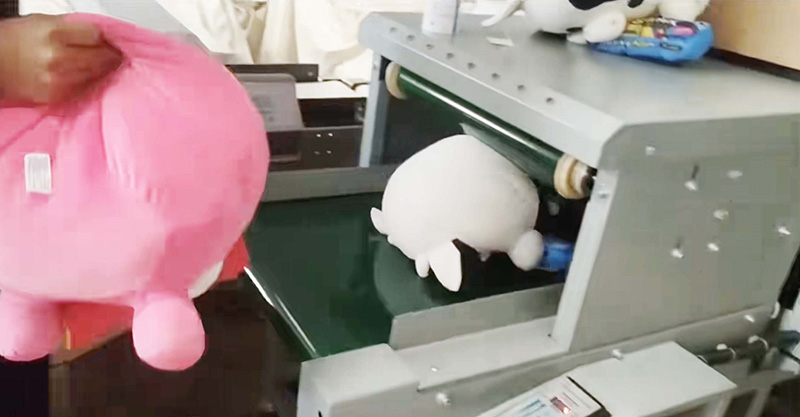
International support continues after the shipment leaves the factory. If the buyer reports a problem, we collect the affected quantity, photos, videos, carton and batch information, receiving conditions, and customer impact. This helps separate an isolated handling issue from a material, production, packing, or transport pattern.
Corrective action includes immediate containment, root-cause analysis, repair or replacement options where agreed, process changes, and verification. The objective is not only to close a complaint but to prevent the same issue in the next order.
We preserve the final project record: approved sample, patterns, specifications, materials, colors, artwork, labels, packaging, tests, QC findings, carton data, shipment details, and approved changes. These records reduce development time and uncertainty when the buyer reorders.
Repeat orders are reviewed for changes rather than assumed to be identical. Quantity, destination, labeling, packaging, material availability, compliance scope, and delivery plan are reconfirmed. If the buyer adds SKUs or markets, we identify which controls can be shared and which need separate approval.
Long-term international cooperation should become easier and more predictable over time. Buyers spend less effort rebuilding context, while the factory uses production history to improve cost estimates, risk controls, lead times, and inspection focus.
After each shipment, useful feedback is added to the project record. Warehouse receiving issues, carton damage, shape recovery, retailer comments, consumer complaints, and sell-through timing can all influence the next packing plan or production control. This closes the loop between factory output and real market performance.
| Support Area | What We Provide | Buyer Benefit |
|---|---|---|
| Claim investigation | Batch evidence, scope, handling data, root cause, and commercial impact review | Faster, fairer decisions across distance |
| Corrective action | Containment, permanent process change, owner, deadline, and verification | Lower recurrence risk on future shipments |
| Reorder records | Approved product, material, compliance, QC, packing, and shipment history | Faster and more consistent repeat production |
Conclusion
Supporting international plush buyers requires a connected system, not isolated factory services. Clear project briefs reduce interpretation risk. Remote sampling makes approvals measurable. Market-specific compliance planning protects the importer. Material control, production reporting, and written quality standards make the manufacturing process visible from abroad.
Packaging, logistics, and documentation must be planned before shipment, while after-sales investigation and corrective action protect future orders. The buyer should always know what has been approved, what evidence supports the current status, and what decision is required next.
A professional international plush manufacturing partner makes distance less important. It cannot remove every supply-chain risk, but it can identify risk early, communicate it honestly, and manage it through records, checkpoints, and practical options.
FAQ
What information should an international plush buyer provide first?
Provide artwork, target size, quantity, destination market, user age, packaging expectations, delivery target, sales channel, and any retailer or testing requirements already known.
How can buyers approve plush samples remotely?
Use marked photos, measurements, videos, material swatches, version-controlled files, and courier samples. Final approval should identify the exact pre-production sample and written tolerances.
Who is responsible for plush toy compliance?
The buyer or importer normally carries market responsibility, while the factory supports compliance with suitable materials, construction control, records, representative samples, and laboratory coordination.
How do international buyers monitor production?
Use milestone reports tied to quantities, evidence, risks, next actions, and forecast dates. First-piece approval, inline QC, and third-party inspection can add control.
What should a plush packing trial include?
It should confirm units per carton, carton dimensions, gross and net weight, packing method, product protection, compression effect, shape recovery, labels, and carton marks.
Which shipping method is best for plush toys?
The best method depends on volume, urgency, destination, dimensional weight, inventory value, and import capability. Samples may use courier, while large orders commonly use air or sea freight.
Can one test report cover every plush color and component?
Not automatically. Coverage depends on materials, colorants, components, construction, market, and laboratory scope. Changes should be reviewed before assuming an earlier report applies.
How do repeat orders become easier?
Approved samples, patterns, material codes, quality criteria, test records, packaging data, shipment history, and corrective actions create a reusable production baseline.