Skip to content
Language in the toy world changes just like fabric and trends. Ten or fifteen years ago, most buyers and parents said “stuffed animals” or “soft toys.” Today, you see “plushies” everywhere—on social media, e-commerce listings, fan communities, and even in some B2B briefs. As a manufacturer, I’ve watched this word move from niche fandom slang into mainstream product language.
In this guide, I’ll look at how “plushie” evolved, the influence of internet culture, the link with modern plush materials, and why adults and collectors love this term. I’ll also explain how different regions use “plush” vs. “stuffed animal,” and how the word “plushie” now shapes branding and marketing strategies for soft toys.
How did the term “plushie” evolve from traditional toy language?
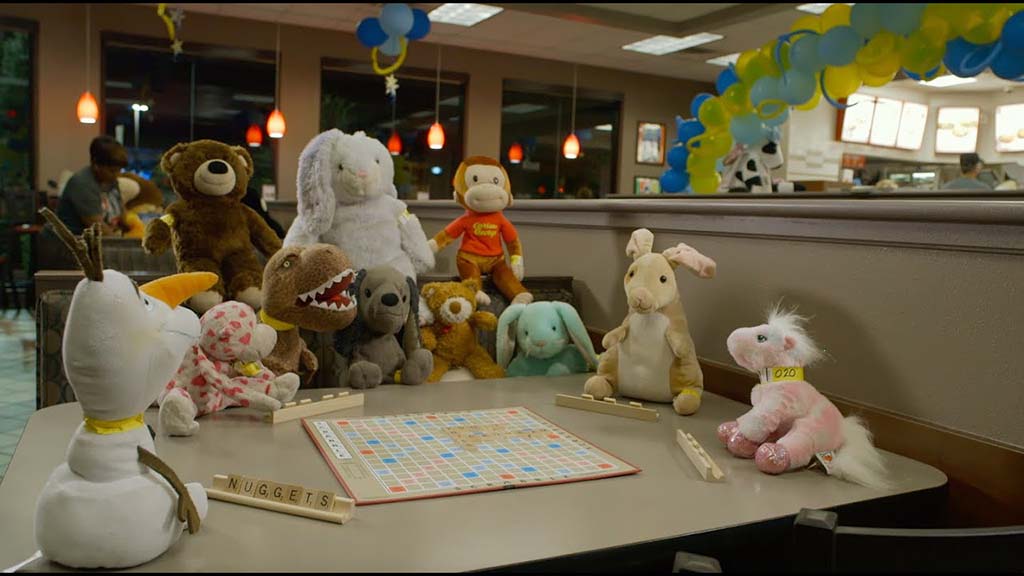
If we go back a bit, most English-speaking families used “teddy bear,” “soft toy,” or “stuffed animal.” The word “plush” was more technical. It referred to the fabric (a pile fabric for upholstery or toys) rather than the finished product. Toy factories and importers used “plush toy” in catalogs and invoices, but children were not saying, “I love my plush.”
Over time, people began shortening “plush toy” to “plush.” This happened first in trade use and then on retail shelves and websites. Categories like “plush & soft toys” appeared. At the same time, English speakers often add “-ie” or “-y” to nouns to create a friendly, personal tone: “bunny,” “doggy,” “blankie.” It was quite natural for “plush” to become “plushie” in everyday talk.
Online communities and early e-commerce also pushed this shift. Sellers needed short titles and tags that felt personal and search-friendly. “Plushie” sounded cuter and more specific than “stuffed animal,” and it fit character-based products better than the long, flat phrase “soft toy.” As fans and small creators used the word more, buyers became familiar with it and started using it in reviews and posts.
Today, “plushie” sits next to older words rather than fully replacing them. Legal and safety documents still use “toy,” “soft toy,” or “stuffed toy.” But when people talk about emotional connection, they often say “plushie.” The term feels more like the name of a friend than the label of a product, and that shift is a big reason why it has spread so widely.
How “plushie” evolved in toy language
| Stage / context | Common terms used | What changed over time |
|---|---|---|
| Traditional home use | Teddy bear, stuffed animal, soft toy | Focus on function and animal shape |
| Factory & trade language | Plush toy, soft toy | “Plush” used as a fabric/product category |
| Early e-commerce | Plush toy, stuffed animal, plush | Shorter, searchable terms; “plush” begins appearing in tags |
| Online communities | Plush, plushie, plushies | “Plushie” becomes a cute, personal nickname for soft toys |
| Current mixed usage | Plush, plushie, stuffed animal | “Plushie” carries emotional tone; others stay for formal use |
What role did internet and fandom culture play in popularizing “plushie”?
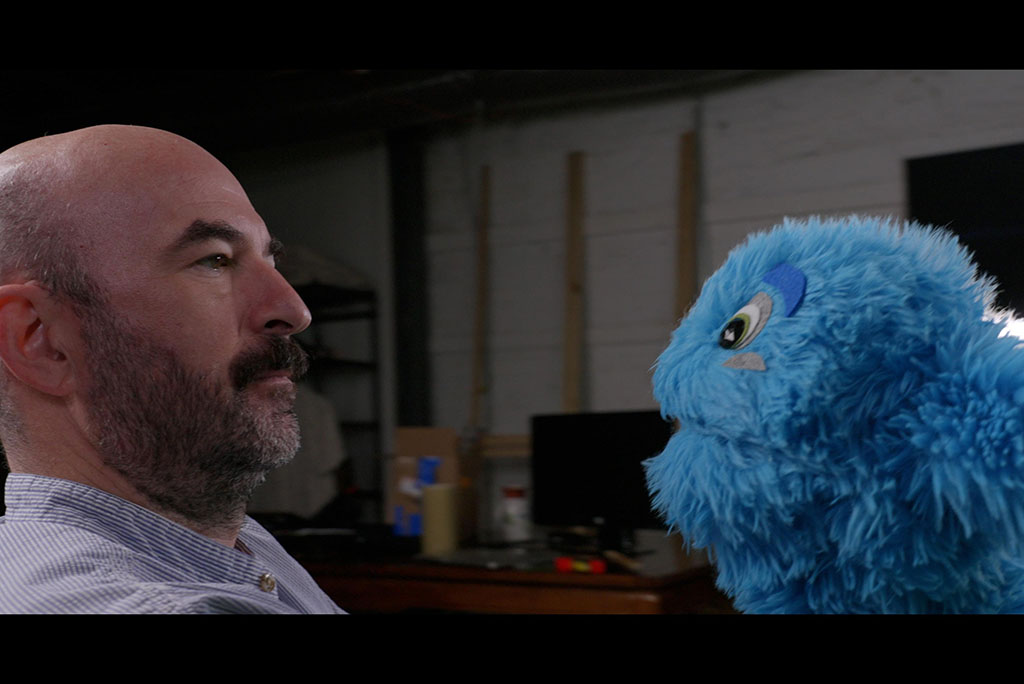
The internet did not just change how toys are sold. It changed how we talk about them. Fandom groups, gaming communities, anime culture, and art platforms created a space where people shared character designs, custom toys, and fan-made merchandise. In these circles, “plushie” became the natural word to use.
Fans needed a term that felt warm and informal, not like a line item in a catalog. When someone posts a photo saying “look at my new plushie,” it sounds personal and cute. It fits fan art, character merch, and handmade toys as part of a lifestyle, not just a children’s product. Over time, this friendly nickname spread between communities and into broader social media use.
Online marketplaces and social platforms also helped. Sellers added “plushie” to titles and tags to reach people searching with that word. Buyers wrote reviews using the same language they used with friends. Content creators filmed “plushie hauls” and “plushie collection tours.” These videos and posts gave “plushie” more visibility than traditional terms like “stuffed animal” or “soft toy.”
Fandom culture also changed what a soft toy could represent. Plushies are no longer only for children. They can be character merchandise, decor for desks and shelves, cosplay props, comfort items for adults, and even photo “companions” for travel posts. The word “plushie” covers all these uses without sounding childish or technical. It sits comfortably in captions next to emojis and game references.
From a factory point of view, we began to see more B2B inquiries where buyers said “we need new plushies for our community” instead of “we need stuffed animals for our store.” This language gives me a hint about their target customers: usually online, fandom-aware, and used to character-driven products. In response, we adjust design and packaging suggestions to match that culture.
Internet & fandom influence on “plushie”
| Influence area | How it used “plushie” | Effect on language outside fandom |
|---|---|---|
| Anime & game fandoms | Described character toys as “plushies” | Normalized the term among young adults |
| Art & maker communities | Used “plushie” for handmade/custom pieces | Framed soft toys as art and collectibles |
| Social media content | Plushie hauls, collection posts, unboxings | Spread the word to casual audiences |
| Online marketplaces | Titles and tags included “plushie” | Trained search behavior and buyer wording |
| Adult comfort culture | Talked about plushies for stress relief | Gave “plushie” a more mature, emotional association |
How do material innovations influence the shift in naming trends?
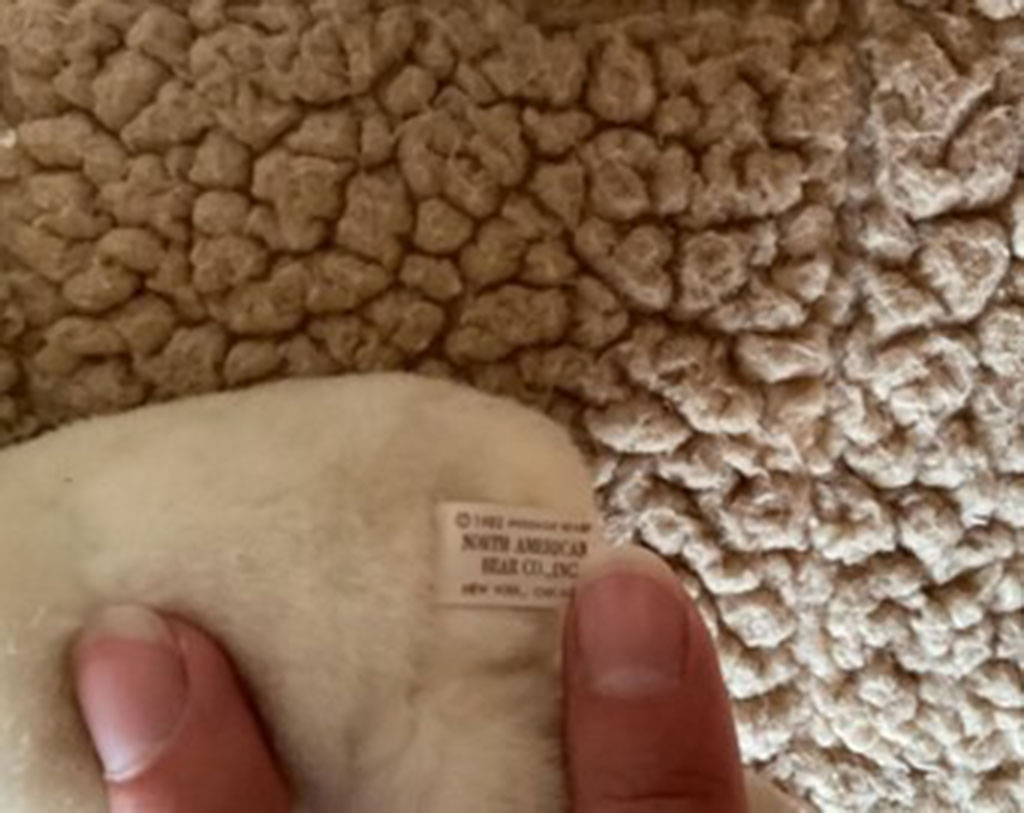
The word “plushie” is also tied to how soft toys actually feel now. Modern fabrics are very different from the stiff or rough materials used decades ago. When a toy feels like a small pillow of clouds instead of a simple “stuffed animal,” it makes sense that language also changes.
The growth of minky, micro-plush, and high-density short plush fabrics transformed soft toy texture. These materials have fine fibers, controlled pile, and better finishing. They are smoother, softer, and more consistent across large production runs. When people hug these toys, they feel something closer to a cozy blanket or soft cushion, not just a basic toy with fabric around stuffing.
At the same time, stuffing technology improved. Polyester fiberfill quality is better, with more stable loft and cleaner production. Cluster fiber, rPET fillings, and better control of stuffing density give plush toys a deliberate “squish” instead of random lumps. The combination of soft shells and refined filling makes the overall experience more “plush” in the true textile sense of the word.
Because of these material improvements, calling a toy simply a “stuffed animal” feels a bit flat. That phrase focuses on the fact that something is filled with material, not on how it feels. “Plushie” puts the emphasis back on plushness—soft pile, smooth surfaces, and cuddly behavior. It suggests a higher attention to comfort and tactile experience.
Material innovation also expanded the range of products. We now see plush cushions, plush keychains, giant plush characters, weighted plush, and decor plush. Some are clearly toys for children; others are clearly lifestyle goods for adults. Using “plushie” instead of “stuffed animal” helps group all these product types into one softer, more flexible category.
For factories like ours, the rise of “plushie” goes hand in hand with more detailed fabric discussions. Buyers ask about GSM, pile height, rPET options, and specific hand-feel. They are not just ordering “toys.” They are specifying plush experiences.
Material innovation and naming trends
| Material change | Effect on toy feel | Link to the word “plushie” |
|---|---|---|
| Minky & micro-plush fabrics | Much softer, smoother, more luxurious | “Plushie” highlights the upgraded tactile quality |
| Better polyester / rPET fill | More even softness, fewer lumps | Supports the idea of a soft, comforting plush |
| Improved finishing & QC | Less shedding, cleaner seams | Makes plush feel like a finished lifestyle item |
| Expanded form factors | Cushions, decor, giant and mini plush | “Plushie” covers many forms beyond animals |
| Higher design detail | Rich colors, complex characters | Feels more like styled merchandise than a generic toy |
Why do collectors and adults prefer calling them “plushies”?
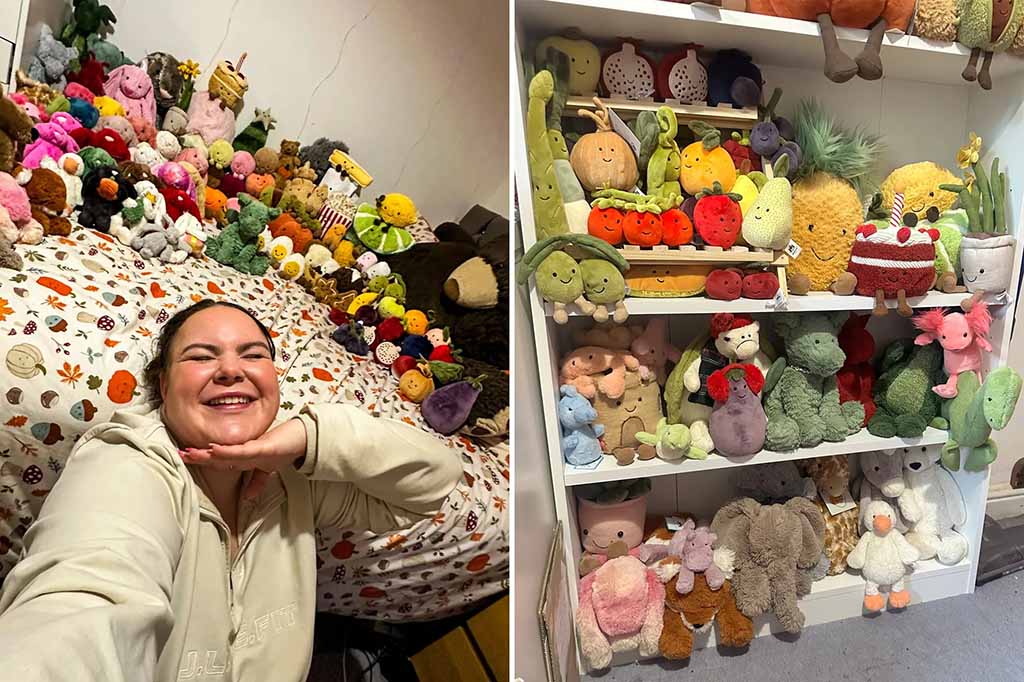
One big reason the word “plushie” has grown is the rise of adult collectors and older fans. Many adults now openly buy, display, and talk about their soft toys. For them, “plushie” sounds more playful and personal, and less like a label for children’s products in a supermarket aisle.
“Stuffed animal” can feel a bit cold or even childish when said by an adult: it sounds like something for children only. “Plushie” feels more like a hobby term or a fandom term. It carries less judgment. Adult buyers can say “this is my favorite plushie” without sounding like they are speaking as a small child; they are speaking as a fan, a collector, or simply as a person who enjoys comfort objects.
Collectors also use “plushie” to cover objects that are not animals at all: food characters, fantasy creatures, robots, memes, icons from apps or games, and abstract shapes. The word “stuffed animal” does not fit these items well, but “plushie” covers them easily. This is important for categories like VTuber merch, indie character brands, and limited-edition collabs.
Inside collector communities, “plushie” language also supports classification and value. People talk about “grail plushies,” “limited plushies,” and “exclusive plush drops.” This wording pairs well with other collector terms from sneakers, trading cards, or figures. It helps position the product as something to trade, display, and care about, not just to give away when a child grows older.
From a manufacturing perspective, when a buyer uses the word “plushie” and talks about adult collectors, I know they care about finish, detail, and individuality as much as basic safety. They often want stronger branding, better packaging, and more expressive designs. The toys might be displayed on shelves or in photos more than thrown in toy boxes. That context changes our suggestions for fabric, construction, and packaging.
Why adults and collectors say “plushie”
| Reason category | What “plushie” communicates | Why it matters for older buyers |
|---|---|---|
| Emotional distance | Sounds playful, not babyish or clinical | Adults feel more comfortable talking about toys |
| Broad subject range | Includes animals, foods, icons, fantasy | Fits modern character merch beyond animals |
| Community language | Matches fandom and collector vocabulary | Feels like belonging to a shared culture |
| Collectible framing | Works with “limited,” “drop,” “exclusive” | Supports higher value and display behavior |
| Comfort & mental health | Used for stress relief and comfort stories | Normalizes owning plush as an adult |
How do regional markets differ in using “plush” vs. “stuffed animal”?
Even though “plushie” is global online, regional habits still matter, especially in B2B work and formal documents. As a factory exporting mainly to North America, Europe, Japan, South Korea, and the Middle East, I see differences in which terms buyers use and where.
In North America, “stuffed animal” is still very common in everyday speech and on simple packaging, especially for parents and general retail. However, e-commerce listings often include “plush toy,” “plush,” and “plushie” in titles to capture different search words. Many brand owners talk about their “plush line” when discussing SKUs, and younger teams use “plushies” more often in casual conversation.
In Europe, there is more variation by country and language, but in English-facing documents you often see “soft toy,” “plush toy,” and “cuddly toy.” “Plushie” appears more in online and youth-focused contexts but is less common in formal trade descriptions. Some European retailers still prefer classic naming on shelf labels and then add modern language in online marketing.
In Japan and South Korea, there are strong local words for soft toys, but in global or English-facing channels, “plush,” “plushie,” and “character plush” are widely used. These markets have deep character and fandom cultures, so the language around plush often comes from anime, game, and idol communities. As a result, “plushie” fits well next to imported English terms like “merch” and “goods.”
In the Middle East and other mixed-language regions, buyers often use “plush toy” or “soft toy” in official documents because these words are easier to understand across many English levels. At the same time, their online teams may still use “plushie” locally on social platforms to address younger audiences.
For a brand working globally, the key is flexibility: you can use “plushie” in social media, storytelling, and youth campaigns, while keeping “plush toy,” “soft toy,” or “stuffed animal” in legal, safety, and B2B paperwork. This way you speak the language of regulators and importers without losing the emotional tone that “plushie” brings.
Regional usage of “plush” vs. “stuffed animal”
| Region / context | Common formal terms | Common informal / online terms | Practical takeaway for brands |
|---|---|---|---|
| North America | Stuffed animal, plush toy | Plushie, plush | Mix terms in SEO and packaging; keep formal for docs |
| Europe (English-facing) | Soft toy, cuddly toy, plush toy | Plush, plushie (younger audiences) | Use classic terms in contracts, modern in marketing |
| Japan / South Korea | Local terms + “plush toy” | Character plush, plushie (English) | Lean into character language and fandom tone |
| Middle East & mixed | Plush toy, soft toy | Plush, sometimes plushie online | Keep internationally clear terms in B2B materials |
| Global fandom communities | Plush, plushie | Plushies, character plush, merch | Use “plushie” where community culture is strong |
How has the word “plushie” shaped modern toy branding and marketing?
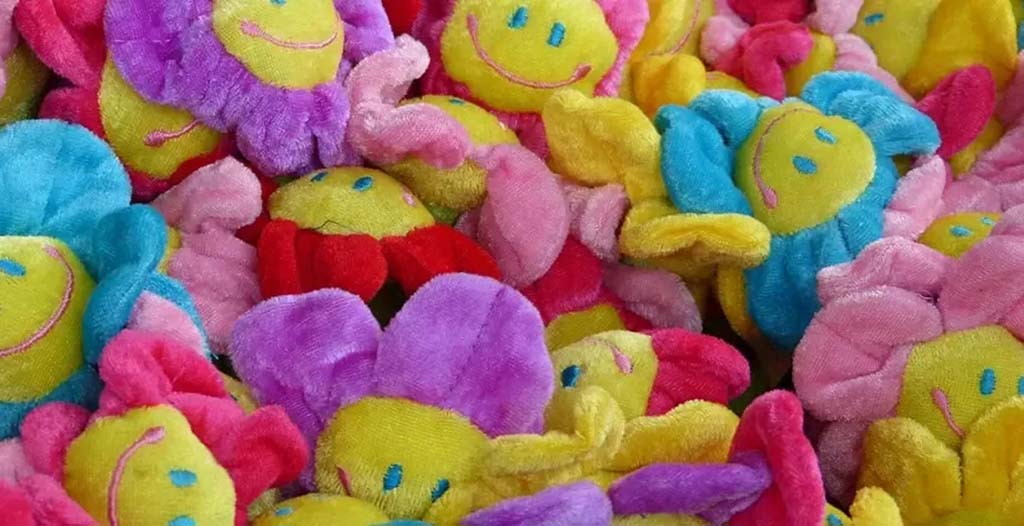
For branding and marketing teams, “plushie” is more than a cute word; it is a tool. It helps position soft toys as characters, companions, and lifestyle items, not just generic children’s products. This shift opens more doors for storytelling, visual identity, and price positioning.
When you call something a “plushie,” you invite buyers to see it as part of a character universe. It fits naturally alongside comics, digital art, stickers, and apparel. Brands can build a whole ecosystem where plushies are the “physical friends” of their digital designs. This works especially well for indie creators, VTubers, influencers, and game studios.
In marketing copy, “plushie” supports a more personal tone. Phrases like “take this plushie everywhere,” “your new desk plushie,” or “sleep with your favorite plushie” sound friendly and casual. They speak directly to both teens and adults. In contrast, “stuffed animal” often leads to more generic language like “this stuffed animal is soft and huggable,” which feels less emotional.
The word also plays a role in visual branding. Many plush-focused brands use rounded fonts, pastel colors, and simple icons that match the softness implied by “plushie.” Tag designs, labels, and packaging often feature character art and small stories rather than only product specs. Even for B2B communication, some brands now use style guides that treat plushies like main brand heroes, not side products.
From a pricing angle, “plushie” language can support limited drops and collabs. A “limited plushie” release sounds more like a collector event than a simple restock. This framing helps justify higher prices and encourages quick purchase decisions, especially in online communities used to drops and pre-orders.
As a factory, when a client’s brief uses “plushies” and talks heavily about story, content, and community, I know we should think beyond a simple toy. We discuss hangtags with lore, special patches, custom packaging, and more careful control of facial embroidery. The product is a brand ambassador, not just a SKU.
Branding and marketing effects of “plushie”
| Branding area | How “plushie” changes the approach | Benefit for modern toy brands |
|---|---|---|
| Positioning | From basic child’s toy → character/lifestyle item | Supports wider age range and emotional use |
| Tone of voice | More personal, playful, fandom-aware | Creates stronger connection with online communities |
| Visual identity | Softer fonts, character art, story-focused tags | Makes brand world feel cohesive and collectible |
| Launch strategy | Fits pre-orders, drops, and limited editions | Encourages urgency and repeat purchases |
| Cross-media links | Joins digital content (games, streams, art) | Plushies become physical anchors for digital IP |
Conclusion
Stuffed animals did not suddenly disappear. The language around them simply expanded. “Plushie” grew from fabric jargon and fan slang into a global, emotional word that fits modern materials, internet culture, and adult collectors. For brands and factories, understanding this shift is not just about vocabulary—it is about seeing how people relate to soft toys today.
At Kinwin, we design and manufacture plush toys and “plushies” for buyers who care about both safety and storytelling. If you’re building a new character line, updating your soft toy naming, or exploring how to speak better to fandom and online communities, you’re welcome to contact me at [email protected] or visit kinwintoys.com. We can help you match the right language, materials, and designs to your market.