Skip to content
Soft fabrics decide how a plush doll feels the first time a customer touches it and how it feels after a year of hugs. When you pick the right fabric, the face stays cute, the body keeps its volume, and seams stand up to play and washing. When you pick the wrong one, you see pilling, distortion, and unhappy reviews, even if the pattern and stuffing are good.
In this guide, I walk through ten popular soft fabrics used in plush dolls. For each one, you will see how it feels, how it behaves in production, what buyers notice, and where it fits best in a product line. The goal is simple: give you enough detail so you can discuss materials with your factory, ask better questions, and build plush dolls that match your brand position and price point.
Minky Fabric
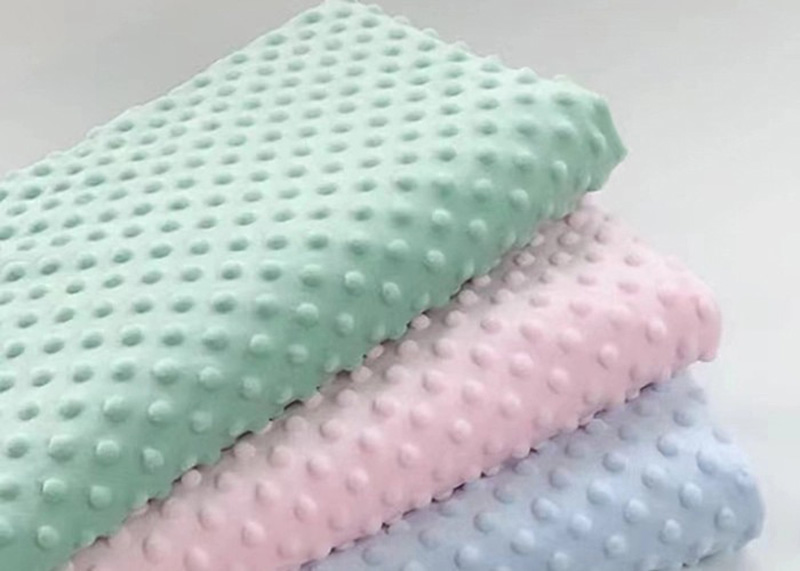
Minky is often the first fabric people think of when they imagine a modern, soft plush doll, especially for babies and young children. It has a knit base and a silky, short to mid pile that moves smoothly under the hand. When you squeeze a minky plush, the surface feels “buttery,” and there is a subtle drape in the fabric that makes the doll look gentle and relaxed rather than stiff or rigid.
For B2B buyers, minky works very well when the brand promise is comfort, security, and calm. Baby dolls, bedtime companions, and nap plush toys all benefit from this fabric because it does not feel scratchy or noisy, and high-quality minky stays soft even after repeated washing. The pile height, often around 2–5 mm, is long enough to feel luxurious, but short enough to keep embroidered or appliqué facial details clean. This balance is important when you want safe, embroidered eyes and mouths without losing sharpness.
In production, minky needs a factory that understands stretch control. Because the base is knit, the fabric can distort if the cutting and sewing teams pull too hard or if patterns are not stabilized. A good factory will plan cutting direction, manage nap orientation for left and right sides, and use proper stitch length and tension so shapes stay consistent across large orders. When this is done well, the line of dolls on a shelf looks unified, and buyers feel the quality at a glance.
From a sourcing point of view, you can choose between standard polyester minky and recycled polyester (rPET) minky. Recycled versions support sustainability stories and can still achieve a very soft hand, if you work with reliable mills. For safety and durability, it is important to check colorfastness, pilling resistance, and shrinkage under your target care conditions (for example, cold gentle machine wash). Brands that position themselves around gentle care for sensitive skin should also pay attention to lint and dust levels, because cleaner fabrics feel better and cause fewer complaints.
When you plan a plush doll line that includes blankets, comforters, or sleep buddies, using minky across the collection gives a unified feel and makes it easier to communicate a “soft and soothing” brand identity. It is not always the cheapest option, but the perceived value is high, and many parents recognize it as a premium fabric.
Minky Fabric — Key Parameters for Plush Dolls
| Attribute | Typical Details | Notes for Plush Dolls |
|---|---|---|
| Base construction | Knit (warp or weft) | Needs good cutting control to avoid distortion |
| Pile height | Approx. 2–5 mm | Soft, luxurious feel but still allows embroidered faces |
| Hand-feel | Silky, “buttery,” drapey | Ideal for baby and cuddle-focused products |
| Common fiber | Polyester or rPET | rPET supports eco-positioning when tested and documented |
| Main advantages | Very soft, good drape, good wash performance in quality grades | Increases perceived value and comfort |
| Main cautions | Stretch and nap direction must be managed in production | Choose higher GSM for better coverage and reduced show-through |
| Best use cases | Baby dolls, cuddle dolls, blankets, sleep buddies, comfort plush | Works well as main body fabric and large panels |
Velboa Fabric
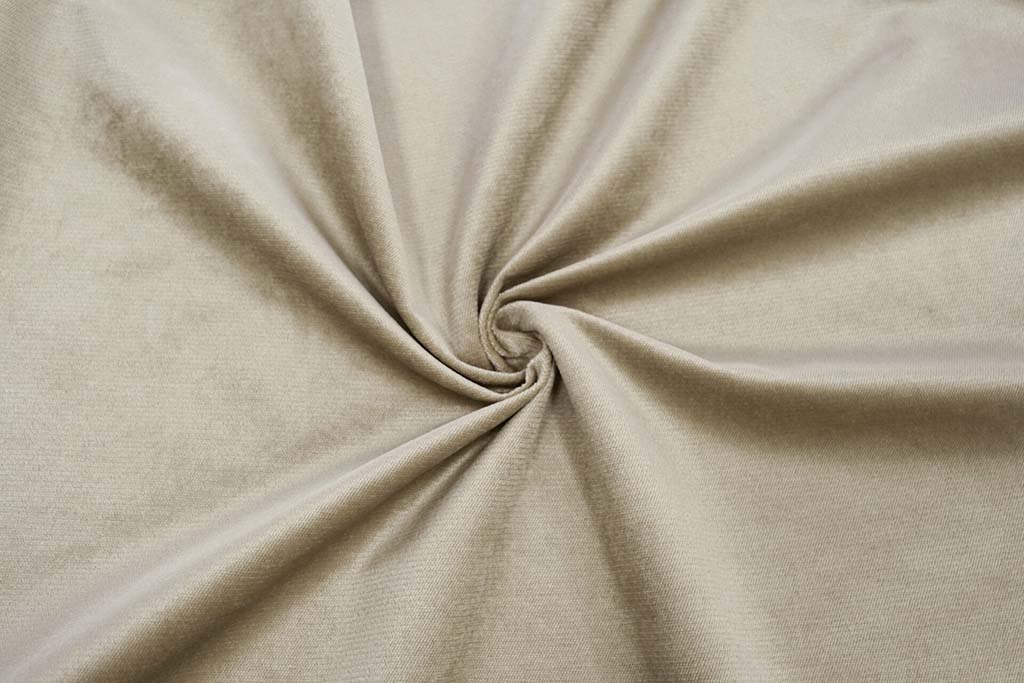
Velboa is a short-pile plush that is widely used for faces, smaller dolls, and any design that needs clear detail. The pile is usually around 1–3 mm and lies very low, which creates a smooth surface that behaves almost like a soft suede, but with more warmth and gentle texture. When you run your fingers over velboa, it feels soft and even, without the deep nap you see in minky or long plush.
Because the pile is low and the base (often warp-knit) is stable, velboa offers very good control for embroidery and pattern placement. Eyes, noses, logos, and small lettering look sharp and tidy. This is important if your plush dolls carry a brand mark on the chest, a small slogan, or very specific face designs for characters. In many collections, buyers choose velboa for the face and ears and combine it with another fabric for the body to balance softness and detail.
From a production view, velboa is friendly to work with when the density is high enough. A dense velboa hides the backing structure and gives a rich, solid appearance. Lower-density or very cheap velboa can look shiny and thin, especially on curved surfaces or tight areas around seams. To avoid this, factories prefer to work with rolls that have good GSM and a consistent pile. Sharp cutting tools keep the edges clean, and a sensible stitch length helps avoid puckering along seams.
Velboa performs well in terms of shape stability. It does not stretch as much as minky, so it is a good choice when you need every doll in a series to have the same silhouette. This is useful for licensed characters, promotional mascots, or any project where strict brand guidelines apply. For safety and durability, it is important to test colorfastness, especially on darker colors, because rubbing against lighter fabrics or skin can reveal issues in low grades.
From the customer side, velboa often appears in mid-price plush dolls that feel soft but not “too floppy.” The face looks clear in photos, which supports online sales. Velboa can also be used for full-body plush dolls where the design style is minimalistic or where the softness of minky is not strictly required. If you want to control costs while still delivering a pleasant touch, velboa is a practical and reliable choice.
Velboa Fabric — Key Parameters for Plush Dolls
| Attribute | Typical Details | Notes for Plush Dolls |
|---|---|---|
| Base construction | Warp-knit plush | Very stable for cutting and sewing |
| Pile height | Approx. 1–3 mm | Excellent for crisp faces and logos |
| Hand-feel | Smooth, low nap, warm | Soft but less “fluffy” than minky |
| Common fiber | Polyester | Good color control and wash performance in quality grades |
| Main advantages | Clear detail, stable shape, tidy embroidery | Great for licensed characters and mascots |
| Main cautions | Cheap, low-density grades can appear shiny or thin | Request higher GSM and dense pile for premium lines |
| Best use cases | Facial panels, ears, patches, small plush dolls, character branding | Works well when visual clarity is a priority |
Fleece Fabric
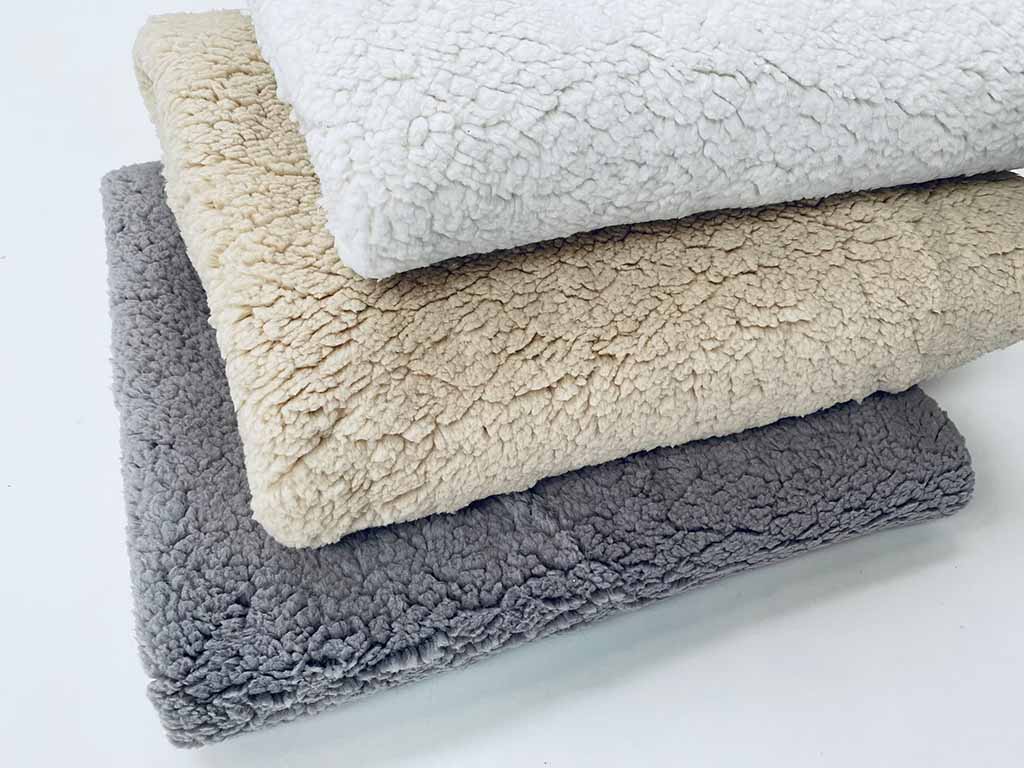
Fleece does not have a traditional standing pile like plush, but it is still widely used for soft plush dolls because of its brushed, cozy surface. The fabric is knit and then brushed to raise fibers, creating a warm, slightly fuzzy hand-feel that reminds people of sweatshirts or blankets. When you touch fleece, it feels comfortable and familiar, which can be a strong point for casual or budget-friendly plush lines.
From a cost perspective, fleece is often more economical than high-grade plush fabrics. This makes it attractive for promotions, entry-level products, and dolls that come with other items in a gift set. The stretch is usually medium to high, depending on the knit structure and weight, so the fabric shapes well around curves and can give a relaxed, rounded look to plush dolls. However, this stretch also means patterns must be well-controlled to avoid asymmetry between left and right sides.
Pilling is the main concern with fleece. Lower-quality fleece can form small balls of fiber on the surface after rubbing or washing, which makes dolls look worn faster. For a serious plush project, it is important to ask for anti-pill grades and to test them under the expected care conditions. A good fleece will keep its surface relatively smooth and free from heavy fuzzing even after extended use.
In production, fleece is quite forgiving. It sews easily, handles standard stitch lengths well, and does not shed heavily during cutting. This can speed up sample development and mass production. For faces and small details, many brands mix fleece bodies with velboa or another short plush on the face to keep expressions sharp. Fleece alone can work for simple, stylized characters where fine detail is not critical.
From the buyer perspective, fleece plush dolls feel casual and friendly. They fit well into homey, winter, or cozy-themed collections. They also work nicely for clothing and accessories on dolls, such as hoodies, jackets, or hats. If your brand needs a comfortable feel and a competitive price, with a relaxed visual style, fleece is a useful fabric to consider.
Fleece Fabric — Key Parameters for Plush Dolls
| Attribute | Typical Details | Notes for Plush Dolls |
|---|---|---|
| Base construction | Knit, brushed surface | Warm and cozy feel without high pile |
| Surface character | Soft fuzz rather than standing pile | Ideal for casual, homey styles |
| Common fiber | Polyester | Widely available, easy to source |
| Main advantages | Cost-effective, easy to sew, familiar touch | Good for large volume orders and promotions |
| Main cautions | Pilling risk in low grades; stretch must be controlled | Choose anti-pill grades and test wash performance |
| Best use cases | Budget plush bodies, doll clothing, winter or cozy-themed characters | Often combined with other fabrics for faces and details |
Short Plush Fabric
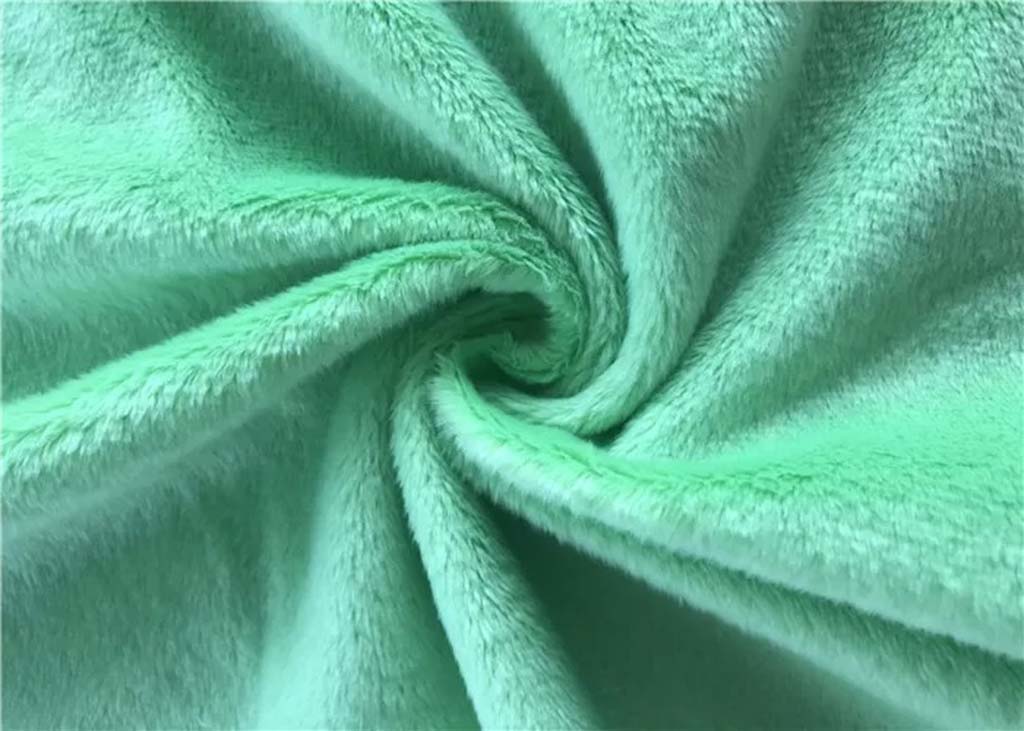
Short plush is a broad term for fabrics with a pile height roughly between 1 and 4 mm that are designed specifically for plush toys and dolls. It sits between velboa and minky in terms of pile length and softness, often giving you the best compromise between a cuddly hand-feel and clean visual detail. When you touch short plush, you feel softness, but you still see shapes clearly, and facial features remain defined.
In many plush collections, short plush is the “workhorse” fabric. It works for bodies, heads, limbs, and even larger characters where you need balanced performance. The base is usually warp-knit, giving the material stability during cutting and sewing, while the pile provides enough texture to feel like a true plush, not just a brushed knit. Because the pile is not extremely long, it is easier to control when sewing curves, tight corners, and small darts.
From a production perspective, short plush demands attention to nap direction. If panels are cut in different directions, you might see color and texture differences between the left and right sides, even when the fabric is the same. A good factory will mark nap direction on patterns and follow a clear spreading and cutting plan. Stitch length and tension must be set so seams hold without crushing the pile too much, especially around the face and high-visibility areas.
In terms of durability and care, quality short plush holds up well to washing and repeated handling. Because the pile is moderate, the risk of heavy matting is lower compared to long plush or certain faux fur styles, especially when GSM is sufficient. Colorfastness testing is still important, as with any dyed fabric, but short plush often shows a stable result when sourced from reputable mills.
For B2B buyers, short plush is a safe choice for core SKUs. It fits mid-range price points, feels “plush enough” for most expectations, and works across a wide age range, from children to older collectors who want something soft but not overly fluffy. If you are building a new plush doll line and want one main fabric that can support many designs, short plush is a strong candidate.
Short Plush Fabric — Key Parameters for Plush Dolls
| Attribute | Typical Details | Notes for Plush Dolls |
|---|---|---|
| Base construction | Usually warp-knit plush | Stable and manageable in production |
| Pile height | Approx. 1–4 mm | Balanced softness and visual clarity |
| Hand-feel | Soft, plush, moderate volume | Feels premium without being too fluffy |
| Common fiber | Polyester or rPET | Good performance, supports eco options with rPET |
| Main advantages | Versatile, durable, good for many styles and ages | Works well as a main body fabric |
| Main cautions | Nap direction must be aligned between panels | Check GSM to avoid show-through on curves |
| Best use cases | Everyday plush dolls, core body fabric, mid-range retail lines | Simple to coordinate with other materials for faces and clothes |
Long Plush Fabric
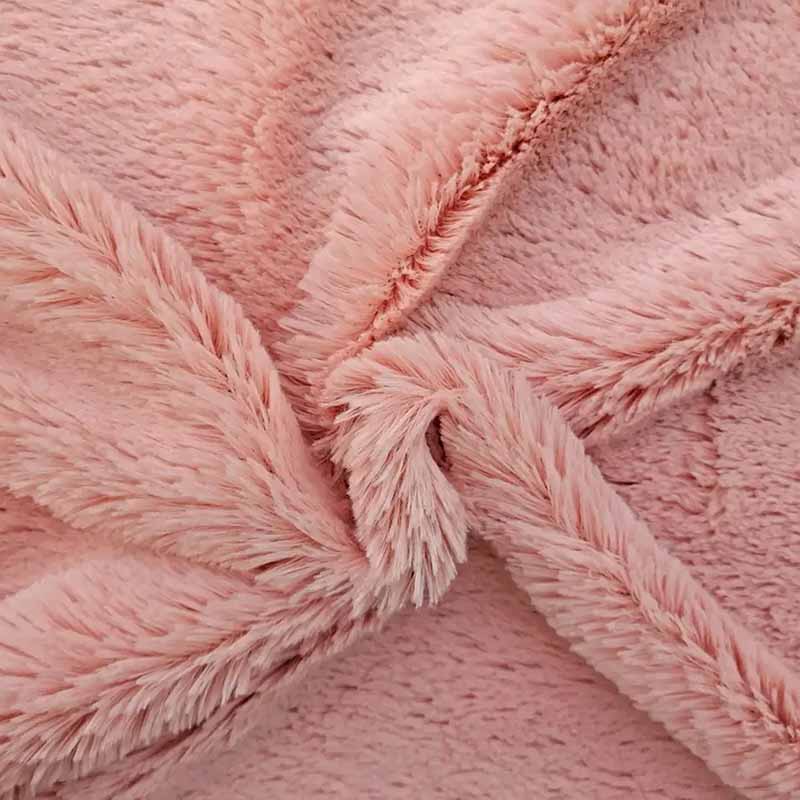
Long plush is designed to create visual volume and a strong “fluffy” impression. With pile heights typically around 10–20 mm or more, it transforms the look of a plush doll, making it appear bigger and more huggable at the same base pattern size. When you stroke long plush, the fibers flow under your hand, and the surface can change in appearance depending on the direction of the nap.
Designers often use long plush to highlight specific parts of a doll, such as hair, manes, tails, or special costumes that should stand out. Full-body long plush dolls are possible, but they require more attention to pattern design, stuffing, and seam placement to avoid overly bulky or uneven areas. In visual merchandising, long plush has strong shelf impact; it catches light differently and draws attention from a distance.
During production, long plush is more demanding than short plush or velboa. Cutting generates more loose fibers, so factories must handle it in dedicated areas, vacuum or clean regularly, and protect other production lines from contamination. Seam allowances may need to be slightly larger to support the volume and to keep seams secure when the pile is brushed away from the stitching line. It is often necessary to trim or “scissor sculpt” pile from seam allowances before sewing to reduce bulk.
From a quality standpoint, the main concerns are shedding and matting. Poor-quality long plush can lose fibers easily when brushed or rubbed, which is problematic for both appearance and safety, especially for younger age groups. Selecting higher-grade long plush and performing simple lint and rub tests during sampling helps reduce risk. Over time, long pile can also flatten in high-contact areas, so testing under real use conditions is important before large-scale orders.
For B2B buyers, long plush is best used strategically. It adds cost compared to many simpler fabrics and increases handling time in the factory. But when used on key SKUs or hero items, it can lift the perceived value of the whole range. If your brand wants a few special plush dolls that feel extra fluffy or that present strong character styling, long plush is a powerful tool.
Long Plush Fabric — Key Parameters for Plush Dolls
| Attribute | Typical Details | Notes for Plush Dolls |
|---|---|---|
| Base construction | Knit plush | Extra pile height on stable base |
| Pile height | Approx. 10–20+ mm | Strong fluffy effect and volume |
| Hand-feel | Very soft, flowing fibers | High tactile appeal and visual drama |
| Common fiber | Polyester or blends | Higher cost and handling compared to short plush |
| Main advantages | Strong shelf impact, rich texture, standout details | Great for hero SKUs and special designs |
| Main cautions | Shedding, seam bulk, more complex cutting and cleanup | Not ideal for very young age groups without strict control |
| Best use cases | Hair, manes, tails, feature panels, premium or collectible dolls | Use as accent fabric or on special editions |
Faux Fur Fabric
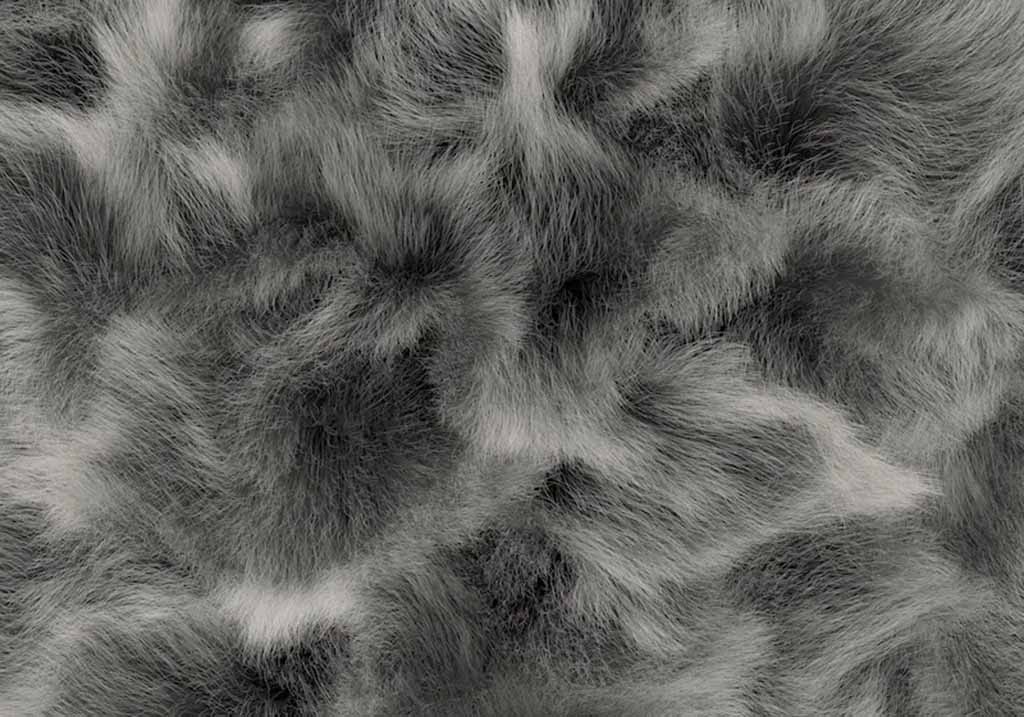
Faux fur is a specialized form of long pile fabric designed to imitate the look and feel of real animal fur. It uses different fiber lengths, mixed colors, and sometimes directional patterns to create a dynamic, realistic surface. When you see faux fur on a plush doll, it often appears in animal characters or high-end fashion details, and it immediately signals a premium or collectible positioning.
The base of faux fur can be knit or woven, and pile heights can reach 15–60 mm depending on the design. This length and density allow for layering of shades and textures, giving depth and movement when the doll is handled. For realistic animals, such as wolves, foxes, or long-haired cats, faux fur is often the only way to create the desired look in a mass-produced context.
Production with faux fur is challenging and requires a factory with experience. Cutting must follow the direction of the nap, and tools should be very sharp to avoid crushing or tearing the base. Loose fibers are unavoidable when trimming and shaping, so cleaning routines and air management are important. Seam lines need careful planning; if they sit where the fur is thick, the seam may look bulky or misaligned. Often, patterns are adjusted specifically for faux fur to reduce visible seams and to maintain smooth lines.
From a safety and durability perspective, faux fur must be chosen carefully when plush dolls target younger children. Long loose fibers can be a concern if shedding is high. High-quality faux fur sheds less and keeps its integrity better during both production and final use. Washing guidelines also matter: many faux fur items do better with gentle washing in a bag, or with spot-cleaning instructions, depending on the market and price point.
For B2B buyers, faux fur is a tool for differentiation. It is usually more expensive than standard plush, but it allows you to build signature pieces that stand out in a crowded market. If your brand sells realistic animal dolls, seasonal winter creatures, or luxury plush collectibles, faux fur can express those concepts very effectively.
Faux Fur Fabric — Key Parameters for Plush Dolls
| Attribute | Typical Details | Notes for Plush Dolls |
|---|---|---|
| Base construction | Knit or woven | Supports heavy and long pile |
| Pile height | Approx. 15–60 mm | Enables realistic, layered fur looks |
| Hand-feel | Hairy, rich, dynamic | Feels premium and eye-catching |
| Common fiber | Polyester, acrylic, or blends | Higher cost; needs quality control for shedding |
| Main advantages | Realistic animal appearance, strong branding impact | Ideal for collectible and high-value lines |
| Main cautions | Shedding, weight, complex patterning and cleaning | Not ideal for infants without strict safety planning |
| Best use cases | Realistic animals, seasonal or luxury plush dolls, trims and fashion details | Works best on selected SKUs rather than entire ranges |
Velvet Fabric
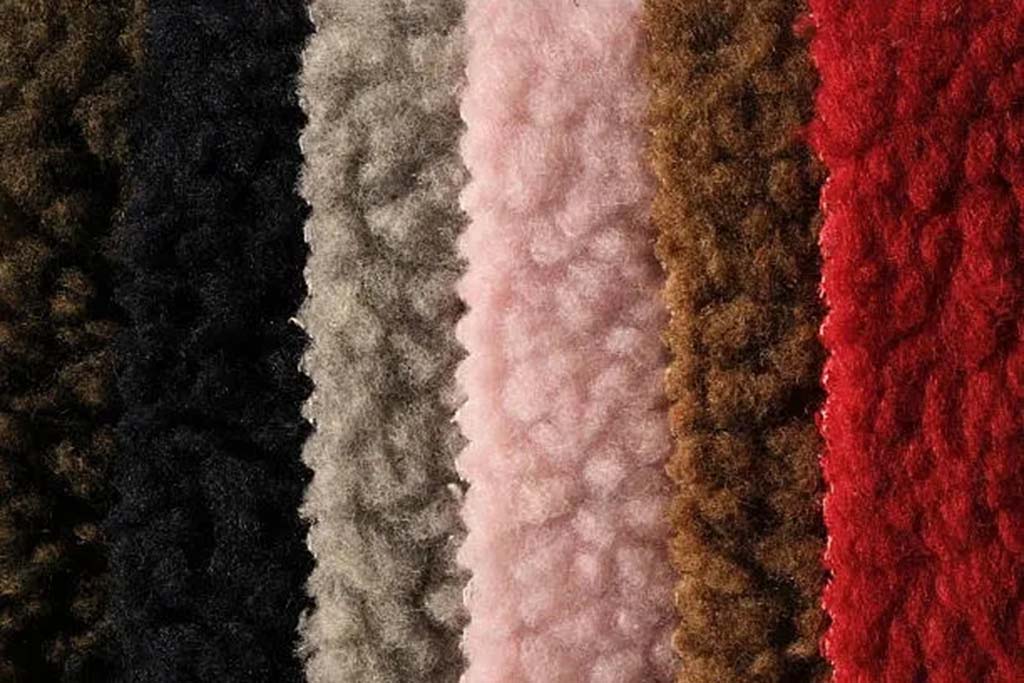
Velvet brings a different kind of softness to plush dolls. Instead of a fluffy, high pile, it offers a smooth, dense short pile that reflects light in a very distinctive way. The result is a formal, rich appearance that feels closer to apparel or high-end home décor, yet still soft enough for plush applications. When you run your hand across velvet, you see the nap change direction and a soft sheen move with it.
In plush dolls, velvet is most often used for clothing, accessories, and accent panels rather than entire bodies. A velvet dress on a doll, for example, immediately suggests a premium or festive product. Collars, bows, shoes, and decorative trim can also gain visual depth from velvet without needing additional print or embellishment. The fabric takes color very well, so deep reds, blues, and jewel tones look particularly strong.
From a technical point of view, velvet can be woven or knit. Woven velvet tends to hold crisper shapes and is less stretchy, which is helpful for structured clothing pieces. Knit velvet has more give and can be more forgiving in fit, but both types require careful handling to avoid visible pressure marks and seam shine. Pressing must be done lightly, often with a press cloth or special velvet board, to protect the pile.
In production, sewing velvet demands attention to stitch length, needle choice, and feeding to prevent slippage between layers. It is not as forgiving as fleece or short plush, so experienced machinists are a big advantage when you choose this material. For the face and main body areas of a plush doll, many brands combine velvet accents with other fabrics that are easier to manage and more familiar to customers.
From the buyer’s point of view, velvet signals “special.” It suits seasonal collections, holiday dolls, and giftable items where appearance is more important than extreme wash performance. With clear care instructions, velvet details can last well and continue to look rich over time. If your brand needs a few SKUs that feel elevated and more fashion-forward, velvet is a strong option.
Velvet Fabric — Key Parameters for Plush Dolls
| Attribute | Typical Details | Notes for Plush Dolls |
|---|---|---|
| Base construction | Woven or knit with short dense pile | Adds visual depth and elegance |
| Pile height | Approx. 1–2 mm | Smooth, sleek surface with sheen |
| Hand-feel | Soft, formal, rich | Not fluffy, but still gentle to touch |
| Common fiber | Polyester, sometimes blends | Good color saturation and stability |
| Main advantages | Premium look, strong color, ideal for clothing and accents | Elevates perceived value of dolls |
| Main cautions | Seam shine, pressure marks, more demanding sewing and pressing | Not ideal as core body fabric for young children |
| Best use cases | Dresses, bows, collars, shoes, premium trims on plush dolls | Perfect for seasonal or gift-oriented lines |
Microfiber Fabric
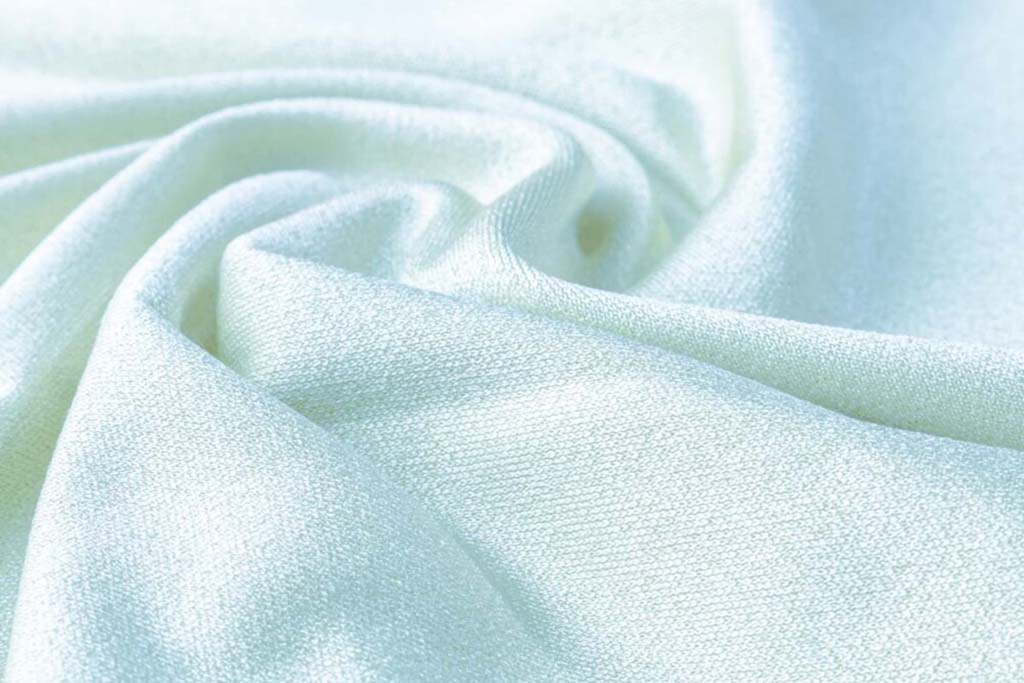
Microfiber fabric is built from extremely fine synthetic filaments, which creates a very smooth, sometimes almost suede-like surface. It can have a micro-nap or be nearly flat, but the touch is generally soft, quiet, and gentle on the skin. When you rub a microfiber plush doll between your fingers, you feel almost no roughness, and the fabric glides easily, which can be very appealing for baby and toddler products.
In plush dolls, microfiber often appears in face panels, small dolls, and items where a modern, clean aesthetic is important. Because the surface is so fine, printed details can look sharp, and subtle color gradients can show nicely. Some brands use microfiber to create a minimalist look, avoiding heavy texture and focusing on shape and color instead.
From a production perspective, microfiber needs care in cutting and sewing. The fine fibers can snag if they contact rough surfaces or aggressive Velcro during manufacturing or packing. Stitch length must be chosen so that seams hold firmly without creating puckering or distortion. The fabric usually has some stretch, depending on the knit or woven structure, so patterns should be tested carefully at sample stage.
In terms of care and durability, good-quality microfiber resists pilling and keeps a clean appearance for a long time. It often dries quickly and can handle gentle machine washing. Static buildup is one point to consider, especially in dry climates or during certain seasons; factories and warehouses may need to manage this with standard procedures if it becomes noticeable.
For B2B buyers, microfiber is an interesting alternative when you want something smoother and lighter than traditional plush, but still soft and child-friendly. It can also support a more contemporary brand look, especially when combined with simple color blocking and subtle embroidery. Used correctly, it gives plush dolls a calm, refined feel that stands apart from very fluffy designs.
Microfiber Fabric — Key Parameters for Plush Dolls
| Attribute | Typical Details | Notes for Plush Dolls |
|---|---|---|
| Base construction | Knit or woven with ultra-fine fibers | Very smooth, modern surface |
| Surface character | 0–2 mm micro-nap or nearly flat | Soft, quiet, and gentle for skin contact |
| Common fiber | Polyester microfibers | Strong and lightweight, good durability |
| Main advantages | Low lint in good grades, clean look, quick drying | Works well for baby or minimalist designs |
| Main cautions | Possible static, risk of snags if handled roughly | Avoid contact with aggressive Velcro and sharp edges |
| Best use cases | Baby-facing areas, simple plush dolls, modern character lines | Ideal when you want a sleek, non-fluffy style |
Flannel Fabric
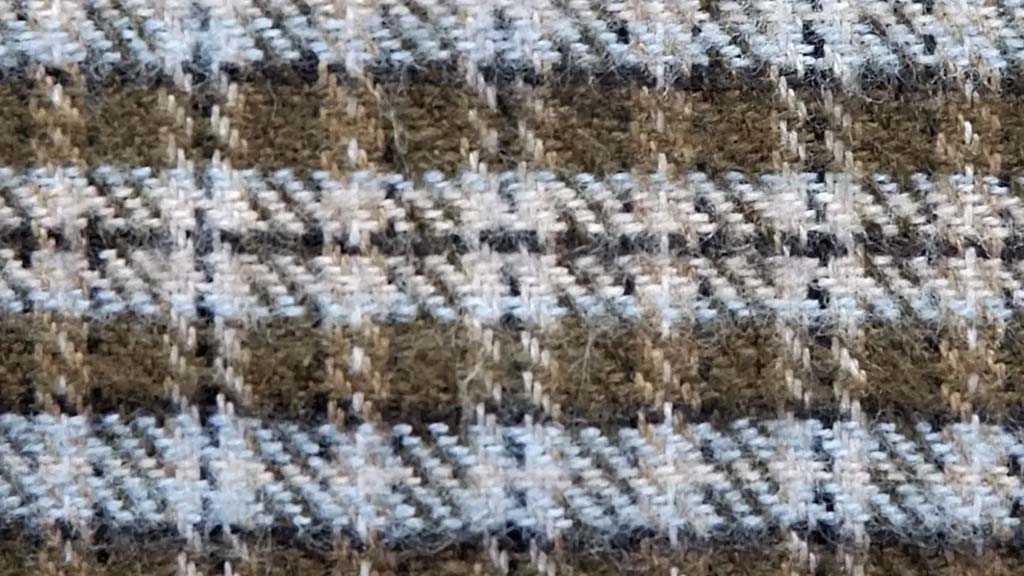
Flannel is a familiar fabric from shirts, pajamas, and bedding. It is usually woven and then brushed to lift a soft layer of fibers on the surface. This creates a cozy, matte look that feels warm and homey. When you touch flannel on a plush doll, it feels like a comfortable garment rather than a traditional high-pile plush, which can fit very well with certain brand stories and character designs.
In plush dolls, flannel is often used for clothing and accessories: pajamas, shirts, dresses, and sometimes the main body for a more retro or nostalgic style. Because it is woven, flannel has less stretch than knit fabrics, which helps maintain consistent shapes and seam lines. The brushed surface also helps hide minor sewing irregularities and gives a soft overall impression.
From a production viewpoint, flannel is straightforward but requires attention to shrinkage and fraying. As a woven fabric, it can fray at cut edges, so proper seam allowances and finishing are important. Pre-washing or pre-shrinking at the mill or factory level helps prevent size changes after the customer washes the doll. Stitch length should be chosen to balance seam security and fabric strength without perforating the edge too much.
Durability depends heavily on the quality of the flannel. Higher-quality versions feel denser, have a smoother brushed surface, and resist rapid pilling. Lower-quality flannel can become fuzzy and worn-looking relatively quickly, which may not be ideal for premium plush projects. Colorfastness is generally good, but checks are still needed, especially for dark checks or prints that might bleed onto lighter materials.
For B2B buyers, flannel is a good way to introduce a “home comfort” feeling into plush dolls without dramatically raising cost. It connects emotionally with familiar clothing and bedtime rituals. If your brand includes storytelling about nightly routines, cozy homes, or family themes, flannel details can support that message very effectively.
Flannel Fabric — Key Parameters for Plush Dolls
| Attribute | Typical Details | Notes for Plush Dolls |
|---|---|---|
| Base construction | Woven, then brushed | Cozy, garment-like feel |
| Surface character | Soft, matte, low fuzz | Nostalgic, homey look |
| Common fiber | Cotton or cotton blends, sometimes polyester blends | Natural feel, but check shrinkage |
| Main advantages | Warm appearance, strong character styling for clothing | Good for retro or bedtime themes |
| Main cautions | Shrinkage and fray; pilling in lower grades | Pre-shrink and choose tighter weaves for better durability |
| Best use cases | Doll clothing, pajamas, shirts, seasonal or story-driven plush dolls | Often combined with plush bodies and flannel outfits |
Sherpa Fabric
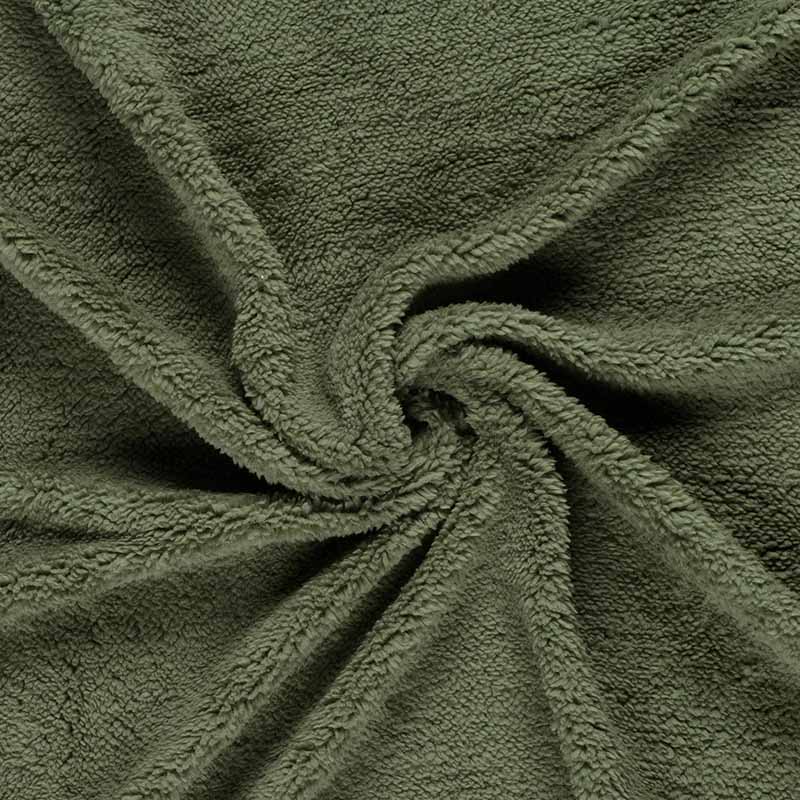
Sherpa fabric is designed to look and feel like sheep fleece. It usually has a knit base with loops or a heavily napped surface that forms small, rounded tufts. When you look at Sherpa on a plush doll, you immediately think of teddy bears, winter jackets, and soft blankets. It is both visually and physically warm, which makes it a favorite for cozy and seasonal collections.
In plush dolls, Sherpa can be used for full bodies, jackets, hoods, or trims such as cuffs and collars. The texture is playful and inviting, and it reads as comforting even from a distance. Many brands use Sherpa to create teddy-style dolls that feel classic yet updated, combining it with other fabrics for faces and hands to keep details clean.
From a manufacturing perspective, Sherpa behaves like a bouncy knit with added bulk. The main challenge is managing seam thickness, especially where multiple layers meet. Seam allowances may need trimming or grading, and patterns should consider the added volume so the doll’s proportions stay balanced. Because of the loops and napped surface, Sherpa can also trap lint or loose threads during production, so housekeeping and final grooming are important.
In terms of durability, good Sherpa keeps its “puff” for a reasonable time, but heavy friction can flatten the tufts. It is important to test how it looks after rubbing and washing to be sure it still appears attractive. The fabric generally handles gentle machine washing well, and brushing after drying can help restore its fluffy look.
For B2B buyers, Sherpa is a strong option when you want to create “comfort characters,” winter-themed dolls, or teddy-style collections. It supports a warm, emotional message and can visually differentiate your products from smooth or standard plush dolls. Used in the right proportion, it adds value without requiring complex printing or extra trimming.
Sherpa Fabric — Key Parameters for Plush Dolls
| Attribute | Typical Details | Notes for Plush Dolls |
|---|---|---|
| Base construction | Knit with loops or heavy nap | Creates soft, rounded tufts |
| Surface character | Textured, fluffy, teddy-like | Strong “cozy” visual impact |
| Common fiber | Polyester | Easy to care for, stable in gentle washing |
| Main advantages | Warm, friendly appearance, high comfort association | Great for seasonal and comfort-driven designs |
| Main cautions | Seam bulk, lint trapping, possible flattening in high-friction areas | Trim seam allowances and test appearance after wash and rub |
| Best use cases | Teddy bodies, jackets, hoods, cuffs, winter trims, comfort plush dolls | Ideal for collections that highlight warmth and security |
Conclusion
Soft fabrics are not all the same, even when they look similar at first glance. The right match between fabric, design, user age, and brand story turns a simple plush doll into a product that customers remember and repurchase. Short piles keep faces crisp. Deep piles create impact and volume. Smooth surfaces feel modern and clean. Cozy weaves bring warmth and nostalgia.
At Kinwin, we help global buyers choose fabrics that support their positioning, pass real factory checks, and still feel wonderful in the customer’s hand. Whether you are planning baby-safe cuddle dolls, premium collectibles, or high-volume promotional lines, our team can match material, pattern, and stuffing into one stable solution. Email [email protected] or visit kinwintoys.com to discuss your next plush doll project and build a fabric strategy that fits your market.