Skip to content
As a B2B plush manufacturer, I build “anxiety plushies” to deliver calm, comfort, and reliability—without medical claims and without compromising safety. Below I explain how they work, which features matter, how they’re used, what tests apply, and how to launch responsibly at scale.
What defines an anxiety stuffed animal and how does it work?
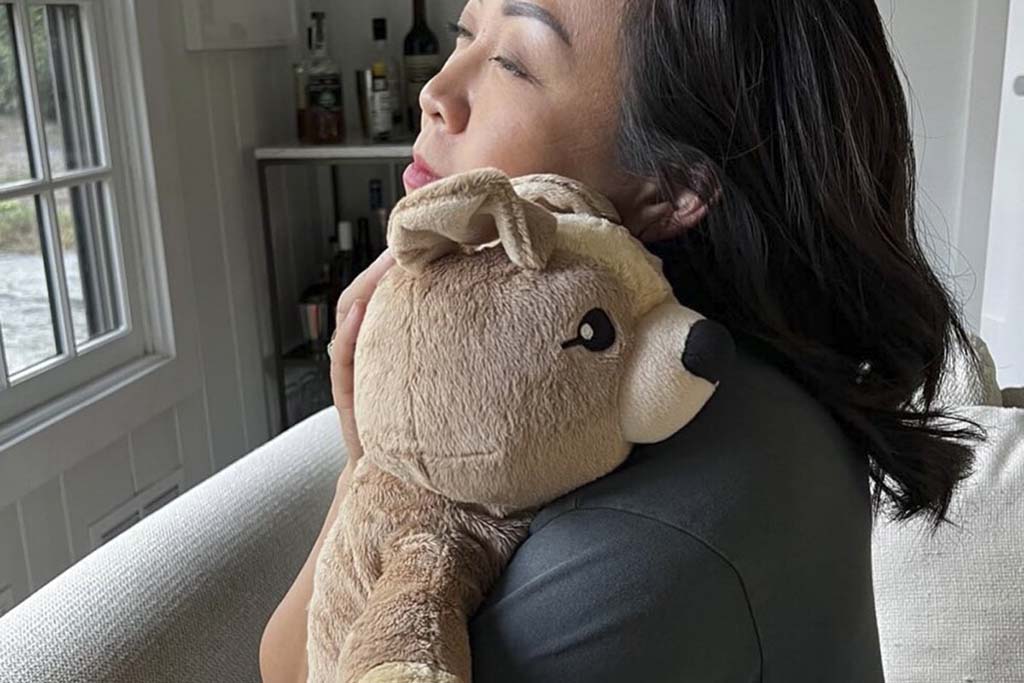
An anxiety stuffed animal is a plush designed to help users calm down, self-regulate, and refocus through predictable sensory input. The core idea is simple: when touch and weight signals are steady, the nervous system often settles. I design these plushies around four gentle mechanisms: (1) deep-pressure input from internal weight that feels grounding; (2) tactile soothing from stable, low-lint fabrics that invite slow stroking; (3) rhythmic routines like hug-and-breathe or squeeze-and-release that the user can repeat anywhere; and (4) optional scent cues that, when subtle and removable, help set a calmer mood. I map the fill by zones—firmer base for stability, balanced torso for a comfortable “hug,” and softer limbs for drape—so the toy feels present but never rigid. Faces stay simple and friendly to avoid visual overstimulation. Because hygiene matters, I prefer a removable inner pouch system: weight or scent lives inside sealed liners; the outer shell gets a surface wipe. For young users, I keep everything non-detachable and fully embroidered. For teens and adults, I can add discrete fidgets (ribbed ear, quilted tummy) but keep the silhouette clean. Clear labels prevent confusion: “remove pouch before cleaning,” “surface wipe only,” and age guidance. The result is a soft, safe object that supports calm moments during schoolwork, travel, bedtime, and transitions—no hype, just dependable sensory design.
Feature overview (how it supports calm)
| Design Element | Purpose for the User | Implementation Notes |
|---|---|---|
| Deep-pressure weight | Grounding, body awareness | Sealed inner pouches; balanced torso |
| Soft, low-lint fabric | Tactile soothing | Short-pile minky or low-lint velboa |
| Simple friendly face | Low visual load | Embroidered eyes/nose, soft palette |
| Removable inner system | Hygiene & flexibility | Weight/scent out; shell surface-clean |
| Consistent density map | Predictable “hug” | Firmer base, softer limbs |
How do weighted or scented features promote calm and focus?
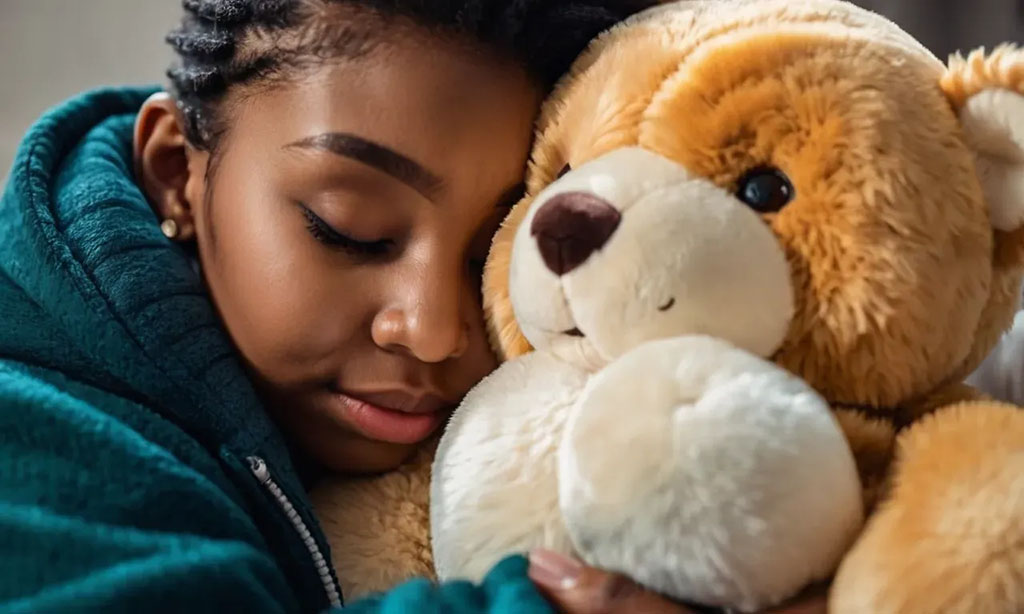
Weighted plush works through gentle, even pressure that can help reduce restlessness and improve focus for reading, homework, or travel. I never chase heavy numbers; I aim for comfortable, clearly labeled ranges that feel supportive, not clinical. Weight sits centrally (torso) or distributes into limbs via stitched channels to prevent bead migration. All beads go inside sealed liners; nothing is ever loose. For younger users, I keep weights light and avoid pellets entirely under age three. For teens and adults, a slightly heavier option can feel reassuring during study or screen breaks. Scent is always optional and removable. I use very light, dry carriers (e.g., micro-encapsulated inserts or dry scented sachets) inside separate pouches. Intensity stays low; leakage must be impossible; and labels disclose ingredients and usage (“remove in scent-free settings”). To protect sensitive users, I always offer a non-scented base SKU and sell scent packs separately where allowed. In classrooms or libraries, the best performer is usually a lightly weighted, unscented model with a soft face and a calm, neutral colorway. At home, families like a two-pouch system (weight + optional scent) so they can customize. Across sizes, I keep weight tolerances tight (±3–5%) and run pouch seam tests so every unit feels the same week after week.
Weight & scent configuration guide
| Option | Typical Use Case | Key Controls | Buyer Notes |
|---|---|---|---|
| Light weight (kids) | Classroom focus, travel | Central torso pouch | Keep labels clear; no pellets <3 |
| Moderate weight (teens/adults) | Study, work breaks | Torso + limb channels | Tight tolerances; even distribution |
| Scent-optional | Bedtime wind-down | Removable dry sachet | Offer non-scented base SKU |
| Unscented | Schools, clinics | No aroma inputs | Simplest compliance path |
Which fabrics and textures enhance sensory comfort and safety?
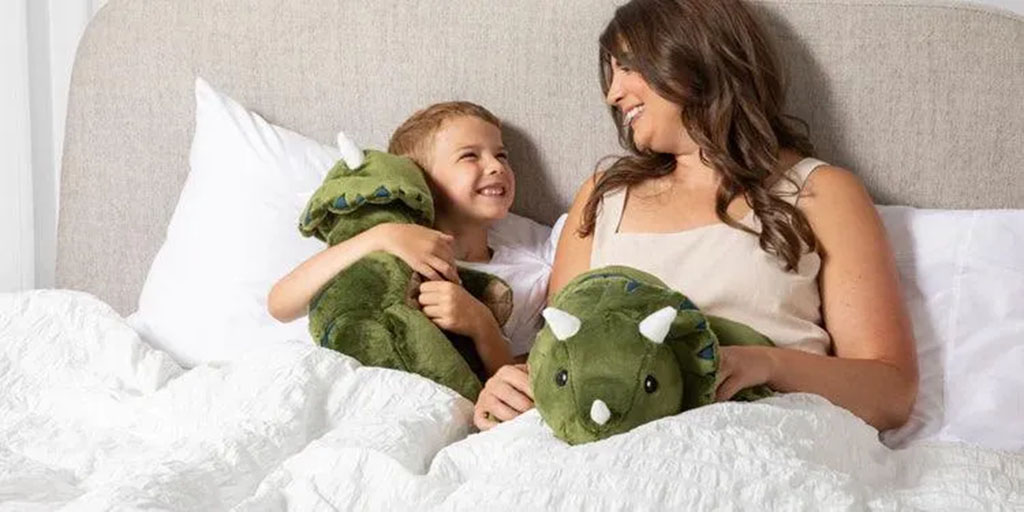
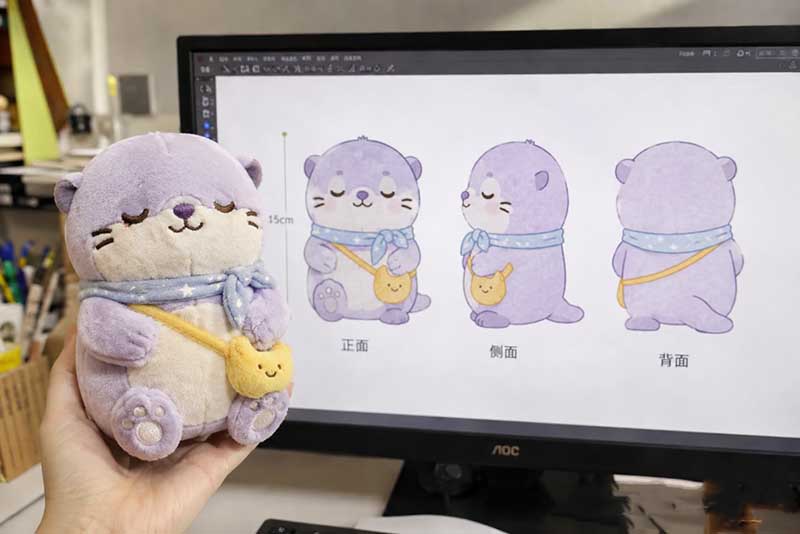
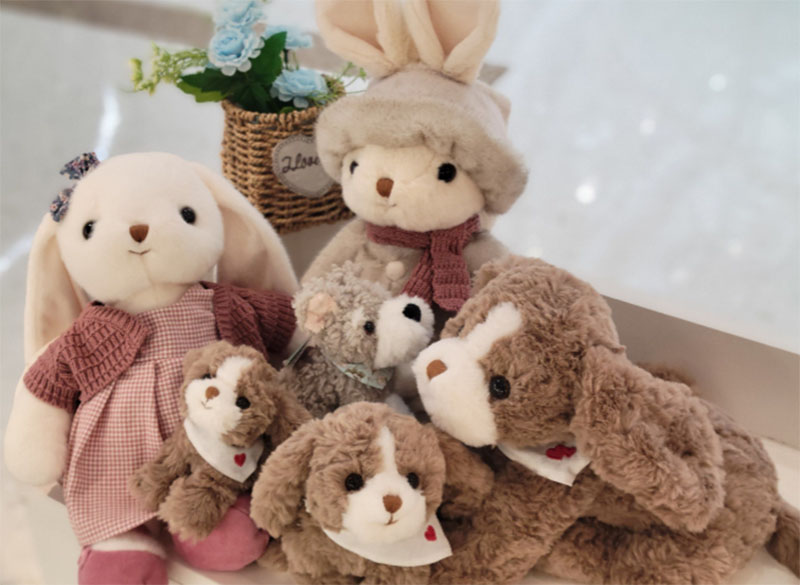
Handfeel drives trust. I favor short-pile minky and low-lint velboa because they feel silky, look clean on camera, and resist pilling when sourced well. For a gentle fidget effect, I add subtle texture zones—ribbed ears, quilted bellies, or soft knit patches—without turning the toy into a busy collage. Stitch quality matters as much as fabric choice: even seam tension prevents scratchy ridges, while a neat closing seam avoids hard spots against the cheek. Inside, polyester fiberfill gives spring-back and keeps silhouettes smooth. When using weight, I run channel stitching inside the liner to stop bead shifting and noise. For baby-adjacent ranges, I avoid long pile, rigid trims, and any parts that could detach; embroidery wins over plastic parts. Labels stay soft and out of the face area. For care, I design for surface wipe-downs and publish simple limits—no high heat, no tumble drying for faux fur—so fibers keep their handfeel. Across a line, I lock a softness rating during sampling and hold it with supplier QA, so customers get the same “hug” every reorder.
Fabric & texture selection matrix
| Component | Preferred Choice | Why It Helps | Watch-outs |
|---|---|---|---|
| Outer shell | Short-pile minky / low-lint velboa | Smooth, calming touch | Cheap fleece pills |
| Texture accents | Ribbed ear / quilted tummy | Gentle fidget cue | Keep visual load low |
| Face details | Full embroidery | No small parts | Avoid hard plastics for <3 |
| Fill | Poly fiberfill | Spring-back, shape | Don’t overpack face area |
| Weight liners | Channel-stitched pouches | Even pressure, low noise | Never loose beads |
How are these plush toys used in therapy or emotional support?
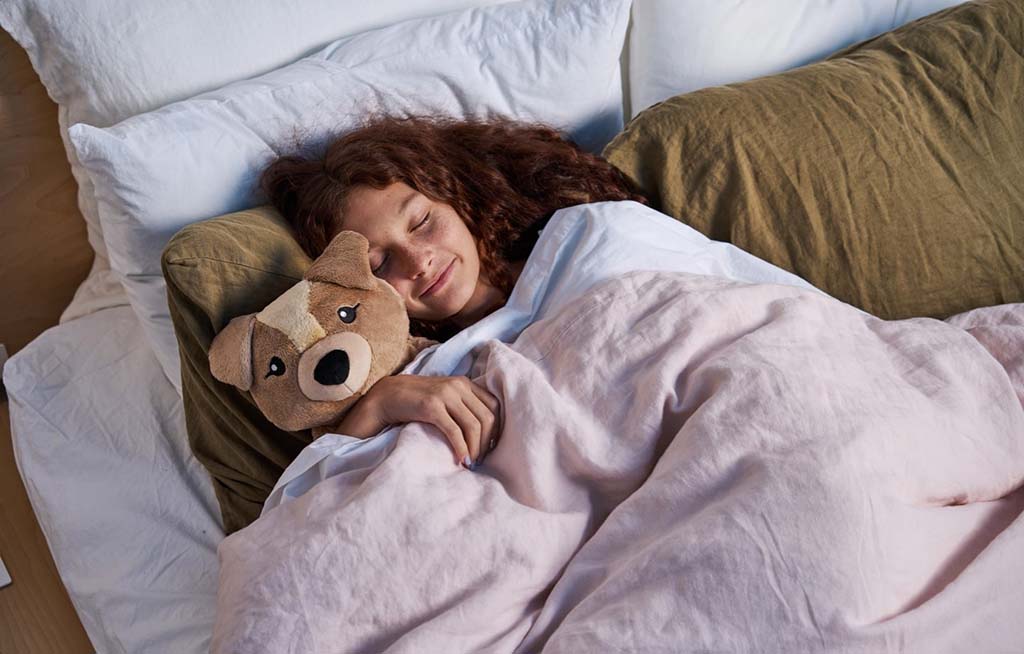
I design anxiety plushies to fit simple, repeatable routines used by families, teachers, and therapists. In clinics and classrooms, the plush becomes a grounding tool: hug while counting breaths, squeeze during a break, or hold it during quiet reading to signal “I’m self-regulating.” At home, parents use short scripts on a tag or card—“Hug and breathe x5,” “Name three things you see, hear, and feel,” or “Squeeze, release, and notice shoulders drop.” For transitions (car rides, waiting rooms, bedtime), a small or medium size works best because it’s easy to carry and doesn’t overwhelm the user. I build size/weight tiers so caregivers can choose the right presence: unweighted 20 cm for young users, lightly weighted ~30 cm for school focus, moderate ~40 cm for teens/adults. For hygiene, removable inner pouches allow quick surface cleaning of the shell. In group settings, unscented variants keep environments inclusive; scented pouches stay at home. Importantly, I frame these products as comfort aids, not medical devices. That positioning keeps expectations realistic and focuses everyone on habits—breathing, naming feelings, taking short resets—that actually help.
Use scenarios & sizing at a glance
| Scenario | Recommended Build | Why It Fits | Notes |
|---|---|---|---|
| Classroom focus | 25–30 cm, light weight, unscented | Subtle, portable | Neutral colors, soft face |
| Bedtime wind-down | 30–40 cm, optional scent pouch | Calming ritual | Scent removable; disclose clearly |
| Travel transitions | 20–25 cm, unweighted or light | Easy to carry | Add loop/pouch for bags |
| Clinic support | 30 cm, unscented, embroidered face | Inclusive, low risk | Clear care card |
What testing and safety standards govern their production?
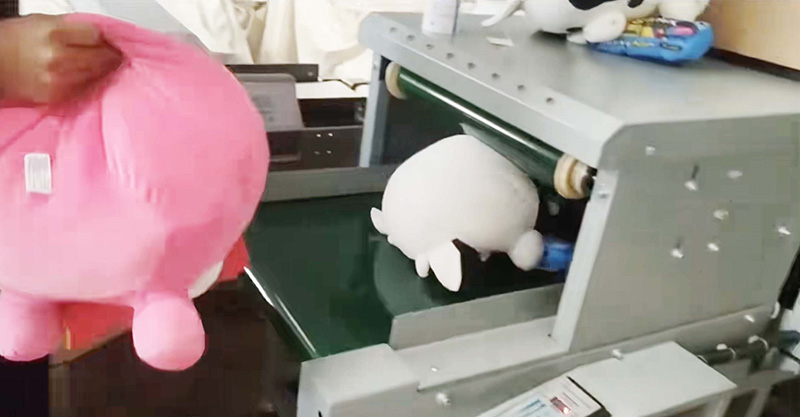
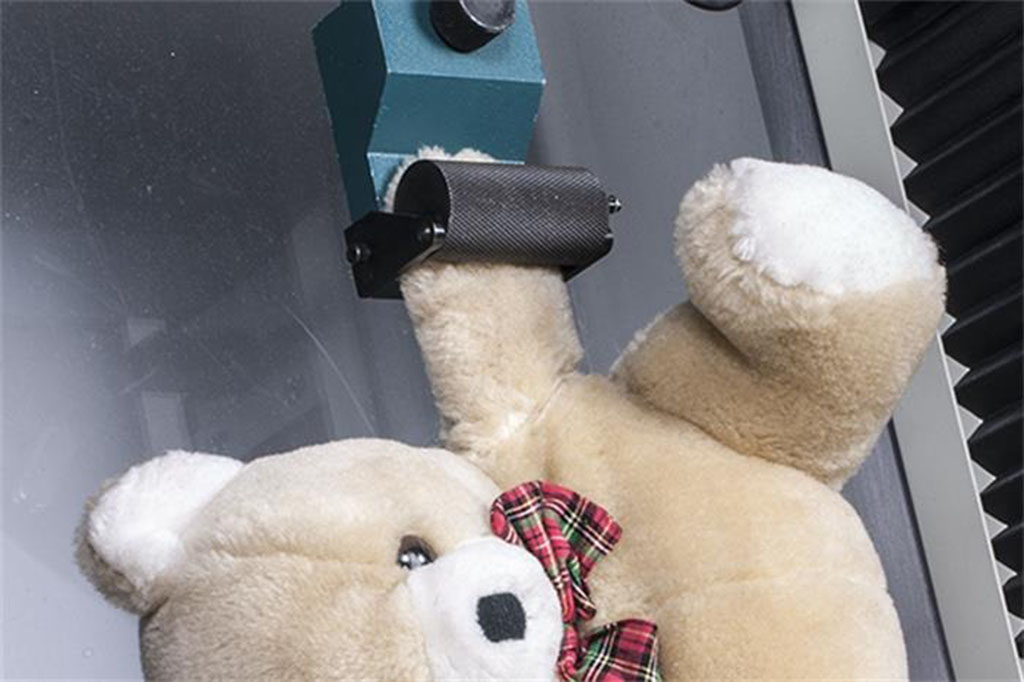
Anxiety plush must meet general toy safety plus feature-specific checks. For the USA, plan ASTM F963 and CPSIA (including tracking labels and phthalates where applicable). For the EU, plan EN 71-1/2/3 and REACH; for the UK, UKCA under EN 71; for Canada, CCPSA; for Japan, ST; for Korea, KC. Mechanically, I test seam strength, small parts, and needle detection on finished goods. Flammability and migration of elements cover fabric inks, threads, and trims. Weighted builds add pouch integrity, channel stitching strength, and leak tests. If offering scent, review potential sensitizers, keep concentration low, and require clear disclosure and removability. Age grading stays conservative: no pellets or detachable parts for under-3s, embroidery only for eyes/noses in baby-adjacent sizes, and durable polyester thread for closures. Documentation matters: supplier IDs, batch traceability, lab reports, and DoC/CoC keep customs smooth and retailers confident. I schedule pre-production tests, then periodic production-lot tests to maintain consistency at scale.
Compliance roadmap (by requirement type)
| Requirement | What We Verify | Typical Evidence |
|---|---|---|
| Mechanical safety | Seams, small parts, closures | ASTM/EN reports; pull tests |
| Chemical limits | Heavy metals, REACH substances | Lab COAs; migration tests |
| Flammability | Fabric behavior under flame | EN 71-2 / ASTM data |
| Weighted pouches | Seam/leak integrity | Load & shake tests |
| Needle detection | Broken needles in lines | 100% finished-goods scan |
| Labeling & traceability | Age, tracking, care | CPSIA/DoC, SKU/batch IDs |
How do brands design and market anxiety plushies responsibly?
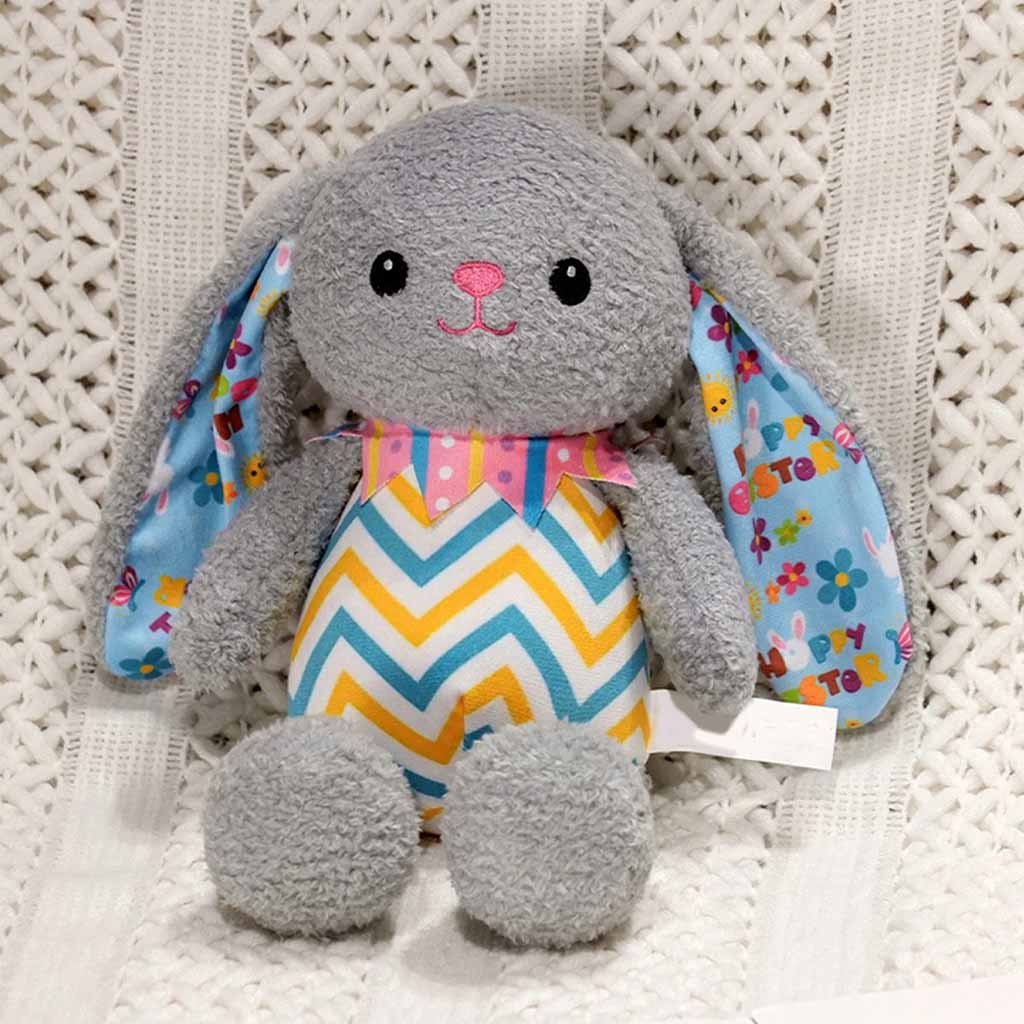
Responsible brands set clear intent—calming comfort, not treatment—then design for safety, repeatability, and honest messaging. I start with softness targets, weight tolerances (±3–5%), and a density map per size. Faces are quiet; palettes are neutral or pastel with one soft accent to stay timeless. I offer two configurations: (a) a non-scented base for schools/clinics and (b) a scent-optional variant for home use. PDPs and packaging show age guidance, weight disclosure, and care instructions in plain language. To reduce returns, I add an easy “how to use” card (hug-and-breathe steps). For sustainability, I can specify rPET fiberfill and dope-dyed fabrics with documented claims (GRS, supplier letters). Marketing avoids medical promises; instead, we highlight calm routines, soft textures, and quality controls. Post-launch, I monitor reviews for seam, weight, and scent feedback and adjust the next lot. This cycle protects users, margins, and long-term brand trust.
Responsible design & go-to-market checklist
| Area | Best Practice | Outcome |
|---|---|---|
| Positioning | Comfort aid, no medical claims | Honest expectations |
| Configurations | Base unscented + scent-optional | Inclusive assortment |
| Specs & QC | Softness targets, ±3–5% weight, pull tests | Consistent “hug” feel |
| Safety & Docs | ASTM/EN/REACH + traceability | Retailer & customs ready |
| Sustainability | rPET fill, dope-dyed options | Clear, verifiable claims |
| Care & Use | Simple scripts on tag/card | Fewer returns, happier users |
Conclusion
A good anxiety plush is soft, stable, clearly labeled, and easy to care for—bringing calm without compromise. At Kinwin, I help global buyers design scent-optional or weighted plush, lock repeatable softness, and pass compliance with confidence. Contact [email protected] or visit kinwintoys.com to co-create a responsible, retail-ready anxiety plush line.