Skip to content
In the global toy industry, product safety and compliance are no longer optional—they’re fundamental. Plush toys may appear soft and harmless, but they are subject to some of the strictest consumer safety regulations in the world. For importers, retailers, and brand owners, a single failed safety test can result in customs rejections, recalls, or even legal penalties.
Ensuring compliance isn’t only about testing; it’s about systematic management from concept design to shipment. Every material, process, and supplier decision plays a part. This guide walks you through how to maintain safety and compliance in plush toy sourcing, based on real-world factory standards and international best practices.
What Are the Key Safety Risks in Plush Toy Manufacturing?
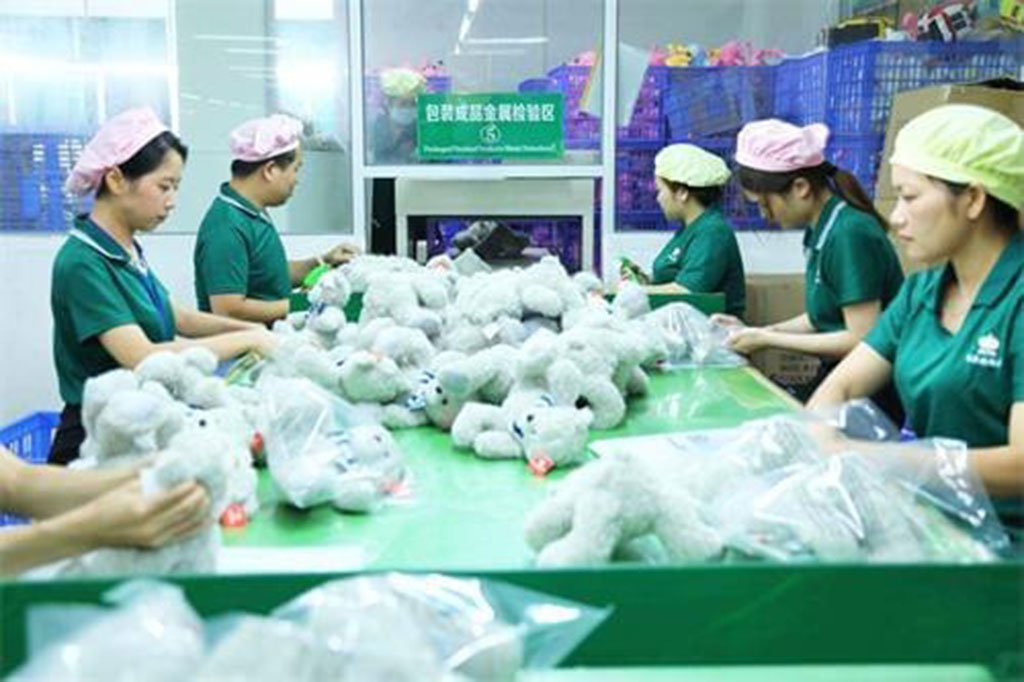
The first step in compliance is understanding what can go wrong. Even the cutest stuffed animal can pose serious hazards if not properly designed or manufactured. Plush toys often involve multiple materials—fabric, fiberfill, thread, dyes, beads, and accessories—all of which can introduce risk.
Chemical hazards include the use of unsafe dyes, heavy metals, or plasticizers (like phthalates) that can be harmful when children put toys in their mouths. Mechanical hazards arise when small parts like eyes, buttons, or decorations are not securely attached and become choking risks. Flammability hazards occur when fabrics or stuffing materials ignite too easily, especially in toys meant for young children. Finally, hygiene issues can happen when stuffing is contaminated or not properly dried before assembly, leading to mold or odor.
Leading factories prevent these issues by controlling every stage—from selecting certified raw materials to performing internal pre-tests before mass production begins. Responsible suppliers also train their staff to detect non-conformities early, minimizing rework and waste.
Main Safety Risk Sources
| Risk Type | Example Problem | Prevention Method |
|---|---|---|
| Chemical | Toxic dyes, heavy metals, formaldehyde | Use certified fabrics & testing labs |
| Mechanical | Loose eyes or buttons | Safety-locked or embroidered parts |
| Flammability | Easily ignited fabric or stuffing | Use EN71-compliant flame-retardant fabrics |
| Hygiene | Mold, dust contamination | Clean stuffing, sealed storage |
How Do International Toy Safety Standards Define Compliance?
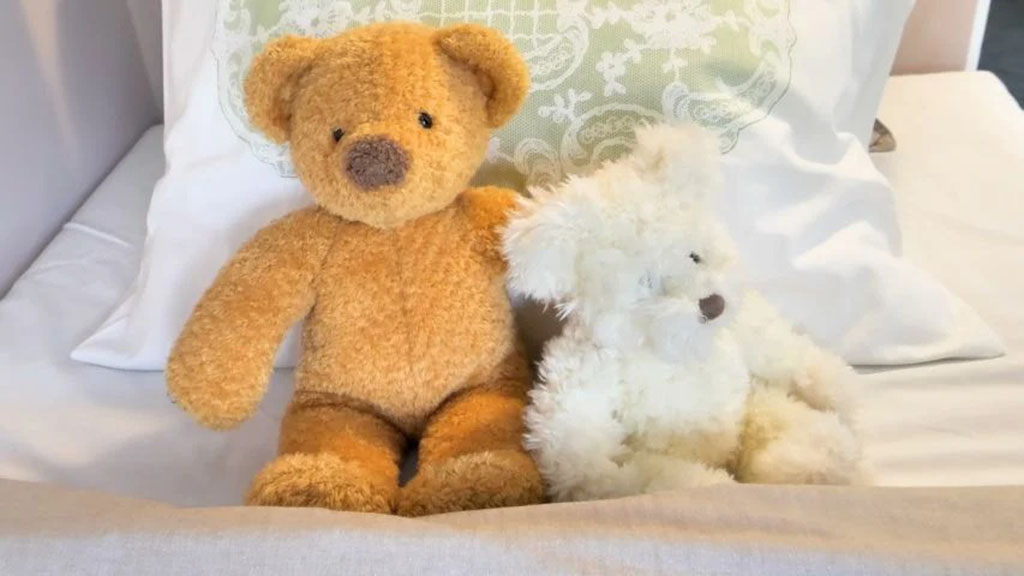
Safety standards define the minimum acceptable level of protection for consumers—and the framework that factories must follow. Understanding these standards is essential for global buyers who sell in multiple markets.
In Europe, plush toys must comply with EN71 and carry the CE mark. This standard covers mechanical safety (no sharp edges or loose parts), flammability (controlled burning rate), and chemical composition (restricted heavy metals, phthalates, and azo dyes).
In the United States, the ASTM F963 and CPSIA standards are required. ASTM F963 evaluates a toy’s overall safety performance—covering drop tests, torque tests, and small-part evaluations. CPSIA mandates that materials must be lead- and phthalate-free and that tracking labels identify the manufacturer and batch number for traceability.
Japan’s ST standard is equally strict, focusing on local chemical content and strength tests, while ISO 8124 serves as the harmonized global benchmark for international exporters.
Buyers should note that test reports must be specific to the actual toy being exported—reports for similar products are not legally valid. Partnering with factories that test every new design, rather than reusing old data, ensures compliance remains consistent and defensible.
Major Toy Safety Standards
| Region | Main Standard | Focus Area | Required for … |
|---|---|---|---|
| Europe | EN71 / CE | Flammability, chemicals, mechanics | All EU imports |
| USA | ASTM F963 | Toxicity, choking, labeling | Toys for U.S. market |
| USA | CPSIA | Lead & phthalate restrictions | Children under 12 |
| Global | ISO 8124 | Harmonized toy safety | Multi-region exports |
| Japan | ST Standard | Local chemical & mechanical tests | Domestic Japanese retail |
How Can Buyers Verify a Factory’s Compliance Capability?
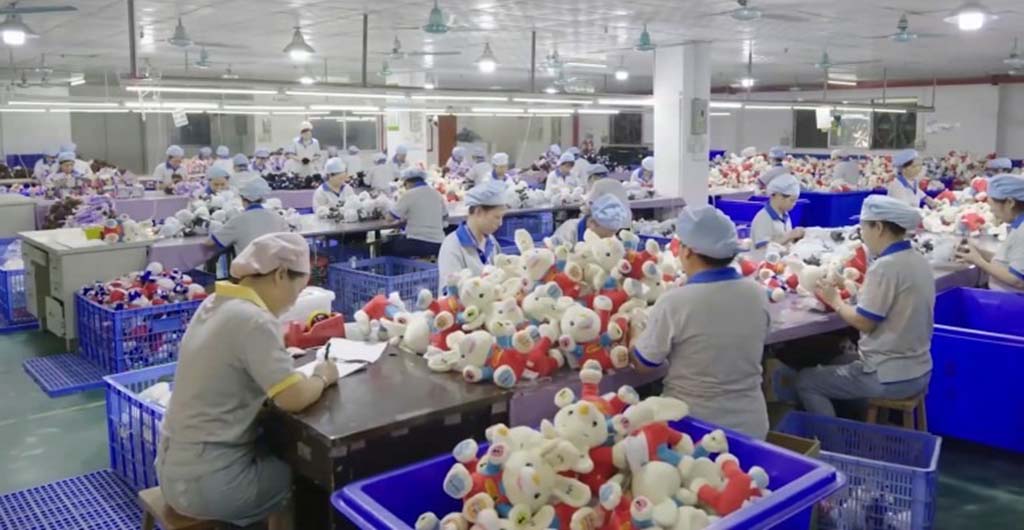
Selecting a factory that “claims” to be compliant is not enough—buyers must verify documentation and operational systems. A genuine, experienced plush toy manufacturer will have clear, traceable proof of compliance.
Begin by reviewing the company’s business license and export registration, ensuring it’s an actual manufacturer, not a trading intermediary. Next, request factory audit certificates such as BSCI, SMETA, or ISO 9001, which indicate sound management and ethical production practices.
Equally important are the product-level certificates: CE, ASTM, or CPSIA test reports issued by credible labs (SGS, Intertek, TÜV, Bureau Veritas). Review their issue date and test scope—reports older than one year or missing material-specific details are often red flags.
Buyers sourcing at scale should also ask for third-party inspection access. Reliable factories will not only accept independent inspection but encourage it, showing confidence in their compliance.
Factory Compliance Checklist
| Category | What to Request | Why It Matters |
|---|---|---|
| Factory License | Legal business registration | Confirms legitimate operation |
| Certifications | CE, ASTM, CPSIA test reports | Ensures product meets market rules |
| QC System Proof | Inspection SOPs and records | Shows controlled process |
| Lab Cooperation | SGS, Intertek or TÜV contracts | Confirms independent verification |
What Quality-Control Measures Ensure Ongoing Safety During Production?
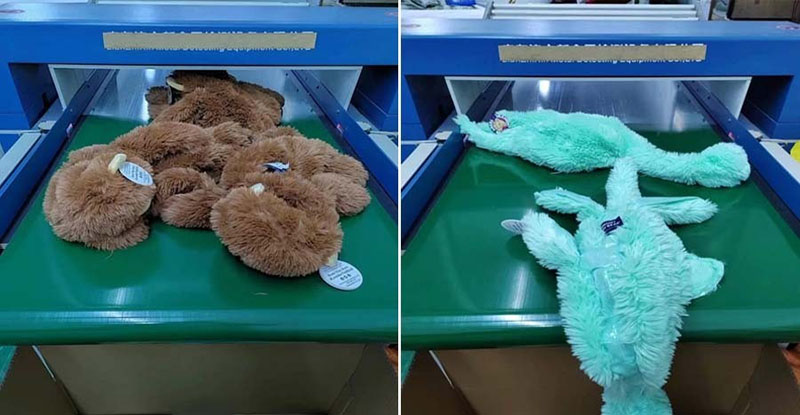
Many compliance failures happen after sample approval because of weak process control. That’s why ongoing quality control (QC) is as important as pre-production testing.
Professional plush toy factories implement multi-level QC systems:
- IQC (Incoming Quality Control): Raw materials such as fabrics, fiberfill, and accessories are tested for safety and cleanliness before entering production.
- IPQC (In-Process Quality Control): Inspectors check during cutting, sewing, and stuffing to detect poor stitching or contamination early.
- FQC (Final Quality Control): Finished toys are compared against golden samples to verify softness, color accuracy, and seam strength.
- PSI (Pre-Shipment Inspection): A final audit, sometimes performed by third parties, ensures only approved goods are shipped.
These systems not only guarantee compliance but also reduce waste, rework, and customer complaints. At Kinwin, every batch undergoes fiber density checks, needle detection, and packaging verification before dispatch—ensuring the product remains safe from the factory floor to the customer’s hands.
Standard QC Flow for Plush Toys
| Stage | Focus Area | Action Taken / Test Type |
|---|---|---|
| IQC | Fabrics, stuffing | Chemical testing and colorfastness check |
| IPQC | Production process | Stitching and seam strength inspection |
| FQC | Finished products | Visual check & softness assessment |
| PSI | Export cartons | AQL inspection & carton drop test |
How Should Buyers Manage Documentation and Product Traceability?
Even with perfect production, documentation is what legally proves compliance. For importers and retailers, keeping detailed files is critical during audits or customs clearance.
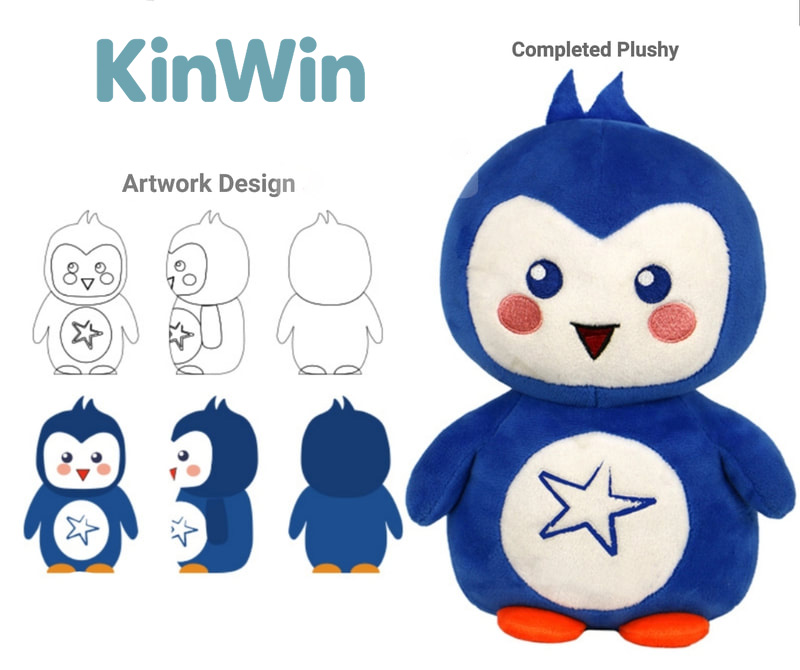
Each plush toy SKU should have a Technical File that includes design drawings, risk assessments, testing results, and bill of materials (BOM). This file demonstrates due diligence and must be updated whenever there’s a material or supplier change.
Factories should also label every shipment with batch numbers for easy traceability. In case a defect or recall occurs, it allows quick identification and correction without affecting the entire product range.
Maintaining organized documentation doesn’t just meet regulatory expectations—it streamlines future projects. When all materials are traceable, reordering or modifying a design becomes faster and less risky.
Documentation Essentials
| Document Type | Purpose | Retention Period |
|---|---|---|
| Technical File | Proof of safety and compliance | 10 years (EU rule) |
| BOM | Material traceability | Duration of product life |
| Label Proofs | Legal marking verification | Until market withdrawal |
| Test Reports | Certification confirmation | Minimum 3 years |
How Can Buyers Protect Intellectual Property and Maintain Ethical Standards?
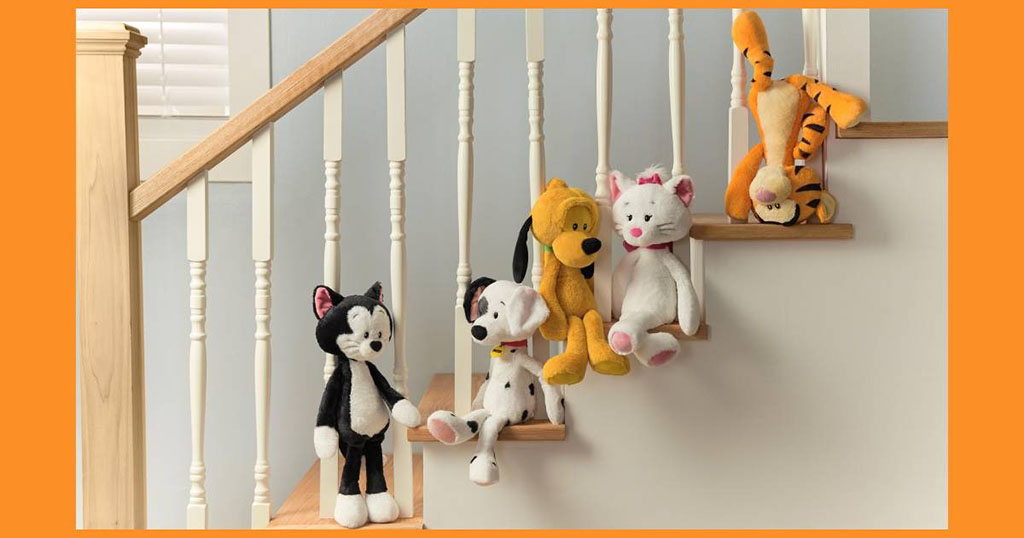
Compliance goes beyond the product—it extends to ethics and intellectual property (IP). As many plush designs involve licensed characters or proprietary shapes, IP protection is a top concern in global sourcing.
Before sharing sketches or 3D models, sign a Non-Disclosure Agreement (NDA). Only work with verified factories that value long-term partnerships and understand international confidentiality standards. You can further protect your brand by registering trademarks or design patents in China, preventing unauthorized use.
Ethical standards are equally crucial. Many buyers now require BSCI or SMETA audits to confirm that factories meet fair labor and environmental practices. This not only minimizes social risk but also builds brand reputation among consumers who value responsible sourcing.
Reputable factories, like Kinwin, implement strict confidentiality systems—restricting design file access, labeling sensitive projects, and maintaining internal IP management protocols.
Ethical & IP Protection Checklist
| Focus Area | Recommended Action | Buyer Benefit |
|---|---|---|
| NDA Agreement | Sign before design sharing | Protects creative concepts |
| Social Audit | BSCI or SMETA certification | Ensures fair labor conditions |
| Material Source | Verify supplier traceability | Prevents counterfeit materials |
| Brand Security | Use custom tags / holograms | Confirms authentic products |
How Do Testing Labs and Certification Partners Support Buyers?
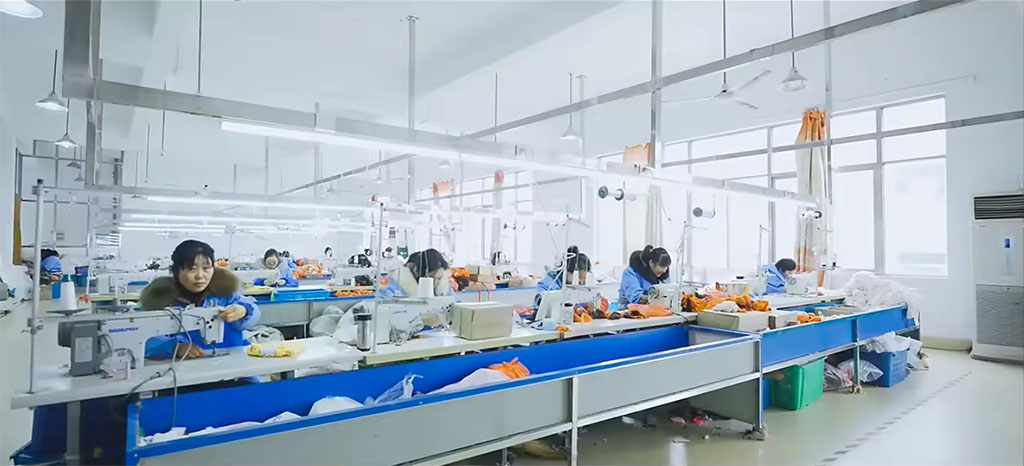
Third-party laboratories are vital partners for ensuring compliance. They provide objective, internationally recognized verification of safety standards, giving buyers documented assurance.
Professional testing labs—like SGS, Intertek, TÜV Rheinland, and Bureau Veritas—offer a wide range of evaluations: chemical analysis, mechanical safety, flammability tests, and label verification. Working with an accredited ISO 17025 lab ensures results are accepted by authorities worldwide.
Buyers can also rely on labs for consulting services, such as guidance on new regulations (for example, microplastic restrictions or recycled-fiber labeling rules). By maintaining regular testing schedules, brands reduce the risk of delayed shipments or rejections.
At Kinwin, all plush toys are tested through recognized labs, with detailed reports provided for each product line. This transparency not only safeguards compliance but also builds confidence between our factory and our clients.
Comparison of Testing Partners
| Laboratory | Region Coverage | Service Focus | Notable Clients / Benefits |
|---|---|---|---|
| SGS | Global | Chemical & mechanical testing | Fast turnaround for CE/ASTM |
| Intertek | Global | Toy testing & certification advice | Wide network in Asia |
| TÜV Rheinland | EU / Asia | Quality management audits | Recognized in EU imports |
| Bureau Veritas | Global | Compliance testing & inspection | Strong report credibility |
Conclusion
Ensuring product safety and compliance in plush toy sourcing requires a complete system—not just a certificate. From verified materials and internal testing to ethical operations and clear documentation, every step protects both the consumer and the brand.
At Kinwin, we follow certified processes that meet CE, ASTM, CPSIA, and ISO standards, ensuring every plush toy is safe, compliant, and built to last. Our professional OEM & ODM teams assist global buyers in managing certification, sample testing, and long-term compliance strategies.
📧 Contact us at [email protected]
🌐 Visit kinwintoys.com
Let’s create plush toys that delight children—and meet every global safety standard.