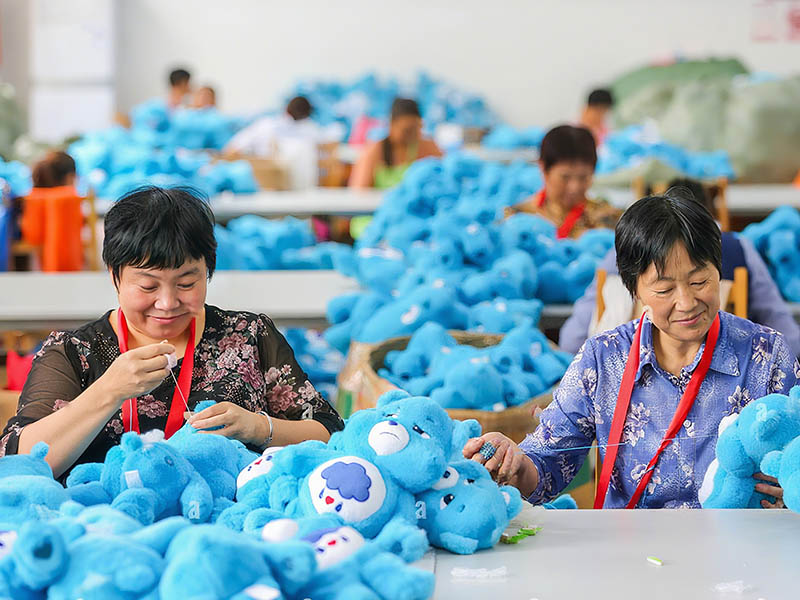
Stuffing is what gives a plush toy its shape, softness, and personality. The choice of filling determines not only how a plushie feels but also its safety, durability, and retail appeal. For manufacturers, selecting the right stuffing is critical to balancing comfort, compliance, and cost.
As a professional plush toy manufacturer at Kinwin, I’ve helped global buyers choose the best stuffing for plushies based on their market goals. This guide explores synthetic and natural options, weighted fillers, eco trends, and the methods that keep plushies huggable for years.
What factors determine the best stuffing choice for plush toys?
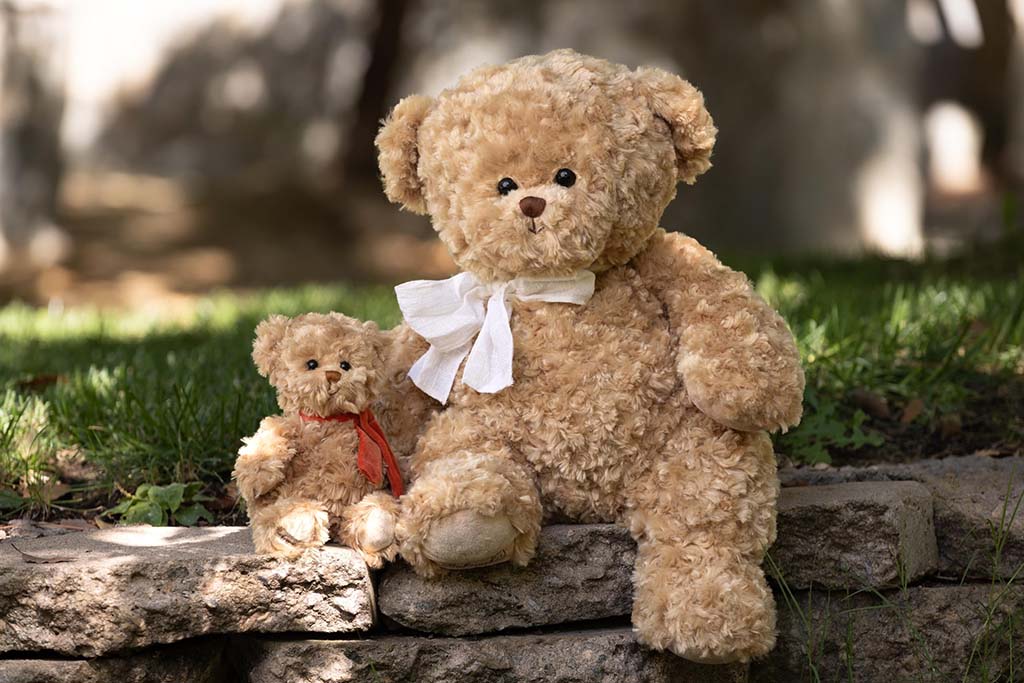
The “best” stuffing depends on multiple factors: safety, softness, durability, purpose, and cost efficiency.
Key considerations include:
- Target market: Baby toys require hypoallergenic and certified safe stuffing. Adult plushies may use heavier fillings for collectibility.
- Design purpose: Decorative cushions need firmness, while comfort plushies require softness.
- Durability: Retail plush must withstand repeated washing and handling.
- Budget: Fillers vary in price—fiberfill is cheaper, while eco-stuffing costs more.
| Factor | Best Choice | Why |
|---|---|---|
| Baby plush | Polyester fiberfill / organic cotton | Hypoallergenic, safe |
| Decorative plush | Foam / dense fiberfill | Shape retention |
| Weighted plush | Beads, pellets | Sensory comfort |
| Eco plush | Recycled polyester / organic cotton | Sustainable branding |
At Kinwin, we guide buyers to balance market needs with compliance, ensuring both safety and product appeal.
Which synthetic fillings are most commonly used in plushie manufacturing?
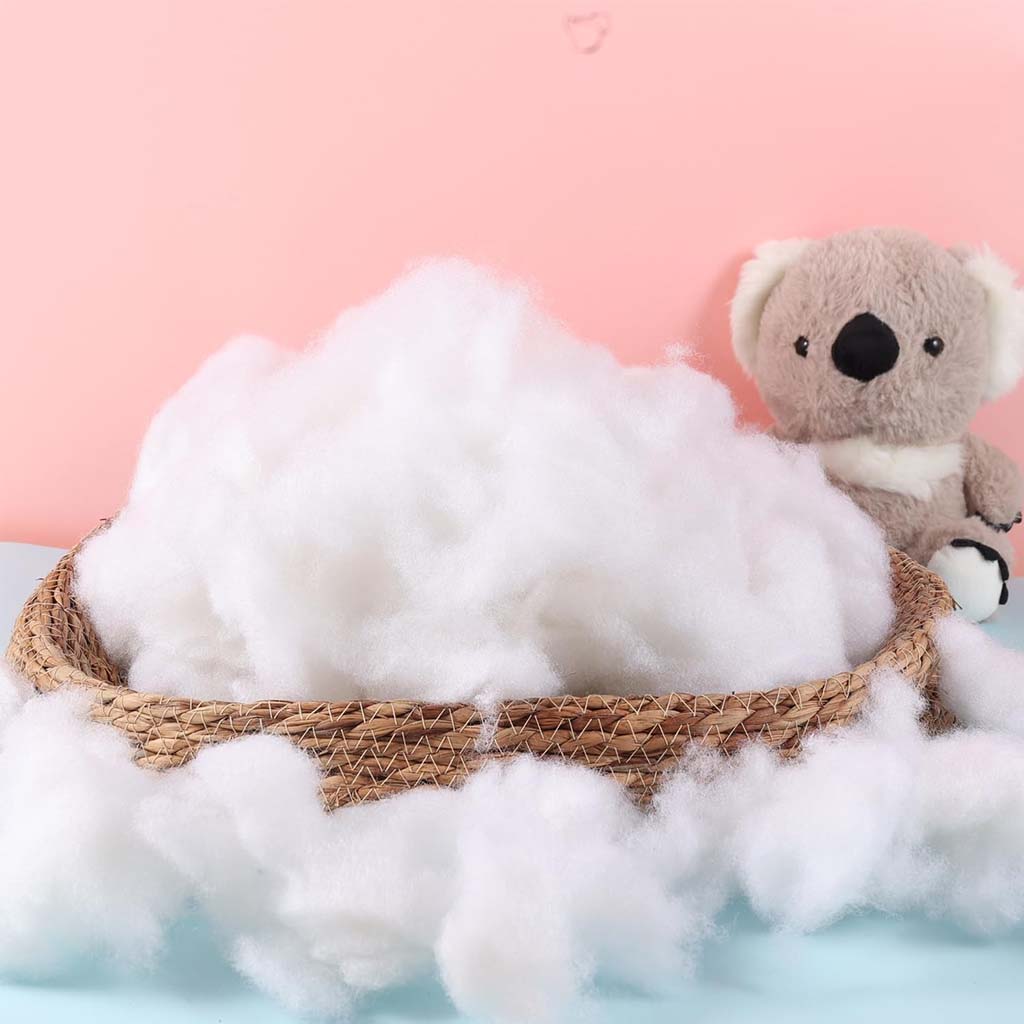
Synthetic fillers dominate the plush industry because they are cost-effective, durable, and washable.
Common synthetic fillings include:
- Polyester fiberfill: The industry standard—light, fluffy, and hypoallergenic.
- Shredded memory foam: Provides firmness and shape retention.
- Microbeads (sealed): Creates smooth, beanbag-like textures.
- Polypropylene pellets: Add weight, often in sensory plush.
| Synthetic Filling | Benefit | Limitation |
|---|---|---|
| Polyester fiberfill | Soft, hypoallergenic, washable | May clump over time |
| Memory foam | Shape retention | More expensive |
| Microbeads | Smooth texture | Not infant-safe |
| Polypropylene pellets | Weighted effect | Needs sealed pouch |
Most mass-market plushies use polyester fiberfill because it meets both CE and ASTM safety standards and maintains fluffiness after machine washing.
How do natural fillings compare to synthetic options in safety and durability?
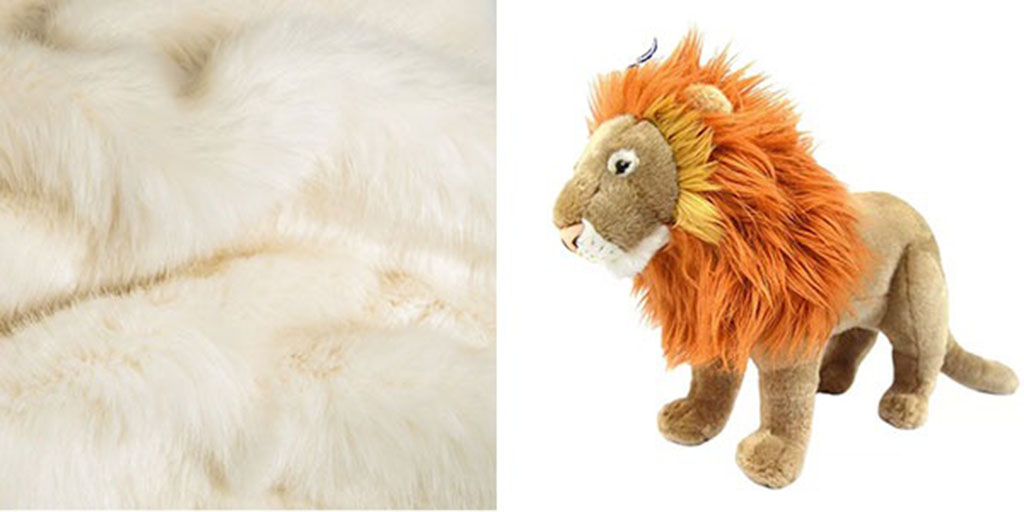
Natural fillings are valued for their eco-friendliness and tactile qualities, but they come with different safety and durability challenges.
Examples of natural fillings:
- Cotton stuffing: Soft and breathable, but less durable after multiple washes.
- Wool batting: Warm and resilient, but may cause allergies.
- Kapok fiber: Lightweight, natural alternative, but harder to source consistently.
- Buckwheat hulls: Used in cushions and therapeutic plush, but not baby-safe.
| Natural Filling | Benefit | Limitation |
|---|---|---|
| Cotton stuffing | Natural, hypoallergenic | Loses loft faster |
| Wool batting | Warm, springy | Allergens possible |
| Kapok fiber | Lightweight, biodegradable | Supply inconsistency |
| Buckwheat hulls | Natural weight & firmness | Choking hazard |
In comparison, synthetic stuffing is more durable and universally safe, but natural fillings are gaining popularity in eco-conscious markets.
What role do weighted materials play in sensory or therapeutic plushies?
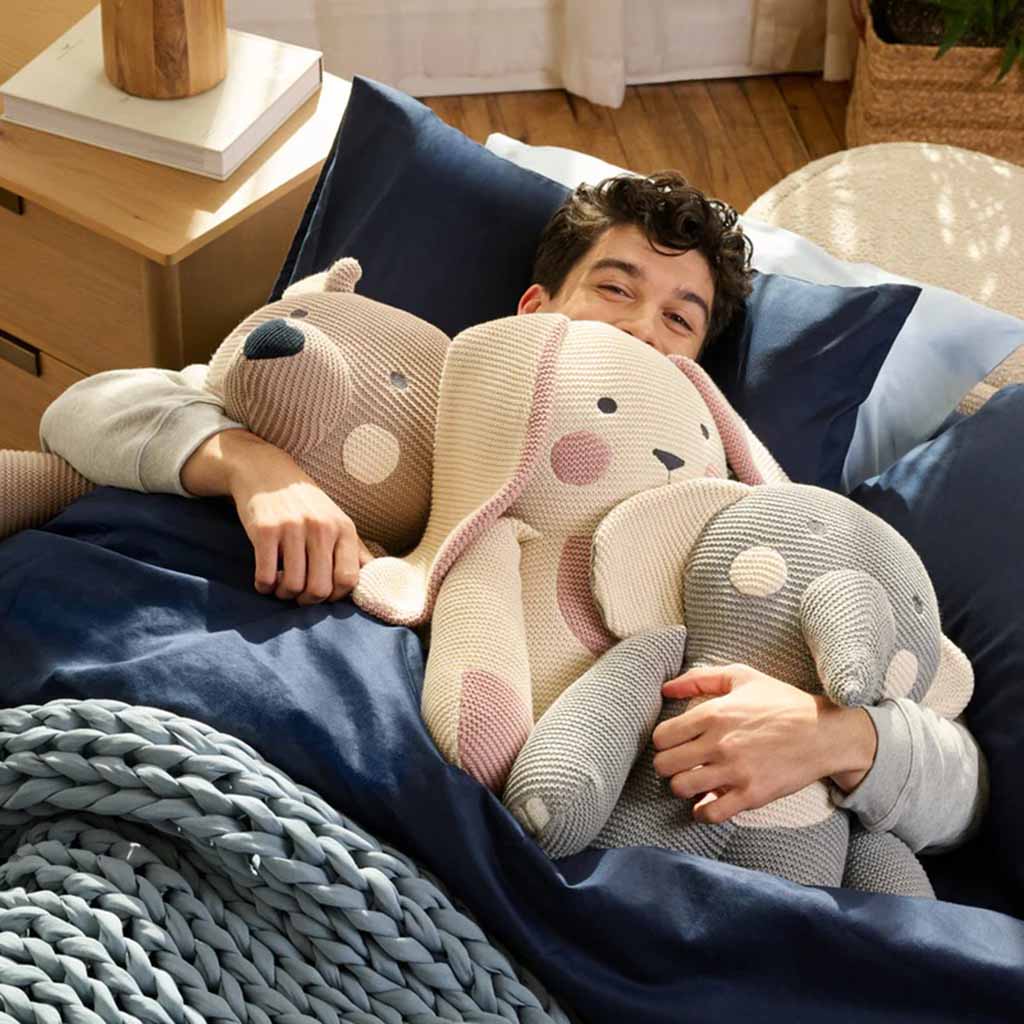
Weighted plush toys are designed for calming and sensory regulation. They are popular for children with autism, adults managing anxiety, and general stress relief.
Weighted stuffing options include:
- Glass beads: Smooth, uniform, and safe when enclosed.
- Steel pellets: Durable but heavier.
- Plastic poly-pellets: Widely used, washable, and cost-effective.
- Sand or rice (traditional): Rarely used now due to hygiene concerns.
| Weighted Material | Benefit | Limitation |
|---|---|---|
| Glass beads | Smooth, hypoallergenic | Costlier |
| Steel pellets | Durable, heavy | Not machine-washable |
| Poly-pellets | Affordable, washable | Must be sealed |
| Rice/sand | Natural option | Attracts mold |
At Kinwin, we always seal weighted materials in inner pouches, ensuring they stay secure even if outer seams tear.
How do stuffing methods affect softness, shape retention, and longevity?
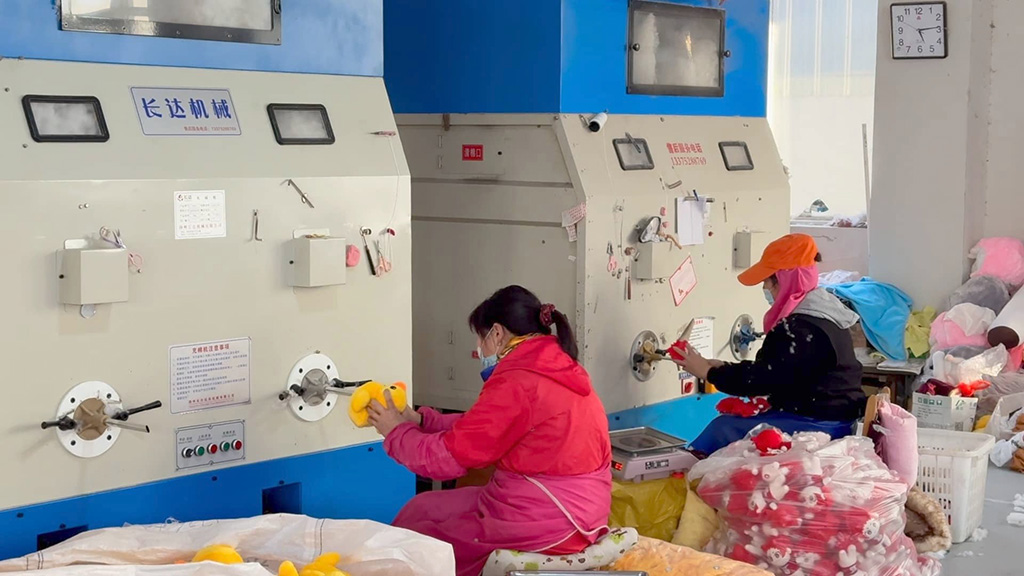
Stuffing quality depends not just on the material but also on the method of filling.
Stuffing techniques:
- Loose fill: Creates ultra-soft, floppy plushies (good for cuddling).
- Firm fill: Ensures structure and upright posture (good for display toys).
- Layered stuffing: Combines different fillers (e.g., fiberfill + foam) for balance.
- Weighted distribution: Beads in limbs or base for stability.
| Method | Effect | Use Case |
|---|---|---|
| Loose fill | Soft, floppy | Comfort plush |
| Firm fill | Holds shape | Decorative plush |
| Layered fill | Balanced feel | Premium plush |
| Weighted | Stability | Sensory toys |
Correct stuffing prevents clumping, uneven weight, or seam stress, ensuring plushies remain appealing after repeated use.
Are eco-friendly and recycled stuffing materials becoming industry standards?
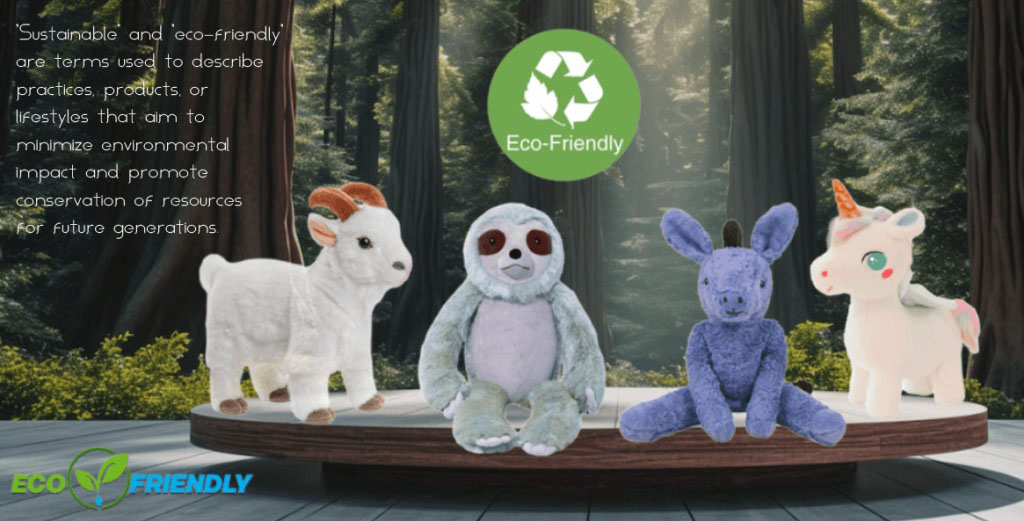
Yes. With sustainability becoming a global trend, eco-friendly stuffing is no longer niche—it’s entering mainstream production.
Eco stuffing options include:
- Recycled polyester (rPET): Made from recycled plastic bottles.
- Organic cotton batting: Chemical-free, natural stuffing.
- PLA fiber (corn-based): Biodegradable alternative to polyester.
- Recycled textile fiber: Upcycled stuffing from garment waste.
| Eco Material | Benefit | Challenge |
|---|---|---|
| rPET fiberfill | Reduces plastic waste | Higher cost |
| Organic cotton | Safe, natural | Less fluffy |
| PLA fiber | Compostable | Limited supply |
| Recycled textiles | Sustainable | Inconsistent quality |
At Kinwin, we already supply eco-certified plushies for buyers in Europe and North America, meeting consumer demand for greener products.
Conclusion
The best stuffing for plushies depends on the toy’s purpose, market, and safety requirements. From polyester fiberfill for standard plush to glass beads in weighted toys and rPET for eco lines, each option serves a different need. At Kinwin, we help global buyers select stuffing materials that balance safety, softness, durability, and sustainability.
Contact us at [email protected] or visit kinwintoys.com to create plush toys filled with quality and care.