Aggressive chewers are not easy to please. Whether it’s a pet dog with strong jaws or a toddler who gnaws on toys, standard plush products often don’t last. For buyers and retailers, sourcing plush toys for aggressive chewers means focusing on reinforced fabrics, advanced stitching, and safety testing.
As a manufacturer at Kinwin, I often help clients design chew-resistant plush toys. In this guide, I’ll share insights into challenges, materials, techniques, and certifications that define the best plush toys for tough users.
What challenges do aggressive chewers pose for plush toy durability?
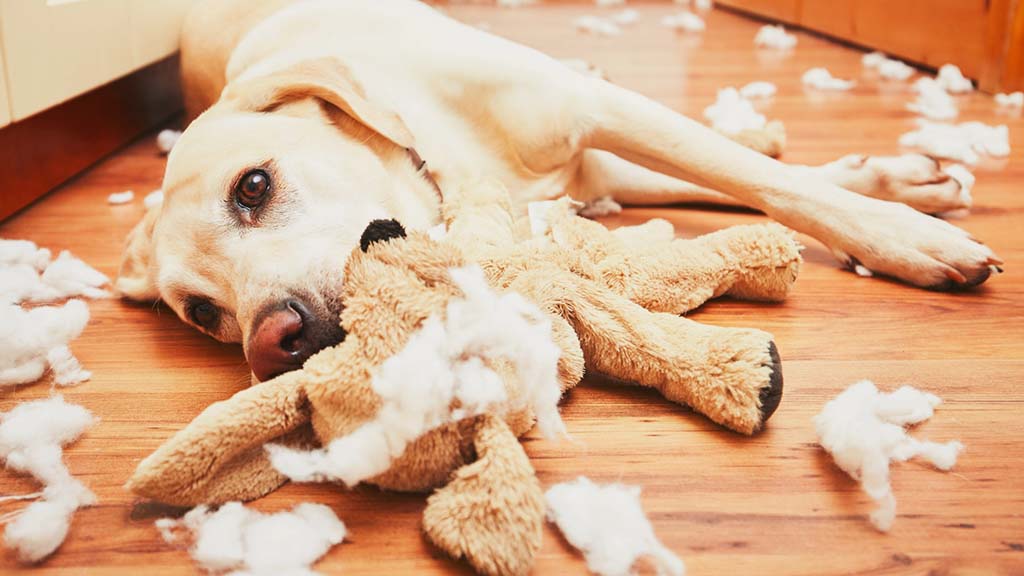
Aggressive chewers test plush toys far beyond normal use. A toy designed only for cuddling may tear within minutes when exposed to strong bites. The challenges include fabric tearing, seam breakage, filler leakage, and choking hazards.
Pets like dogs chew instinctively for stimulation, while some toddlers use chewing as part of sensory exploration. In both cases, durability is key. A poorly made plush toy not only fails quickly but may also create risks if small parts or stuffing become exposed.
| Challenge | Example |
|---|---|
| Fabric tearing | Plush surface ripped open |
| Seam failure | Weak stitching splits under pressure |
| Filler leakage | Fiberfill or beads spill out |
| Choking hazard | Loose squeakers or plastic parts |
To meet these challenges, manufacturers must combine reinforced fabrics, stronger stitching, and protective linings. Without these features, even premium plush toys cannot survive aggressive chewers.
Which reinforced fabrics and stitching methods withstand heavy chewing?
The fabric is the first defense against chewing. Standard plush fleece is too soft to resist strong teeth, so manufacturers use reinforced fabrics like ballistic nylon, heavy canvas, or ripstop polyester. These materials are more tear-resistant while still offering a soft surface.
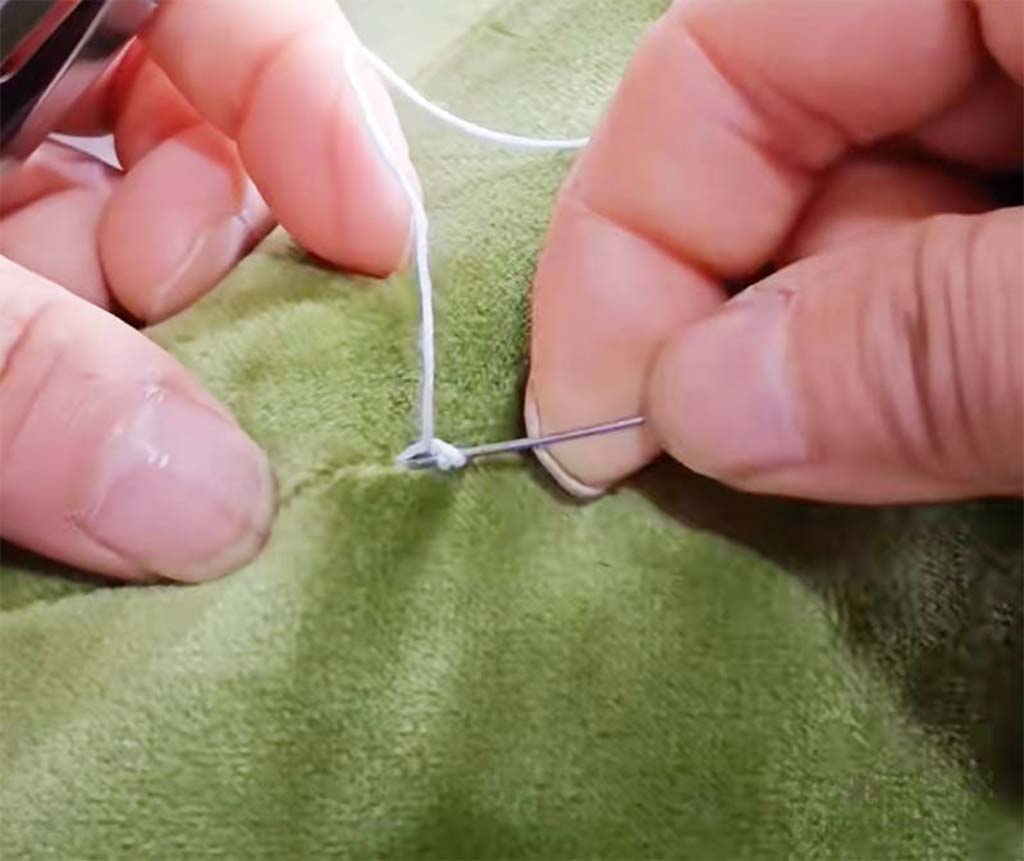
Equally important is stitching. Standard single-thread seams cannot survive chewing. Instead, double-stitched seams, zigzag patterns, or cross-lock stitches are used to add strength. These techniques distribute tension across the seam rather than concentrating it in one line.
| Fabric Type | Durability Level | Common Use |
|---|---|---|
| Ballistic nylon | Very high | Dog toys |
| Ripstop polyester | High | Outdoor plush |
| Heavy canvas | High | Chew-resistant plush |
| Plush fleece (standard) | Low | Regular soft toys |
| Stitch Type | Benefit |
|---|---|
| Double-stitch | Reinforces seam strength |
| Zigzag stitch | Flexible under tension |
| Cross-lock stitch | Prevents seam splitting |
As a factory, we often combine plush fabric with hidden inner layers of nylon or canvas. This keeps the outside soft but ensures long-lasting durability.
How do double-layered and mesh-lined plush toys improve longevity?
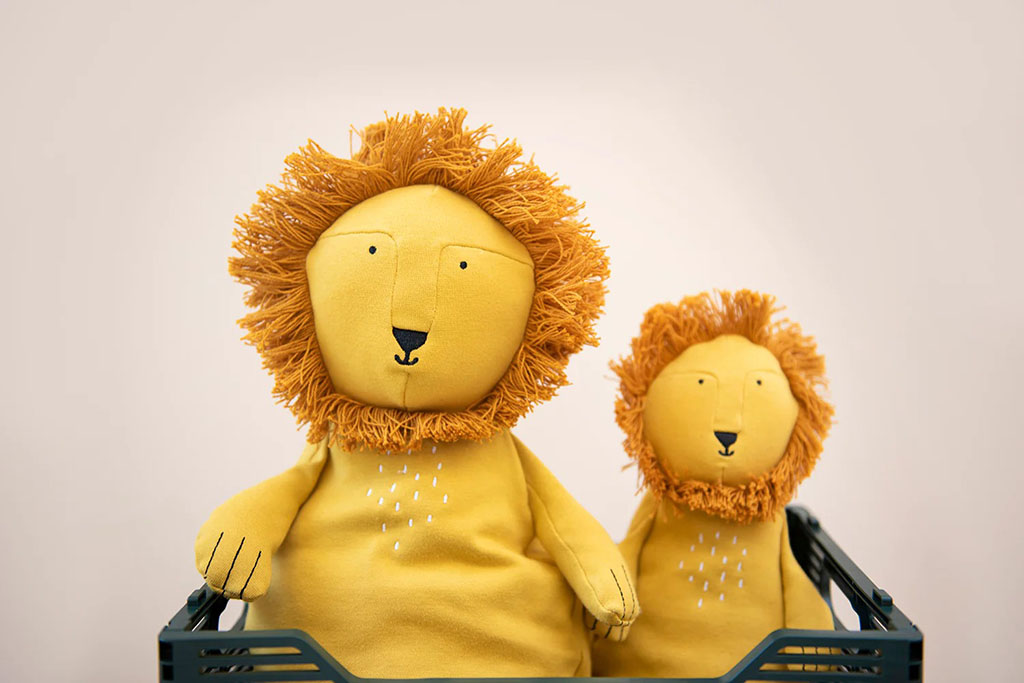
One of the most effective ways to extend the life of plush toys for chewers is by double layering. This means adding an extra inner shell beneath the plush exterior. Even if the outer layer tears, the inner lining holds the stuffing and prevents leakage.
Another method is mesh lining. By sewing a mesh fabric between the outer shell and the stuffing, toys gain extra bite resistance. Mesh prevents teeth from cutting deeply, protecting the inner filler.
| Reinforcement Method | Function |
|---|---|
| Double-layer shell | Outer softness + inner durability |
| Mesh lining | Prevents tearing into filler |
| Dual-seam stitching | Keeps both layers secure |
For example, a plush dog bone toy may look like regular plush, but inside it may contain a ballistic nylon lining plus a mesh layer. This structure provides softness outside while ensuring toughness inside.
Buyers in North America and Europe increasingly request double-layered plush toys for the pet market, where aggressive chewing is common.
What role do squeakers and hidden reinforcements play in design for chewers?
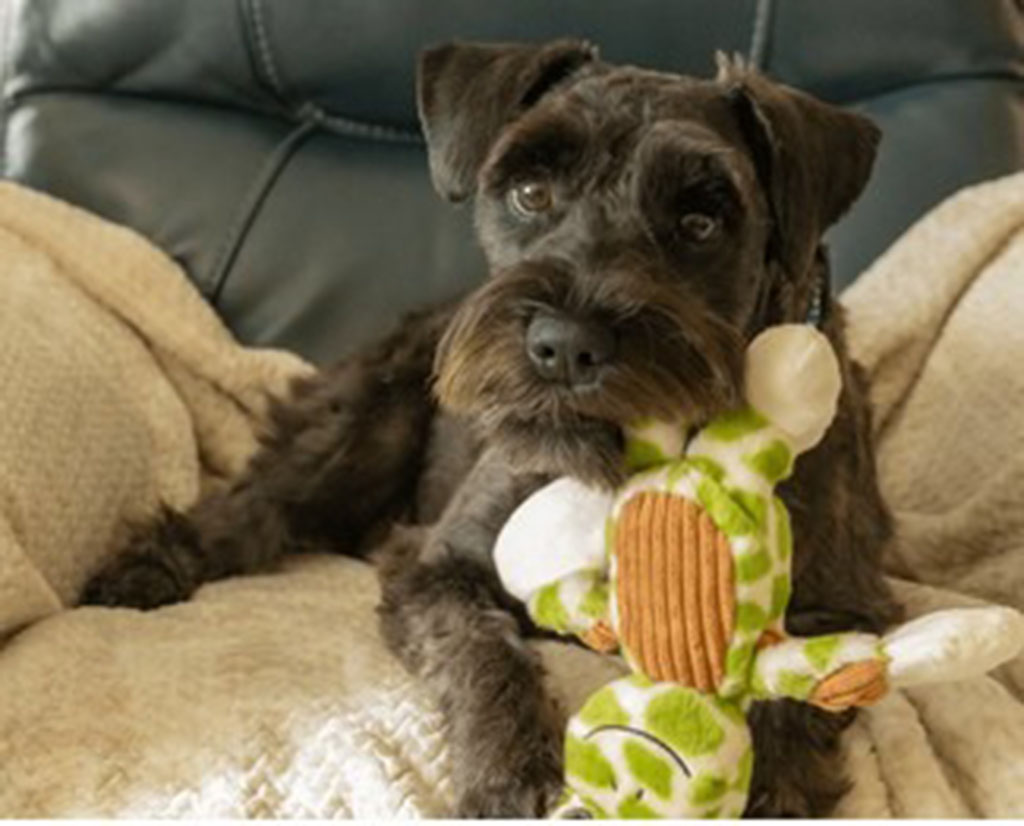
Squeakers make plush toys fun, especially for pets. But for aggressive chewers, squeakers must be designed carefully. If exposed, they pose a choking risk. The solution is to use hidden squeakers placed inside reinforced pouches.
In addition to squeakers, hidden reinforcements like rope skeletons or rubber cores are used. These hidden structures make toys more resistant while keeping a plush appearance.
| Reinforcement Type | Benefit |
|---|---|
| Hidden squeaker pouch | Reduces choking hazard |
| Rope skeleton | Adds chew resistance |
| Rubber core | Prevents collapse |
Retailers should always confirm that squeakers and reinforcements are securely enclosed and tested. At Kinwin, we use double-stitching around squeaker pouches to prevent exposure, meeting CE and ASTM standards.
Which plush toy designs balance softness with durability for aggressive chewers?
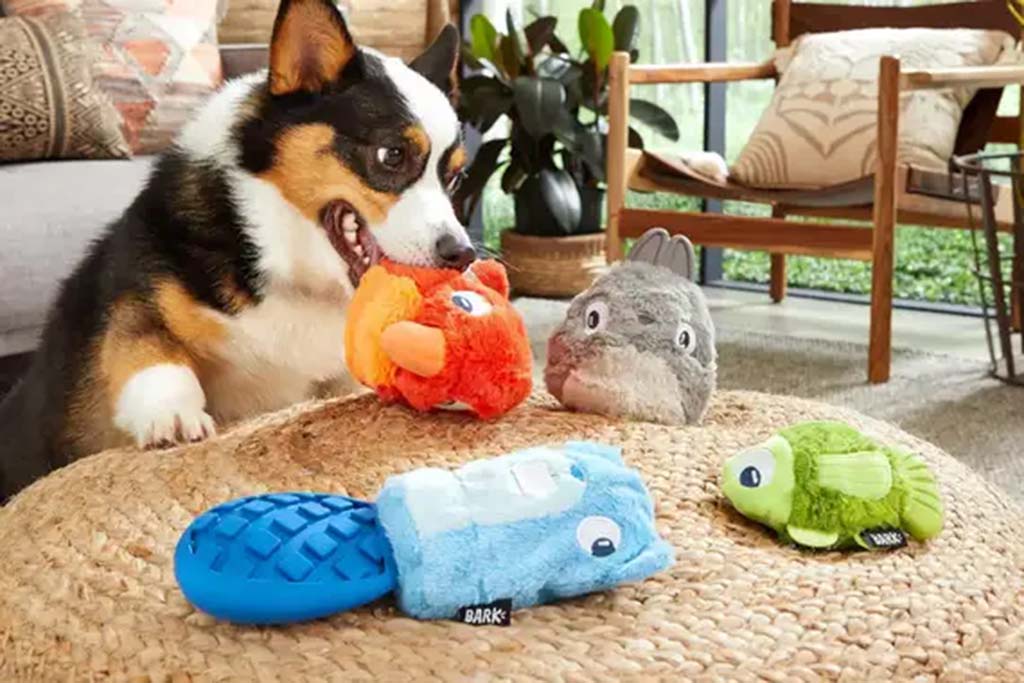
The challenge is creating toys that are both durable and appealing. A toy that feels too hard may not be enjoyable, while one that is too soft will not survive.
The best designs often use soft outer plush with reinforced inner layers. Common designs include plush bones, reinforced animals (dogs, bears), and tug-of-war plush ropes. These designs combine cuddly appeal with strong construction.
| Design Type | Balance Approach |
|---|---|
| Plush bone | Soft outside, reinforced lining |
| Plush animal | Cute design, double-layered |
| Plush rope toy | Combines rope and plush fabric |
Softness is essential for customer satisfaction, but hidden durability features ensure the toy lasts. That balance is what makes these products stand out in competitive retail markets.
Are there safety certifications and testing standards specific to chew-resistant plush toys?
Yes. Like all plush toys, chew-resistant designs must meet international safety standards. For children’s plush toys, CE (Europe) and ASTM (U.S.) certifications are required. These cover seam strength, chemical safety, and choking hazard prevention.
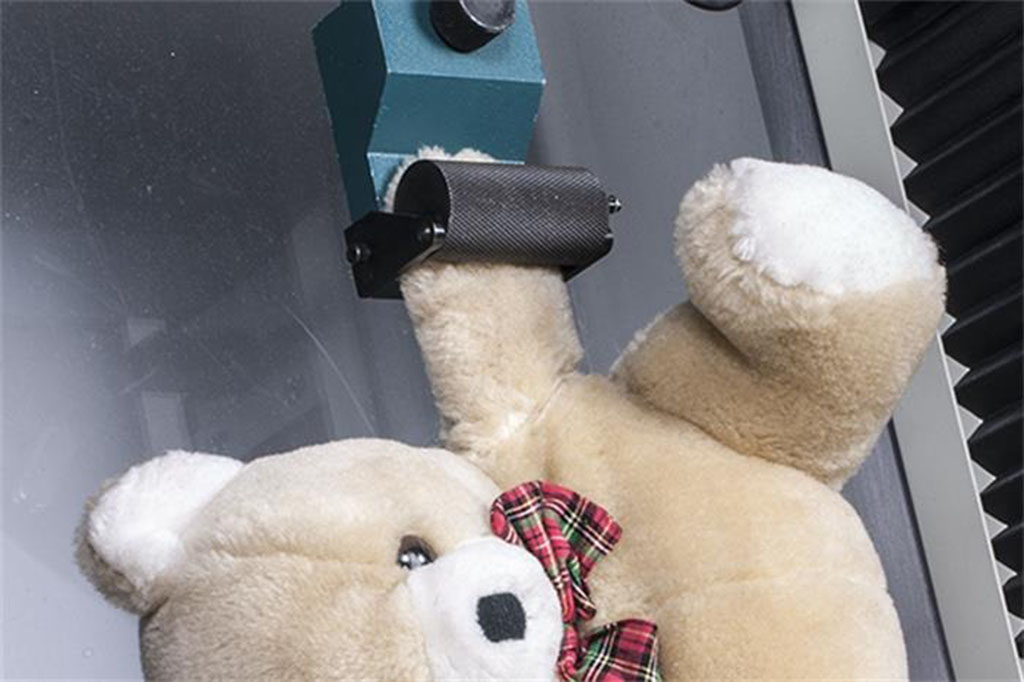
For pet plush toys, while CE/ASTM may not be mandatory, many retailers demand independent testing for durability, toxicity, and safety. Tests include seam strength testing, bite force testing, and tear resistance.
| Standard/Test | Purpose |
|---|---|
| CE (Europe) | Child safety compliance |
| ASTM (U.S.) | Mechanical & chemical safety |
| Seam strength test | Ensures durability |
| Bite resistance | Measures chew endurance |
At Kinwin, we work with certified labs to test every batch of chew-resistant plush toys. This ensures retailers and brand owners can sell with confidence in both child and pet markets.
Conclusion
Designing plush toys for aggressive chewers requires balancing softness, durability, and safety. Reinforced fabrics, double layers, mesh linings, hidden squeakers, and proper testing all play essential roles. At Kinwin, we specialize in producing customized, CE- and ASTM-certified plush toys that meet the demands of tough chewers while maintaining comfort and appeal.
Contact us at [email protected] or visit kinwintoys.com to explore how our factory can support your brand with chew-resistant plush solutions.