Skip to content
Labubu is one of the most recognizable characters in the global designer toy scene, beloved for its mischievous smile, sharp teeth, and quirky charm. What started as an independent art creation has grown into a cultural icon through POP MART’s global blind box phenomenon. To understand how Labubu came to life and why it resonates with collectors, we need to explore its origins, creator, and cultural journey.
What is the origin story of Labubu in the designer toy industry?
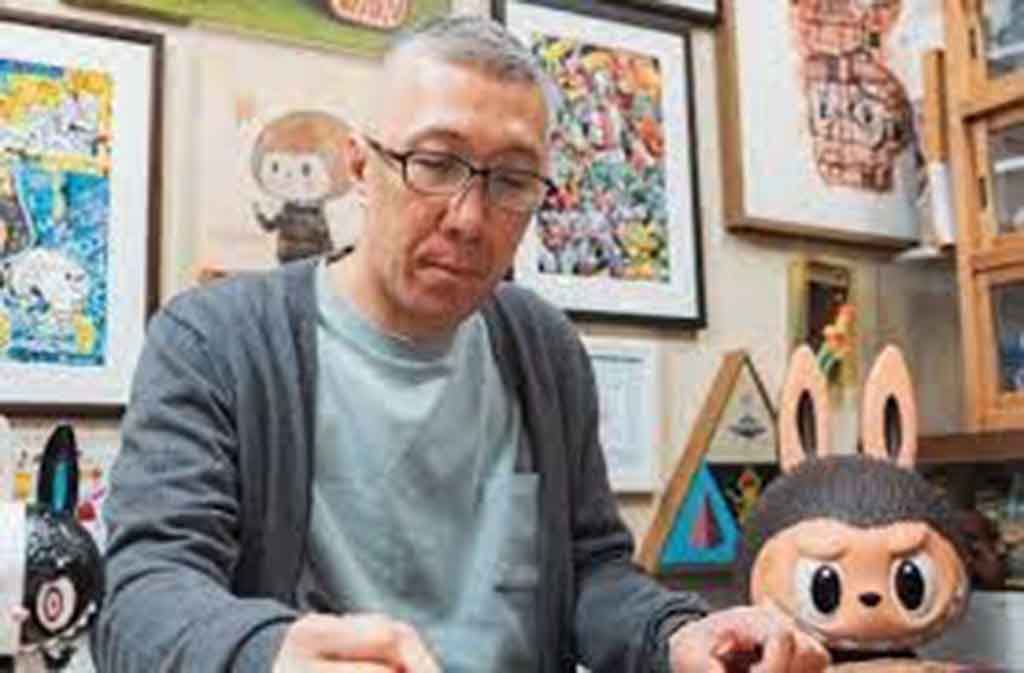
Labubu began as part of the Monster characters created in the early 2010s by Hong Kong-based illustrator and artist Kasing Lung. Unlike traditional plush or toy characters designed primarily for children, Labubu was crafted for the adult designer toy and art collectible market.
Key Origins
- Introduced in the independent art toy scene before POP MART collaborations.
- Labubu belongs to “The Monsters” series, which features quirky, slightly creepy yet endearing creatures.
- Its appeal lies in the mix of innocence and edginess—a balance rarely seen in mainstream toys.
| Origin Aspect | Details |
|---|---|
| First Concept | Early 2010s |
| Creator | Kasing Lung (Hong Kong illustrator) |
| Series | “The Monsters” |
| Market | Designer toys, adult collectors |
Who is Kasing Lung and how did he create Labubu?
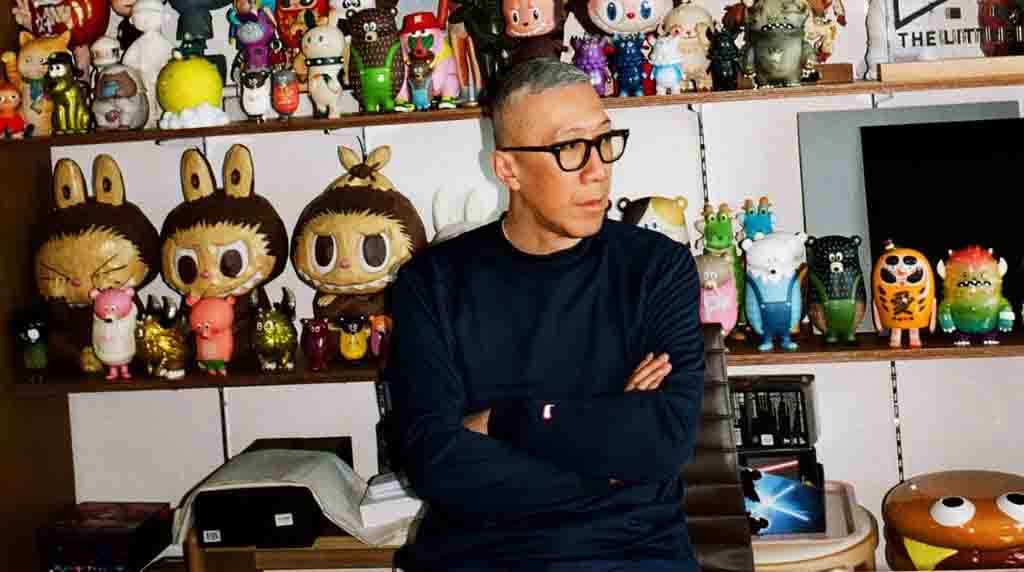
Kasing Lung is a Hong Kong-born illustrator who built his reputation in the art toy community with unique hand-drawn characters. His inspiration for Labubu came from sketchbooks filled with fantastical creatures.
About Kasing Lung
- Background in illustration and character design.
- Known for blending Western fairytales with Asian pop culture aesthetics.
- Created Labubu as a central character in his series “The Monsters.”
- Designed Labubu with distinct features: big round eyes, oversized grin, sharp teeth, and pointed ears.
| Attribute | Detail |
|---|---|
| Birthplace | Hong Kong |
| Profession | Illustrator & designer |
| Known For | “The Monsters” series |
| Signature Work | Labubu |
How did POP MART contribute to Labubu’s rise in global popularity?
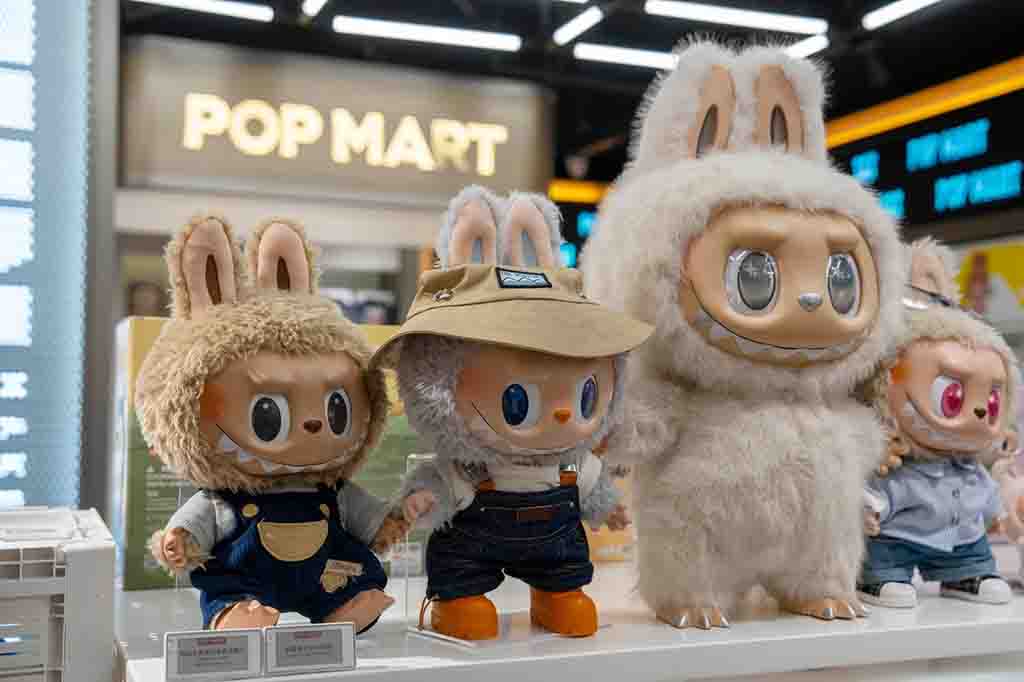
While Labubu had a niche following, its partnership with POP MART—the Chinese company famous for blind box collectibles—catapulted the character into mainstream awareness.
POP MART’s Impact
- Blind box distribution: Made Labubu widely available and collectible.
- Global expansion: POP MART stores in Asia, Europe, and North America introduced Labubu worldwide.
- Community building: POP MART created hype through limited drops, online fan groups, and conventions.
This collaboration transformed Labubu from an art toy into a mainstream collectible brand, drawing both casual buyers and serious collectors.
| POP MART Role | Contribution |
|---|---|
| Blind Boxes | Collectibility & surprise |
| Retail Network | International exposure |
| Marketing | Hype-driven launches |
What artistic influences shaped the unique design of Labubu?
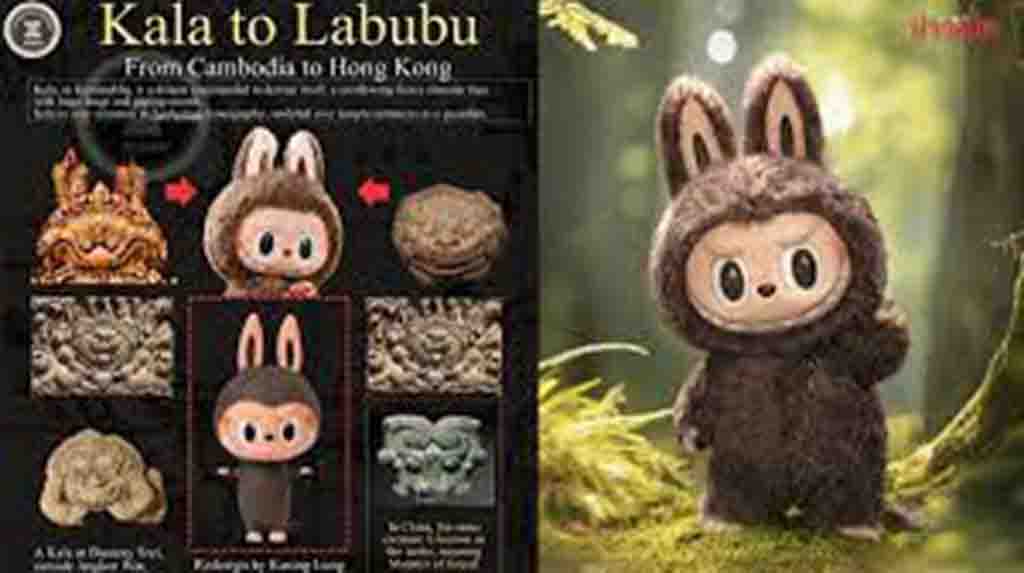
Labubu’s design blends dark whimsy and childlike innocence. Kasing Lung drew inspiration from European fairy tales, manga, and surrealist art.
Artistic Influences
- European storybooks: Whimsical proportions, exaggerated features.
- Japanese kawaii culture: Soft, approachable elements.
- Gothic tones: Slightly eerie, with sharp teeth and dark humor.
- Hand-drawn style: Original sketches emphasized imperfections, carried into toy designs.
| Influence | Visible in Labubu |
|---|---|
| Fairy tales | Storybook-like proportions |
| Kawaii culture | Cute yet quirky appeal |
| Gothic tones | Sharp teeth, mischievous grin |
| Illustration art | Sketch-inspired character |
How has Labubu evolved through limited editions and collaborations?
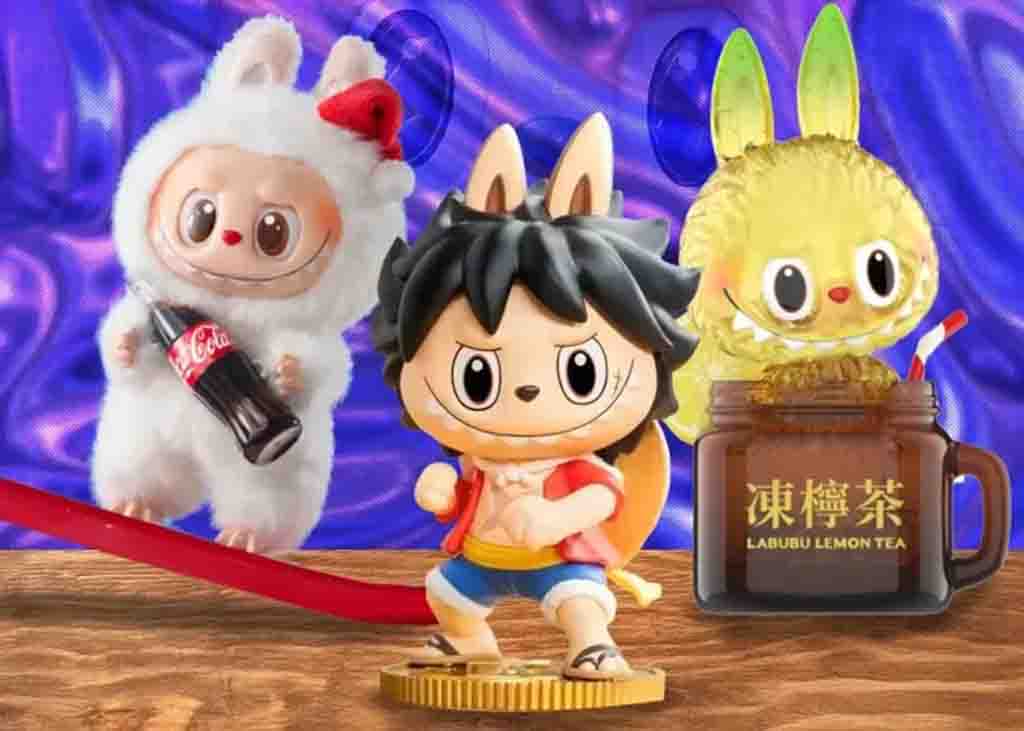
Labubu has expanded beyond its original form into dozens of variants and collaborations.
Evolutions
- Limited editions: Seasonal themes (Halloween, Christmas), special outfits, metallic or transparent finishes.
- Collaborations: Partnered with brands, artists, and cultural events to create exclusive drops.
- Mediums: Expanded from vinyl toys to plush, apparel, and accessories.
This evolution keeps the character fresh and highly collectible, with some editions commanding high resale prices in secondary markets.
| Evolution Type | Example |
|---|---|
| Seasonal Editions | Halloween Labubu |
| Artist Collabs | Special reimagined Labubu |
| New Mediums | Plushies, apparel |
Why has Labubu become a cultural icon in the collectible toy market?
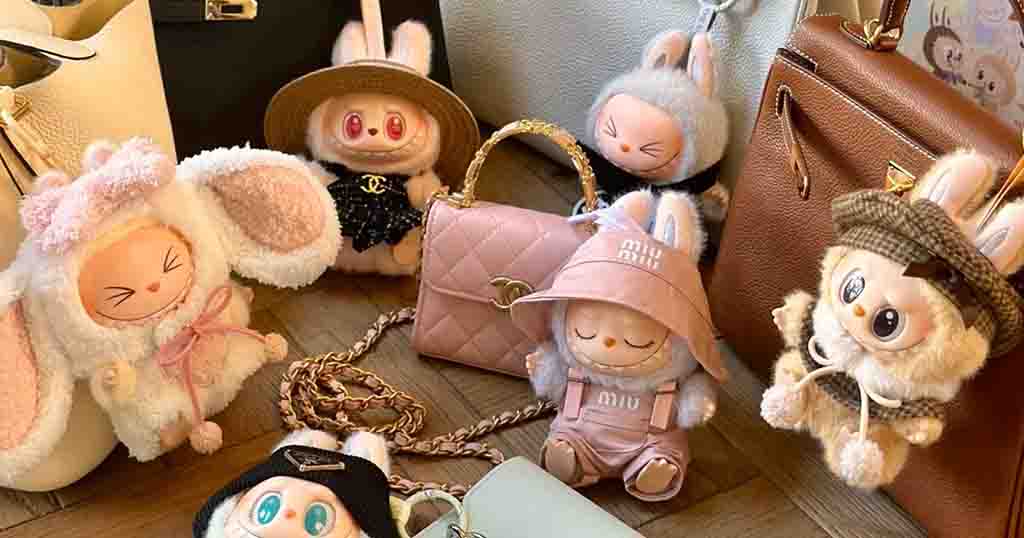
Labubu’s rise to cultural icon status can be explained by three factors: emotional design, scarcity, and global fandom culture.
Key Reasons for Icon Status
- Emotional resonance: Its playful yet mischievous design appeals to a wide range of collectors.
- Collectibility: Blind box models create excitement and rarity.
- Global appeal: The mix of cute and edgy works across Asian, American, and European markets.
- Community-driven culture: Labubu fandoms thrive on social media, unboxing videos, and collector conventions.
| Factor | Impact |
|---|---|
| Emotional design | Strong consumer attachment |
| Collectibility | Higher demand & resale |
| Global appeal | Cross-cultural success |
| Fandom | Online and offline communities |
Conclusion
Labubu was created by Hong Kong illustrator Kasing Lung, but it was POP MART’s blind box strategy that launched the character into global recognition. With its fairy tale-inspired design, quirky personality, and endless collectible editions, Labubu has become a cultural icon in the designer toy market. Its journey reflects how art toys can evolve into international brands through creativity, strategic partnerships, and fandom power.
At Kinwin, we understand how character design, collectibility, and quality manufacturing work together to build cultural icons. We specialize in OEM & ODM plush production that helps brands turn imaginative characters into globally marketable products, meeting safety standards like EN71, ASTM, CPSIA, and ISO.
📧 Contact us at [email protected]
🌐 Visit kinwintoys.com
Let’s create the next collectible icon together.