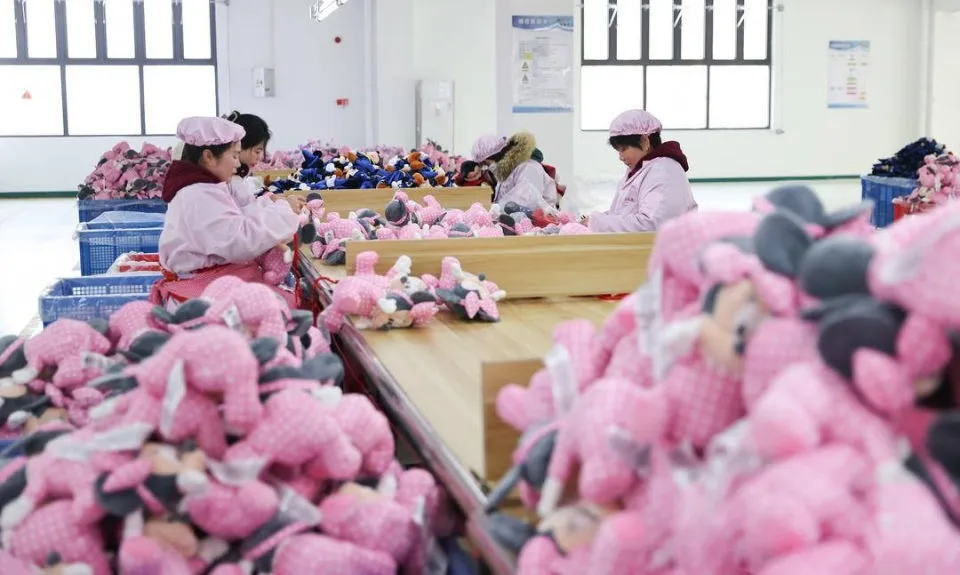
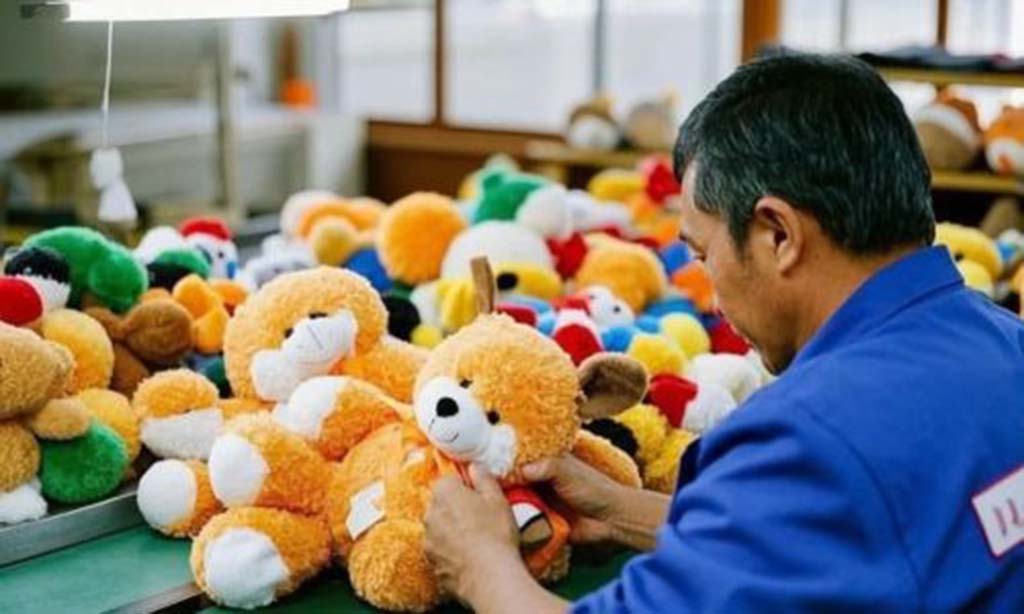
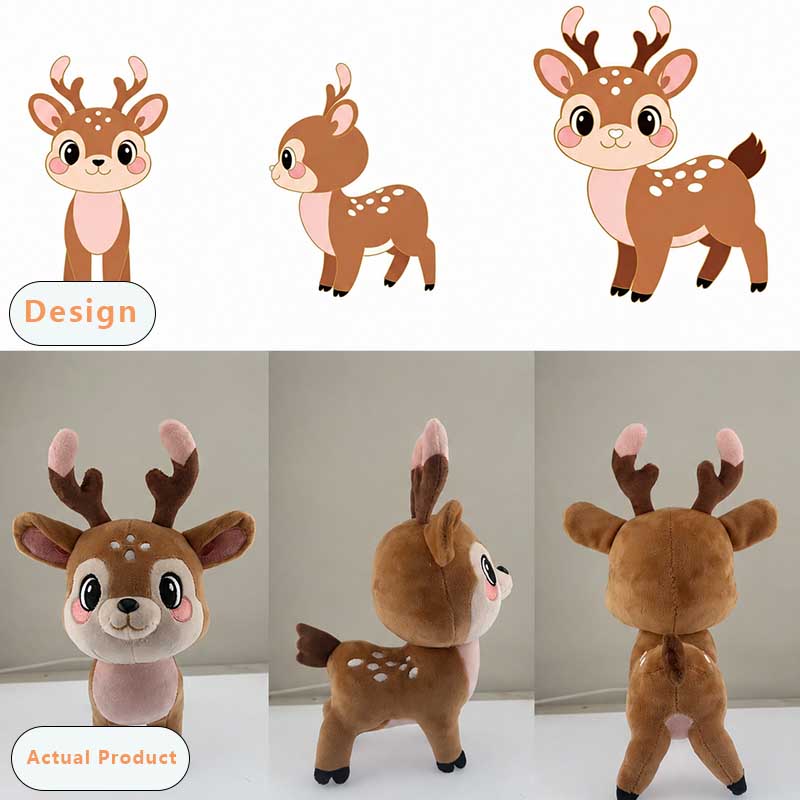
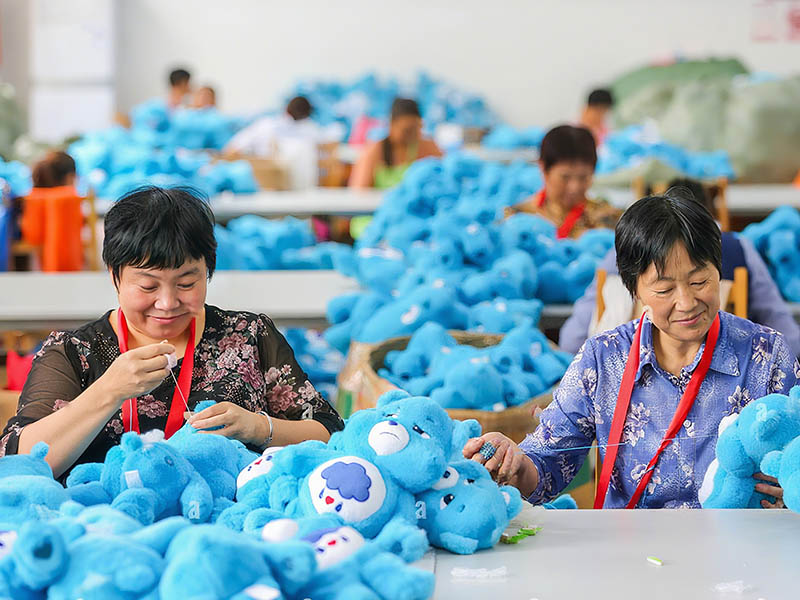
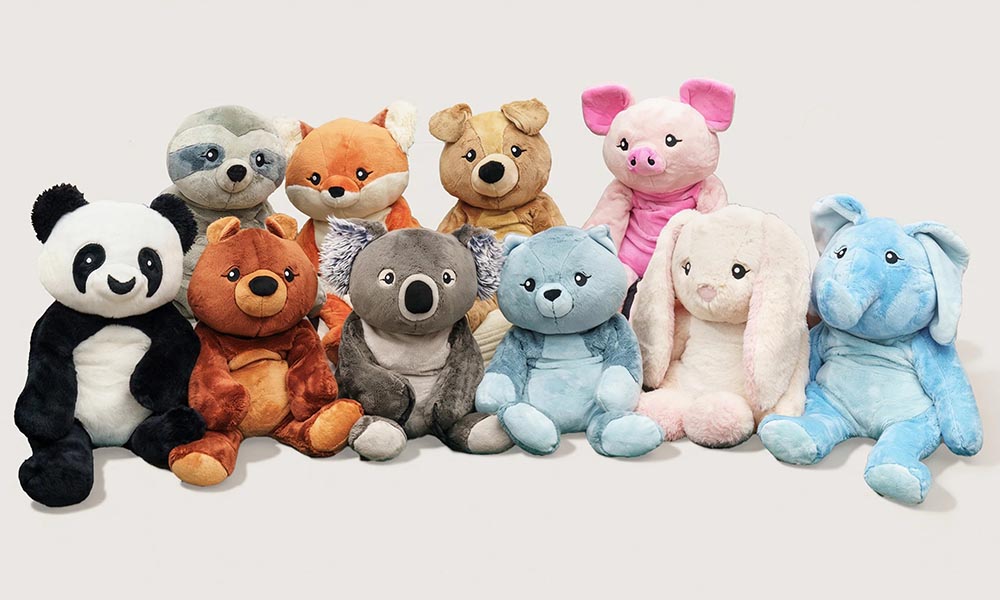
Balancing speed and quality in plush manufacturing is not about asking workers to move faster and hoping inspection will catch problems later. That approach usually creates rework, schedule pressure, inconsistent products, and higher total cost. In professional plush production, speed comes from preparation, stable decisions, disciplined workflow, and early risk control. Quality comes from the same foundation.
Custom plush toys are detail-sensitive products. A small change in fabric pile, embroidery density, stuffing weight, seam allowance, accessory placement, or packaging pressure can change the final appearance. At the same time, buyers often work with fixed retail launch dates, campaign deadlines, event schedules, seasonal windows, or repeat-order replenishment needs. This creates a real business question: how can a factory move quickly without weakening control?
The answer is not one single technique. A good plush manufacturer balances speed and quality across the full order cycle, from sample confirmation to material booking, cutting, sewing, stuffing, finishing, inspection, packing, and shipment. When each stage has clear inputs, measurable standards, and early checkpoints, production can move faster because the team is not constantly stopping to guess, correct, or renegotiate.
For B2B buyers, the goal is not simply to choose the fastest factory. The stronger question is whether the supplier can protect quality while working under real commercial time pressure. A factory that promises speed without explaining process control may create more risk than value. A factory that understands sampling, materials, capacity, inline QC, change control, and communication can help buyers shorten lead time without turning the order into a gamble.
Define Which Type of Speed the Project Really Needs
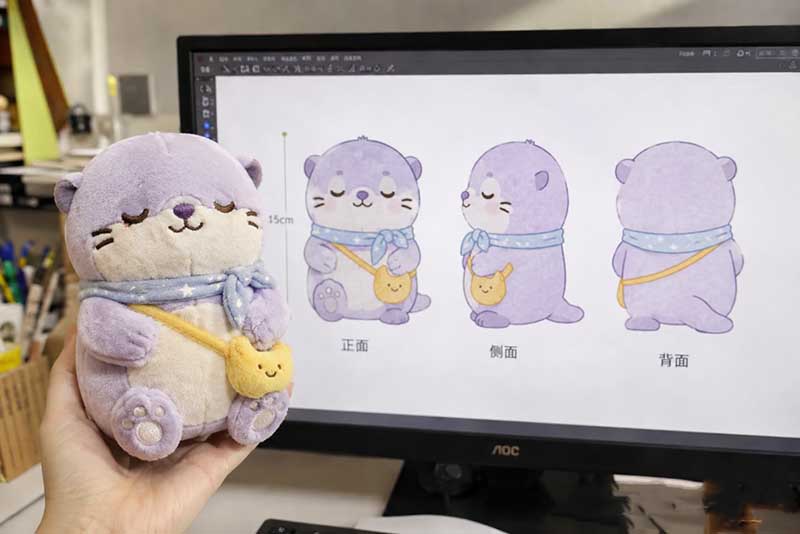
Speed in plush manufacturing can mean several different things. It may mean faster sample development, faster quotation, faster material sourcing, faster production, faster inspection, faster packing, or faster shipment. Buyers sometimes use one word, but the project may need improvement in a specific stage rather than across the whole timeline.
This distinction matters because each type of speed has a different risk profile. Rushing quotation may lead to missing cost items. Rushing sampling may leave shape, color, or function untested. Rushing material approval may create shade differences. Rushing bulk production may increase sewing defects. Rushing final inspection may allow mixed quality into shipment. A professional factory should clarify where time must be saved before deciding how to compress the schedule.
Some deadlines are fixed and external, such as a licensed product launch, trade show, retail reset, crowdfunding promise, or holiday selling season. Other deadlines are internal preferences, such as wanting samples earlier for marketing review or needing a price quickly for budget planning. Fixed deadlines may justify overtime, partial shipment, or parallel workflows. Internal preferences may be handled with better communication, staged approvals, or earlier data collection.
The best starting point is a timeline map. The buyer and factory should identify required delivery date, shipping method, final inspection date, packing completion date, production completion date, material arrival date, sample approval date, and artwork approval date. Working backward shows where the true pressure sits. If materials require twenty days and shipping requires thirty days, there may be little value in pushing sewing workers unless earlier approvals are also accelerated.
Quality is protected when speed has a target. A vague request to “make it faster” often pushes pressure into the wrong stage. A clear request, such as shortening sampling by confirming embroidery files earlier or reducing packing delay by approving carton marks before production ends, is much easier to manage safely.
| Speed Target | Useful Factory Action | Quality Risk to Control |
|---|---|---|
| Sampling speed | Prepare artwork, fabric options, and construction feedback before sample making | Unclear approval standards can lead to repeated sample revisions |
| Production speed | Reserve capacity, confirm materials, and define checkpoints before cutting | Moving too fast without inline QC can multiply defects |
| Shipment speed | Plan inspection, packing, booking, and documents before final week | Late logistics decisions can force expensive or rushed handling |
Freeze the Approved Sample Before Compressing Production
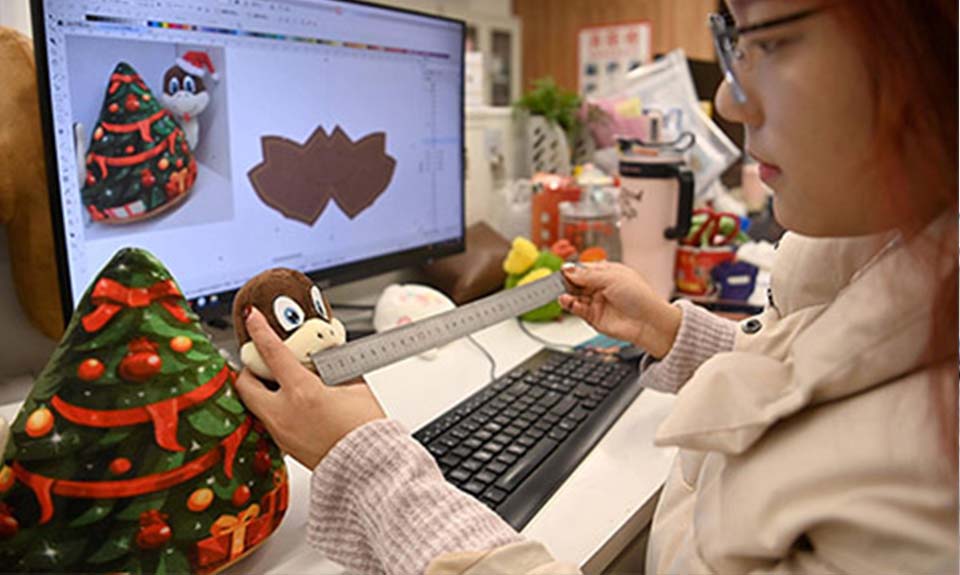
The approved sample is the main quality benchmark for custom plush production. It defines the final shape, fabric, color, embroidery, printing, accessories, stuffing feel, sewing structure, labeling, and packaging direction. When buyers want faster production, the approved sample becomes even more important because the factory has less time to absorb unclear changes.
A common mistake is trying to accelerate bulk production while the sample standard is still moving. If the buyer continues adjusting eyes, mouth position, fabric shade, body proportion, accessory size, or stuffing softness after production preparation has started, the factory may need to pause material purchasing, redo patterns, retrain sewing workers, update inspection criteria, or remake production samples. This does not create speed. It transfers uncertainty into the production floor.
Professional factories reduce this risk by freezing the sample before key production actions. “Freeze” does not mean the buyer loses all control. It means there is one agreed standard that production, QC, and packing teams can follow. Any later change must be evaluated for cost, schedule, and quality impact before acceptance.
For complex plush projects, sample freezing should include written notes, not only a physical sample. The factory should document fabric codes, approved color references, embroidery files, print positions, stuffing weight range, seam requirements, accessory materials, hangtag position, care label information, and packaging method. Photos from multiple angles are useful because they help production workers and inspectors compare shape and proportion consistently.
Speed improves when workers do not need to interpret the buyer’s intention from memory. Quality improves when inspectors can compare bulk goods against the same standard used by the sample room. Without a frozen benchmark, every stage may make small independent decisions, and those differences become visible in bulk production.
| Control Point | What Should Be Frozen | Why It Helps Speed and Quality |
|---|---|---|
| Appearance standard | Shape, size, facial expression, color, and proportion | Reduces subjective judgment during sewing and finishing |
| Technical details | Pattern, fabric, embroidery files, print files, stuffing range, and accessories | Allows departments to prepare accurately before bulk work |
| Change rules | Written approval process for changes after sample confirmation | Prevents uncontrolled revisions from disrupting schedule |
Use Material Readiness to Prevent Production Delays
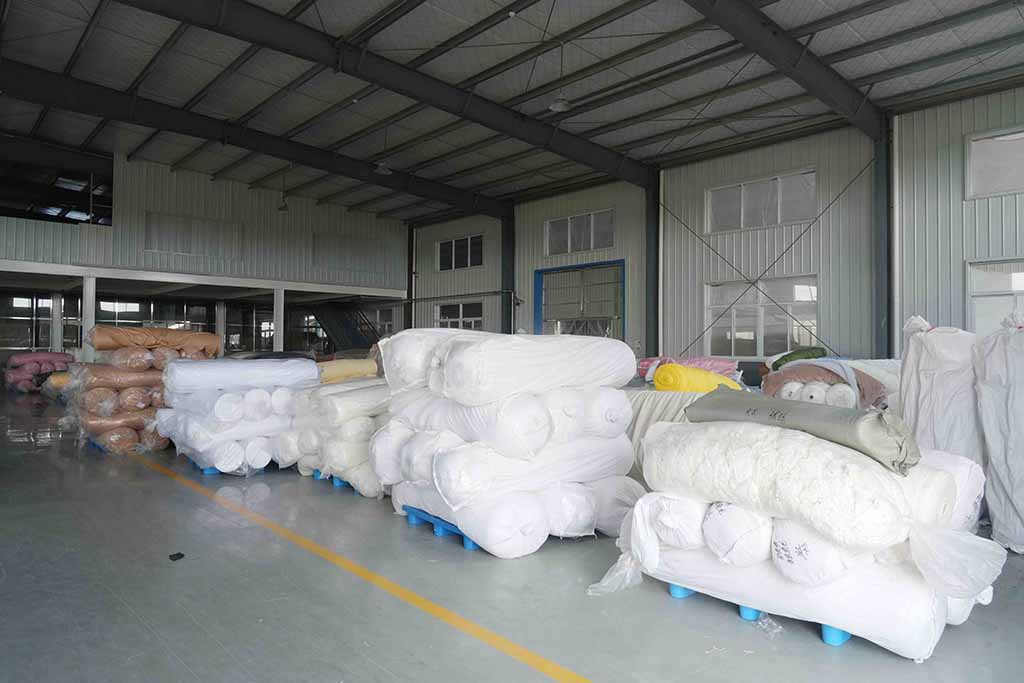
Material readiness is one of the biggest practical links between speed and quality. Plush toys depend on many input materials: main plush fabric, lining, embroidery thread, printed fabric, stuffing, pellets, plastic eyes, sound modules, labels, hangtags, polybags, cartons, retail packaging, and sometimes electronic components. If one material is late or wrong, the whole production schedule can become unstable.
When factories start production before materials are fully confirmed, they may create temporary solutions that hurt consistency. For example, using a substitute fabric to save time may affect hand feel, pile direction, color, or safety compliance. Switching thread suppliers may change embroidery appearance. Changing stuffing density may alter the toy’s shape. Even if these changes seem small, B2B buyers can face retail complaints when bulk goods do not match the approved sample.
A reliable plush manufacturer should build a material readiness checklist before mass production. This includes confirmed supplier, material code, color standard, safety requirement, arrival date, quantity, backup plan, and inspection status. For time-sensitive projects, the factory may reserve common materials early, pre-check fabric availability, or suggest alternatives during sampling rather than after order confirmation.
Material inspection also supports speed. If fabric defects, color differences, pile direction problems, or accessory issues are discovered after cutting, the loss is much larger. Workers may need to re-cut panels, remake components, or separate mixed batches. Checking materials before production avoids the slower and more expensive work of fixing defects after value has already been added.
Buyers can help by approving materials quickly and avoiding late changes after purchase orders are placed. When material decisions are slow, the factory may lose supplier production slots. When decisions are stable, the factory can schedule cutting, sewing, stuffing, and packing more confidently.
| Material Area | Speed Benefit | Quality Protection |
|---|---|---|
| Main fabric | Early booking avoids waiting for mill production or dyeing | Controls color, pile, hand feel, and shrinkage consistency |
| Accessories and trims | Confirmed components prevent line stoppage during assembly | Keeps eyes, labels, hangtags, and attachments aligned with approval |
| Packaging materials | Cartons and bags can be ready before finishing starts | Avoids rushed packing substitutions or incorrect carton marks |
Build Faster Output Through Stable Process Control
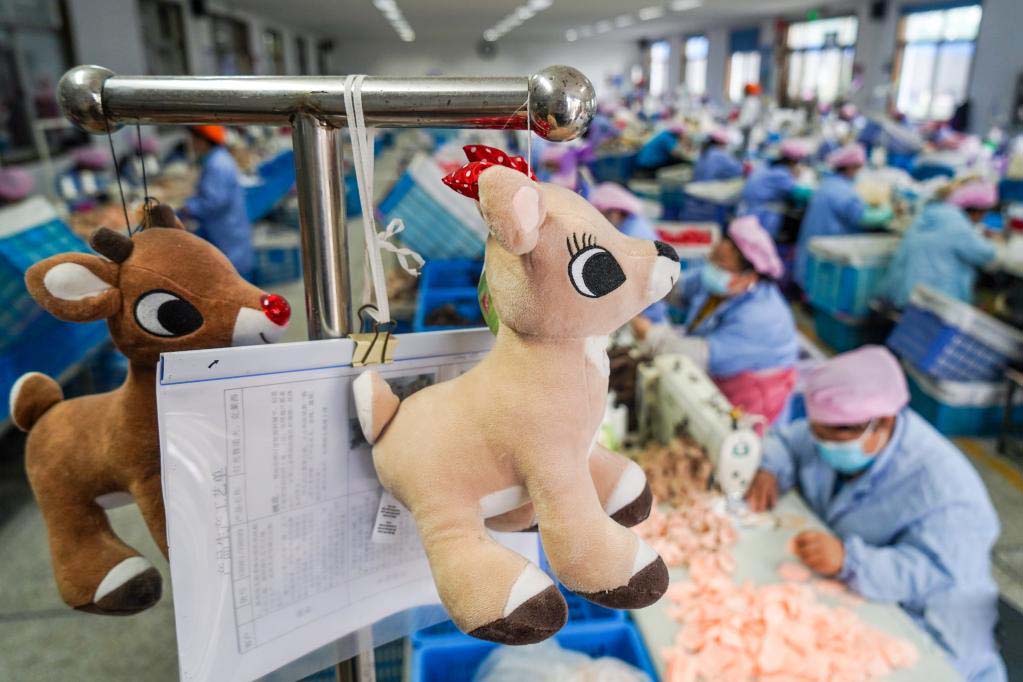
In plush manufacturing, real speed comes from a stable process. A factory with weak process control may appear fast at the beginning because it starts immediately, but it often slows down later through rework, sorting, remaking, and buyer complaints. A factory with stronger process control may spend more time preparing at the front, then produce more smoothly once the line begins.
Process control starts with breaking the plush toy into repeatable operations. Cutting must follow fabric direction and pattern placement. Sewing must control seam allowance, curves, small parts, and reinforcement points. Stuffing must keep weight, firmness, and shape within range. Closing must be secure and neat. Trimming, brushing, needle detection, labeling, and packing must follow a standard sequence. If each operation is defined, workers can repeat the approved result at higher speed.
Production line training is especially important when the toy has unusual shapes, small facial details, complex accessories, electronics, or strict brand requirements. The first pieces from the line should be reviewed against the approved sample before full-speed production continues. This early check is sometimes called a first-piece inspection or pilot run. It gives the factory a chance to correct method before defects spread through hundreds or thousands of units.
Stable tools and templates also improve output. Cutting dies, sewing guides, embroidery files, stuffing weight references, and inspection samples reduce dependence on individual judgment. The goal is not to remove skill from plush making. The goal is to support skilled workers with clear standards so they can work efficiently without guessing.
Buyers should be cautious when a supplier claims it can shorten lead time simply by adding more workers. More workers can help only when the process is already stable. If the line standard is unclear, adding people can increase variation. Speed without standardization often creates inconsistent plush shapes and uneven workmanship.
| Process Method | How It Improves Speed | How It Protects Quality |
|---|---|---|
| First-piece approval | Finds line problems before full production speed | Prevents repeated defects across bulk quantity |
| Operation standards | Workers know exact sewing, stuffing, and finishing steps | Keeps shape, seam, and appearance consistent |
| Templates and guides | Reduces time spent measuring or interpreting details | Improves repeatability across operators and batches |
Keep Inline QC Active During Rush Orders
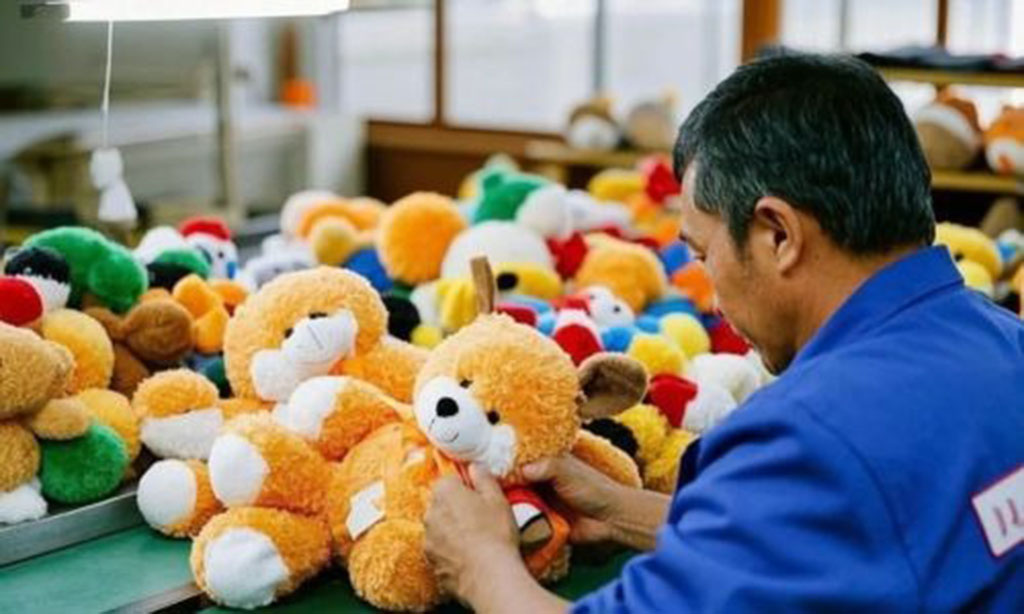
Inline QC is one of the most important tools for balancing speed and quality. Final inspection is necessary, but it is too late to be the only control point. If defects are discovered only after the full order is finished, the factory may need to sort, repair, replace, or remake goods under severe time pressure. Inline QC catches problems while they are still small.
During rushed orders, some factories reduce inline inspection because they want to keep workers moving. This is usually a false saving. Plush defects such as wrong fabric direction, uneven embroidery, poor seam curve, loose accessories, incorrect stuffing, distorted shape, open seams, stains, or missing labels can repeat quickly. If the problem is caught after fifty pieces, correction is manageable. If it is caught after five thousand pieces, the schedule may collapse.
Inline QC should focus on high-risk points for the specific product. A simple plush pillow may need checks on size, seam strength, stuffing amount, and label placement. A detailed character plush may need checks on face symmetry, embroidery location, accessory attachment, color matching, and shape recovery. An electronic plush may need function testing, battery compartment review, sound module placement, and safety checks.
The factory should record inline findings, not only verbally correct workers. Records help managers identify whether defects are random or systematic. If several operators produce the same issue, the method or training may be wrong. If one batch has material defects, the problem should be isolated before mixing with good goods.
For buyers, inline QC is valuable because it provides earlier visibility. Instead of waiting for final inspection to discover problems, buyers can receive production updates that include defect trends, corrective actions, and photos of line output. This supports faster decisions without sacrificing control.
| Inline QC Area | What Inspectors Check | Why It Matters Under Time Pressure |
|---|---|---|
| Cutting and sewing | Fabric direction, panel matching, seam allowance, and curves | Prevents shape problems from spreading through the line |
| Stuffing and finishing | Weight, firmness, symmetry, trimming, brushing, and closing | Keeps the toy close to the approved sample |
| Labels and safety points | Care labels, hangtags, accessories, and functional parts | Avoids late compliance or retail receiving problems |
Control Changes Before They Damage the Timeline
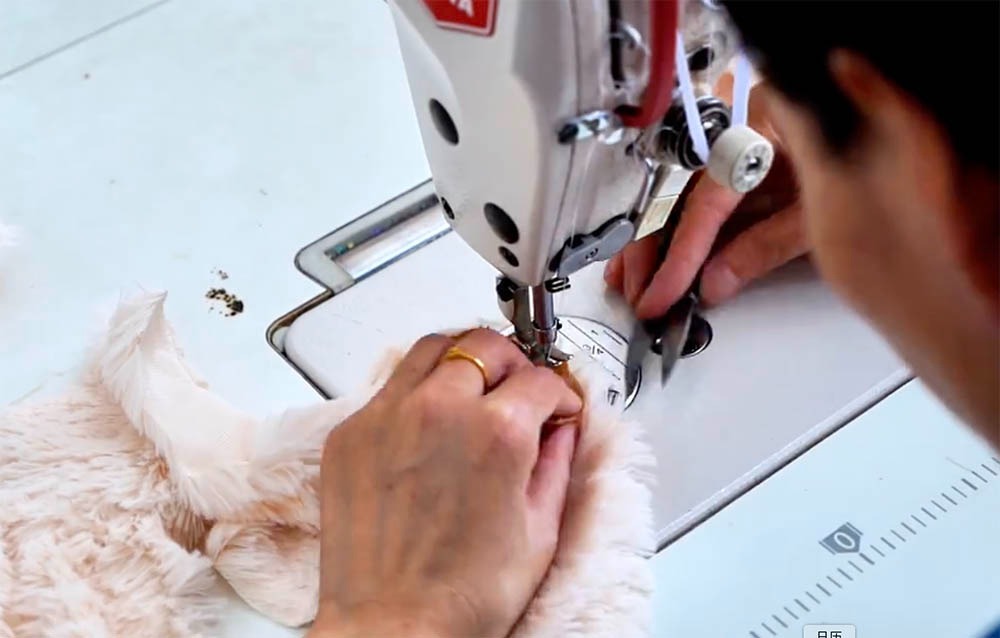
Change control is a major difference between rushed production and professionally managed production. Plush projects often change during development. Buyers may adjust color, expression, size, packaging, labels, materials, or delivery quantity. Some changes are necessary. The problem is not change itself. The problem is accepting changes without measuring their impact.
Late changes can affect more than one department. A small adjustment to toy size can change pattern, fabric consumption, stuffing weight, carton quantity, shipping volume, barcode placement, and retail packaging fit. A change to embroidery may require new files, new machine setup, new approval, and new inspection criteria. A packaging change may affect carton dimensions, artwork lead time, and final inspection checklist.
To balance speed and quality, factories should classify changes by timing and impact. Before sample approval, changes are part of development. After sample approval but before material purchase, changes may still be manageable. After material purchase, cutting, or sewing, changes become more expensive and risky. After packing, changes can create rework, carton reopening, relabeling, and document revision.
Buyers should receive a clear change response: what can be changed, what cost changes, how many days are added, what quality risk appears, and whether a new sample or photo approval is needed. This creates informed decisions. Sometimes the right answer is to accept a small imperfection to protect launch timing. Sometimes the right answer is to delay production to protect brand quality. The key is making that decision consciously.
A professional plush partner will not say yes to every urgent change without warning. It will protect the buyer by explaining consequences. That discipline may feel slower in the moment, but it usually prevents larger delays later.
| Change Timing | Typical Impact | Recommended Control |
|---|---|---|
| Before sample approval | Usually flexible but may add development time | Track revisions clearly and confirm final benchmark |
| After material booking | Can affect cost, supplier lead time, and color consistency | Review material loss, replacement timing, and approval needs |
| After production starts | Can cause rework, mixed standards, and delivery delay | Accept only with written impact review and buyer approval |
Plan Packaging and Final Inspection Before the Last Week
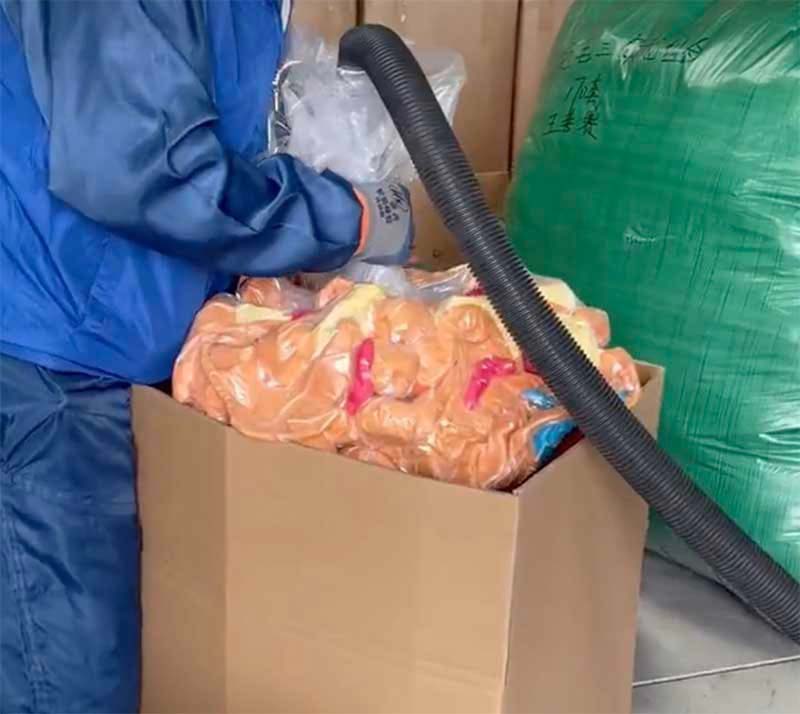
Packaging and final inspection are often underestimated in plush manufacturing timelines. Buyers may focus on sewing completion, but an order is not ready when the last toy leaves the sewing line. The goods still need finishing, cleaning, shape adjustment, metal or needle detection when required, labeling, individual packing, carton packing, carton sealing, shipping marks, final inspection, document preparation, and warehouse handover.
If these steps are planned only in the final week, speed and quality both suffer. Packing workers may not have correct polybags, retail boxes, carton labels, inserts, or barcode stickers. Inspectors may not have the final AQL plan, approved sample, packaging standard, or buyer-specific checklist. Freight booking may wait for final carton data that could have been estimated earlier. Each missing item adds small delays that accumulate quickly.
Plush packaging also affects final appearance. Compression, vacuum packing, folded ears, attached accessories, hangtag position, and carton load can influence how the product looks when unpacked. Rushed packing can create wrinkles, deformation, crushed parts, or mixed assortments. For retail buyers, packaging mistakes can be as damaging as sewing defects because they affect shelf presentation and receiving efficiency.
Final inspection should not be treated as a formality. It should verify product appearance, workmanship, size, stuffing, accessories, labels, packaging, carton marks, quantity, and any safety or functional requirements. If the buyer requires third-party inspection, the factory needs to reserve time for scheduling, preparation, possible corrective action, and reinspection if needed.
The practical solution is to plan backward from shipment. Packaging materials should be approved and produced before bulk goods are ready. Final inspection date should be reserved before production ends. Carton data should be estimated early and confirmed after trial packing. This prevents the last stage from becoming the place where all schedule pressure collects.
| Final Stage Item | Prepare Before Production Ends | Risk If Left Too Late |
|---|---|---|
| Packaging materials | Polybags, boxes, inserts, labels, barcodes, and cartons | Goods wait finished while packing materials are missing |
| Inspection setup | Approved sample, checklist, AQL level, and inspection date | Final problems appear too late for efficient correction |
| Shipment documents | Carton marks, packing list, invoice data, and booking details | Warehouse handover and customs preparation become rushed |
Use Communication Rhythm to Keep Urgency Under Control
Communication rhythm is an operational tool, not just customer service. When production is urgent, unclear communication can create more delay than the manufacturing work itself. Buyers wait for answers, factories wait for approvals, departments work from outdated information, and small issues become urgent because nobody saw them early.
A professional plush factory should set a reporting rhythm that matches the project risk. For normal orders, milestone updates may be enough: sample approval, material arrival, cutting start, sewing progress, packing start, final inspection, and shipment. For tight timelines or complex plush toys, updates may need to be more frequent and include photos, defect notes, material status, daily output, and open decisions.
Good communication is specific. “Production is going well” does not help a buyer manage launch risk. Useful updates include quantity completed, percentage progress, materials received, current bottleneck, QC findings, corrective action, next milestone, and buyer decisions needed. This allows the buyer to act quickly when action is required and stay out of the process when no action is needed.
Communication also prevents unnecessary interruptions. If buyers receive predictable updates, they do not need to ask repeatedly for status. If the factory clearly states what is needed from the buyer, approvals can move faster. If both sides use one version of the timeline, fewer misunderstandings occur about whether the project is on track.
Speed and quality are easier to balance when urgency is visible early. A silent factory may still be working, but the buyer cannot manage risk without information. A disciplined factory turns production status into usable decision-making data. That is especially important for brand owners, importers, and promotional buyers who must coordinate marketing, retail, logistics, and internal stakeholders.
| Communication Item | What to Report | Business Value for Buyers |
|---|---|---|
| Milestone status | Sample, material, cutting, sewing, packing, inspection, and shipment stages | Shows whether the order is moving according to plan |
| Risk signals | Material delay, defect trend, capacity pressure, or missing approval | Allows earlier decisions before problems become emergencies |
| Decision requests | Clear options, deadline, cost effect, and quality effect | Helps buyers respond quickly without repeated clarification |
Conclusion
Balancing speed and quality in plush manufacturing requires more than a fast production line. It depends on clear timeline priorities, a frozen approved sample, early material readiness, stable process control, active inline QC, disciplined change management, prepared packaging, and structured communication. When these elements are in place, speed becomes the result of control instead of pressure.
For buyers, the strongest plush partner is not always the factory that promises the shortest lead time immediately. It is the factory that can explain how the lead time will be protected, which risks must be controlled, which approvals are needed, and where quality checks will happen. This transparency makes the production schedule more reliable and reduces the chance of rushed mistakes.
In custom plush manufacturing, quality problems often become time problems, and time problems often become cost problems. A professional factory understands this connection. By managing the order from sample benchmark to shipment data, it helps brands launch faster while still protecting product consistency, safety expectations, and customer trust.
FAQ
Can plush production be faster without lowering quality?
Yes, but only when the factory improves preparation and control. Speed should come from clear approvals, ready materials, stable workflow, trained operators, and inline inspection, not from skipping quality checks.
What causes most delays in custom plush manufacturing?
Common causes include late sample approval, material shortages, unclear artwork, color changes, packaging delays, capacity conflicts, repeated revisions, and problems found too late during final inspection.
Why is the approved sample important for fast production?
The approved sample gives production and QC teams a shared benchmark. Without it, workers may interpret shape, color, details, and finishing differently, which increases rework and slows the order.
Should buyers accept a faster lead time from every supplier?
No. Buyers should ask how the supplier will protect quality during the shorter timeline. A fast promise without material planning, process control, and QC checkpoints can create serious risk.
How does inline QC help rushed plush orders?
Inline QC catches defects during production instead of waiting until the order is finished. This makes correction faster, reduces rework, and prevents repeated defects across large quantities.
Can late design changes damage both speed and quality?
Yes. Late changes can affect patterns, materials, sewing methods, packaging, inspection standards, cost, and delivery timing. Each change should be reviewed for schedule and quality impact.
What should buyers ask a plush factory before confirming a fast order?
Buyers should ask about sample status, material readiness, production capacity, QC checkpoints, packaging preparation, inspection timing, shipment planning, and how changes will be controlled.