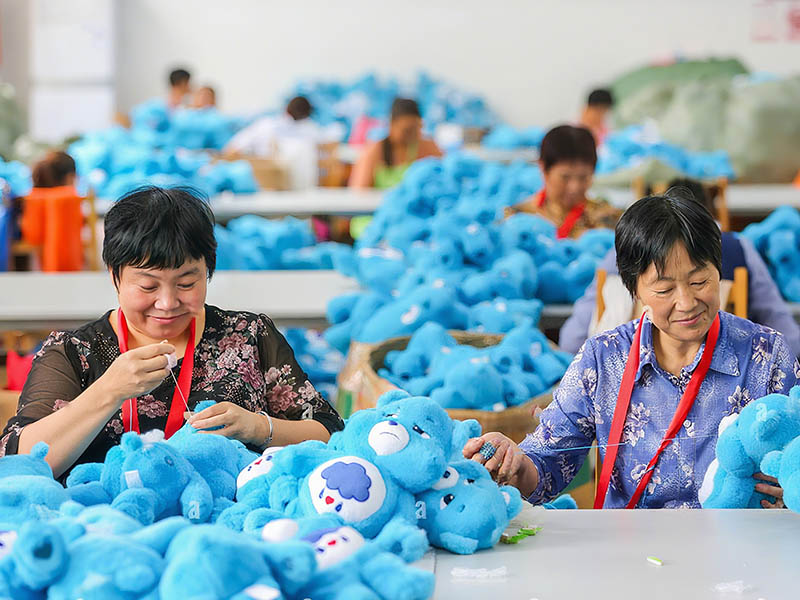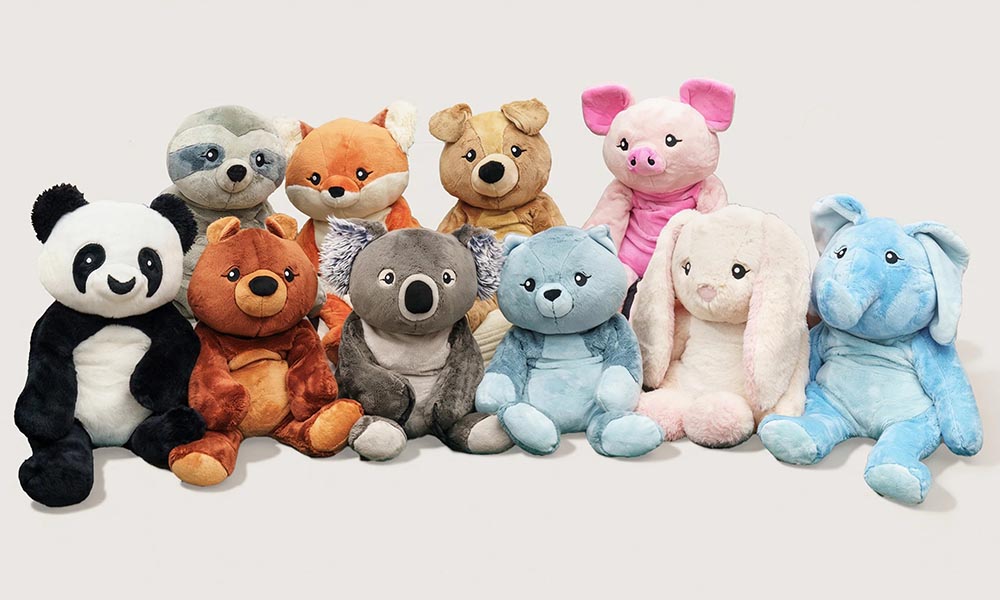
Scaling plush production with brands is different from simply producing a larger quantity. A small first order may prove that the product concept works, but scaling tests whether the manufacturer can protect quality, material consistency, delivery timing, communication, packaging accuracy, and documentation while volume increases. For brand owners, this is where a plush factory becomes either a reliable production partner or a constant source of operational pressure.
Custom plush products often carry brand-specific details: character shape, fabric hand feel, embroidery expression, stuffing firmness, sewn-in labels, hangtags, retail packaging, barcode systems, safety requirements, and carton marks. When volume grows, those details must be repeated across more workers, more materials, more production days, more inspection points, and sometimes multiple shipment waves. Without a controlled scaling process, small sample-level decisions can become large production-level problems.
A professional plush manufacturer helps brands scale by building structure before volume rises. This includes demand planning, sample control, material forecasting, capacity review, line preparation, inline QC, packaging coordination, and shipment planning. The goal is not only to make more plush toys. The goal is to make more units while keeping the brand standard stable.
Start Scaling With Demand and SKU Planning
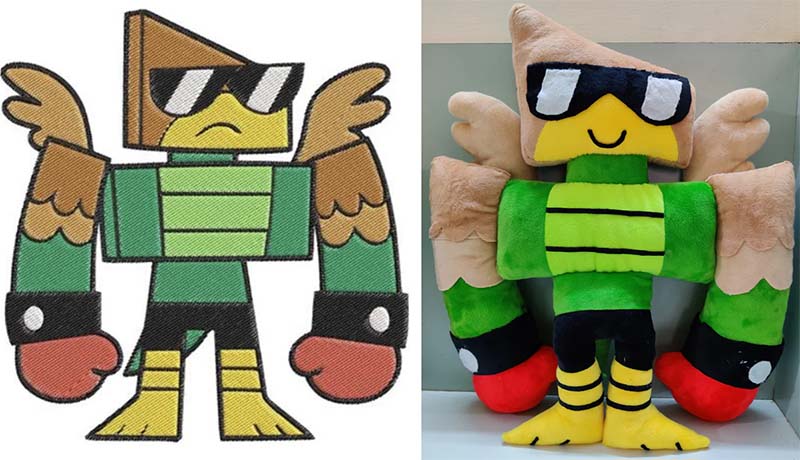
The first step in scaling plush production is understanding the brand’s demand pattern. A factory cannot plan capacity, materials, labor, packaging, and inspection correctly if the buyer only provides a target quantity without context. A one-time campaign order, a seasonal retail program, a licensing launch, a crowdfunding fulfillment, and a long-term reorder plan all require different production strategies.
Brands should share expected order volume, launch dates, sales channels, SKU count, colorways, size variations, packaging formats, and possible reorder timing as early as possible. This does not mean every number must be final. It means the factory can identify which parts of the project may create bottlenecks when demand grows. For plush toys, bottlenecks often appear in custom fabric, embroidery capacity, accessory sourcing, hand sewing, stuffing control, packaging printing, or final inspection scheduling.
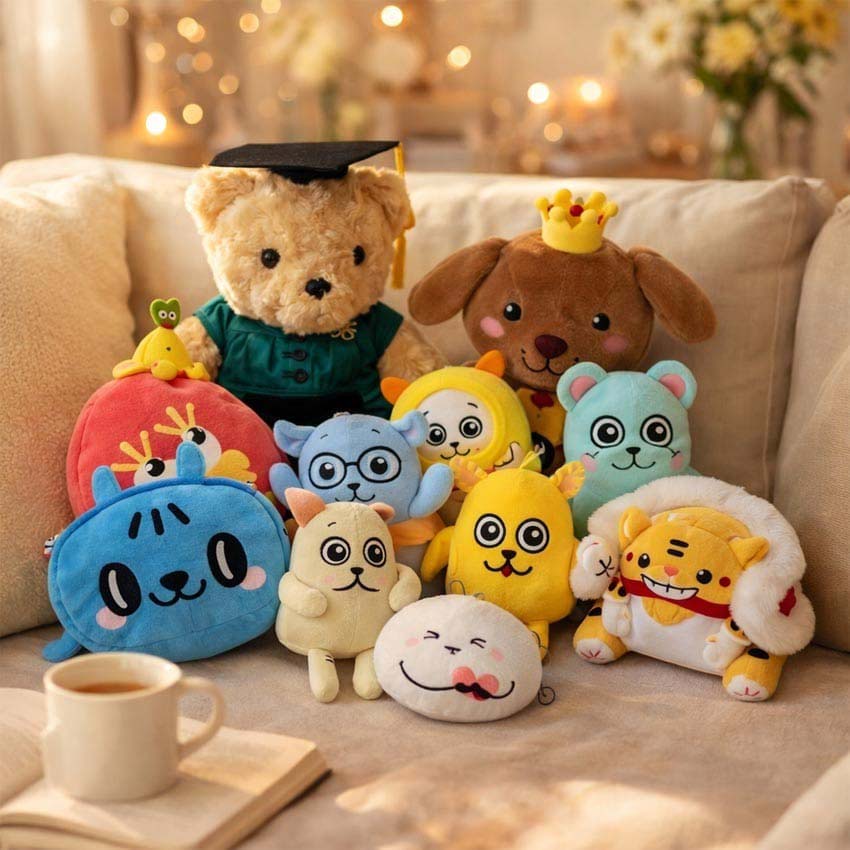
SKU planning matters because scaling one plush design is much simpler than scaling a collection. If a brand has multiple characters, sizes, outfits, or packaging versions, the factory must control item separation, material allocation, label accuracy, barcode matching, and carton identification. A larger order with poor SKU control can create mixed cartons, wrong labels, uneven quality, and receiving disputes.
A professional supplier will ask which products are core items, which are trial items, and which may become repeat-order products. Core items deserve stronger material planning and more stable production documentation. Trial items may need flexible sampling and smaller initial runs. This distinction helps the brand avoid overcommitting to uncertain demand while still preparing for growth.
Good scaling starts with a practical production map. The buyer and factory should know what must be approved, what can run in parallel, what depends on buyer decisions, and what cannot be compressed safely. This turns growth from a rushed reaction into a managed manufacturing plan.
| Scaling Area | Factory Control | Brand Benefit |
|---|---|---|
| Demand forecast | Review expected volume, launch timing, reorder potential, and sales channel | Helps the factory plan capacity and materials before pressure increases |
| SKU structure | Separate characters, sizes, colors, packaging versions, and barcodes clearly | Reduces mix-ups when the brand scales from one item to a collection |
| Core item focus | Identify products likely to repeat or carry higher brand value | Supports better long-term material and process planning |
Lock the Approved Sample Before Volume Increases
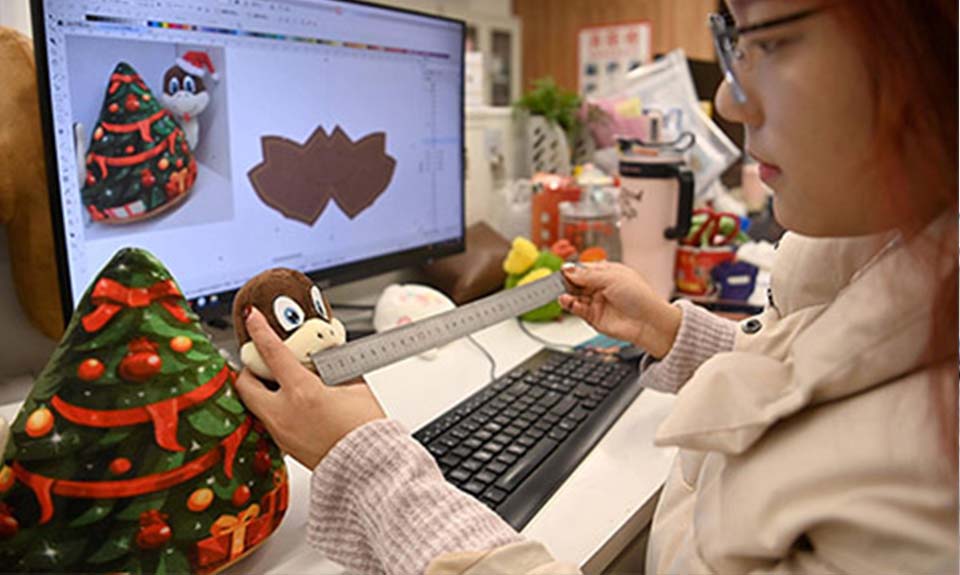
Scaling production without a stable approved sample is risky. A plush sample can go through several rounds of changes before the brand is satisfied with shape, face, fabric, stuffing, accessories, labels, and packaging. If the factory starts preparing bulk production before the final version is locked, the order may move quickly in the wrong direction.
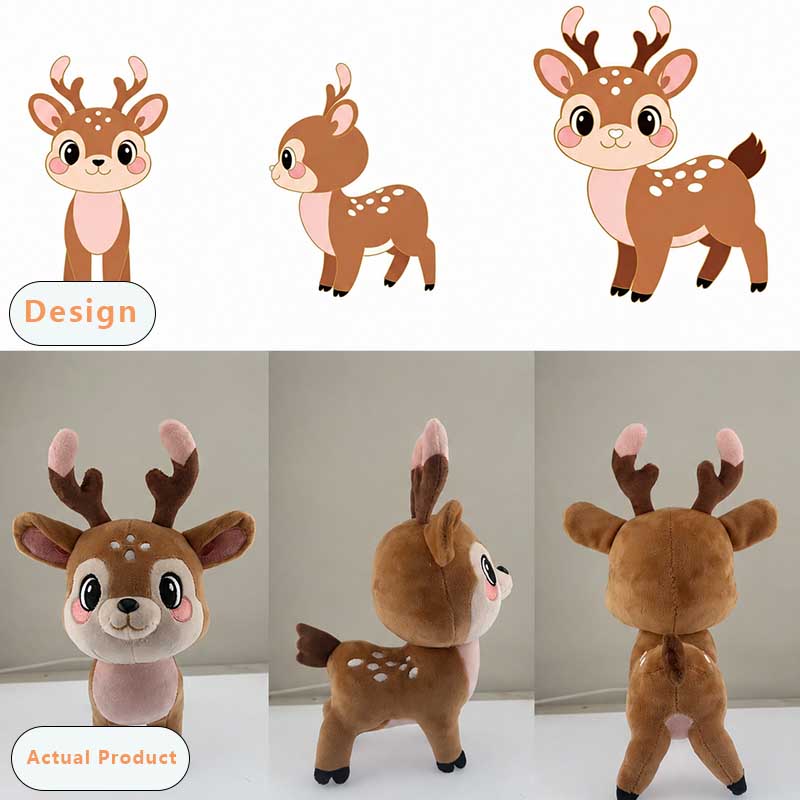
The approved sample should become the control point for scaled production. It should represent the actual material, pattern, embroidery, printing, filling, accessories, labels, and packaging method that will be used in bulk. If the brand approves a visual prototype made with substitute fabric or temporary components, the factory should clearly separate that prototype from the production-approved sample.
For brand programs, sample control should include version numbers and written change records. When volume grows, more people become involved: designers, merchandisers, sourcing managers, factory sales, sample makers, production supervisors, QC staff, and packaging suppliers. Version control prevents different teams from following different references.
A reliable factory also creates pre-production samples when needed. The pre-production sample confirms that the approved design can be made through the real production process, not only in the sample room. This is important because sample-room craftsmanship may not exactly match bulk-line conditions. Pre-production review can reveal whether seam allowance, stuffing method, embroidery placement, accessory attachment, or packaging arrangement needs adjustment before full production.
Brands should resist making late changes casually after sample approval. A small revision can affect material consumption, labor time, safety testing, packaging size, carton quantity, and delivery schedule. Strong factories can handle changes, but they should make the impact visible before the brand approves the change.
| Scaling Area | Factory Control | Brand Benefit |
|---|---|---|
| Golden sample | Keep a final approved sample with exact fabric, construction, and trim details | Protects brand consistency when more units are produced |
| Version control | Record sample revisions, approval dates, and changed details | Prevents different teams from following different references |
| Pre-production check | Confirm that the sample standard works on the actual production line | Finds bulk-production risks before full volume starts |
Prepare Materials for Both Current Orders and Reorders
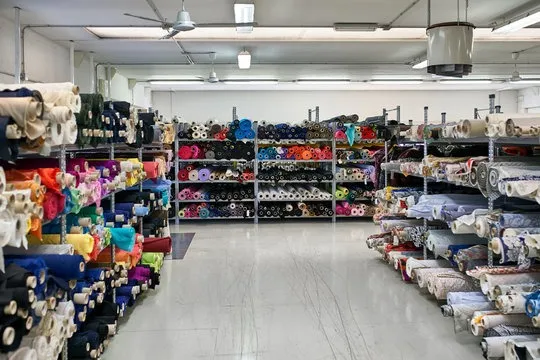
Material planning becomes more important as plush production scales. Small orders may be supported with readily available fabric or short sourcing cycles. Larger brand programs need stronger control over fabric availability, color consistency, filling grade, accessory supply, packaging materials, and reorder continuity.
Plush fabric is not always easy to repeat perfectly. Pile length, backing, weight, dye lot, hand feel, and stretch can vary between batches or mills. If a brand expects repeat orders, the factory should discuss whether the fabric is a standard item, a custom-developed material, or a seasonal material with limited availability. This information affects reorder planning and product continuity.
Color consistency is another scaling challenge. A brand may accept slight variation in a sample stage, but repeated retail shipments need tighter control. The factory should keep approved color references, bulk lot records, and incoming inspection notes. For multi-color characters, even one shade variation can affect the perceived quality of the product.
Secondary materials can also block scaling. Plastic eyes, embroidered patches, ribbons, zipper pulls, sound modules, hangtags, polybags, retail boxes, and cartons may come from different suppliers with different lead times. When production volume grows, the factory must coordinate these inputs before the sewing line needs them.
For long-term brand cooperation, material forecasting can reduce risk. The brand does not always need to place a large order immediately, but sharing forecast ranges helps the factory prepare sourcing options, estimate lead times, and warn about minimum order quantities or supplier limitations. This is how a factory supports growth without creating hidden material shortages.
| Scaling Area | Factory Control | Brand Benefit |
|---|---|---|
| Fabric planning | Confirm standard fabric, custom fabric, dye lots, and long-lead materials | Keeps scaled production consistent across batches |
| Accessory readiness | Track trims, labels, hangtags, modules, packaging, and cartons separately | Prevents small missing items from blocking a large order |
| Reorder continuity | Maintain material references and supplier records for future production | Helps brands avoid product drift as demand grows |
Match Capacity Planning to the Brand Launch Timeline
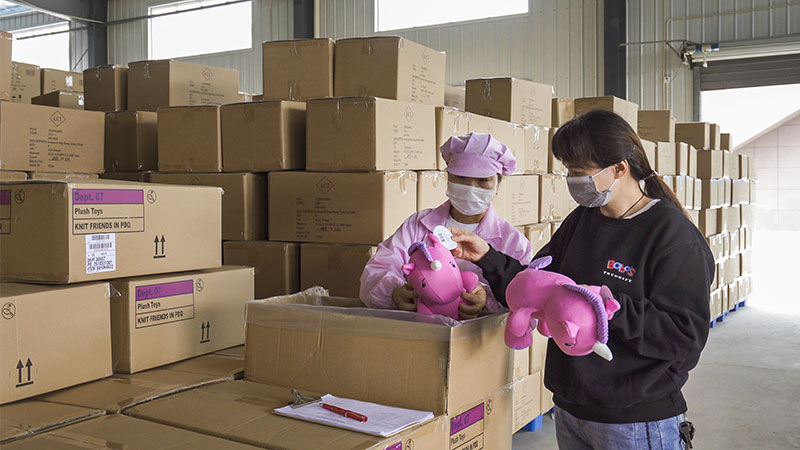
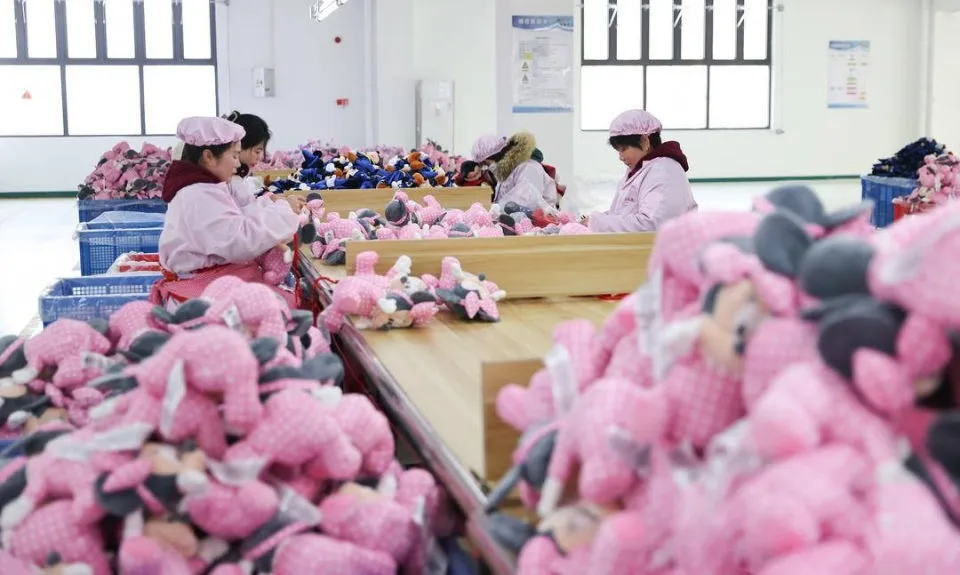
Capacity planning is not just a question of how many workers a factory has. For scaled plush production, capacity means the right production lines, trained operators, cutting resources, embroidery scheduling, stuffing stations, finishing staff, QC coverage, packing space, and warehouse coordination are available at the right time.
Brand launches often have fixed dates. Retail deliveries, event campaigns, influencer launches, crowdfunding commitments, and seasonal promotions may not tolerate delays. A factory that accepts the order without reviewing the full timeline can create serious risk for the brand. Reliable suppliers compare the requested delivery date with sample status, material lead time, production capacity, packaging readiness, inspection timing, and logistics schedule.
Scaling also requires production sequencing. If a brand has multiple SKUs, the factory must decide whether to run them one by one, in parallel, or in production waves. Running everything at once may look faster, but it can increase confusion if materials, labels, or packaging are similar. Running in waves may improve control but require more careful delivery planning.
A professional factory will identify where capacity pressure is likely. For plush toys, hand-finishing, embroidery, special accessories, shaped stuffing, and quality inspection often limit speed more than basic sewing. If the factory only counts sewing machines, it may underestimate the true production bottleneck.
Capacity planning should also include buffer time. A schedule with no buffer assumes every approval, material delivery, production stage, inspection, and shipment step will happen perfectly. That is not realistic for custom manufacturing. A reliable factory uses buffer time strategically so the brand can scale without constant emergency decisions.
| Scaling Area | Factory Control | Brand Benefit |
|---|---|---|
| Line capacity | Review cutting, sewing, stuffing, finishing, QC, and packing capacity together | Prevents one bottleneck from delaying the whole launch |
| Production sequence | Plan whether SKUs run in waves, parallel lines, or separate batches | Improves control when a brand scales multiple items |
| Schedule buffer | Include time for approvals, corrections, inspection, and shipment preparation | Reduces urgent decisions near the delivery date |
Standardize Production Instructions Across More Workers
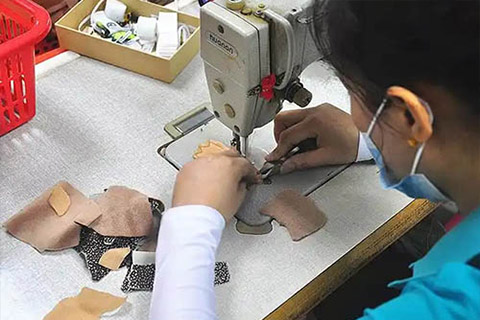
As order volume grows, more operators may join the production process. This creates a risk: the product may become less consistent if each worker interprets the sample differently. Scaling requires clear production instructions that translate the approved plush sample into repeatable factory actions.
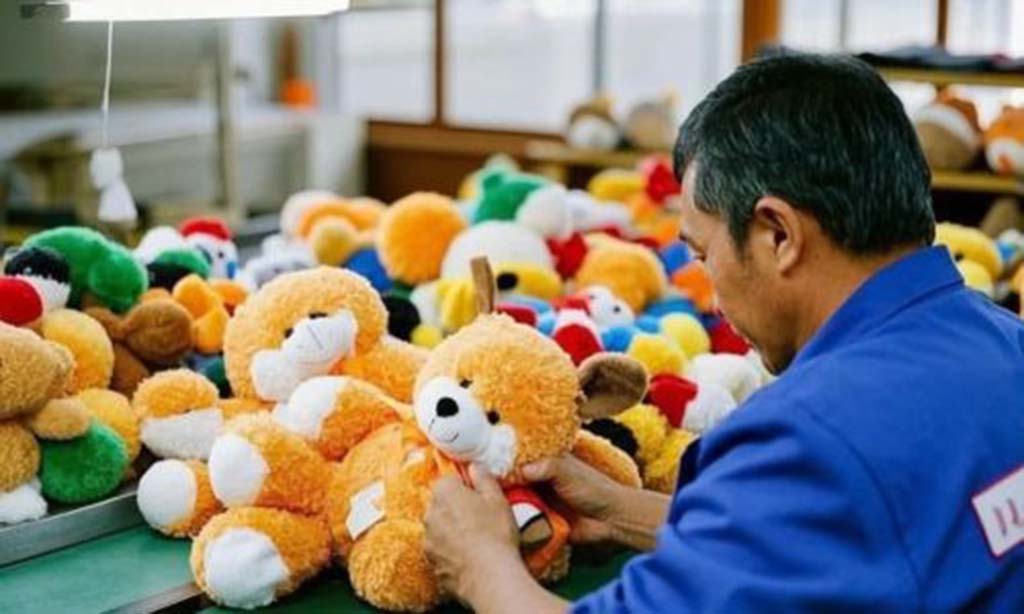
Production instructions should cover pattern version, fabric direction, embroidery placement, sewing sequence, seam allowance, stuffing amount, accessory attachment, trimming requirements, label position, packaging method, and inspection points. For complex plush toys, the factory may need photos, measurement references, defect examples, and line-start training before bulk production begins.
Standardization is especially important for details that affect brand recognition. Face expression, eye distance, mouth angle, ear position, body proportion, and stuffing firmness can change the character’s identity. These details need clear control points, not only general quality reminders.
Line-start approval helps protect consistency. The factory should review the first units from the production line before full output continues. If the first line-made units differ from the approved sample, the factory can adjust training, tooling, sewing method, or stuffing control before the issue spreads.
Standardized instructions also help when reorders happen. If the factory documents how the product was made, the next order can start from proven methods instead of rebuilding knowledge from memory. This is one reason experienced plush manufacturers become more valuable as brand volume increases.
| Scaling Area | Factory Control | Brand Benefit |
|---|---|---|
| Work instructions | Document sewing sequence, stuffing standard, trim placement, and packaging steps | Keeps quality consistent when more workers join the order |
| Line-start approval | Check first production units against the approved sample | Stops repeated errors before full-volume production |
| Operator training | Use photos, defect examples, and key measurement references | Makes brand-critical details easier to repeat |
Use QC Systems That Can Handle Larger Volumes
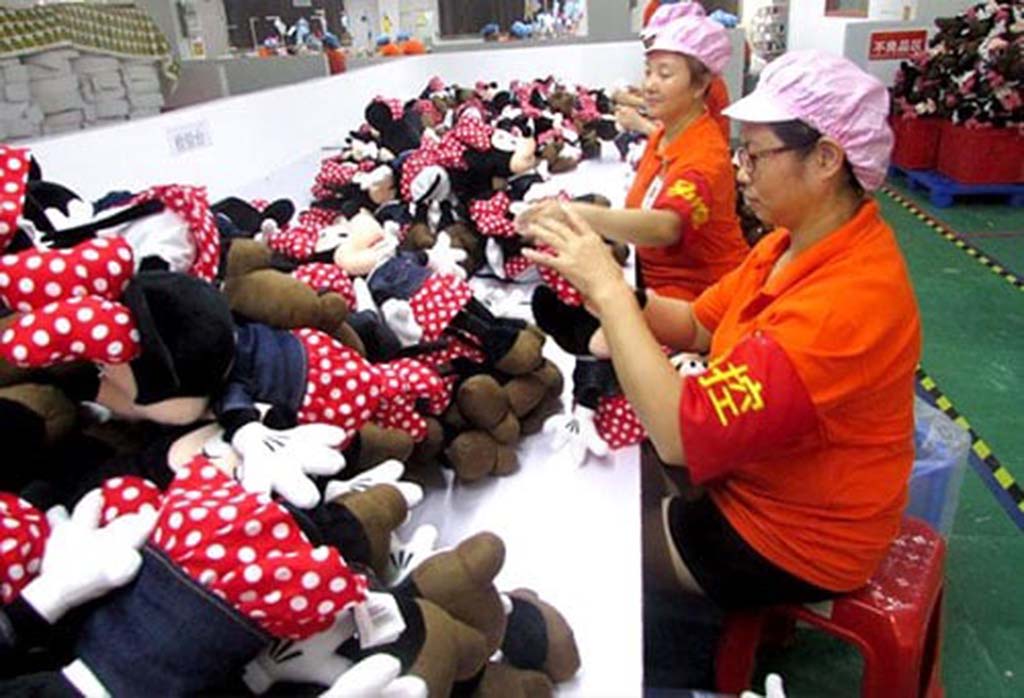
Quality control must scale with production volume. A QC method that works for a small batch may not be enough for a large brand order. When volume increases, defects can multiply quickly if inspection points are weak. A small seam issue, embroidery shift, label mistake, or stuffing inconsistency can affect thousands of units before final inspection finds it.
A scalable QC system includes incoming material inspection, cutting checks, inline sewing inspection, stuffing and shape review, finishing checks, needle detection, packaging verification, and final inspection. Each stage should have a clear purpose. The goal is to catch problems near the point where they occur, not after every unit is packed.
For brand orders, QC should focus on both safety and brand presentation. Basic workmanship matters, but brands also care about character accuracy, color consistency, hand feel, retail appearance, hangtag position, label accuracy, and carton presentation. A factory that understands brand value will inspect more than generic defects.
Defect classification becomes important at scale. Critical, major, and minor defects should be defined clearly. A small loose thread may be minor. A loose eye, exposed filling, wrong label, failed function, metal contamination, or wrong SKU in a carton may be much more serious. Clear classification helps the factory decide when to repair, stop the line, reinspect, or escalate to the buyer.
QC records help brands manage future orders. If the same issue appears repeatedly, the factory should update instructions, operator training, material checks, or inspection standards. Scaling should create better process knowledge over time, not only higher output.
| Scaling Area | Factory Control | Brand Benefit |
|---|---|---|
| Inline QC | Inspect materials, cutting, sewing, stuffing, finishing, and packing before final inspection | Finds problems before they spread across the order |
| Brand standard | Check expression, color, hand feel, label position, and retail appearance | Protects the product experience customers associate with the brand |
| Defect escalation | Classify defects and define when the line must stop or rework must happen | Keeps large-volume defects from becoming shipment-level disputes |
Coordinate Packaging, Cartons, and Shipment Waves

Packaging becomes a scaling issue when brand orders move from small batches to larger retail or fulfillment programs. A finished plush toy is not ready for shipment until individual packaging, hangtags, labels, barcodes, retail boxes, inner cartons, master cartons, carton marks, and shipping documents are correct.
Brands often have different packaging needs by sales channel. A retail chain may require barcode placement and carton labels. An e-commerce program may need individual polybags or protective packing. A crowdfunding campaign may require SKU separation for fulfillment. A licensing program may require strict hangtag and warning-label control. The factory must understand these requirements before packing starts.
Carton planning affects cost and delivery. Plush toys are soft and bulky, so carton size, compression method, packing ratio, and freight volume can change the landed cost. Vacuum packing may reduce volume, but it should be tested for shape recovery. Over-compression can damage appearance, especially for shaped characters, long pile fabrics, or plush toys with accessories.
When volume is high, shipment waves may be better than one large shipment. Partial shipments can support launch timing, reduce warehouse pressure, or split destinations. However, waves require accurate SKU control, inspection planning, document preparation, and communication. Otherwise, the brand may receive incomplete assortments or mismatched paperwork.
A reliable factory treats packing and shipment as part of production scaling, not as an afterthought. It confirms packaging artwork, packing method, carton marks, inspection schedule, and loading plan early enough to prevent last-minute delays.
| Scaling Area | Factory Control | Brand Benefit |
|---|---|---|
| Channel packaging | Confirm retail, e-commerce, licensing, or fulfillment packing needs | Keeps scaled production aligned with how the brand sells |
| Carton planning | Review packing ratio, compression, carton strength, and freight volume | Controls shipping cost without damaging product appearance |
| Shipment waves | Plan split shipments by SKU, destination, inspection, and document needs | Supports launches and reorders without creating carton confusion |
Build Communication Rhythm for Long-Term Brand Growth
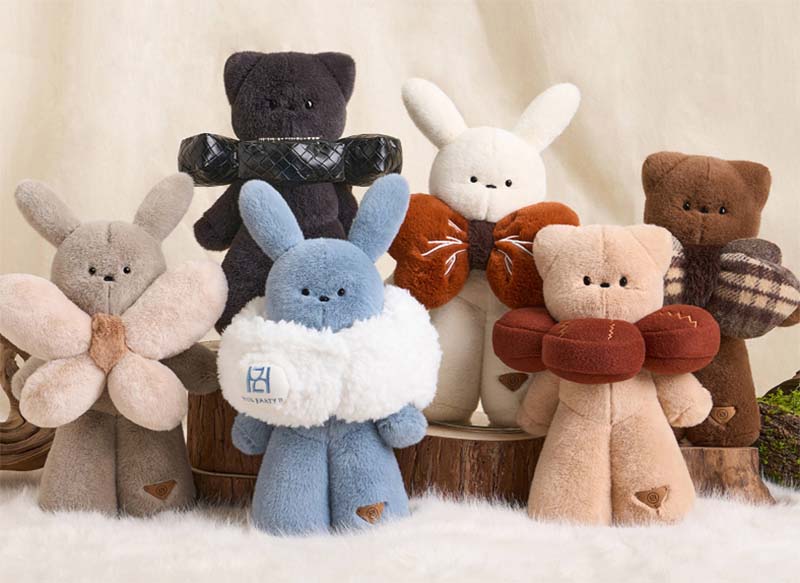
Scaling production with brands requires a communication rhythm that is practical and consistent. When orders are small, the buyer may manage details through occasional messages. As volume grows, informal communication becomes risky. Decisions can be missed, old versions can be reused, and production status can become unclear.
A professional factory should provide milestone-based updates. These may include sample status, material arrival, cutting progress, sewing progress, inline QC findings, packaging readiness, final inspection timing, and shipment preparation. The update does not need to be complicated, but it should tell the buyer what is complete, what is pending, what is at risk, and what decision is needed.
Communication should also include exception reporting. If a material is late, a color is off, a defect repeats, packaging artwork is missing, or capacity is tight, the factory should report the issue early with options. Brands can handle problems better when they receive specific information before the deadline is threatened.
For long-term cooperation, both sides should keep a shared record of approvals and changes. This includes sample approvals, material substitutions, packaging updates, inspection comments, shipment schedules, and post-shipment feedback. A shared record reduces repeated questions and helps new team members understand the project history.
The communication goal is not more messages. It is fewer surprises. When a factory communicates with structure, brands can scale with more confidence because they understand what is happening before the shipment is urgent.
| Scaling Area | Factory Control | Brand Benefit |
|---|---|---|
| Milestone updates | Report sample, material, production, QC, packing, and shipment status | Gives the brand a clear view of progress without daily confusion |
| Exception reporting | Explain risks early with cause, impact, options, and next action | Allows the brand to make decisions before problems become urgent |
| Shared records | Keep approvals, changes, inspection notes, and shipment details organized | Supports long-term growth across repeated orders and team changes |
Conclusion
Scaling plush production with brands requires more than accepting a larger purchase order. It requires demand planning, sample control, material preparation, capacity management, standardized instructions, scalable QC, packaging coordination, and structured communication. Each part protects the brand as volume increases.
A professional plush manufacturer helps brands grow without losing control of the product standard. When the factory can repeat approved details, plan materials early, manage production capacity, report risks, and coordinate shipments, the brand gains a more dependable supply chain. Scaling works best when both sides treat production growth as a managed process, not only a larger quantity.
FAQ
When should a brand start planning for scaled plush production?
Planning should start during sampling. The factory should understand likely demand, SKU structure, target launch date, packaging needs, and possible reorder timing before bulk production begins.
What is the biggest risk when scaling plush toy production?
The biggest risk is losing consistency. Fabric, shape, stuffing, embroidery, labels, packaging, and QC standards can drift when volume grows if the factory does not use clear controls.
How can brands protect quality during larger plush orders?
Brands can protect quality by locking approved samples, using version-controlled specifications, requiring material approval, checking line-start samples, reviewing inline QC, and planning final inspection.
Why is material planning important for scaling plush production?
Material planning helps prevent delays, color variation, fabric shortages, accessory gaps, and hidden substitutions. It is especially important for repeat orders and multi-SKU brand programs.
Should brands use one shipment or multiple shipment waves?
It depends on launch timing, warehouse capacity, SKU mix, inspection plan, and destination requirements. Shipment waves can help, but they need strong carton and document control.
How does a factory support long-term brand growth?
A factory supports growth by keeping records, improving instructions, planning materials, reserving capacity, maintaining QC standards, and communicating risks before they affect delivery.
What should brands ask before increasing order volume?
Brands should ask about material availability, production capacity, QC coverage, packaging readiness, delivery schedule, inspection timing, cost impact, and how the factory will control consistency.