Skip to content
Packaging cost is one of the easiest costs to underestimate in plush toy sourcing. Many buyers focus on the unit price of the plush toy itself, then discover later that hang tags, polybags, retail boxes, carton size, vacuum packing, labeling, and shipping volume can change the total landed cost significantly.
For plush toys, packaging is not only a visual presentation decision. It affects freight cost, warehouse handling, retail shelf appearance, product protection, compliance labeling, and customer experience. A low-cost packaging plan can become expensive if products arrive crushed, cartons are oversized, retail packaging fails channel requirements, or the shipment takes up too much container space.
The goal is not simply to choose the cheapest packaging. The goal is to use packaging that protects the product, supports the sales channel, controls shipping volume, and avoids unnecessary material or labor cost. This guide explains how buyers can control packaging cost for plush toys without weakening product quality or market readiness.
What Makes Packaging Cost Important in Plush Toy Manufacturing?
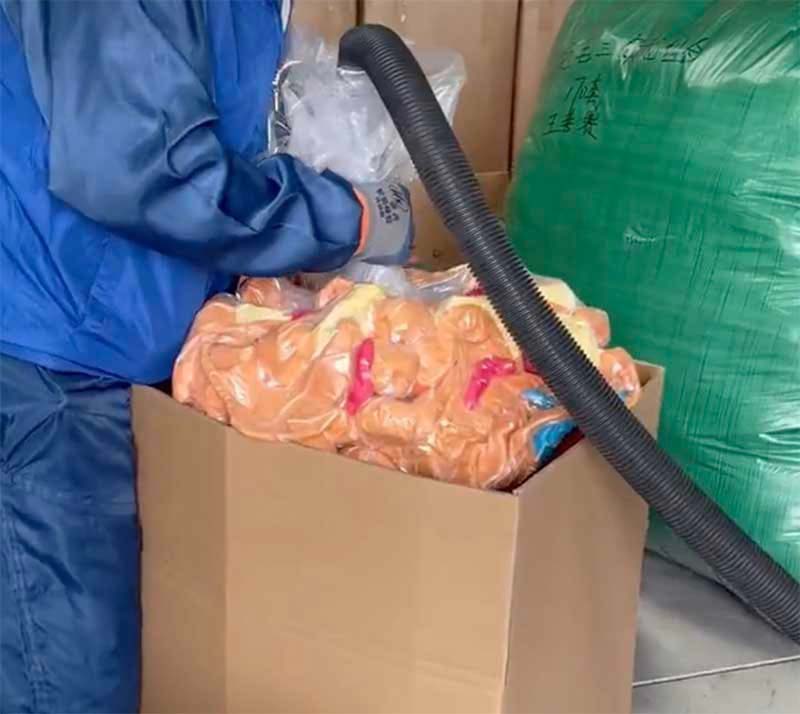
Packaging cost matters in plush toy manufacturing because plush products are soft, bulky, and sensitive to deformation. Unlike small hard goods, plush toys often take up more space than their material weight suggests. This means the packaging decision can affect not only the factory packaging cost, but also carton volume, container loading, air freight cost, warehouse storage, and final product presentation.
Buyers often compare plush toy quotes using only the EXW or FOB unit price. But if one packaging method creates larger cartons, higher dimensional weight, or more manual packing labor, the lower unit price may not create a lower total cost. Packaging should be evaluated as part of the full landed cost, not as an afterthought.
| Packaging Cost Area | What It Includes | Why It Matters |
|---|---|---|
| Primary packaging | Polybag, hang tag, insert card, retail box | Controls presentation and direct material cost |
| Inner packing | Grouping method, tissue, dividers, protection | Prevents damage or deformation |
| Master carton | Carton size, strength, marks, quantity per carton | Affects freight volume and warehouse handling |
| Labor | Bagging, tagging, folding, boxing, sealing | Impacts unit packing cost |
| Freight volume | Carton CBM and dimensional weight | Can affect total cost more than packaging material |
| Compliance labeling | Warnings, age grade, barcode, country of origin | Protects market entry and retail acceptance |
A professional plush toy manufacturer should discuss packaging early, especially for bulk orders, retail programs, e-commerce products, and promotional campaigns. Waiting until production is finished can limit options and create rushed decisions.
At Kinwin, we encourage buyers to confirm packaging requirements before sampling or at least before bulk production starts. This allows the sample, hang tag, packaging dimensions, carton loading, and shipping plan to work together rather than being solved separately at the end.
Which Packaging Options Affect Plush Toy Cost the Most?
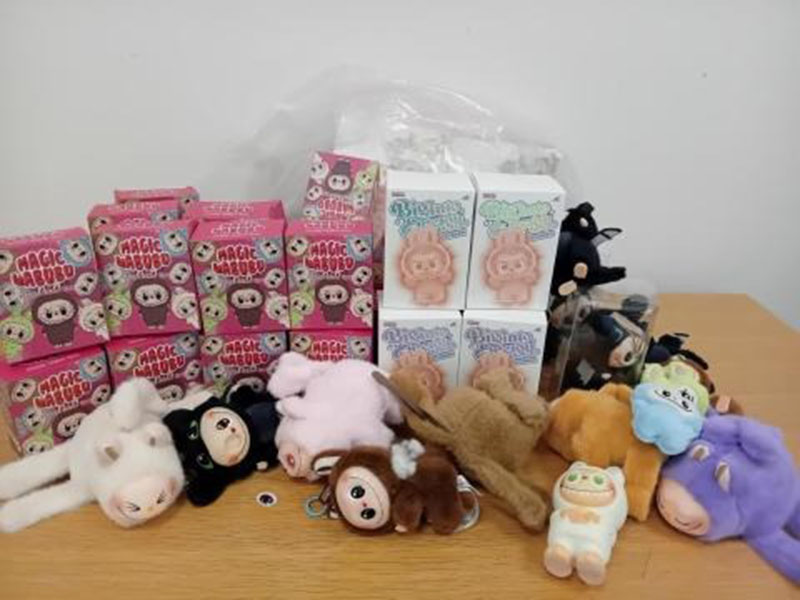
The packaging options that affect plush toy cost the most are retail boxes, custom printed materials, vacuum packing, carton size, hang tags, barcode labels, and any packaging that requires extra manual handling. The more customized and labor-intensive the packaging is, the more it affects unit cost and lead time.
Simple packaging is usually enough for wholesale plush toys, promotional plush, or products that will be repacked by the buyer. Retail-ready plush toys may need stronger visual packaging, barcode labels, hang holes, display boxes, or gift packaging. The right choice depends on the sales channel.
| Packaging Type | Cost Level | Best Use | Cost Control Tip |
|---|---|---|---|
| Individual polybag | Low | Wholesale, warehouse, basic protection | Use standard sizes when possible |
| Hang tag | Low to medium | Branding, retail identification | Keep size practical and print in volume |
| Sticker barcode | Low | Retail and e-commerce inventory | Confirm label position before production |
| Header card | Medium | Small plush, keychains, hanging display | Use shared card size across SKUs |
| Custom retail box | Medium to high | Gift sets, premium products, shelf display | Avoid oversized empty space |
| Window box | High | Premium retail display | Use only when visual display increases sales value |
| Vacuum packing | Medium | Bulk shipping and volume reduction | Test recovery before approval |
Buyers should also consider packaging MOQ. Custom printed boxes, printed bags, and special hang tags may have minimum order quantities that are higher than the plush toy order itself. If a buyer orders a small plush quantity but requests highly customized packaging, leftover packaging inventory can become hidden cost.
The most balanced approach is to identify which packaging elements truly influence sales. For example, a hang tag with strong branding may be enough for a soft retail plush, while a full custom box may only be necessary for gift sets, licensed collectibles, or premium shelf display programs.
How Can Buyers Reduce Retail Packaging Cost Without Hurting Presentation?
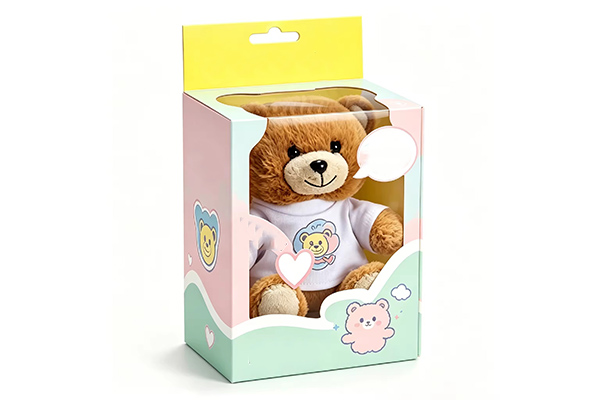
Buyers can reduce retail packaging cost by simplifying the structure, using standard sizes, reducing unnecessary print surfaces, combining branding elements, and designing packaging around the actual plush size. Retail packaging should make the product easier to sell, but it should not become heavier, larger, or more complex than necessary.
For plush toys, the product itself often carries strong visual appeal. A soft animal, mascot, or character plush does not always need a full box. In many cases, hang tags, belly bands, header cards, or simple display trays can provide enough branding while keeping packaging cost lower.
| Retail Packaging Decision | Higher-Cost Approach | Cost-Control Alternative |
|---|---|---|
| Full box design | Large custom printed box | Smaller box, tray, or hang tag |
| Print coverage | Full-color printing on all sides | Key panels only with simple brand layout |
| SKU variation | Different packaging for each style | Shared package structure with SKU sticker |
| Display method | Rigid shelf box for every item | Hanging tag or header card for small plush |
| Premium finish | Lamination, embossing, foil, special coating | Use only for hero products or gift lines |
One practical method is to design packaging families. Instead of creating a separate custom box for every plush design, buyers can use one box size or hang tag template across multiple SKUs. The product name, barcode, or colorway can be changed with stickers or small print variations. This reduces setup cost, printing complexity, and packaging inventory.
Another useful strategy is to test the retail need before over-investing. If the plush toy sells mainly online, expensive shelf packaging may not add much value. If it sells in physical stores, display packaging may matter more. Matching packaging to the real sales channel is one of the simplest ways to control cost.
How Does Hang Tag, Label, and Barcode Planning Control Cost?
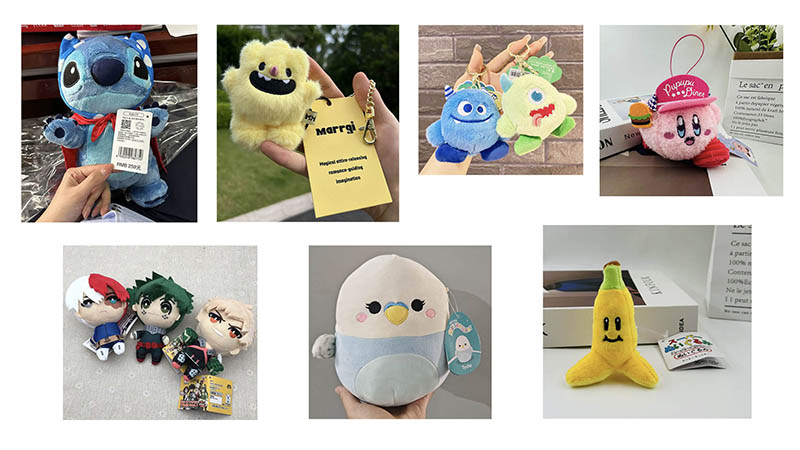
Hang tags, labels, and barcodes may look like small cost items, but they can create delays and extra charges if they are not planned early. Plush toys often need sewn labels, hang tags, barcode stickers, care labels, country-of-origin labels, warning labels, and sometimes retailer-specific compliance labels.
The cost of these items is not only printing. It also includes artwork setup, approval time, label placement, manual attachment, inspection, and possible rework if the information is wrong. A barcode mistake or missing warning label can create more cost than the label itself.
| Label Element | Purpose | Cost Control Advice |
|---|---|---|
| Hang tag | Brand story, product name, visual identity | Use shared template across multiple plush designs |
| Barcode sticker | Retail scanning and inventory | Confirm UPC/EAN before mass printing |
| Sewn label | Brand, care, origin, compliance | Keep information accurate and durable |
| Warning label | Age grade and safety information | Confirm market requirements early |
| Carton mark | Warehouse and shipment identification | Standardize layout for repeat orders |
Buyers should finalize label information before packaging production begins. Changing labels after printing can create waste, rush charges, and shipment delays. For retail orders, label approval should be part of the pre-production checklist, not something handled at the last minute.
Kinwin helps buyers organize labeling requirements during order preparation. This includes confirming hang tag layout, barcode placement, sewn label content, carton marks, and any market-specific warnings before bulk packing starts.
How Can Vacuum Packing Reduce Plush Toy Shipping Cost?
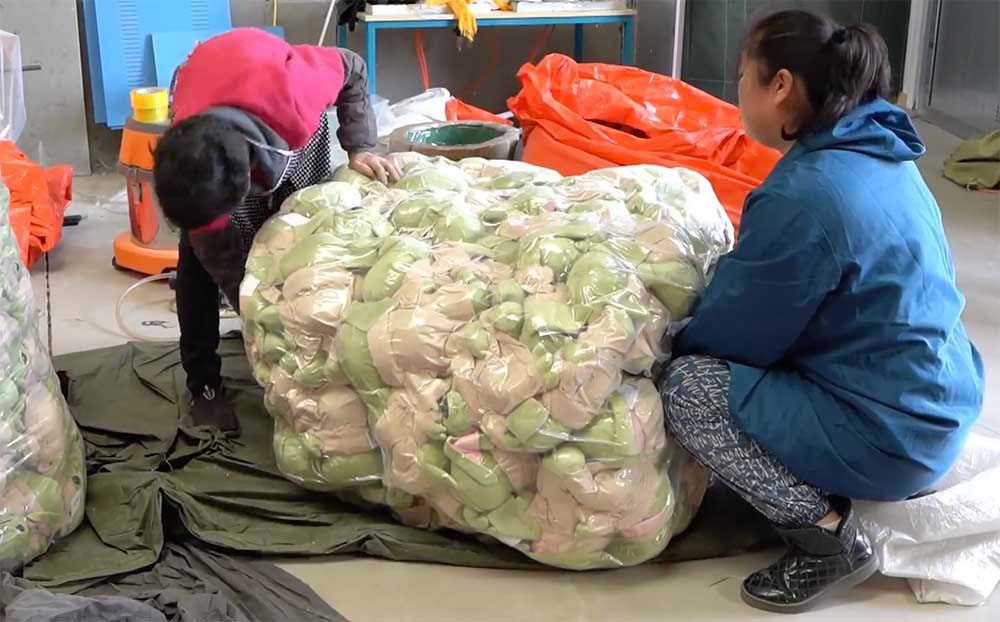
Vacuum packing can reduce plush toy shipping cost by compressing plush products to lower carton volume. Since plush toys are lightweight but bulky, freight is often calculated by volume or dimensional weight rather than actual product weight. Reducing carton volume can significantly lower shipping cost, especially for large plush toys or high-volume orders.
However, vacuum packing is not suitable for every plush toy. It must be tested because excessive compression can affect shape recovery, fabric appearance, stuffing distribution, accessories, electronic modules, or retail presentation. The goal is controlled compression, not simply making the carton as small as possible.
| Vacuum Packing Factor | Benefit | Risk to Check |
|---|---|---|
| Lower carton volume | Reduces CBM and shipping cost | Over-compression may deform plush shape |
| Better warehouse efficiency | More units per carton or pallet | Products may need recovery time |
| Moisture and dust protection | Cleaner storage and transit | Bag quality must be stable |
| Useful for large plush | Strong freight savings potential | Not suitable for rigid accessories or electronics |
| Good for bulk orders | Improves container loading | Retail-ready products may need reshaping |
Buyers should ask for a vacuum packing test before confirming this method. The factory should compress the sample, leave it packed for a realistic time, then open it and check shape recovery, fabric wrinkles, stuffing movement, embroidery, accessories, and overall appearance.
For premium retail plush toys, light compression or non-vacuum packing may be better if presentation is more important than freight savings. For wholesale plush, event plush, or products that will be unpacked and fluffed before sale, vacuum packing can be a very practical cost-saving method.
How Does Carton Size and Master Carton Planning Affect Total Cost?
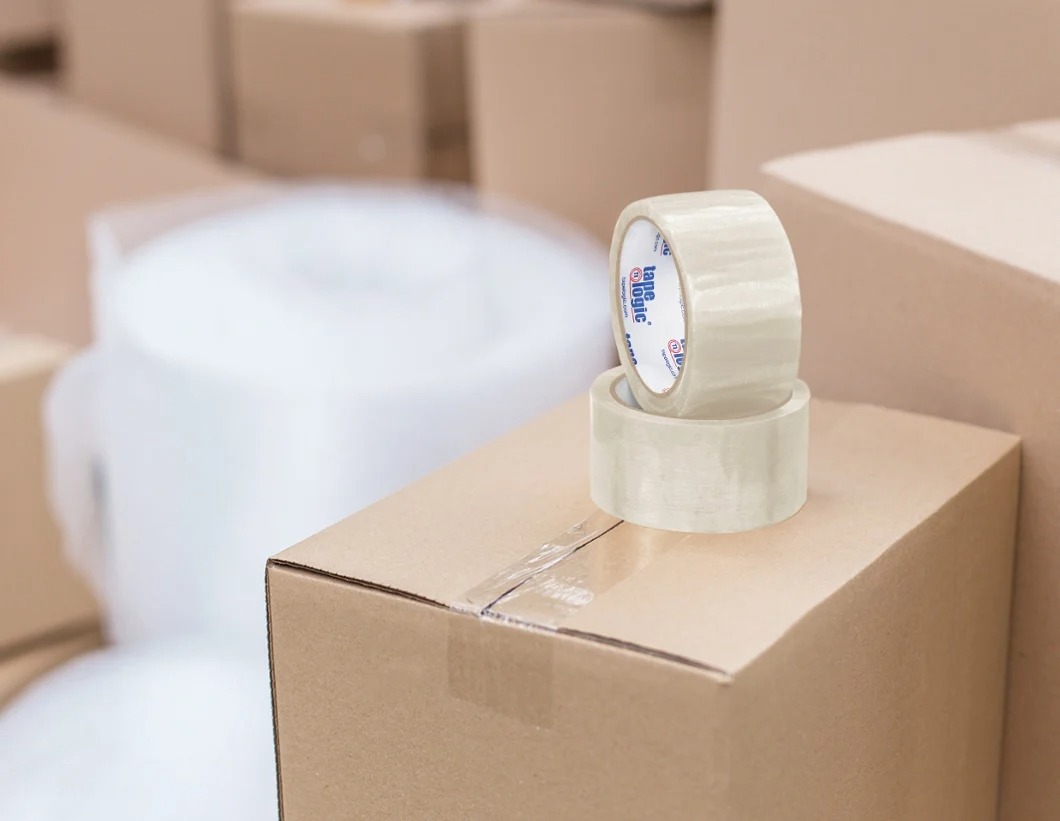
Carton size and master carton planning affect total cost through material usage, packing labor, container loading, dimensional weight, warehouse handling, and damage risk. A carton that is too large wastes freight space. A carton that is too weak may collapse. A carton that is too heavy or awkward may create warehouse handling problems.
For plush toys, carton planning should balance compression, product recovery, carton strength, and logistics efficiency. The best carton is not always the smallest carton. It is the carton that protects the goods while keeping volume and handling cost under control.
| Carton Planning Item | Why It Matters | Cost-Control Method |
|---|---|---|
| Units per carton | Affects CBM and warehouse receiving | Compare several packing quantities before approval |
| Carton dimensions | Controls dimensional weight | Avoid empty space and oversized cartons |
| Carton strength | Prevents crushing during transport | Choose proper flute and paper grade |
| Carton weight | Affects manual handling | Keep cartons manageable for warehouse teams |
| Carton marks | Supports sorting and inventory | Standardize marks across orders |
| Pallet compatibility | Improves loading efficiency | Confirm buyer warehouse requirements when needed |
Buyers should request carton dimensions and estimated CBM before shipment. This helps compare shipping methods and avoid surprises when freight quotes arrive. For air freight, dimensional weight can be especially important because plush toys may take up much more volume than their actual weight suggests.
A professional factory should be able to provide packing proposals. For example, one option may use more units per carton with light compression, while another may use fewer units per carton for better product recovery. Buyers can then choose based on freight cost, product type, and retail requirements.
Where Should Buyers Avoid Cutting Packaging Cost Too Far?
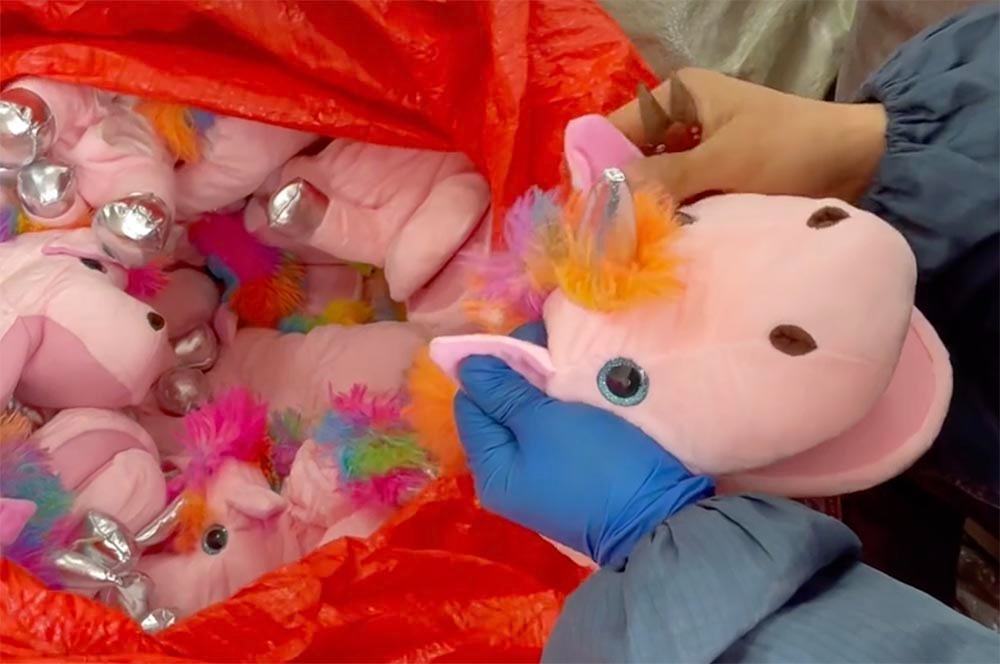
Buyers should avoid cutting packaging cost in areas that protect the product, support compliance, or prevent shipment problems. Cheap packaging can become expensive if it causes dirty products, crushed plush toys, missing labels, failed retailer receiving, or customer complaints.
Packaging should protect the product from factory to warehouse to final customer. Plush toys may seem soft and durable, but they can absorb dust, deform under pressure, lose shape after heavy compression, or arrive looking less premium if packing is too basic.
| Do Not Cut Too Far On | Why It Matters | Possible Hidden Cost |
|---|---|---|
| Protective polybag | Keeps plush clean during storage and transit | Dirty goods, repacking, customer complaints |
| Carton strength | Protects goods during stacking and shipping | Crushed cartons and damaged products |
| Compliance labels | Required for retail and market entry | Rejected goods or relabeling cost |
| Barcode accuracy | Needed for retail and warehouse systems | Receiving delays or chargebacks |
| Compression control | Protects plush shape and recovery | Deformed products and poor presentation |
| Moisture protection | Protects fabric and stuffing during transit | Odor, mildew, or quality claims |
The best cost reduction usually comes from simplifying unnecessary packaging, not weakening protective packaging. For example, removing an oversized retail box may be smart. Using a weak carton to save a small amount may not be smart if the shipment travels through multiple handling points.
Buyers should also think about who receives the goods. A distributor, Amazon warehouse, retail chain, event team, and direct-to-consumer fulfillment center may all have different packaging expectations. Cutting the wrong packaging detail can create problems after the goods leave the factory.
How Should Buyers Work with a Factory to Optimize Packaging Cost?
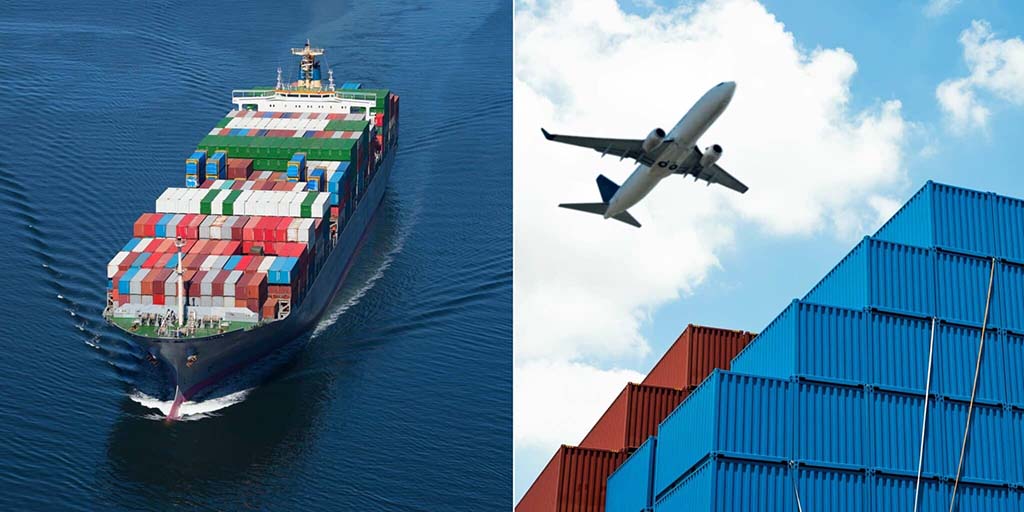
Buyers can optimize packaging cost by sharing sales channel requirements, target price, shipping method, warehouse needs, and branding expectations with the factory early. The factory can then suggest packaging options that balance cost, protection, presentation, and logistics.
A good packaging discussion should include more than “How much is the bag?” or “Can we use a cheaper box?” It should review the full packaging chain: individual packing, retail presentation, master carton, CBM, loading method, freight type, labels, and final customer experience.
| Buyer Should Provide | Factory Can Recommend | Result |
|---|---|---|
| Sales channel | Retail, wholesale, e-commerce, or promotional packaging | Packaging matches real use |
| Target budget | Cost options by packaging level | Better price control |
| Product size and style | Carton loading and compression method | Lower freight surprises |
| Branding requirements | Hang tag, label, header card, or box options | Efficient visual presentation |
| Shipping method | Carton strength and volume planning | Better logistics efficiency |
| Retailer rules | Barcode, warning, carton mark, label placement | Fewer compliance problems |
For new plush projects, packaging should be discussed during sampling. If the sample is approved without considering final packaging, the buyer may later discover that the product does not fit the intended box, the hang tag placement is awkward, or the carton volume is too high.
At Kinwin, we help buyers compare practical packaging options before shipment. For OEM plush toys, promotional plush, retail stuffed animals, and bulk wholesale orders, this helps reduce unnecessary packaging cost while keeping the product protected and market-ready.
Conclusion
Controlling packaging cost for plush toys requires more than choosing a cheaper bag or carton. Buyers need to consider product protection, retail presentation, labeling, carton size, dimensional weight, vacuum packing, compliance needs, and final sales channel requirements.
The most effective approach is to simplify packaging where it does not add value, standardize materials where possible, plan labels early, test vacuum packing carefully, and request carton dimensions before shipment. At the same time, buyers should avoid cutting essential protection, compliance labels, carton strength, and moisture control too far.
If you are developing custom plush toys and want to reduce packaging cost without damaging product quality or presentation, Kinwin can help you compare packaging options, optimize carton loading, and prepare export-ready packaging for your target market.
FAQ
What is the cheapest packaging option for plush toys?
The cheapest common option is usually an individual polybag with a simple hang tag or barcode label. However, the best choice depends on the sales channel, product size, and protection needs.
Does vacuum packing damage plush toys?
Vacuum packing can be safe when tested properly, but heavy compression may deform some plush toys, especially premium items, toys with rigid accessories, electronic modules, or delicate shapes. A recovery test should be done before approval.
How can I reduce plush toy shipping cost through packaging?
You can reduce shipping cost by optimizing carton size, increasing efficient units per carton, using controlled compression, avoiding oversized retail boxes, and comparing carton CBM before shipment.
Should every plush toy use retail packaging?
No. Retail packaging is useful for shelf display, gift products, and premium lines, but wholesale, promotional, or e-commerce plush toys may only need clean protective packaging and accurate labels.
Are hang tags worth the cost?
Yes, hang tags are often a cost-effective branding tool. They add product identity and retail information without the higher cost and volume impact of full custom boxes.
What packaging details should be confirmed before bulk production?
Buyers should confirm polybag type, hang tag artwork, barcode, sewn label, warning label, carton size, carton marks, units per carton, vacuum packing requirements, and retailer-specific instructions.
Can Kinwin help design cost-effective plush toy packaging?
Yes. Kinwin can help buyers compare packaging options, optimize carton loading, prepare labels and hang tags, test vacuum packing, and choose packaging that balances cost, protection, and presentation.