Skip to content
Buying custom plush toys from overseas should not feel like constant uncertainty. Yet many buyers feel pressure after placing an order because they do not know whether the sample will match the brief, whether the factory understood the details, whether production is on schedule, or whether the final goods will pass inspection.
Professional factories reduce buyer stress by making the manufacturing process visible, predictable, and controlled. They do not simply make products. They manage information, risks, timelines, quality standards, and communication in a way that helps buyers feel in control from inquiry to shipment.
For brands, retailers, e-commerce sellers, promotional product companies, and licensing teams, the right plush toy manufacturer can remove a large amount of operational pressure. The difference is usually not one single promise. It is a complete system.
Why Do Buyers Feel Stress During Plush Toy Manufacturing?
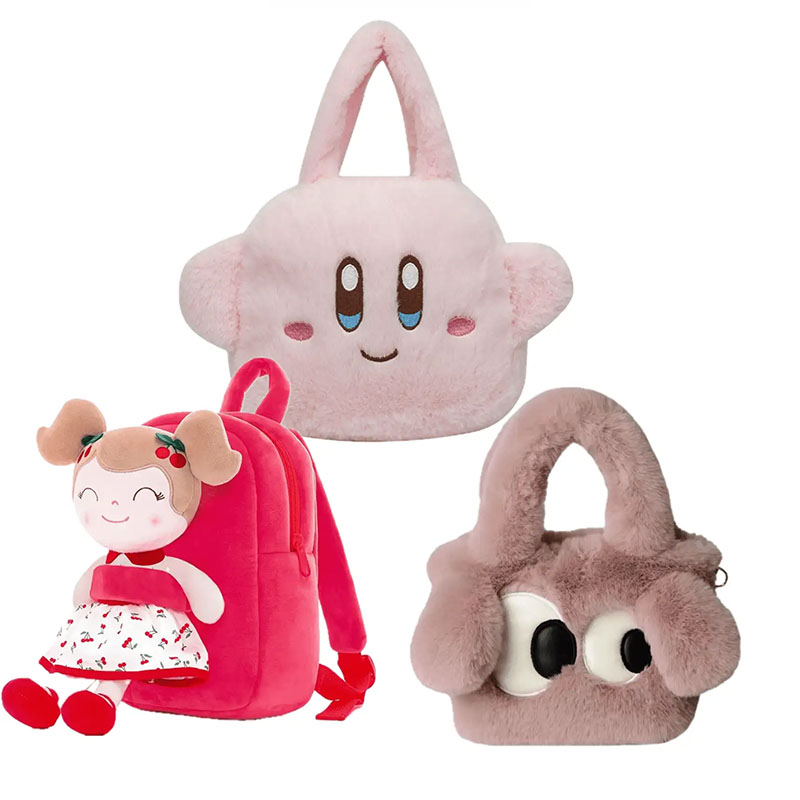
Buyers feel stress during plush toy manufacturing because many critical details are outside their direct control. They may be working across time zones, languages, technical drawings, material choices, safety requirements, sampling revisions, and shipping deadlines. If the factory does not communicate clearly, every stage becomes a source of doubt.
In custom plush manufacturing, the product is not fully defined until design, materials, pattern making, sample approval, and production standards are aligned. A buyer may have a clear idea in their mind, but the factory has to translate that idea into fabric, filling, embroidery, sewing structure, packaging, and inspection criteria.
| Buyer Concern | Common Cause | Factory Solution |
|---|---|---|
| Will the sample match my design? | Unclear brief or weak development process | Structured sampling and revision notes |
| Will production stay on schedule? | No visible timeline or update rhythm | Stage-by-stage production tracking |
| Will quality be consistent? | No approved standard or QC checkpoint | Approved sample, tech pack, and inspections |
| Will the product meet safety requirements? | Late compliance discussion | Compliance planning before production |
| Will shipping be smooth? | Poor packing or document preparation | Pre-shipment checks and export documents |
The buyer’s stress usually increases when the supplier gives short answers, avoids technical details, or only responds after problems appear. Professional factories reduce this stress by explaining what will happen next, what information is needed, where the risks are, and how each stage will be controlled.
At Kinwin, we treat buyer confidence as part of the service. A good plush product is important, but a buyer also needs a process that feels organized, transparent, and manageable.
How Does a Clear Production Timeline Reduce Uncertainty?
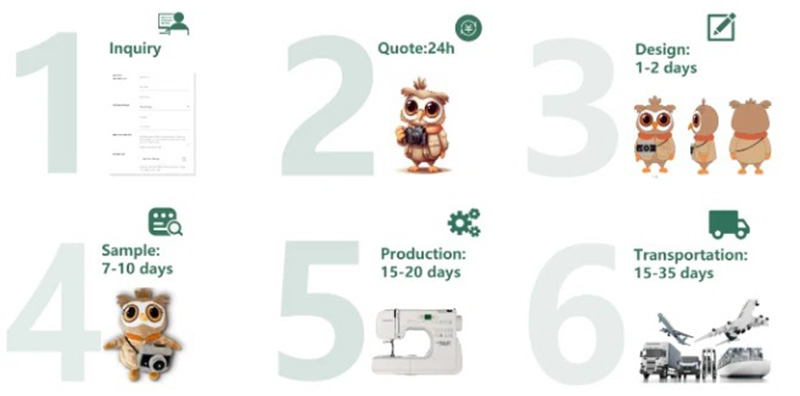
A clear production timeline reduces uncertainty by turning a vague order into a sequence of visible steps. Buyers should know when sampling starts, when the first sample will be ready, when revisions are expected, when materials will be purchased, when bulk production begins, and when inspection and shipment will happen.
Without a timeline, buyers are forced to chase updates. With a timeline, both sides have a shared reference point. It becomes easier to identify delays early and adjust before they affect the launch schedule.
| Stage | What the Buyer Should Know | Stress Reduced |
|---|---|---|
| Inquiry and quotation | Price basis, MOQ, lead time, assumptions | Unclear cost expectations |
| Sampling | Sample schedule and revision process | Design uncertainty |
| Material preparation | Fabric availability and confirmation date | Supply delay risk |
| Bulk production | Start date, key checkpoints, progress updates | Production visibility gap |
| Inspection and packing | QC timing and shipment readiness | Last-minute surprises |
| Shipping | Documents, cartons, tracking, handover | Delivery anxiety |
Professional factories do not wait until buyers ask, “How is my order going?” They provide structured updates at important points. Even a short update can reduce stress if it confirms that the order is moving according to plan.
For plush toy buyers with launch deadlines, this matters a lot. A missed sampling date, fabric delay, or inspection issue can affect retail campaigns, marketplace listings, event schedules, or seasonal sales. Clear timeline management helps buyers make decisions earlier and avoid panic at the end.
Why Does Professional Sampling Make Buyers More Confident?
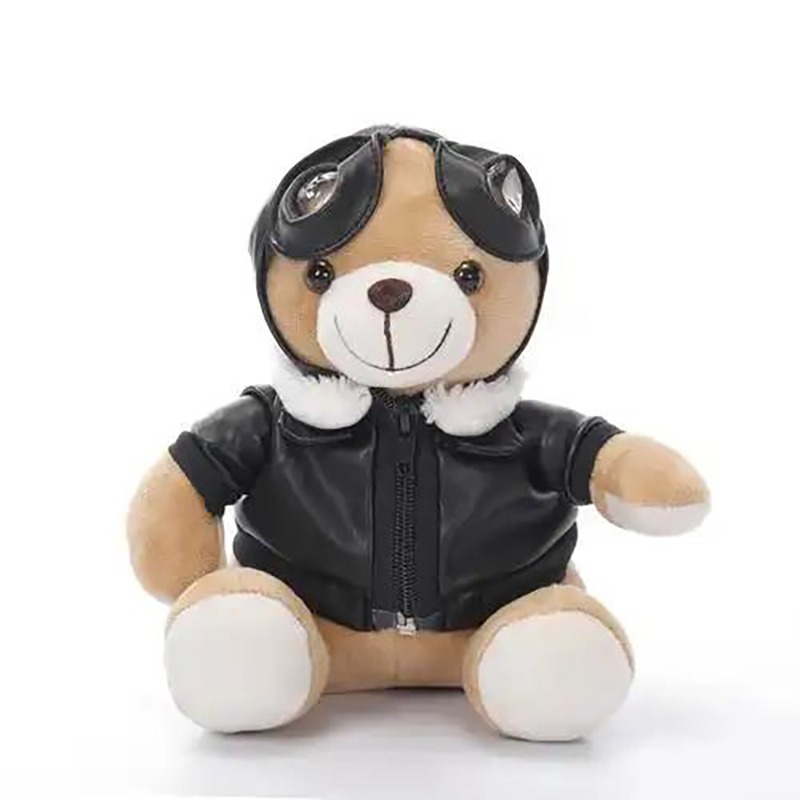
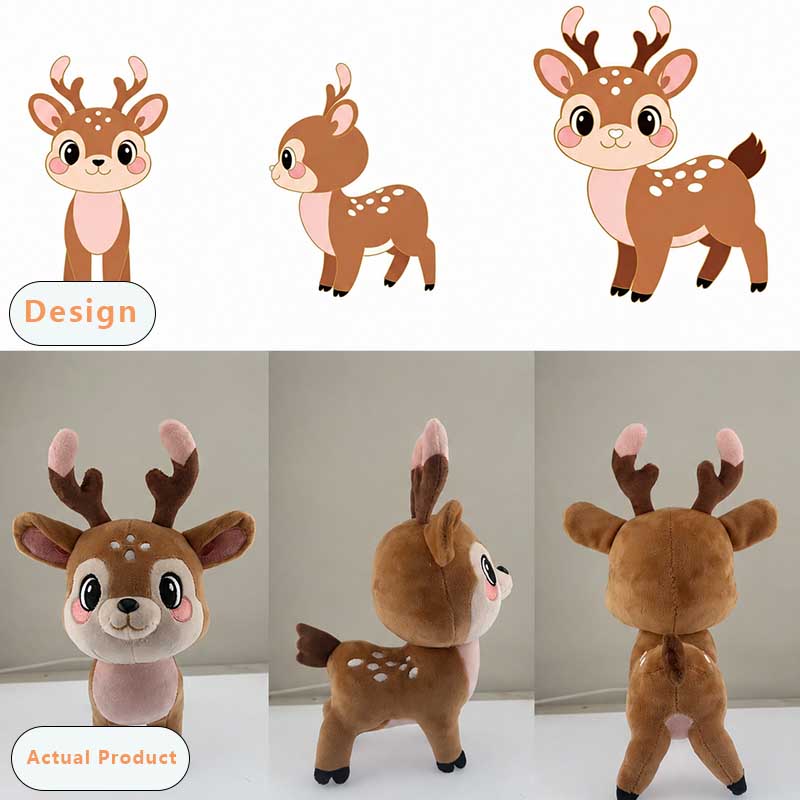
Professional sampling makes buyers more confident because it turns an idea into a physical product before bulk production begins. A good sample allows buyers to check size, shape, fabric feel, embroidery, stuffing density, stitching, colors, accessories, and packaging direction.
The sampling stage is also where a strong factory reduces future risk. Instead of treating the sample as a one-time prototype, professional manufacturers use it to confirm the production standard. The approved sample becomes the reference for bulk production and final inspection.
| Sampling Element | What It Confirms | Buyer Benefit |
|---|---|---|
| Pattern accuracy | Shape and proportion | Design expectation is aligned |
| Fabric choice | Texture, color, softness | Material risk is reduced |
| Embroidery | Face, logo, character details | Brand identity is protected |
| Stuffing | Hand feel and recovery | Product quality feels right |
| Construction | Seams, accessories, durability | Bulk production standard is clearer |
Stress often comes from vague feedback. A buyer may say the sample “does not look right,” while the factory may not know which detail needs adjustment. Professional sampling includes clear revision notes, photos, measurements, and practical recommendations.
At Kinwin, sampling is not only about making the first version. It is about helping buyers reach a production-ready standard with fewer misunderstandings. This saves time, reduces repeated revisions, and gives the buyer more confidence before placing the bulk order.
How Do Tech Packs and Approved Samples Prevent Miscommunication?
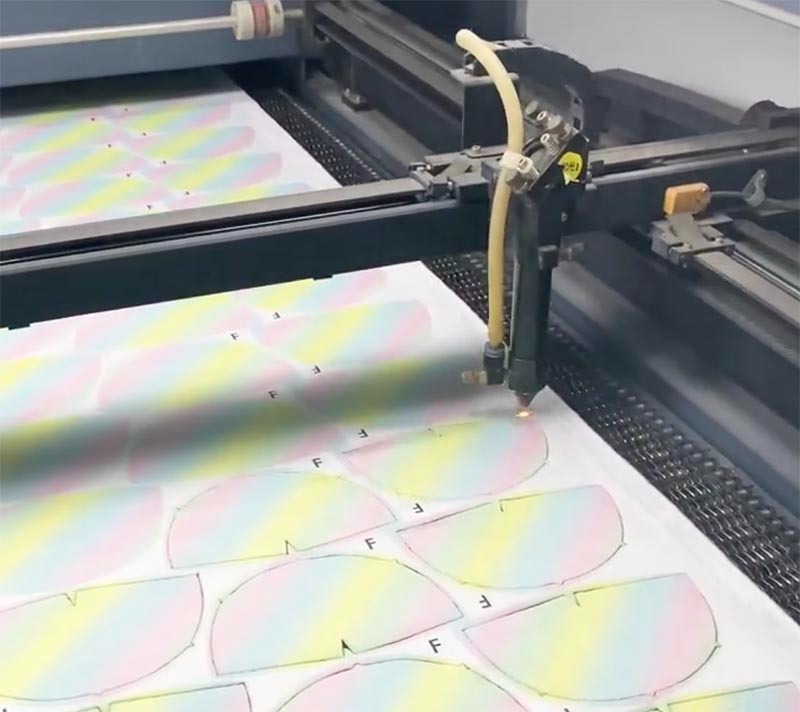
Tech packs and approved samples prevent miscommunication by giving the factory, buyer, production team, and QC staff the same reference standard. In plush toy manufacturing, verbal descriptions are not enough. A phrase like “soft fabric” or “medium stuffing” can mean different things to different people.
A professional factory records the important details: product size, fabric type, color references, embroidery files, seam position, stuffing weight, accessories, labels, packaging, safety notes, and inspection criteria. This information protects both sides from confusion later.
| Document or Reference | What It Controls | Why It Reduces Stress |
|---|---|---|
| Approved sample | Overall look and feel | Everyone has a physical standard |
| Tech pack | Technical specifications | Details are not left to memory |
| Color reference | Fabric and embroidery shade | Color disputes are reduced |
| Measurement sheet | Size and tolerance | Inspection standard is clearer |
| Packaging spec | Bag, tag, carton, label | Packing errors are easier to avoid |
Many buyer problems happen because the factory sample team, purchasing team, sewing line, packing team, and QC team are not working from the same information. Professional factories prevent this by turning the buyer’s approved decisions into production documents.
For buyers, this removes a major source of stress. They do not need to explain the same requirement repeatedly. The factory has a system for carrying the requirement through production.
How Does Quality Control Reduce Last-Minute Surprises?
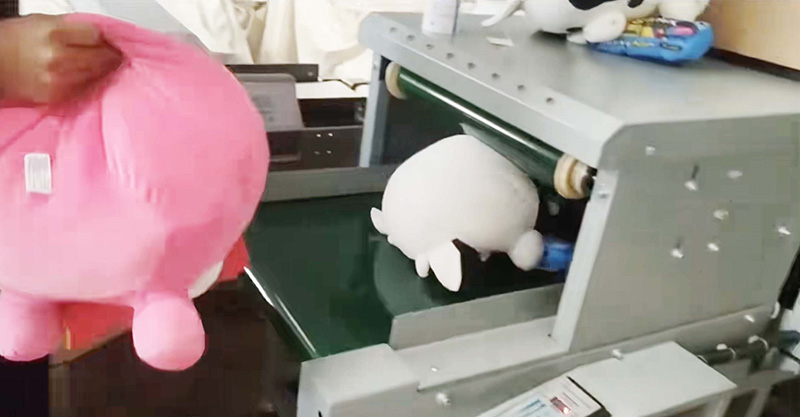
Quality control reduces last-minute surprises by checking problems while there is still time to correct them. In plush manufacturing, waiting until final inspection is risky because material, sewing, stuffing, embroidery, and packing issues may already affect hundreds or thousands of pieces.
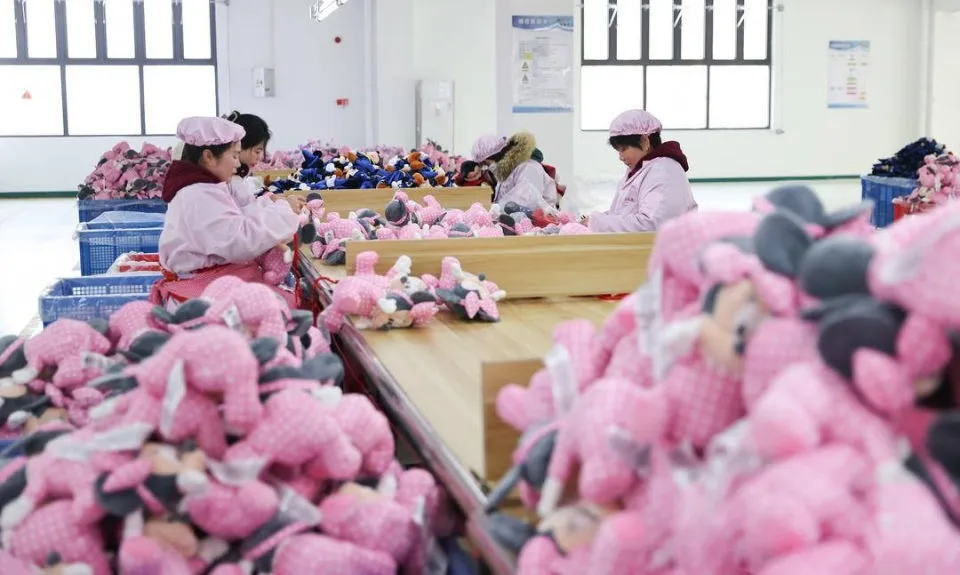
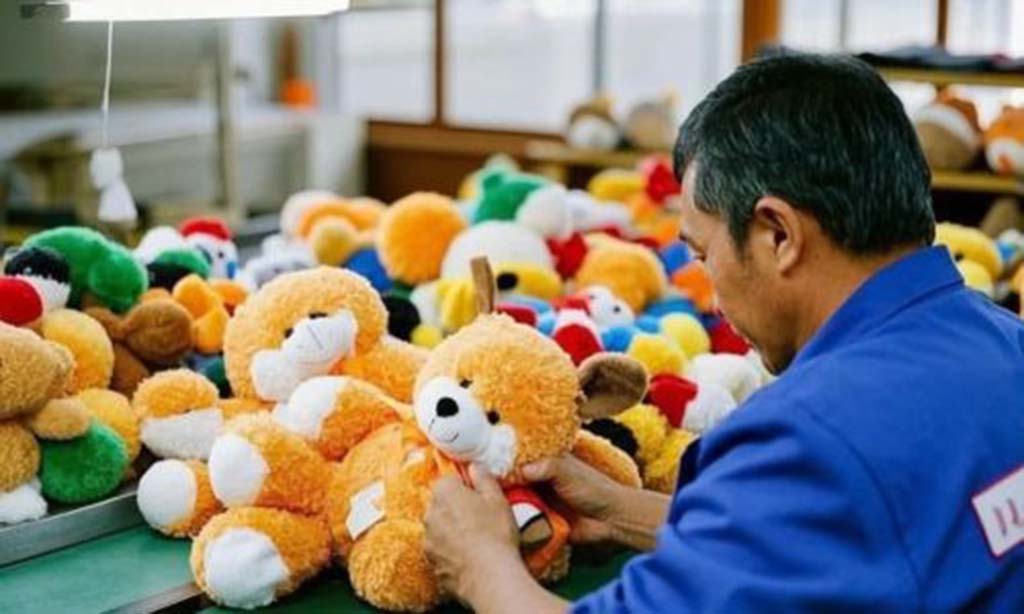
Professional factories use multiple QC checkpoints. They inspect incoming materials, first production units, in-line production quality, needle detection, finished goods, and packing. Each checkpoint catches a different type of issue.
| QC Checkpoint | What It Catches | Stress Reduced |
|---|---|---|
| Incoming material check | Wrong fabric, color, defects | Material surprises |
| First-off inspection | Production setup mistakes | Bulk deviation risk |
| In-line inspection | Sewing, stuffing, embroidery problems | Large-scale rework |
| Needle detection | Hidden metal contamination | Safety and shipment risk |
| Final inspection | Appearance, quantity, packing | Rejected goods and complaints |
Good QC is not about blaming workers after a problem happens. It is about finding small deviations early and correcting the process before the issue becomes expensive. Buyers feel less stress when they know the factory is actively checking the order instead of simply hoping everything is fine.
Kinwin uses structured QC to help buyers stay informed before shipment. When quality information is clear, buyers can approve shipment with more confidence.
How Does Proactive Communication Help Buyers Stay in Control?
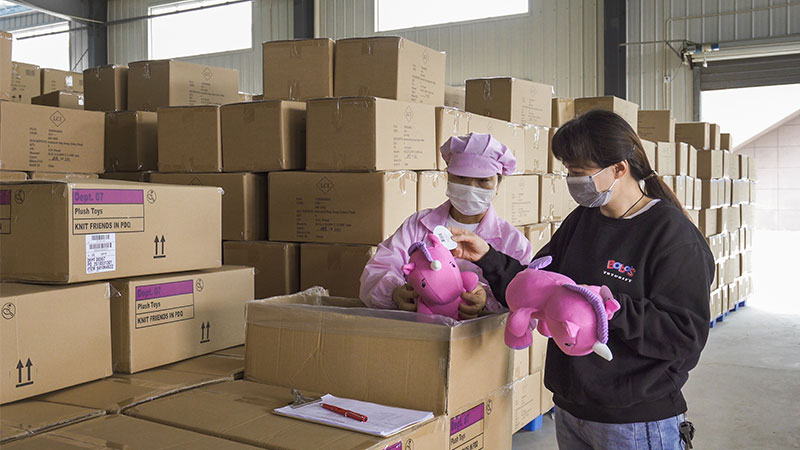
Proactive communication helps buyers stay in control because it gives them useful information before they have to ask for it. A professional factory does not disappear after payment or only reply when a buyer chases updates. It keeps the buyer informed at the points where decisions and risks matter.
In B2B plush sourcing, communication should be specific. “Everything is okay” is not enough. Buyers need to know what stage the order is in, what has been completed, what is waiting, whether there are any risks, and what the next step will be.
| Update Type | Useful Information | Buyer Value |
|---|---|---|
| Sampling update | Progress photos, deviation notes, dispatch date | Buyer prepares feedback earlier |
| Material update | Fabric arrival and color confirmation | Material risk is visible |
| Production update | Start date, progress percentage, line photos | Timeline feels controlled |
| QC update | Inspection result and issue handling | Shipment confidence improves |
| Shipping update | Carton details, documents, tracking | Logistics planning is easier |
The strongest communication happens when there is a problem. A weak supplier hides issues until they become unavoidable. A professional factory reports the issue early, explains the cause, provides a solution, and confirms the impact on cost or timeline.
This kind of communication lowers buyer stress because it replaces uncertainty with action. Even difficult news is easier to manage when it comes early and includes a clear path forward.
How Do Packaging and Shipping Systems Reduce Delivery Risk?
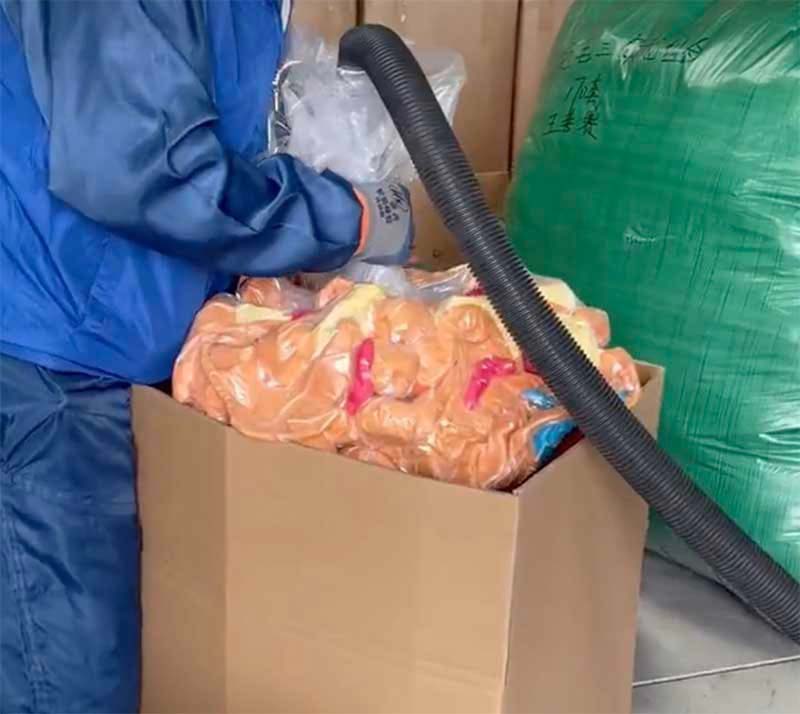
Packaging and shipping systems reduce delivery risk by protecting plush toys after production is complete. Many buyers focus on the product itself, but poor packing can damage the final customer experience. Plush toys may arrive crushed, dirty, misshapen, mislabeled, or packed in cartons that do not match warehouse requirements.
Professional factories think about packing before shipment day. They confirm polybag style, hang tags, carton size, carton marks, vacuum packing requirements, compression limits, moisture protection, and export documents.
| Shipping Concern | Factory Control | Buyer Benefit |
|---|---|---|
| Plush deformation | Controlled compression and recovery check | Products arrive in sellable condition |
| Carton confusion | Clear carton marks and packing list | Warehouse receiving is smoother |
| Missing labels | Label and tag inspection before packing | Retail compliance risk is lower |
| Moisture or dirt | Proper bagging and carton protection | Goods stay clean in transit |
| Document delays | Invoice, packing list, and shipping details prepared early | Customs and logistics move faster |
For international buyers, shipping is often the final stressful stage because any mistake can delay launch plans. A professional factory reduces that pressure by preparing shipment information early and checking packing details before the goods leave the factory.
At Kinwin, packing and shipment preparation are treated as part of the production process, not an afterthought. This helps buyers move from factory completion to delivery with fewer surprises.
How to Choose a Factory That Reduces Stress Instead of Creating It?
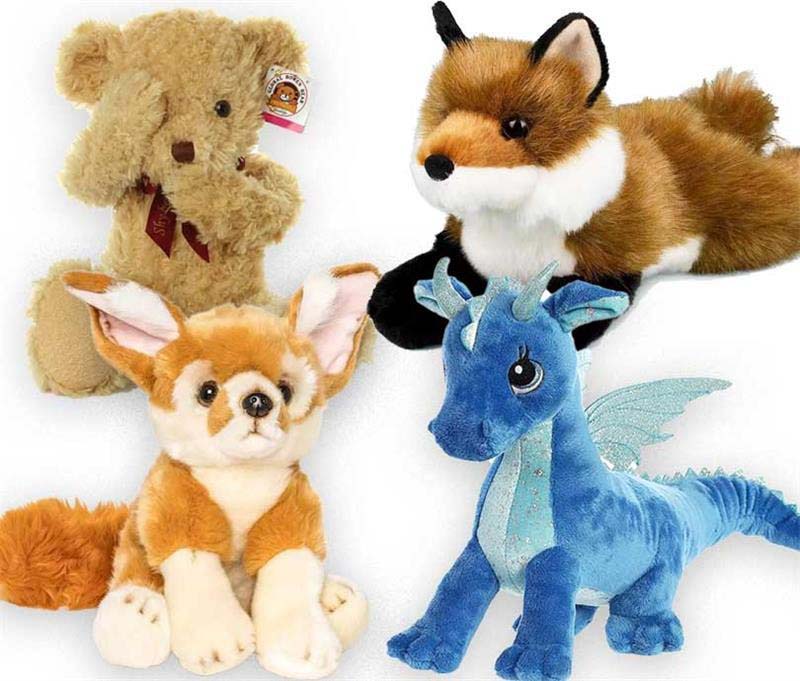
To choose a factory that reduces stress, buyers should look beyond price. A low quote may look attractive, but if the supplier has weak communication, unclear sampling, poor documentation, or no visible QC system, the buyer may spend more time managing problems than building the business.
The best plush toy manufacturers act like operational partners. They help define the product, identify risks, explain trade-offs, manage production details, and communicate clearly when decisions are needed.
| Factory Trait | Stress-Reducing Signal | Warning Sign |
|---|---|---|
| Communication | Specific, proactive, documented updates | Short replies with little detail |
| Sampling | Clear revision notes and technical advice | Repeated samples with no explanation |
| Timeline control | Stage-by-stage schedule | Unclear lead time and vague promises |
| Quality system | QC checkpoints and inspection records | Only final visual checks |
| Compliance awareness | Safety requirements discussed early | Testing treated as an afterthought |
| Problem handling | Early warning plus solution | Problems hidden until late |
Buyers should ask practical questions before placing an order: How do you manage sample revisions? What updates will I receive during production? Can you provide QC photos or reports? How do you handle material delays? What happens if the first production units do not match the approved sample?
A professional factory will welcome these questions because they already have a process. Kinwin supports buyers with structured development, clear communication, quality control, and export-focused order management, so the sourcing process feels less uncertain and more controlled.
Conclusion
Professional factories reduce buyer stress by removing uncertainty from the plush manufacturing process. They do this through clear timelines, structured sampling, detailed specifications, proactive communication, reliable QC, compliance awareness, and organized packing and shipment support.
For buyers, the right factory does more than produce plush toys. It protects deadlines, reduces quality risk, improves decision-making, and gives the buyer confidence before goods leave the factory.
If you are planning a custom plush toy project and want a manufacturing partner who can make the process easier to manage, Kinwin can help you move from concept to shipment with clearer steps, fewer surprises, and stronger production control.
FAQ
Why is overseas plush toy sourcing stressful for buyers?
It is stressful because buyers must manage design accuracy, material choices, sampling, production timing, quality control, compliance, and shipping from a distance. A professional factory reduces this pressure by making each stage visible and controlled.
What kind of factory communication is most helpful?
The most helpful communication is specific and proactive. Buyers should receive updates on sampling, materials, production progress, QC results, and shipping preparation before they need to chase the factory.
How does sampling reduce risk in plush manufacturing?
Sampling confirms the product’s shape, fabric, embroidery, stuffing, size, and construction before bulk production. It gives both buyer and factory a shared reference standard.
Should buyers choose the cheapest plush toy factory?
Not always. A low price can be useful only if the factory still provides clear communication, stable quality, proper materials, and reliable delivery. A very cheap supplier may create higher hidden costs later.
How can Kinwin help reduce buyer stress?
Kinwin helps buyers by providing structured sampling, clear production communication, quality control checkpoints, compliance support, and organized shipment preparation for custom plush toy projects.