Skip to content
One of the most common frustrations in custom plush toy development is this:
“Why doesn’t the final sample look exactly like my design?”
You may have a great concept, a clean illustration, and clear expectations—but when the sample arrives, something feels off. The shape is slightly different, the face looks less expressive, or the proportions don’t match.
This issue is known as low replication accuracy—when the physical plush toy does not fully match the original design.
The key thing to understand is:
👉 Plush toys are not rigid products. They are soft, three-dimensional, hand-assembled items.
👉 This means design translation requires interpretation, not just copying.
The good news is, once you understand what causes low replication accuracy, you can actively control it.
What role does incomplete or unclear design artwork play in replication accuracy?
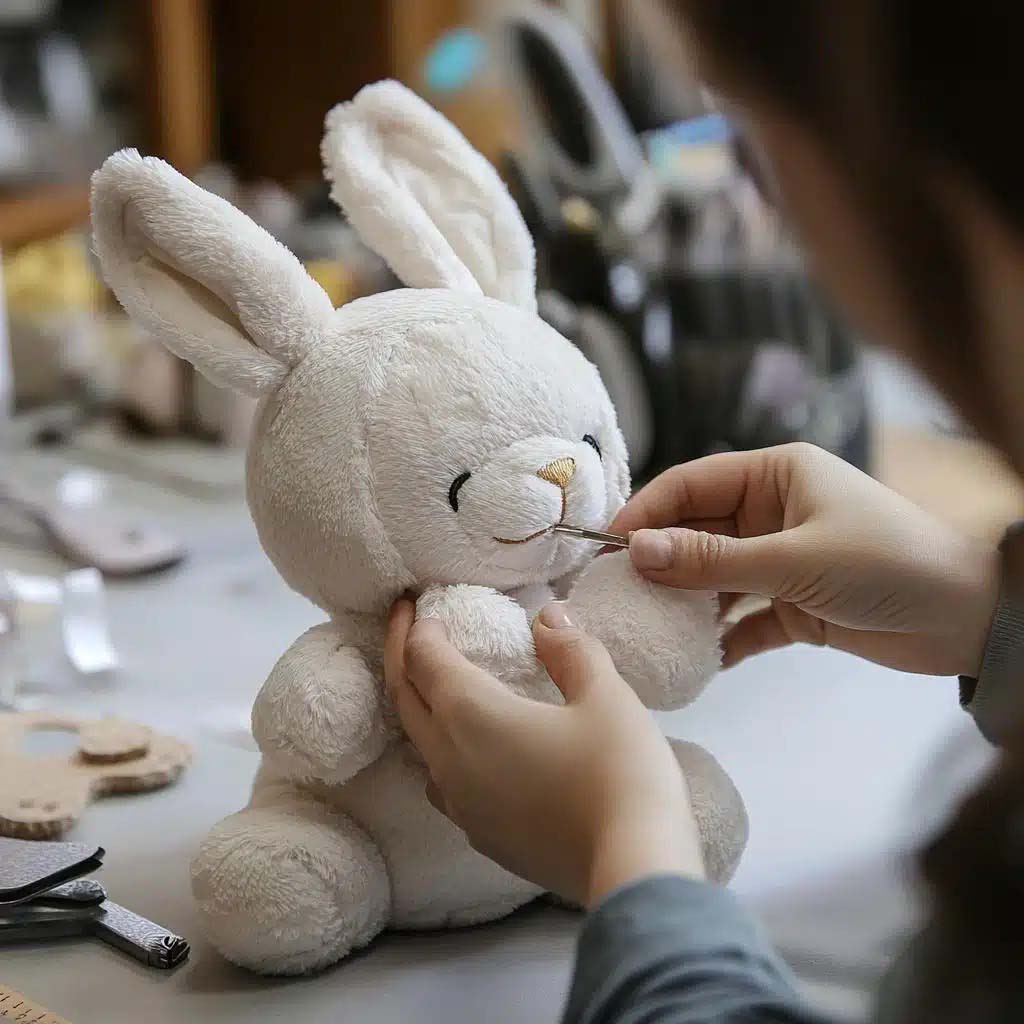
The quality of your design input directly determines the quality of the output. In many cases, low replication accuracy starts before sampling even begins—with incomplete or unclear artwork.
Factories can only produce what they understand. If the design leaves room for interpretation, different results are inevitable.
Missing Views Lead to Structural Guesswork
One of the most common issues is providing only a front view of the design. Plush toys are 3D objects, so factories need to understand how the product looks from all angles.
Without side or back views, key questions arise:
- How thick should the body be?
- How should the head connect to the body?
- What is the depth of facial features?
When these details are unclear, engineers must make assumptions—which often leads to differences from the original vision.
Lack of Detailed Specifications Reduces Accuracy
Beyond visuals, missing technical details can also affect replication.
Common missing information includes:
- Exact size and proportions
- Fabric types and textures
- Embroidery vs. printing decisions
- Accessory construction
Without these details, factories interpret the design based on experience rather than precise instruction.
How Design Clarity Impacts Accuracy
| Design Issue | Result | Impact |
|---|---|---|
| Single View Artwork | Missing depth information | Shape differences |
| No Size Definition | Incorrect proportions | Visual mismatch |
| Undefined Materials | Wrong texture or look | Reduced realism |
| Vague Instructions | Misinterpretation | Revisions required |
| Incomplete Details | Missing features | Lower accuracy |
How does converting 2D artwork into 3D plush structure reduce precision?
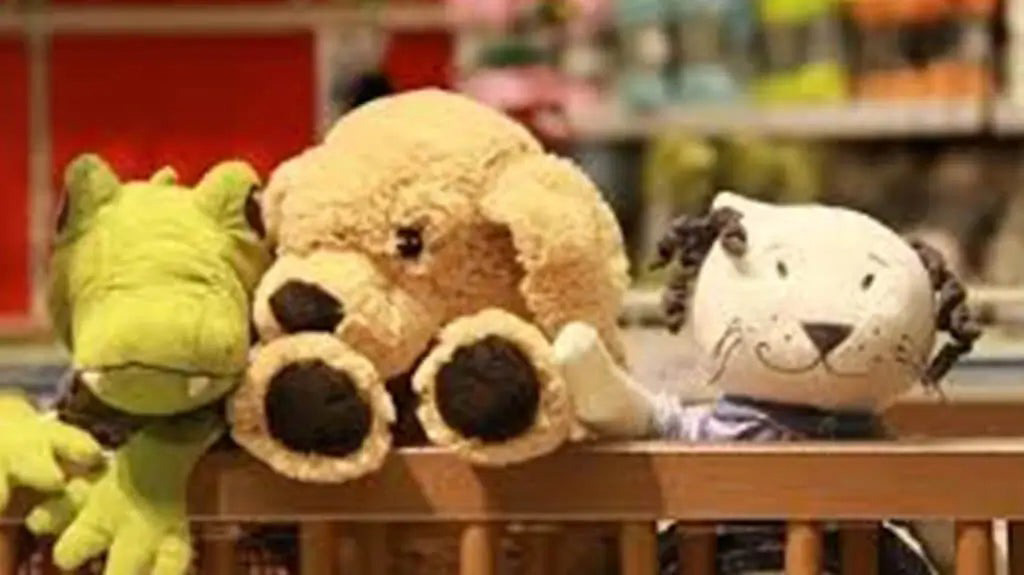
Even with perfect artwork, there is a natural challenge:
👉 You are converting a flat (2D) design into a soft, 3D object.
This transformation is not exact—it requires pattern making, structural adjustments, and material interpretation. As a result, some level of variation is unavoidable.
2D Designs Don’t Show Volume and Depth
A 2D drawing shows height and width—but not thickness, curvature, or volume. When engineers convert the design into a plush toy, they must decide:
- How round or flat the body should be
- How much volume the head should have
- How features wrap around the surface
These decisions can slightly change the appearance compared to the original artwork.
Structural Adjustments Are Required for Stability
Not all 2D designs can be directly translated into plush form. Some elements must be adjusted to ensure the toy is stable and manufacturable.
For example:
- Thin limbs may need to be thickened
- Flat shapes may need curvature
- Complex outlines may need simplification
These adjustments improve production feasibility but can reduce visual accuracy if not managed carefully.
2D to 3D Conversion Challenges
| Challenge | Explanation | Result |
|---|---|---|
| Lack of Depth | 2D artwork has no thickness | Shape interpretation needed |
| Volume Adjustment | Plush requires 3D structure | Design changes slightly |
| Structural Constraints | Needs stability and balance | Simplification required |
| Surface Curvature | Flat designs wrap around forms | Distortion of details |
| Pattern Translation | Panels must be created | Minor proportion shifts |
Do fabric thickness and pile length change visual proportions?
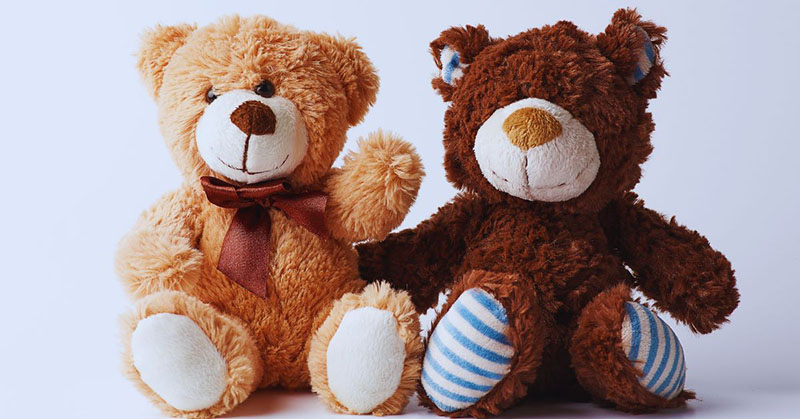
Yes—and this is one of the most underestimated factors in plush toy replication.
The type of fabric used can significantly affect how the final product looks. Even if the pattern is correct, fabric properties can alter proportions, details, and overall appearance.
Thick Fabrics Can Make Shapes Appear Larger
Different fabrics have different thickness levels. Thicker materials can make certain parts of the toy appear bulkier than intended.
For example:
- A small head may look larger with thick plush
- Facial features may appear slightly compressed
- Edges may lose sharp definition
This can affect the overall proportions of the design.
Long Pile Fabrics Can Blur Details
Fabric pile length (the height of the fibers) also plays a major role.
Long-pile fabrics can:
- Soften edges and outlines
- Cover fine details
- Reduce visibility of embroidery
While they create a softer and more premium feel, they can reduce visual precision if not chosen carefully.
Fabric Impact on Design Accuracy
| Fabric Factor | Effect | Result |
|---|---|---|
| Thickness | Adds volume | Changes proportions |
| Pile Length | Covers details | Reduces sharpness |
| Texture | Affects surface appearance | Alters visual style |
| Elasticity | Changes shape under pressure | Affects consistency |
| Color Reflection | Light absorption varies | Slight color differences |
How does stuffing density affect shape consistency and symmetry?
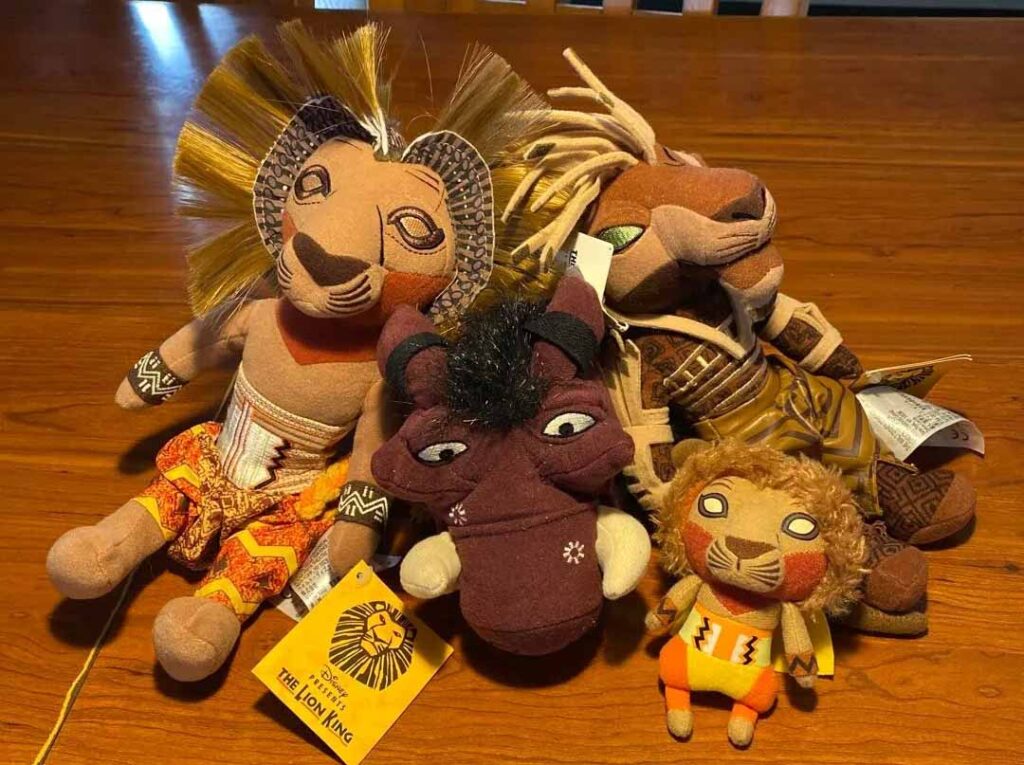
Stuffing is a crucial element in plush toy manufacturing that has a direct impact on the final shape, feel, and appearance. If the stuffing is not controlled carefully, it can lead to inconsistent shapes, distorted proportions, and even affect the toy’s symmetry.
Stuffing Density Affects Overall Structure
Stuffing density refers to how much filling is used and how tightly it is packed. Too little stuffing results in a limp, under-filled toy, while too much stuffing can distort the shape and make the toy feel too firm.
Key areas affected by stuffing density include:
- The overall “plushness” of the toy
- The shape of the head, body, and limbs
- The consistency of proportions
For example, a soft, cuddly plush toy may require a lower density, while a more structured toy (like a weighted plush) may need firmer stuffing. When these requirements are unclear or inconsistent, the toy’s shape and feel can vary between samples and mass production.
Symmetry Issues from Uneven Stuffing Distribution
Symmetry is key in plush toy design, especially for character-driven toys where balance between the left and right sides is crucial.
If the stuffing is not evenly distributed, it can cause:
- Lopsided or misshapen body parts
- Uneven filling in the arms, legs, or head
- Distorted facial features
To prevent these issues, the factory needs to follow precise stuffing guidelines that specify both density and distribution. This ensures that the toy holds its intended shape throughout production and use.
Stuffing Control Checklist
| Factor | What to Define | Result |
|---|---|---|
| Stuffing Density | Standard filling amount | Consistent feel |
| Distribution | Even filling across parts | Balanced shape |
| Firmness Level | Softness vs. firmness | Design alignment |
| Shape Retention | Ability to hold form | Long-term quality |
| Symmetry | Equal filling across sides | Visual accuracy |
Are embroidery and printing techniques limiting fine-detail accuracy?
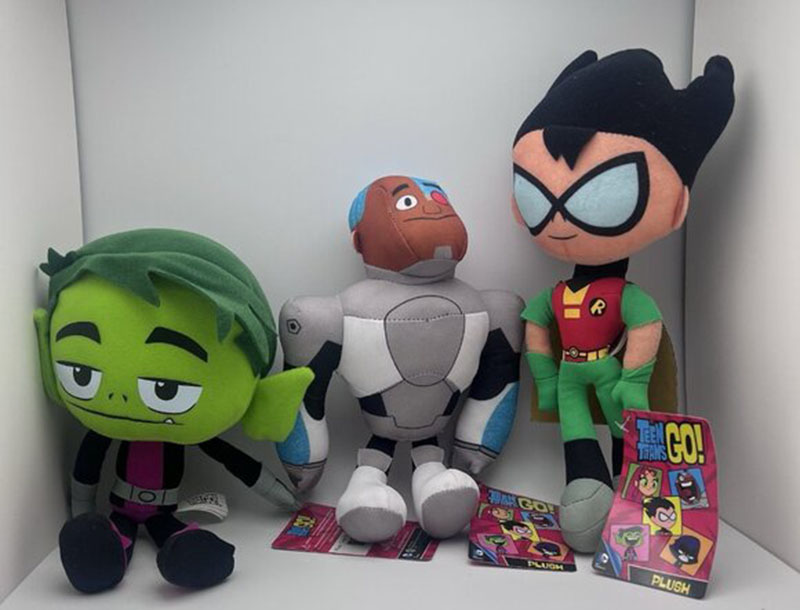
Embroidery and printing are critical to the appearance of plush toys, especially for features like facial expressions, logos, and design details. However, both techniques come with limitations that can affect fine-detail accuracy, especially when scaled to mass production.
Embroidery Limitations: Thread Density and Detail
Embroidery adds texture and character to a plush toy, but its limitations can cause fine details to be lost or misaligned.
For example:
- Small, intricate facial features like eyes and mouths may become blurred when stitched on soft fabric
- High thread density may cause thread to bunch up or distort
- Fine lines or small text may lose clarity and become difficult to distinguish
To ensure embroidery meets expectations, clear size guidelines, stitch density specifications, and thread color references should be set.
Printing Limitations: Surface Accuracy and Durability
Printing techniques, such as heat transfer or screen printing, allow for more complex designs but have their own set of challenges.
Key concerns include:
- Alignment: Designs may not line up perfectly, especially on irregular surfaces like curved plush toys
- Ink Spread: Ink can spread or bleed, reducing the sharpness of small details
- Durability: Printed designs may fade, crack, or peel over time if not properly applied
Choosing the right printing technique and material is essential to avoid these issues and ensure fine details are preserved.
Embroidery and Printing Accuracy Checklist
| Factor | What to Define | Result |
|---|---|---|
| Stitch Density | Thread count per inch | Clear details |
| Thread Type | Standardize thread material | Consistent texture |
| Design Placement | Exact position measurements | Accurate expression |
| Printing Method | Choose appropriate technique | Sharp graphics |
| Color Matching | Use Pantone or reference samples | Color consistency |
How do pattern-making experience and structural planning influence results?
Pattern-making and structural planning are key to translating a 2D design into a 3D plush toy. The more experienced the pattern maker, the better the result. Inexperienced pattern makers may not fully understand how fabrics, stuffing, and sewing methods impact the final shape.
Experience in Pattern Making Determines Precision
Pattern-making is a delicate process that requires an understanding of how fabric behaves when stitched, stuffed, and sewn. An experienced pattern maker will consider:
- Fabric stretch and shrinkage
- How seams affect shape
- Proportions and balance during the design translation
Inexperienced makers may struggle to account for these factors, leading to inconsistencies in the final product.
Structural Planning Prevents Design Issues
Effective structural planning ensures that the plush toy will not only look good but also hold its shape over time. This includes:
- Seam allowances: Sufficient room for stitching so the fabric doesn’t pull or distort
- Stuffing planning: Ensuring the right amount of filling is used to maintain balance and symmetry
- Durability considerations: Making sure the design can withstand regular use
Without thorough planning, even the best materials and embroidery can fail to produce the intended design.
Impact of Pattern-Making and Planning on Replication
| Factor | What to Define | Result |
|---|---|---|
| Pattern Precision | Accurate measurements | Consistent shape |
| Fabric Behavior | Anticipate stretch and shrinkage | Maintain proportions |
| Seam Allowance | Proper stitching margin | Shape retention |
| Stuffing Distribution | Even filling | Balanced design |
| Durability Planning | Reinforce weak points | Long-term stability |
Conclusion
Low plush toy replication accuracy is caused by several factors, but understanding and controlling them can prevent discrepancies between your sample and final production. Whether it’s unclear design artwork, the challenges of converting 2D to 3D, fabric behavior, or embroidery limitations, these issues can all be mitigated with careful planning, clear specifications, and experienced teams.
By defining precise details at every stage of development—from artwork and materials to stuffing, embroidery, and pattern-making—you can ensure that your plush toys are accurately replicated, and production runs smoothly.
At KINWIN, we help clients optimize every step of the plush toy development process, ensuring that your final products meet your exact standards. Our experienced teams, clear documentation systems, and quality control protocols ensure consistent, high-quality results.
If you’re ready to ensure high replication accuracy for your plush toy project, get in touch with our team today. We’re here to help you bring your designs to life with precision.