Skip to content
I’m Amanda from Kinwin in China. I help brands design plush toys that feel premium, smell clean, and pass global safety tests. A question I often hear is oddly simple and very human: “Why do I smell my stuffed animal?” The answer mixes senses, memory, materials, and safety. Below I explain the psychology, the sources of scent, how factories add or control fragrance, and how brands can design safe, ethical scented plush without irritating users or failing compliance.
What sensory and psychological mechanisms explain why people are drawn to smell their stuffed animals?
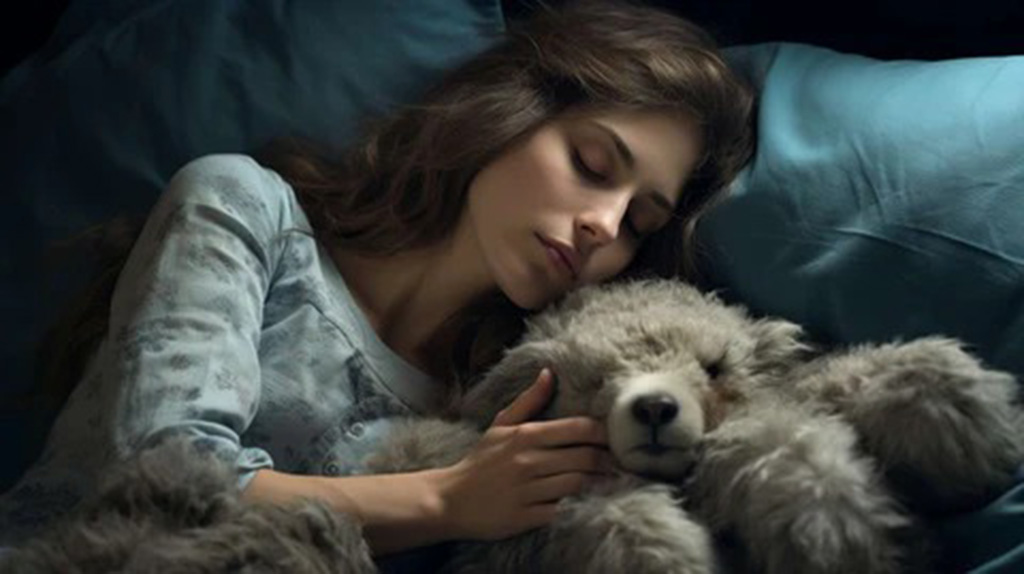
Our sense of smell connects directly to brain areas involved in emotion and memory. Touch and sight tell us shape and color, but smell gives a fast, emotional “snapshot.” When we hug a plush and breathe in, we create a multi-sensory loop—soft texture, body warmth, gentle pressure, and a familiar scent. This loop reduces arousal and makes us feel safe. For many children and adults, the smell becomes part of a soothing ritual at bedtime or during stress.
Smell also works as a context marker. A plush that smells like home, laundry, or a favorite person becomes a portable environment cue. In retail, this is why people pick up plush and hold it close. They are checking softness, then checking scent—even if they do not notice they are doing it. If the toy smells okay, trust rises. If it smells chemical or stale, trust drops fast, even when the product is actually safe. That is why we focus on neutral baselines and stable, honest materials.
Table 1 — Why Smell Matters to the Brain
| Mechanism | What happens | How it feels |
|---|---|---|
| Olfactory–emotion link | Smell routes to limbic system | Fast mood shift (calm or alert) |
| Associative memory | Scent ties to places/people | “This feels like home” |
| Ritual reinforcement | Repeated cuddle + inhale | Soothing habit before sleep |
| Multi-sensory stacking | Touch + warmth + scent | Deeper comfort than touch alone |
How do scent associations trigger emotional memory, comfort, and attachment behaviors in both children and adults?
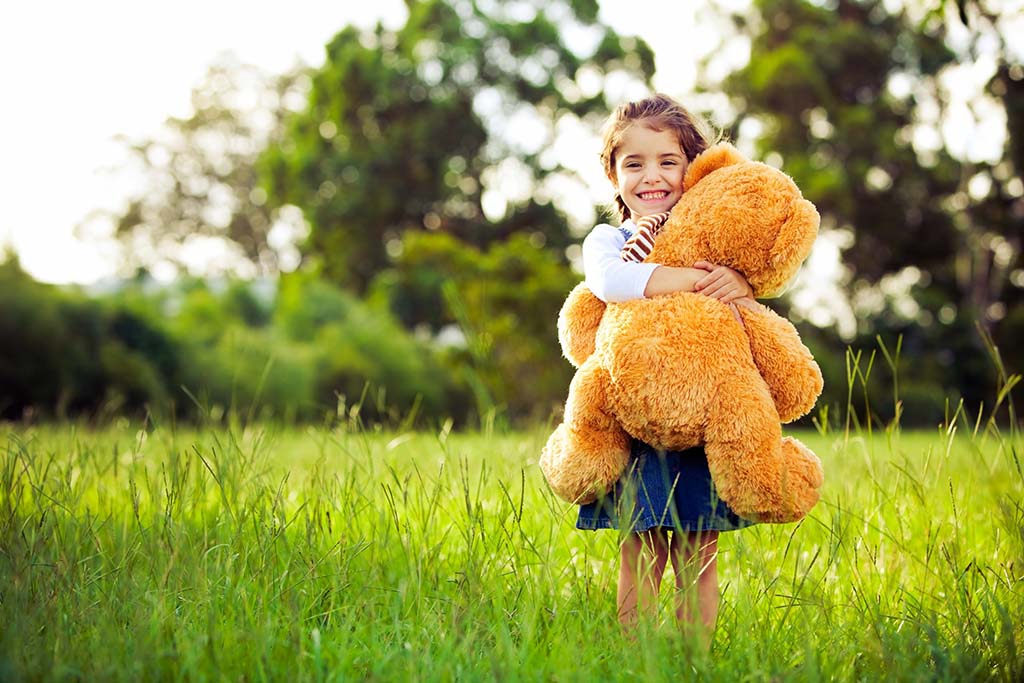
Associations build over time. A baby learns the smell of caregivers, laundry, and the bedroom. That blend transfers to the plush, which becomes a comfort proxy when caregivers are not near. For adults, scent cues can be even more layered: detergent brand, room diffuser, hair products, or even climate (sun-dried fabrics vs. winter indoor air). One inhale brings back time, place, and people.
Attachment behaviors look similar across ages: holding close, rubbing a corner, pressing the face into the pile, slow deep breathing. During travel or stress, these micro-actions regulate the body. In décor settings, a plush that smells neutral or pleasantly familiar integrates into the room and is picked up more often. If a toy smells harsh, people place it as display-only and the emotional bond weakens.
Table 2 — Scent Associations and the Behaviors They Drive
| Scent association | Typical source | Observed behavior | Outcome |
|---|---|---|---|
| Fresh laundry | Detergent/softener | Pre-sleep cuddle | Faster calm-down |
| “Home” air | Furniture, flooring, local climate | Face-burying, slow breathing | Sense of safety |
| Person scent | Body oils, hair products | Smell + hold at chest | Attachment transfer |
| Seasonal notes | Holiday baking, pine, seaside | Smell–memory recall | Positive mood spike |
What materials, fillings, or environmental factors (fabric softeners, home scents, body oils) contribute to a plush toy’s unique smell?

Most plush toys do not come with a strong factory fragrance. What you smell is a mix of materials and environment. The shell fabric (minky, velboa, faux fur) is usually polyester and mostly odor-neutral after proper finishing. The fiberfill is also neutral when high quality lots are used and stored well. What makes a plush smell “like yours” is post-purchase life: your laundry, your room air, your skin.
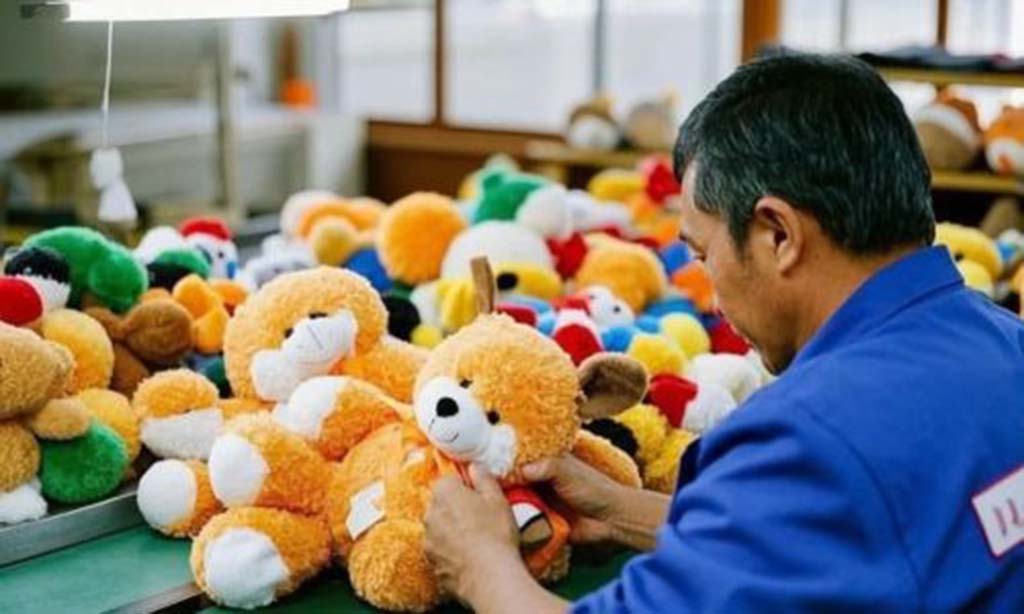
Still, we manage baseline odor at the factory. We source low-odor resins for safety eyes and noses, avoid heavy solvent glues (or use heat/ultrasonic where possible), and dry cartons before sealing. We also monitor storage humidity so cartons do not trap musty notes. If a plush smells “odd” out of box, it usually clears after airing for 24–48 hours, or gentle wash if allowed by the label.
Table 3 — Sources of a Plush’s Smell (and How to Manage Them)
| Source | Typical impact | Control/Advice |
|---|---|---|
| Shell fabric (polyester pile) | Neutral when well-finished | Choose reputable mills; proper curing |
| Fiberfill (poly) | Neutral, can retain room scents | Use quality fill; keep dry storage |
| Pellets (TPE/PP) | Minimal odor if quality | Vendor-qualify; sealed pouches |
| Eyes/noses (ABS/PS) | Low resin note when new | Low-odor spec; ventilate before pack |
| Packaging/carton | Can trap ambient smells | Dry cartons; avoid damp storage |
| Home factors | Detergent, diffusers, cooking, pets | Air out; surface wash; sun-dry briefly |
How do manufacturers leverage scent—through microencapsulation, essential oils, or fabric treatments—to enhance user experience?

When a scent is intentional, we use controlled methods:
- Microencapsulation: Fragrance oils are trapped in tiny capsules, then bound to the fabric. Rubbing or heat breaks some capsules and releases scent gradually.
- Sachet inserts: A removable pouch (often in the belly) holds scented beads or fabric. This keeps the scent separate from the shell and helps with compliance.
- Light surface finishing: A very low add-on fragrance during finishing for a soft, short-lived note. We use this sparingly.
For children’s products, we avoid strong or complex perfumery. We also follow recognized IFRA (fragrance safety) limits and align with destination toy standards (EN71/ASTM/CPSIA). A good design gives users choice: removable sachet, clear care instructions, and plain, honest claims like “light lavender sachet; remove before machine wash.”
Table 4 — Scent-Adding Methods (Pros, Cons, and Best Uses)
| Method | How it works | Pros | Cons | Best for |
|---|---|---|---|---|
| Microencapsulation | Capsules on fabric release with friction | Gradual release; no loose parts | Lab cost; limited rewash cycles | Adult gifts; décor |
| Removable sachet | Scented pouch inside plush | Swappable; easy to stop scent | Added part; labeling | Kids & adults (safe choice) |
| Light finishing | Very low add-on during finishing | Subtle; simple ops | Short life; risk of over-claim | Retail gift sets |
What are the hygiene, safety, and allergen considerations related to scented or well-loved stuffed toys?
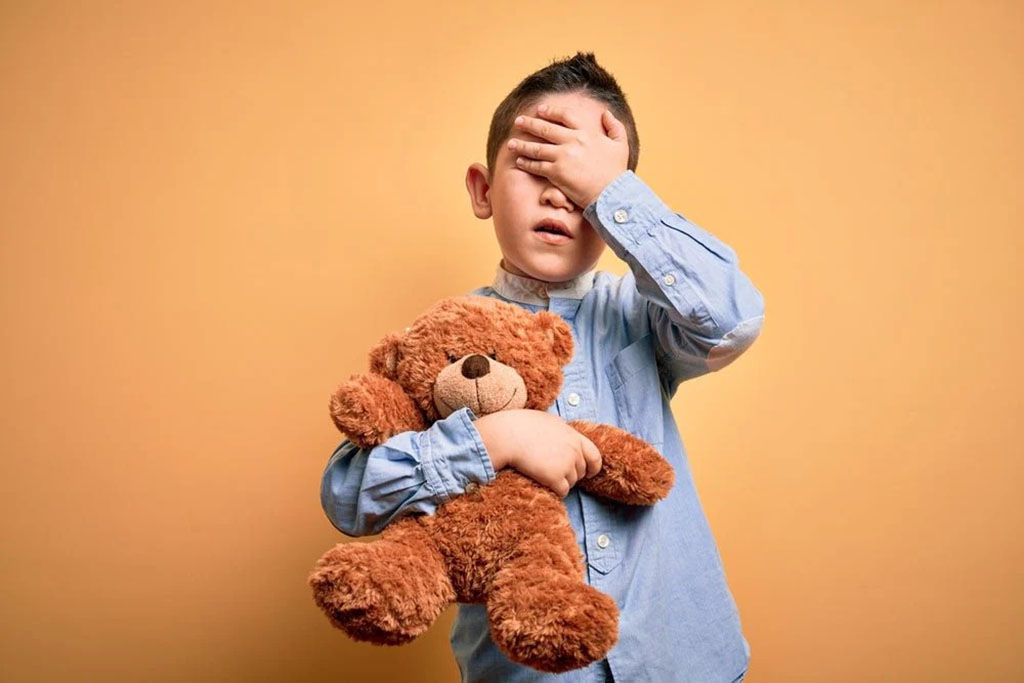
Hygiene and safety matter more than the romance of scent. For baby lines (0+), I prefer unscented plush with embroidered faces and clear wash care. For 3+ and adult lines, light scent is fine if it is removable or very low. Always plan for washing: short-pile minky and velboa perform best. Faux fur needs brush-after-wash guidance. Weighted toys must keep pellets in double pouches during washing and drying.
Allergen awareness is key. Essential oils can be sensitizers. If you include lavender or similar, keep it in a sealed sachet, list it on packaging, and direct users to remove it for washing or if sensitivity occurs. For users who simply want “their smell,” no added scent is needed—their laundry routine will do the work.
Table 5 — Hygiene & Safety Guidelines (Simple Rules that Prevent Issues)
| Topic | “Do” | “Avoid” | Why |
|---|---|---|---|
| Babies (0+) | Unscented, embroidered face | Strong scents, safety eyes | Lower risk; easy wash |
| Washing | Gentle machine or surface wash | Hot drying with pellets loose | Keep shape; avoid leaks |
| Allergens | Removable sachet, list ingredients | Hidden essential oils | Transparency; trust |
| Storage | Dry, ventilated room | Damp closets, sealed wet bags | Prevent musty odor |
| Pets | Wash more often if shared | Shared toys without cleaning | Hygiene and durability |
How can brands ethically design and market scented plush toys within global safety and labeling standards?
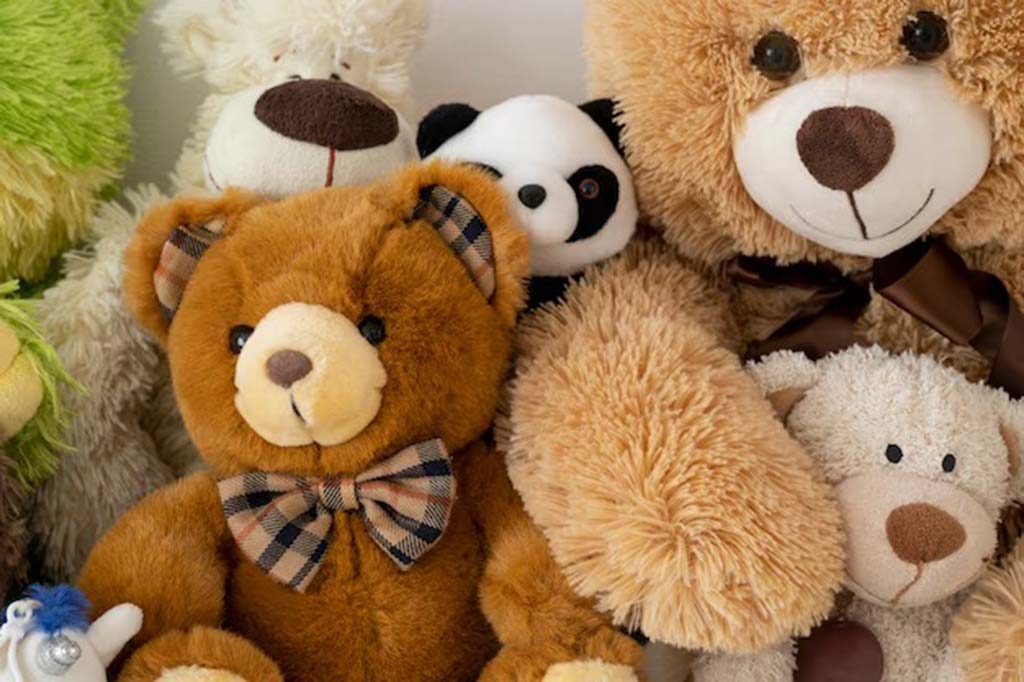
Ethical design means choice, honesty, and compliance. Give users control: removable scent, clear care steps, and calm language. Avoid medical claims (“reduces anxiety,” “treats insomnia”). Use comfort language instead (“soothing scent,” “relaxing routine”). Keep documentation tight: fragrance IFRA conformity, toy tests (EN71-1/2/3, ASTM F963, CPSIA), and tracking labels. If you claim recycled fills (rPET) or OEKO-TEX fabrics, hold valid certificates by lot and align hangtags with the real content.
In e-commerce, do not oversell scent strength. A light, pleasant note is better than a powerful smell that triggers returns. Photograph the sachet, the care card, and a scale-in-hand shot. In retail, train staff to explain how to remove the sachet and how to wash the toy. Finally, respect cultural norms: some markets like lavender; others prefer unscented or citrus. Run a small A/B test before scaling a scented line.
Table 6 — Ethical Scented Plush Checklist (Brand & Retail Readiness)
| Area | What to include | Why it helps |
|---|---|---|
| Compliance | EN71/ASTM/CPSIA tests; IFRA paperwork | Legal access; retailer trust |
| Transparency | Ingredient list for sachet; clear care | Reduces allergy risk and returns |
| Choice | Removable or very light scent | Fits sensitive users and kids |
| Claims | Comfort language; avoid medical | Honest marketing; fewer flags |
| Content | Photos of sachet, care steps, scale | Fewer size/scent surprises |
| Documentation | Lot-tied certificates, change log | Smooth audits and reorders |
Implementation playbook (you can apply this week)
- Decide your baseline: Unscented for babies; optional light scent for 3+ and adults.
- Pick delivery: Start with removable sachet. Keep microencapsulation for adult gift sets.
- Lock care: Short-pile for washable lines; add brush-after-wash note for faux fur.
- Test properly: EN71-1/2/3 and ASTM F963; CPSIA with CPC and tracking label; IFRA for fragrance.
- Write honest copy: “Light lavender sachet; remove before washing.” No medical claims.
- Show photos: Texture macro, scale-in-hand, sachet removal, and packaging.
- Monitor feedback: Track returns tagged “smell,” adjust sachet load or switch to unscented packs.
Conclusion
Smelling a stuffed animal is normal. It is how our brain links soft touch with comfort memories. Most plush pick up the scent of home and people; a few carry a gentle, planned note. As makers, we should keep scents optional, light, and well-labeled, and keep washing simple. That way, users enjoy the emotional benefit while we protect safety and trust. If you want help creating a comfort-forward plush line with clean documentation and simple care, email [email protected] or visit kinwintoys.com—my team at Kinwin can take you from brief to PPS to on-time mass.